Optimized Industrial Solutions for Global Edible Oil Investors
In the 2026 edible oil market, corn germ oil has become a high-priority investment due to its premium nutritional value. For international buyers, the challenge lies in balancing the 2026 corn germ oil production line price with high-efficiency extraction technology. QIE Group provides a seamless turnkey engineering approach, ensuring your facility achieves maximum ROI from day one.
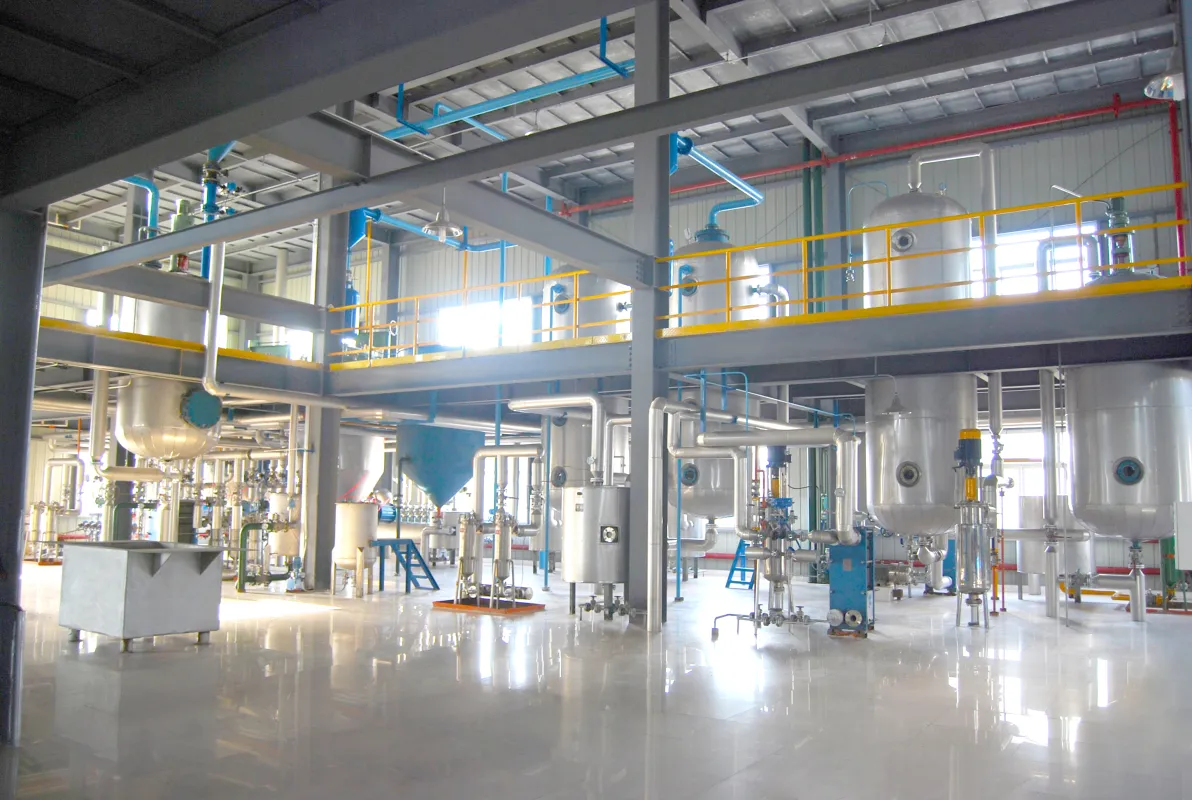
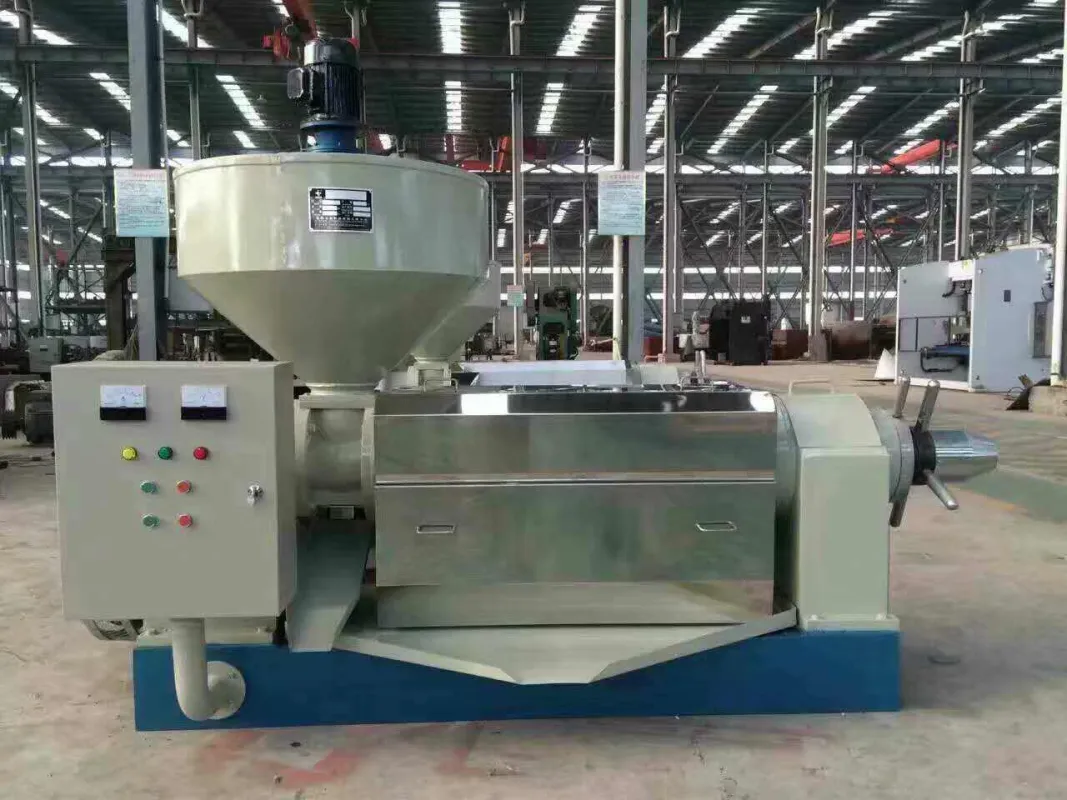
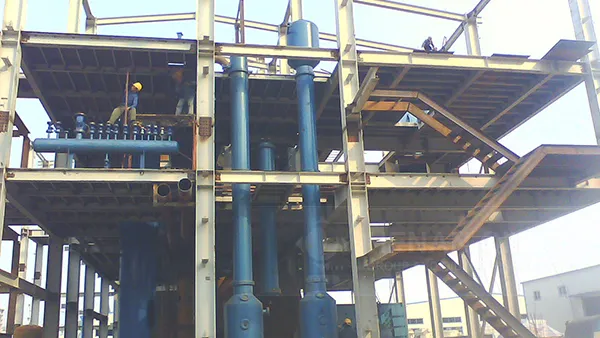
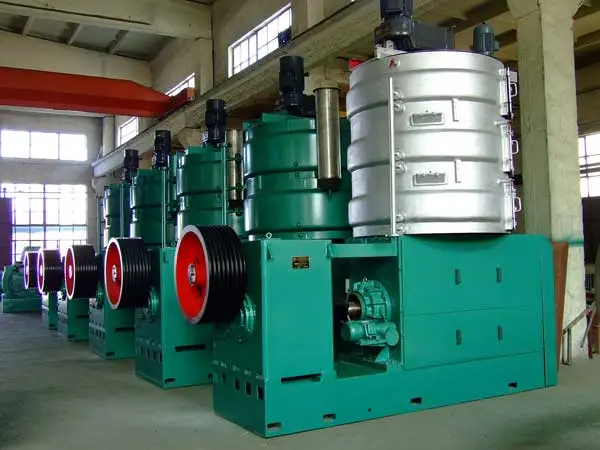
A standard 2026 corn oil project is divided into three critical stages, each requiring specialized machinery to ensure oil purity and yield.
.jpg)
The 2026 corn germ oil production line price is highly dependent on your daily capacity (TPD) and the level of PLC automation. While a basic 20 TPD line starts at a competitive entry price, larger industrial plants (100-500 TPD) integrate heat recovery systems that reduce energy costs by 15%, significantly shortening the payback period.
| Flaking Precision | 0.3 - 0.5 mm |
| Residual Oil in Meal | ≤ 0.5% (Solvent Extraction) |
| Oil Clarity | Passes 5.5h Cold Test at 0℃ |
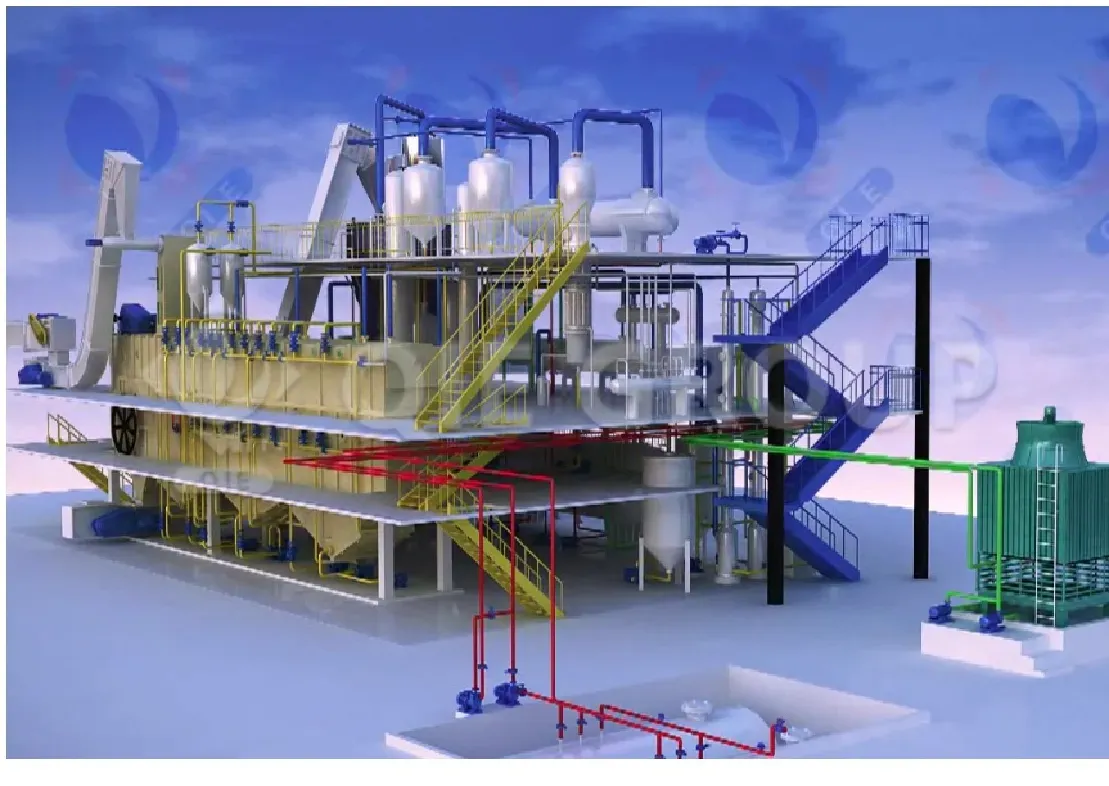
As a leading international exporter, QIE Group offers more than just machinery. Our 2026 turnkey package includes custom 3D factory layouts, on-site installation by senior engineers, and local staff training. We bridge the gap between complex engineering and profitable production, ensuring your corn germ oil production line meets global safety and environmental standards.
.jpg)
A: In 2026, project pricing is primarily driven by daily capacity (TPD) and the level of automation (PLC integration). Generally, a small-scale turnkey project (10-30 TPD) ranges between $50,000 and $150,000. For large-scale industrial plants exceeding 100 TPD utilizing pre-pressing and solvent extraction, prices typically range from $500,000 to over $3,000,000. As a specialized EPC contractor, QIE Group’s quotations are comprehensive, covering everything from core machinery to plant design and onsite installation.
A: Corn germ oil naturally contains 0.01%-0.04% wax. Without a professional dewaxing system (comprising crystallizing tanks and leaf filters), the oil will develop a cloudy, white precipitate when exposed to cold temperatures or supermarket refrigerated displays. QIE Group’s 2026 solution utilizes program-controlled cooling to ensure the oil remains crystal clear for at least 5.5 hours at 0°C. This quality stability is critical for meeting international retail standards and securing premium market pricing.
A: This depends on your long-term ROI goals. In our engineering experience, 100 TPD is the industry "tipping point." If you prioritize low initial CAPEX, mechanical pressing is simpler to implement. However, for maximum long-term profitability, Pre-pressing & Solvent Extraction is the superior choice. It reduces residual oil in the meal from 6%-8% (pressing) to less than 0.5%. This extra oil recovery translates into significantly higher daily revenue compared to competitors.
A: A complete turnkey configuration from QIE Group covers three essential stages:
Pre-treatment Section: Vibrating screens, magnetic separators, conditioners, and high-precision flaking rollers (achieving 0.3-0.5mm flake thickness).
Oil Extraction Section: High-pressure expellers (for pressing) or a complete extractor and solvent recovery system (for extraction).
Refinery Section: Centrifuges, bleaching and deodorizing towers, and the specialized dewaxing module essential for corn oil.
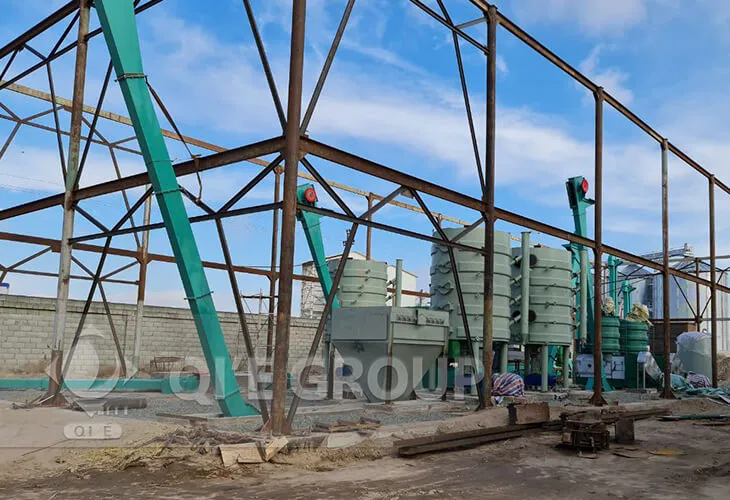
A: Our international engineering team operates under a strict Standard Operating Procedure (SOP). The lead time from contract signing to factory shipment is typically 60-90 days. Once the equipment arrives at your port, our senior engineers are dispatched to your site to lead installation, commissioning, and staff training. In 2026, we have integrated AR-assisted remote diagnostics to provide 24/7 technical support, ensuring a seamless transition from installation to full-scale production.
A: Sustainability is now a prerequisite for international tenders. QIE Group’s 2026 designs utilize multi-effect negative pressure evaporation to keep solvent loss below 1.5kg/t. Furthermore, our physical refining technology significantly minimizes chemical usage and wastewater discharge. These systems are not only ESG-compliant but also integrate heat recovery modules that reduce utility costs (electricity and steam) by approximately 15% compared to traditional plants.
Get your full machinery configuration and ROI analysis within 24 hours.
Contact QIE Group Engineers Equipo de extracción de aceite de sésamo
Prensa de aceite de sésamo totalmente automática
Diagrama de flujo del procesamiento del aceite de sésamo
Elija una línea de producción de aceite de semilla de girasol
Línea de producción adecuada de aceite de semilla de girasol
Equipos de producción de aceite de girasol
Selección de equipos para procesar semillas de algodón
Comparación del prensado mecánico y la extracción con disolventes
Equipos para procesar aceite de semilla de algodón
Selección del sitio para la almazara
Sitio de producción de una fábrica de aceite comestible
Sitio de producción de almazara
Equipamiento de producción de aceite de soja
Línea de producción de aceite de soja
Equipamiento de procesamiento de aceite de soja
Equipo de extracción de aceite de sésamo
Prensa de aceite de sésamo totalmente automática
Diagrama de flujo del procesamiento del aceite de sésamo
Elija una línea de producción de aceite de semilla de girasol
Línea de producción adecuada de aceite de semilla de girasol
Equipos de producción de aceite de girasol
Selección de equipos para procesar semillas de algodón
Comparación del prensado mecánico y la extracción con disolventes
Equipos para procesar aceite de semilla de algodón
Selección del sitio para la almazara
Sitio de producción de una fábrica de aceite comestible
Sitio de producción de almazara
Equipamiento de producción de aceite de soja
Línea de producción de aceite de soja
Equipamiento de procesamiento de aceite de soja


.png?x-oss-process=image/resize,h_100,m_lfit/format,webp)
.png?x-oss-process=image/resize,h_100,m_lfit/format,webp)
.png?x-oss-process=image/resize,h_100,m_lfit/format,webp)