.png?x-oss-process=image/resize,h_100,m_lfit/format,webp)
.png?x-oss-process=image/resize,h_100,m_lfit/format,webp)
.png?x-oss-process=image/resize,h_100,m_lfit/format,webp)
In 2026, the global edible oil market is defined by two metrics: minimal solvent loss and maximum oil yield. For investors scaling to 10–100 t/h capacities, selecting the right integration of mechanical pre-treatment and solvent extraction is the primary driver of profitability. This guide analyzes the latest technical standards and 2026 pricing for 10–100 t/h edible Oil Extraction lines.
1. Advanced Pre-treatment: The Foundation of Success
Effective extraction begins with precision conditioning. Our 2026 configurations focus on destroying cell structures to allow maximum solvent penetration:
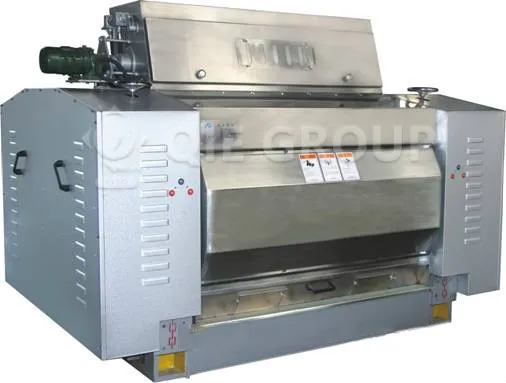
- Precision Flaking: Our mills produce uniform flakes (0.3–0.5mm). This thickness is critical to maximize the contact area with solvent.
- Extrusion (Expansion): For soybeans or rice bran, expansion technology creates a porous structure, increasing plant capacity by over 30% and stabilizing the oil.
2. Extraction Core: Solvent Leaching Technology
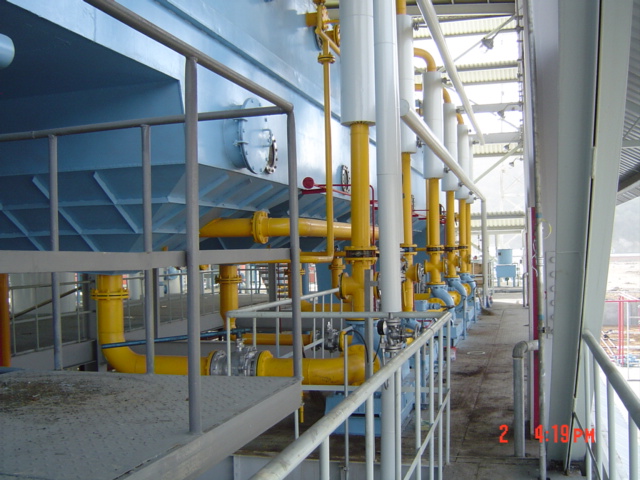
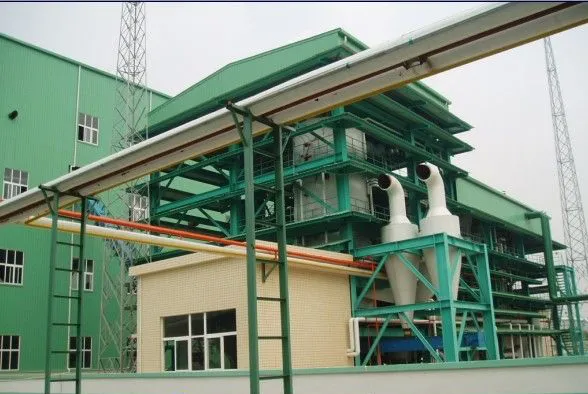
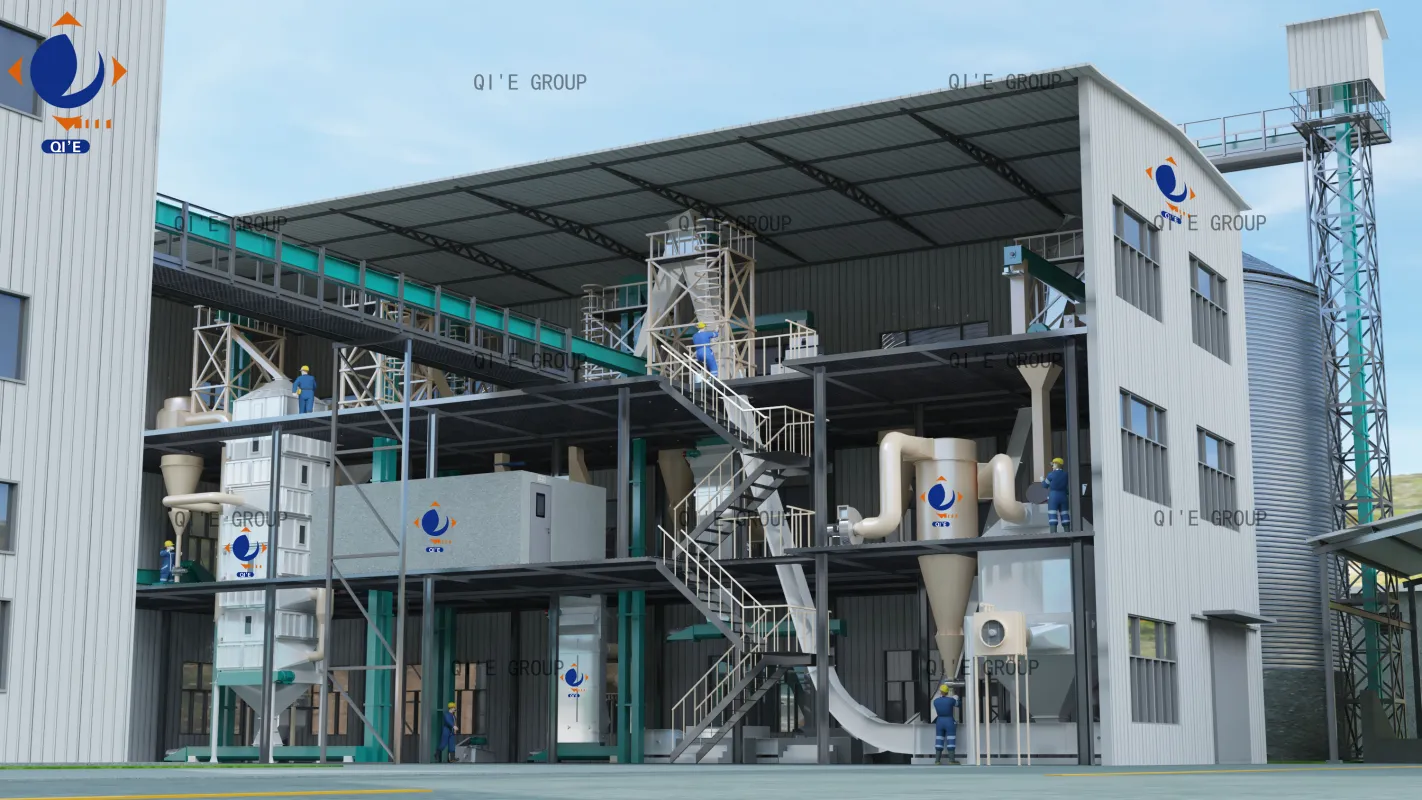
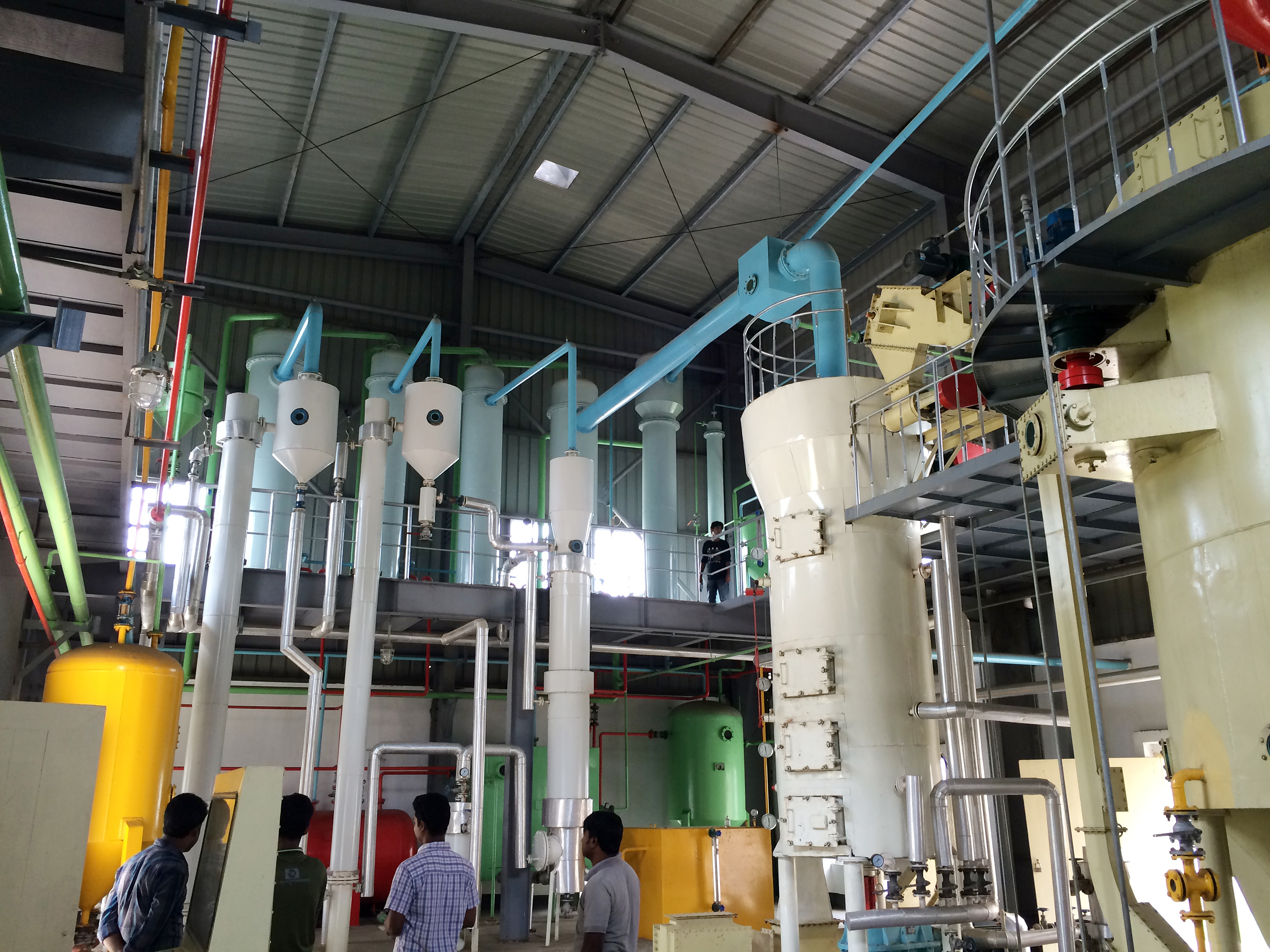
For industrial scales of 50–100 t/h, solvent extraction is the gold standard, reaching a residual oil rate of ≤ 0.5%. QIE Group integrates specialized extractors (Rotocel, Loop-type, or Drag-line) designed for zero-leakage and high safety standards.
3. The "Four-System" Resource Recovery
Operating costs are dictated by solvent recovery. Our 2026 models feature:
- DTDC Desolventizer: Precise heat control for high-quality meal production.
- Negative Pressure Evaporation: Ensures residual solvent levels < 50ppm in the crude oil.
- 99.9% Solvent Recovery: Achieved through paraffin absorption and heavy-duty condensing systems.
4. 2026 Budgeting & ROI
The pricing for 10–100 t/h edible oil extraction lines is tiered by automation. While PLC-controlled smart lines have a higher upfront cost, the reduction in solvent loss and labor ensures a faster ROI (typically 12–18 months).