.png?x-oss-process=image/resize,h_100,m_lfit/format,webp)
.png?x-oss-process=image/resize,h_100,m_lfit/format,webp)
.png?x-oss-process=image/resize,h_100,m_lfit/format,webp)
In the modern oil processing industry, the choice of processing route is not only a technical issue, but also directly related to oil yield, product positioning, and overall return on investment. There are two different processes in rapeseed oil processing, which directly affect oil yield, oil flavor, and overall profitability. Different demands place different requirements on processing methods. The following will analyze in detail the characteristics of pressing and solvent extraction (leaching), as well as the differences between cold pressing and hot pressing, and introduce an integrated rapeseed oil processing production line with solvent recovery capabilities.
Mainstream technology routes for rapeseed oil processing
- Mechanical pressing
- Solvent extraction
For most industrial projects, a combined process is also used: pre-pressing + solvent extraction.
Analysis of pressing processes: Differences between cold-pressed and hot-pressed rapeseed oil
Pressing remains an important method for producing high-quality edible oils. Rapeseed oils vary depending on market demand, and cold-pressed and hot-pressed oils also differ.
Hot pressing process: high oil yield and rich aroma
Hot pressing involves steaming and roasting rapeseed before pressing it. Its characteristics include:
- Enhance the aroma and flavor of oils
- Improves oil fluidity and increases oil yield
- The technology is mature and suitable for large-scale production.
However, some heat-sensitive nutrients may be lost under high-temperature conditions.
Applicable scenarios: Traditional edible oil market, home cooking, catering and mass consumption.
Cold pressing process: high quality and nutrient retention
Cold pressing involves directly pressing rapeseed at a lower temperature (approximately 60–70°C) without high-temperature steaming or roasting. Its advantage lies in retaining more natural components: vitamin E, polyphenols, and phytosterols .
Finished product characteristics: lighter color, milder flavor, and higher nutritional value. However, the oil yield is relatively lower than that of hot-pressed products.
Suitable for: the high-end health oil market and consumers who value nutritional value.
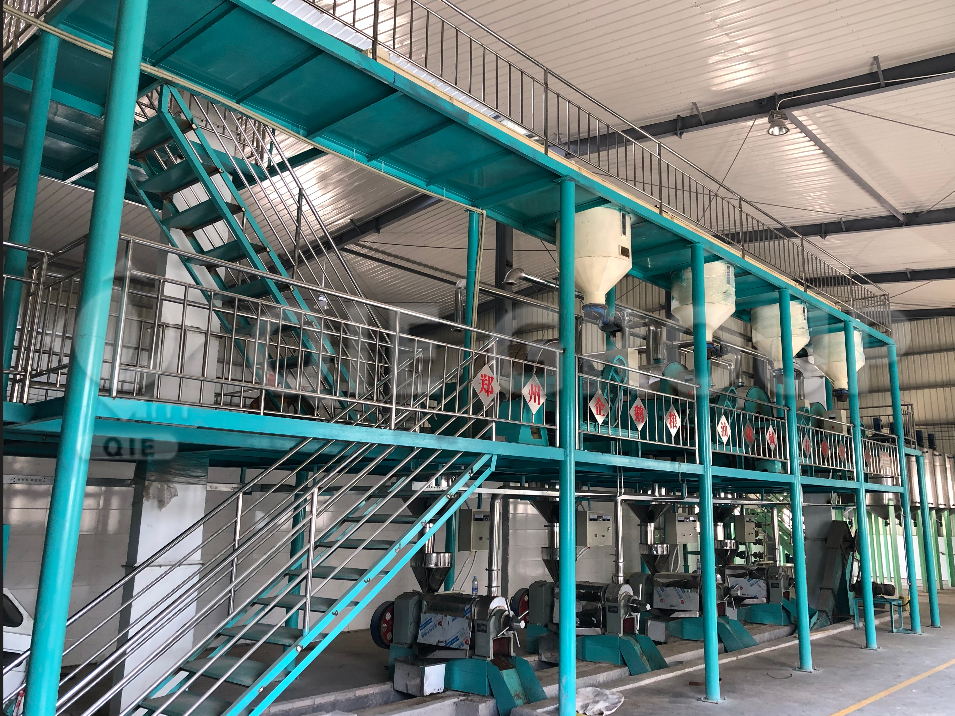
Solvent extraction of rapeseed oil
In large-scale industrial production, solvent extraction is a core technology for achieving high oil yields. The residual oil content in rapeseed oil solvent extraction plants is an important indicator of system efficiency.
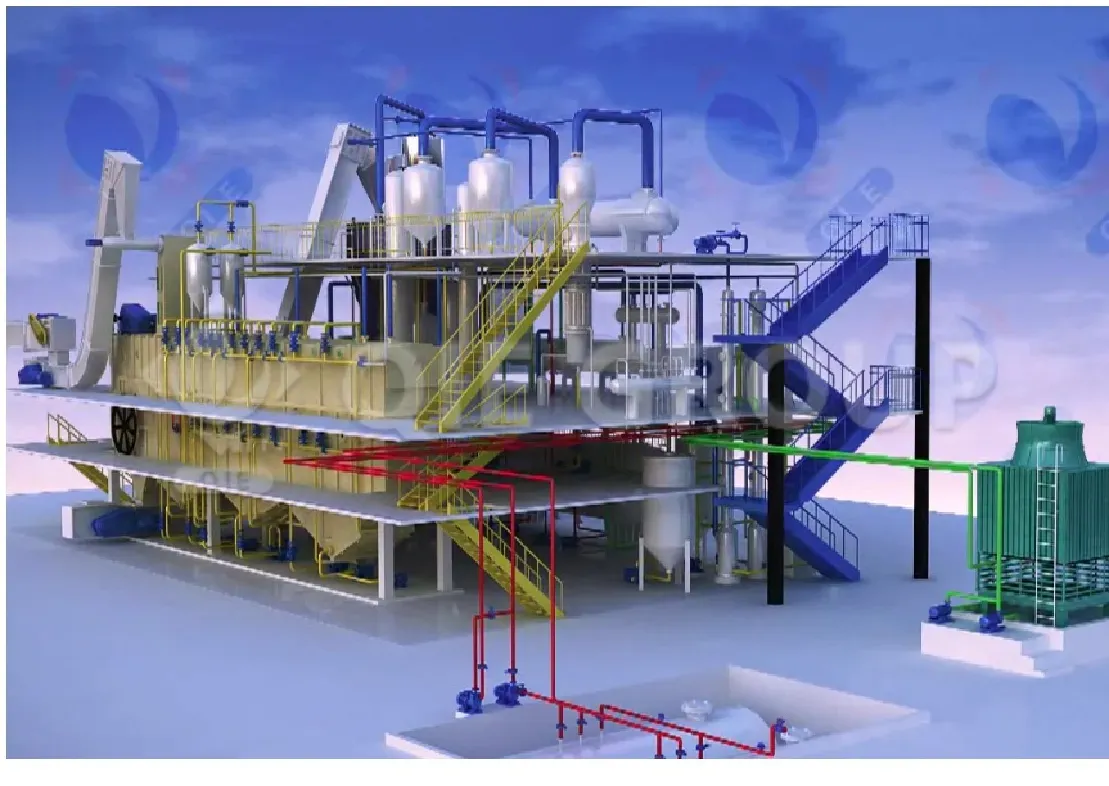
The modern pre-pressing-extraction process first involves pre-pressing the steamed and roasted raw material using a screw press to extract most of the oil, yielding a pre-pressed cake (with a residual oil content of approximately 12%-18%). The pre-pressed cake is then fed into an extractor and soaked in solvents such as n-hexane to dissolve the residual oil. After solvent recovery, the oil-containing mixture is heated in an evaporator and stripping tower to separate the solvent, obtaining crude extracted oil. The wet meal is then desolventized to remove the solvent, yielding the finished meal.
- The residual oil content in the meal can be controlled to ≤0.5%.
- Solvent consumption is approximately 1.5 kg/ton of raw material.
- Solvent recovery rate can reach ≥99.5%.
- Thermal energy utilization efficiency increased by 10%–15%.
This means: maximized raw material utilization, improved safety and environmental protection, and significantly enhanced overall economic benefits. It is suitable for large-scale industrial production and mass consumer markets.
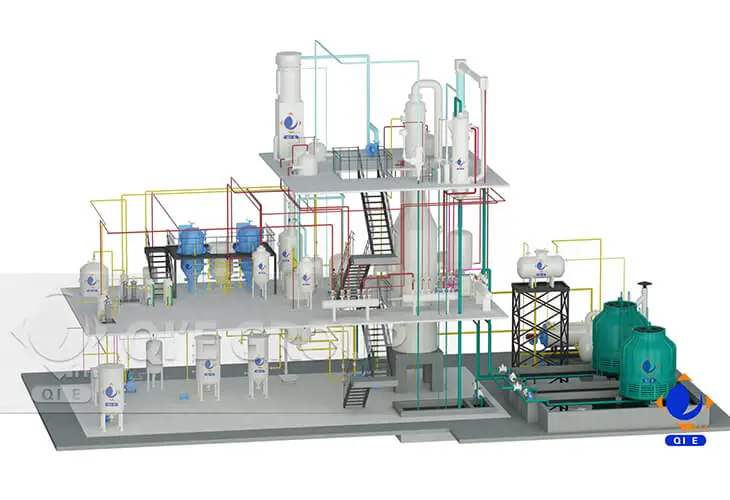
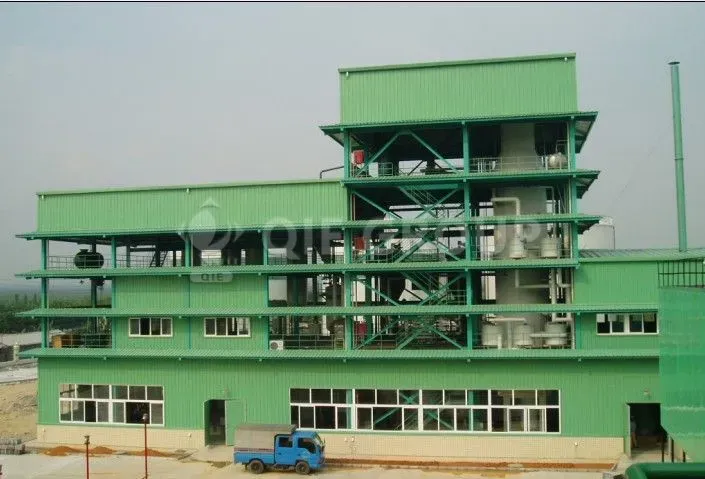
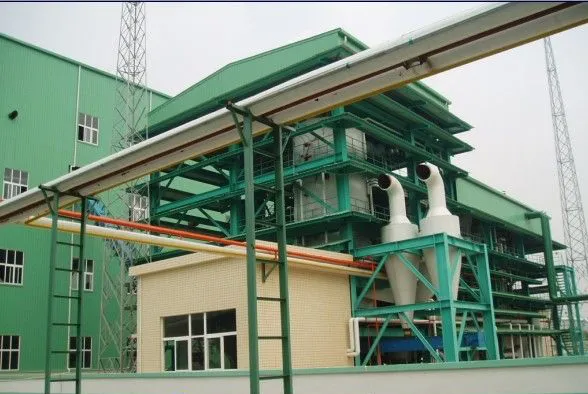
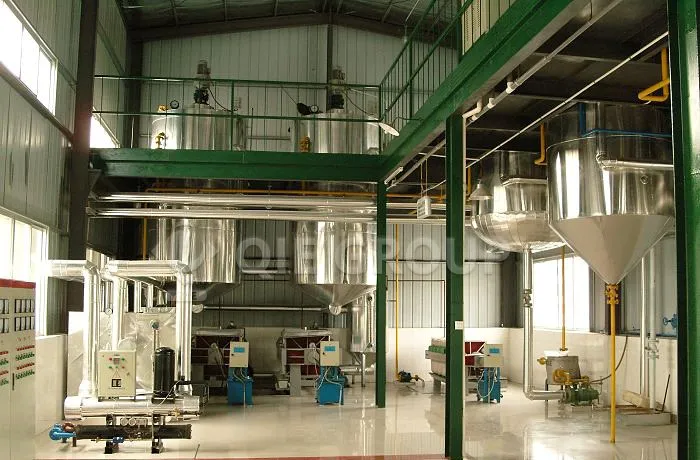
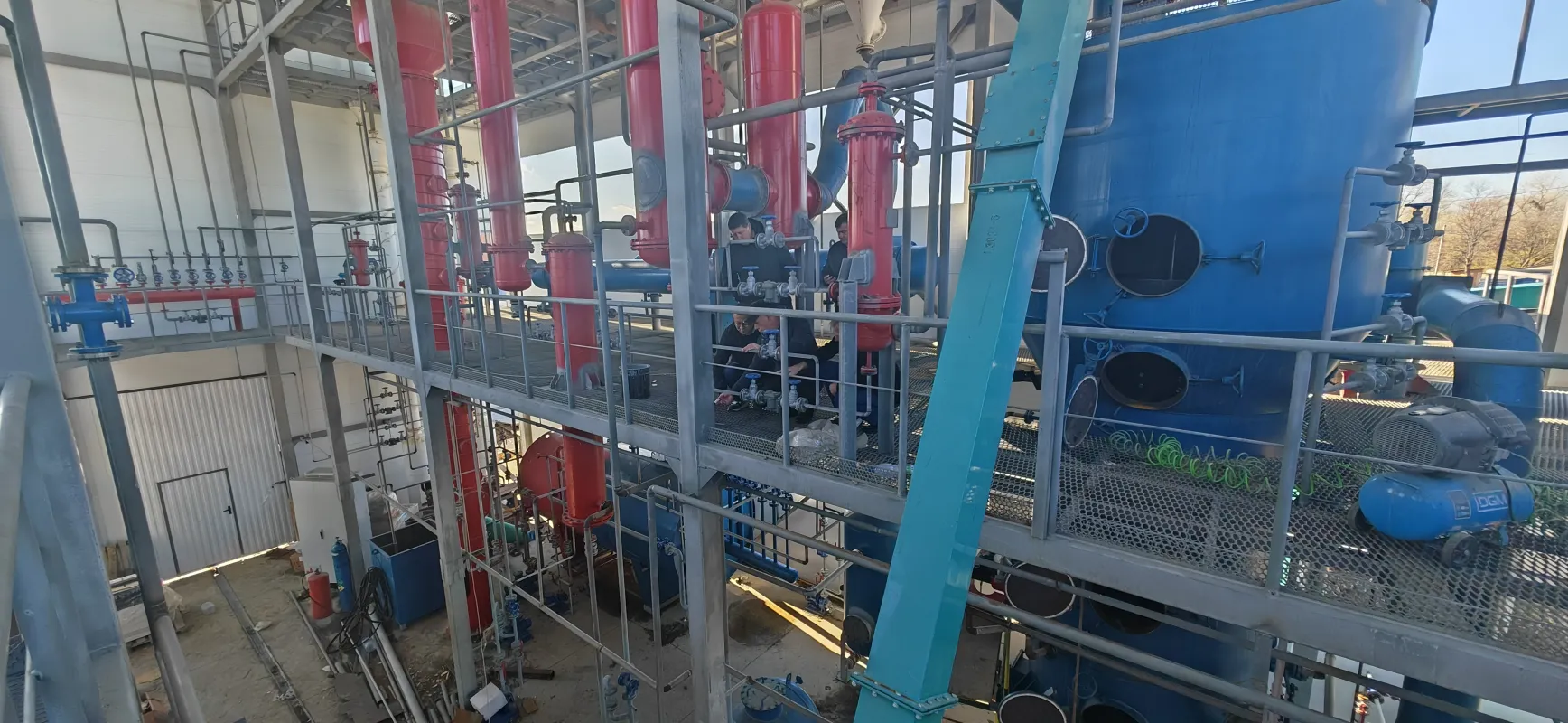
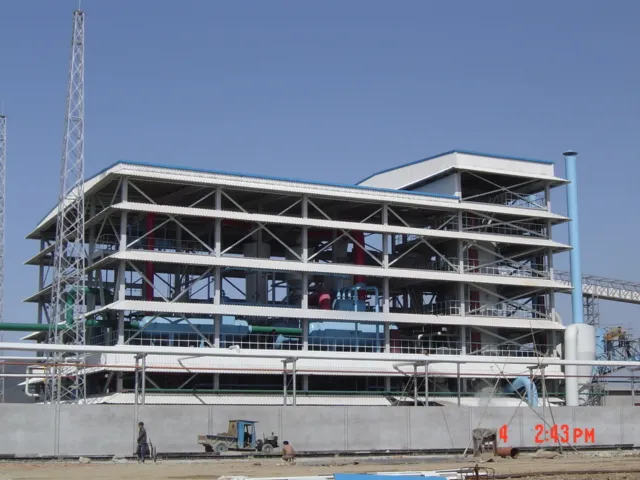
Integrated rapeseed oil processing production line with solvent recovery function
With increasingly stringent environmental and safety standards, the industry is upgrading towards integrated, closed-loop systems. Integrated rapeseed oil processing lines with solvent recovery capabilities have become the mainstream choice for large-scale projects.
Prevent solvent leakage and improve safety.
Improve separation efficiency and reduce energy consumption.
Maximize solvent recovery and control costs.
Compared with traditional systems, this type of production line can achieve: a 10-15% increase in thermal energy utilization, reduced operating costs, and comprehensive improvement in environmental protection and safety performance.

How to choose the right process for different technologies?
| Suitable pressing process | Suitable choice for solvent extraction process |
|---|---|
| • Emphasis on oil quality and nutrition • Targeting the high-end or niche markets • Small production capacity |
• Pursuing high oil yield Large-scale industrial production • Clearly cost-oriented |
Final Refining: Ensuring Safety and Stability
Whether it's pressed crude oil or solvent-extracted crude oil, it must undergo a refining process to meet international food safety standards. This includes degumming, deacidification, decolorization, and deodorization. Our advanced deodorization process operates in a high-vacuum environment (temperature 220-240°C), achieving a "zero trans fatty acid" standard , ensuring that the finished oil is both stable and healthy.
With 43 years of experience in oleochemical engineering, QIE GROUP can provide you with the best solutions for your rapeseed oil processing line, whether you prefer pressing or solvent extraction. If you have any questions about rapeseed oil processing, please feel free to contact QIE GROUP for further discussion.