


.png?x-oss-process=image/resize,h_100,m_lfit/format,webp)
.png?x-oss-process=image/resize,h_100,m_lfit/format,webp)
.png?x-oss-process=image/resize,h_100,m_lfit/format,webp)
Introduction
For investors planning a new edible oil processing facility, one of the most common questions is whether a turnkey oil processing plant is worth the higher initial investment compared with equipment-only procurement.
At first glance, turnkey projects often appear more expensive because they include engineering design, installation supervision, commissioning, automation integration, and technical support in addition to equipment supply. However, focusing solely on procurement cost can be misleading.
In many edible oil projects, hidden expenses associated with fragmented procurement—such as engineering rework, commissioning delays, utility mismatches, and production startup issues—can significantly increase total project expenditure.
Therefore, the real investment question is not simply how much a turnkey oil processing plant costs, but whether the additional investment creates measurable value through lower execution risk, faster commissioning, and improved long-term operational performance.
This article compares turnkey vs equipment-only oil processing plant models from the perspectives of investment cost, project risk, total cost of ownership (TCO), and edible oil processing plant return on investment (ROI).
Why Turnkey Oil Processing Plant Investment Cost Is Higher
The higher turnkey oil processing plant investment cost is primarily driven by the inclusion of engineering responsibility and system integration services rather than equipment supply alone.
A turnkey EPC package typically includes:
- Process design and engineering integration
- Equipment manufacturing and matching
- Utility system planning
- Civil works coordination
- Installation supervision
- Automation and control system integration
- Commissioning and performance testing
- Operator training
- Technical support after startup
Unlike equipment-only procurement, where investors coordinate multiple suppliers and contractors, a turnkey contractor assumes responsibility for delivering a fully operational plant.
This integrated approach reduces project uncertainty and simplifies execution but naturally increases initial capital expenditure.
Hidden Costs Often Overlooked in Equipment-Only Projects
Many investors compare quotations without considering the costs that often emerge during project implementation.
Engineering Rework
When equipment is purchased from different suppliers, compatibility issues frequently arise during installation.
Typical challenges include:
- Piping redesign
- Structural modifications
- Steam system balancing
- Utility capacity adjustments
These engineering changes can increase overall project expenditure significantly.
Commissioning Delays
Delayed commissioning can directly affect:
- Revenue generation
- Working capital turnover
- Market entry timing
- Return on investment
Even a two- or three-month delay may have a substantial financial impact on medium-scale edible oil projects.
Utility Mismatch
Common problems include:
- Incorrect boiler sizing
- Steam pressure incompatibility
- Electrical load mismatch
- Water treatment system redesign
Automation Integration Issues
Multiple suppliers often use different control architectures, creating additional requirements for:
- PLC reprogramming
- Sensor calibration
- Communication interface development
- System debugging
These hidden costs rarely appear in initial quotations but can significantly affect final project budgets.
Turnkey vs Equipment-Only Oil Processing Plant: Total Cost of Ownership
A meaningful comparison should focus on total lifecycle value rather than procurement cost alone.
| Cost Factor | Equipment-Only Model | Turnkey Oil Processing Plant |
|---|---|---|
| Initial CAPEX | Lower | Higher |
| Engineering Responsibility | Investor | EPC Contractor |
| Construction Risk | Medium–High | Lower |
| Project Delay Probability | Higher | Lower |
| Commissioning Time | Longer | Shorter |
| System Compatibility | Variable | Integrated |
| Expansion Planning | Limited | Structured |
| Lifecycle Cost Predictability | Lower | Higher |
When evaluating turnkey vs equipment-only oil processing plant solutions, investors should consider how project execution affects long-term profitability rather than focusing exclusively on equipment pricing.
When Is a Turnkey Oil Processing Plant Worth the Higher Investment?
Medium and Large Capacity Projects
As plant capacity increases, process complexity grows significantly.
Large facilities require:
- Multi-stage processing systems
- Integrated utility networks
- Advanced automation
- Coordinated material handling systems
- Energy optimization strategies
In these environments, integration risk often becomes a more important factor than equipment cost.
First-Time Investors
New investors frequently underestimate:
- Steam balance requirements
- Utility design complexity
- Equipment synchronization
- Food processing compliance standards
A turnkey structure reduces the learning curve and lowers project execution risk.
Regions with Limited Engineering Resources
Many emerging markets face challenges such as:
- Limited EPC expertise
- Shortages of commissioning engineers
- Procurement delays
- Contractor coordination difficulties
A turnkey delivery model helps reduce dependence on multiple local contractors and improves project control.
Case Study: 350 TPD Rapeseed and Sunflower Extraction Plant in Ukraine
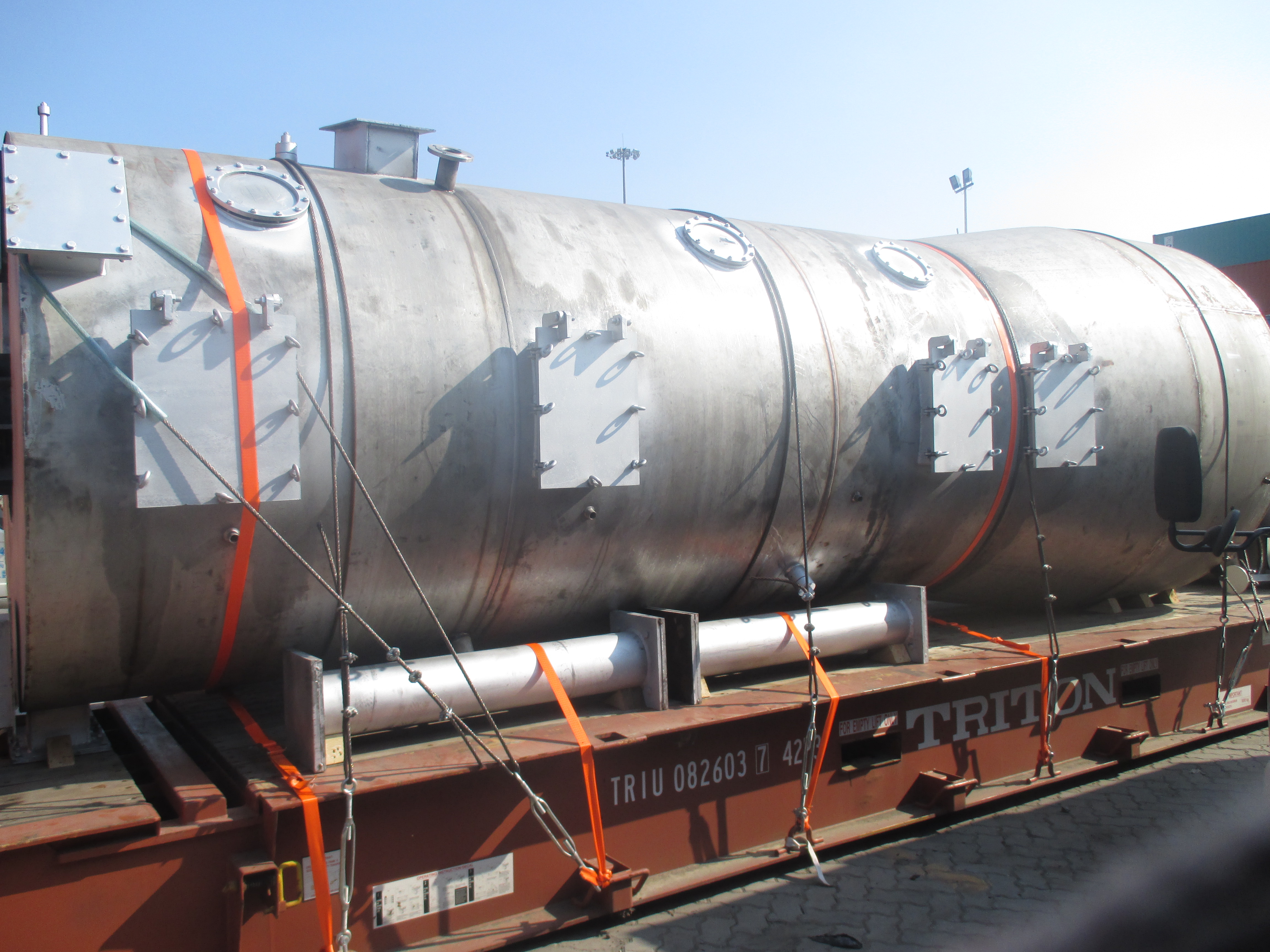
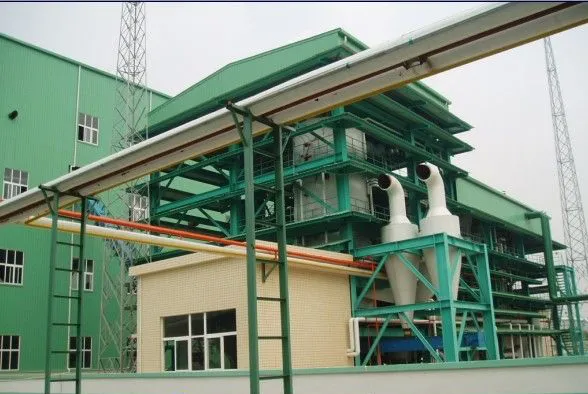
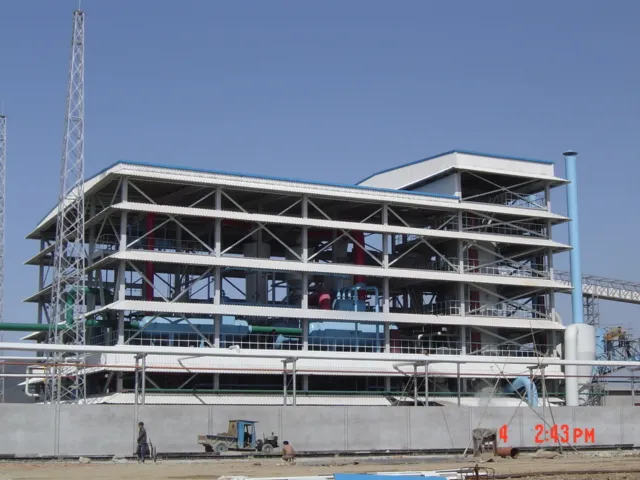
A practical example of turnkey project implementation is a 350 TPD rapeseed and sunflower extraction plant delivered under a complete EPC model. The project included process design, equipment manufacturing, installation, commissioning, and operator training under a unified turnkey framework.
Project Overview
| Item | Details |
|---|---|
| Capacity | 350 TPD |
| Raw Materials | Rapeseed & Sunflower Seed |
| Project Type | Turnkey EPC |
| Core Process | Pretreatment + Pressing + Extraction |
| Solvent Recovery | Included |
| Energy Optimization | Multi-stage Heat Exchange System |
Key Advantages
The facility was designed to accommodate the characteristics of both rapeseed and sunflower seed while maintaining operational efficiency and product quality.
Major features included:
- High-efficiency continuous extraction system
- Exhaust gas recovery system
- Liquid-ring vacuum technology
- Multi-stage heat recovery configuration
- Integrated dust collection system
- Full operator training and startup support
Following commissioning, the plant achieved stable operation, low steam consumption, low solvent consumption, and production performance aligned with customer expectations.
Why This Matters
For large-scale edible oil projects, system integration often determines whether a facility reaches its planned performance targets efficiently.
This project demonstrates how a turnkey model can reduce implementation risk while improving operational predictability.

Can Higher Initial Investment Be Recovered Over Time?
The additional investment associated with a turnkey oil processing plant can often be recovered through operational advantages over the plant lifecycle.
Three factors are particularly important.
Faster Production Ramp-Up
Earlier startup means:
- Earlier revenue generation
- Improved cash flow
- Faster market entry
In competitive markets, a shorter commissioning period can create a significant financial advantage.
Improved Operational Stability
Integrated engineering generally reduces:
- Startup failures
- Process interruptions
- Equipment conflicts
- Unplanned downtime
Stable operation is especially important during the first years of plant operation.
Better Energy Efficiency
Modern turnkey facilities frequently include:
- Heat recovery systems
- Optimized steam distribution
- Variable Frequency Drives (VFDs)
- Automated process balancing
These technologies can reduce long-term operating costs and improve overall plant economics.
Edible Oil Processing Plant Return on Investment: A Practical Perspective
When evaluating edible oil processing plant return on investment, investors should focus on operational performance over the entire lifecycle of the project rather than solely on initial capital expenditure.
Several variables directly influence ROI:
- Plant utilization rate
- Oil extraction efficiency
- Product quality consistency
- Energy consumption
- Maintenance requirements
- Time-to-production
A project with slightly higher CAPEX may generate superior financial performance if it achieves faster startup, lower operating costs, and higher production stability.
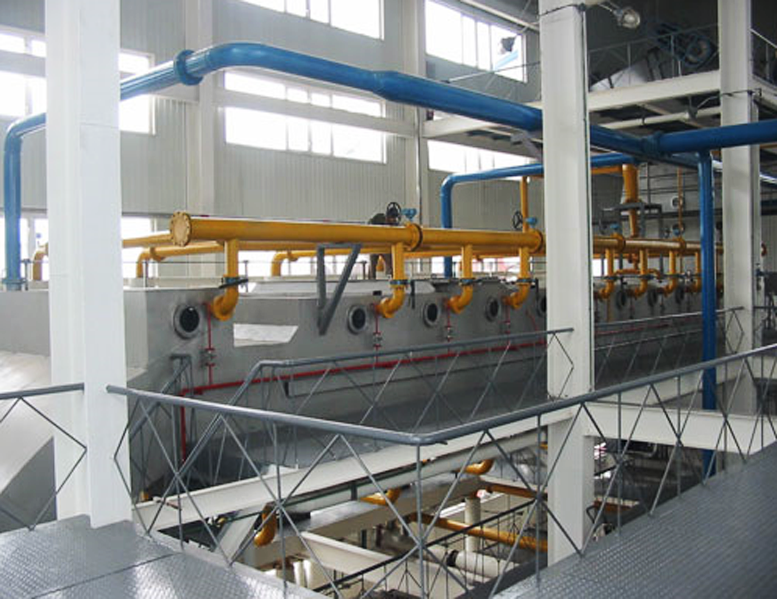
Case Study: 200 TPD Soybean Pretreatment and Extraction Project in Serbia
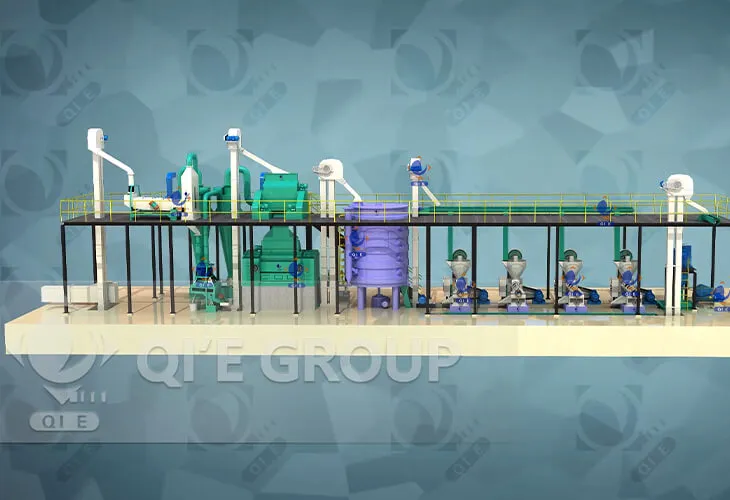
Another example is a 200 TPD soybean low-temperature pretreatment and extraction project designed to maximize both crude soybean oil production and soybean meal value. The production line integrates pretreatment, extraction, desolventizing, solvent recovery, and automation systems into a coordinated operation platform.
Project Overview
| Item | Details |
|---|---|
| Capacity | 200 TPD |
| Feedstock | Soybean |
| Main Products | Crude Soybean Oil & High-Protein Soybean Meal |
| Processing Technology | Low-Temperature Pretreatment |
| Automation Level | High |
| Solvent Recovery System | Closed-Loop Recovery |
Project Advantages
The project was designed to achieve both efficient oil extraction and preservation of soybean meal protein quality.
Key benefits include:
- High oil extraction efficiency
- High-value soybean meal production
- Continuous automated operation
- Low solvent consumption
- Reduced environmental emissions
- Flexible product output strategy
The facility also utilizes advanced solvent recovery and process control systems that improve operating efficiency and reduce long-term production costs.
ROI Impact
From an investment perspective, the project demonstrates how integrated process design can create multiple revenue streams while improving resource utilization.
In addition to crude oil production, high-protein soybean meal contributes substantial added value, strengthening overall edible oil processing plant return on investment.

Investment Decision Framework: CAPEX vs Lifecycle Value
Investors should evaluate turnkey oil processing plant investment using a structured decision framework.
| Evaluation Factor | Importance |
|---|---|
| Time-to-Production | High |
| Engineering Risk | High |
| Operational Stability | High |
| Energy Efficiency | Medium–High |
| Maintenance Predictability | Medium–High |
| Expansion Flexibility | Medium |
| ROI Potential | High |
The key question is not whether turnkey projects cost more initially.
The more important question is whether the additional investment reduces uncertainty and improves financial predictability over a 5–10 year operating horizon.
Summary: Is a Turnkey Oil Processing Plant Worth the Higher Initial Investment?
For medium- and large-scale edible oil projects, a turnkey oil processing plant is often worth the higher initial investment because it reduces engineering risk, shortens commissioning timelines, improves system integration, and supports stronger long-term operational performance.
Although turnkey oil processing plant investment cost is generally higher during the procurement stage, many investors achieve greater lifecycle value through:
- Faster startup
- Lower implementation risk
- Improved operational stability
- Better energy efficiency
- More predictable maintenance costs
- Stronger edible oil processing plant return on investment
Ultimately, the decision should be based on total cost of ownership, project complexity, available technical resources, and long-term business objectives rather than equipment price alone.
About the Author
Michael Li | Senior Process Engineer, QIE GROUP
Michael Li has more than 16 years of experience in edible oil EPC project design, engineering integration, and commissioning management. His project portfolio includes soybean, sunflower, rapeseed, palm oil, peanut oil, and sesame oil processing plants across Africa, Central Asia, Eastern Europe, and Southeast Asia.
His expertise includes:
- Edible oil processing plant design
- EPC project management
- Utility system optimization
- Process integration
- Automation and control systems
- Capacity expansion planning
- Commissioning and operational support
Through participation in numerous turnkey oil processing plant projects ranging from 10 TPD to over 500 TPD, he has developed extensive practical knowledge in reducing project execution risks and improving long-term plant performance.
Turnkey Oil Processing Plant:Frequently Asked Questions
1. Is a turnkey oil processing plant always more expensive than equipment-only procurement?
Not necessarily in total lifecycle terms.
While upfront CAPEX is typically higher due to engineering, installation, and integration services, equipment-only projects often incur additional indirect costs such as redesign, commissioning delays, and system incompatibility adjustments. These hidden costs may offset initial savings depending on project complexity.
2. What is the typical cost difference between turnkey and equipment-only oil plants?
Industry benchmarks suggest turnkey EPC projects may be 5–20% higher in initial investment compared to equipment-only procurement. However, this range varies significantly based on:
· Plant capacity (TPD level)
· Level of automation
· Local construction costs
· Engineering complexity
The final comparison should be evaluated using total cost of ownership rather than purchase price.
3. Which type of investor benefits most from a turnkey oil processing plant?
Turnkey solutions are generally more suitable for:
· First-time industrial investors
· Medium to large-scale plants (≥50 TPD)
· Projects in regions with limited engineering infrastructure
· Investors prioritizing fast commissioning and market entry
Experienced operators with strong in-house engineering teams may still prefer hybrid procurement models.
4. What are the main risks of not choosing a turnkey oil plant solution?
Key risks include:
· Equipment mismatch between suppliers
· Extended commissioning timelines
· Higher coordination burden on investors
· Increased probability of design rework
· Difficulty in assigning responsibility for technical issues
These risks typically become more significant as plant complexity increases.
5. Can a turnkey oil processing plant improve long-term profitability?
Indirectly, yes—through operational stability rather than guaranteed profit increase.
Turnkey systems may contribute to:
· Faster production ramp-up
· More stable process integration
· Reduced early-stage downtime
· Improved energy system optimization
However, profitability still depends on feedstock cost, market demand, and plant utilization rate.



.JPG?x-oss-process=image/resize,h_800,m_lfit/format,webp)

.jpg?x-oss-process=image/resize,h_800,m_lfit/format,webp)


