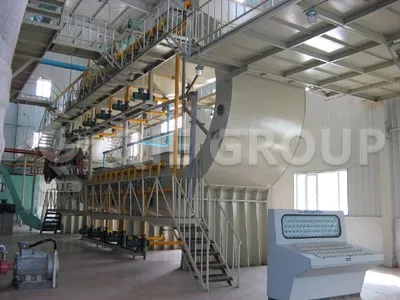
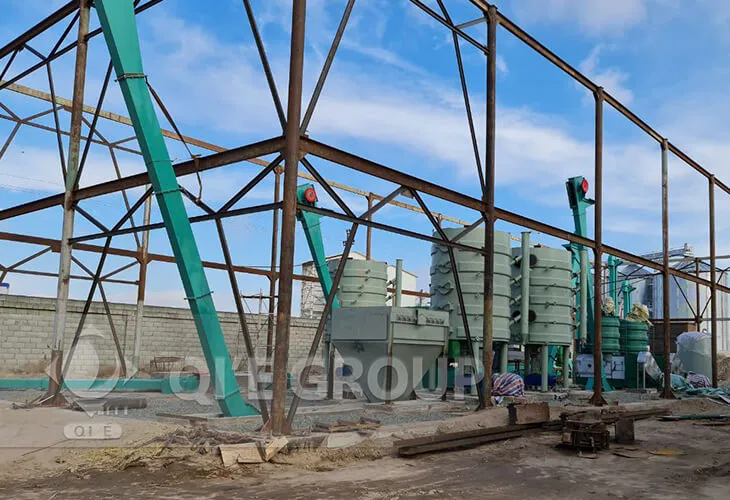
Shea butter processing plants are mainly used to industrially process shea nuts into high-quality shea butter products, which are widely used in the food, cosmetics and pharmaceutical fields.
Industrial-scale shea butter extraction requires robust, heavy-duty machinery to handle the unique physical properties of shea nuts. Such production lines typically have the following characteristics:
Unlike traditional small-scale pressing, industrial shea butter production emphasizes stability, consistency, and controllability throughout the entire process. These engineering solutions aim to achieve continuous operation, high oil yield, and minimize equipment downtime for maintenance. By integrating mechanical pretreatment, specialized pressing, and multi-stage chemical or physical refining, our plant setup solutions ensure traceability throughout the entire production process and rigorous control over key quality indicators such as free fatty acids (FFA), color, and odor.
The standard shea butter production process typically includes the following steps:
Each step directly affects the oil extraction efficiency and the final oil quality.
The raw materials first enter the cleaning system to remove dust, sand and impurities.
Main function:
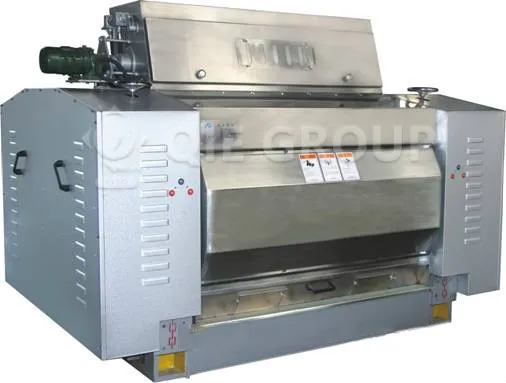
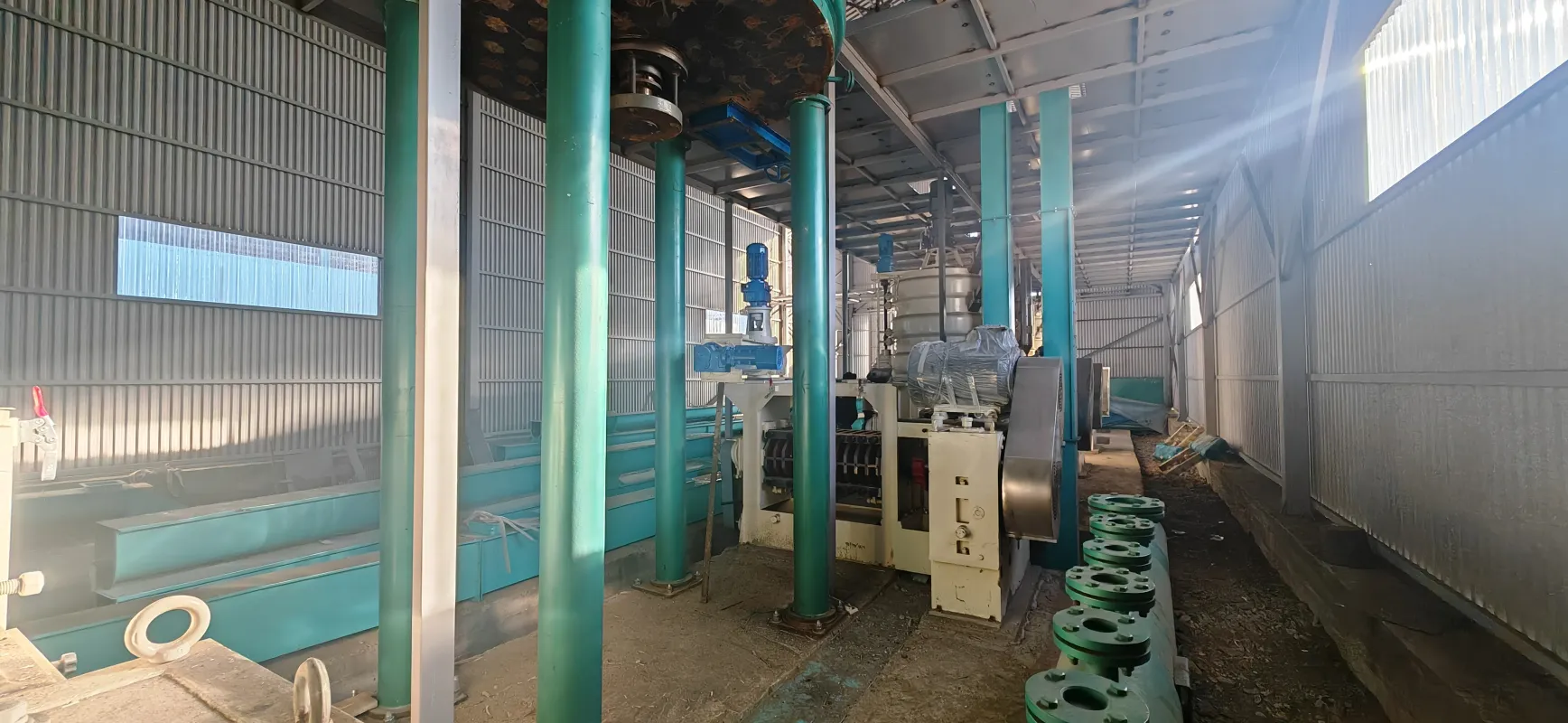
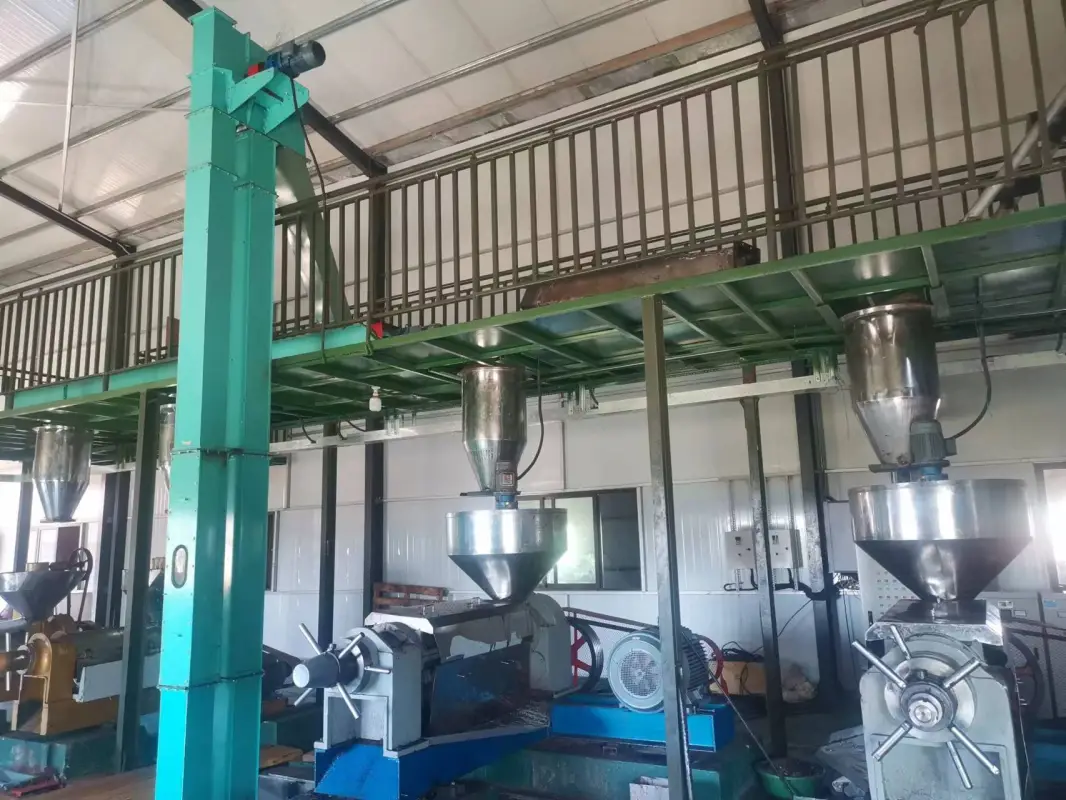
Before oil extraction can begin, shea butter must be conditioned to break down cell structures and release the lipids locked inside.
The crude oil obtained by pressing contains minor impurities and requires further processing.
Common methods include:
This step ensures that the crude oil meets the requirements for entering the refining section.
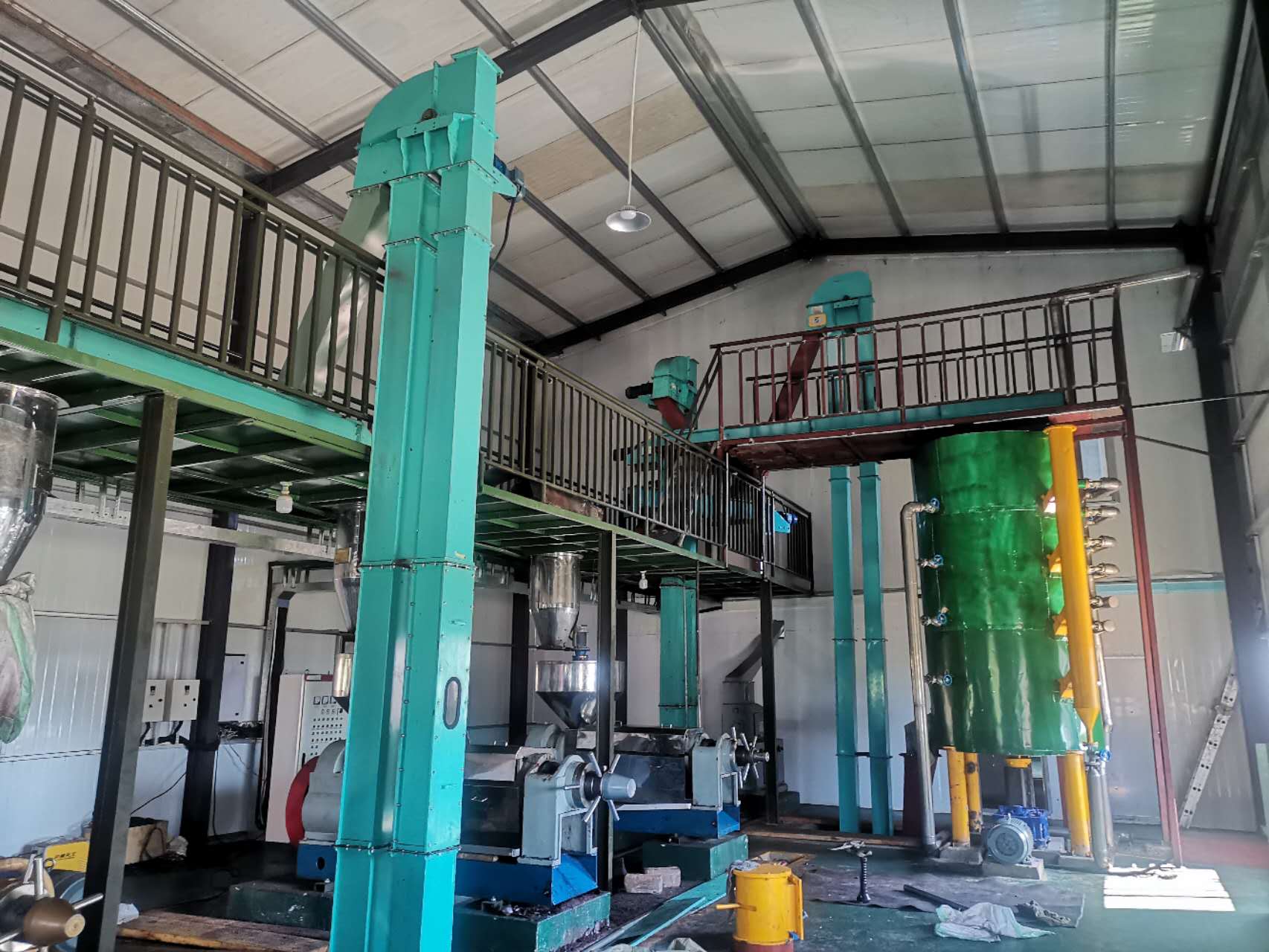
Shea butter crude oil contains natural gums, pigments, and volatile odor substances, which must be systematically removed before it can be used in cosmetics or food products such as chocolate coatings.
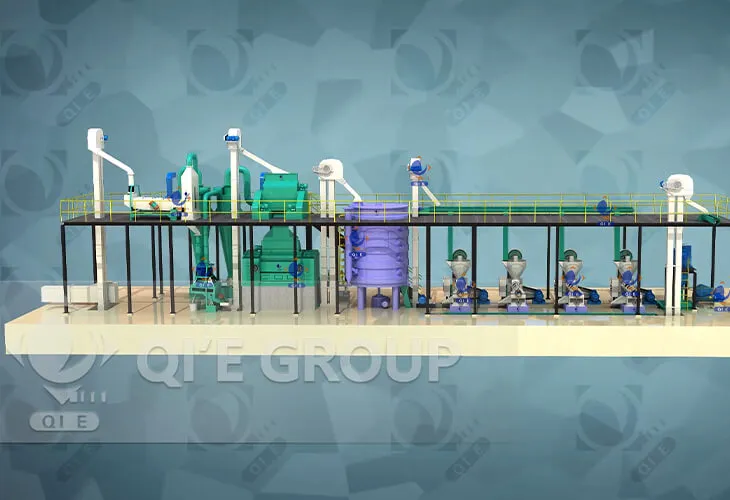
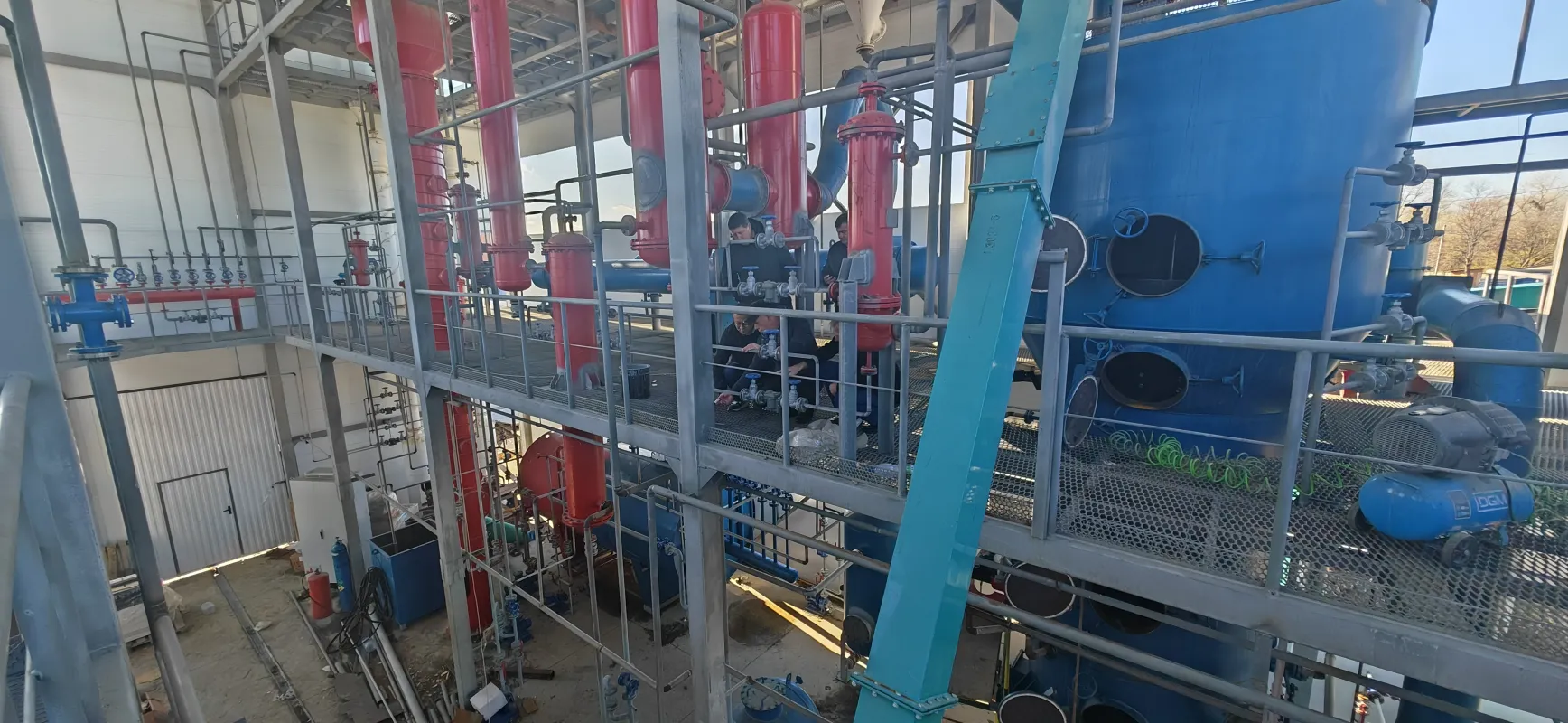
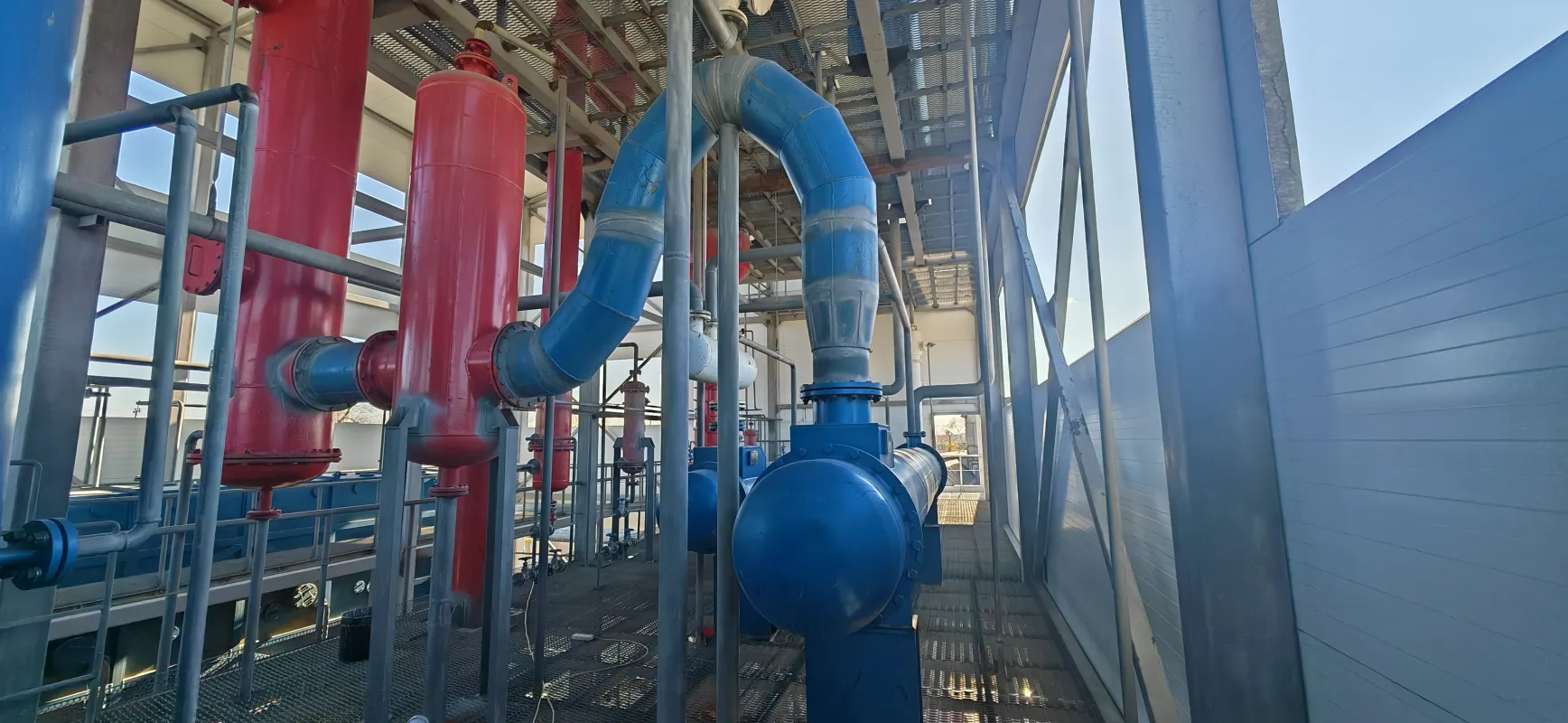
A complete oil extraction and refining system typically includes the following modules:
This modular structure allows shea butter processing plants to expand flexibly according to capacity needs.
A well-designed shea butter production process can offer the following advantages:
Implementing a professional shea butter processing plant construction plan can bring quantifiable operational advantages, which directly translate into higher market profit margins:
Value of finished product:
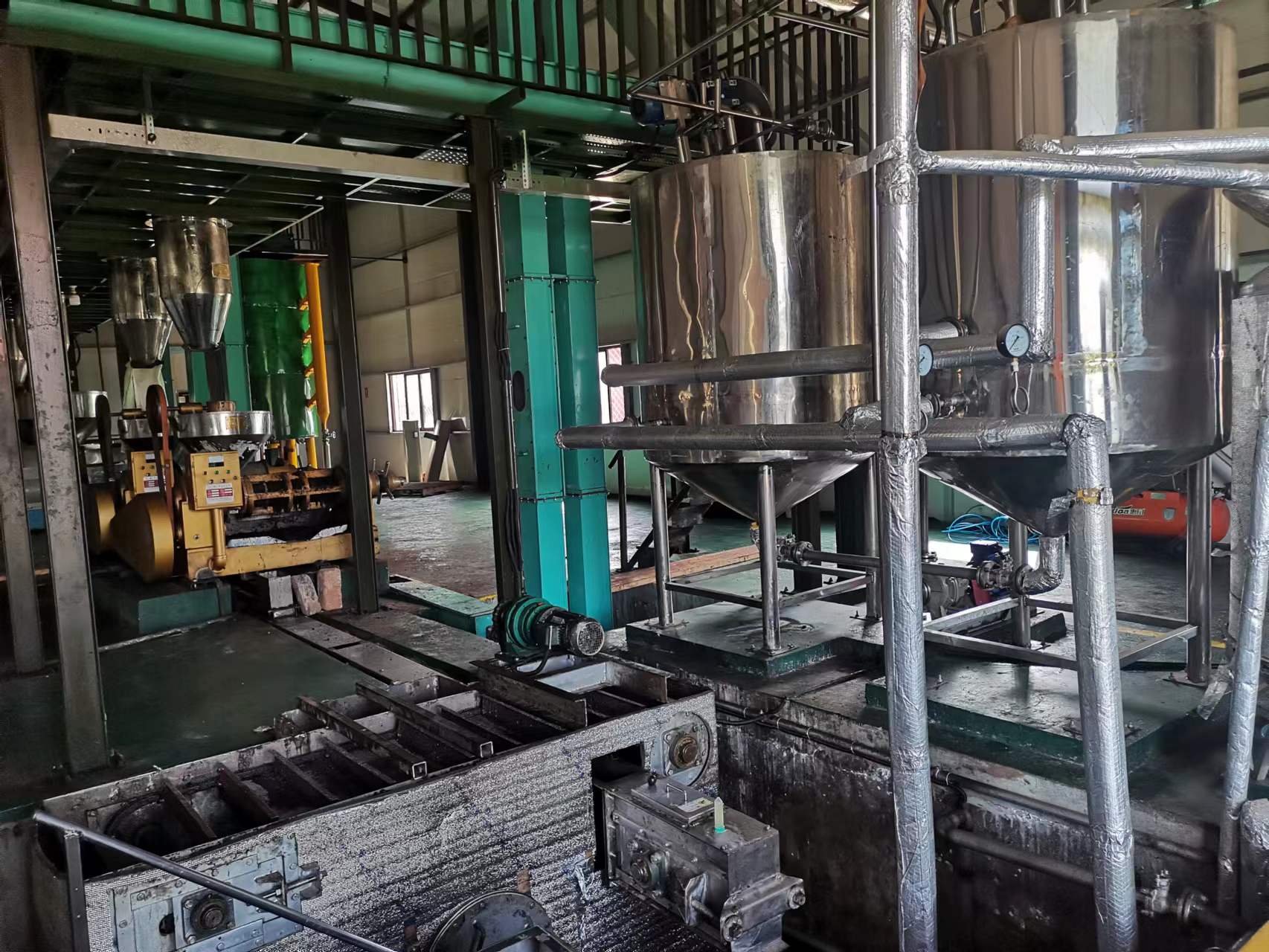
Modern shea butter processing plants are typically delivered as turnkey projects, including:
This model ensures that the entire oil extraction and refining equipment system operates in a unified and coordinated manner, rather than being a combination of independent equipment.
Our engineering services encompass preliminary mechanical design and layout, customized pressure vessel manufacturing, on-site mechanical and electrical installation, commissioning, and comprehensive operator training. We are committed to helping investors shorten construction cycles and ensuring your processing plant efficiently and safely reaches its planned daily processing capacity.
1. What is the standard residual oil content in the dry cake during industrial shea butter production?
The high-efficiency continuous screw press configured by QIE GROUP can stably control the residual oil content in shea butter cake at a low level. For large industrial processing plants, if a dedicated solvent extraction/leaching system is used after the pre-pressing stage, investors can maximize oil recovery, reducing the residual oil content in the final meal to below 1.5%.
2. What is the core difference between crude shea butter processing and refined shea butter processing?
Crude shea butter processing ends after mechanical pressing and primary filtration, producing a yellow, unrefined oil with a strong, natural nutty aroma. Refined shea butter processing, however, involves a complete multi-stage refining process (including degumming, vacuum decolorization, and high-temperature deodorization) to produce a white, completely odorless refined butter, which has greater potential for application in the international cosmetics and modern food industries.
3. Can an oil production line simultaneously process shea butter and other oilseeds?
Yes. The shea butter pressing and refining equipment configured by QIE GROUP features flexible modularity. During the off-season, the production line can be used to process other bulk oilseeds such as peanuts, sunflower seeds, or soybeans by simply making minor adjustments to the gap of the roller crusher, the temperature of the steaming pan, and the screw configuration of the oil press, thereby greatly improving equipment utilization.
4. What area is needed to build a shea butter processing plant with a daily processing capacity of 20 tons (20 TPD)?
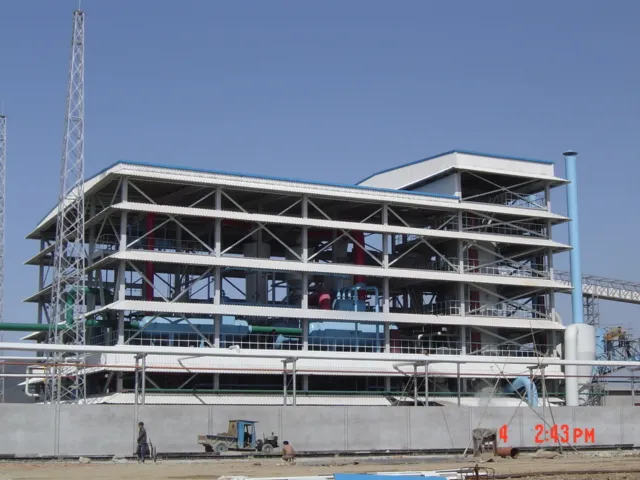
A standard commercial processing plant with a daily capacity of 20 tons requires scientific spatial planning for its raw material warehouse, pre-processing workshop, pressing workshop, and refining workshop. QIE GROUP can provide customized layout designs for shea butter processing plants, optimizing the plant's footprint while rationally accommodating safety passages, steam boiler rooms, and cooling circulation systems.
5. Why is temperature control so crucial during the steaming, roasting, and pressing stages of shea butter production?
Temperature directly determines the viscosity and chemical stability of oils. Precise thermal conditioning in a multi-layer steaming and frying pan ensures that the material reaches the ideal plastic state required for pressing. Improper temperature control can lead to either incomplete cell rupture and low oil yield, or thermal degradation of bioactive nutrients in the oil, thus having an extremely adverse impact on downstream refining efficiency and the shelf life of the finished oil.
If you are planning to build a modern oil processing plant, need professional equipment selection, or want to obtain detailed process drawings, our experienced engineering and technical team is ready to provide you with comprehensive support.
Contact Us / Get a Quote cost of turnkey palm oil extraction plant project
Palm oil mill turnkey projects
Small to large scale soybean oil production line capacity
Soybean oil processing plant cost and profit analysis
Soybean oil solvent extraction and refining process flow
Reliable soybean oil machinery supplier from China
Food oil processing line
Food oil processing line equipment selection
Configuration of food oil processing lines with different output levels
Cost Analysis of Food Oil Process Line
Turnkey Sunflower Oil Plant Turkey
2026 Sunflower Oil Production Line Price
Automatic Sunflower Oil Extraction Machine 50TPD
Refined Sunflower Oil Refinery Manufacturers in Turkey
Small-scale automated soybean oil production line (10-50 tons/day)
Soybean oil production line solutions
Turnkey soybean oil extraction and refining plant solutions
cost of turnkey palm oil extraction plant project
cost of turnkey palm oil extraction plant project
Palm oil mill turnkey projects
Small to large scale soybean oil production line capacity
Soybean oil processing plant cost and profit analysis
Soybean oil solvent extraction and refining process flow
Reliable soybean oil machinery supplier from China
Food oil processing line
Food oil processing line equipment selection
Configuration of food oil processing lines with different output levels
Cost Analysis of Food Oil Process Line
Turnkey Sunflower Oil Plant Turkey
2026 Sunflower Oil Production Line Price
Automatic Sunflower Oil Extraction Machine 50TPD
Refined Sunflower Oil Refinery Manufacturers in Turkey
Small-scale automated soybean oil production line (10-50 tons/day)
Soybean oil production line solutions
Turnkey soybean oil extraction and refining plant solutions





.png?x-oss-process=image/resize,h_100,m_lfit/format,webp)
.png?x-oss-process=image/resize,h_100,m_lfit/format,webp)
.png?x-oss-process=image/resize,h_100,m_lfit/format,webp)