As an engineer with 40 years of experience at QIE GROUP, we know that sesame oil production is not just about piling up machinery, but a perfect combination of thermodynamics and precision mechanics.
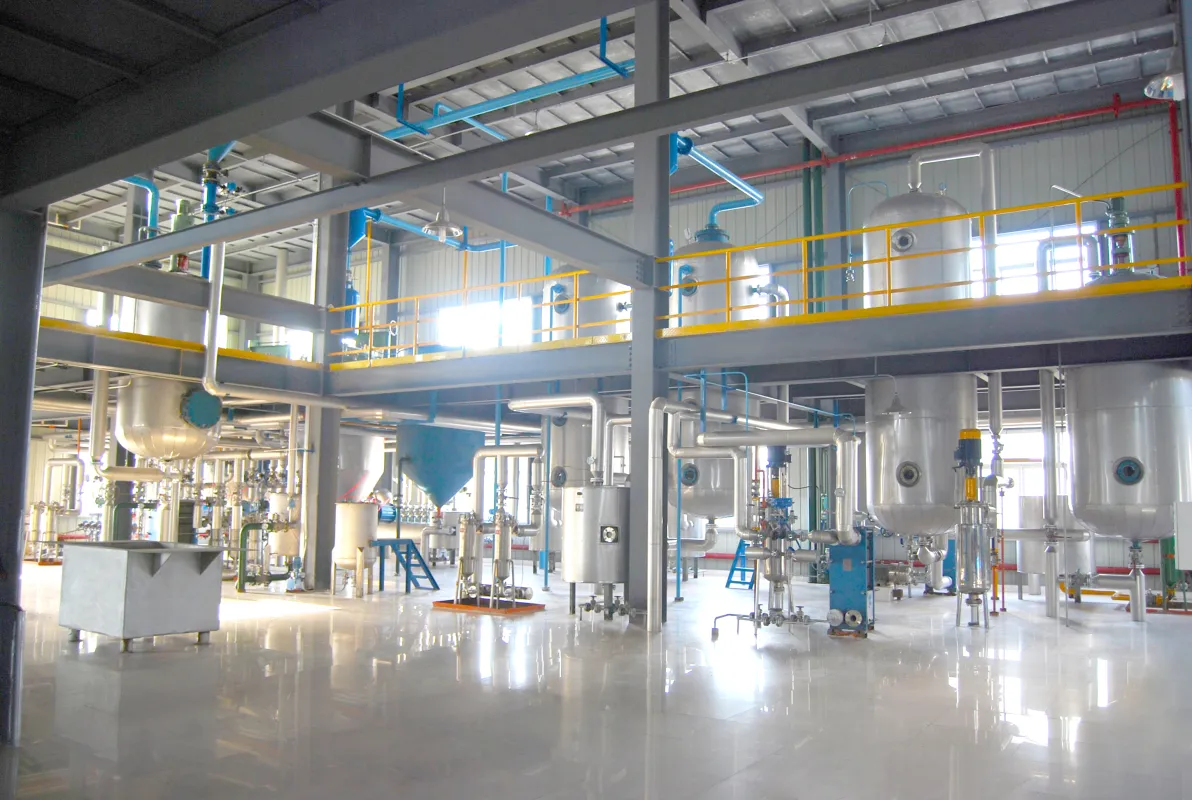
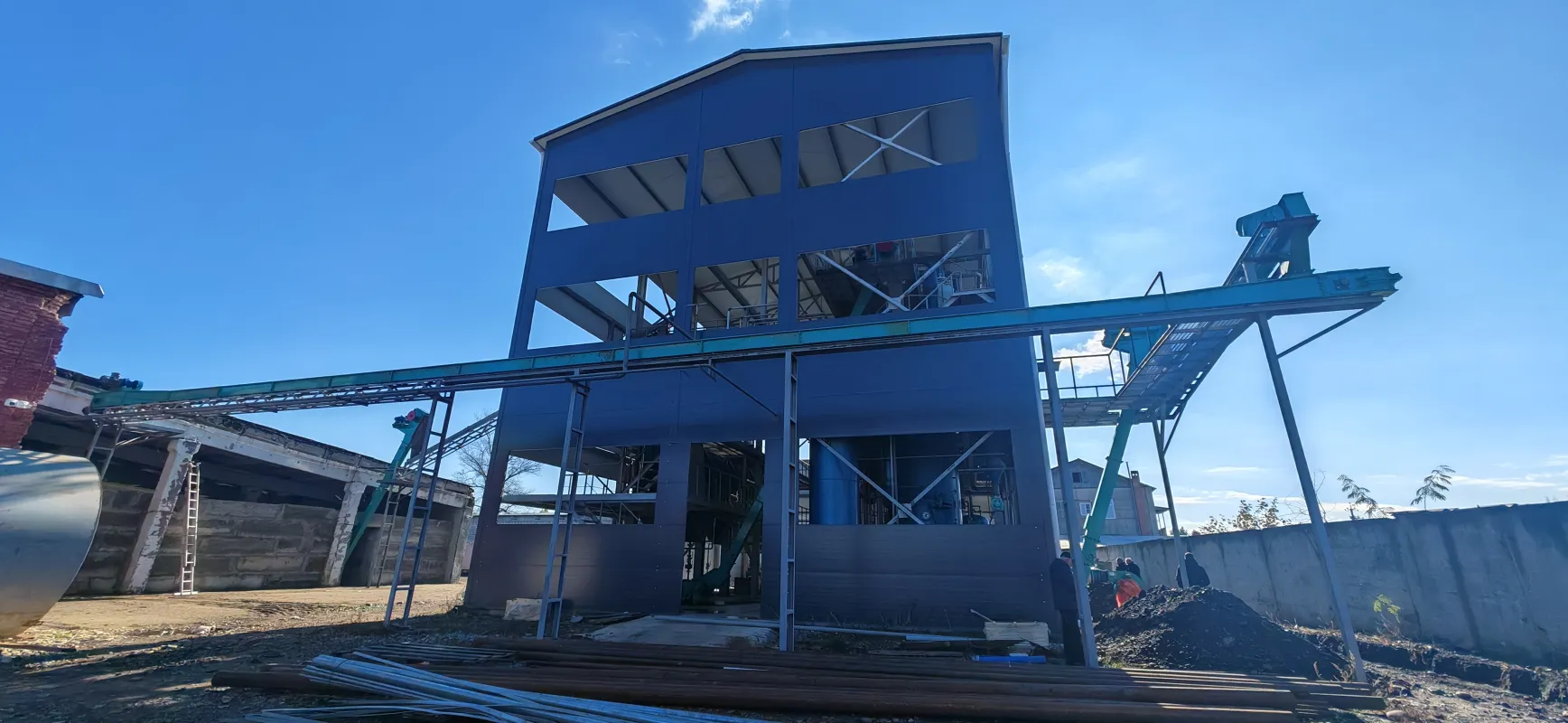
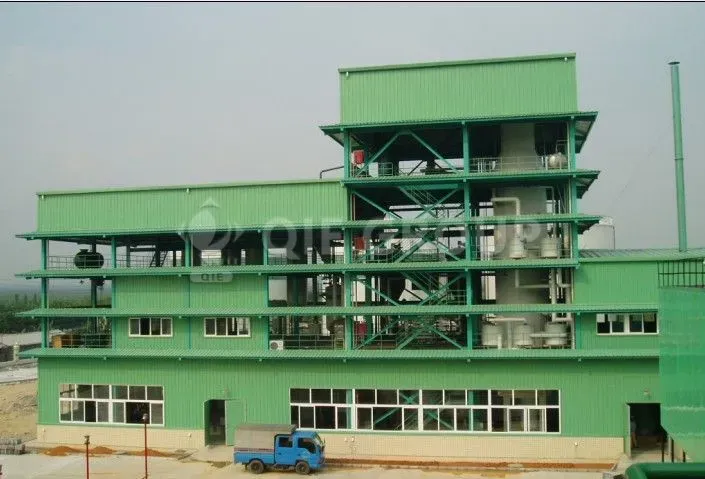
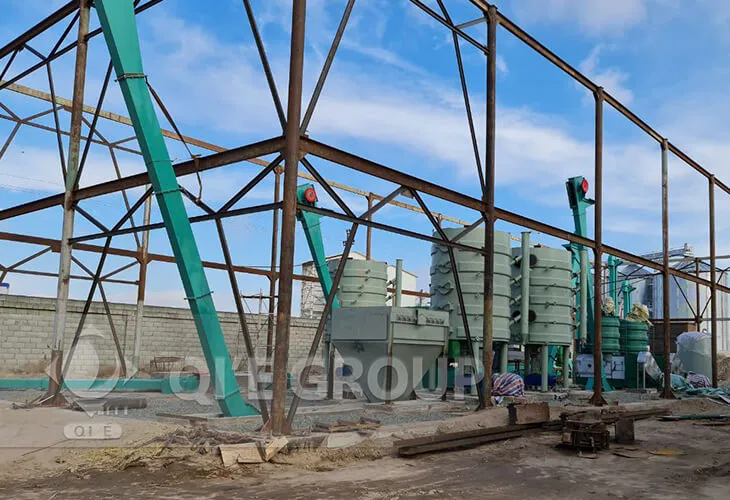
In the modern oilseed industry, the layout of a professional sesame oil extraction plant must adhere to the principle of "shortest material path." Based on my decades of on-site experience, proper space planning can effectively reduce energy consumption by 15%. We adopted a modular design, with a focus on enhancing the configuration of vibrating cleaning screens and destoners . This layout not only thoroughly removes impurities and protects subsequent precision pressing equipment, but also ensures the plant's sustainability and environmental friendliness through an integrated dust control system.
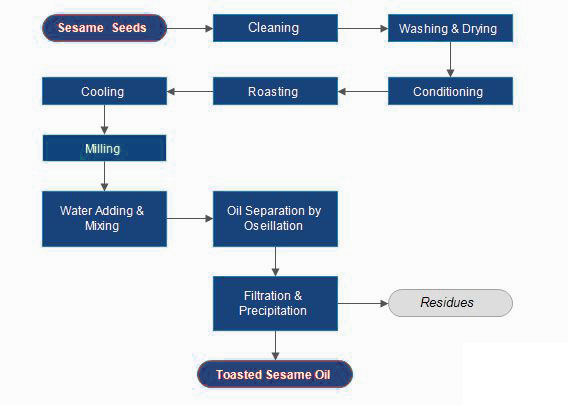
▲ Core process: Cleaning → Rinsing → Softening (50-70℃) → Roasting (150-200℃) → Pressing
This sesame oil processing flowchart is the soul of our engineering design. The focus is on the roasting stage, which is key to stimulating the Maillard reaction in sesame seeds and forming a rich aroma. By strictly controlling the moisture content (1-3%) after roasting and rapidly cooling it down, we can not only improve the stability of the oil but also effectively prevent excessive protein denaturation, ensuring a smooth oil extraction path.
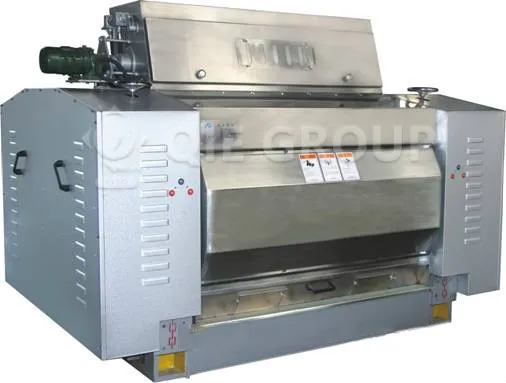
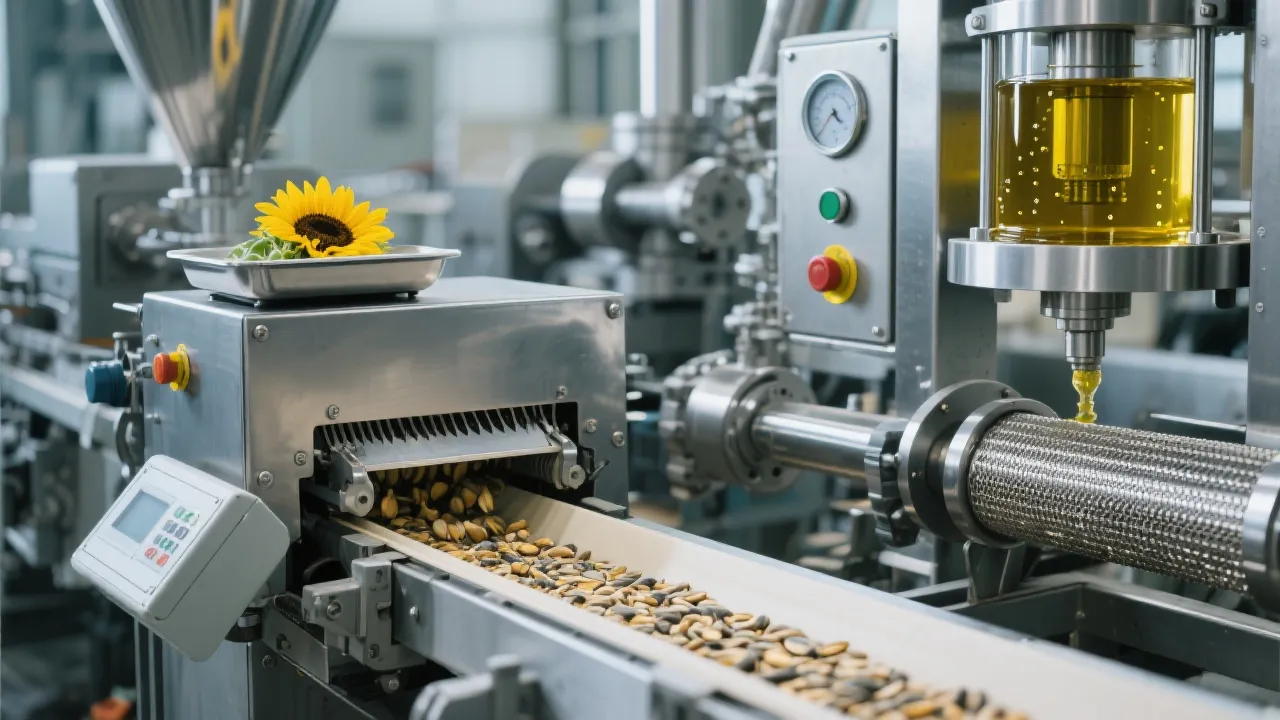
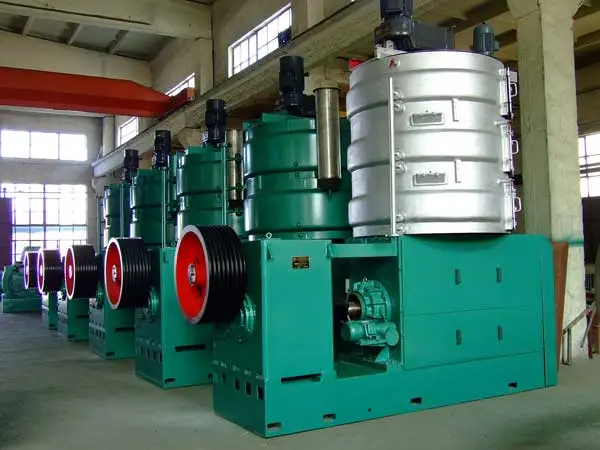
For high-value sesame oil, we strongly recommend using hydraulic pressing when selecting an automatic sesame oil press . Compared to traditional screw presses, hydraulic presses, through stable static pressure and precise temperature control, can maximize the preservation of the active nutrients and natural flavor in sesame oil. Our equipment uses thickened hydraulic cylinders and energy-optimized motors, making it not only robust and durable but also capable of 24/7 continuous operation. The residual oil yield can be stably controlled between 6% and 8%, giving it a strong commercial competitive advantage.
To penetrate high-end supermarkets, integrating a small-scale sesame oil refining system is essential. During the refining process, we prioritize physical refining techniques, utilizing high-vacuum steam stripping to remove FFA (freezing agent), thus avoiding the chemical wastewater generated by traditional alkali refining. High-speed disc centrifuges remove phospholipids, not only improving oil clarity but also significantly enhancing the finished oil's shelf life, ensuring your product maintains consistently top quality in a highly competitive market.
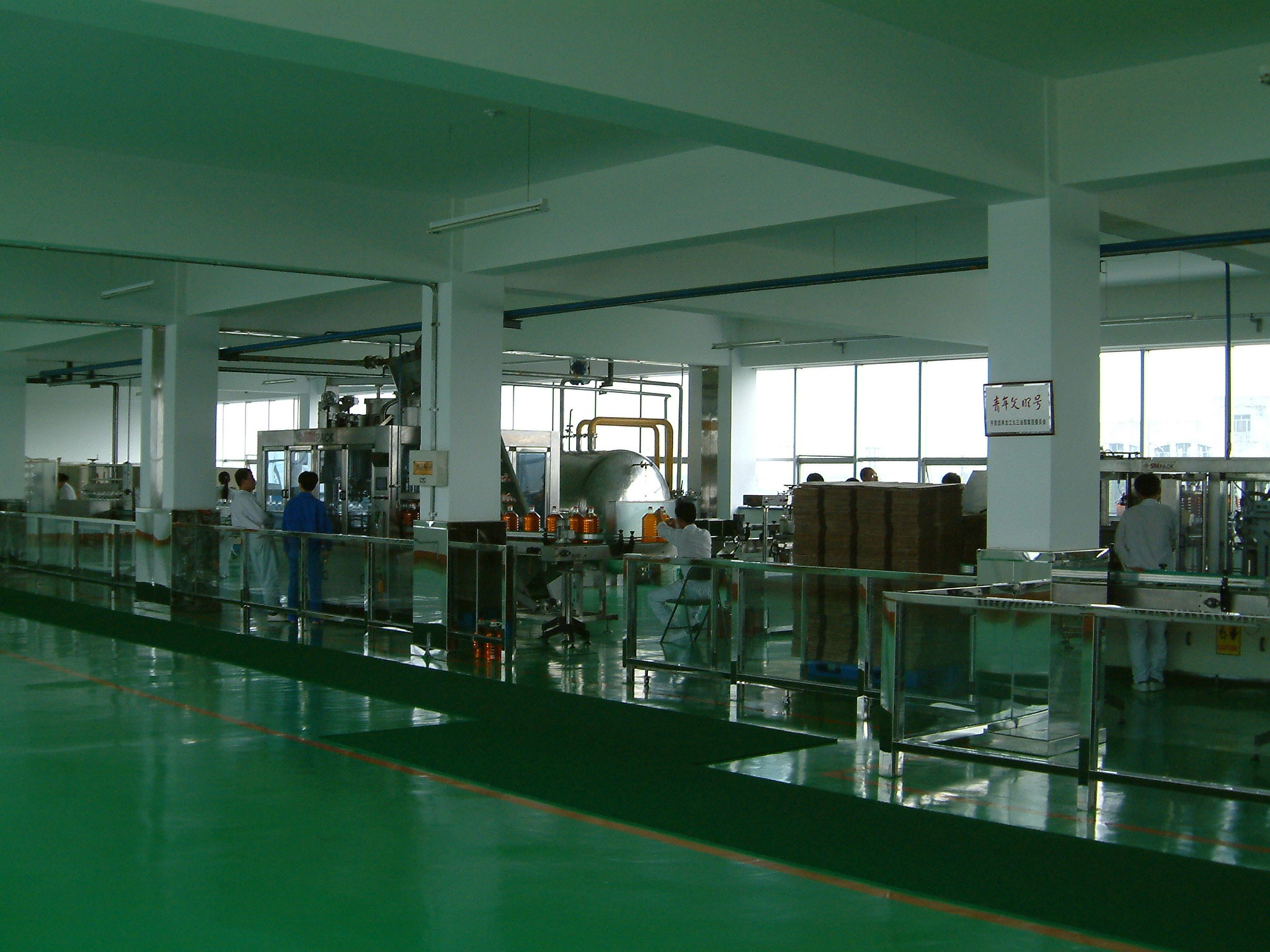
A complete sesame oil production line must culminate in a precise packaging stage. Our fully automated filling line incorporates vacuum filling and nitrogen purging technology. Nitrogen purging effectively removes oxygen from the bottles, extending the shelf life of the sesame oil by more than 6 months. All equipment is constructed from food-grade SS304/SS316 steel, which is corrosion-resistant, easy to clean, and fully compliant with international HACCP safety standards.
| Key parameter comparison | Hydraulic pressing (strong aroma type) | Solvent leaching (on a large scale) |
|---|---|---|
| residual oil content | 6.0% - 8.0% | < 0.5% |
| Energy consumption level | Optimize energy efficiency | Industrial standard grade |
| Target Market | Premium Seasoning Oil / High-End Cooking Oil | Industrial raw materials/large packaging for catering |
Q1: Why is roasting temperature so important for sesame oil?
Roasting (150-200℃) promotes the Maillard reaction inside the sesame seeds, which is the sole source of their rich aroma. Too low a temperature results in a weak aroma, while too high a temperature produces a burnt taste and reduces oil yield.
Q2: How to choose between an automatic hydraulic press and a screw oil press?
Hydraulic presses are preferred for producing traditional "fragrant sesame oil" because they offer gentler pressing and produce clearer oil. However, for those seeking large-scale production efficiency and not solely reliant on a strong aroma, screw presses offer better value for money.
Q3: Will the refining process reduce the aroma of sesame oil?
Physical refining technology can remove impurities and FFAs while precisely controlling the deodorization temperature to lock in the unique aroma components of sesame to the maximum extent.
Q4: How to reduce the operating costs of the entire production line?
By reducing manual intervention through PLC automated control systems and selecting motors equipped with energy-saving drive devices, daily operation and maintenance costs can be effectively reduced by approximately 10%-20%.
Q5: Does your company provide overseas installation services?
Yes, as a global supplier of oil and fat processing machinery, we provide a one-stop turnkey service from floor plan design and equipment manufacturing to overseas on-site installation and employee training.
As a professional sesame oil production line manufacturer, QIE GROUP is committed to supporting your industrial success. From exceptional flavor to extremely high oil yield, we provide you with the core technologies that drive the world's leading oil mills.
Contact QIE GROUP now for a free customized layout plan and the latest price list!
 Sesame Oil Production Line
Large sunflower oil production line
Safflower oil production line differences
Selection of cottonseed processing equipment
Comparison of mechanical pressing and solvent extraction
Cottonseed oil processing equipment
Purchase of sunflower seed oil production line
Russian sunflower seed oil production line
Sunflower seed oil production line price
Construction cost of shea butter processing plant
Shea butter processing plant turnkey project solution
Shea butter processing equipment manufacturer
Shea butter processing plant EPC
QIE Group
Temperature control for steaming and frying sunflower seed oil
Sunflower seed oil processing technology optimization
Methods to improve the quality of sunflower seed oil
Sesame Oil Production Line
Large sunflower oil production line
Safflower oil production line differences
Selection of cottonseed processing equipment
Comparison of mechanical pressing and solvent extraction
Cottonseed oil processing equipment
Purchase of sunflower seed oil production line
Russian sunflower seed oil production line
Sunflower seed oil production line price
Construction cost of shea butter processing plant
Shea butter processing plant turnkey project solution
Shea butter processing equipment manufacturer
Shea butter processing plant EPC
QIE Group
Temperature control for steaming and frying sunflower seed oil
Sunflower seed oil processing technology optimization
Methods to improve the quality of sunflower seed oil






.png?x-oss-process=image/resize,h_100,m_lfit/format,webp)
.png?x-oss-process=image/resize,h_100,m_lfit/format,webp)
.png?x-oss-process=image/resize,h_100,m_lfit/format,webp)