Soybean oil yield is often lower than expected not because of a single equipment issue, but due to the combined effects of raw soybean quality, improper pretreatment parameters, inefficient oil extraction, equipment wear, and inadequate process control. In practice, these factors influence soybean oil extraction efficiency at different stages of production, and even small inefficiencies can accumulate into significant oil losses over time. While some losses originate from the quality of incoming soybeans, others are closely related to operating conditions, equipment performance, and production management. Understanding where these losses occur is the first step toward identifying the causes of low soybean oil yield and improving overall plant performance.
Soybeans typically contain 18%–22% oil on a dry basis, while a well-operated solvent extraction plant can usually limit residual oil in soybean meal to approximately 0.5%–1.0%. If meal residual oil consistently exceeds this range or overall oil recovery falls below design expectations, it usually indicates losses occurring at one or multiple stages of production. Identifying and addressing these factors is essential because even a 0.5% increase in residual oil can represent a significant reduction in annual oil output for medium- and large-scale processing facilities. Improving soybean oil extraction efficiency therefore requires a systematic assessment of raw materials, equipment condition, operating parameters, and production management practices.
Before investigating the causes of low soybean oil yield, it is important to understand what constitutes a realistic recovery target.
Soybean oil recovery is largely influenced by the original oil content of the beans. According to USDA statistics, soybean oil content generally ranges between 18% and 22%, depending on variety, growing region, weather conditions, and harvest practices. In South America, some commercial varieties may exceed 22%, whereas soybeans produced in temperate regions often fall closer to 19%. Meanwhile, soybean meal produced through modern solvent extraction usually contains less than 1.0% residual oil, and advanced facilities may achieve values approaching 0.5% under stable operating conditions.
However, actual oil yield depends not only on soybean composition but also on how effectively the plant releases and recovers the oil contained within the cellular structure of the beans. In practice, low oil yield in soybean processing is usually the cumulative result of several small inefficiencies occurring simultaneously rather than one major process failure.

One of the most common causes of low soybean oil yield is lower-than-expected oil content in incoming soybeans.
Soybean composition varies considerably between origins and crop years. Factors influencing oil concentration include:
A plant designed based on a theoretical oil content of 21% may experience reduced output if purchased soybeans average only 18.5–19%.
According to FAO assessments, oilseed quality deterioration during poor storage conditions can also accelerate lipid oxidation and increase damaged kernels, negatively affecting soybean oil extraction efficiency.
Soybeans are commonly stored at moisture levels near 12–13%. Excessively wet beans may cause poor flaking characteristics and uneven conditioning, while overly dry beans tend to fracture excessively during preparation.
Most engineering recommendations suggest maintaining moisture within a controlled range before flaking to optimize cell rupture and solvent penetration.
Even relatively small deviations may contribute to measurable oil losses.
Dust, stones, pods, and broken seeds reduce the effective oil-bearing material entering production.
Many soybean crushing facilities aim to limit impurities to below 1–2% before processing.
Insufficient cleaning can reduce overall soybean oil extraction efficiency, increase downstream equipment wear, and eventually contribute to low oil yield in soybean processing.
Pretreatment remains one of the most important factors affecting oil yield.
Although often considered a routine operation, poor pretreatment accounts for a substantial proportion of avoidable oil losses. Optimizing pretreatment conditions is therefore one of the most effective ways of improving soybean oil extraction efficiency without increasing processing capacity.
Flaking increases the surface area available for oil release.
Industry references commonly recommend flake thicknesses within approximately 0.30–0.35 mm for solvent extraction applications.
Flakes that are too thick may retain intact oil cells.
Flakes that are excessively thin can create fines, restricting solvent percolation.
Both situations may lead to elevated residual oil levels in meal.
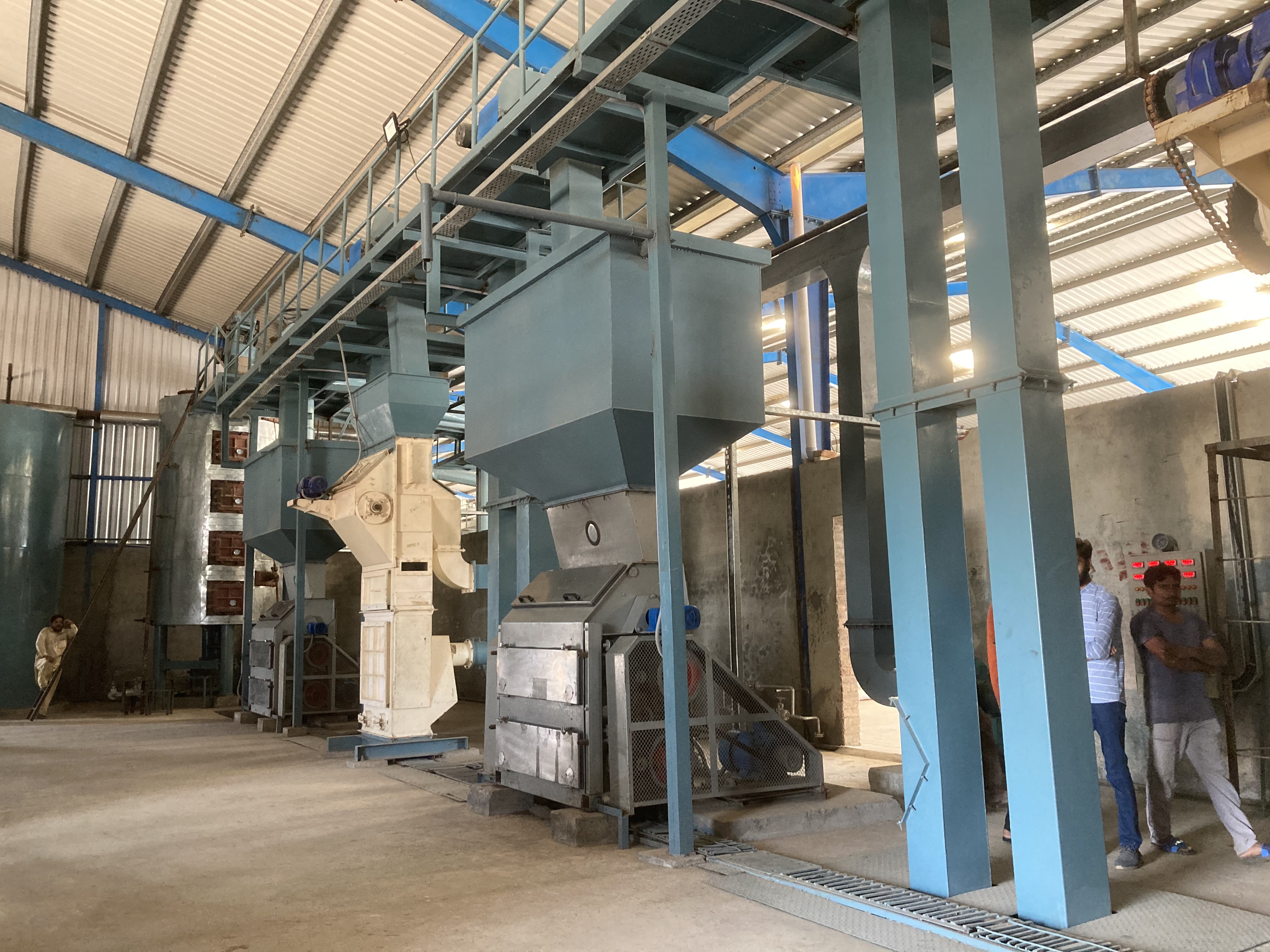
Conditioning serves multiple functions:
However, excessive temperatures may denature proteins excessively and reduce solvent accessibility.
Insufficient conditioning may leave oil cells inadequately ruptured.
Plants experiencing unstable steam supply often encounter fluctuations in oil recovery performance as a result.
Engineering Example
Process optimization often delivers greater improvements than simply increasing equipment capacity.
For example, in a soybean pretreatment and solvent extraction project in Russia, the production line was originally designed with a capacity of 200 TPD. Through continuous optimization of pretreatment parameters, flaking quality, solvent extraction conditions, and automatic process control, the plant gradually achieved a stable operating capacity of 300–320 TPD without major equipment replacement. The optimization also improved production stability and helped maintain high soybean oil extraction efficiency, demonstrating that systematic process improvements can significantly reduce oil losses while maximizing the value of existing equipment.
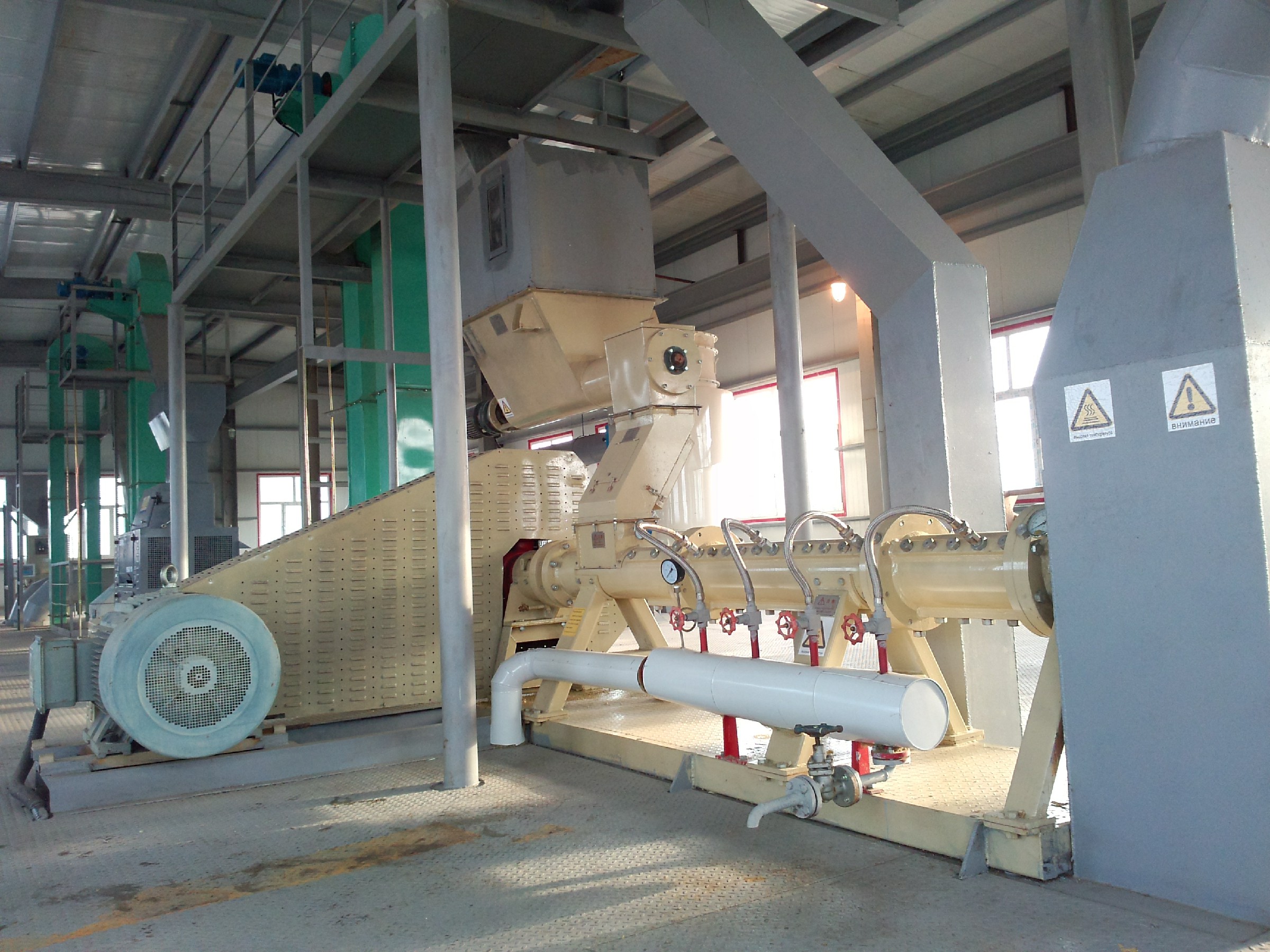
Many operators focus on production volume while overlooking the gradual impact of mechanical deterioration.
In pre-pressing systems, worn screw shafts, cages, and pressing rings reduce compression efficiency.
The decline in extraction performance is often progressive and difficult to detect in day-to-day operations.
Instead of sudden failures, plants may experience:
Routine measurement of cake residual oil provides an effective monitoring indicator.
In solvent extraction plants, oil losses frequently originate from:
According to technical guidance published by AOCS, maintaining adequate solvent contact time is essential for maximizing oil recovery.
If miscella concentration falls below design expectations, extraction efficiency can decrease substantially, resulting in low oil yield in soybean processing even when equipment appears to be operating normally.
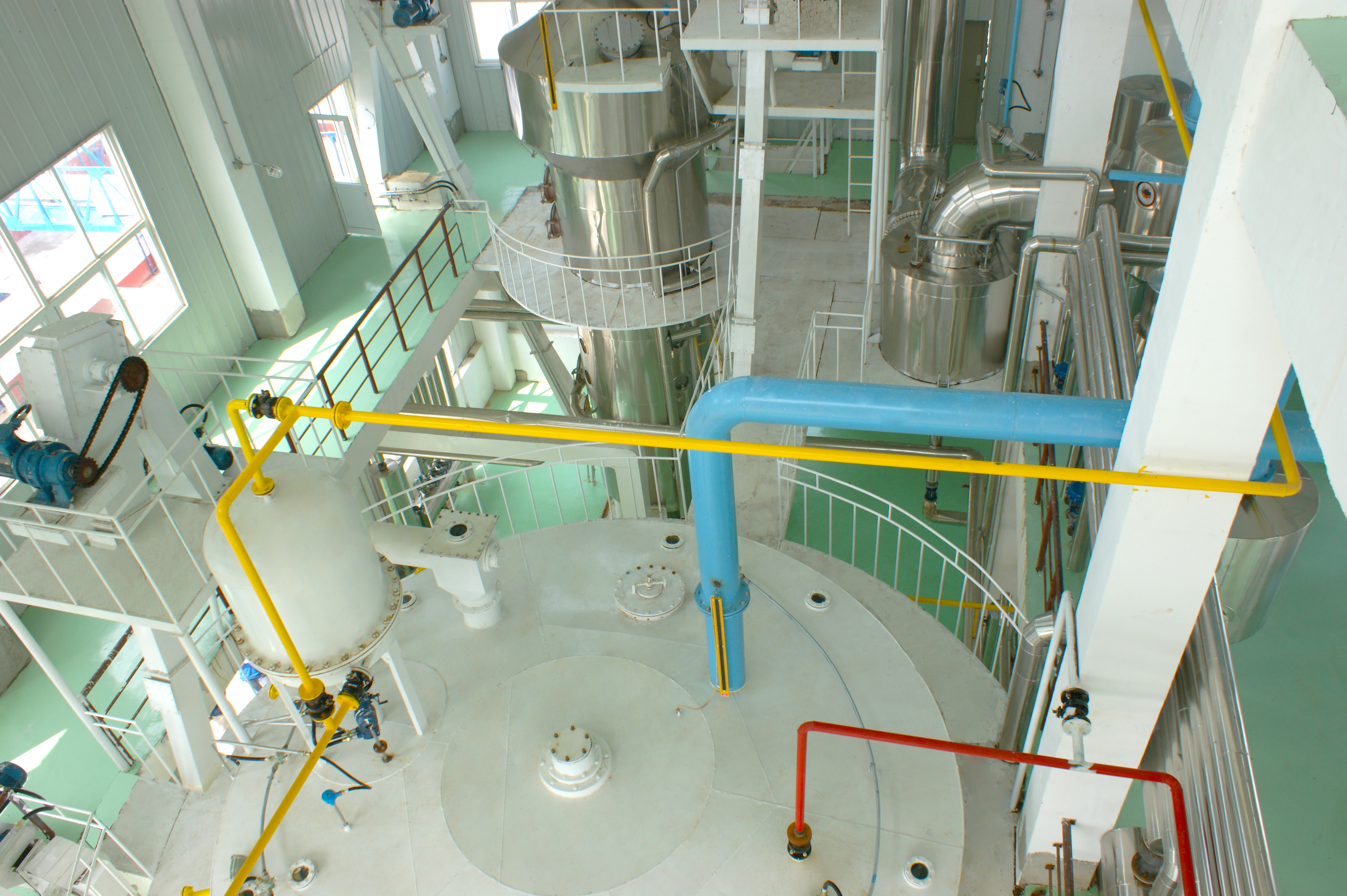
Residual oil content in soybean meal remains one of the most reliable indicators for diagnosing low oil yield in soybean processing. While daily production volume is often used to evaluate plant performance, residual oil analysis provides a more direct measure of soybean oil extraction efficiency and helps identify hidden losses before they become economically significant.
Modern solvent extraction facilities typically target meal residual oil levels below 1.0%, while values exceeding 1.5–2.0% may indicate operational inefficiencies.
Possible causes include:
NOPA reports indicate that efficient crushing operations place significant emphasis on continuously monitoring meal quality parameters to maintain competitiveness. For investors and plant managers, residual oil analysis often provides more practical insight into plant efficiency than simply comparing nominal processing capacities.
Engineering Example
A 300 TPD soybean pretreatment, solvent extraction, and continuous refining project in Egypt demonstrates how integrated process design can help maintain high oil recovery throughout the production cycle. The production line combines optimized soybean pretreatment, high-efficiency solvent extraction, and a 30 TPD continuous refining system with automated process control. Stable pretreatment conditions improve material preparation before extraction, while an efficient solvent recovery system minimizes solvent loss and supports consistent extraction performance. Together with continuous monitoring and process automation, these measures help maximize soybean oil extraction efficiency, maintain high oil recovery, and improve production stability across different batches of soybeans. This project illustrates that reducing low oil yield in soybean processing depends not only on extraction equipment itself but also on the coordination of pretreatment, extraction, solvent recovery, and process control throughout the entire production line.

Technical design alone cannot guarantee high oil recovery.
Operational discipline plays an equally important role.
Several studies conducted in the oilseed processing sector suggest that variations in operator experience can contribute to noticeable differences in soybean oil extraction efficiency between facilities equipped with similar machinery.
Common management-related issues include:
Increasingly, larger crushing plants are adopting PLC- and SCADA-based control systems to reduce process variability and improve production consistency.
Automation does not necessarily increase the theoretical oil content of soybeans, but it helps maintain stable recovery rates, reduce operational fluctuations, and minimize the causes of low soybean oil yield during long-term production.
Improving soybean oil yield should begin with data collection rather than equipment replacement. In many cases, identifying several small losses throughout the production process delivers greater economic returns than focusing on a single operational adjustment.
Routine laboratory analysis should include:
Understanding feedstock variability enables more accurate production planning and helps operators respond quickly to changing raw material quality.
Periodic assessment of:
can identify hidden efficiency gaps before they reduce soybean oil extraction efficiency.
Meal residual oil should be treated as a key performance indicator rather than simply a laboratory statistic.
Tracking long-term trends often reveals emerging operational problems before they become economically significant.
Wear components should be inspected regularly based on operating hours rather than waiting for visible performance deterioration.
Preventive maintenance helps maintain stable production while reducing the risk of gradual oil losses that often go unnoticed during routine operation.
Digital monitoring systems can support:
For facilities operating on narrow processing margins, relatively small improvements in soybean oil extraction efficiency can have a measurable impact on annual profitability. Understanding how to improve soybean oil yield requires continuous optimization across raw material handling, pretreatment, extraction, maintenance, and production management rather than relying on a single equipment upgrade.
Low oil yield in soybean processing is rarely caused by a single technical issue. Instead, it is usually the result of multiple interconnected factors, including raw soybean quality, inadequate pretreatment, equipment wear, inefficient solvent extraction, and inconsistent production management.
Understanding the causes of low soybean oil yield allows processors to identify hidden losses before investing in additional production capacity. In many cases, improving soybean oil extraction efficiency depends more on optimizing operating parameters, maintaining equipment, monitoring residual oil, and strengthening process control than on replacing major machinery.
For investors and plant managers, evaluating the entire production system—from raw material preparation to solvent extraction and process automation—provides a more reliable approach to increasing oil recovery and improving long-term plant profitability.
QIE GROUP Engineering Team
This article has been reviewed by the engineering team at QIE GROUP, an edible oil processing equipment manufacturer and EPC contractor with practical experience in soybean, sunflower, palm, sesame, peanut, cottonseed, and other vegetable oil processing projects.
Drawing on engineering practice from soybean pretreatment, solvent extraction, refining, equipment commissioning, and production optimization projects, the team has observed that many cases of low oil yield in soybean processing are not caused by a single equipment failure. Instead, gradual increases in residual oil, unstable pretreatment conditions, inconsistent process control, or delayed maintenance often account for a significant proportion of avoidable oil losses.
From an engineering perspective, continuously monitoring production data, optimizing operating parameters, and maintaining stable soybean oil extraction efficiency can often deliver greater long-term returns than simply increasing installed processing capacity.
The answer depends largely on soybean quality and the processing technology used. Soybeans generally contain 18–22% oil on a dry basis. In modern solvent extraction plants, meal residual oil is commonly controlled at 0.5–1.0%, while mechanical pressing systems typically leave a higher oil content in the cake. If residual oil consistently exceeds 1.5–2.0%, it may indicate one of the causes of low soybean oil yield, such as inadequate pretreatment, poor extraction performance, or unstable process control.
Equipment selection is only one factor affecting soybean oil extraction efficiency. Differences in soybean variety, moisture content, flake quality, conditioning stability, solvent circulation, maintenance practices, automation, and operator experience can all influence overall oil recovery. Plants with similar capacities and machinery may therefore achieve noticeably different production performance.
Not necessarily. Higher pressing pressure may reduce oil remaining in the cake, but excessive pressure can also increase fines generation, energy consumption, and equipment wear. For solvent extraction plants, excessively compacted material may negatively affect solvent penetration. In most cases, optimizing process parameters is a more effective way to improve soybean oil extraction efficiency than simply increasing mechanical pressure.
Soybean quality is one of the most significant causes of low soybean oil yield.
Variables such as:
can significantly influence extraction performance. Establishing raw material testing procedures before processing enables operators to adjust production parameters and reduce unexpected oil losses.
Several measures can contribute to better performance:
Rather than relying on a single adjustment, understanding how to improve soybean oil yield requires identifying and reducing multiple small losses throughout the production process. Facilities that continuously optimize pretreatment, extraction, maintenance, and process control are generally better positioned to achieve stable oil recovery and long-term profitability.
Need to optimize your soybean processing plant or upgrade your extraction equipment? Get in touch with the QIE GROUP engineering team for expert consulting and tailored technical solutions.
Get Expert Consultation 200TPD Oil Crushing and Refining Plant
Multi-seed oil production line Uzbekistan
Turnkey cooking oil refinery project 200 tons per day
Sunflower and cottonseed oil processing technology 2026
sunflower oil processing Kazakhstan
sunflower oil processing plant cost Kazakhstan
sunflower oil plant Kazakhstan
sunflower oil processing plant cost
Soybean oil extraction solvent loss
How to reduce solvent loss in oil extraction workshops
Selection Standards for Complete Soybean Leaching Equipment
The impact of DTDC desolventizer on solvent recovery efficiency
Burkina Faso Shea Butter Processing Equipment
2026 Burkina Faso shea butter production line complete quotation
Small hydraulic shea butter press price and capacity
Burkina Faso shea export policy and local plant investment costs
Corn oil press plant solutions
Small corn oil processing equipment
Mechanical extraction of corn germ oil
200TPD Oil Crushing and Refining Plant
Multi-seed oil production line Uzbekistan
Turnkey cooking oil refinery project 200 tons per day
Sunflower and cottonseed oil processing technology 2026
sunflower oil processing Kazakhstan
sunflower oil processing plant cost Kazakhstan
sunflower oil plant Kazakhstan
sunflower oil processing plant cost
Soybean oil extraction solvent loss
How to reduce solvent loss in oil extraction workshops
Selection Standards for Complete Soybean Leaching Equipment
The impact of DTDC desolventizer on solvent recovery efficiency
Burkina Faso Shea Butter Processing Equipment
2026 Burkina Faso shea butter production line complete quotation
Small hydraulic shea butter press price and capacity
Burkina Faso shea export policy and local plant investment costs
Corn oil press plant solutions
Small corn oil processing equipment
Mechanical extraction of corn germ oil



.png?x-oss-process=image/resize,h_100,m_lfit/format,webp)
.png?x-oss-process=image/resize,h_100,m_lfit/format,webp)
.png?x-oss-process=image/resize,h_100,m_lfit/format,webp)