.png?x-oss-process=image/resize,h_100,m_lfit/format,webp)
.png?x-oss-process=image/resize,h_100,m_lfit/format,webp)
.png?x-oss-process=image/resize,h_100,m_lfit/format,webp)
In the global edible oil market, refined, bleached, and deodorized (RBD) coconut oil is highly sought after for its stability and purity. For investors, the challenge lies in selecting a turnkey coconut oil production line solution that balances high oil yield with low operating costs. Whether you are processing copra or crude coconut oil (CNO), understanding the pricing and technical processes of a coconut oil production line is crucial for the success of industrial projects with a daily output of 10-100 tons.
1. Advanced pretreatment: the foundation of efficient extraction
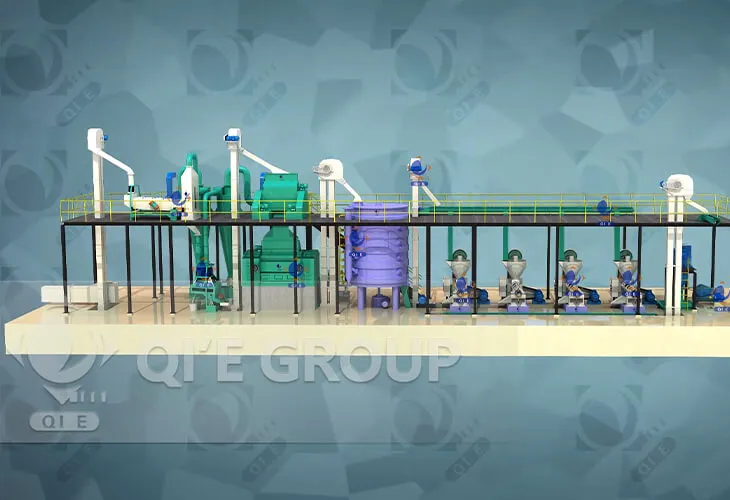
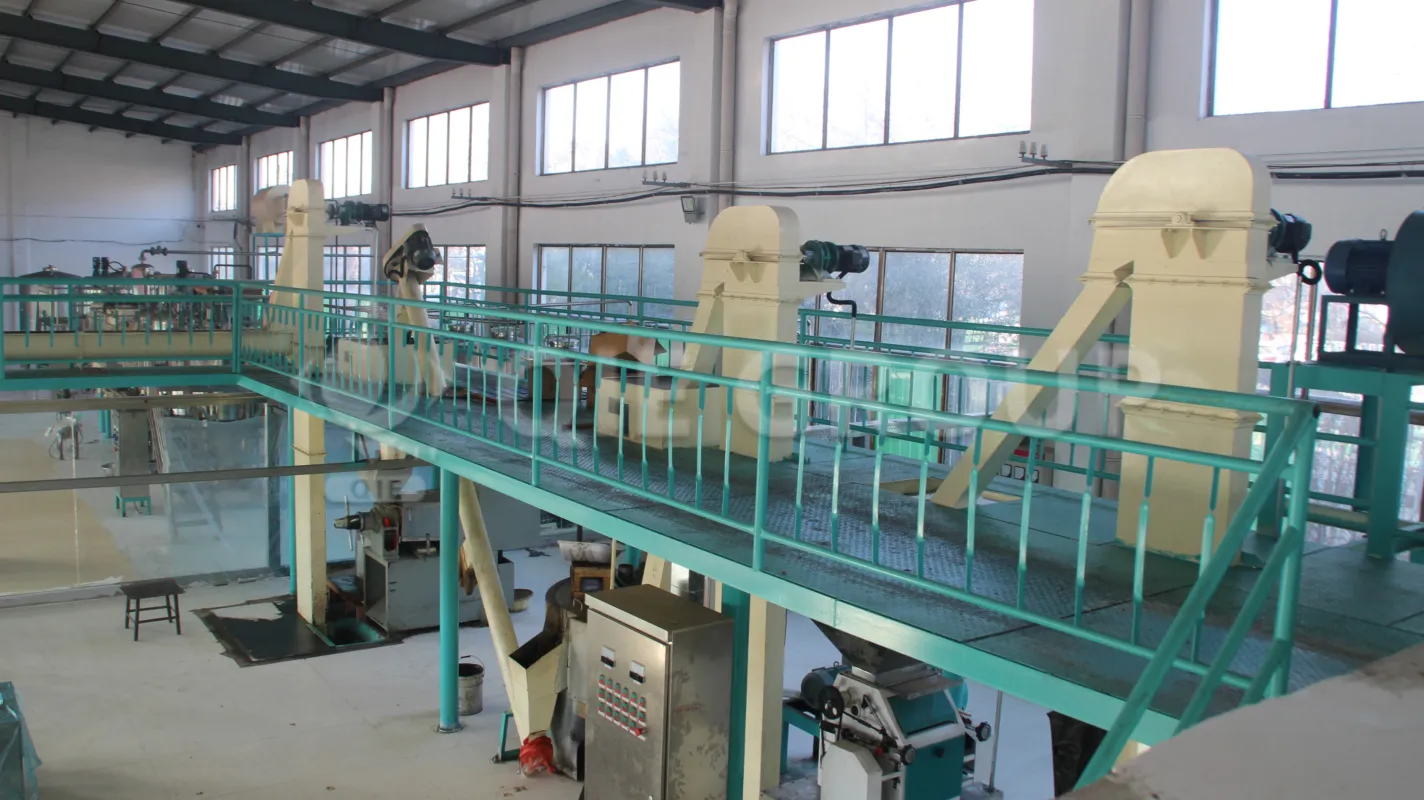
The final quality of refined coconut oil is determined in the initial stages. Our coconut oil production line first employs a highly efficient pretreatment process. This process begins with cleaning using vibrating screens and magnetic separators to remove impurities that could abrade downstream equipment. Afterward, the coconut meat is crushed into 4-6 mm particles. The most critical step is flaking , which involves pressing the material into thin flakes of 0.3-0.5 mm . This process minimizes cell structure, creating ideal conditions for pressing and solvent extraction.
2. Precise steaming and baking: Adjusting the plasticity of materials
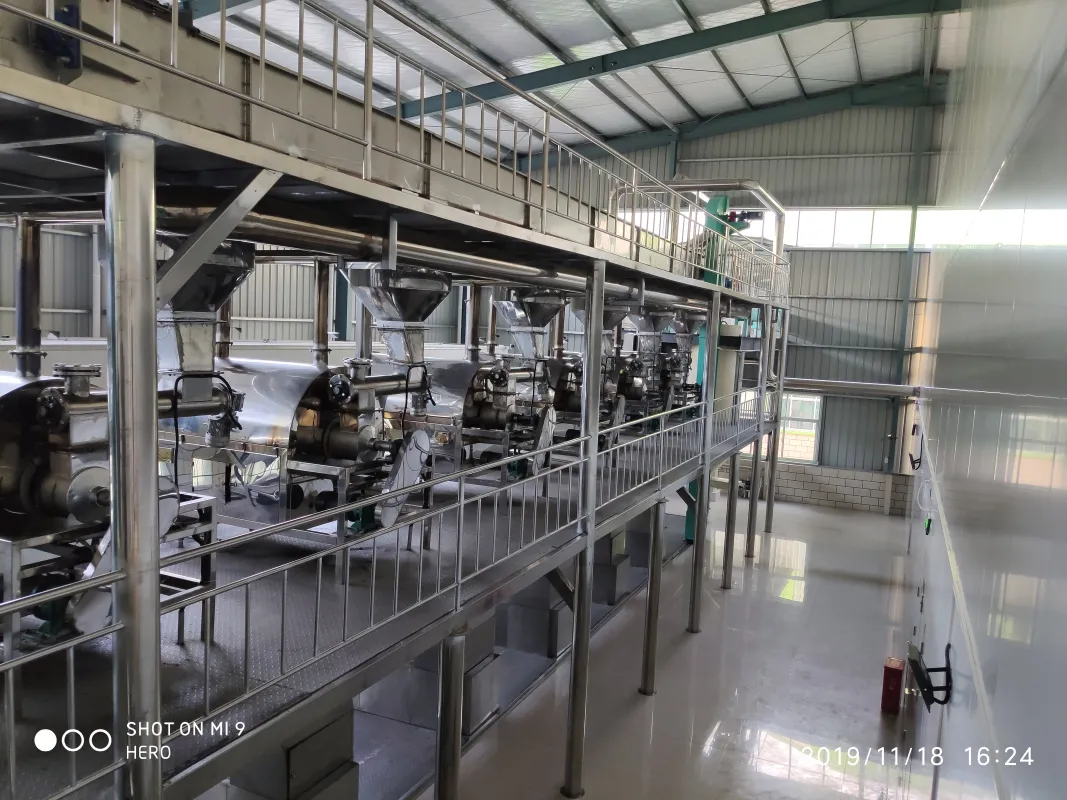
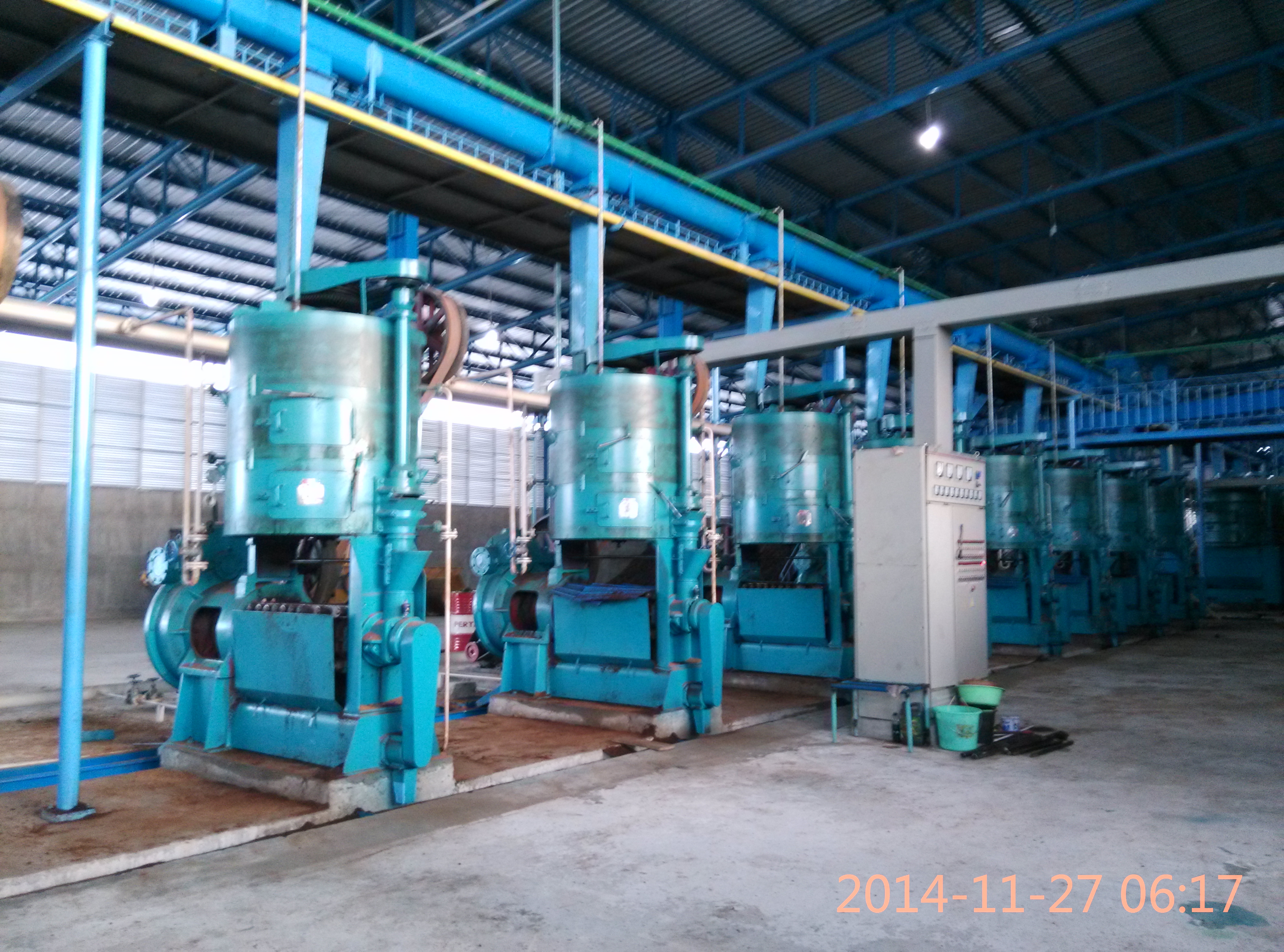
Before efficient extraction of coconut oil, coconut flakes must be conditioned in a layered steam cooker. This step is crucial: it denatures the proteins, thereby releasing the internal oils and reducing their viscosity. We control the moisture content at 5%-7% and the temperature at 80-95℃ . This precise conditioning gives the coconut meat the necessary plasticity to withstand mechanical pressure of 70-140MPa without "slippage" or excessive residue during pressing.
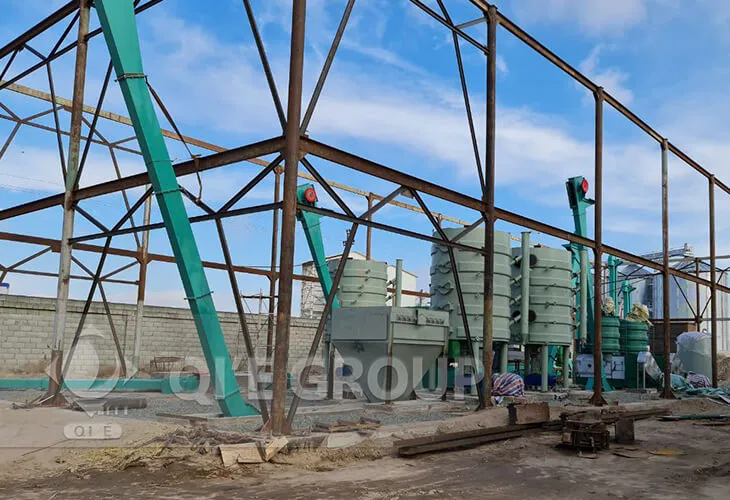
3. High-yield extraction: pressing and solvent extraction methods
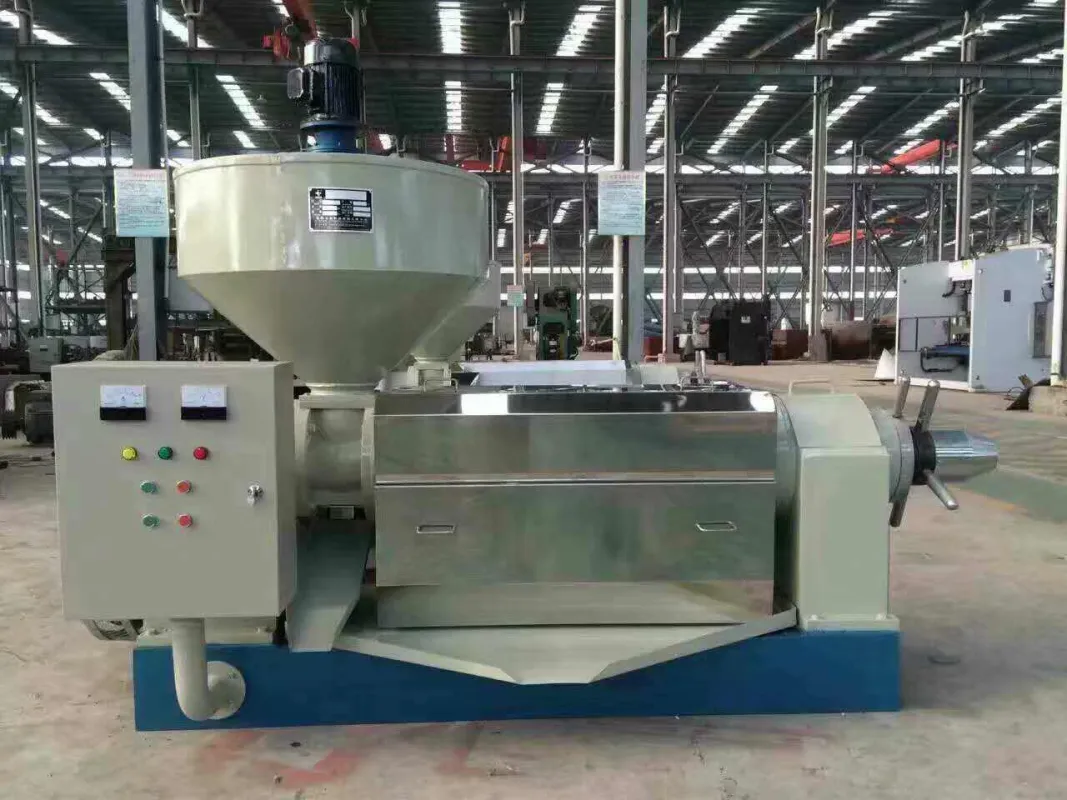
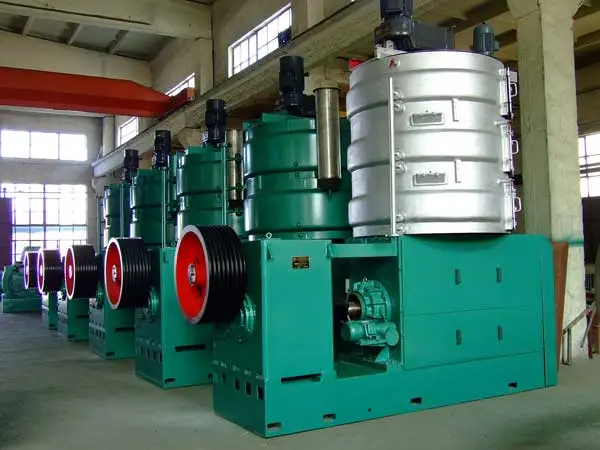
In any turnkey coconut oil production line solution , the extraction method is a critical decision point. For medium to large-scale production (30-100 tons per day), we recommend a combined pre-pressing and solvent extraction process. This two-stage process is currently the most efficient industrial method, reducing the final residual oil content in coconut meal to ≤0.7% , significantly better than the traditional full-pressing method (which typically leaves 6% or more oil residue).
4. Solvent recovery: Maximizing economic efficiency and safety.
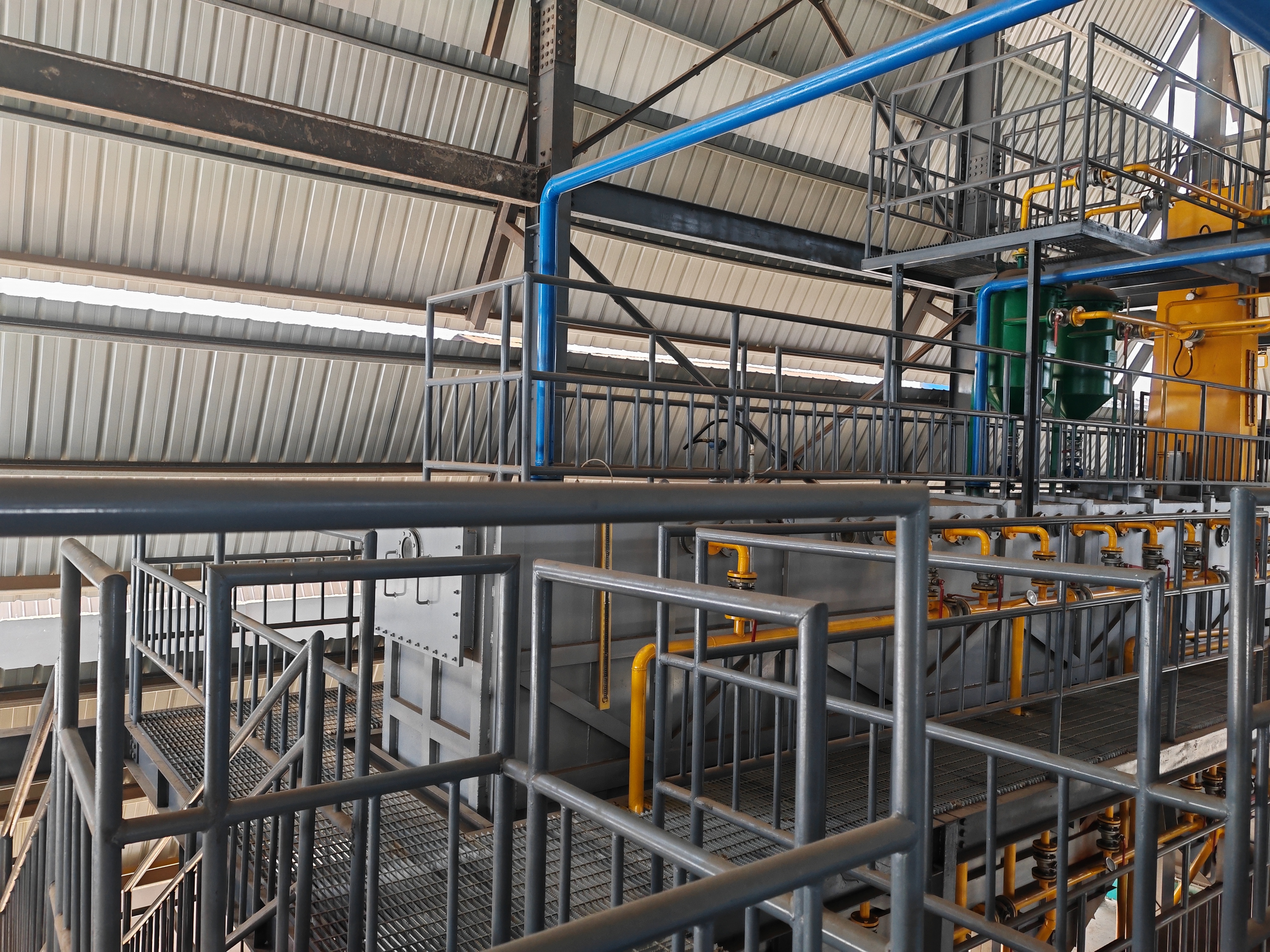
For any project involving the price of coconut oil production line equipment , operational economics are paramount. Our extraction system utilizes a DTDC solvent drying machine and a stripping tower. Our tail gas refrigeration and recovery system ensures a solvent recovery rate of ≥99.9% and keeps solvent consumption at an extremely low level , ≤1.5 kg per ton of raw material . This not only ensures compliance with environmental requirements but also significantly reduces the plant's long-term operating costs.
5. RBD Refining: Converting crude oil into high-quality food-grade crude oil.
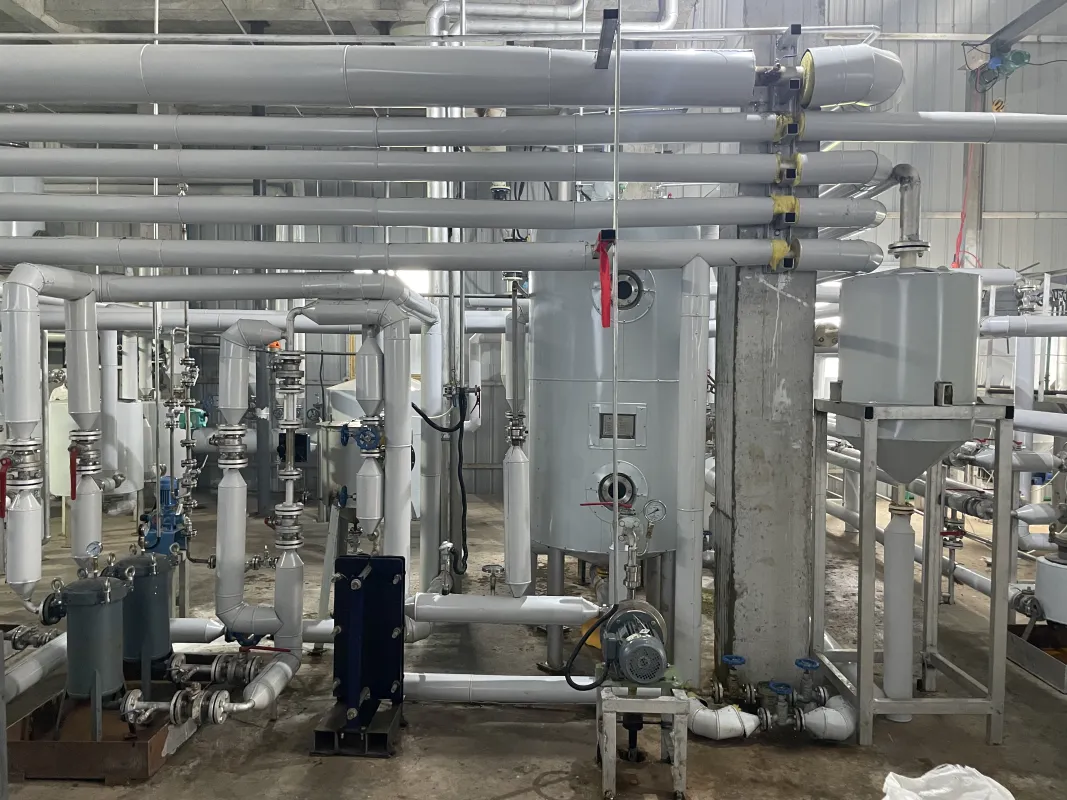
Refining is a crucial step in determining the final grade of coconut oil. Because coconut oil typically contains high levels of free fatty acids (FFA), we employ physical refining methods . This modern process avoids the use of chemical additives and utilizes high-vacuum steam distillation technology to simultaneously remove free fatty acids and off-odors in a deodorization tower. This method is preferred by large-scale plants because it yields a higher oil output and eliminates soap residue wastewater, making it more environmentally friendly and cost-effective.
6. Advanced deodorization technology: meets global food safety standards.
The core of the RBD process is the high-vacuum deodorization tower. This process, conducted at 220-260°C and 1-2 mmHg absolute pressure, removes volatile odor substances and residual free fatty acids. This step is crucial for achieving a high smoke point and pure flavor, ensuring that the oils meet international Class I standards. It is this process that guarantees the oxidative stability required for the long shelf life needed in the global retail market.
7. Return on Investment and Global Export Projects
When assessing the investment budget for a coconut oil plant with a daily output of 10-100 tons, the total cost of ownership needs to be considered. Our solutions integrate a heat recovery system, which can reduce energy consumption by 10-15%. As a global supplier, we design our coconut oil production line equipment using 304 stainless steel and tropical-compatible motors (380V/415V/440V), ensuring your investment is protected and meets the highest safety standards for any tropical environment.
Frequently Asked Questions: Investing in Coconut Oil Production
Q: What are the main advantages of the pre-compression + extraction method?
A: This is the most effective industrial solution. Our combined process can reduce the residual oil content in the meal to ≤0.7% , maximizing your total output and daily profit compared to full pressing.
Q: Why is physical refining more suitable for coconut oil than chemical refining?
A: For oils with high free fatty acid content, physical refining is more efficient. It uses steam distillation instead of chemical methods, resulting in a higher oil yield, zero soap residue waste, and better compliance with environmental protection requirements.
Q: How to control solvent loss in a factory?
A: We use a closed negative pressure system and a refrigeration recovery device to ensure a recovery rate of ≥99.9% and a consumption of ≤1.5kg/t .
Q: Can your machines produce lubricating oil that meets Grade 1 standards?
A: Yes. Our refining system reduces the acid value (FFA) to ≤0.3 mg KOH/g and removes all off-flavors/colors, resulting in clear, stable, and pure refined coconut oil.
Q: What role does "flaking" play in the production line?
A: Peeling thins the coconut meat to a thickness of 0.3-0.5 mm. This breaks down the cell walls, creating a large surface area, which is crucial for rapid heat penetration and efficient oil release.
Consult our RBD experts now
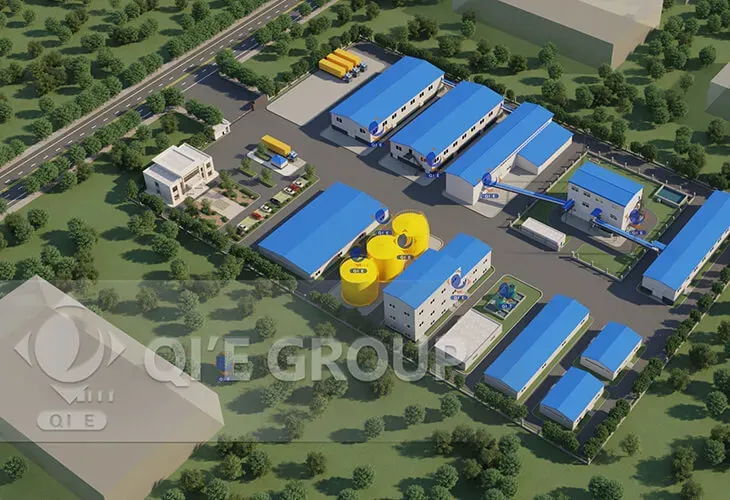
Get a detailed investment budget and customized factory layout design for a daily production capacity of 10-100 tons .
Request a customized quote