.png?x-oss-process=image/resize,h_100,m_lfit/format,webp)
.png?x-oss-process=image/resize,h_100,m_lfit/format,webp)
.png?x-oss-process=image/resize,h_100,m_lfit/format,webp)
Planning an edible oil processing plant is not simply about purchasing equipment or estimating the total investment. The success of a project is largely determined before construction begins. The most common planning mistakes include selecting an unrealistic production capacity, designing the process before understanding the raw materials, underestimating utility requirements, overlooking future expansion, and defining product quality too late. Although these decisions are made during the engineering stage, they influence operating costs, production efficiency, maintenance requirements, and long-term profitability throughout the plant's lifecycle.
Unlike operational issues that can often be corrected through maintenance or process optimization, planning mistakes are far more difficult and expensive to fix after construction has started. Relocating equipment, enlarging utility systems, or modifying civil structures can significantly increase project costs and delay commissioning.
According to the Project Management Institute (PMI), projects with comprehensive front-end planning consistently achieve better cost and schedule performance than those that begin with insufficient preparation. For edible oil processing plants that are expected to operate continuously for decades, investing more time in planning usually produces far greater returns than solving problems after installation.
Rather than presenting another generic project checklist, this article explains the most common planning mistakes made during edible oil processing plant development, why they occur, and—more importantly—how investors can avoid them through practical engineering decisions.
Why Do Planning Mistakes Cost More Than Operational Mistakes?
Mechanical failures, process adjustments, and maintenance issues can usually be resolved during plant operation. Planning mistakes are different because they become embedded in the facility itself. Once foundations are poured, equipment is installed, and pipelines are completed, even relatively small design modifications may require additional civil works, electrical upgrades, utility expansion, and production shutdowns.
The World Bank has repeatedly identified inadequate project preparation as one of the major reasons industrial projects exceed their budgets and schedules. The same pattern is frequently observed in edible oil processing facilities, where decisions made during the planning stage continue to influence production performance for decades.
Poor planning commonly results in:
- Production capacity that does not match long-term feedstock availability
- Higher utility and operating costs
- Inefficient material handling
- Difficult equipment maintenance
- Limited opportunities for future expansion
- Inconsistent product quality
These problems are rarely caused by the equipment itself. More often, they originate from engineering decisions made before procurement begins.
Five Questions Every Investor Should Answer Before Construction
Before approving an edible oil processing plant project, investors should be able to answer the following questions confidently:
- Is there sufficient long-term raw material supply to support the planned capacity?
- Has the process been designed specifically for the intended feedstock?
- Can the utility systems support both current production and future expansion?
- Have product quality objectives been clearly defined before equipment selection?
- Does the plant layout provide flexibility for maintenance and future capacity upgrades?
If the answer to any of these questions is No, the engineering design should be reviewed before construction begins. Addressing planning risks early is almost always less expensive than correcting them after commissioning.

Mistake 1: Choosing Plant Capacity Based Only on Available Budget
Many investors determine plant capacity according to the amount of capital available rather than the long-term operating conditions of the project. While this approach may reduce initial investment, it often creates higher production costs throughout the plant's lifetime.
An undersized facility may struggle to achieve economies of scale because fixed costs—including labor, maintenance, administration, and utilities—are spread across lower production volumes. On the other hand, an oversized plant can become equally inefficient if raw material supply cannot support continuous operation.
The more practical question is not:
"How much capacity can we afford?"
Instead, investors should ask:
"What capacity can operate efficiently with reliable feedstock over the next 20 years?"
A realistic capacity decision should consider several factors together:
- Long-term raw material availability
- Seasonal supply fluctuations
- Local market demand
- Annual operating schedule
- Utility capacity
- Expansion strategy
Rather than relying on national production statistics alone, a feasibility study should evaluate regional feedstock availability, transportation distance, supplier stability, storage conditions, and expected plant utilization.
Engineering Insight
From practical engineering experience, plants designed around stable raw material supply generally achieve better long-term profitability than facilities sized primarily according to available investment capital. Consistent operation usually produces lower unit production costs than operating a much larger plant at low utilization.
How to Avoid This Mistake: Base production capacity on a comprehensive feasibility study rather than investment budget alone. Selecting a realistic capacity during the planning stage usually delivers better operational efficiency and a faster return on investment than simply maximizing installed throughput.
Mistake 2: Designing the Process Before Fully Understanding the Raw Materials
No two oil-bearing crops behave exactly the same during processing. Oil content, moisture, impurities, fiber content, bulk density, and storage conditions all influence pretreatment requirements, extraction efficiency, utility consumption, and final oil quality.
Despite these differences, some projects still begin with a standard process configuration before thoroughly evaluating the raw materials. This often results in unnecessary modifications after commissioning.
The table below illustrates why feedstock characteristics should drive engineering decisions.
| Raw Material | Typical Oil Content (%) |
|---|---|
| Soybean | 18–22 |
| Rapeseed | 40–46 |
| Sunflower Seed | 38–50 |
| Peanut | 44–50 |
| Palm Fruit | 20–24 |
For example, high-moisture materials require additional drying capacity, while raw materials containing higher impurity levels demand more effective cleaning systems. These differences affect equipment sizing, energy consumption, oil recovery, and production stability.
The FAO has emphasized that improving raw material quality before processing reduces losses throughout the agricultural value chain. The same principle applies to plant engineering: understanding the feedstock should always come before selecting the process.
Before finalizing the process design, engineering teams should evaluate:
- Feedstock consistency throughout the year
- Seasonal changes in moisture and impurity levels
- Expected oil recovery
- Finished oil quality requirements
- Raw material storage conditions
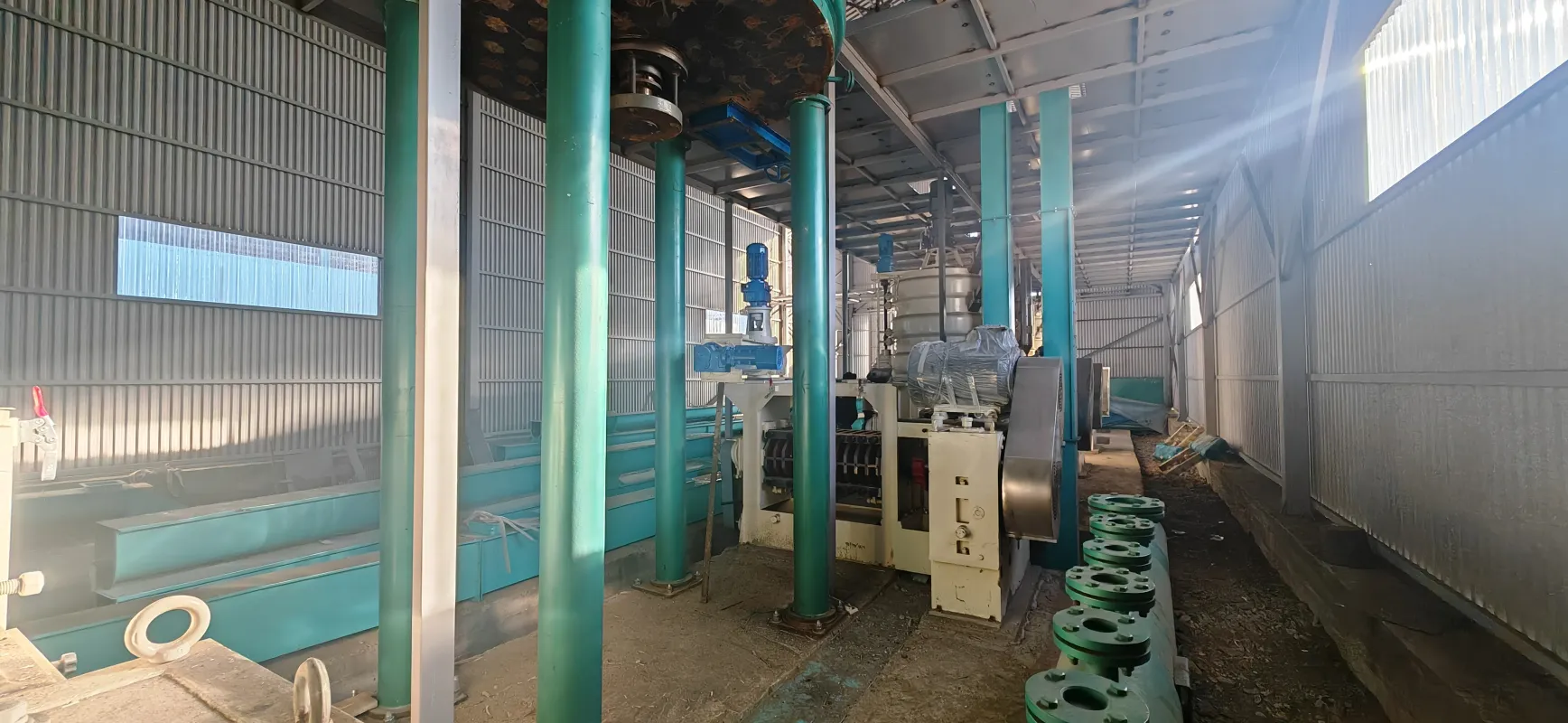
A practical example comes from a 500 TPD rapeseed and sunflower seed pretreatment and pressing project in Ukraine. Instead of adopting a standard process package, the engineering team optimized the pretreatment and pressing sections specifically for two oilseeds with different physical characteristics. This customized design improved material flow, stabilized oil recovery, and reduced operational adjustments after commissioning.
Engineering Insight
Projects that begin with detailed feedstock analysis generally require fewer process modifications after startup. Small adjustments during the engineering stage are considerably less expensive than redesigning process sections after the plant enters production.
How to Avoid This Mistake: Complete raw material testing before selecting the process flow. Process design should always follow feedstock evaluation—not the other way around.

Mistake 3: Underestimating Utility Requirements During the Planning Stage
Utilities are sometimes treated as supporting infrastructure, yet they determine whether an edible oil processing plant can operate reliably at its designed capacity.
Boilers, electrical distribution systems, cooling water circuits, compressed air, and water treatment facilities should all be designed according to actual operating conditions rather than average production figures.
A common mistake is calculating utility demand using normal operating loads. In reality, utility systems must accommodate equipment startup, simultaneous operation of multiple process sections, seasonal production peaks, and future expansion.
According to the International Energy Agency (IEA), industry accounts for approximately one-third of global final energy consumption. Within edible oil processing plants, steam generation, thermal refining, solvent recovery, and drying systems typically represent the largest energy consumers.
During front-end engineering, project teams should evaluate:
- Maximum steam demand
- Peak electrical loads
- Cooling water circulation requirements
- Process water quality
- Compressed air consumption
- Reserve capacity for future expansion
Engineering Insight
Utility shortages rarely appear during equipment procurement—they usually become evident after production begins. Designing adequate reserve capacity at the planning stage is significantly less expensive than upgrading boilers, transformers, or water treatment systems after commissioning.
How to Avoid This Mistake: Design utilities based on peak operating conditions instead of average production demand, and include reasonable engineering margins for future production growth.
Mistake 4: Overlooking Material Flow and Plant Layout
A plant layout is much more than an arrangement of equipment. It determines how efficiently materials move through the facility, how easily equipment can be maintained, how safely employees work, and how economically the plant can be expanded in the future.
Unfortunately, layout planning is often left until the later stages of engineering, after the process flow has already been finalized. At that point, designers have far less flexibility, and compromises can create operational inefficiencies that remain throughout the plant's lifetime.
Common layout planning mistakes include:
- Excessive conveying distances between processing sections
- Insufficient maintenance clearance around major equipment
- Crossing routes for raw materials and finished products
- Poor positioning of storage tanks and utility facilities
- No reserved space for future processing lines
Although these issues may seem relatively minor during construction, they often increase maintenance time, create production bottlenecks, and raise operating costs over many years.
When reviewing a plant layout, engineers should confirm that:
- Raw materials move through the process with minimal backtracking.
- Equipment can be serviced without dismantling adjacent machinery.
- Utility pipelines remain accessible for inspection and expansion.
- Storage and logistics areas support efficient truck movement.
- Space is reserved for future production lines and utility upgrades.
Engineering Insight
In many expansion projects, the greatest challenge is not installing new equipment—it is finding sufficient space to connect it to existing utilities and production lines. A well-planned layout reduces these future constraints and lowers expansion costs.
How to Avoid This Mistake: Design the facility around material flow rather than available building space. Review maintenance access and future expansion requirements before finalizing civil drawings.
Mistake 5: Ignoring Future Expansion During Initial Plant Design
Edible oil processing plants are typically designed to operate for more than twenty years. During that time, raw material supply, product demand, environmental regulations, and customer requirements may all change. A facility that cannot expand efficiently often loses competitiveness long before the equipment reaches the end of its service life.
The OECD–FAO Agricultural Outlook continues to project steady growth in global vegetable oil consumption, encouraging many producers to increase production capacity or diversify into higher-value products. However, these opportunities become much more expensive when expansion has not been considered during the initial engineering phase.
Typical expansion planning mistakes include:
- Reserving no land for future processing buildings
- Installing utility systems without spare capacity
- Fully occupying cable trays and pipe racks
- Designing storage only for current production
- Leaving no access for future equipment installation
Planning for expansion does not necessarily require purchasing oversized equipment today. Instead, it means creating a flexible engineering design that can accommodate tomorrow's growth with minimal disruption.
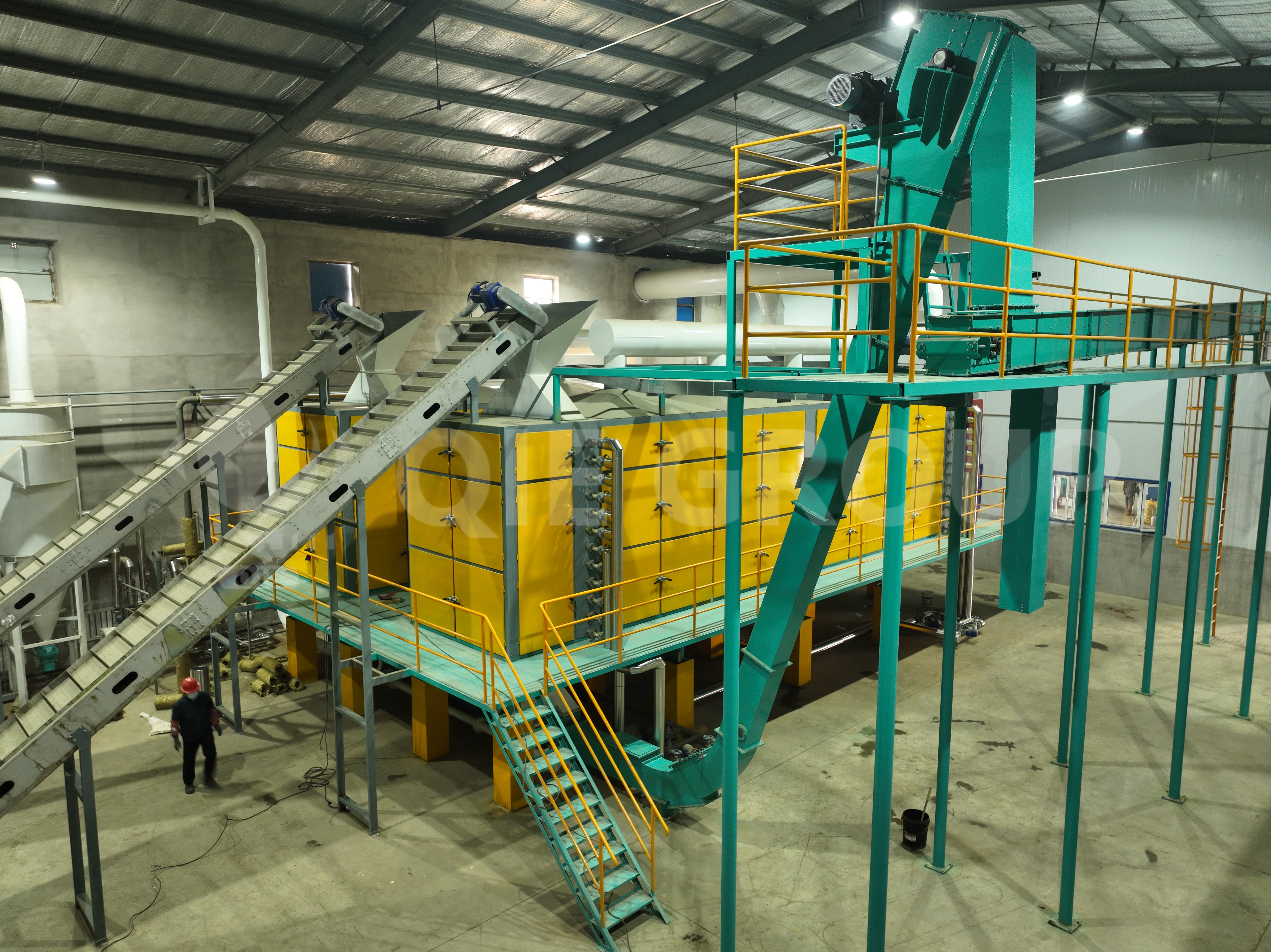
A good example is a 500 TPD rice bran oil extraction project in Vietnam. During the engineering stage, the project team optimized the utility network, solvent recovery system, equipment arrangement, and plant layout while deliberately reserving installation space for future capacity upgrades. As a result, the customer can expand production later without major civil reconstruction or lengthy production shutdowns, significantly reducing future investment costs.
Engineering Insight
Expansion projects are considerably less expensive when provisions are included in the original engineering design. Reserving installation space today typically costs very little compared with relocating process equipment after the plant is operating.
How to Avoid This Mistake: Reserve land, utility capacity, pipe racks, and maintenance access during the first phase of engineering, even if expansion is planned several years later.
Mistake 6: Defining Production Capacity Without Defining Product Quality
Production volume is often one of the first topics discussed during project planning, while product quality receives attention much later. This sequence frequently creates engineering compromises because equipment selection should be driven not only by capacity, but also by the quality standards the finished oil must achieve.
Quality objectives influence nearly every stage of process design, including pretreatment, extraction, refining, filtration, storage, automation, and laboratory systems.
Before selecting equipment, investors should define:
- Finished oil specifications
- Target FFA level
- Phosphorus limits
- Moisture and impurity requirements
- Color standards
- Customer and export market requirements
International standards published by the Codex Alimentarius Commission and analytical methods developed by the American Oil Chemists' Society (AOCS) provide widely accepted benchmarks for edible oil quality.
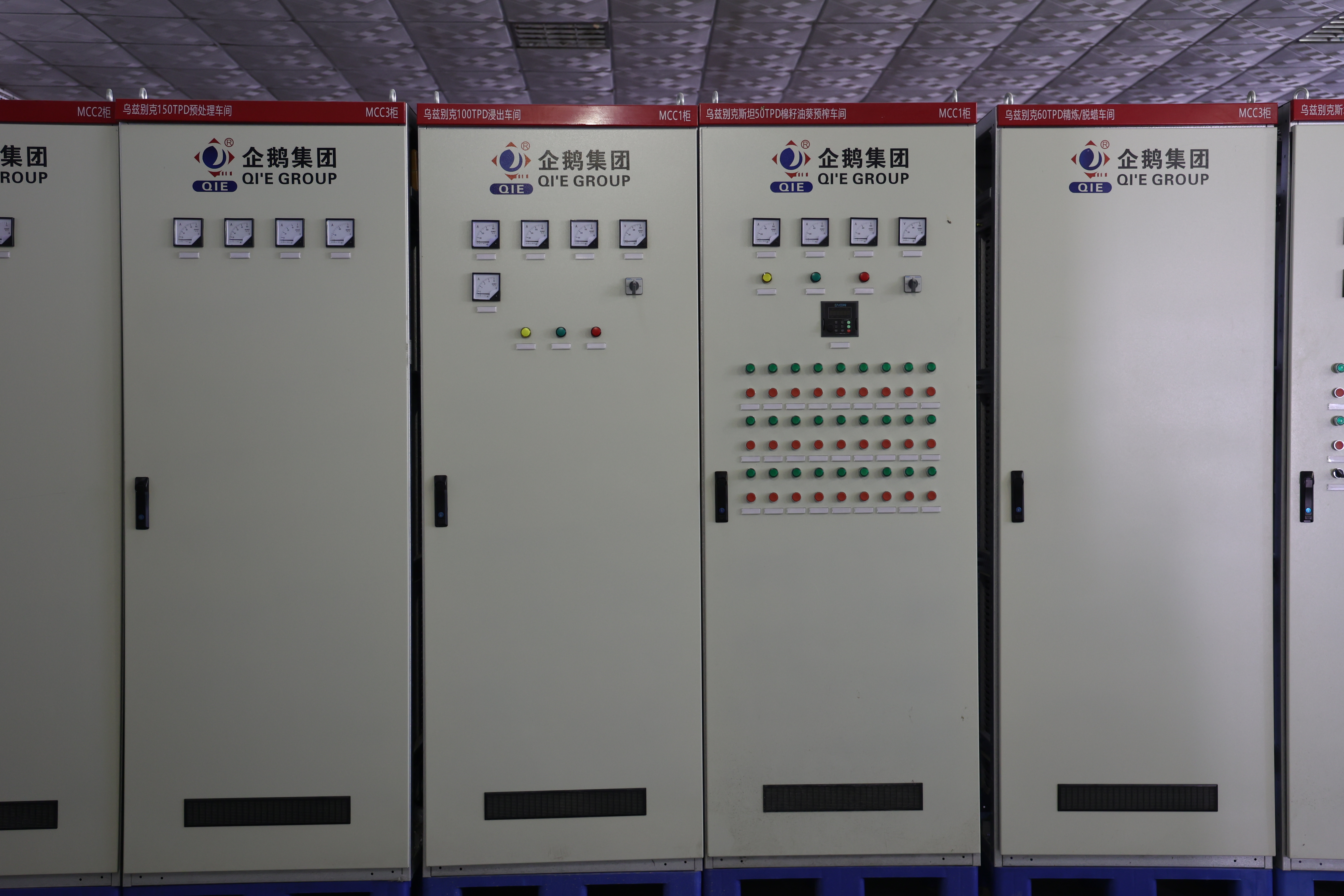
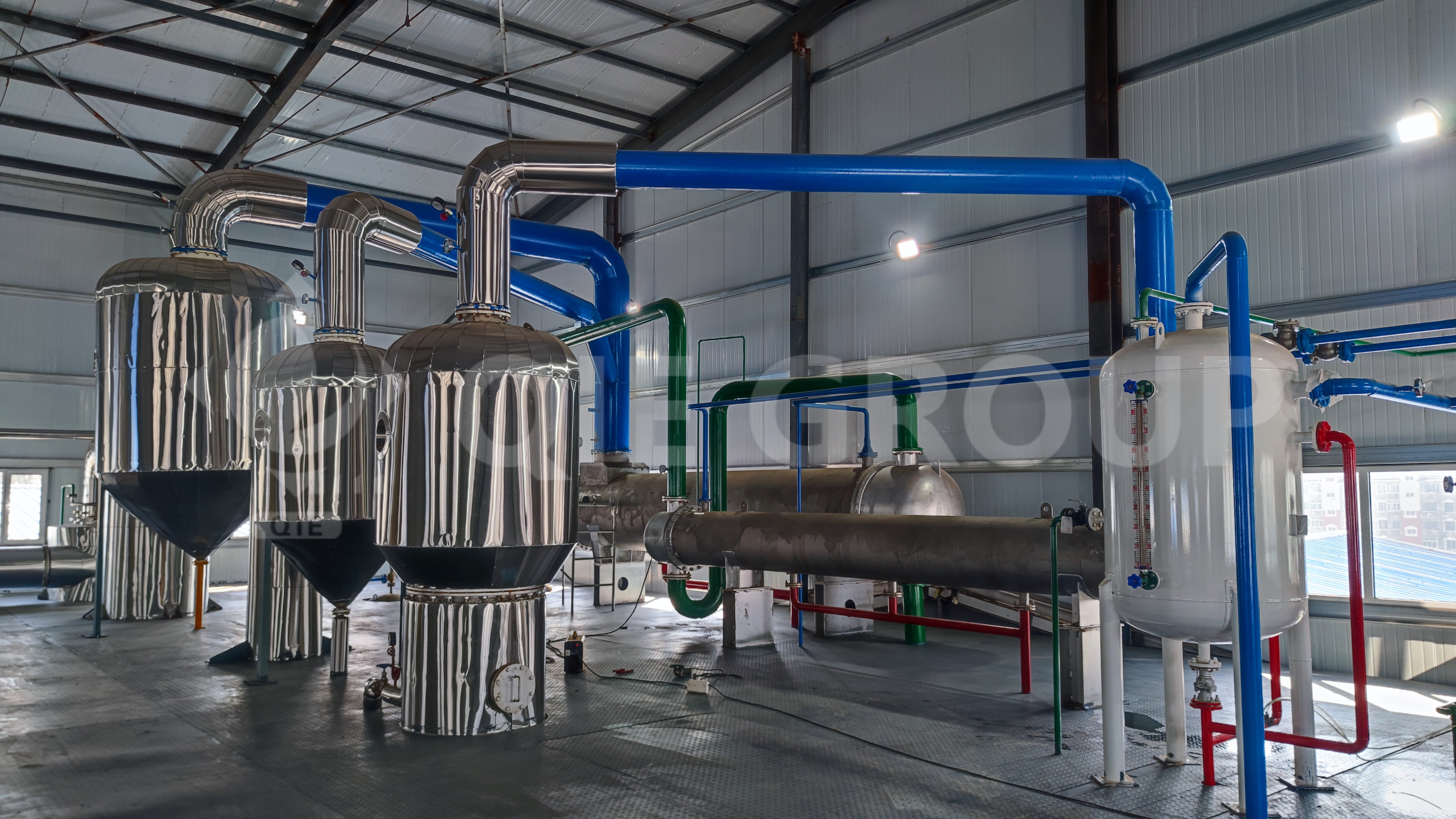
A 300 TPD soybean pretreatment, extraction, and continuous refining project in Egypt demonstrates the benefits of this approach. Rather than selecting equipment solely to maximize throughput, the engineering team first established the customer's refined oil quality objectives. The pretreatment, extraction, continuous refining, solvent recovery, and automation systems were then designed as an integrated process, enabling the plant to consistently achieve both production and quality targets after commissioning.
Engineering Insight
Plants that define quality objectives early generally require fewer process adjustments after startup because equipment selection, operating parameters, and automation strategies are aligned from the beginning.
How to Avoid This Mistake: Define product specifications before selecting the processing technology. Capacity determines how much oil is produced, while quality determines its commercial value.
Mistake 7: Selecting the Wrong Level of Automation
Automation should solve operational challenges rather than simply increase the technological complexity of a project.
Some investors assume that a fully automated plant always delivers the best results, while others attempt to minimize automation to reduce investment costs. In practice, neither approach is universally correct.
The appropriate automation level depends on several factors:
- Production capacity
- Labor availability
- Operator skill level
- Product consistency requirements
- Maintenance capability
- Future digitalization plans
For many medium- and large-scale edible oil processing plants, PLC-based centralized control provides an excellent balance between investment cost, operational reliability, and process stability. Facilities requiring higher levels of production traceability and performance analysis may further benefit from SCADA or Manufacturing Execution Systems (MES).
Engineering Insight
Successful automation projects are designed around production requirements rather than technology itself. A simpler control system that operators fully understand often delivers better long-term performance than a highly complex system that is difficult to maintain.
How to Avoid This Mistake: Select an automation strategy that matches production objectives, workforce capability, and future operational needs instead of pursuing the highest possible automation level.
Mistake 8: Treating Environmental Compliance as a Separate Project
Environmental protection should be integrated into plant engineering from the earliest planning stages rather than added after the process has already been designed.
When wastewater treatment, emission control, fire protection, or hazardous area classification are postponed until construction begins, projects frequently experience redesign work, additional investment, and delayed approvals.
Environmental planning should address:
- Wastewater treatment
- Boiler emission control
- Solid waste utilization
- Occupational health and safety
- Fire protection
- Hazardous area classification
- Local environmental regulations
International standards such as ISO 14001 and the World Bank Group Environmental, Health, and Safety Guidelines recommend incorporating these considerations throughout project development instead of treating them as independent systems.
Engineering Insight
Environmental compliance is no longer simply a regulatory requirement. For many international customers, it has become an important indicator of operational reliability and long-term business sustainability.
How to Avoid This Mistake: Integrate environmental engineering into the feasibility study and front-end design phase to reduce approval risks, avoid costly redesigns, and support long-term plant operation.
Planning Checklist Before Final Approval
Before moving from engineering to procurement, verify that the project can answer the following questions:
| Planning Area | Key Question |
|---|---|
| Feedstock | Has long-term raw material availability been verified? |
| Capacity | Is the selected capacity based on sustainable utilization rather than budget alone? |
| Process Design | Has the process been tailored to the actual feedstock? |
| Utilities | Can utilities support peak production and future expansion? |
| Plant Layout | Does the layout optimize material flow and maintenance access? |
| Product Quality | Have finished oil specifications been defined before equipment selection? |
| Expansion | Is sufficient space reserved for future production growth? |
| Automation | Does the control system match operational requirements? |
| Environment | Have environmental and safety requirements been incorporated into the engineering design? |
If every question can be answered confidently, the project is far more likely to proceed smoothly from construction to commissioning while minimizing technical and financial risks.
Conclusion
Most costly problems in edible oil processing plants do not originate during production—they originate during planning.
Choosing an appropriate production capacity, understanding feedstock characteristics, designing adequate utility systems, optimizing plant layout, planning for future expansion, defining product quality early, selecting the right level of automation, and integrating environmental compliance into the engineering process all contribute to lower operating costs and more reliable long-term performance.
Successful projects are not necessarily those with the highest investment or the most advanced equipment. They are the projects that make informed engineering decisions before construction begins.
By treating feasibility studies, front-end engineering, and plant planning as strategic investments rather than preliminary formalities, investors can significantly reduce project risk and build edible oil processing plants that remain efficient, competitive, and adaptable for decades.
Frequently Asked Questions
1. What is the most common planning mistake in an edible oil processing plant?
Selecting plant capacity based only on available investment budget instead of long-term feedstock availability is one of the most common and costly planning mistakes.
2. Should process design or raw material evaluation come first?
Raw material evaluation should always come first. Feedstock characteristics determine the most suitable process, equipment selection, utility requirements, and expected oil recovery.
3. When should future expansion be considered?
Future expansion should be considered during the initial engineering stage. Reserving land, utility capacity, and installation space is significantly more economical than modifying an operating plant.
4. Should investors choose pressing or solvent extraction during the planning stage?
The choice depends on the feedstock, production capacity, target oil recovery, and product quality requirements. A feasibility study should evaluate these factors before selecting the processing technology.
5. What should an edible oil processing plant feasibility study include?
A comprehensive feasibility study should evaluate feedstock supply, production capacity, process selection, utility systems, plant layout, product quality objectives, environmental compliance, operating costs, market demand, and long-term return on investment.




.JPG?x-oss-process=image/resize,h_800,m_lfit/format,webp)