In large-scale corn germ oil production, the choice of process is not only about extracting oil, but about how to maintain stable continuous operation, control residual oil in cake, and balance mechanical load with extraction efficiency.
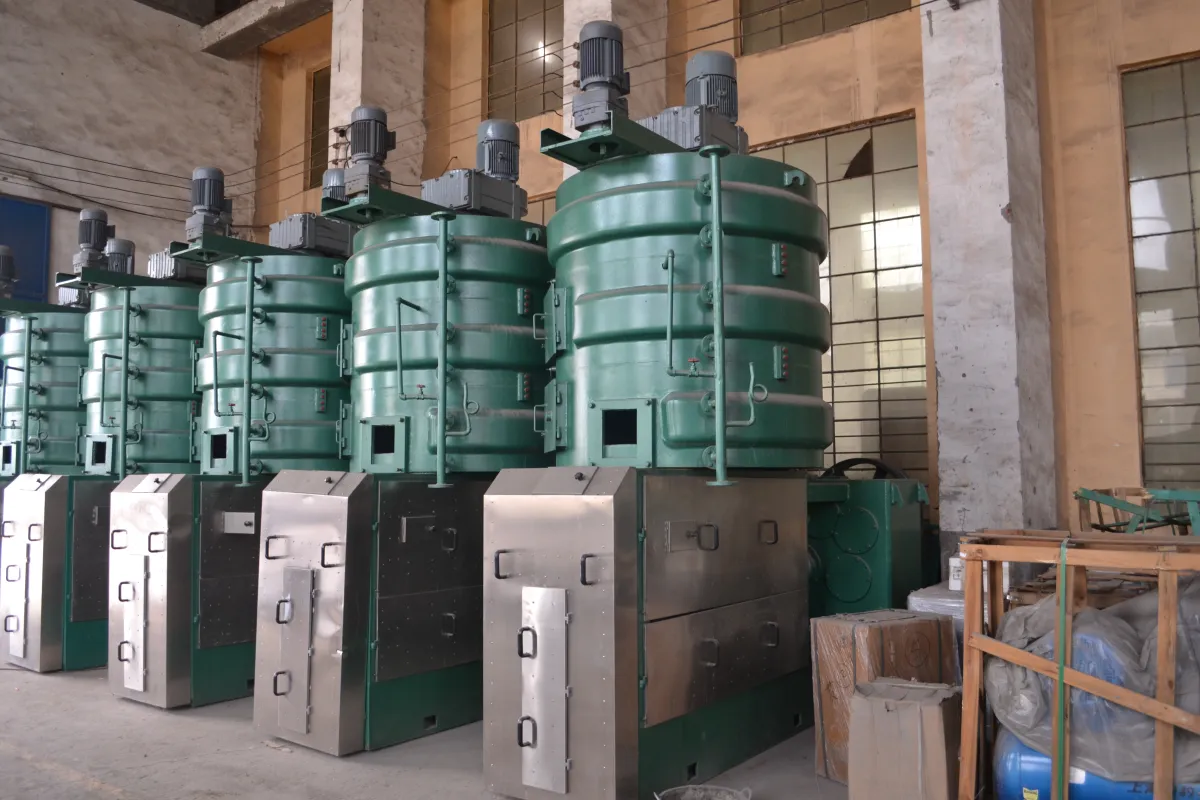
While small and medium plants may rely mainly on mechanical pressing, industrial-scale production lines almost always adopt a combined process of pre-pressing followed by solvent extraction.
The standard configuration is:
Raw material pretreatment → Pre-pressing → Solvent extraction → Oil refining
This structure is widely used because it divides oil recovery into two stages, which significantly improves overall efficiency and system stability in continuous industrial operation.
Corn germ has relatively high oil content, but its physical structure is not uniform. It typically contains:
Main objectives of pretreatment include:
Typical pretreatment stages include cleaning, crushing, conditioning, flaking, and cooking.
Among these, flaking (pressing into thin flakes) plays a critical role, as it directly influences how evenly oil can be released during pre-pressing and how efficiently solvent can penetrate during extraction.
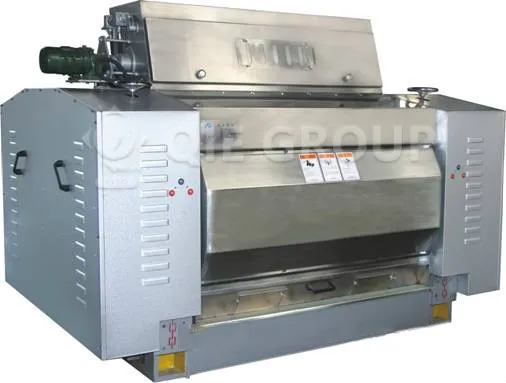
In large industrial systems, pre-pressing is not intended to extract all available oil. Instead, its role is to create a stable intermediate material for solvent extraction.
During pre-pressing:
This step is crucial because it reduces the load on the solvent extraction system while maintaining a cake structure that allows solvent penetration. If pre-pressing is too aggressive, the cake may become too dense or fragmented, which can negatively affect solvent flow and reduce extraction efficiency.
Many investors initially assume that mechanical pressing alone is simpler and more economical. However, in industrial-scale corn germ oil production, full pressing presents several limitations:
Corn germ contains relatively high oil content, which leads to:
As pressing intensity increases, the marginal gain in oil yield decreases while energy consumption rises significantly.
Large-scale plants require stable, continuous processing. Full pressing systems are more sensitive to raw material fluctuations and mechanical stress. For these reasons, industrial production does not rely solely on mechanical pressing.
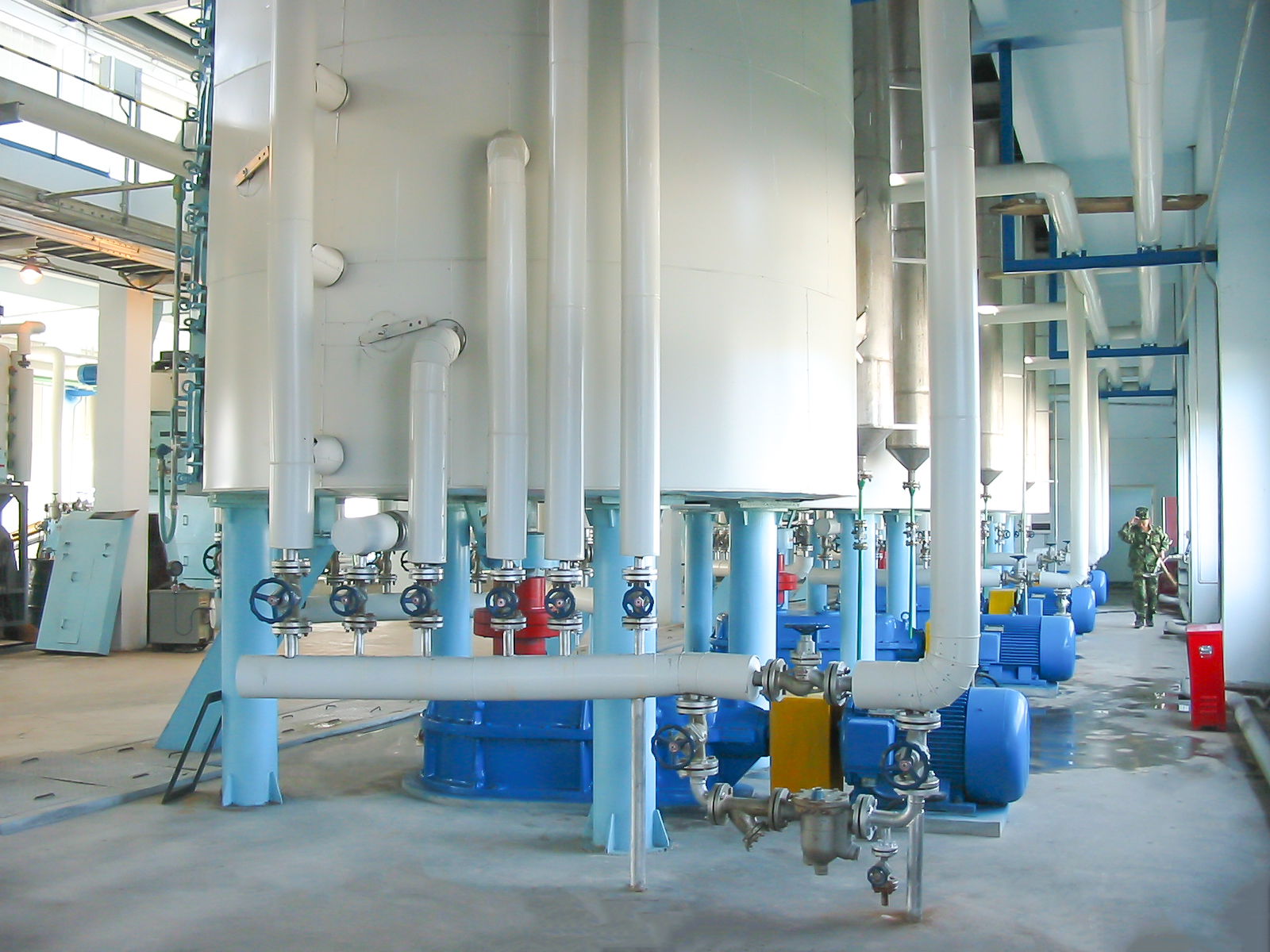
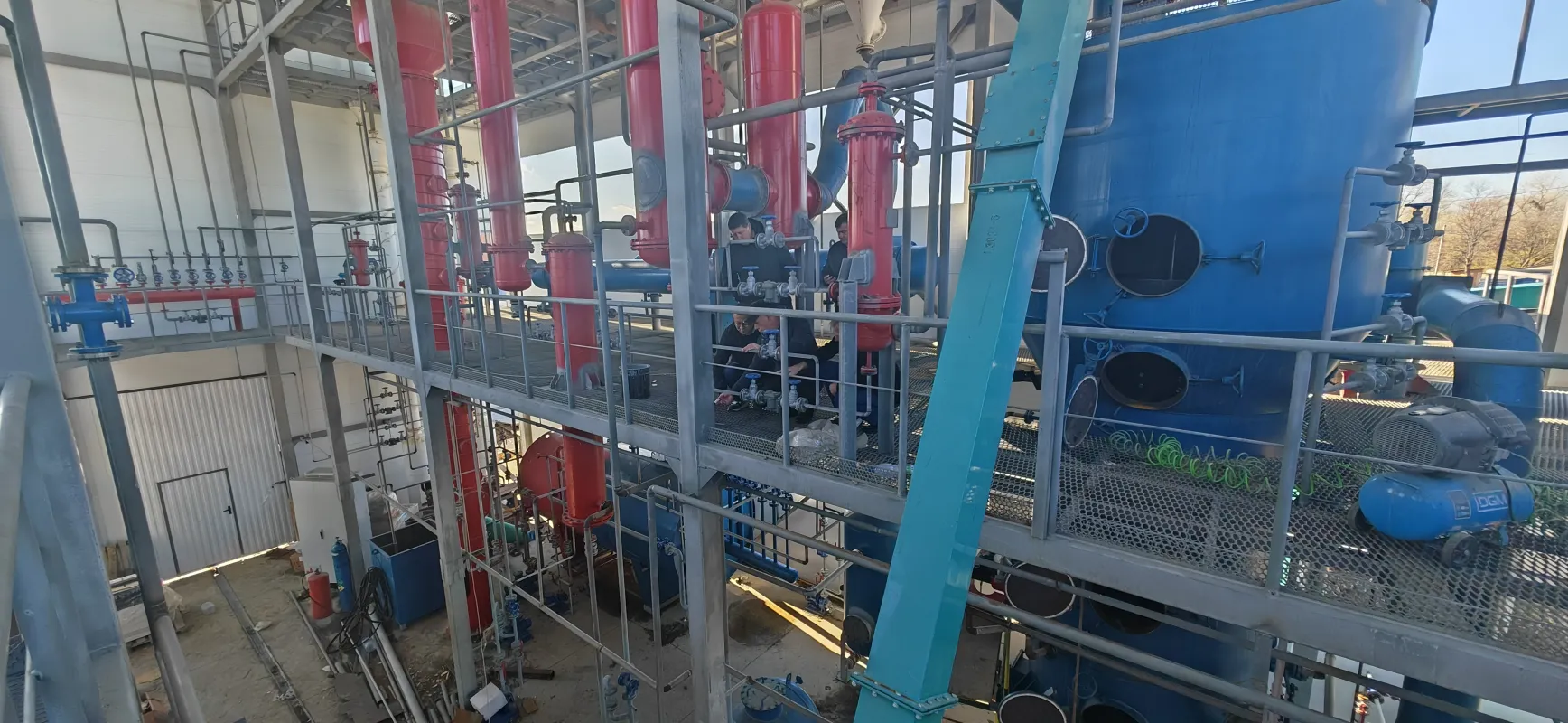
After pre-pressing, a portion of oil remains in the press cake. At this stage, mechanical methods become inefficient for further extraction. Solvent extraction is used to recover the remaining oil based on solubility principles.
Why extraction is necessary:
In industrial systems, solvent extraction is not a replacement for pressing, but a complementary stage that completes oil recovery.

| Item | Full Pressing System | Pre-Pressing + Extraction System |
|---|---|---|
| Scale suitability | Small to medium | Large industrial plants |
| Oil recovery method | Mechanical only | Mechanical + solvent |
| Residual oil control | Limited | Lower and more stable |
| Equipment load | High | Distributed across stages |
| Continuous operation | Less stable | Highly stable |
| Energy efficiency | Lower at scale | More balanced |
The combined system is therefore more suitable for long-term industrial production where stability and efficiency are both required.
One of the most important but often overlooked factors in solvent extraction is the structure of the press cake. The cake determines:
If the cake is too compact, solvent penetration becomes difficult. If it is too loose or powdery, uneven flow paths may form, reducing extraction efficiency. This is why pre-pressing conditions and flaking quality must be carefully controlled in industrial design.
Cleaning → Crushing → Conditioning → Flaking → Cooking
Mechanical extraction of most free oil
Recovery of residual oil from press cake
Filtration and impurity removal
Degumming → Deacidification → Decolorization → Deodorization
The final product meets edible oil quality standards after refining.
The pre-pressing and solvent extraction system is generally recommended for:
For small-scale operations or limited investment projects, simplified pressing systems may still be considered, but with lower overall recovery efficiency.
Why do large corn germ oil production lines use pre-pressing and solvent extraction?
Because industrial-scale production requires a balance between oil yield, equipment load, and continuous operation stability. Pre-pressing removes most of the oil mechanically, while solvent extraction recovers the remaining oil efficiently.
What is the difference between full pressing and pre-pressing with extraction?
Full pressing relies entirely on mechanical force, which becomes inefficient at large scale. The combined process separates oil recovery into two stages, improving efficiency and reducing mechanical stress.
Is solvent extraction necessary in corn germ oil production?
For industrial-scale production, yes. It significantly improves oil recovery and ensures stable residual oil levels in continuous operation systems.
Why is pre-pressing important instead of direct extraction?
Pre-pressing helps form a properly structured cake that allows better solvent penetration and reduces the load on the extraction system.
What happens if the cake structure is not well controlled?
Poor cake structure can lead to uneven solvent flow, channeling effects, and unstable residual oil levels, reducing overall extraction efficiency.
Which type of plant is suitable for full mechanical pressing only?
Full pressing is generally suitable for small or medium-scale plants where production capacity is limited and process simplicity is preferred over maximum oil recovery.
Get comprehensive construction solutions, complete process engineering design, and premium turnkey equipment tailored to your budget and capacity requirements.
Get a Free Custom Solution & Quote 10-50 TPD Turnkey Sunflower Oil Plant
50-100td Turnkey Sunflower Oil Plant
100-200td Turnkey Sunflower Oil Plant
Corn oil press plant solutions
Small corn oil processing equipment
Mechanical extraction of corn germ oil
Sesame oil production line
Cost of a small-scale sesame oil production line
Turnkey sesame oil extraction equipment solutions
Cold-pressed sesame oil processing equipment
120TPD Soybean Oil Refinery
Edible Oil Refinery Project Case in Egypt
Turnkey 120TPD Soybean Oil Production Line Cost 2026
Physical Refining vs Chemical Refining for Soybean Oil in Africa
Commercial shea butter crushing and grinding machine
Shea butter cold-press extraction production line
Automated shea butter refining and deodorizing plant
Small-scale shea butter processing equipment for sale
10-50 TPD Turnkey Sunflower Oil Plant
50-100td Turnkey Sunflower Oil Plant
100-200td Turnkey Sunflower Oil Plant
Corn oil press plant solutions
Small corn oil processing equipment
Mechanical extraction of corn germ oil
Sesame oil production line
Cost of a small-scale sesame oil production line
Turnkey sesame oil extraction equipment solutions
Cold-pressed sesame oil processing equipment
120TPD Soybean Oil Refinery
Edible Oil Refinery Project Case in Egypt
Turnkey 120TPD Soybean Oil Production Line Cost 2026
Physical Refining vs Chemical Refining for Soybean Oil in Africa
Commercial shea butter crushing and grinding machine
Shea butter cold-press extraction production line
Automated shea butter refining and deodorizing plant
Small-scale shea butter processing equipment for sale






.png?x-oss-process=image/resize,h_100,m_lfit/format,webp)
.png?x-oss-process=image/resize,h_100,m_lfit/format,webp)
.png?x-oss-process=image/resize,h_100,m_lfit/format,webp)