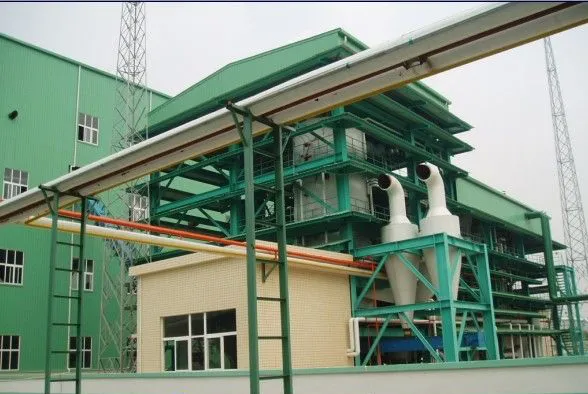
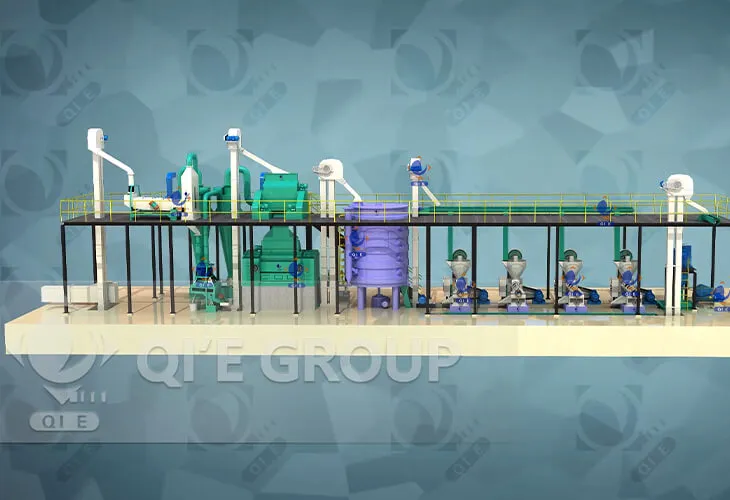
As of 2026, the global corn germ oil market demands higher precision in processing to offset rising energy costs. Success in 2026 hinges on balancing initial CAPEX with a residual oil rate of ≤0.5%. This guide breaks down the technical and financial requirements for turnkey corn oil projects.
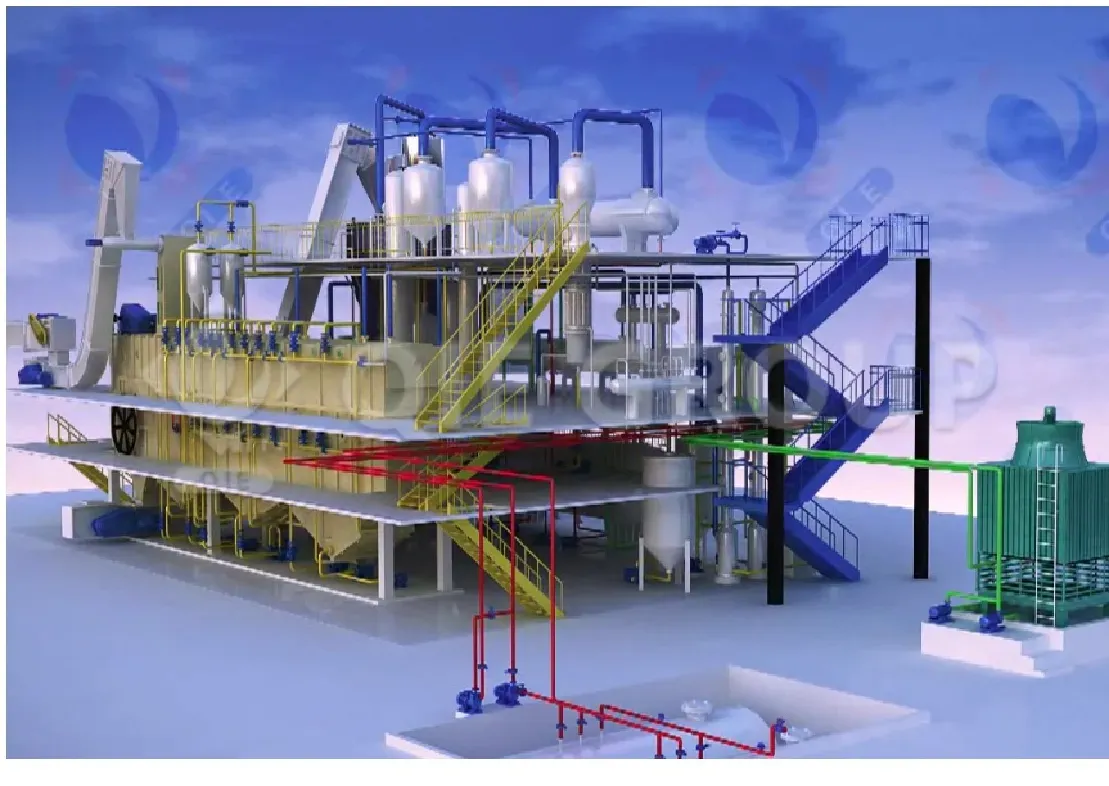
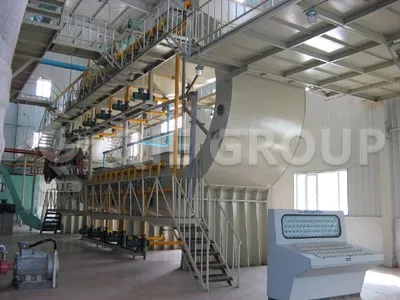
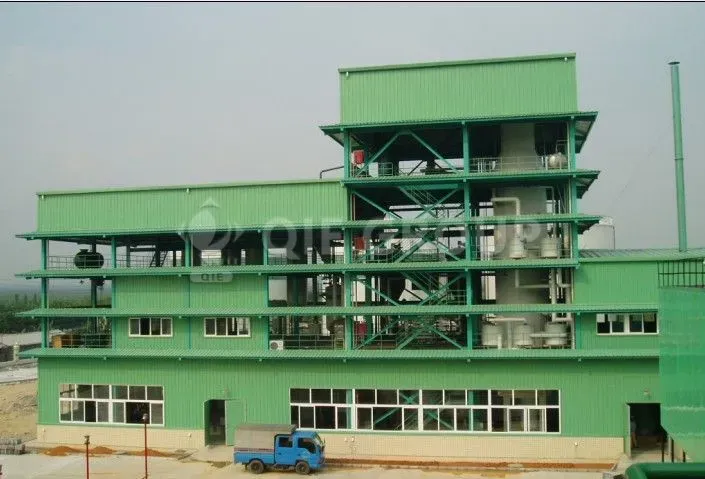
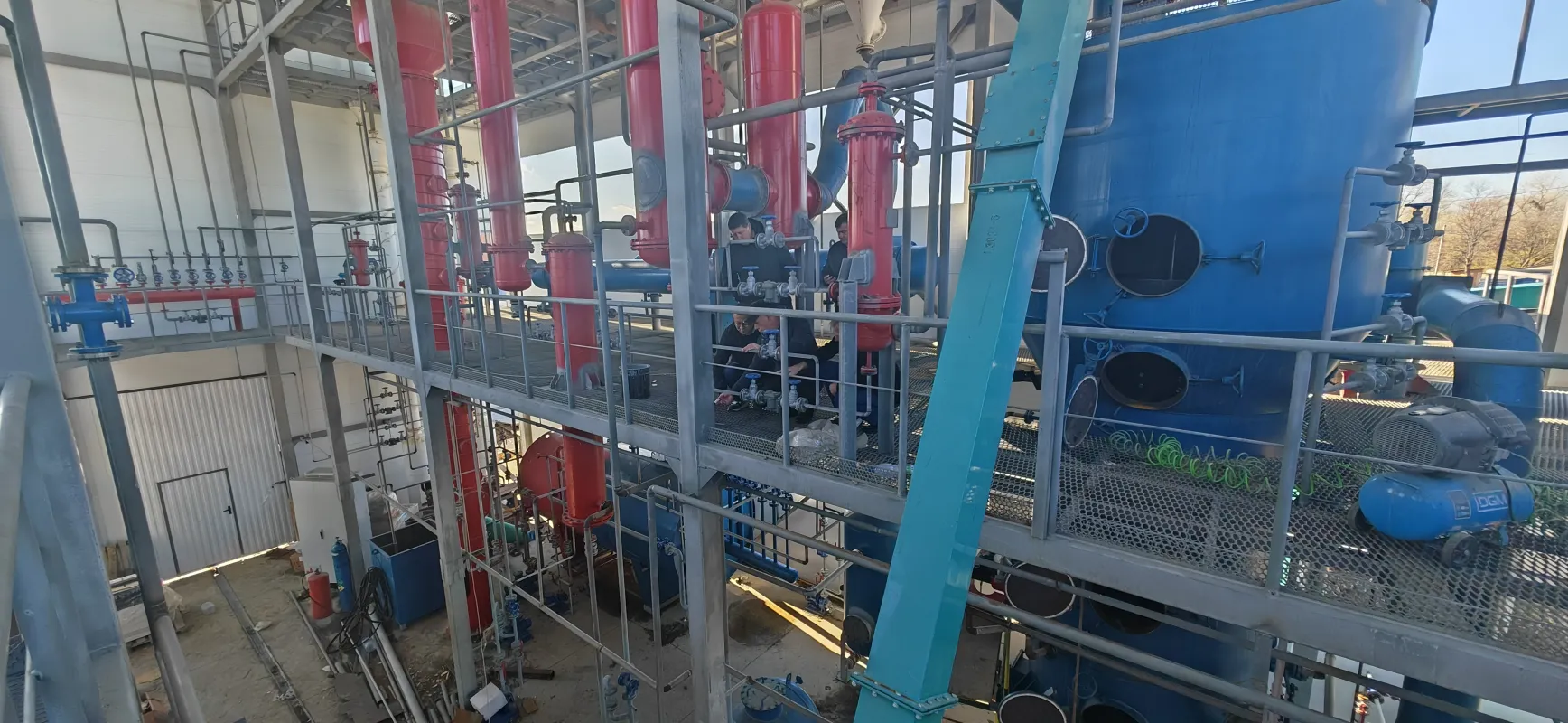
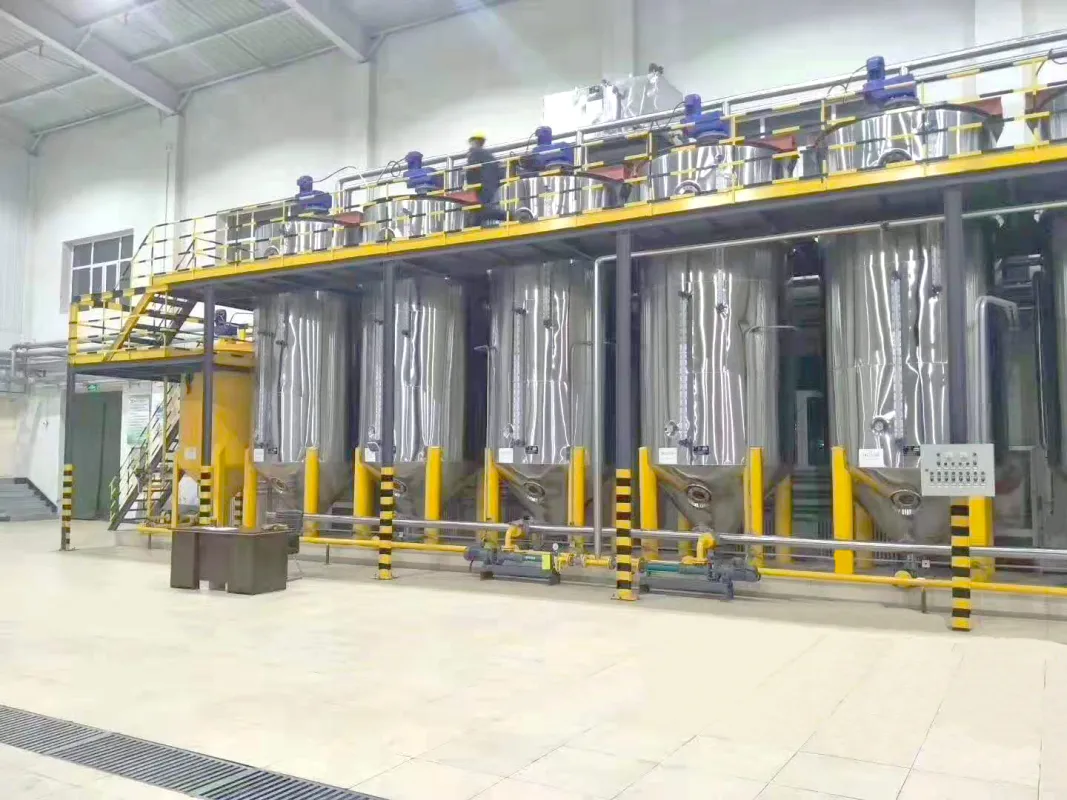
Budgeting for a mid-to-large scale facility in 2026 requires a deep understanding of the technical ecosystem. A true turnkey solution from QIE Group ensures that every stage—from cleaning to dewaxing—is synchronized for maximum throughput.
For entry-level investors (1-10 TPD), the "Full Pressing" route remains the most viable path. By focusing on a compact, skid-mounted design, investors can reduce onsite installation time by 30%. The focus here is on mechanical durability and ease of operation, targeting a residual oil rate in the cake of approximately 6%-8%.
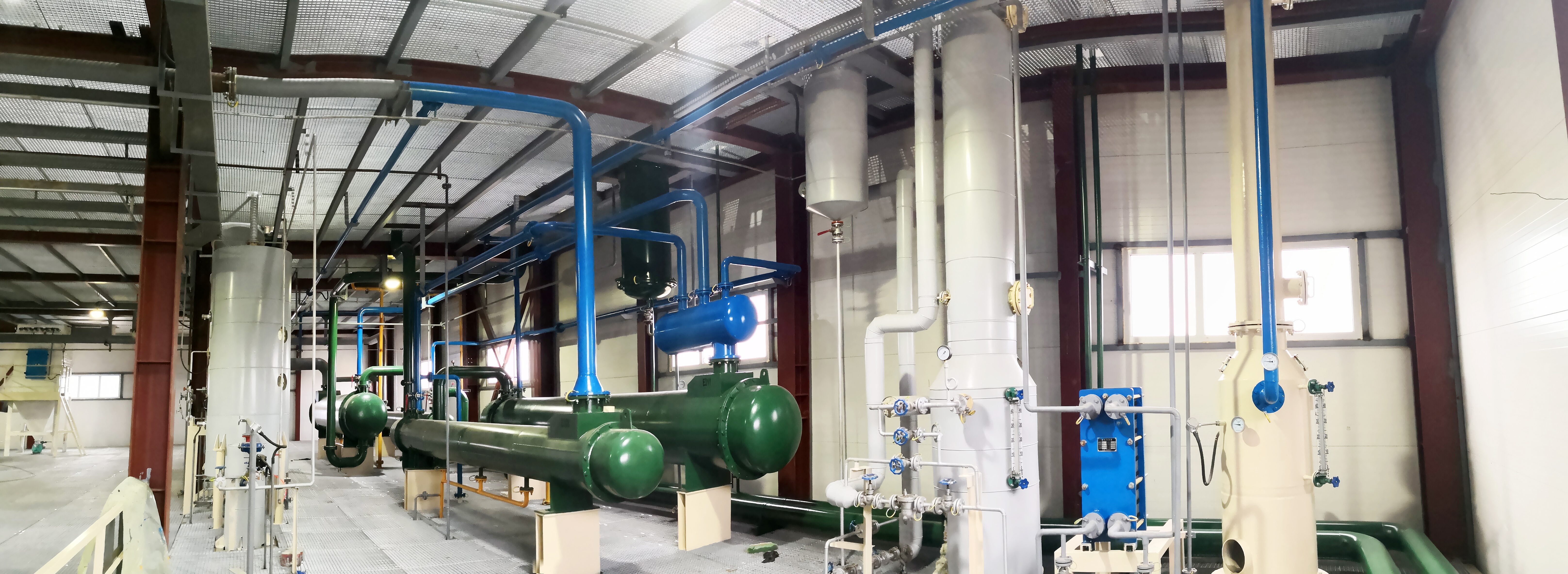
In 2026, engineering precision is the only way to ensure profit. Our process focuses on two critical "Decisive Paths":
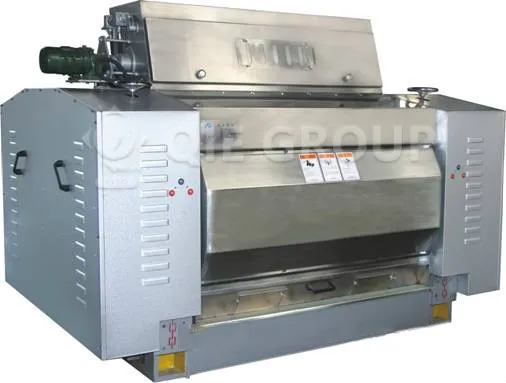
1. Flaking (0.3-0.5mm): We utilize high-hardness alloy rollers to rupture the germ's cellular structure, creating the massive surface area required for high-efficiency extraction.
2. Winterization/Dewaxing: Corn oil contains high wax content. Our 2026 refining line masters the crystallization curve, slowly cooling oil to 5°C-10°C to ensure a crystal-clear product that meets international retail standards.
Profitability in 2026 is driven by byproduct value. Beyond the oil, the corn germ meal (with <50ppm residual solvent) serves as a premium high-protein feed. An industrial plant utilizing solvent extraction can recover significantly more oil than traditional pressing, often reaching full ROI within 18-24 months depending on regional feedstock prices.
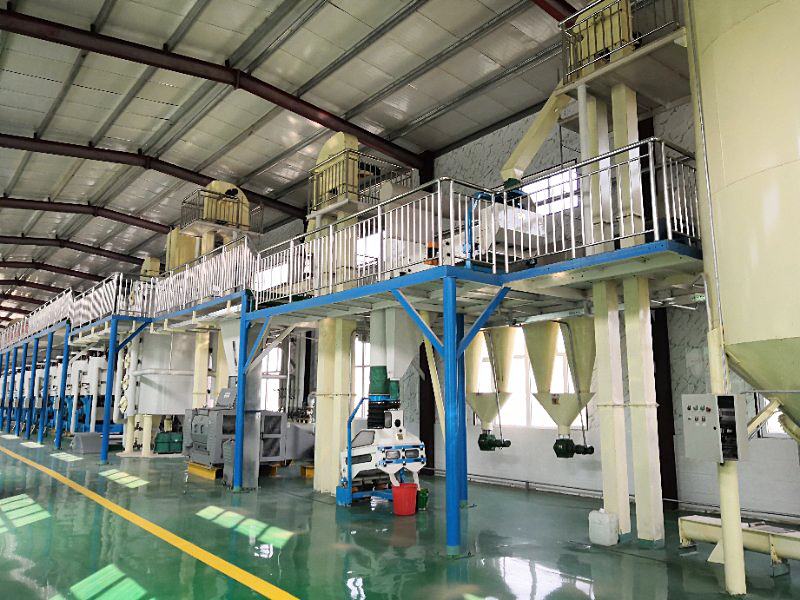
With over 30 years in the field, we often see projects fail due to poor Softening/Tempering. If the germ is processed too dry, it generates excessive powder that clogs the extraction grids. Proper moisture control (10%-12%) is not optional—it is the foundation of plant stability.
Corn germ is resilient; without adjusting moisture to 10%–12% and temperature to 80°C, it becomes brittle. Our flaking technology ensures a thickness of 0.3–0.5mm, which is the exact threshold required to rupture cell walls for maximum oil release.
The 2026 benchmark is 100 TPD. Below this, pressing is cost-effective. Above 100 TPD, solvent extraction becomes necessary to reduce residual oil in the meal to ≤0.5%, significantly increasing annual revenue.
We implement a dedicated Dewaxing section. By cooling the oil slowly to 5°C–10°C, we grow wax crystals large enough for filtration, ensuring the oil remains clear and transparent even in cold storage.
Our plants utilize DTDC desolventizers and negative pressure evaporation. This ensures solvent consumption is below 1.5kg/t and residual solvent in oil is <50ppm, meeting the highest international safety and environmental codes.
Yes. Our 2026 turnkey designs are multi-seed compatible. While the extraction and refining sections are versatile, we provide adjustable pre-treatment screens to switch between corn germ, soybeans, or sunflower seeds.
 soybean oil deacidification process
Refining process optimization
Processes to improve the quality of soybean oil
Turnkey soybean oil plant EPC solution
Turnkey soybean oil plant delivery cost
Turnkey soybean oil plant process configuration
turnkey soybean oil factory
Argentina's small-scale soybean oil refining line
small soybean oil refinery in Argentina
Argentine small soybean oil refinery plan
Screw Oil Press Selection Guide
Single screw oil press
Twin screw oil press
Recommended small-batch oil press equipment
Oil press maintenance costs
Automated oil production line
Automated sunflower seed oil production line
Sunflower seed oil production machine
Sunflower seed oil processing
QIE Group
soybean oil deacidification process
Refining process optimization
Processes to improve the quality of soybean oil
Turnkey soybean oil plant EPC solution
Turnkey soybean oil plant delivery cost
Turnkey soybean oil plant process configuration
turnkey soybean oil factory
Argentina's small-scale soybean oil refining line
small soybean oil refinery in Argentina
Argentine small soybean oil refinery plan
Screw Oil Press Selection Guide
Single screw oil press
Twin screw oil press
Recommended small-batch oil press equipment
Oil press maintenance costs
Automated oil production line
Automated sunflower seed oil production line
Sunflower seed oil production machine
Sunflower seed oil processing
QIE Group






.png?x-oss-process=image/resize,h_100,m_lfit/format,webp)
.png?x-oss-process=image/resize,h_100,m_lfit/format,webp)
.png?x-oss-process=image/resize,h_100,m_lfit/format,webp)