In the edible oil processing industry, corn germ oil holds a significant position in the international mid-to-high-end vegetable oil market due to its rich content of high-value nutrients such as phytosterols, unsaturated fatty acids, and vitamin E. As a byproduct of corn deep processing (starch or alcohol production), corn germ typically has an oil content as high as 35%–50%. Selecting the optimal oil extraction technology route for specific production capacity and capital structure is crucial for investors to maximize profits.
In typical scenarios with small to medium capacity (10–100 tons per day), compared to the complex “pre-pressing-leaching combined process”, the full pressing process has become the preferred route for small and medium-sized investors worldwide due to its unique advantages such as simplified process, controllable capital expenditure, short construction period and low management threshold.
For many small and medium-sized capacity projects, the core objective is not necessarily to pursue the highest theoretical oil yield. In actual operation, investors often pay more attention to production stability, maintenance difficulty, engineering complexity, and whether the project can be put into production quickly.
Based on these practical factors, fully mechanized pressing remains one of the widely adopted solutions in many corn germ oil processing plants.
Compared to pre-pressing and leaching systems, full-press production lines typically require fewer auxiliary systems, have lower installation requirements, and are simpler to operate and manage. Therefore, they are particularly suitable for regional edible oil processing enterprises, initial industrial investment projects, and processing plants with medium daily throughput.
A corn germ oil production line is a complete system that processes corn germ into crude oil or finished edible oil through pretreatment, oil extraction, and refining processes.
Common raw materials include:
The final product typically includes:
Depending on the production scale and investment plan, the production line typically adopts the following two routes:
The specific choice usually depends on:
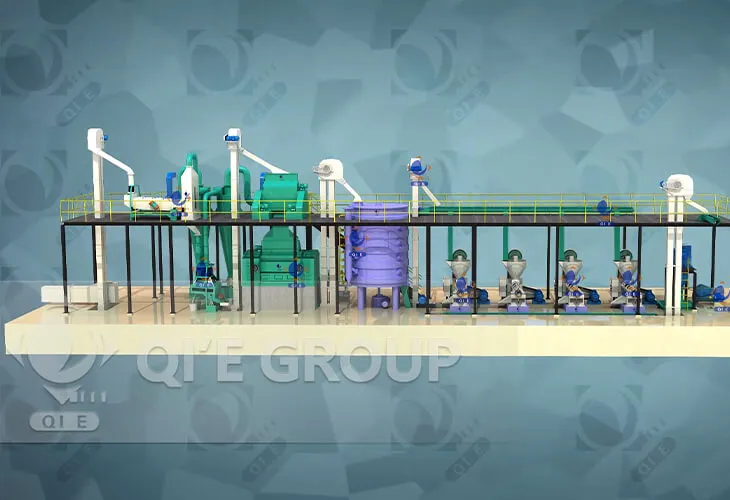
A typical full-press production line mainly includes:
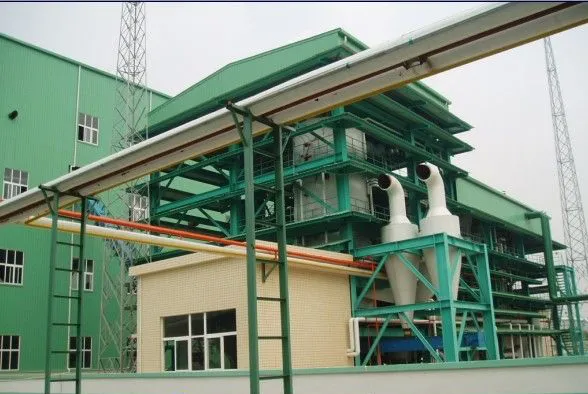
Compared to leaching systems, it requires no configuration:
Therefore, the overall complexity of the project is significantly reduced.
Corn oil press plant solutions based on mechanical oil extraction typically include:
For many investors, especially processing companies in developing markets, controlling upfront capital investment is often more important than pursuing the lowest residual oil content.
This is one of the key reasons why small-scale corn oil processing equipment still enjoys a high application rate in medium-sized edible oil projects.
Mechanical pressing production lines are generally easier to install and debug due to their more compact process structure.
Its advantages include:
This is a significant advantage for projects that need to enter commercial production as quickly as possible.
Leaching systems typically require more complex operation and management, including:
In contrast, mechanical pressing systems are easier to maintain.
Routine maintenance typically focuses on:
For small and medium-sized factories that do not have large engineering teams, this simplification of operations has high practical value.
In some edible oil markets, mechanical oil extraction is also more popular because it is easier to preserve the natural flavor components in crude oil.
Although corn oil ultimately needs to be refined before it is sold, mechanically pressed crude oil is generally considered to have:
This has certain value for some regional edible oil markets.
While total pressing has clear advantages in terms of operation, its technological limitations also need to be considered.
Simple mechanical pressing usually retains more residual oil in the press cake, and its oil recovery rate is relatively low compared to solvent extraction systems.
As production capacity expands, the economic impact of this oil loss will gradually increase.
For large-scale continuous industrial production projects, full pressing processes may not be able to meet the higher demands for oil recovery.
Therefore, large processing plants typically shift towards:
The efficiency of mechanical oil extraction largely depends on the quality of pretreatment.
Unstable moisture, temperature, or billet quality can lead to:
Therefore, even relatively simple pressing production lines require stable pretreatment control.
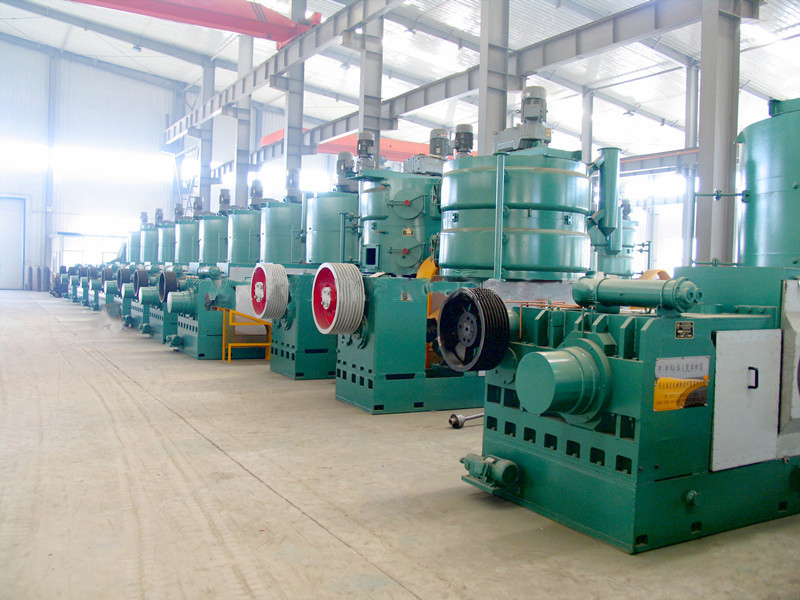
Pretreatment directly affects oil yield, pressing stability, and final oil quality.
The main processes include:
Cleaning
Remove:
Stable cleaning can reduce equipment wear and improve the efficiency of subsequent processes.
soften
By adjusting moisture and temperature, the rolling effect can be improved.
Rolled billet
Corn germ is pressed into thin sheets to increase the exposed surface area of oil cells.
Steaming and stir-frying
adjust:
Proper steaming and frying can help improve oil extraction efficiency during the pressing stage.
The steamed and shaped feedstock is continuously fed into a heavy-duty screw press. Under the powerful mechanical force of the screw propelling the press and the gradually narrowing pressing chamber, the oil is continuously squeezed out. The key to this process lies in adjusting the screw speed and the thickness of the cake to firmly lock the residual oil in the cake at an excellent value of approximately 5.5%. Key control factors include:
The operational performance of the mechanical corn germ oil extraction section typically has a direct impact on the profitability and operational stability of the entire production line.
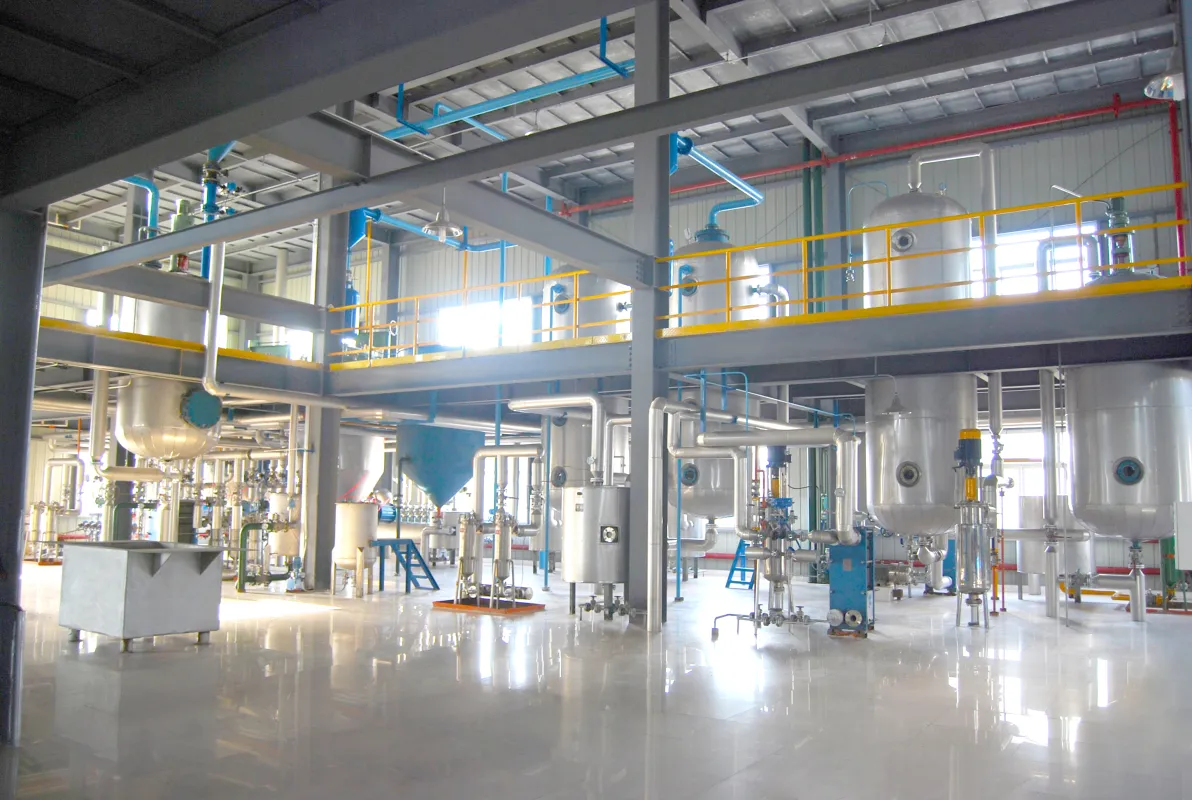
Refining Section: Solving the Low-Temperature Stability of Oils
Because crude corn oil contains insoluble meal, free fatty acids (FFA), phospholipids, and unique plant waxes, it must be refined to meet edible oil standards.
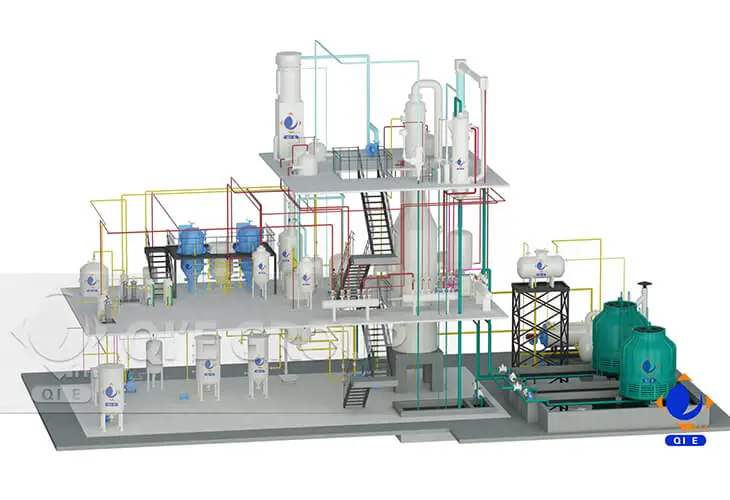
1. Degumming and Deacidification: Inject an appropriate amount of hot water for hydration and degumming to remove phospholipids that easily cause oils to turn black when heated; then reduce free fatty acids to acceptable levels by adding alkali for neutralization or physical deacidification.
2. Decolorization and deodorization: Activated clay is used to adsorb pigments, and odor substances are removed by steam distillation under high temperature and high vacuum (240°C–260°C, vacuum degree ≤400 Pa).
3. Dewaxing (Critical and Specific Step): This is an essential step in corn oil processing. The corn germ pericarp contains 0.1%–0.5% high-melting-point wax. If not removed, the finished oil will crystallize and become cloudy under low-temperature environments (such as winter or refrigeration). The dewaxing step involves slowly cooling the deodorized oil to 10°C–12°C to "crystallize," causing the wax to crystallize and precipitate. This is then physically separated using a stainless steel plate and frame filter press, ensuring excellent low-temperature clarity in the finished corn oil.
Why is dewaxing important?
If dewaxing is not properly controlled:
Therefore, temperature control during the winterization stage is crucial for stabilizing edible corn oil production.

For small and medium-sized investors, while choosing the full-pressing process involves a slight compromise in "oil yield," it achieves a higher overall return in the overall business model:
• Avoid solvent consumption costs per ton: Leaching plants incur high solvent consumption costs daily. In contrast, the full pressing process relies entirely on electricity and steam, resulting in a clear cost boundary.
• Green and flavor premium: Mechanically pressed germ cake is usually priced higher than extracted meal in the feed market (especially for ruminants and poultry) due to its higher natural residual fat content, which largely offsets the crude oil loss caused by "high residual oil content".
• Flexibility in asset allocation: The use of modern, highly automated small-scale corn oil processing equipment, which supports one-button start and stop, is ideal for small and medium-sized processing plants with cyclical or seasonal fluctuations in raw material supply.
Evaluating the process route from both an operational and economic perspective is usually more practical than focusing solely on a single technical indicator.
For a corn germ project with a daily processing capacity of 50 tons, if the company wants to expand its production capacity in the future, is the full-press production line expandable?
A: It has excellent modular scalability. During the initial project planning, as long as space is reserved within the workshop, future capacity can be multiplied simply by adding the same model of presses and rolling mills in parallel. Existing steam and power systems often require only minor adjustments. Furthermore, if future capacity exceeds 150 tons/day, existing pressing equipment can be seamlessly converted into a "pre-pressing section," and downstream leaching workshops can be directly added, ensuring that initial assets are never wasted.
Why do some corn germ oils form white flocculent substances when refrigerated? How can this be avoided through processing?
A: This phenomenon is mainly due to the lack of a "dewaxing" stage in the refining process, or the inadequate temperature control during dewaxing. The natural wax in corn germ crystallizes and precipitates at low temperatures. A perfect corn oil press plant solution must include an independent condensation crystallization and plate and frame dewaxing system. By statically crystallizing at 10°C for more than 24 hours, the wax is thoroughly filtered out, ensuring that the finished oil remains crystal clear for a long time at 0°C.
What is the market demand and value of corn germ cake produced by pressing in the international market?
Pressed oil cake, because it is not extracted with any chemical solvents and contains 5%–7% high-value natural oils, has superior palatability, energy value, and protein quality compared to extracted oil meal. In the international feed market, especially in high-energy layer hen feed and ruminant concentrate supplements, pressed oil cake often commands higher market prices than conventional extracted oil meal.
Why do large factories more often use leaching processes?
As production capacity increases, improving oil recovery rates becomes more economically valuable. Leaching processes can effectively reduce residual oil content in meal and improve overall oil extraction efficiency.
Are you planning to build a small to medium-sized corn oil press plant? Contact our senior engineers now to tailor a process layout and equipment configuration plan for your project.
Contact us for a free consultation. 2026 10t/h rice bran oil production line machine
2026 10-50 t/hour rice bran oil production line
2026 rice bran oil production line
2026 50t/h rice bran oil production line
Copra Oil Extraction Plant
100 TPD Copra Oil Mill Project in Indonesia
Copra Oil Extraction Line Commissioning Case
Soybean Oil Production Line Equipment
Cost Comparison: Pressing Method vs. Solvent Extraction Method for Soybean Oil Production
Soybean Oil Processing Plant: Process Flow and Equipment Configuration
Customized Turnkey Solutions for Complete Soybean Oil Production Lines
Cost of 50 TPD turnkey edible oil refinery plant 2026
ROI analysis for edible oil production line investment
Small scale vs industrial edible oil processing equipment price
Turnkey Cooking Oil Production Lines Price
Shea Butter Pressing and Refining Production Line Solution
Shea Butter Refining Production Line Machine List
Shea Butter Production Line
2026 Complete Industrial-Grade Shea Butter Oil Production Line Equipment
2026 10t/h rice bran oil production line machine
2026 10-50 t/hour rice bran oil production line
2026 rice bran oil production line
2026 50t/h rice bran oil production line
Copra Oil Extraction Plant
100 TPD Copra Oil Mill Project in Indonesia
Copra Oil Extraction Line Commissioning Case
Soybean Oil Production Line Equipment
Cost Comparison: Pressing Method vs. Solvent Extraction Method for Soybean Oil Production
Soybean Oil Processing Plant: Process Flow and Equipment Configuration
Customized Turnkey Solutions for Complete Soybean Oil Production Lines
Cost of 50 TPD turnkey edible oil refinery plant 2026
ROI analysis for edible oil production line investment
Small scale vs industrial edible oil processing equipment price
Turnkey Cooking Oil Production Lines Price
Shea Butter Pressing and Refining Production Line Solution
Shea Butter Refining Production Line Machine List
Shea Butter Production Line
2026 Complete Industrial-Grade Shea Butter Oil Production Line Equipment


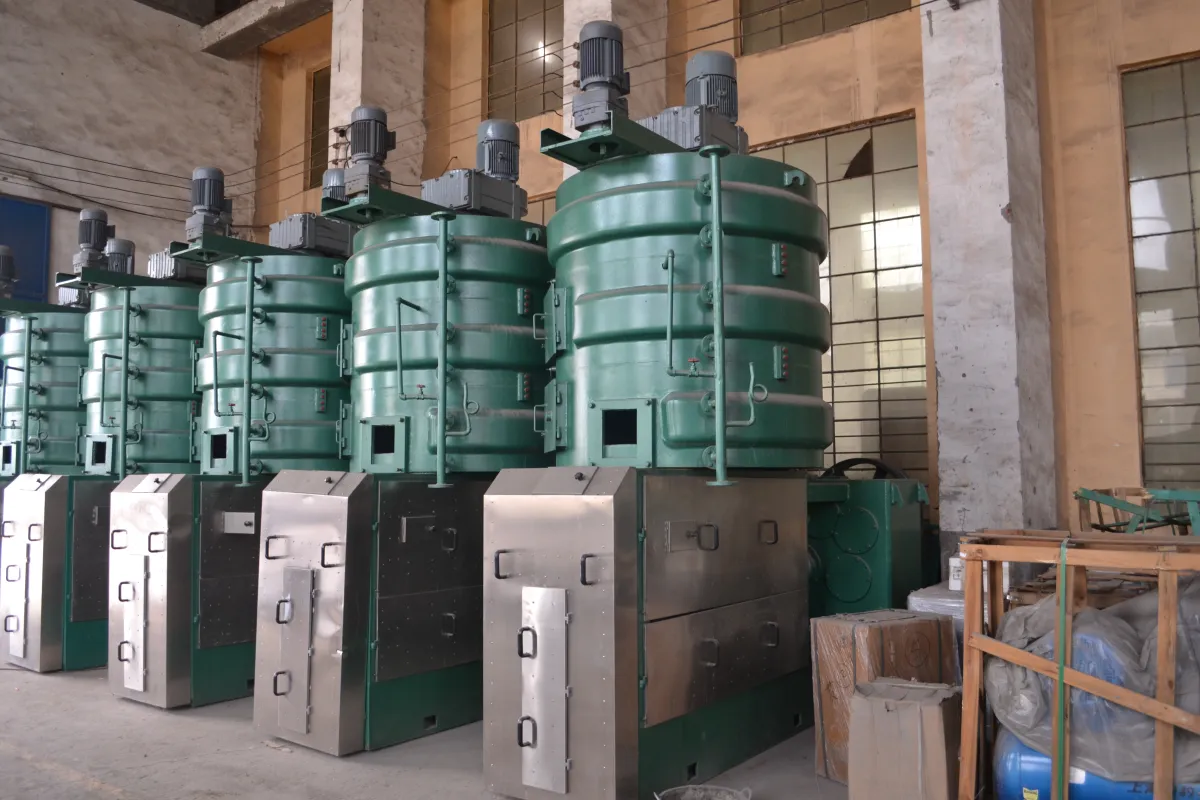

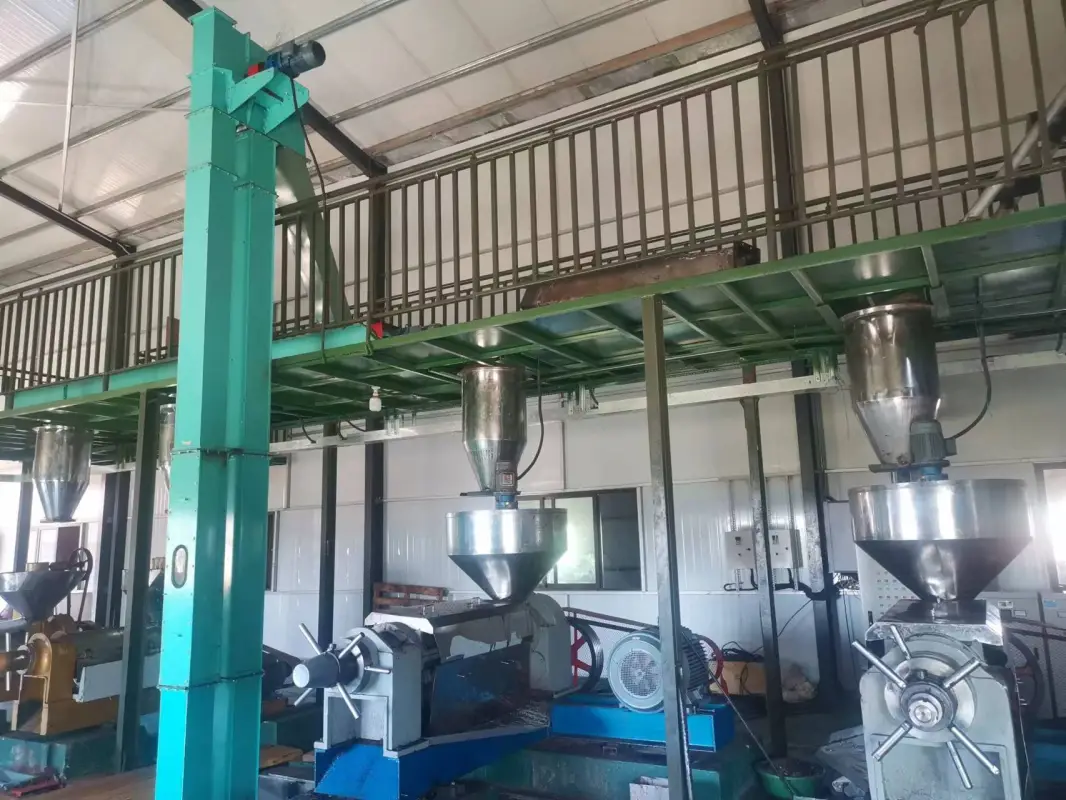


.png?x-oss-process=image/resize,h_100,m_lfit/format,webp)
.png?x-oss-process=image/resize,h_100,m_lfit/format,webp)
.png?x-oss-process=image/resize,h_100,m_lfit/format,webp)