Cottonseed oil production line machinery and its price
QIE
2026-03-03
Product description
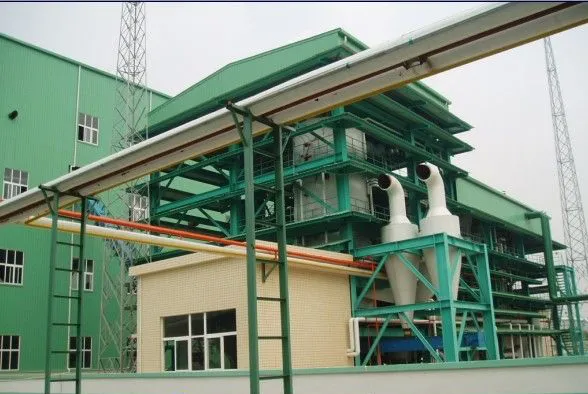
QIE GROUP provides complete cottonseed oil pressing and refining production line configuration solutions. We offer real-time updates on cottonseed hulling and pressing machine prices and support customized cottonseed oil processing plants with a daily processing capacity of 10-100 tons. Our products meet international quality certifications and we provide overseas installation and technical support. Inquiries are welcome.
Cottonseed Oil Production Line: 10-100 TPD Full Configuration & ROI Guide (2026)
Turnkey Solutions for Edible Oil Extraction, Refining, and Gossypol Detoxification.
Investing in a cottonseed oil mill is a high-return venture, but it comes with unique technical challenges: Gossypol detoxification and high-fiber dehulling. As an export-oriented manufacturer, we provide export-standard machines designed for global efficiency and food safety.
1. Pre-treatment: Maximizing Purity & By-product Value
The "hard shell" and "lint" of cottonseed are the primary enemies of oil yield. Our pre-treatment section is engineered to turn these challenges into profit.
Delinting (Efficiency ≥ 95%): Recovered cotton linter is a valuable industrial material. Removing it also ensures plant safety and improves oil quality.
Dehulling & Kernel Separation (Separation ≥ 90%): Hulls act like sponges, absorbing 3-5% of your oil. Our separators ensure kernel purity, directly boosting your final output.
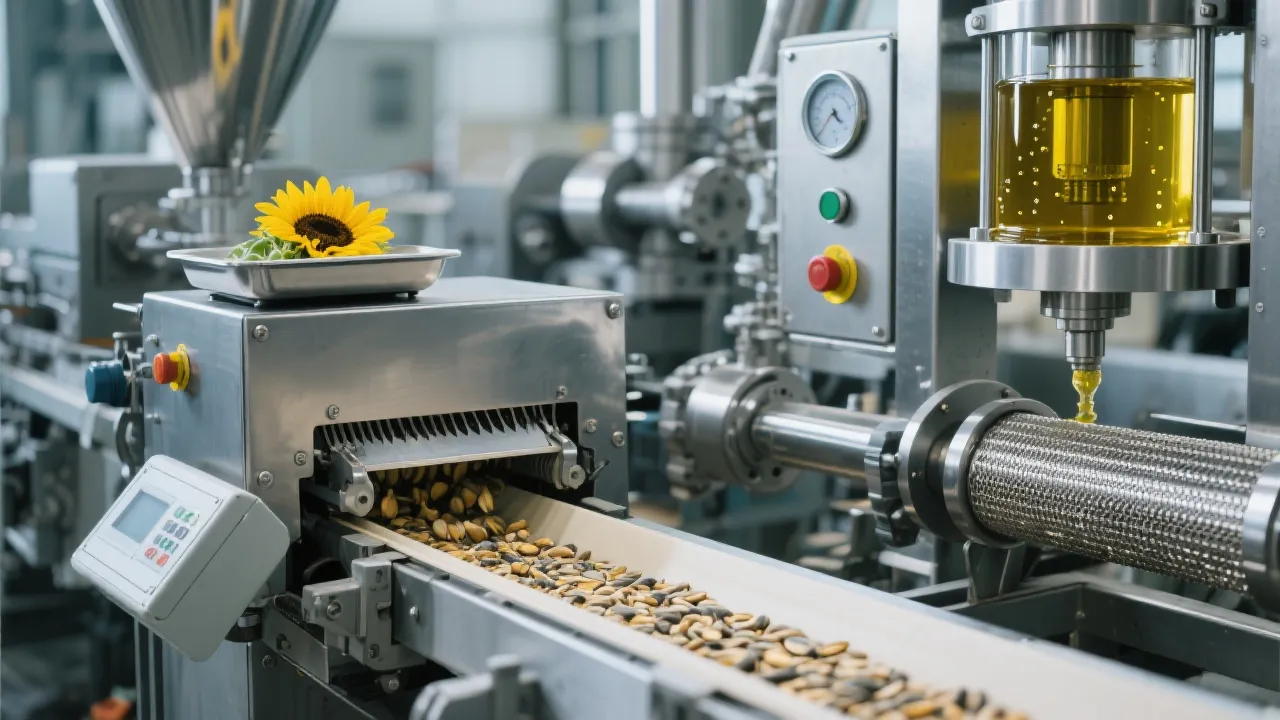
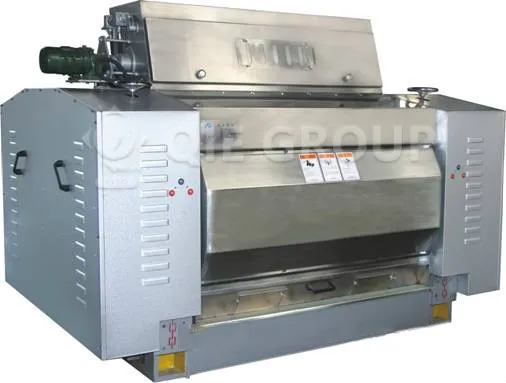
Precision Flaking (0.3-0.5mm): We rupture the cell structure to create the maximum surface area for the subsequent extraction stage.
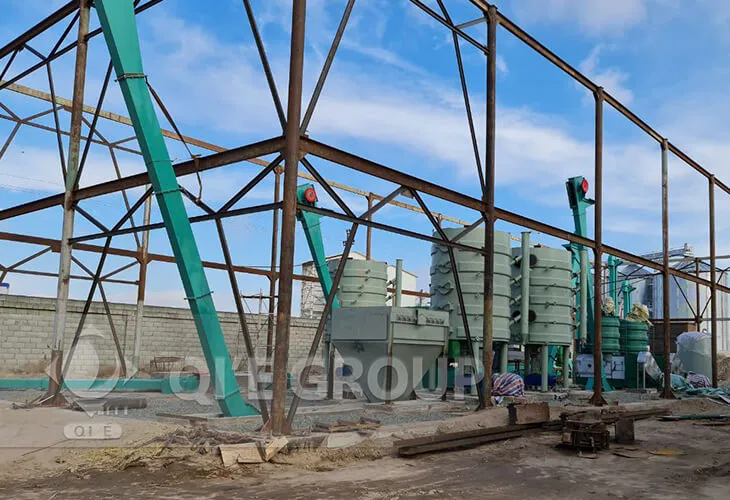
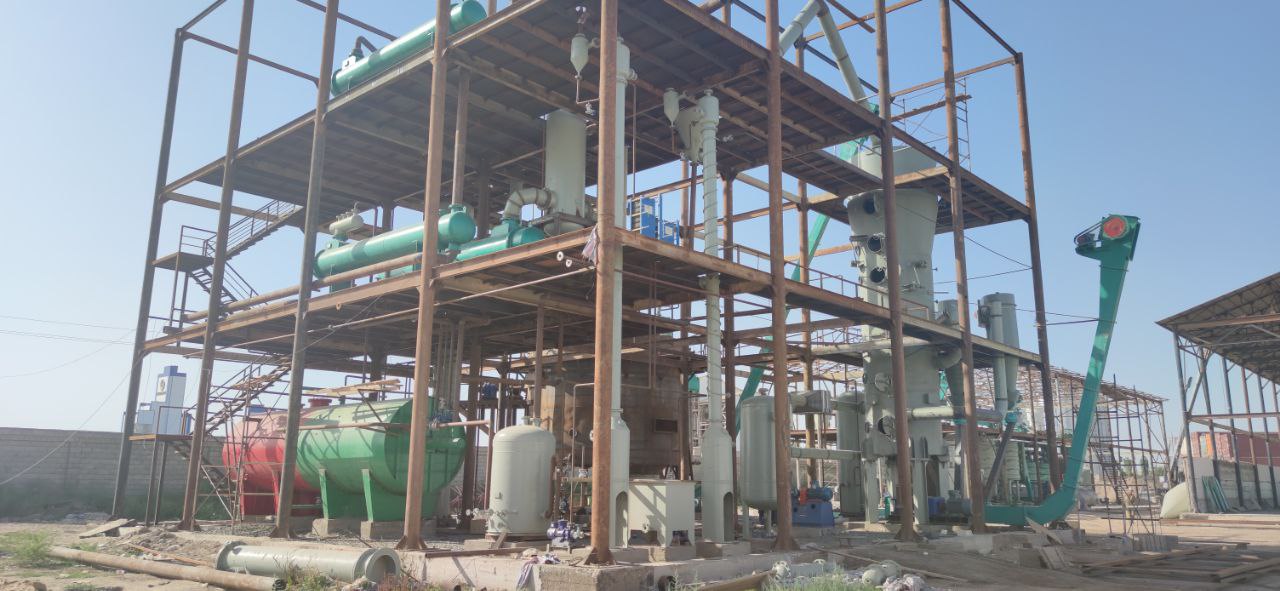
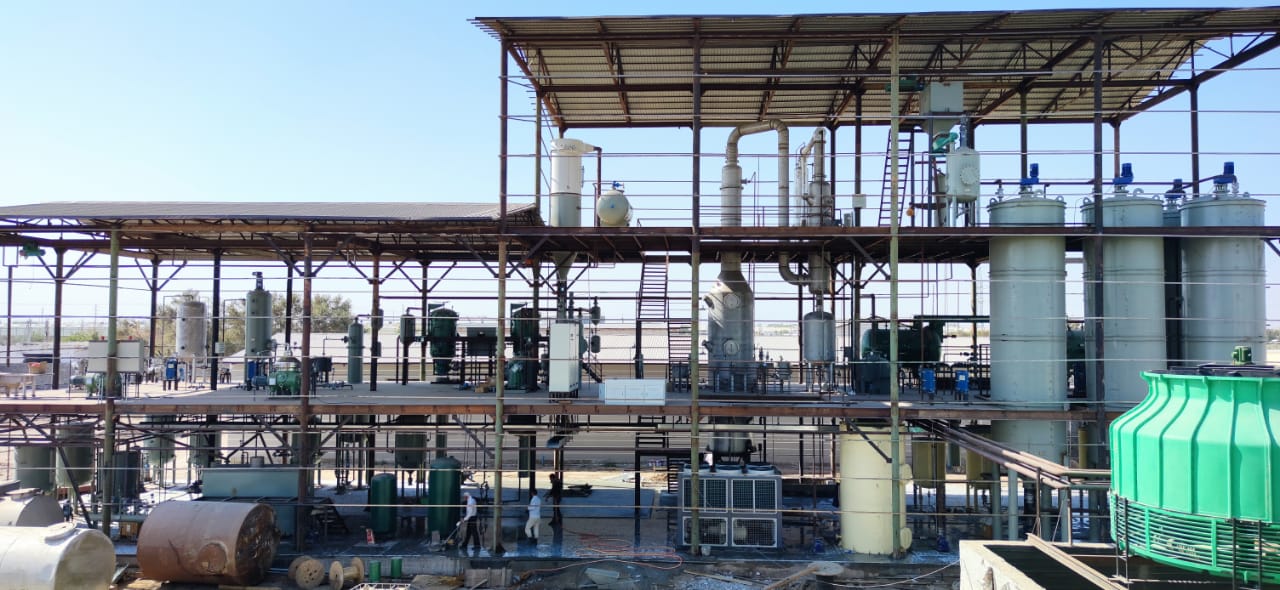
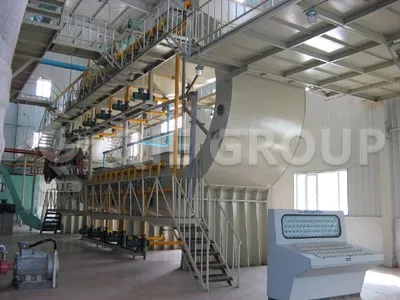
QIE Group helped a client in Uzbekistan customize a 100-ton cottonseed oil processing plant.
For any 10-100 TPD cottonseed oil factory, we implement a hybrid system for maximum efficiency:
The Solvent Extraction Advantage: Using N-Hexane counter-current extraction in our Rotocel or Loop-type extractors, we pull the remaining oil until the meal residue is below 0.8%. Our DTDC Desolventizer ensures solvent consumption ≤ 1.5kg/t, significantly lowering your OPEX.
3. Refining: Meeting Global Edible Oil Standards
Crude cottonseed oil contains Gossypol, which must be removed. Our full refining line guarantees an Acid Value ≤ 0.3 mg KOH/g.
Neutralization: Precise alkali dosing to remove free fatty acids and gossypol.
Winterization (Dewaxing): Crystallizing waxes at 8-12°C ensures your oil remains crystal clear in cold temperatures, meeting premium supermarket standards.
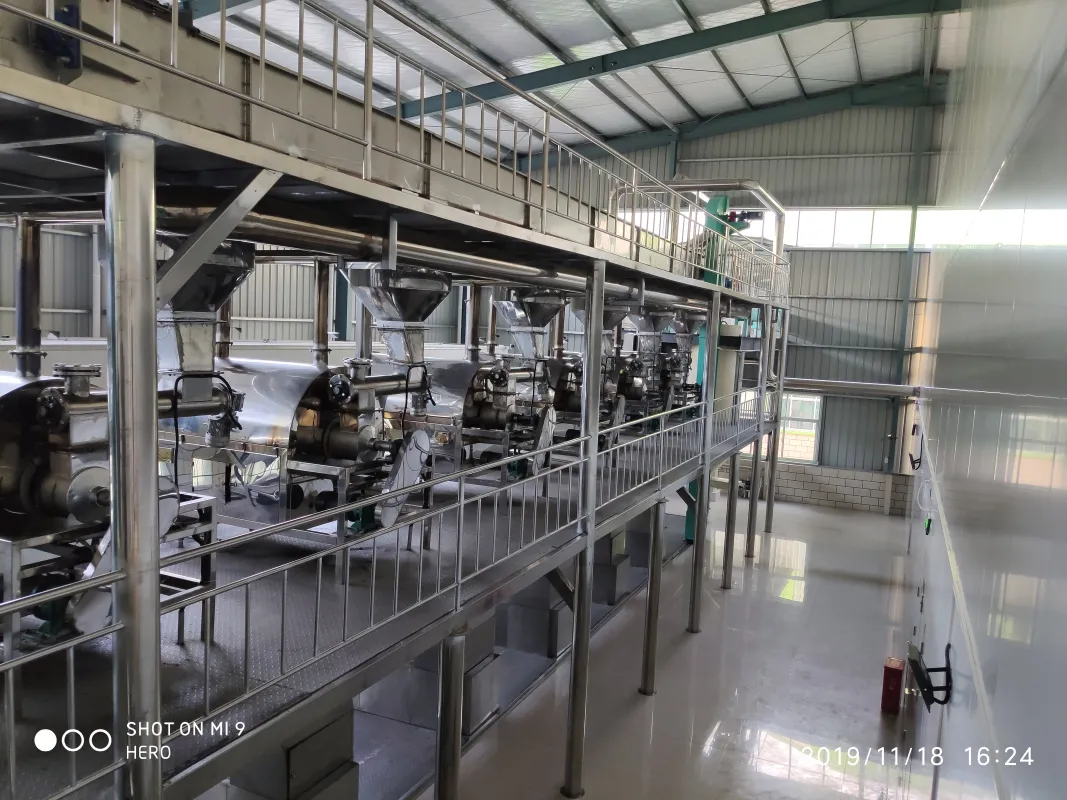
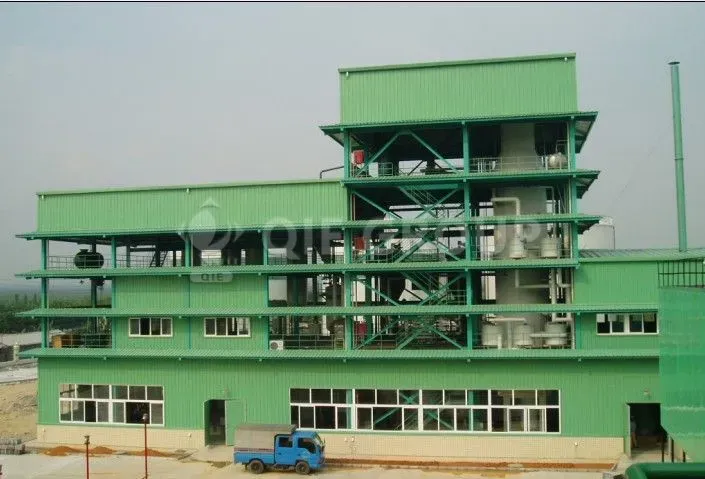
Complete Cottonseed Oil Pressing and Refining Production Line
4. Investment Blueprint: 10-100 TPD Plant Budget
Capacity (TPD)
Configuration Level
Target Market
10-20 TPD
Dehulling + Pressing + Batch Refining
Small-scale Mills
30-50 TPD
Pre-press + Solvent + Continuous Ref
Medium Enterprises
80-100 TPD
Full Automation + PLC + Winterization
Industrial Groups
Essential FAQ: Cottonseed Oil Project
Q1: Why is Dehulling critical for profitability?
Hulls absorb 3-5% of your oil during pressing. By achieving 90% separation, you stop this "oil drain" and recover cotton linters as a secondary revenue stream.
Q2: Pressing or Solvent Extraction?
For over 30 TPD, Solvent Extraction is key. It reduces residual oil to ≤ 0.8%, compared to ~6% in pressing, significantly increasing your ROI.
Q3: How do you handle toxic Gossypol?
We use alkali-refining to bind gossypol into soapstocks and DTDC thermal treatment (105-110°C) to denature toxins, ensuring food-grade safety.
Q4: How to control solvent loss overseas?
Our negative pressure evaporation ensures solvent consumption ≤ 1.5kg/t, reducing OPEX by 10-15% compared to older systems.
Q5: Are machines customized for high-temperature climates?
Yes. We provide tropicalized motors (380V/415V/440V) and a 1-year spare parts package to ensure zero downtime in remote regions.
Ready to Build Your Cottonseed Oil Mill?
Get a customized ROI analysis and factory layout design from our senior engineers today.