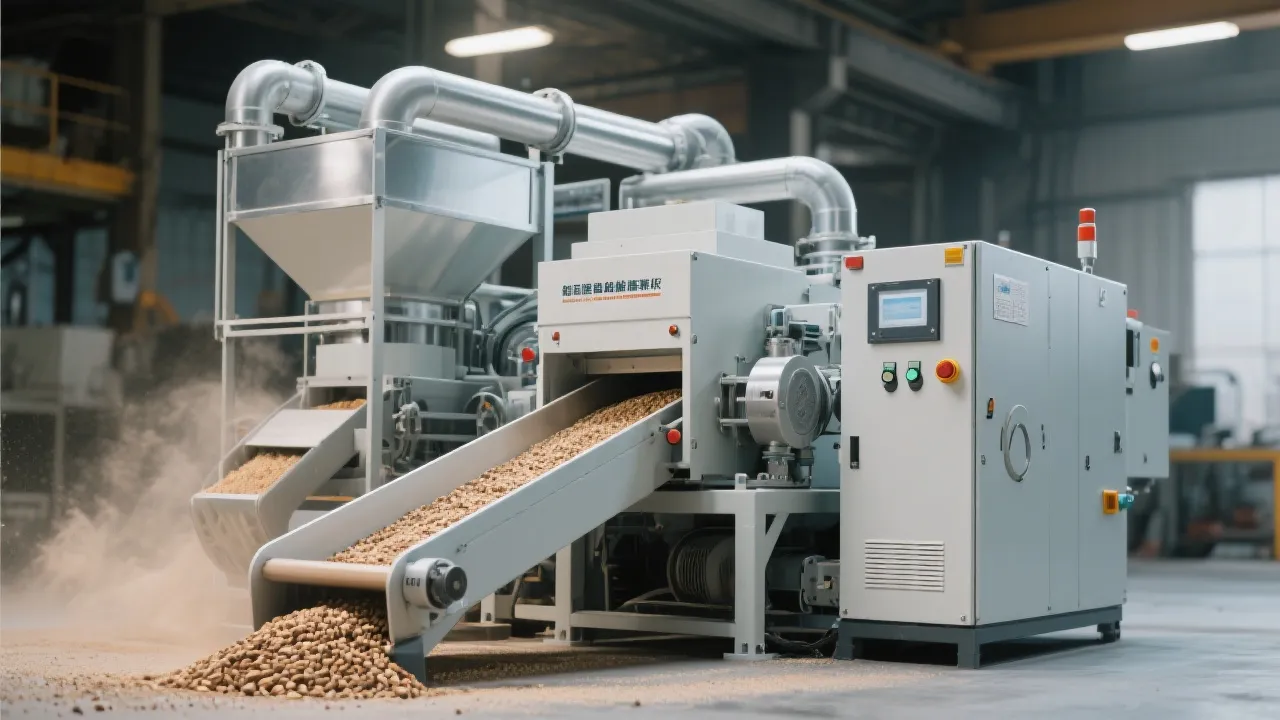
Cottonseed oil is an important vegetable oil raw material in the industrial and food sectors, and the choice of production process directly affects the quality and efficiency of the final product. QIE Group provides a scientific and practical comparative analysis of the two mainstream cottonseed Oil Extraction technologies currently on the market—mechanical pressing and solvent extraction—to help companies make precise production line decisions based on their own scale, budget, and production needs.
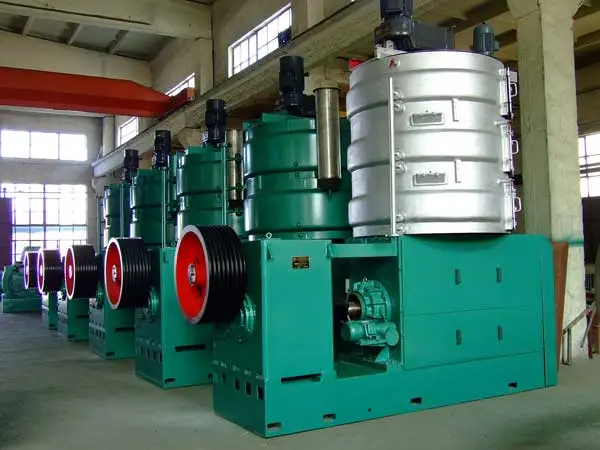
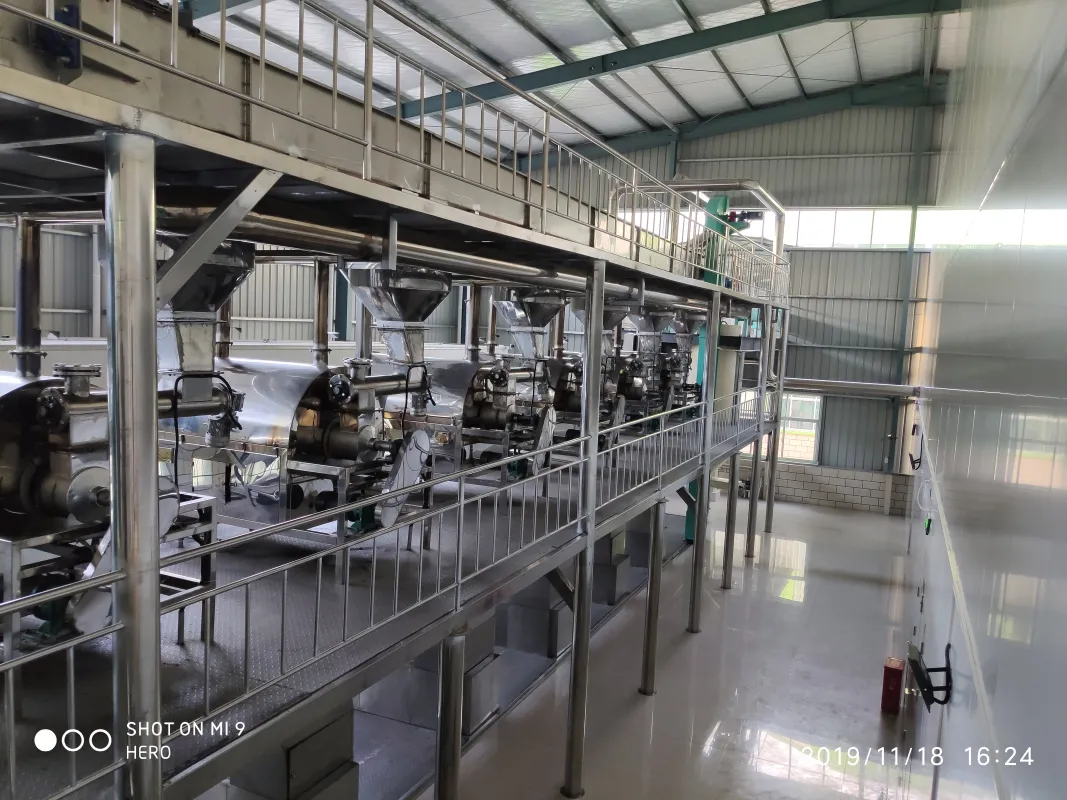
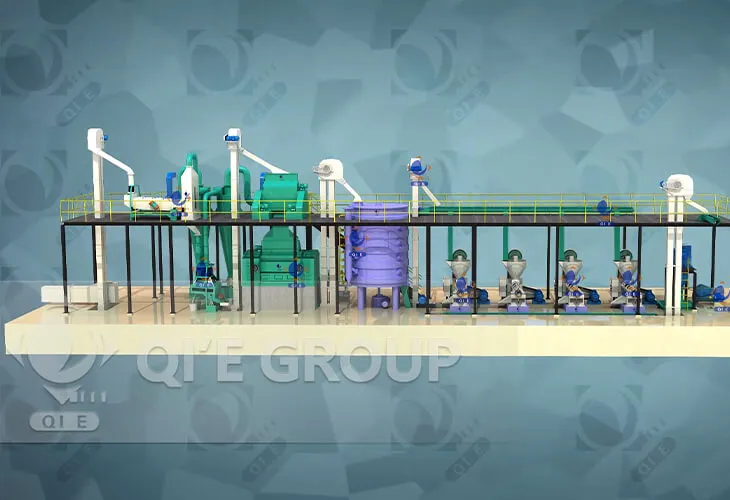
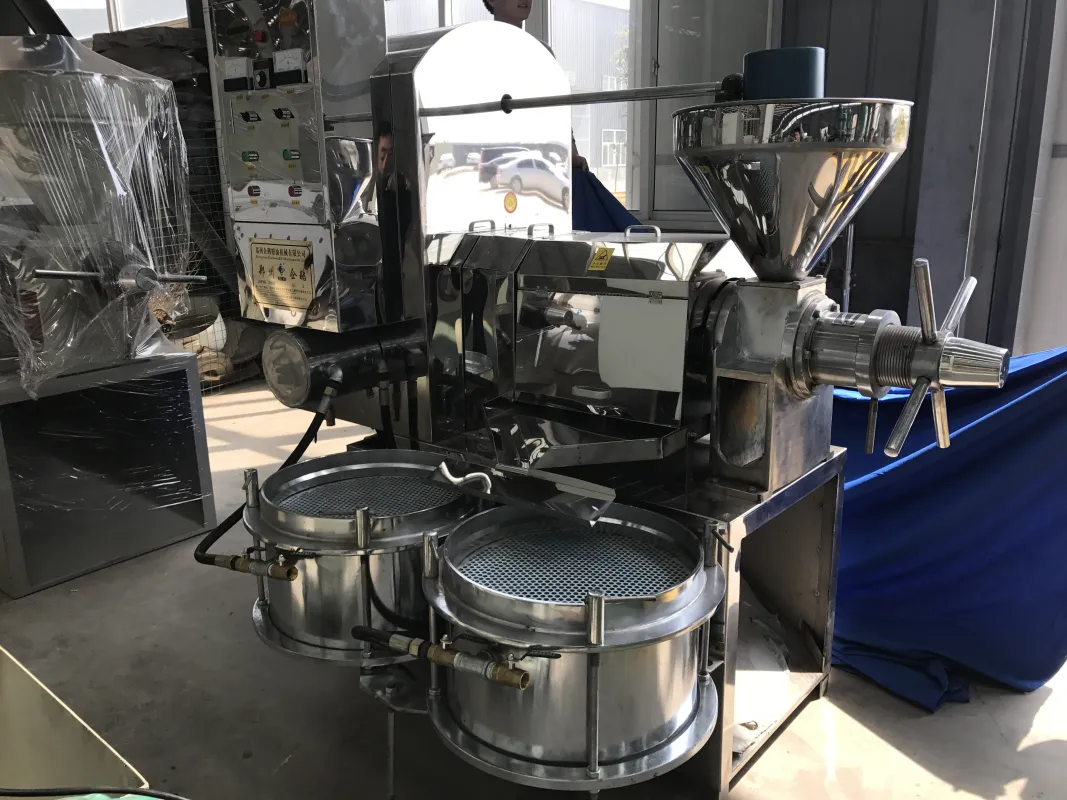
Mechanical pressing involves using a screw press to apply high pressure to cottonseed, mechanically releasing the oil. The process generally includes: cleaning → crushing → strip pressing → screw pressing → oil residue separation. The entire process does not use chemical solvents, making it environmentally friendly and with low operating costs.
The advantages of mechanical pressing are lower equipment investment, simple production line maintenance, and no environmental pollution, making it suitable for small and medium-sized factories. The oil yield is generally 35%-40%, slightly lower than solvent extraction. The oil quality is natural, with fewer residual impurities, making it suitable for markets seeking green and organic oils.

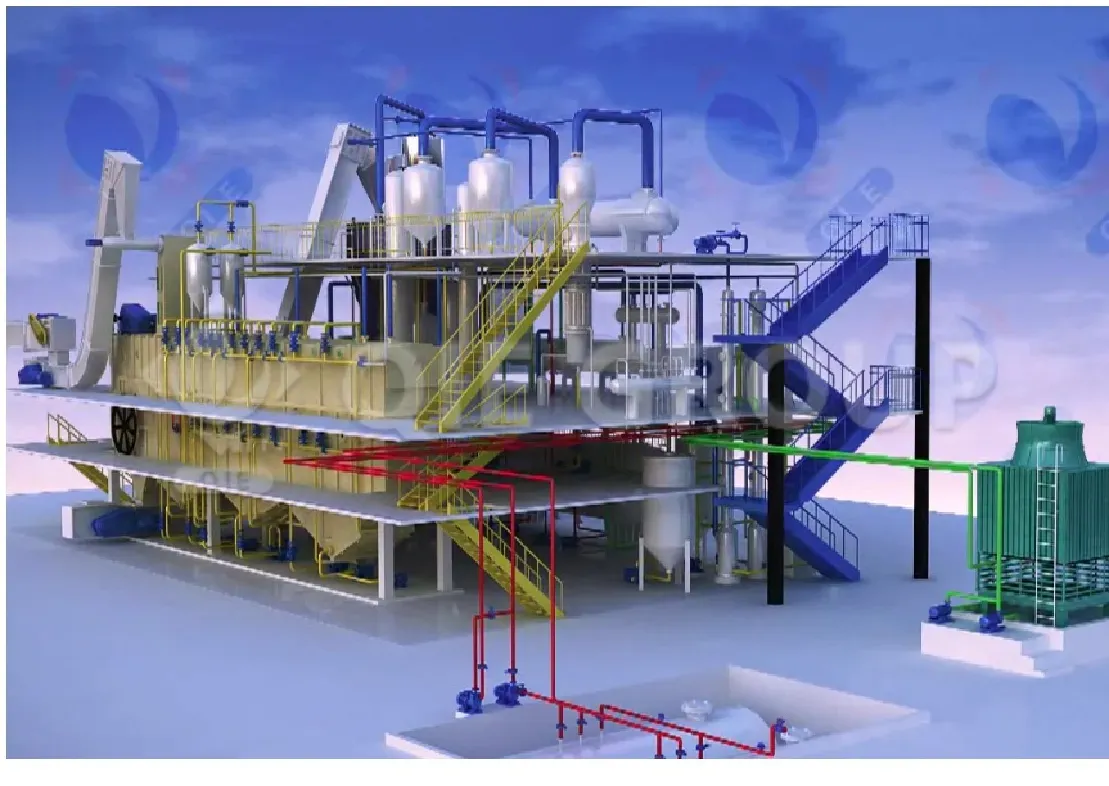
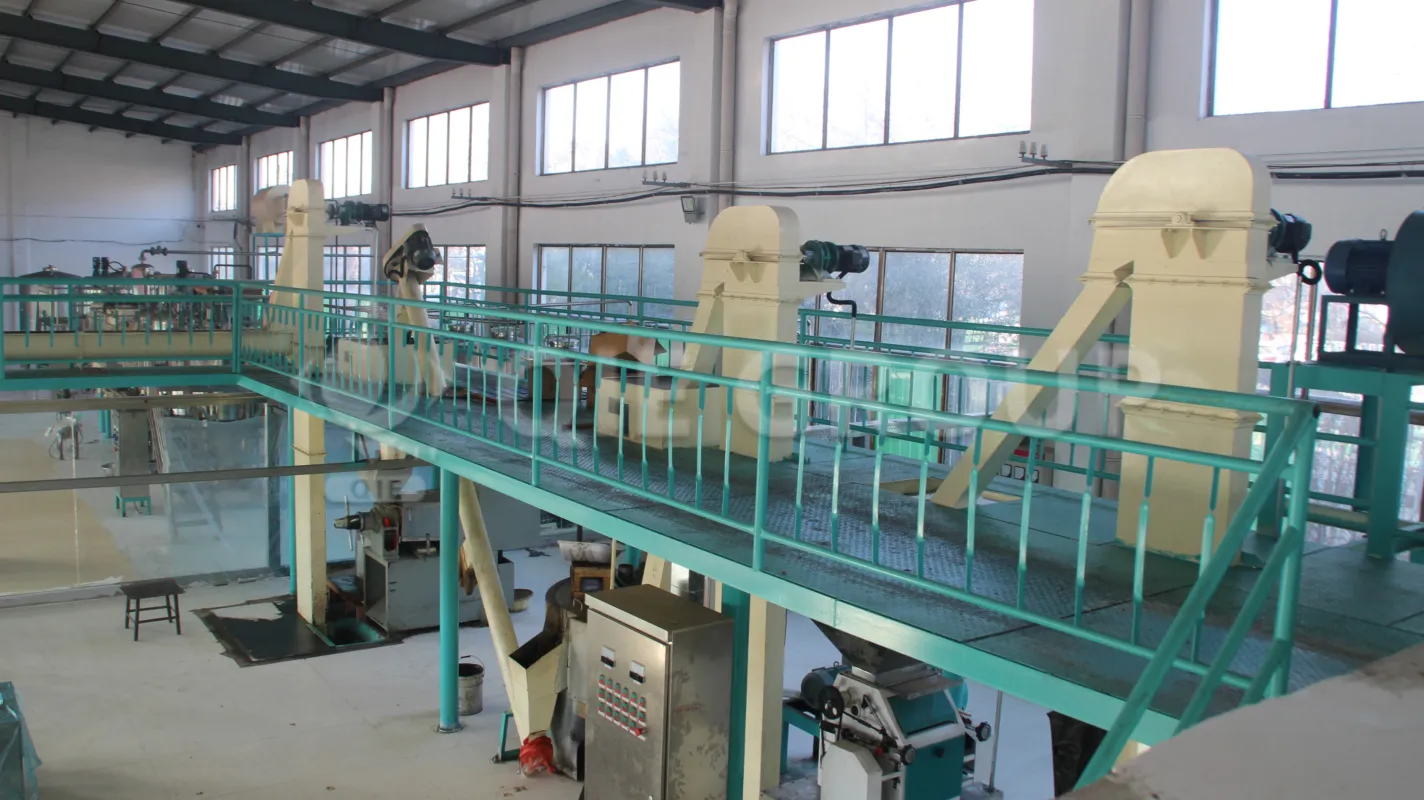
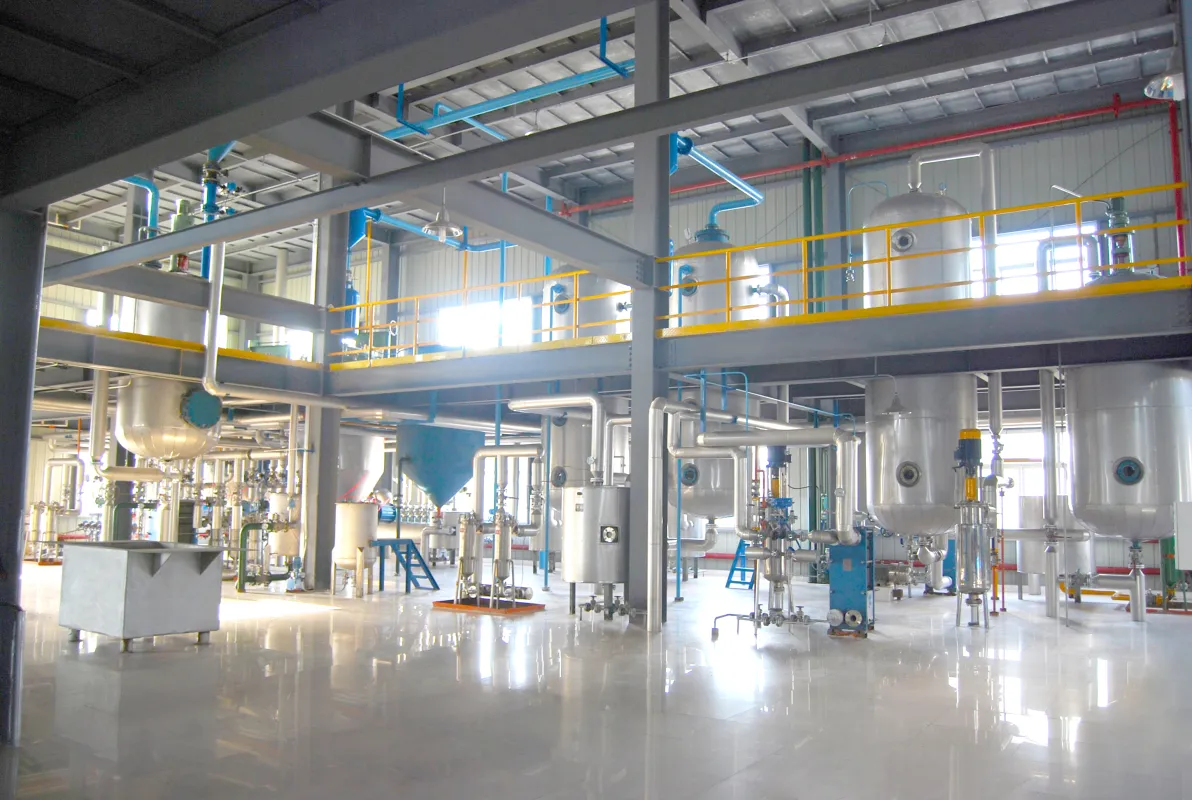
Solvent extraction involves dissolving the oil in cottonseed using an organic solvent (such as hexane) in a stirred tank. After separation and solvent recovery via distillation, high-purity cottonseed oil is obtained. The process includes: cottonseed crushing → pretreatment → leaching (solvent mixing) → spin drying → distillation to recover the solvent → solvent removal.
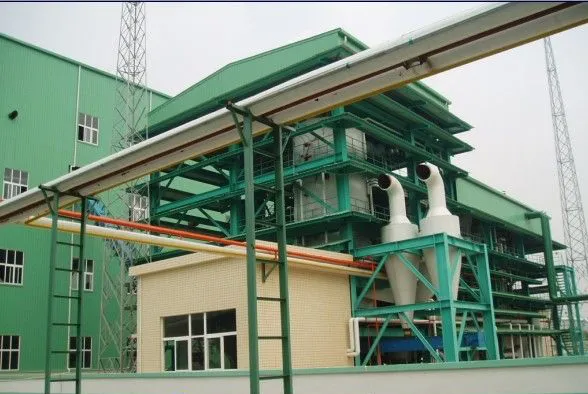
The key advantage of this production line is its high oil yield, reaching 45%-50%, which greatly optimizes raw material utilization. It is suitable for large factories or enterprises with abundant raw materials and high output requirements. Although the equipment investment and operating costs are relatively high, energy consumption and environmental risks are increasingly reduced through technological optimization and automated control.

| index | Mechanical pressing | Solvent extraction |
|---|---|---|
| Oil yield | 35% ~ 40% | 45% ~ 50% |
| Equipment investment | lower | higher |
| Energy consumption | Low | Medium and high |
| Environmental protection | High, no chemical solvents | Strict emission control is required |
| Oil quality | Natural and pure | High purity, requires solvent removal treatment. |
| Applicable scale | Small and medium-sized enterprises | large enterprises |
According to feedback from QIE Group clients, a medium-sized cottonseed processing plant using a mechanical pressing production line has an annual processing capacity of approximately 10,000 tons of cottonseed, yielding an annual oil output of approximately 3,800 tons, with an equipment investment payback period of approximately 2.5 years. This plant prioritizes environmental protection requirements and chose mechanical pressing to ensure its products receive green certification and meet the demands of the high-end market.
On the other hand, a large industrial group uses a solvent extraction production line to process 50,000 tons of cottonseed annually, with an annual oil yield of nearly 23,000 tons. Due to the significant increase in oil yield and production efficiency, despite higher equipment investment and energy consumption, the overall economic benefits are significantly superior, making it suitable for the needs of rapid production expansion.
For startups or small and medium-sized enterprises, mechanical pressing is highly attractive due to its low investment, simple equipment maintenance, and environmentally friendly production process. It is suitable for customers with relatively limited raw material supply who are pursuing a green and organic approach.
Large enterprises and investors may prioritize solvent extraction processes, especially when raw material supply is ample and there are high requirements for output and cost optimization. Automated and intelligent control technologies can enable refined management and reduce operational risks.
Mechanical pressing: Regularly maintain the bearings and transmission system of the screw press to ensure proper pre - drying of cottonseed and reduce equipment blockage. Product quality hinges on controlling the pressing temperature and speed.
Solvent extraction: Solvent recovery equipment must be kept highly sealed to prevent evaporation and leakage. Ensuring that operators strictly follow safety procedures when handling solvents, and employing advanced online monitoring systems, are crucial for guaranteeing production safety and environmental compliance.
 Horizontal rotary extractor
Rice bran oil solution
Rice bran oil
螺旋榨油机选型
植物油加工设备
榨油机出油率
连续式压榨设备
油脂加工技术
Rice bran oil production equipment
Rice bran oil production line
Rice bran oil production line equipment manufacturer
Core technology of soybean oil production line
Core technology of production line
Soybean oil extraction process
Soybean oil refining
Soybean oil refining production line
Soybean oil refining manufacturers
Horizontal rotary extractor
Rice bran oil solution
Rice bran oil
螺旋榨油机选型
植物油加工设备
榨油机出油率
连续式压榨设备
油脂加工技术
Rice bran oil production equipment
Rice bran oil production line
Rice bran oil production line equipment manufacturer
Core technology of soybean oil production line
Core technology of production line
Soybean oil extraction process
Soybean oil refining
Soybean oil refining production line
Soybean oil refining manufacturers


.png?x-oss-process=image/resize,h_100,m_lfit/format,webp)
.png?x-oss-process=image/resize,h_100,m_lfit/format,webp)
.png?x-oss-process=image/resize,h_100,m_lfit/format,webp)

.jpg?x-oss-process=image/resize,h_800,m_lfit/format,webp)