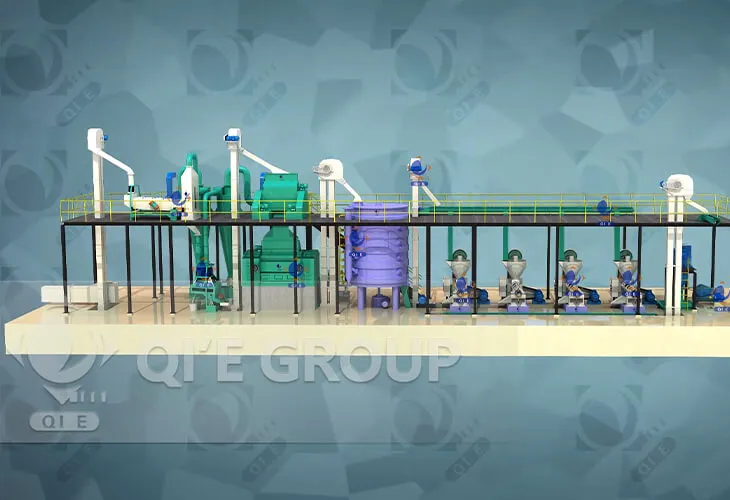
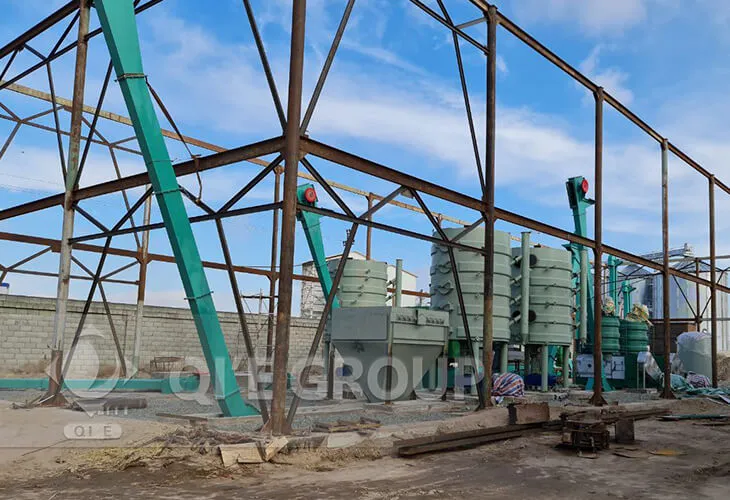
As a core component of cottonseed oil production, equipment selection directly impacts your production efficiency and economic benefits. You may be facing a situation where you have limited investment funds but want to quickly increase production capacity, or you are concerned about balancing product quality with subsequent maintenance. Comparing the key differences between mechanical pressing lines and solvent extraction processes will help you find the most suitable cottonseed processing solution among many options.
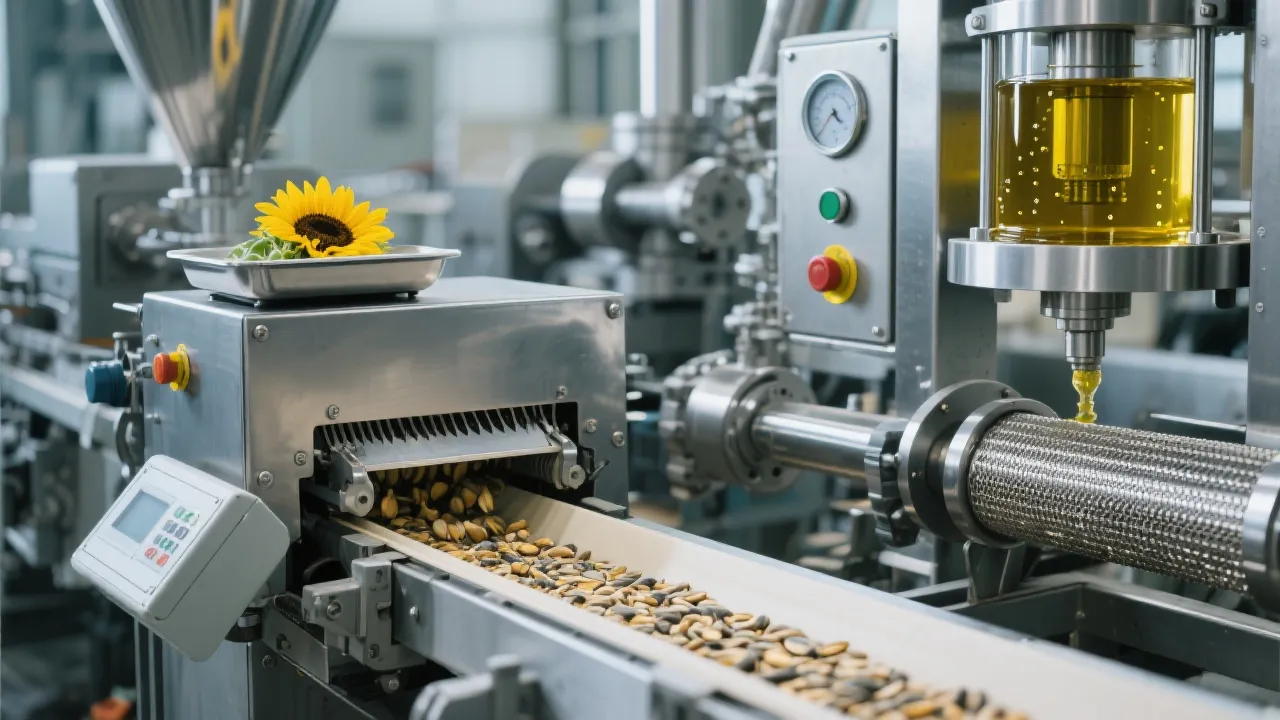
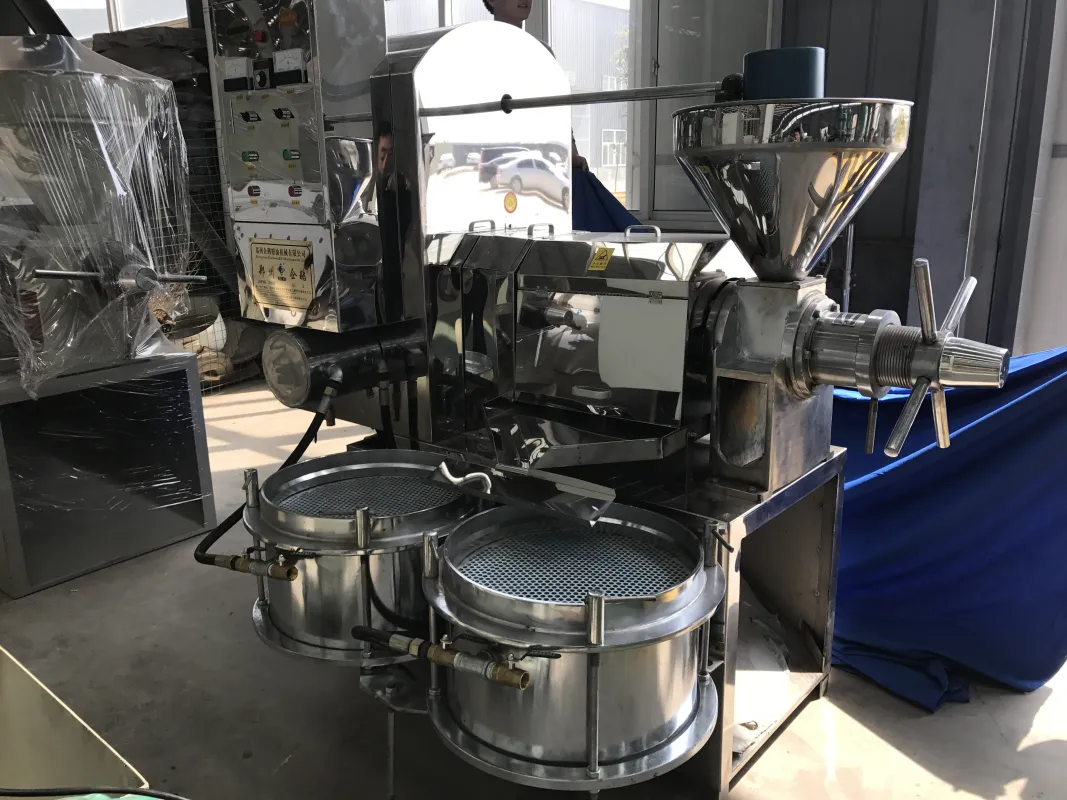
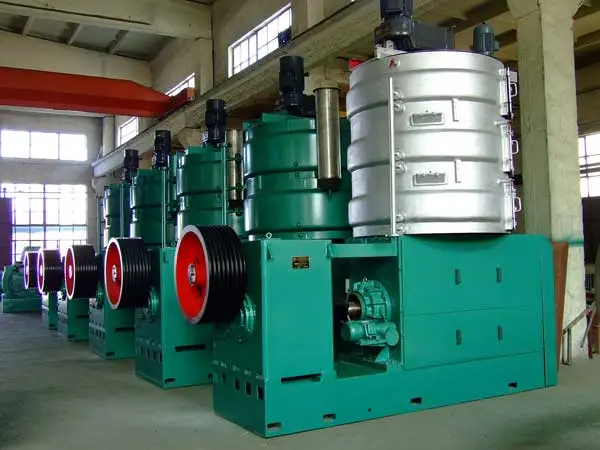
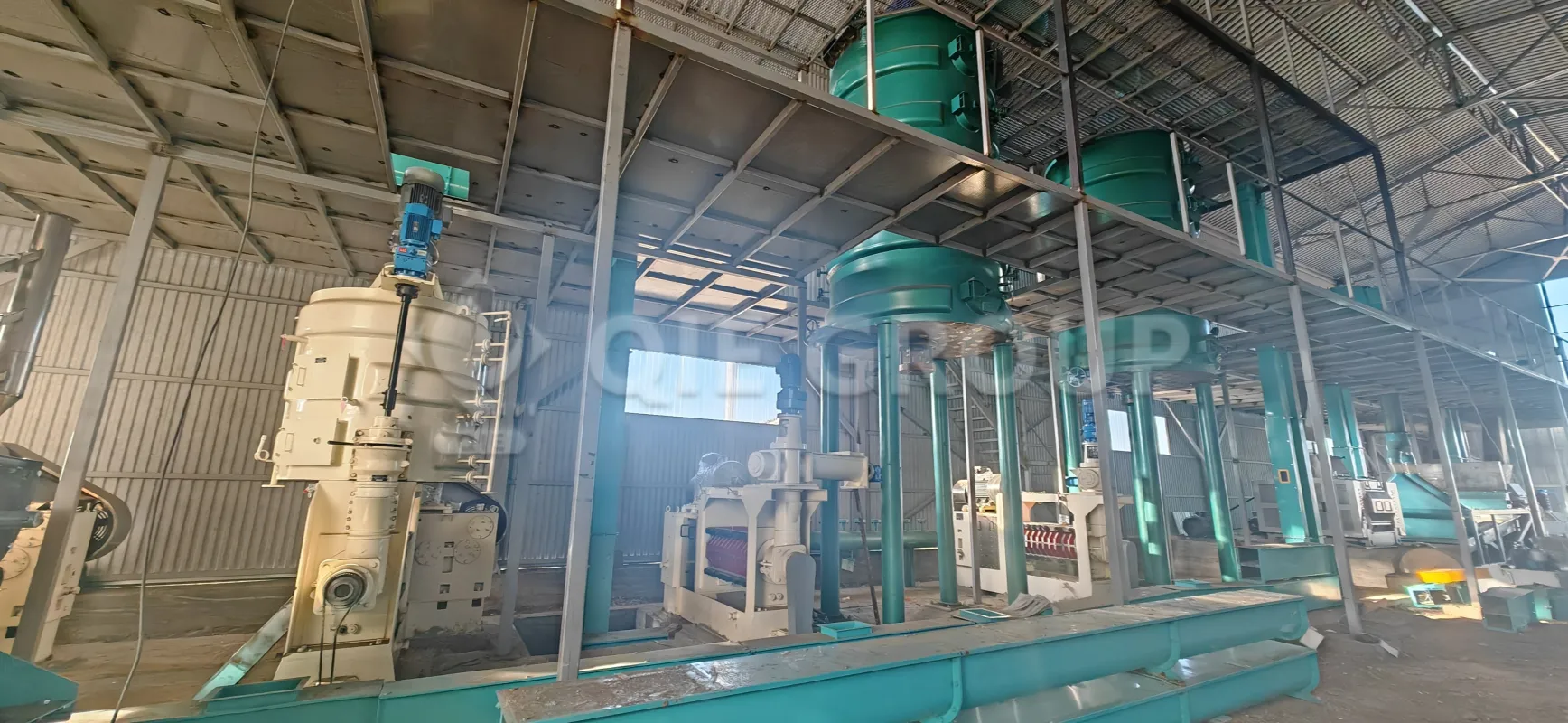
Mechanical pressing relies on physical pressure to mechanically extract oil from cottonseed using a screw press . The process is environmentally friendly, and the equipment is relatively simple in structure. It is suitable for cottonseed with an oil content between 16% and 23%, and is easy to operate with low energy consumption.
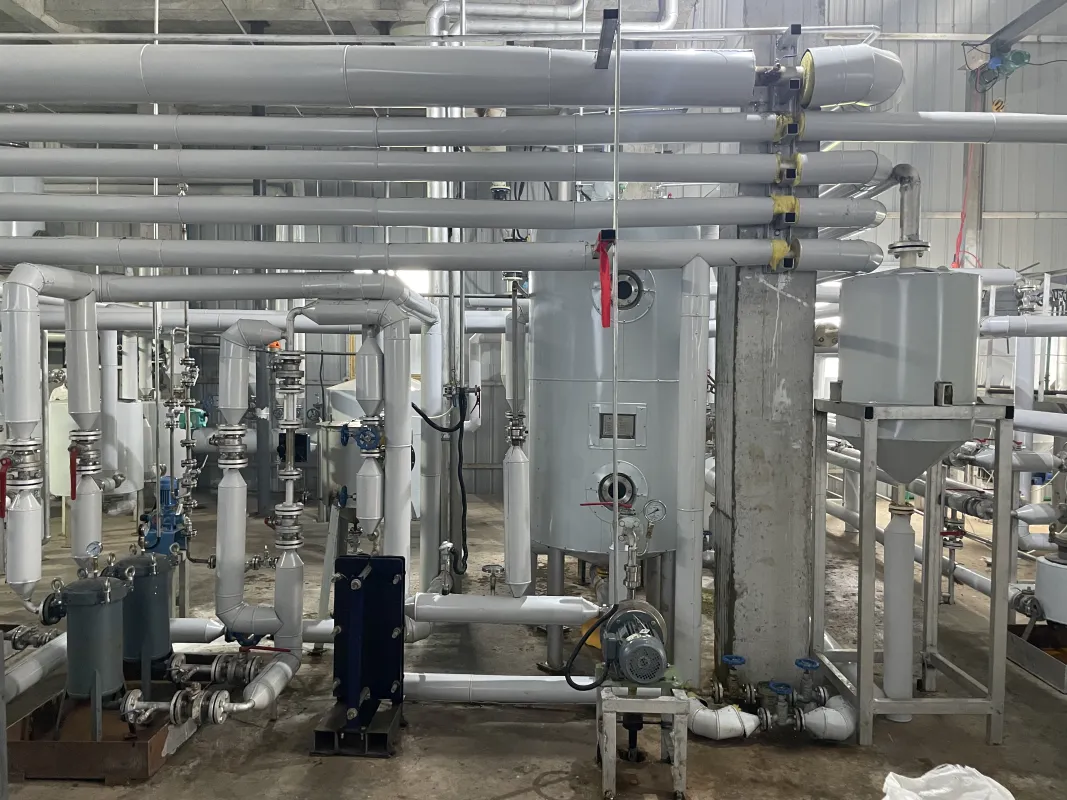
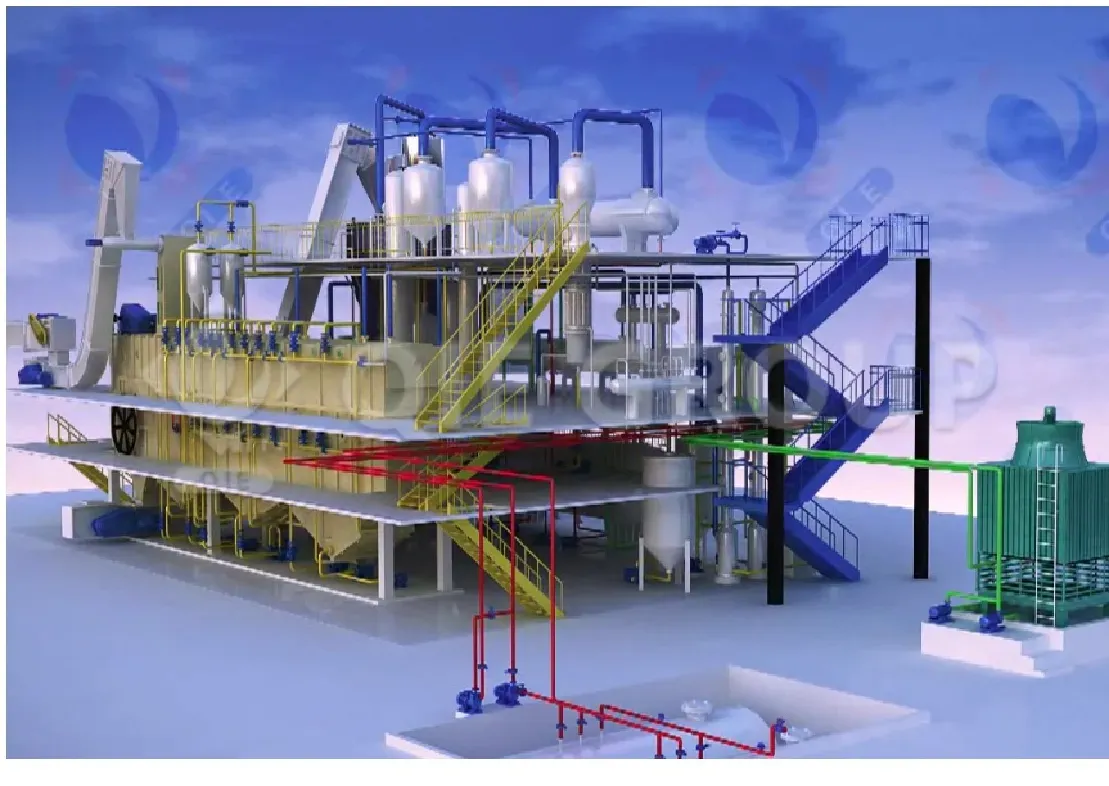
Solvent extraction utilizes organic solvents such as hexane to achieve efficient dissolution and separation of cottonseed oil, with an oil yield exceeding that of mechanical pressing by more than 20%. It is especially suitable for cottonseed with high oil content (25%-27%), and is suitable for large-scale continuous production with stable quality.
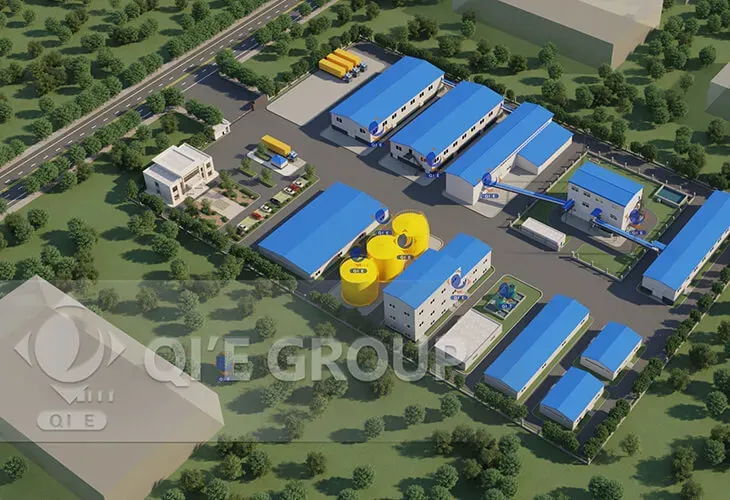
The equipment needs of enterprises of different sizes vary greatly. Small and medium-sized enterprises typically require a capacity of 2-10 tons/day and have limited budgets, so they prioritize mechanical pressing equipment due to its lower investment threshold and maintenance costs. Larger factories or investors, on the other hand, place greater emphasis on the equipment's capacity and economic benefits, choosing solvent extraction to significantly improve oil recovery rates and product competitiveness.
| Equipment type | Typical production capacity (tons/day) | Initial investment (ten thousand yuan) | Oil recovery rate | Maintenance difficulty |
|---|---|---|---|---|
| Mechanical pressing line | 2-10 | 50-150 | 40%-45% | Low |
| Solvent extraction process | 20-50+ | 300-600+ | 50%-55% | Medium and high |
According to QIE Group data, mechanical pressing yields an average oil recovery rate of around 42%, while solvent extraction can increase it to around 52%. Taking a daily cottonseed production of 10 tons as an example, solvent extraction yields approximately one extra ton of oil per day, resulting in a significant increase in annual revenue based on current market prices.

For example, a cottonseed processing plant in Kazakhstan uses a mechanical pressing line provided by the QIE Group. With its simplified operating procedures, it was able to start production within three months, shortening the initial investment payback period to 18 months.
Meanwhile, a large oil company in Xinjiang, China, has increased its daily cottonseed processing capacity to over 30 tons and its annual oil production to over 15% by introducing a solvent extraction production line, effectively meeting the quality and stability requirements of its high-end export market.
Mechanical pressing equipment is relatively easy to maintain, mainly focusing on the cleaning and lubrication of the screw shaft and transmission mechanism, and is suitable for flexible adjustment of the production line.
Solvent extraction processes involve volatile organic solvents, so it is recommended to equip them with a comprehensive safety monitoring system and a professional maintenance team to ensure process safety and reliability and mitigate environmental and safety risks.

Facing multiple considerations regarding capacity, investment, and return on investment, QIE Group leverages its extensive industry experience and advanced product line to help you precisely match your processing needs. Whether you are a startup SME or an industry giant pursuing economies of scale, we can provide one-stop customized solutions.
 Rice bran oil degreasing and dewaxing
 production line
Rice bran oil degreasing and dewaxing machine
peanut oil processing equipment
peanut oil pretreatment machine
peanut oil pressing machine
equipment matching
processing plant configuration
low-temperature oil extraction
sunflower seed oil nutrition retention
high-quality crude oil production
screw press technology
edible oil quality comparison
Soybean oil refining issues
The color of crude oil is dark
Odor Control
Deoiled Emulsification
Decolorization Process Optimization
Oil mill site selection
Edible oil factory production site
Oil mill production site
Rice bran oil degreasing and dewaxing
Rice bran oil degreasing and dewaxing production line
Rice bran oil degreasing and dewaxing machine
peanut oil processing equipment
peanut oil pretreatment machine
peanut oil pressing machine
equipment matching
processing plant configuration
low-temperature oil extraction
sunflower seed oil nutrition retention
high-quality crude oil production
screw press technology
edible oil quality comparison
Soybean oil refining issues
The color of crude oil is dark
Odor Control
Deoiled Emulsification
Decolorization Process Optimization
Oil mill site selection
Edible oil factory production site
Oil mill production site

.jpg?x-oss-process=image/resize,h_800,m_lfit/format,webp)



.png?x-oss-process=image/resize,h_100,m_lfit/format,webp)
.png?x-oss-process=image/resize,h_100,m_lfit/format,webp)
.png?x-oss-process=image/resize,h_100,m_lfit/format,webp)