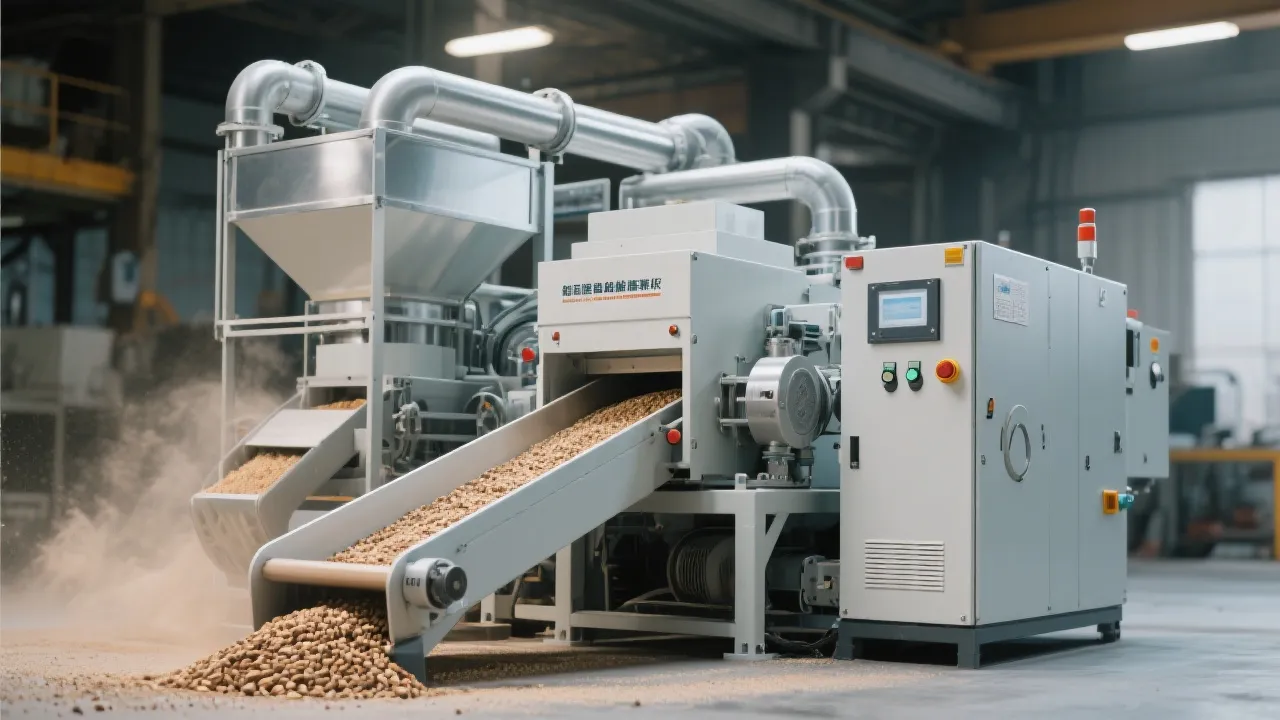
Degumming is a crucial step in edible oil refining, especially for removing phospholipid impurities from raw oils, significantly ensuring the quality and stability of the oil. Leveraging over 20 years of experience in grain and oil processing, QIE Group has developed a highly efficient degumming technology based on hydration. This article will provide a detailed analysis, from basic knowledge to practical techniques, covering temperature selection, water addition calculation, settling time control, and solutions to common problems in hydration degumming. It will also specifically address the process characteristics of soybean oil and peanut oil, two typical raw materials, offering practical reference for industry technicians and managers.
Phospholipids are natural impurities in edible oils. If not removed promptly, they can easily affect the oil's color, odor, and stability. Degumming processes aim to remove phospholipids from crude oil. The hydration method involves adding water to disperse the phospholipids and form a gel-like substance, which is then removed efficiently through sedimentation or centrifugation. Compared to other degumming methods, the hydration method is simple to operate and preserves the oil's flavor, making it widely favored by grain and oil processing enterprises.
Hydration temperature has a significant impact on degumming efficiency, generally divided into three zones: low temperature (40-50℃), medium temperature (55-65℃), and high temperature (70-80℃).
| Temperature range | Applicable Scenarios | Advantages and disadvantages |
|---|---|---|
| 40-50℃ (low temperature) | Suitable for crude oils with low phospholipid content, such as some peanut oils. | It can reduce the risk of oil oxidation and the process is gentle, but the degumming speed is relatively slow. |
| 55-65℃ (medium temperature) | Universally applicable, balancing degumming effect and oil protection | It achieves thorough and efficient degumming, and is within the mainstream temperature range. |
| 70-80℃ (high temperature) | Suitable for raw materials such as soybean oil with high phospholipid content | It has extremely high degumming efficiency, but it easily leads to oil oxidation and nutrient loss. |
QIE Group's case studies from multiple factories demonstrate that using 65-75℃ degumming for soybean oil can achieve a phospholipid removal rate of over 96%, while low-temperature degumming for peanut oil preserves the product's flavor and achieves a phospholipid removal rate of around 90%.
In the hydration method, the amount of water added and the settling time directly affect the degumming effect. The amount of water added is generally calculated based on the "water/oil weight ratio," with a recommended value of 2%-4%. Refer to the specific calculation formula below:
Water added (kg) = Total crude oil (kg) × Recommended water/oil ratio (0.02-0.04)
The settling time is affected by temperature and oil characteristics, and is generally controlled between 30 and 60 minutes. Insufficient settling can easily lead to incomplete degumming, which in turn causes difficulties in subsequent processes. In actual operation at several partner plants of the QIE Group, adding 4% water at 50℃ and settling for 50 minutes resulted in a decrease in the phospholipid content of the oil of 0.12% to 0.01%, which is completely consistent with the industry standard GB/T 22464-2008, demonstrating safety and efficiency.
Emulsification Issues: Severe emulsification during degumming makes separation difficult. The main causes are over-stirring or improper temperature control. Recommendations: Reduce stirring intensity appropriately, strictly control hydration temperature, and increase settling time.
Incomplete degumming: This may be due to insufficient water or too short a settling time, resulting in phospholipid residue. Recommendations: Adjust the water ratio to 3-4%, extend the settling time, and ensure the temperature is maintained within a suitable range.
By regularly training operators and introducing intelligent temperature control equipment, QIE Group has increased the average degumming rate by 5% in its partner factories, significantly reducing rework rates and energy consumption.
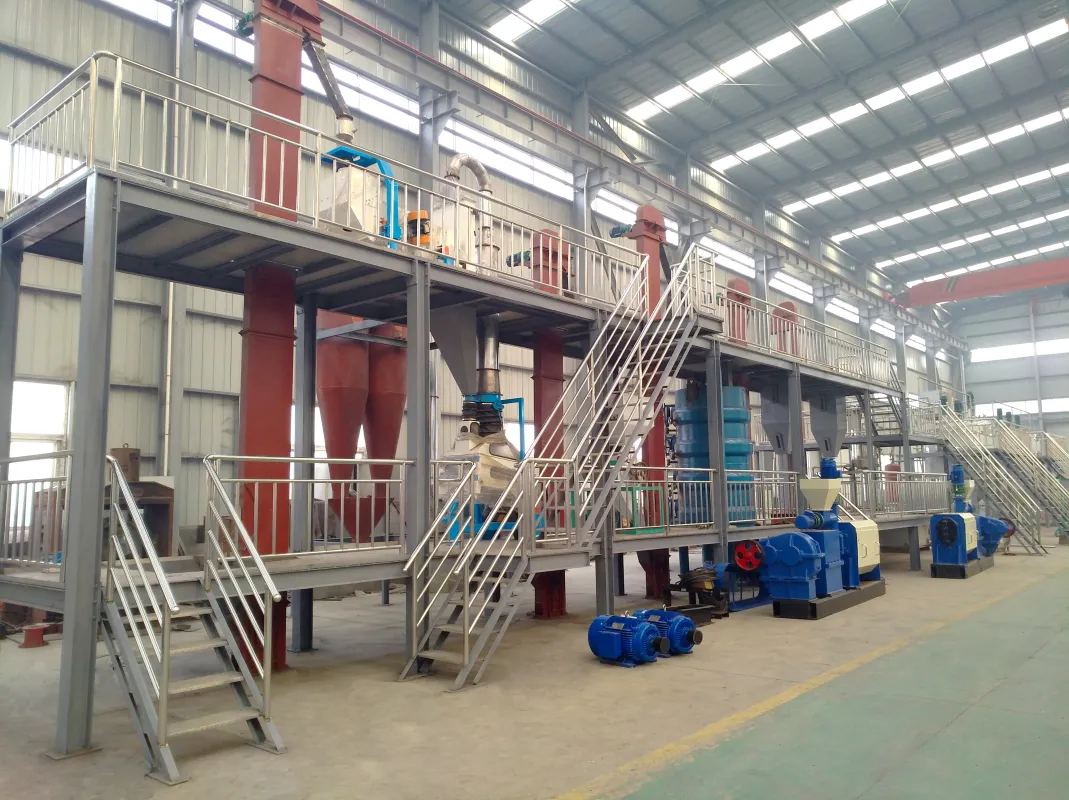
.jpg "Edible oil degumming process")
The phospholipid content and properties of different oilseeds affect the hydration and degumming effect. The following is a comparison of data between soybean oil and peanut oil:
| project | soybean oil | Peanut oil |
|---|---|---|
| Initial phospholipid content (%) | 0.12-0.18 | 0.07-0.12 |
| Hydration temperature (°C) | 65-75 | 40-50 |
| Phospholipid residue after degumming (%) | ≤0.01 | ≤0.02 |
| Settling time (min) | 40-60 | 50-70 |
QIE Group has developed a "Self-Checklist for Degumming Process" and a "Water Addition Calculation Tool for Hydration Method" specifically for grain and oil processing practitioners. Users can download and use these tools for free to help accurately control process parameters and reduce trial-and-error costs. Additionally, the official WeChat account features a "Degumming Process Q&A" section, where technical personnel are welcome to leave comments and discuss common challenges.
Q: Why can't the water ratio be too high when degumming?
A: Excessive water content will lead to too much water in the oil, increasing the difficulty of subsequent deacidification and impairing the stability of the oil. It is generally advisable to control it at 2%-4%.
Q: Can the settling time be shortened?
A: Short settling time will result in incomplete separation of phospholipids, affecting the degumming effect. Adjusting the temperature and water volume appropriately can shorten the settling time, but it should generally not be less than 30 minutes.
Q: Is hydration degumming suitable for all oilseeds?
A: Most edible oils are suitable for hydration, but for oils with extremely low phospholipid content or special oils, the specific process plan needs to be adjusted according to the characteristics of the raw materials.
 sunflower seed oil extraction equipment troubleshooting
oil separation optimization
sunflower seed oil production capacity improvement
equipment maintenance tips
production safety management
Oil pressing equipment
Edible oil production equipment
Oil pressing equipment selection
Walnut oil press
Walnut oil processing machine
Walnut oil processing equipment
Temperature control for steaming and frying sunflower seed oil
Sunflower seed oil processing technology optimization
Methods to improve the quality of sunflower seed oil
Edible oil production line
Establishing edible oil production line
How to build an edible oil production line
sunflower seed oil extraction equipment troubleshooting
oil separation optimization
sunflower seed oil production capacity improvement
equipment maintenance tips
production safety management
Oil pressing equipment
Edible oil production equipment
Oil pressing equipment selection
Walnut oil press
Walnut oil processing machine
Walnut oil processing equipment
Temperature control for steaming and frying sunflower seed oil
Sunflower seed oil processing technology optimization
Methods to improve the quality of sunflower seed oil
Edible oil production line
Establishing edible oil production line
How to build an edible oil production line


.png?x-oss-process=image/resize,h_100,m_lfit/format,webp)
.png?x-oss-process=image/resize,h_100,m_lfit/format,webp)
.png?x-oss-process=image/resize,h_100,m_lfit/format,webp)
.jpg "<a href=")



.jpg?x-oss-process=image/resize,h_800,m_lfit/format,webp)