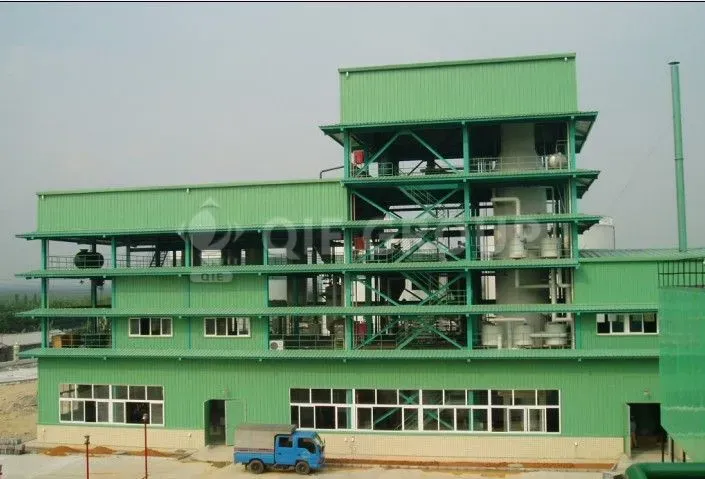
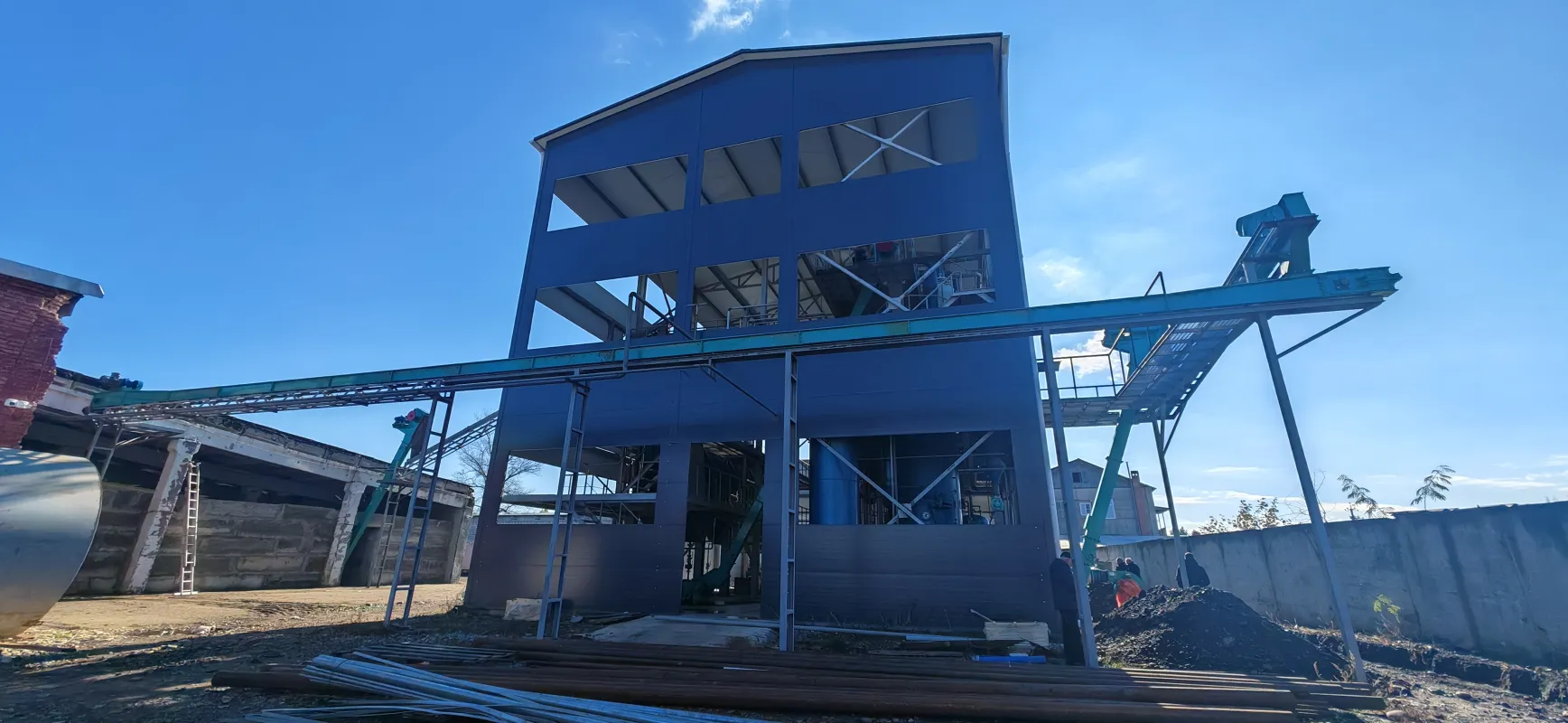
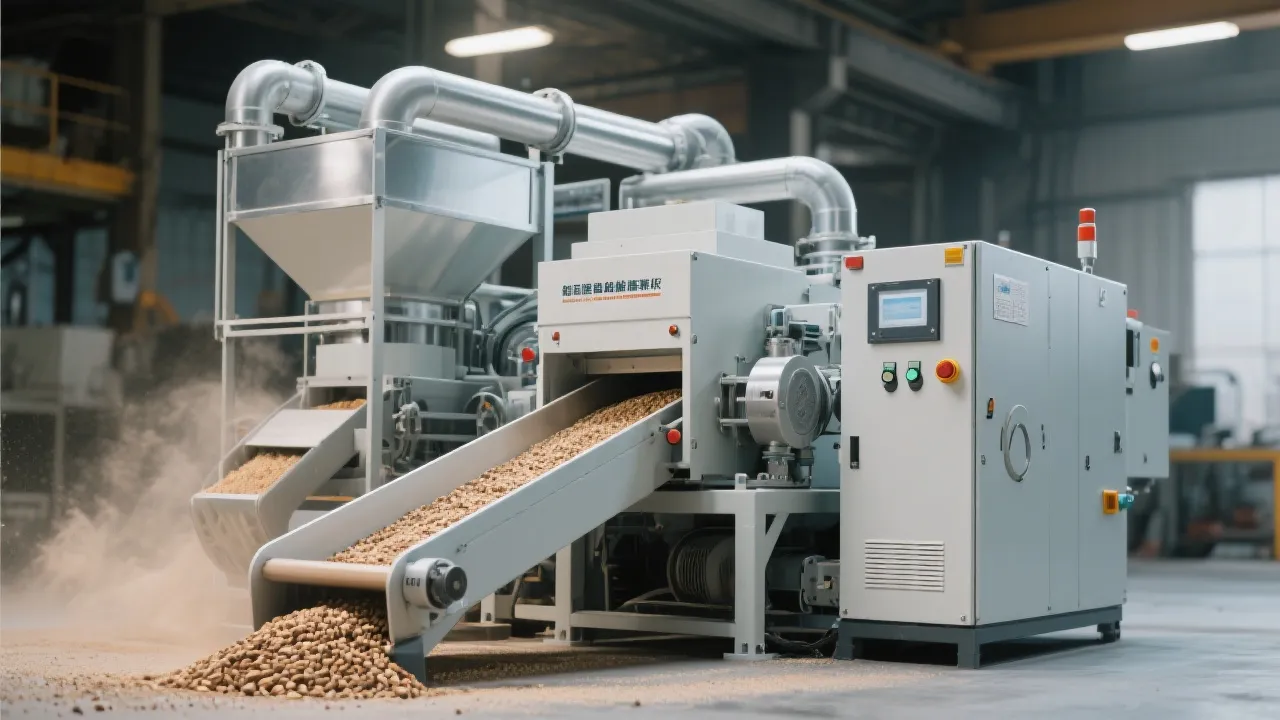
In the edible oil processing industry, the selection and configuration of equipment for edible oil processing lines directly affect a company's production efficiency, product quality, and long-term operating costs. Processing lines vary significantly in terms of process structure, automation level, and investment costs depending on their production scale.
Leveraging years of experience in edible oil engineering projects, QIE GROUP provides customized edible oil processing line solutions for clients with varying production capacity needs. This article will analyze the differences in configuration and pricing costs of edible oil processing lines with different production capacities , systematically explaining the planning logic, core equipment components, and key investment decision-making points of the processing line, providing a clear reference for enterprises in their selection process.
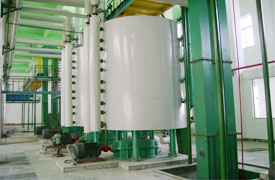
Before planning a food oil processing line, defining the production target is the primary prerequisite . The production scale determines the equipment specifications, process route, and overall level of automation.
Small-scale edible oil processing lines : emphasizing flexibility and controllable investment
Medium-sized edible oil processing line : pursuing a balance between oil yield, quality, and cost.
Large-scale food oil processing lines : centered on automation, continuous operation, and economies of scale.
Meanwhile, the differences in structure, oil content and processing characteristics of different oilseeds (such as soybeans, peanuts, rapeseed, sunflower seeds, etc.) will directly affect the equipment selection and process configuration of food oil processing lines.
Small-scale food oil processing lines with 5–10 TPD are mostly used by startups or regional processing plants, with practicality, compactness, and ease of maintenance as the core features.
| Equipment Name | Main function |
|---|---|
| Cleaning equipment (vibrating screen, destoner, magnetic separator) | Remove impurities to ensure stable operation of subsequent equipment. |
| Crushing equipment (toothed roll/double roll crusher) | Disrupting the oilseed structure to improve pressing efficiency |
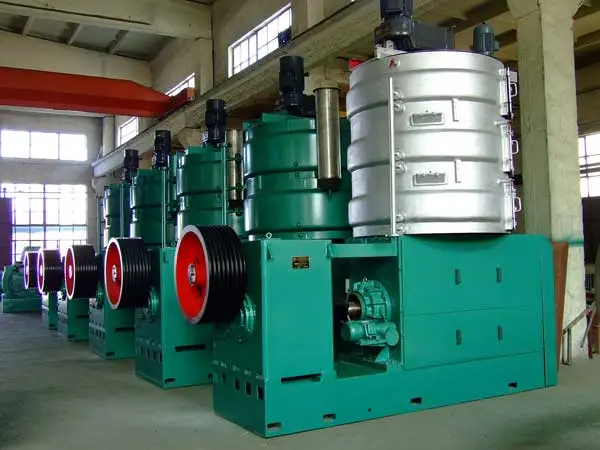
| Oil pressing equipment ( screw oil press /hydraulic oil press) | Oils are extracted using mechanical pressure. |
| Crude oil processing equipment (plate and frame filter press, settling tank) | Removes suspended impurities and improves oil cleanliness. |
The investment threshold for small-scale edible oil processing lines is relatively low , with overall prices typically ranging from tens of thousands to hundreds of thousands of RMB , depending on the specific requirements.
Equipment Brands and Manufacturing Standards
Automation level
Suitable oil types
Due to limited production capacity, the unit product cost is relatively high, but its advantages lie in the short capital recovery cycle and flexible market entry .
When selecting equipment for a small-scale food oil processing line, the following should be considered:
Equipment stability and durability
Does it match the target oil?
Supplier after-sales and technical support capabilities
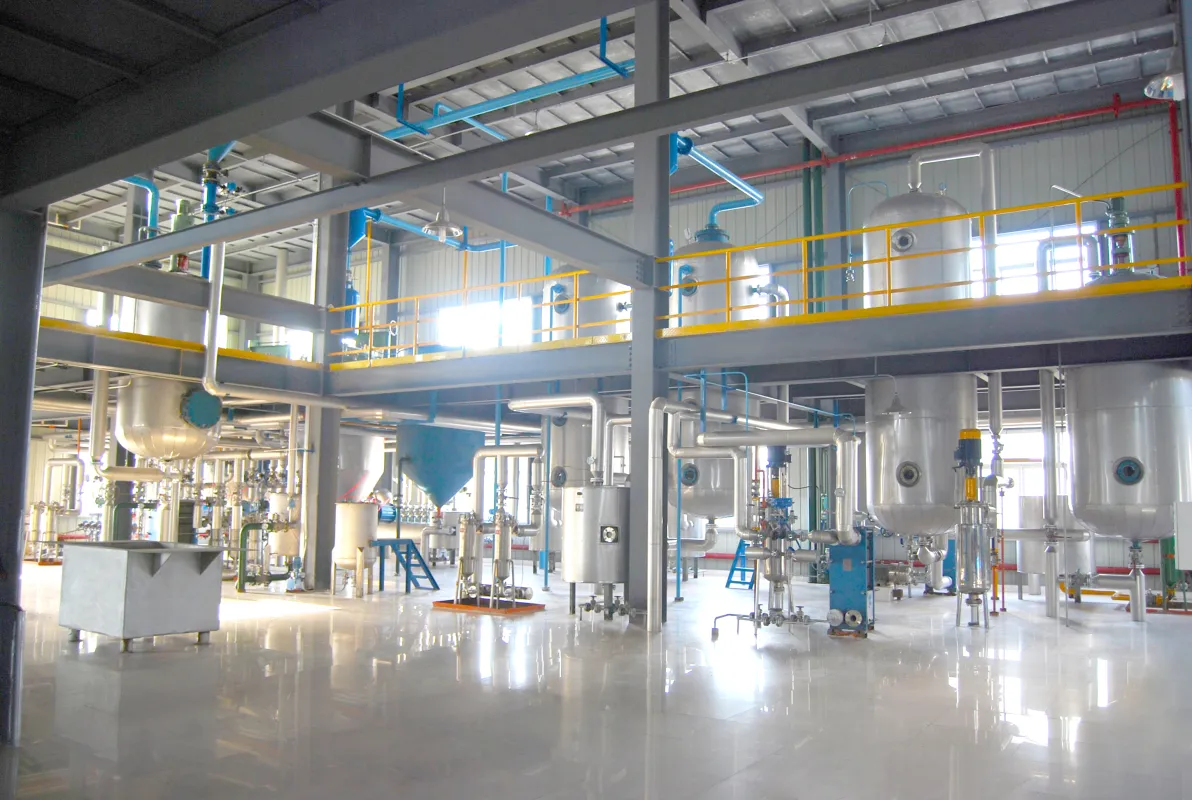
A 20–50 TPD (Total Productive Output) line is considered a medium-sized edible oil processing line and is the mainstream choice for most established companies. Compared to smaller production lines, its process is more complete, with the key being the improvement in oil yield and oil grade .
| New equipment | Function Description |
|---|---|
| Softening/conditioning equipment | Adjusting the moisture and temperature of the oil increases its toughness and plasticity, preventing excessive powder formation in subsequent processes. |
| Rolling/expansion equipment | Completely destroying the cell structure of oilseeds creates a decisive pathway for efficient Oil Extraction. |
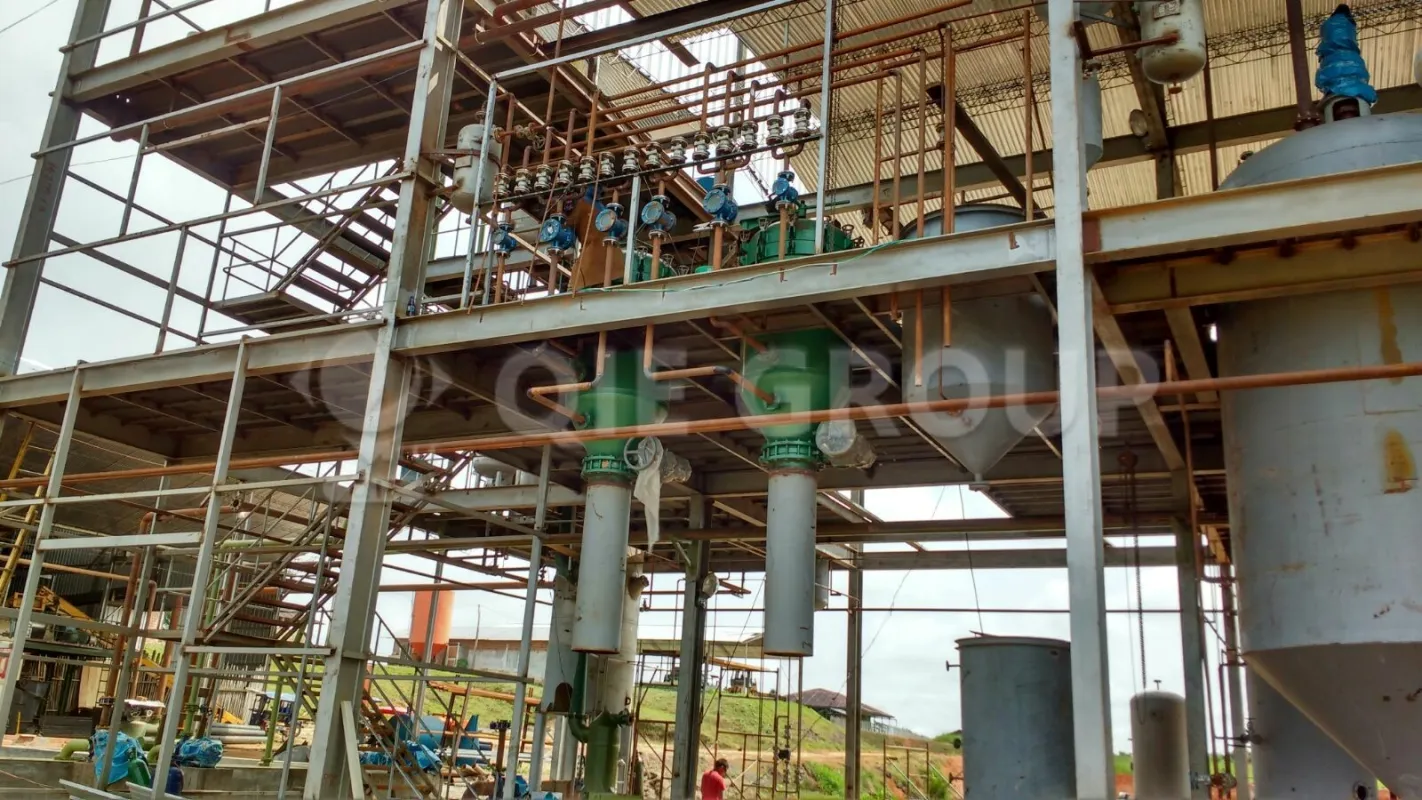
| Leaching equipment (leacher, evaporator, stripping tower, condenser) | Deep oil extraction is performed on the pre-pressed cake after pressing to increase the oil yield. |
| Refining equipment (degumming centrifuge, vacuum deacidification tower, decolorization tower, high-efficiency filter, vacuum deodorization tower) | To remove impurities such as gums, free fatty acids, pigments, and odors from crude oil, a safe, stable, and standard-compliant first-grade oil is produced. |
The investment for a medium-sized edible oil processing line typically ranges from several hundred thousand to several million yuan , and the cost structure mainly includes:
Procurement of core process equipment
Factory and infrastructure construction
Installation, commissioning, and process support
When purchasing a medium-sized food oil processing line, in addition to considering the factors involved in purchasing a small-scale processing line, the following factors also need to be considered:
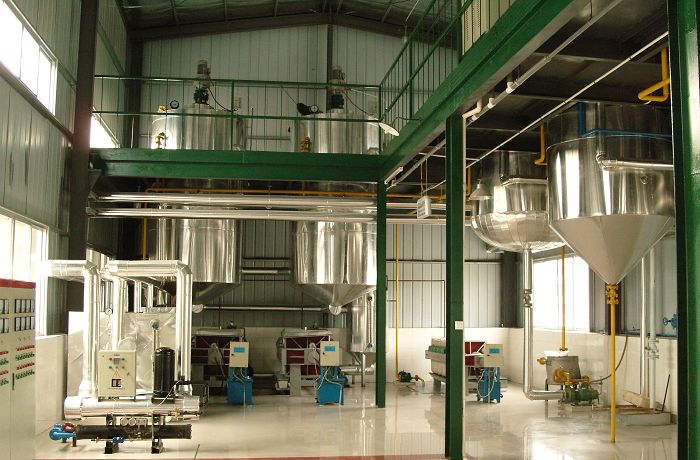
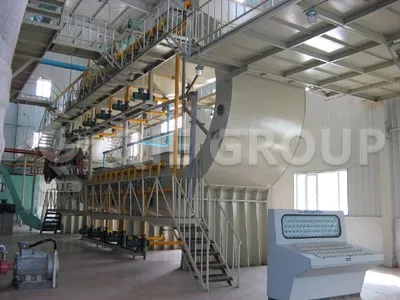
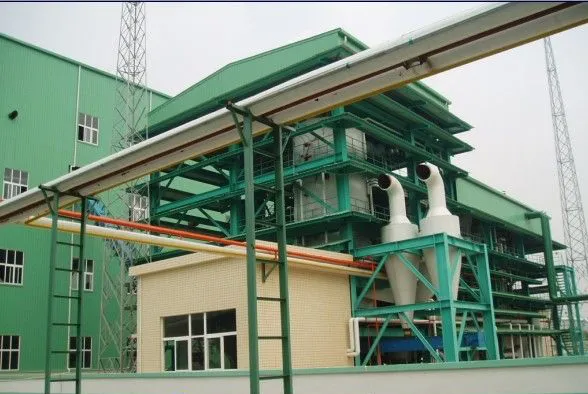
Large-scale edible oil processing lines are suitable for large enterprises or groups, with a typical output of 100 TPD or more. These lines require highly automated and large-scale production systems to meet the demands of mass production. The main equipment configuration includes:
| Equipment Name | effect |
|---|---|
| Pre-treatment system (cleaning equipment, softening/conditioning equipment, crushing equipment, dehulling/peeling equipment, billet rolling/expansion equipment) | To create optimal raw material conditions for pressing and leaching, thereby improving oil yield and product quality DOC. DOC7 DOC9 |
| Pressing systems (screw presses, pre-presses) | Prepressed cake is obtained by mechanically pressing oil from the raw material, or by extracting most of the oil DOC. DOC7 DOC9 |
| Leaching system (leacher, evaporator, stripping tower, condenser, DTDC solvent extraction machine) | Deep oil extraction is performed on the pre-pressed cake to reduce the residual oil content to an extremely low level and maximize the overall oil yield DOC. DOC7 DOC9 |
| Refining system (degumming centrifuge, vacuum deacidification tower, decolorization tower, HEPA filter, vacuum deodorization tower) | Remove various impurities from crude oil and convert it into finished oil that meets edible standards DOC. DOC11 |
| Automated control system | To achieve automated control and monitoring of the entire processing line, thereby improving production efficiency and product quality DOC. |
The cost structure of a large-scale processing line is quite complex, mainly including equipment procurement costs, installation and commissioning costs, infrastructure construction costs, operation and maintenance costs, and personnel training costs. Equipment procurement costs generally range from several million to tens of millions of yuan, with the specific price depending on the brand, model, and configuration of the equipment. Infrastructure construction costs include factory construction, equipment installation, and water and electricity supply, also requiring significant investment. Operation and maintenance costs mainly include raw material procurement, energy consumption, equipment maintenance and repair, and are long-term expenditures. Personnel training costs are to ensure that operators can master the operation and maintenance skills of the equipment, improving production efficiency and product quality.
Although large-scale processing lines have higher investment costs, their unit production costs are relatively lower due to their economies of scale and high degree of automation. At the same time, large-scale processing lines also offer higher product quality and production efficiency, enabling them to meet the large-scale market demand for high-quality edible oils and enhance the company's market competitiveness and profitability.
When purchasing a large-scale food oil processing line, in addition to considering the factors required for a medium-sized processing line, the following factors also need to be considered:
The price cost of a food oil processing line is affected by a variety of factors, mainly including the following:
Choosing the right edible oil processing line solution based on production capacity requires comprehensive consideration of multiple factors. Here are some suggestions:
In the edible oil processing industry, rationally configuring processing lines is more important than blindly pursuing output. A rational configuration can improve production efficiency, reduce production costs, and ensure product quality, thereby enhancing the company's market competitiveness and profitability.
Blindly pursuing output may lead to problems such as improper equipment selection, unreasonable process flow, excessive investment costs, and increased operating costs. For example, selecting oversized equipment may result in low equipment utilization, increased energy consumption, and higher equipment maintenance costs; adopting an unreasonable process flow may lead to reduced oil yield and decreased product quality.
Therefore, when planning edible oil processing lines, enterprises should rationally configure the lines and select appropriate production scales and equipment types based on their own actual conditions and market demand. At the same time, they should focus on the quality and reliability of the equipment and choose suppliers with a good reputation and after-sales service.
The main difference lies in the complexity and scale of the equipment. Small production lines are typically equipped with basic equipment for washing, crushing, and pressing. Medium-sized production lines add equipment for softening, conditioning, rolling, and leaching. Large production lines are highly automated, containing integrated systems for pretreatment, pressing, leaching, refining, and automated control.
Higher production capacity typically requires larger-scale equipment, higher levels of automation, and more complex processes, resulting in higher investment costs. However, large-scale production can also reduce unit production costs through economies of scale.
Key factors include equipment quality and reliability, matching with the oil to be processed and production capacity, after-sales service, level of automation, capacity matching between different equipment, and the rationality of the process flow.
This depends on the initial design and configuration of the small production line. Some equipment may be scalable, but major upgrades may require additional investment in purchasing new equipment and modifying the infrastructure.
Choose high-quality equipment, strictly control the process flow, and conduct regular equipment maintenance and inspections. Furthermore, relevant food safety regulations and standards should be followed during production.
Want to learn about detailed configuration options for edible oil processing lines with different production capacities? Contact us for professional equipment selection advice.
Contact us now for professional advice. Choose a sunflower seed oil production line
Suitable Sunflower Seed Oil Production Line
Sunflower oil production equipment
Screw Oil Press Selection Guide
Single screw oil press
Twin screw oil press
Recommended small-batch oil press equipment
Oil press maintenance costs
现代化大豆油生产线
埃及大豆油生产线
埃及大豆油生产产业
QIE集团
大豆油生产
Small edible oil processing plant
Small edible oil processing plant equipment
Small edible oil processing plant manufacturers
sesame oil production line steps
sesame oil production line manufacturer
main steps of sesame oil production line
QIE Group
Choose a sunflower seed oil production line
Suitable Sunflower Seed Oil Production Line
Sunflower oil production equipment
Screw Oil Press Selection Guide
Single screw oil press
Twin screw oil press
Recommended small-batch oil press equipment
Oil press maintenance costs
现代化大豆油生产线
埃及大豆油生产线
埃及大豆油生产产业
QIE集团
大豆油生产
Small edible oil processing plant
Small edible oil processing plant equipment
Small edible oil processing plant manufacturers
sesame oil production line steps
sesame oil production line manufacturer
main steps of sesame oil production line
QIE Group


.png?x-oss-process=image/resize,h_100,m_lfit/format,webp)
.png?x-oss-process=image/resize,h_100,m_lfit/format,webp)
.png?x-oss-process=image/resize,h_100,m_lfit/format,webp)