1. Introduction: High-Efficiency Edible Oil Engineering in 2026
In 2026, the global edible oil industry is prioritizing high-yield extraction and low-energy consumption. A modern 2026 edible oil production line must integrate three fundamental pillars: precise pre-treatment, efficient solvent extraction (leaching), and eco-friendly refining. For industrial-scale investors, the goal is to transform raw oilseeds into high-grade edible oil with minimal waste and maximum nutrient retention.
2. Full Breakdown: 2026 Edible Oil Production Line Machine List
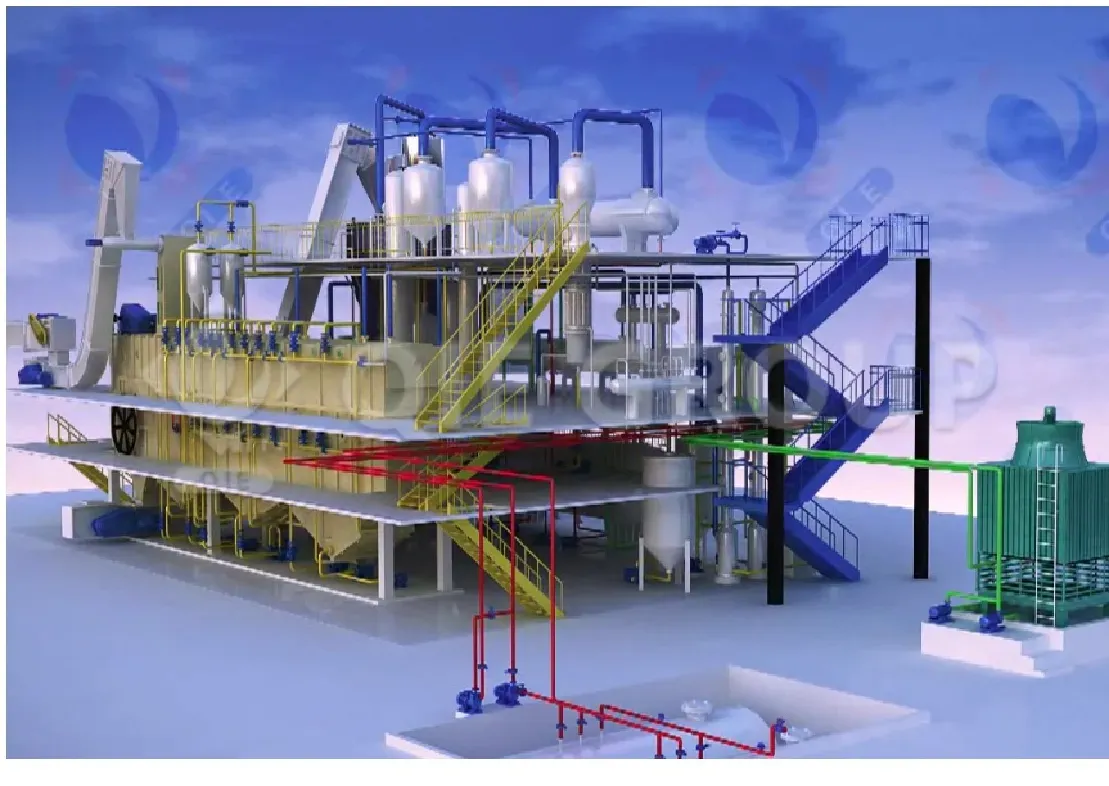
A high-performance 2026 edible oil production line machine list is a synchronized system that ensures zero-loss processing at every stage. Key sections include:
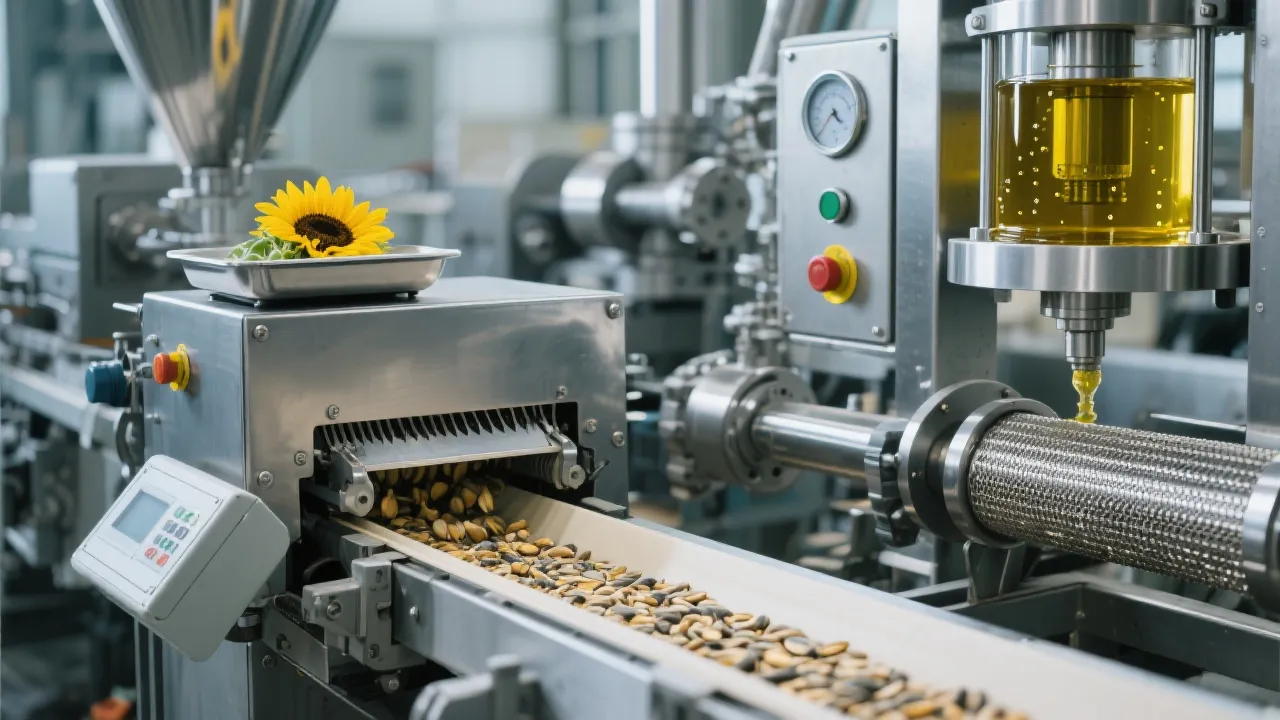
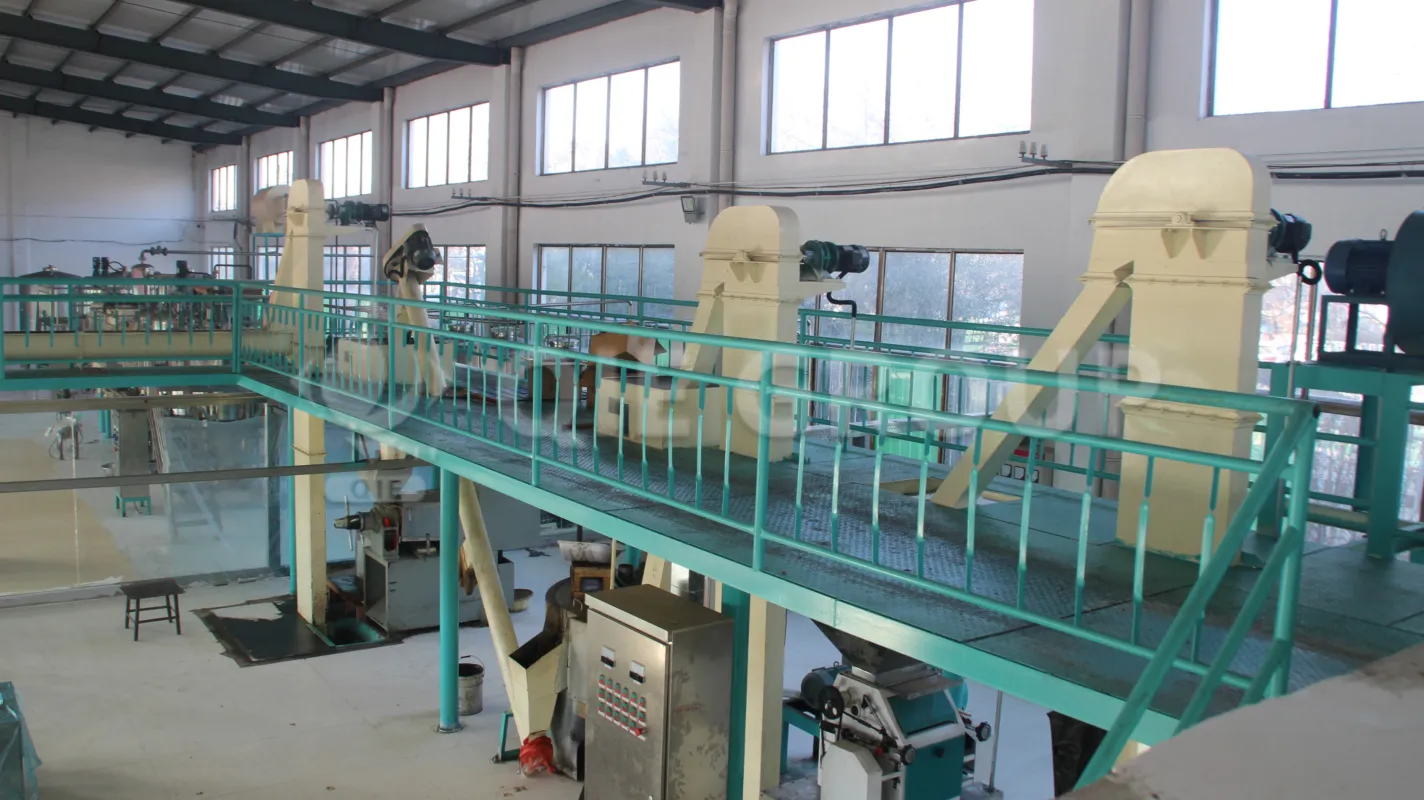
Pre-treatment & Pressing: Features Vibrating Screens for impurity removal, Hulling Machines for seed separation, and high-precision Flaking Mills.
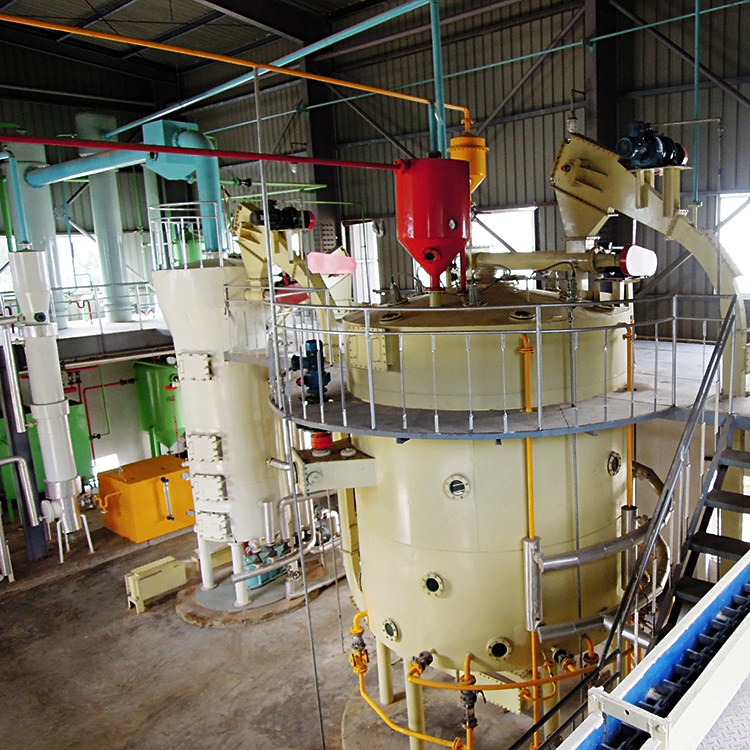
Solvent Extraction (Leaching): Utilizes Rotocel Extractors and DTDC Desolventizer-Toasters to ensure maximum recovery.
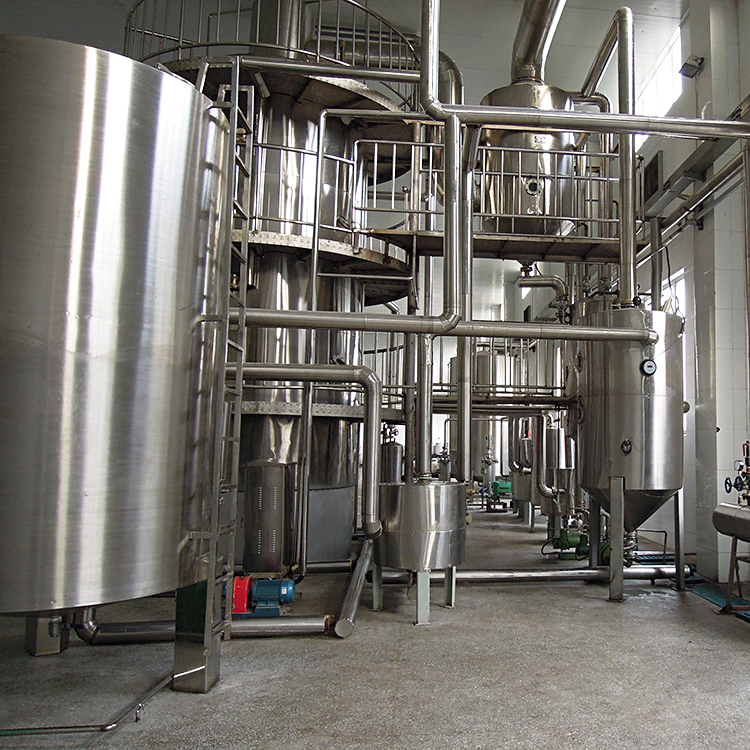
Refining Section: Comprises Centrifugal Separators for degumming and High-Vacuum Deodorization Towers for physical refining.
Refining line in edible oil production line by QIE Group
3. Pre-treatment & Flaking: The Foundation of High Oil Yield
The efficiency of a 2026 edible oil production line is determined in the first few minutes of processing. Our technology focuses on mechanical cell wall rupture to create massive surface area for oil release.
Advanced Flaking: We reduce material to uniform 0.3-0.5mm flakes. This precision thinness is the "decisive path" for high-efficiency extraction, allowing solvent to penetrate deep into the material structure.
Extruding: Our extruders use high-pressure shear to create a porous, puffed structure. This significantly increases leaching speed and inactivates harmful enzymes, which is vital for materials like rice bran oil.
For large-scale projects, achieving a residual oil rate in meal of ≤ 0.5% is the benchmark for success. To reach this while controlling the 2026 edible oil production line latest price, we implement:
Negative Pressure Evaporation: Reusing latent heat from the DTDC system to evaporate solvent at lower temperatures, preserving oil color and reducing steam costs.
Solvent Recovery: Advanced condensation and cryogenic tail gas recovery systems keep solvent loss as low as 1.5kg per ton of raw material.
5. Refining: Physical vs. Chemical Paths
The 2026 edible oil production line machine latest price is heavily influenced by the choice of refining technology. Physical refining is now the industry standard for high-acid oils, utilizing high-vacuum steam distillation to remove FFA and odors simultaneously.
Our 2026 deodorization towers operate under high vacuum (750mmHg+) to ensure the final product meets strict quality standards: moisture ≤ 0.2% and solid impurities ≤ 0.02%.
6. ROI Factors: Maximizing Profitability
Savvy investors look at the Total Cost of Ownership (TCO). Our 2026 designs target:
Steam Consumption: Optimized at ≤ 600 kg/ton FFB equivalent.
Power Efficiency: Kept at ≤ 25 kWh/ton through energy-saving motors and PLC automation.
Output Purity: Consistent high-purity oil that exceeds international food-grade requirements.
Frequently Asked Questions about Edible Oil Production Lines
Q1: How do you ensure the lowest residual oil in the meal?
A: By precisely flaking the seed to 0.3-0.5mm, we maximize the contact surface for the solvent, ensuring nearly all oil molecules are extracted, resulting in a residual oil rate of ≤ 0.5%.
Q2: What is the benefit of Negative Pressure Evaporation in leaching?
A: It lowers the boiling point of the solvent, protecting the oil from thermal damage and allowing for waste heat recycling, which significantly cuts steam consumption.
Q3: How do you manage solvent loss in large-scale plants?
A: We use a multi-stage condensation system combined with frozen tail gas recovery, maintaining a solvent loss level of ≈ 1.5kg/ton and a recovery rate of ≥ 99.9%.
Q4: What are the target quality standards for refined oil in 2026?
A: Our systems consistently deliver oil with moisture ≤ 0.2%, solid impurities ≤ 0.02%, and FFA levels meeting strict international food standards.
Q5: Why is physical refining becoming the standard in 2026?
A: Physical refining removes FFA and odors in one vacuum stage without creating soapstock waste or using heavy chemicals, leading to lower overall refining loss.
Start Your Turnkey Project Today
Get a customized configuration and factory-direct quote for your 2026 production line.

 俄罗斯葵花籽油浸出线
俄罗斯葵花籽油浸出机器
俄罗斯葵花籽浸出厂
俄罗斯葵花籽油浸出线
俄罗斯葵花籽油浸出机器
俄罗斯葵花籽浸出厂


.png?x-oss-process=image/resize,h_100,m_lfit/format,webp)
.png?x-oss-process=image/resize,h_100,m_lfit/format,webp)
.png?x-oss-process=image/resize,h_100,m_lfit/format,webp)




-2.jpg?x-oss-process=image/resize,h_800,m_lfit/format,webp)