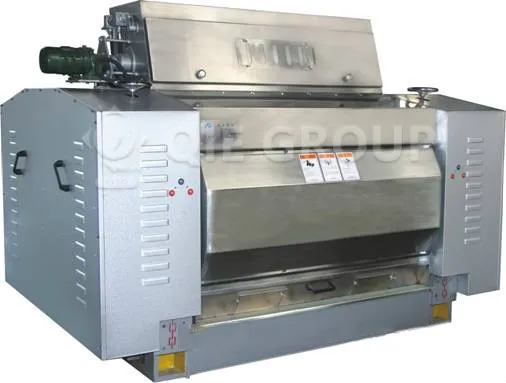
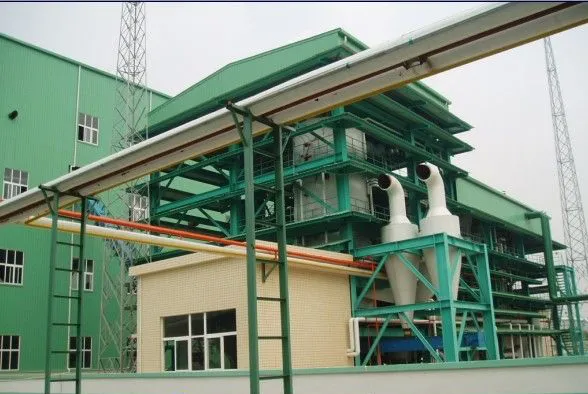
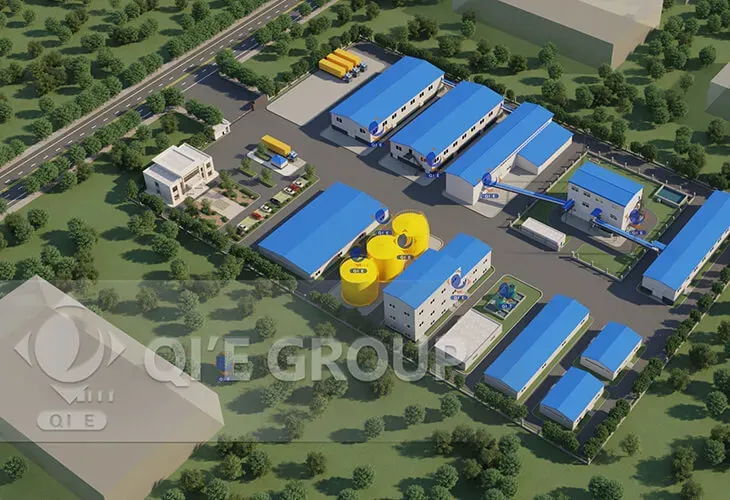
In 2026, the global vegetable oil market demands more than just basic processing; it requires a balance of high purity, cost-effectiveness, and environmental compliance. Whether you are processing palm, soybean, or sunflower oil, choosing the right Edible Oil refining lines is the most critical step in transforming crude oil into a safe, stable, and clear product that meets international food standards.
Modern refining has shifted from traditional manual control to high-efficiency, continuous operation. In 2026, the industry focuses on "Physical Refining" as the mainstream technology because it offers lower oil loss and eliminates soapstock wastewater. The goal is to achieve zero trans-fatty acids and zero glycidyl esters while maintaining high smoke points and pure flavors.
----------.jpg)
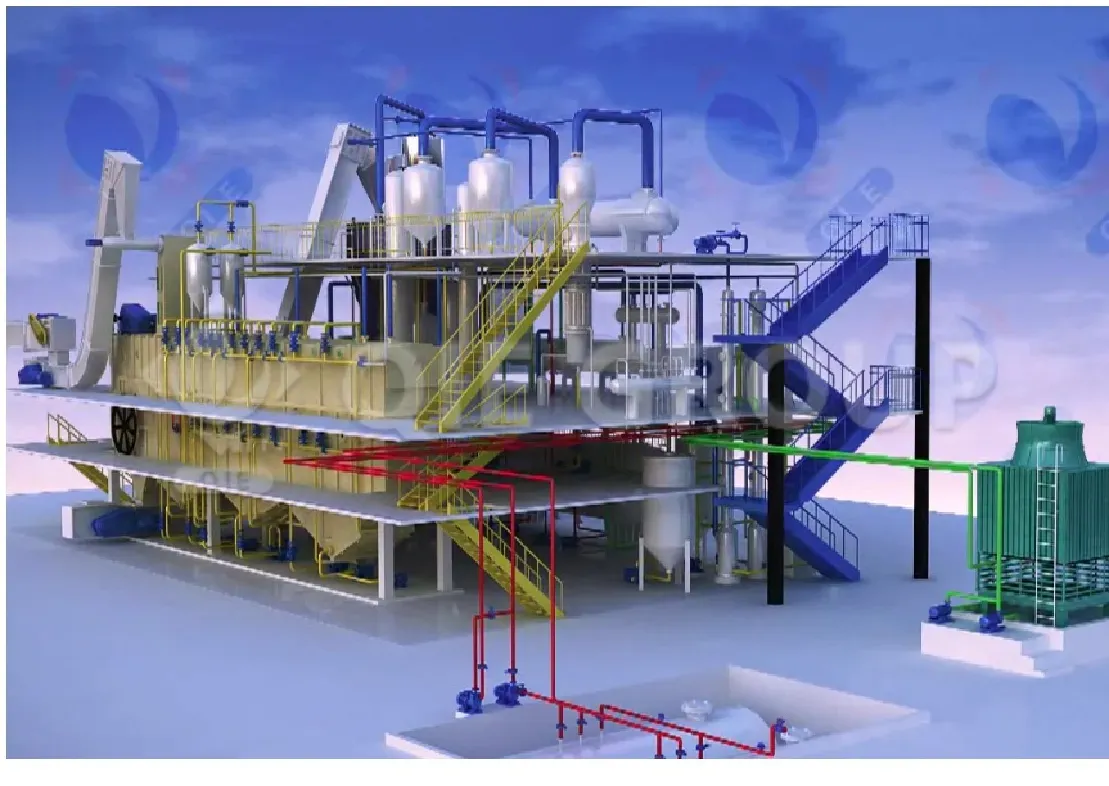
A standard high-efficiency line consists of four core technological stages, each requiring specific heavy-duty machinery:
Core Machine: High-Speed Disc Centrifuge.
Uses a high-speed centrifuge to remove phospholipids and mucilaginous impurities via hydration. This prevents precipitation during subsequent heating, ensuring the oil’s stability and brilliant appearance.
Core Machine: Multi-stage Plate Towers.
Utilizing high temperature (220-260°C) and high vacuum (1-2mmHg) to remove free fatty acids (FFA) and odors. Physical refining is the 2026 industry standard for low loss and zero chemical wastewater.
Core Machine: Leaf Filters.
Integrated with specialized adsorbents under vacuum to remove chlorophyll, carotenoids, and residual metal ions. This section ensures the oil is bright, clear, and perfectly consistent.
Core System: PLC Smart Control.
2026 models feature advanced thermal energy recovery systems that reduce overall energy consumption by 10-15%. Smart PLC systems allow for precise, real-time monitoring of all parameters.
The 2026 Edible Oil Refining Lines machine price is not a fixed number; it is a calculated investment based on several technical variables:

Investing in a modern line provides immediate competitive advantages:
Superior Quality: Finished oil meets specific standards for acid value, color, and peroxide value.
Minimized Losses: Optimized process parameters ensure maximum oil yield with minimal neutral oil loss.
Operational Flexibility: Systems support both fully continuous and batch-wise operations to suit different market demands.
Every project has unique needs. For 2026, we provide 2026 Edible Oil Refining Lines machine details tailored to your specific feedstock. Customization includes the choice between automated PLC control systems and semi-automatic setups for cost optimization.
With energy-saving technology and high-vacuum systems, the 2026 refining generation is built for profitability. By focusing on machine detail and price transparency, we help investors build factories that are not only efficient but also future-proof against tightening global food safety regulations.
The price varies based on the degree of automation and the specific oil type, but a 2026 turnkey solution typically ranges from mid-to-high five figures (USD) for standard configurations.
Newer models utilize high-efficiency heat exchangers and advanced vacuum systems that cut energy use by up to 15% compared to pre-2024 designs.
These lines are versatile and can be configured for palm oil, soybean oil, sunflower oil, peanut oil, and more.
Physical refining is preferred for its lower loss and eco-friendliness, as it removes FFA during the deodorization stage without producing soapstock.
The synergy between the High-Speed Disc Centrifuge and the Vacuum Deodorization Tower is key to achieving low acid values and high stability.
Connect with our technical experts to receive a detailed machine list, technical parameters, and factory pricing tailored to your production goals.
 معدات خط إنتاج زيت السمسم
تكنولوجيا الضغط
نظام التحكم الآلي
معدات توفير الطاقة وحماية البيئة
دليل اختيار المعدات
إزالة الشحوم والشمع باستخدام زيت نخالة الأرز
خط إنتاج إزالة الشحوم والشمع من زيت نخالة الأرز
آلة إزالة الشحوم والشمع من زيت نخالة الأرز
حل متكامل لزيت بذور عباد الشمس
محلول زيت بذور دوار الشمس الأوزبكي
أوزبكستان - حل شامل لزيت دوار الشمس
مكبس زيت لولبي مستمر
معدات عصر الزيت
التحكم في الضغط الميكانيكي
تحسين معدل الزيت المتبقي
حالة تطبيق مكبس الزيت اللولبي
خط إنتاج الزيوت الصالحة للأكل
إنشاء خط إنتاج الزيوت الصالحة للأكل
كيفية بناء خط إنتاج الزيوت الصالحة للأكل
معدات خط إنتاج زيت السمسم
تكنولوجيا الضغط
نظام التحكم الآلي
معدات توفير الطاقة وحماية البيئة
دليل اختيار المعدات
إزالة الشحوم والشمع باستخدام زيت نخالة الأرز
خط إنتاج إزالة الشحوم والشمع من زيت نخالة الأرز
آلة إزالة الشحوم والشمع من زيت نخالة الأرز
حل متكامل لزيت بذور عباد الشمس
محلول زيت بذور دوار الشمس الأوزبكي
أوزبكستان - حل شامل لزيت دوار الشمس
مكبس زيت لولبي مستمر
معدات عصر الزيت
التحكم في الضغط الميكانيكي
تحسين معدل الزيت المتبقي
حالة تطبيق مكبس الزيت اللولبي
خط إنتاج الزيوت الصالحة للأكل
إنشاء خط إنتاج الزيوت الصالحة للأكل
كيفية بناء خط إنتاج الزيوت الصالحة للأكل






.png?x-oss-process=image/resize,h_100,m_lfit/format,webp)
.png?x-oss-process=image/resize,h_100,m_lfit/format,webp)
.png?x-oss-process=image/resize,h_100,m_lfit/format,webp)