.png?x-oss-process=image/resize,h_100,m_lfit/format,webp)
.png?x-oss-process=image/resize,h_100,m_lfit/format,webp)
.png?x-oss-process=image/resize,h_100,m_lfit/format,webp)
Introduction
Many investors underestimate the true edible oil processing plant cost because equipment quotations rarely reflect the full investment required to build and operate a successful facility. While processing equipment is often the first figure considered during project planning, it typically represents only part of the total budget. Expenses related to civil construction, utility infrastructure, logistics, installation, commissioning, working capital, quality control systems, and future expansion can significantly increase the final investment. In many cases, these overlooked expenses have a greater impact on project profitability than the equipment itself. Understanding these hidden costs before construction begins is essential for developing an accurate budget, reducing financial risk, and improving long-term project performance.
The challenge is not simply determining how much an edible oil plant will cost to build. The real challenge is understanding which expenses are often missing from initial estimates and how they influence the overall edible oil processing plant investment cost. Investors who evaluate the complete cost structure rather than focusing solely on equipment procurement are generally better prepared to achieve stable and sustainable returns.
Why Equipment Prices Tell Only Part of the Story
When requesting quotations from equipment suppliers, investors often compare machinery prices and technical specifications. While this is an important step, it does not provide a complete picture of the total investment cost of edible oil processing plant projects.
A typical edible oil processing facility requires much more than processing equipment. Additional expenditures may include:
- Factory construction
- Utility infrastructure
- Storage facilities
- Electrical distribution systems
- Steam generation systems
- Water treatment units
- Installation services
- Product testing laboratories
- Raw material inventory
- Operator training
According to studies from the International Finance Corporation (IFC), inadequate project budgeting remains one of the primary reasons industrial processing projects exceed their planned investment costs. Investors frequently underestimate supporting infrastructure requirements while focusing heavily on production equipment.
From an engineering perspective, the most successful projects are usually those that evaluate the entire production ecosystem rather than the machinery package alone.
Typical Distribution of Total Edible Oil Processing Plant Investment
One of the most common misconceptions is that equipment accounts for nearly all project spending. In reality, investment is distributed across multiple categories.
The table below illustrates a typical cost structure observed in medium and large-scale edible oil projects.
| Investment Item | Typical Share of Total Investment |
|---|---|
| Processing Equipment | 40–60% |
| Civil Works & Buildings | 15–25% |
| Utility Infrastructure | 10–15% |
| Installation & Commissioning | 5–10% |
| Logistics & Customs | 3–8% |
| Quality Control Systems | 1–3% |
| Initial Working Capital | 10–30% |
| Staff Training & Technical Support | 1–3% |
Actual percentages vary according to project location, production capacity, automation level, and local market conditions. However, the table demonstrates why equipment quotations alone cannot accurately represent the real edible oil processing plant cost.

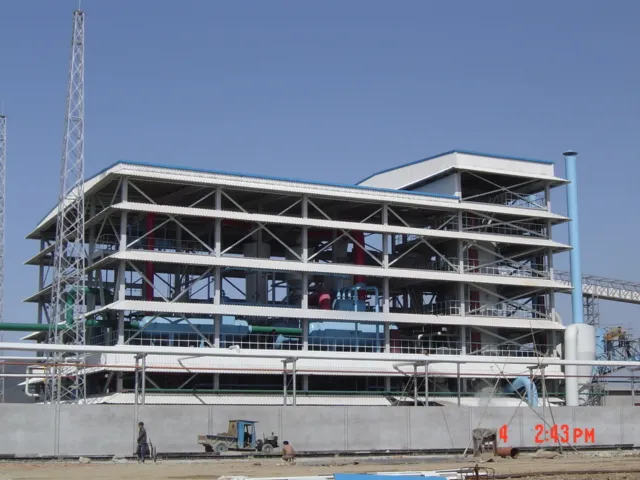
Hidden Cost #1: Civil Works and Site Development
Civil construction is one of the most frequently underestimated expenses in edible oil processing projects.
Many investors receive equipment quotations before completing site planning and assume that construction costs will represent only a small portion of the budget. In reality, civil works can become one of the largest investment categories, particularly for medium and large-scale facilities.
Common civil construction expenses include:
- Site preparation and leveling
- Foundations for heavy equipment
- Production workshops
- Raw material warehouses
- Finished oil storage areas
- Internal roads
- Drainage systems
- Fire protection infrastructure
- Administrative buildings
Depending on local construction costs and project scale, civil works may account for a significant percentage of total investment.
A common mistake is designing facilities only for immediate production requirements. Projects that reserve sufficient space for future expansion during the initial construction phase often avoid costly modifications later.
For example, relocating storage tanks, expanding utility corridors, or modifying production buildings after commissioning can cost considerably more than incorporating expansion provisions from the beginning.
Why This Cost Is Often Overlooked
Equipment suppliers typically focus on machinery quotations, while civil engineering requirements are handled separately. As a result, investors may underestimate the actual construction budget during early project evaluation.
Hidden Cost #2: Utility Infrastructure
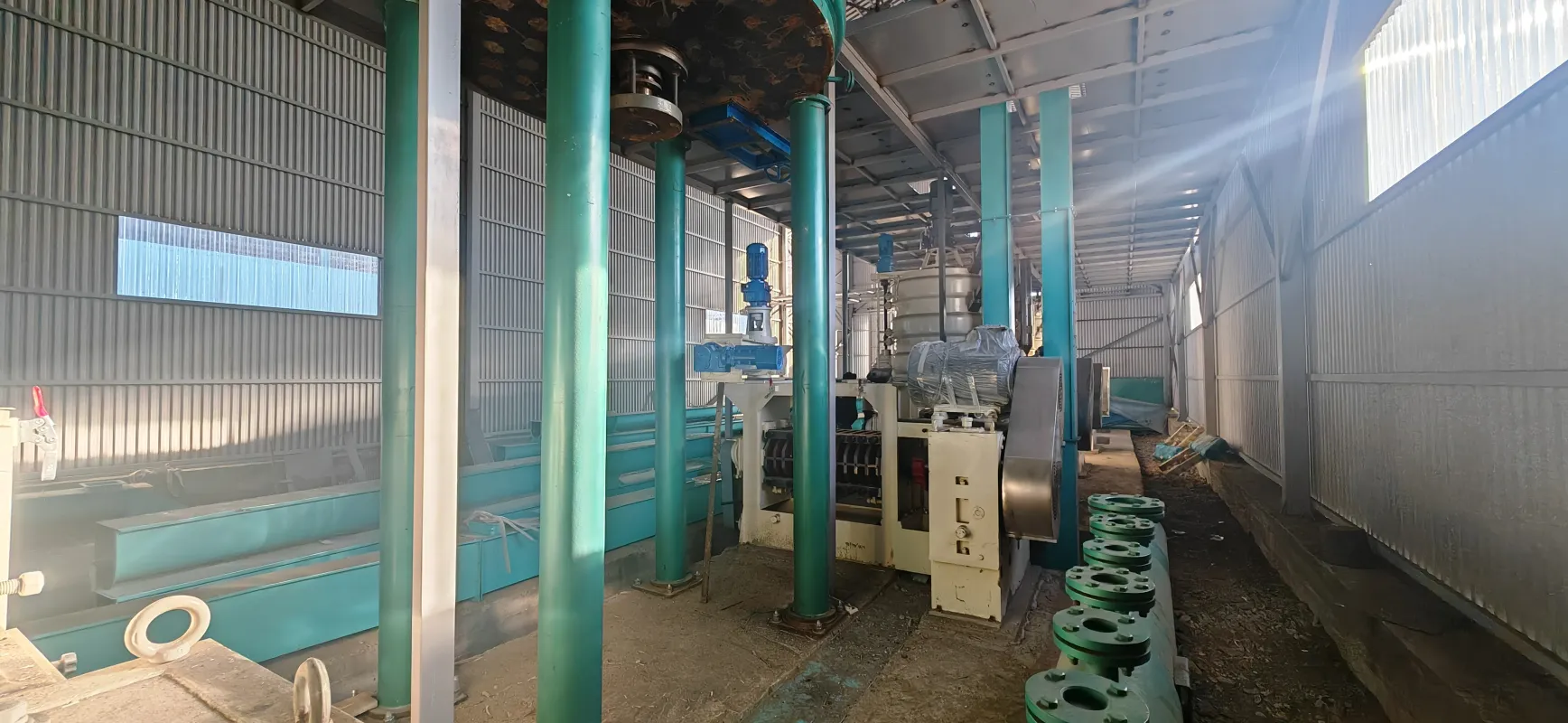
Utility systems are essential for production but are frequently absent from initial investment discussions.
A modern edible oil processing facility requires reliable support systems such as:
- Steam generation
- Water treatment
- Electrical distribution
- Compressed air supply
- Cooling systems
- Wastewater handling
- Backup power systems
For refining plants, steam supply is particularly important because degumming, deodorization, and other thermal operations depend on stable heat sources.
According to the International Energy Agency (IEA), energy-related infrastructure continues to represent a growing share of industrial project investment due to increasing energy demand and evolving efficiency requirements.
In many emerging markets, utility infrastructure costs can increase faster than equipment costs.
While processing equipment can often be imported as a complete package, utility systems must be adapted to local conditions, including power grid capacity, water availability, environmental regulations, and fuel supply options.
Why This Cost Is Often Overlooked
Investors sometimes assume that local electricity and water supplies are sufficient. However, many projects require additional transformers, substations, water treatment systems, boilers, or generators before production can begin.
These requirements may not become fully apparent until detailed engineering is completed.
Hidden Cost #3: Freight, Customs, and Inland Transportation
International logistics have become increasingly important in determining the final edible oil processing plant investment cost.
When evaluating supplier quotations, investors should consider not only equipment manufacturing costs but also the expenses associated with transporting equipment to the project site.
Potential logistics costs include:
- Ocean freight
- Container charges
- Port handling fees
- Customs duties
- Import taxes
- Insurance
- Inland transportation
- Heavy equipment lifting
For projects located far from major ports, transportation costs can become a significant investment component.
Large refining vessels, extraction equipment, storage tanks, and utility systems often require special transportation arrangements that increase overall project costs.
Logistics planning should begin during equipment selection rather than after equipment production is completed.
Equipment dimensions, shipping methods, road conditions, and local transportation restrictions can all affect project budgets and implementation schedules.
Why This Cost Is Often Overlooked
Many investors compare supplier quotations without calculating the full landed cost of equipment. As a result, freight and customs expenses sometimes create budget gaps during project implementation.
Hidden Cost #4: Installation and Commissioning
A plant is not operational when equipment arrives at the site.
Before commercial production can begin, equipment must be installed, connected, tested, and optimized.
Installation and commissioning activities typically include:
- Mechanical installation
- Pipework assembly
- Electrical wiring
- Instrument calibration
- Automation integration
- System testing
- Trial production
- Performance verification
These activities require experienced engineering teams and often extend beyond the original project schedule.
Projects that invest sufficient resources in commissioning generally achieve stable production more quickly and experience fewer operational disruptions during startup.
In a 120TPD soybean crude oil refining project delivered by QIE GROUP, the project scope included not only refining equipment but also finished oil storage systems, transfer systems, automation controls, and supporting infrastructure.
The project incorporated a complete refining line covering degumming, deacidification, bleaching, deodorization, and finished oil storage.
For many investors, the hidden costs associated with such projects are not the refining vessels themselves but the supporting systems required for stable operation, including:
- Steam systems
- Vacuum systems
- Electrical integration
- Instrumentation
- Storage facilities
- Product transfer systems
These supporting systems do not directly increase production capacity, but they play a critical role in maintaining oil quality, operational reliability, and long-term efficiency.

Why This Cost Is Often Overlooked
Many investors assume that installation is included within equipment quotations. In practice, installation scope varies significantly among suppliers and should be clearly defined during contract negotiations.
Hidden Cost #5: Working Capital Is Often Larger Than Expected
One of the most underestimated expenses in edible oil processing projects is working capital.
Many investors focus on fixed assets such as equipment, buildings, and utilities while overlooking the capital required to keep the plant operating after commissioning.
Before generating revenue, a facility must finance:
- Raw material purchases
- Packaging materials
- Labor expenses
- Utility consumption
- Inventory storage
- Transportation and distribution
- Routine maintenance
According to the Food and Agriculture Organization (FAO), raw material procurement typically represents the largest operating expense in vegetable oil processing operations. Fluctuations in oilseed prices can significantly affect cash flow requirements and profitability.
In practice, insufficient working capital causes more operational difficulties than equipment financing.
A technically successful factory can still experience production interruptions if it lacks sufficient funds to purchase raw materials during harvest seasons or periods of market volatility.
This is particularly important for projects processing soybean, sunflower seed, rapeseed, sesame seed, cottonseed, and palm fruit, where seasonal procurement opportunities often determine annual profitability.
Why This Cost Is Often Overlooked
Investors frequently assume that production can begin immediately after commissioning. However, inventory accumulation, customer payment cycles, and raw material procurement often require substantial capital before stable revenue is generated.
Hidden Cost #6: Quality Control and Regulatory Compliance
Modern edible oil production requires more than processing capacity.
Whether serving domestic retail markets or export customers, producers increasingly face requirements related to food safety, product traceability, environmental compliance, and quality assurance.
Additional investments may include:
- Laboratory equipment
- Oil quality testing instruments
- Traceability systems
- Certification programs
- Environmental monitoring equipment
- Occupational safety infrastructure
According to the World Bank, compliance with food safety and quality standards has become a critical factor affecting competitiveness in global agricultural value chains.
Many investors postpone laboratory investments until after production begins.
However, quality verification systems are often essential from the first day of operation, particularly when producing refined edible oils for packaged consumer markets.
Why This Cost Is Often Overlooked
Quality control systems typically generate no direct production capacity, making them easy to exclude from early budget discussions. Nevertheless, they can play a significant role in market access and customer confidence.
Hidden Cost #7: Energy Consumption Throughout the Plant Lifecycle
Many project evaluations focus on acquisition costs rather than lifecycle costs.
However, long-term profitability is heavily influenced by edible oil plant operating cost, particularly energy consumption.
Key energy consumers include:
- Boilers
- Pumps
- Air compressors
- Refining systems
- Material handling equipment
- Packaging systems
According to the International Energy Agency (IEA), energy remains one of the largest operating expenses across food processing industries worldwide.
A lower-cost production line may initially appear attractive but can become more expensive over its operational life if it consumes significantly more steam, electricity, or fuel.
Investors should evaluate:
- Energy efficiency
- Heat recovery opportunities
- Utility consumption rates
- Long-term operating expenses
rather than focusing exclusively on equipment purchase price.
Why This Cost Is Often Overlooked
Equipment quotations typically emphasize production capacity and technical specifications. Energy consumption often receives less attention despite its long-term impact on profitability.
Hidden Cost #8: Spare Parts and Maintenance Planning
Every edible oil processing facility requires routine maintenance.
While maintenance costs may appear small compared with initial investment, they accumulate throughout the life of the plant.
Common replacement items include:
- Bearings
- Pumps
- Valves
- Motors
- Sensors
- Filter cloths
- Press components
Unexpected equipment failures can create costs that exceed the value of preventive maintenance programs.
According to manufacturing reliability studies published by the U.S. Department of Energy, planned maintenance programs generally reduce downtime and improve operational efficiency compared with reactive maintenance approaches.
Many first-time investors underestimate the value of maintaining a strategic spare-parts inventory.
Waiting weeks for replacement components can result in production losses far greater than the cost of carrying critical spare parts.
Why This Cost Is Often Overlooked
Maintenance expenses are often viewed as future operational concerns rather than part of the initial investment strategy.
However, maintenance planning should begin during project design and procurement.
Hidden Cost #9: Training and Production Optimization
Successful production depends on people as much as equipment.
Even highly automated facilities require trained operators, maintenance technicians, and management personnel.
Training-related expenses may include:
- Operator training
- Maintenance training
- Quality control training
- Safety training
- Automation system familiarization
- Production optimization support
According to the International Labour Organization (ILO), workforce skills remain a significant factor influencing industrial productivity and operational performance.
Many projects reach mechanical completion successfully but require months of operational optimization before achieving expected production efficiency.
The difference between designed capacity and actual performance often depends on workforce capability rather than equipment quality alone.
Why This Cost Is Often Overlooked
Training costs are rarely visible in equipment quotations and are frequently underestimated during financial planning.
Hidden Cost #10: Future Expansion Constraints
One of the most expensive hidden costs may not appear until several years after project completion.
If a facility is designed without future growth in mind, expansion can become significantly more expensive than anticipated.
Common expansion-related expenses include:
- Building modifications
- Utility upgrades
- Equipment relocation
- Additional foundations
- Production interruptions
- Engineering redesign
Facilities that reserve expansion space, utility capacity, and logistics access during initial construction often reduce future capital expenditure considerably.
This approach is especially relevant in fast-growing markets where demand may increase faster than originally projected.
Why This Cost Is Often Overlooked
Most investors focus on current requirements and underestimate future production growth opportunities or market expansion potential.
Hidden Costs Become More Significant as Plant Capacity Increases
A common assumption is that larger facilities automatically deliver lower production costs.
While economies of scale can improve efficiency, larger projects also introduce more complex budgeting challenges.
| Plant Capacity | Common Hidden Cost Risks |
|---|---|
| 10–30 TPD | Limited economies of scale, higher unit operating costs |
| 50–100 TPD | Increased utility demand and warehouse requirements |
| 100–300 TPD | Larger working capital requirements and logistics complexity |
| 300 TPD+ | Grid upgrades, advanced automation systems, expansion planning |
As plant size increases, investors should place greater emphasis on utility planning, raw material sourcing, inventory management, and market development strategies.
These factors often influence profitability more than modest differences in equipment pricing.
A 150TPD extraction project delivered by QIE GROUP in Pakistan highlights how hidden costs often emerge beyond the core processing equipment.
The facility was designed to process soybean, sunflower seed, and rapeseed and included pretreatment, solvent extraction, DTDC desolventizing, solvent recovery, and supporting automation systems.
Compared with single-oilseed projects, multi-feedstock facilities often require additional investment in:
- Raw material storage systems
- Material handling infrastructure
- Process control systems
- Safety protection systems
- Automation integration
These systems increase project flexibility but also introduce additional hidden costs related to storage design, process switching, safety compliance, and automation complexity. This illustrates why identical production capacities can result in significantly different investment requirements.

A soybean extraction project in Russia was originally designed with a processing capacity of 200TPD. Through continuous optimization and operational improvements, the facility later achieved actual production levels of approximately 300–320TPD.
This project highlights a frequently overlooked investment category:
Production Optimization Costs
Many investors budget for equipment procurement and installation but fail to allocate sufficient resources for post-startup optimization.
Additional investments may include:
- Process optimization
- Performance testing
- Operator development
- Automation adjustments
- Energy efficiency improvements
These expenditures rarely appear in equipment quotations but often determine whether a project reaches its designed production targets.

The Most Expensive Hidden Cost May Be Choosing the Wrong Plant Size
One of the most common investment mistakes is focusing heavily on equipment pricing while overlooking capacity planning.
A larger facility is not always a better investment.
Common examples include:
- Plants operating below capacity because of insufficient raw material supply
- Facilities oversized for local market demand
- Excessive inventory financing costs
- Underutilized production assets
According to FAO agricultural market assessments, raw material availability remains one of the key factors affecting utilization rates across agro-processing industries in emerging markets.
The most expensive hidden cost is often not a piece of equipment.
It is building a facility that is larger—or smaller—than the available market and raw material supply can economically support.
For this reason, capacity selection should be based on realistic assessments of feedstock availability, market demand, and financial resources rather than equipment pricing alone.
Hidden Cost Summary for Edible Oil Processing Plant Projects
The following table summarizes the most common hidden costs in edible oil processing plant projects and their potential impact on investment performance.
| Hidden Cost Category | Frequently Overlooked | Potential Impact |
|---|---|---|
| Civil Works | High | High |
| Utility Infrastructure | High | High |
| Freight & Customs | Medium | Medium |
| Installation & Commissioning | High | High |
| Working Capital | Very High | Very High |
| Quality Control Systems | Medium | Medium |
| Energy Consumption | High | Long-Term |
| Spare Parts & Maintenance | Medium | Long-Term |
| Staff Training | Medium | Medium |
| Future Expansion Planning | High | High |
For many projects, working capital, utilities, and expansion planning generate a larger financial impact than initially expected. These costs may not appear in early supplier quotations but can significantly affect the final edible oil processing plant investment cost.

Conclusion
Most investors begin their evaluation by comparing equipment quotations, but machinery is only one component of the overall edible oil processing plant cost.
Real-world projects frequently encounter additional expenses related to construction, utilities, logistics, commissioning, working capital, compliance requirements, maintenance planning, workforce development, and future expansion.
The most significant budget overruns rarely originate from the equipment itself. Instead, they are typically associated with underestimated infrastructure and operational requirements.
Investors who conduct a comprehensive oil processing plant investment analysis before construction are generally better positioned to control risk, improve budgeting accuracy, and achieve sustainable returns.
Before making a final investment decision, it is advisable to evaluate not only the equipment quotation but also the complete total investment cost of edible oil processing plant projects under local market conditions.
Planning an Edible Oil Processing Plant Project?
Before investing in a new facility, investors should understand that the actual edible oil processing plant investment cost extends far beyond equipment procurement. Identifying hidden costs in edible oil processing plant projects at an early stage can improve financial planning, reduce implementation risks, and support long-term profitability.
QIE GROUP provides customized project planning, feasibility analysis, equipment selection, plant layout design, and turnkey edible oil plant EPC solutions for soybean oil, sunflower oil, palm oil, sesame oil, cottonseed oil, and other vegetable oil processing facilities worldwide.
Our engineering team can help investors estimate the real total investment cost of edible oil processing plant projects based on local construction conditions, utility requirements, raw material availability, and production objectives.
About the Author: Engineering Insights from Actual Oil Processing Projects
This article has been reviewed by the engineering team of QIE GROUP based on practical experience gained from edible oil refining, oilseed pretreatment, extraction, and turnkey EPC projects delivered across Africa, Asia, Eastern Europe, and Central Asia.
Recent reference projects include:
- 120TPD soybean oil refinery project in Egypt
- 150TPD soybean, sunflower seed, and rapeseed extraction project in Pakistan
- 200TPD soybean extraction project in Russia, later optimized to 300–320TPD operation
The observations presented in this article are based on both industry research and real project execution experience, where hidden costs most commonly emerge in utilities, logistics, automation systems, commissioning, and working-capital planning rather than in equipment procurement itself.
Edible Oil Processing Plant:Frequently Asked Questions
What is the most commonly overlooked cost in an edible oil processing plant project?
Working capital is often the most underestimated expense. Many investors budget for equipment and construction but fail to allocate sufficient funds for raw material procurement, inventory, labor, and daily operating expenses before revenue generation begins.
What percentage of total investment does equipment typically represent?
Processing equipment often accounts for approximately 40–60% of the total investment, while the remaining budget is allocated to construction, utilities, logistics, installation, quality systems, and working capital.
Why do edible oil plant projects frequently exceed their original budgets?
Budget overruns often occur because early project evaluations focus on equipment quotations while underestimating civil works, utility infrastructure, commissioning activities, logistics expenses, and operating capital requirements.
How can investors reduce hidden costs before construction begins?
A detailed feasibility study, utility assessment, logistics evaluation, and comprehensive project budgeting process can help identify potential hidden expenses before project implementation starts.
What is the most overlooked factor affecting long-term profitability?
From an engineering perspective, incorrect capacity selection is one of the most underestimated risks. A facility that does not align with local raw material availability or market demand may struggle to achieve expected returns regardless of equipment performance.