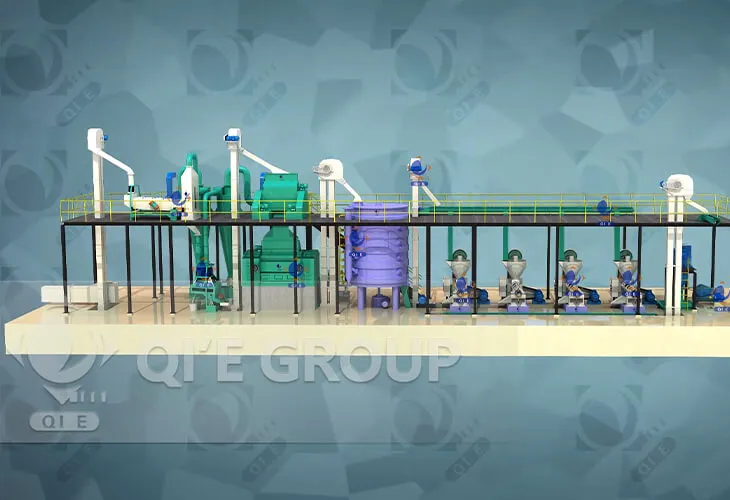
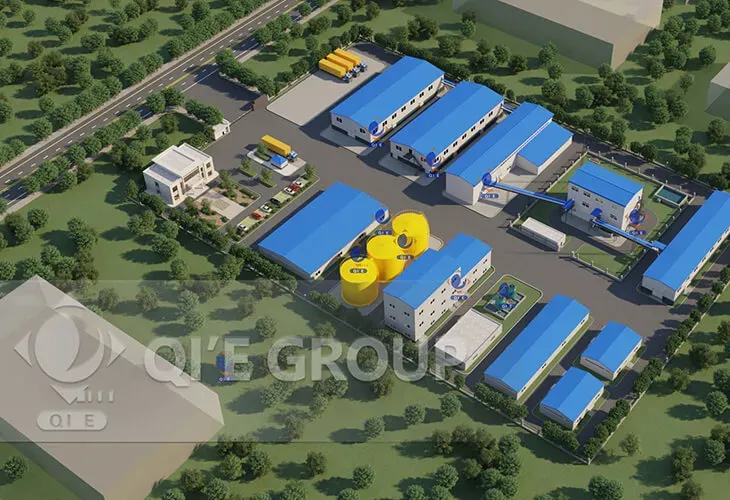
The edible oil production line cost can range from approximately US$80,000 for a small mechanical pressing plant to more than US$20 million for a fully integrated industrial processing facility. However, production capacity alone does not determine the final investment. The edible oil production line price is influenced by multiple engineering factors, including the type of oil-bearing raw material, extraction technology, refining requirements, automation level, utility systems, environmental compliance, and the overall project scope.
Many investors begin by requesting quotations from several suppliers, only to discover that two production lines with the same daily capacity may differ in price by several million dollars. This is because suppliers are pricing complete processing solutions rather than individual machines. A soybean solvent extraction plant, for example, requires significantly different processing technology and supporting infrastructure than a peanut mechanical pressing line, even if both process the same number of tons per day.
Understanding what determines the cost of an edible oil processing plant is therefore more valuable than searching for a single reference price. A realistic investment should match production capacity, target oil quality, raw material characteristics, local regulations, and long-term business objectives.
An edible oil production line cost typically ranges from US$80,000 to more than US$20 million, depending on production capacity, raw material type, extraction technology, refining configuration, automation level, utility systems, and project scope. Rather than comparing quotations based solely on equipment prices, investors should evaluate the complete edible oil production line investment cost, including engineering design, installation, supporting infrastructure, and long-term operating requirements.
There is no universal edible oil production line price because every project is engineered according to specific production requirements instead of using standardized equipment packages. Before comparing quotations, investors should understand that suppliers are pricing an integrated processing system rather than simply selling machinery.
The following table provides typical investment ranges for different types of edible oil processing plants.
| Plant Type | Typical Capacity | Estimated Investment* |
|---|---|---|
| Small mechanical pressing line | 5–20 TPD | US$80,000–300,000 |
| Medium mechanical pressing plant | 30–100 TPD | US$300,000–1 million |
| Pressing + refining plant | 50–300 TPD | US$80,000–3 million |
| Solvent extraction plant | 100–1,000 TPD | US$2–8 million |
| Large integrated edible oil production line | 500–2,000+ TPD | US$5–20+ million |
*Actual investment varies according to process configuration, automation level, utility systems, local construction costs, environmental requirements, and project scope.
| Cost Factor | Impact on Investment | Why It Matters |
|---|---|---|
| Production Capacity | ★★★★★ | Determines the size of major equipment, utilities, and supporting infrastructure. |
| Extraction Technology | ★★★★★ | Mechanical pressing and solvent extraction require very different process configurations and investment levels. |
| Refining Process | ★★★★☆ | Higher oil quality requires additional refining equipment and process stages. |
| Raw Material Type | ★★★★☆ | Different oil-bearing materials require different processing technologies and equipment. |
| Automation Level | ★★★☆☆ | PLC, SCADA, and intelligent control systems increase initial investment while improving operating efficiency. |
| Utility & Environmental Systems | ★★★☆☆ | Boilers, cooling systems, wastewater treatment, and environmental compliance contribute significantly to total project cost. |
As shown above, production capacity is only one factor influencing the edible oil production line investment cost. Process technology, engineering standards, and supporting infrastructure often have an equally important impact on the final quotation.
Another reason why the edible oil production line price varies is that different oil-bearing materials require different processing routes.
Each additional processing stage increases equipment quantity, engineering complexity, utility demand, and commissioning requirements, directly increasing the cost of an edible oil processing plant.
Investors should also distinguish between equipment cost and the total investment cost.
Besides production equipment, a complete project normally includes:
Depending on project scale and local infrastructure, these indirect expenses may account for 20%–50% of the total edible oil production line investment cost.
Instead of asking only "How much does an edible oil production line cost?", investors should also understand which engineering decisions have the greatest impact on the final investment.
The following sections explain the key factors that determine the edible oil production line cost and why two projects with similar production capacities can require substantially different budgets.
Once investors understand the typical investment range, the next question becomes:
Why can two edible oil production lines with the same capacity have completely different prices?
The answer lies in the engineering specifications behind each project. Production capacity is only one variable. In practice, the edible oil production line investment cost is determined by several technical decisions that affect equipment quantity, manufacturing standards, installation complexity, operating efficiency, and long-term maintenance costs.
Processing capacity has the greatest influence on capital investment because it affects nearly every section of the plant.
Increasing capacity from 50 TPD to 200 TPD requires much more than installing a larger oil press. Storage silos, conveyors, cleaning equipment, cookers, extractors, refining systems, boilers, pumps, pipelines, electrical systems, and automation must all be upgraded to handle the higher production volume.
However, investment does not increase in a linear manner. Larger plants generally benefit from economies of scale, meaning the investment per ton of daily capacity gradually decreases as plant size increases.
| Daily Capacity | Typical Investment Trend | Investment per TPD |
|---|---|---|
| 10–20 TPD | Low total investment | Highest |
| 50–100 TPD | Moderate investment | Lower |
| 300–500 TPD | High investment | More economical |
| 1,000+ TPD | Very high investment | Lowest per ton |
For this reason, capacity selection should always be based on:
Oversized plants often suffer from low equipment utilization, while undersized facilities may require expensive expansion only a few years after commissioning.
Many first-time investors assume that edible oil production lines use similar equipment regardless of the raw material. In reality, the characteristics of the oil-bearing material determine the process design, equipment selection, and ultimately the edible oil production line cost.
Each type of oilseed or oil-bearing fruit has unique physical properties, oil content, moisture requirements, and processing challenges. These differences directly affect equipment configuration, energy consumption, automation requirements, and supporting facilities, leading to significant variations in the edible oil production line price.
| Raw Material | Typical Processing Route | Relative Investment |
|---|---|---|
| Soybean | Pretreatment → Flaking → Solvent Extraction → Refining | High |
| Rapeseed | Pretreatment → Pressing or Extraction → Refining | Medium–High |
| Sunflower Seed | Cleaning → Dehulling → Pressing/Extraction → Dewaxing | High |
| Peanut | Cleaning → Shelling → Mechanical Pressing → Refining | Medium |
| Palm Fruit | Sterilization → Pressing → Clarification → Kernel Recovery | High |
| Sesame | Cleaning → Mechanical Pressing → Optional Refining | Medium |
For example:
Because each raw material requires different equipment, process control systems, and utility configurations, selecting the appropriate processing route is one of the most important decisions affecting the cost of an edible oil processing plant.
After selecting the raw material, the next major decision is the extraction technology. This single choice can dramatically change the edible oil production line investment cost, because mechanical pressing and solvent extraction require different equipment, plant layouts, utility systems, and safety measures.
Although both technologies are designed to recover oil, they serve different production objectives and investment strategies.
| Comparison Item | Mechanical Pressing | Solvent Extraction |
|---|---|---|
| Initial Investment | Lower | Higher |
| Suitable Capacity | Small to Medium | Medium to Large |
| Oil Recovery | Lower | Higher |
| Process Complexity | Simple | Complex |
| Main Equipment | Screw Press | Extractor, DTDC, Evaporator, Solvent Recovery |
| Utility Requirements | Moderate | High |
| Environmental & Safety Requirements | Standard | Strict |
| Typical Application | Peanut, Sesame, Rapeseed | Soybean, Rice Bran, Cottonseed |
The table clearly shows that the edible oil production line price is influenced not only by processing capacity but also by the extraction technology selected.
Mechanical pressing extracts oil through physical compression using screw presses. It is widely used for oil-bearing materials with relatively high oil content, such as peanuts, sesame seeds, rapeseed, and some sunflower seed applications.
A standard mechanical pressing line generally includes:
Because the process involves fewer major systems, the edible oil production line cost is generally lower than that of a solvent extraction plant. Mechanical pressing also offers simpler operation and maintenance, making it a practical solution for small and medium-sized investors.
Solvent extraction is widely adopted for large-scale soybean processing and other oilseeds where maximizing oil recovery is economically important.
Compared with mechanical pressing, a solvent extraction plant requires additional processing systems such as:
These systems increase both engineering complexity and the overall edible oil production line investment cost. However, they also improve extraction efficiency, reduce residual oil in meal, and enhance long-term production economics.
Properly designed solvent extraction systems can reduce residual oil in soybean meal to below 1%, enabling significantly higher oil recovery than mechanical pressing alone.
Rather than asking which technology is universally better, investors should evaluate which process best matches their raw material, production scale, investment budget, and expected return on investment.
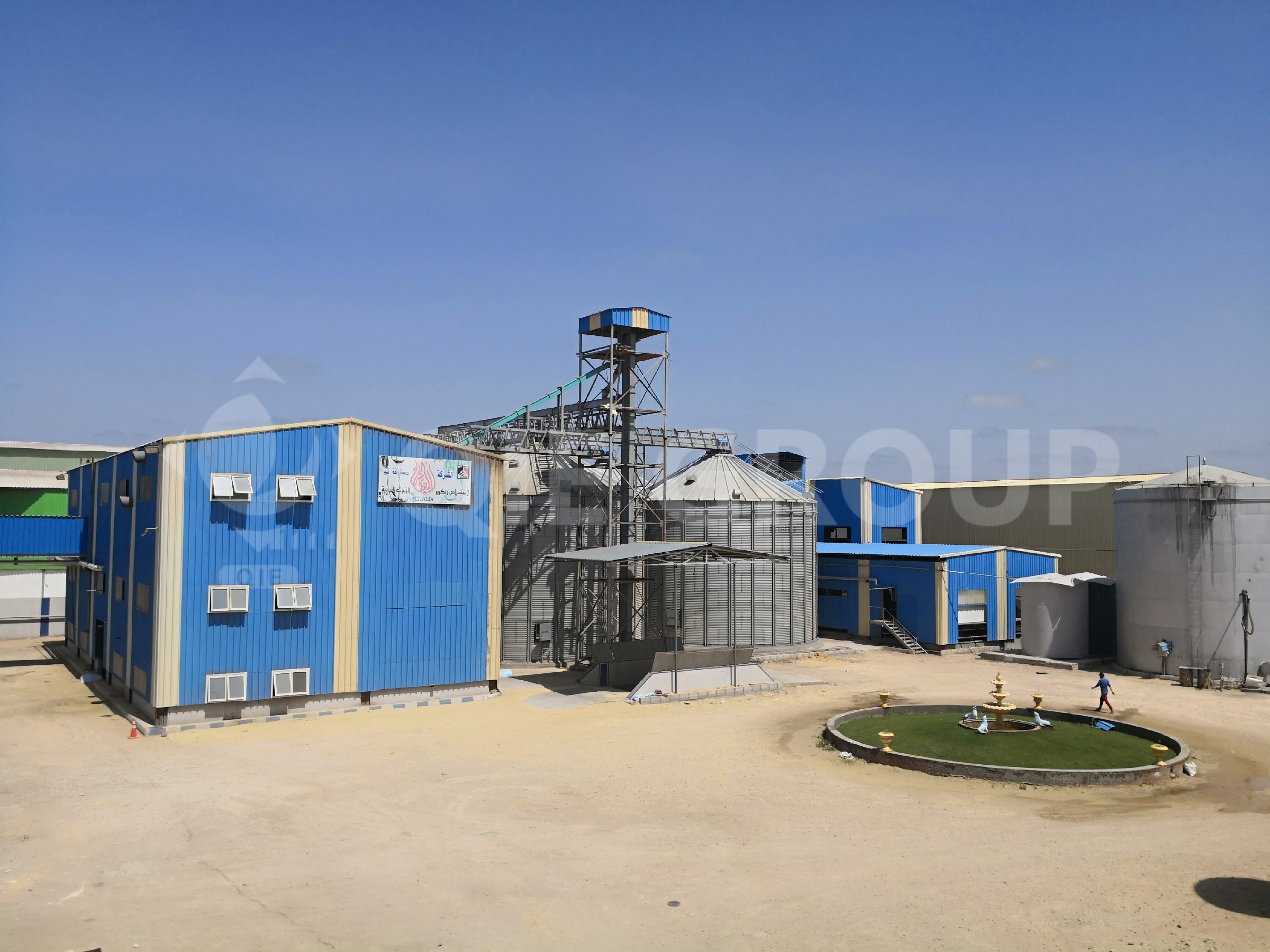
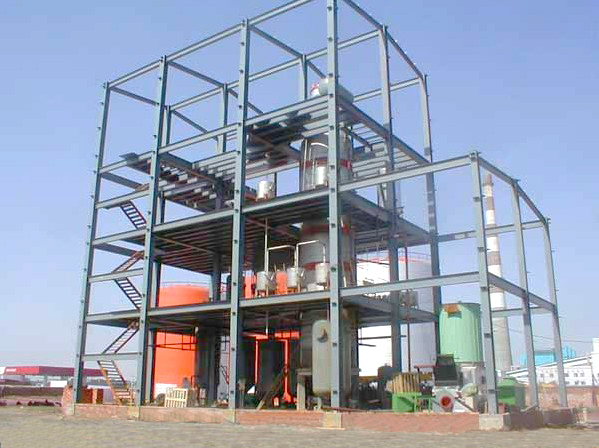
A real engineering project clearly demonstrates how process configuration affects the edible oil production line cost.
This soybean processing project in Egypt was designed with a 300 TPD soybean pretreatment and solvent extraction line integrated with a 30 TPD continuous refining system, creating a complete processing solution from raw soybeans to refined edible oil. Supporting facilities include solvent recovery, steam generation, oil storage, automated process control, and auxiliary utility systems.
Compared with a conventional mechanical pressing plant of similar capacity, this project requires significantly higher investment because solvent extraction introduces additional equipment, explosion-protection systems, solvent recovery technology, environmental control facilities, and continuous refining units.
Although the initial edible oil production line investment cost is higher, the project achieves greater oil recovery, improved product quality, and higher production efficiency, making it more suitable for large-scale commercial soybean processing. This example demonstrates that processing technology is one of the primary factors determining the final edible oil production line price, often having an impact equal to or greater than production capacity itself.
The desired quality of the finished edible oil is another important factor affecting the edible oil production line cost.
Producing crude oil requires relatively simple equipment, while manufacturing refined edible oil involves multiple refining stages, additional process equipment, and higher utility consumption.
A complete refining system typically includes:
Each additional refining stage requires dedicated vessels, pumps, heat exchangers, vacuum systems, instrumentation, and automatic controls.
For example:
As refining requirements become more demanding, both equipment investment and operating costs increase accordingly, resulting in a higher cost of an edible oil processing plant. Investors should therefore define their target product before requesting quotations, as producing crude oil, refined oil, or bottled consumer oil requires substantially different levels of investment.
Automation has become an increasingly important factor influencing the edible oil production line price, particularly for medium and large industrial projects.
A manually operated production line generally controls equipment start-up, material feeding, temperature adjustment, and process monitoring through operator intervention.
By contrast, an automated production line may include:
Although these systems increase the initial edible oil production line investment cost, they also improve production stability, reduce labor requirements, and enhance process consistency.
For continuous production facilities, automation often contributes to lower labor costs, reduced production losses, more consistent product quality, faster fault diagnosis, and better production traceability. The appropriate automation level should therefore be selected according to production scale, labor availability, and long-term operating strategy rather than simply pursuing the highest level of automation.
Supporting infrastructure is another major contributor to the cost of an edible oil processing plant, yet it is frequently underestimated during project planning.
Besides the main processing equipment, most edible oil plants require:
For solvent extraction projects, additional investment is also required for solvent recovery, VOC emission control, explosion-proof electrical installations, fire and gas detection systems, and safety interlock systems.
As environmental regulations continue to tighten worldwide, these facilities are no longer optional additions. They are essential for safe operation, regulatory compliance, and long-term plant reliability. Ignoring utility and environmental systems during budgeting often results in significant cost overruns during project implementation.
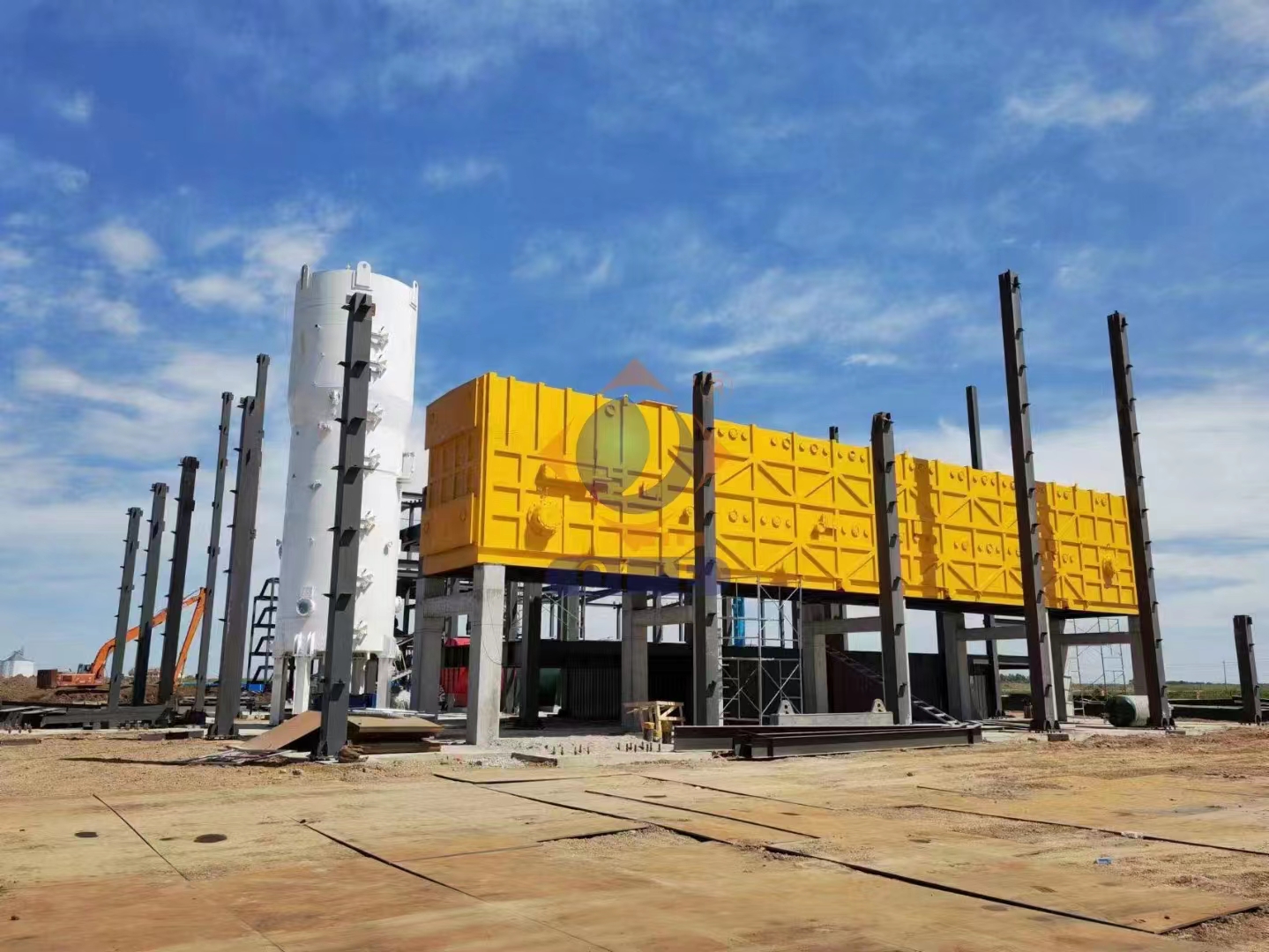
The extraction method is not the only factor that influences the edible oil production line cost. Equipment specifications, storage capacity, material selection, and supporting systems can also significantly affect the total investment.
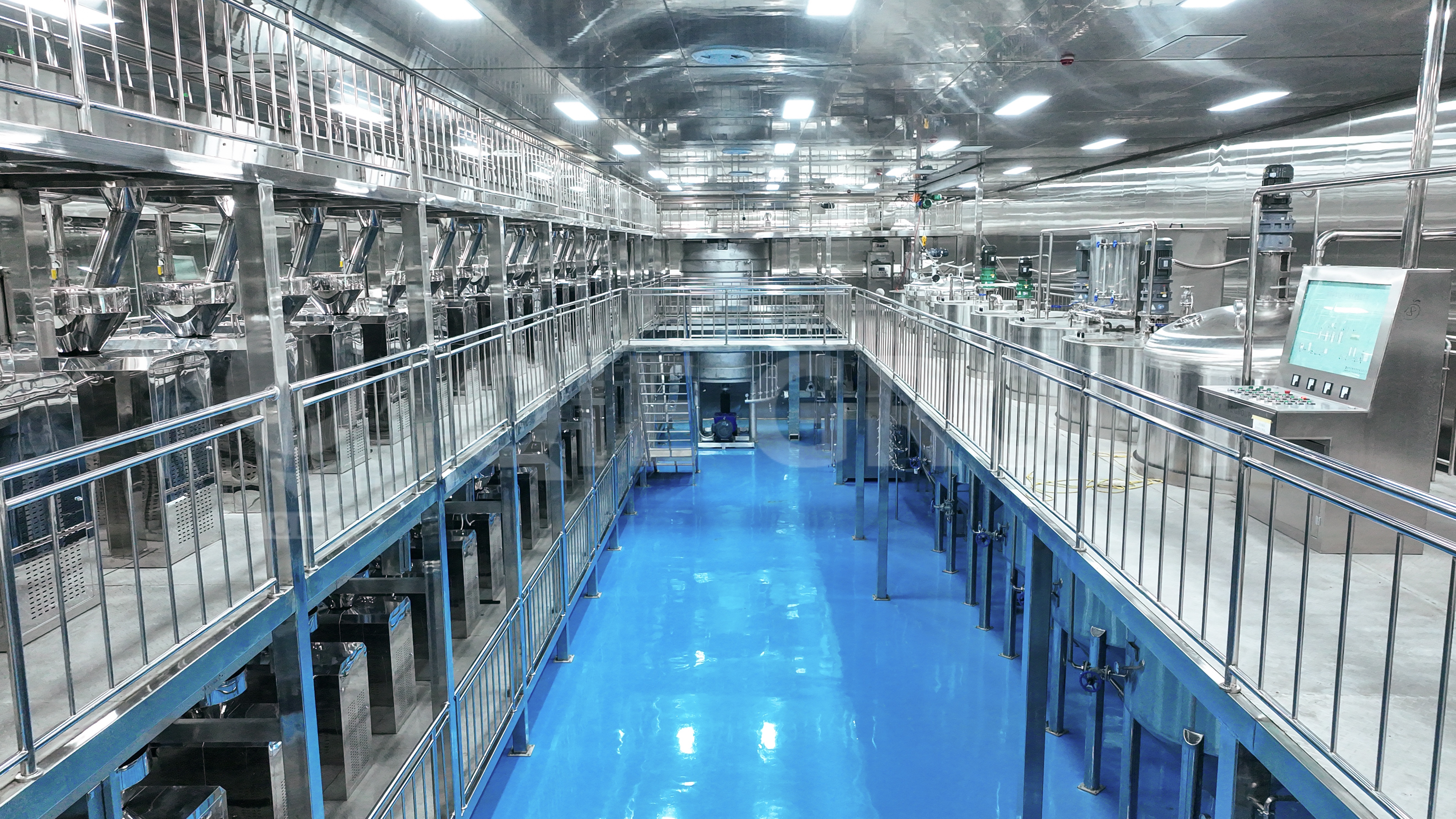
A 400 TPD soybean mechanical pressing project demonstrates this well. The facility includes two 1,000-ton soybean silos, a 400 TPD mechanical pressing line equipped with 56 oil presses, a 20 TPD crude oil hydration and drying system, multiple oil storage tanks, and extensive use of 304 food-grade stainless steel for key processing equipment. The project is designed for continuous production while ensuring high hygiene standards and long-term equipment durability.
Although this project does not include solvent extraction, its large processing capacity, storage infrastructure, high-quality construction materials, and automated production systems substantially increase the edible oil production line investment cost compared with a standard pressing plant. This example highlights an important principle: the edible oil production line price depends not only on the extraction process but also on equipment configuration, engineering standards, production objectives, and long-term operational requirements.
Estimating the edible oil production line cost is not simply a matter of comparing quotations from different suppliers. Many projects exceed their planned budgets because critical technical factors are overlooked during the planning stage. Understanding the following common mistakes helps investors evaluate quotations more accurately and avoid unnecessary investment.
One of the most common mistakes is assuming that two quotations with the same production capacity include identical equipment and engineering services.
For example, one supplier's quotation for a 100 TPD edible oil production line may include raw material receiving and cleaning, a complete pretreatment system, mechanical pressing, continuous refining, PLC automation, and installation and commissioning. Another quotation may include only the pressing equipment. Although the second quotation appears significantly lower, additional purchases will eventually be required to complete the project.
Instead of comparing total prices alone, investors should compare:
A quotation with a lower purchase price does not necessarily represent a lower cost of an edible oil processing plant.
Many first-time investors design a plant solely for current production demand. However, if capacity needs to be increased after only a few years, replacing boilers, storage tanks, transformers, utility pipelines, or control systems can become significantly more expensive than allowing for moderate future expansion during the original design.
When planning a new project, investors should evaluate whether key infrastructure can accommodate future production growth without requiring major reconstruction.
The lowest equipment quotation rarely represents the lowest long-term operating cost. Equipment with better manufacturing quality, higher energy efficiency, and more reliable automation may require a larger initial investment but can reduce operating expenses throughout its service life.
Investors should evaluate suppliers based on:
Considering the entire lifecycle rather than only the purchase price usually results in more sustainable investment decisions and a lower long-term edible oil production line investment cost.
Rather than searching for a single benchmark price, investors should prepare a project budget based on their own production objectives and processing requirements. A practical budgeting approach consists of three key steps.
Determine the project's basic production parameters, including raw material type, daily processing capacity, target oil quality, preferred extraction technology, and packaging requirements. These decisions determine the overall process design and major equipment selection.
Clearly identify which production sections will be included. For example: mechanical pressing only, pressing and refining, solvent extraction, fractionation, bottling and packaging, utility systems, and wastewater treatment. Each additional processing section increases the overall edible oil production line cost.
A realistic budget should include more than equipment procurement. Typical project costs include processing equipment, utility systems, civil construction, installation, electrical works, freight and logistics, customs duties, commissioning, operator training, initial spare parts, and a contingency allowance.
Preparing a complete investment estimate at the planning stage reduces financial risk and minimizes costly design changes during project execution. Ultimately, the most valuable quotation is not necessarily the lowest-priced one—it is the quotation that clearly defines the project scope and aligns the investment with the plant's long-term production objectives.
The edible oil production line cost is determined by far more than production capacity. Raw material characteristics, extraction technology, refining requirements, automation level, utility systems, environmental compliance, and engineering scope all influence the final investment.
As demonstrated by the two engineering examples in this article, projects with similar capacities can require significantly different budgets because they are designed for different processing technologies and production objectives. A mechanical pressing plant and a solvent extraction facility may process comparable volumes of raw material, yet their equipment configuration, supporting infrastructure, and operational requirements vary considerably.
Rather than focusing only on the edible oil production line price, investors should evaluate the complete cost of an edible oil processing plant, including equipment, utilities, installation, construction, and long-term operating expenses. A comprehensive assessment enables more accurate budgeting and supports better investment decisions over the entire lifecycle of the project.
The edible oil production line cost typically ranges from US$80,000 for a small mechanical pressing plant to more than US$20 million for a large integrated industrial processing facility. The final investment depends on production capacity, processing technology, automation level, refining requirements, and project scope.
Capacity is only one factor affecting the edible oil production line price. Differences in extraction technology, refining processes, automation, utility systems, environmental facilities, engineering standards, and installation scope can significantly change the total investment.
Generally, yes. Solvent extraction requires additional equipment such as extractors, desolventizers, solvent recovery systems, explosion-proof electrical installations, and environmental protection facilities. Although the initial investment is higher, improved oil recovery often provides better long-term economic returns for large-scale soybean processing.
Many investors underestimate indirect expenses such as civil construction, utility systems, freight, customs duties, installation, wastewater treatment, operator training, spare parts, and contingency allowances. These costs can represent a substantial proportion of the total cost of an edible oil processing plant.
Prepare complete project information before requesting quotations, including: raw material type, daily processing capacity, target oil quality, preferred processing technology, automation requirements, local utility conditions, and environmental compliance requirements. Providing detailed technical specifications enables suppliers to prepare more accurate and comparable quotations.
1. Food and Agriculture Organization (FAO). Small-scale Oilseed Processing and Vegetable Oil Production.
2. American Oil Chemists' Society (AOCS). Official Methods and Recommended Practices.
3. Codex Alimentarius Commission (FAO/WHO). Standard for Named Vegetable Oils (CXS 210).
4. World Bank Group. Environmental, Health and Safety Guidelines for Vegetable Oil Processing.
5. International Energy Agency (IEA). Energy Efficiency in Industry.
6. International Organization for Standardization (ISO). ISO 55000 Asset Management.
7. OECD-FAO Agricultural Outlook (Latest Edition).
8. USDA Foreign Agricultural Service (FAS). Oilseeds: World Markets and Trade.
QIE GROUP Process Engineer
The author specializes in edible oil processing technology, plant engineering, and turnkey project implementation, with extensive experience in process optimization, equipment selection, energy efficiency improvement, and investment planning for edible oil production facilities worldwide.
Selecting production capacity based on stable raw material availability rather than optimistic market forecasts improves equipment utilization and long-term profitability. A plant operating consistently at 80–90% of its design capacity often delivers better economic performance than a much larger facility operating well below capacity.
A detailed process flow diagram, equipment list, utility balance, and project scope provide a far more accurate basis for comparing quotations than equipment prices alone. Understanding exactly what is included in each proposal helps prevent unexpected investment during project implementation.
Higher-quality equipment with reliable automation, lower energy consumption, and easier maintenance may require a larger upfront investment but often reduces operating costs over decades of service. Focusing on lifecycle value rather than purchase price alone supports more sustainable investment decisions.
Get a customized engineering proposal and precise quotation tailored exactly to your capacity, raw material, and target market.
Contact Our Engineers Now edible oil processing plant cost
hidden costs in edible oil processing plant projects
edible oil processing plant investment cost
total investment cost of edible oil processing plant
Shea butter extraction process steps
Manufacturer of fully automatic shea butter production equipment
Industrialized shea butter processing plant
Cost of a Sesame Oil Process Plant in Tanzania
Sesame Oil Process Plant in Tanzania
How to Start a Sesame Oil Process Business in Tanzania
Sesame Oil Production Line Equipment in Tanzania
300 TPD Soybean Solvent Extraction Plant
Turnkey Soybean Oil Extraction and Refinery Project in Egypt
300 TPD Soybean Pretreatment and Leaching Production Line
High Yield 60 TPD Soybean Cooking Oil Refining Machinery
250 TPD Shea Butter Processing Plant
Turnkey Shea Butter Pre-treatment and Pressing Line in Nigeria
Industrial Shea Butter Refining Machine for Cosmetics and Food Grade Oil
Automatic Shea Butter Extraction Project with High Oil Yield Technology
edible oil processing plant cost
hidden costs in edible oil processing plant projects
edible oil processing plant investment cost
total investment cost of edible oil processing plant
Shea butter extraction process steps
Manufacturer of fully automatic shea butter production equipment
Industrialized shea butter processing plant
Cost of a Sesame Oil Process Plant in Tanzania
Sesame Oil Process Plant in Tanzania
How to Start a Sesame Oil Process Business in Tanzania
Sesame Oil Production Line Equipment in Tanzania
300 TPD Soybean Solvent Extraction Plant
Turnkey Soybean Oil Extraction and Refinery Project in Egypt
300 TPD Soybean Pretreatment and Leaching Production Line
High Yield 60 TPD Soybean Cooking Oil Refining Machinery
250 TPD Shea Butter Processing Plant
Turnkey Shea Butter Pre-treatment and Pressing Line in Nigeria
Industrial Shea Butter Refining Machine for Cosmetics and Food Grade Oil
Automatic Shea Butter Extraction Project with High Oil Yield Technology


.png?x-oss-process=image/resize,h_100,m_lfit/format,webp)
.png?x-oss-process=image/resize,h_100,m_lfit/format,webp)
.png?x-oss-process=image/resize,h_100,m_lfit/format,webp)