.png?x-oss-process=image/resize,h_100,m_lfit/format,webp)
.png?x-oss-process=image/resize,h_100,m_lfit/format,webp)
.png?x-oss-process=image/resize,h_100,m_lfit/format,webp)
Introduction
Choosing the right oil processing technology depends mainly on the characteristics of the oilseed, production capacity, product requirements, and long-term operating objectives. The most advanced or expensive equipment is not always the best solution. Factors such as oil content, seed structure, moisture level, fiber content, protein value, and required oil quality determine whether mechanical pressing, solvent extraction, pre-press solvent extraction, or cold pressing is the most suitable option.
For commercial investors, selecting the correct edible oil processing technology can directly influence oil recovery, energy consumption, operating costs, and production stability. A technology suitable for soybean may not be the ideal choice for sunflower seed, peanut, sesame, or palm kernel. Therefore, the selection process should start with understanding the raw material characteristics and matching them with the appropriate vegetable oil processing technology and oil extraction technology.
This guide explains how engineers evaluate different oilseeds and select the most suitable processing route for commercial oil production.
Step 1. Evaluate Oilseed Characteristics Before Choosing a Processing Technology
The first step in selecting an oil processing technology is not equipment selection—it is raw material evaluation. Each oilseed has different physical and chemical properties that directly affect processing efficiency, oil recovery, and final product quality.
A suitable technology should match the characteristics of the oilseed rather than simply adopting the same process used for another material.
The main factors that influence technology selection include:
| Evaluation Factor | Engineering Impact | Influence on Technology Selection |
|---|---|---|
| Oil content | Determines available free oil | High-oil materials often favor mechanical pressing |
| Protein content | Affects meal value | High-protein materials may benefit from solvent extraction |
| Fiber and shell content | Influences equipment load and oil release | May require additional pretreatment |
| Moisture content | Affects conditioning and extraction efficiency | Requires proper drying and moisture control |
| Seed hardness | Determines crushing and flaking requirements | Impacts equipment configuration |
| Final oil quality | Determines refining requirements | Influences cold pressing or additional treatment |
Instead of asking:
“Which oil processing technology is the best?”
The more practical engineering question is:
“Which technology best matches this specific oilseed, production target, and final product requirement?”
This approach helps investors avoid unnecessary investment and improves the long-term performance of the oil processing plant.
High-Oil Oilseeds Usually Favor Mechanical Pressing
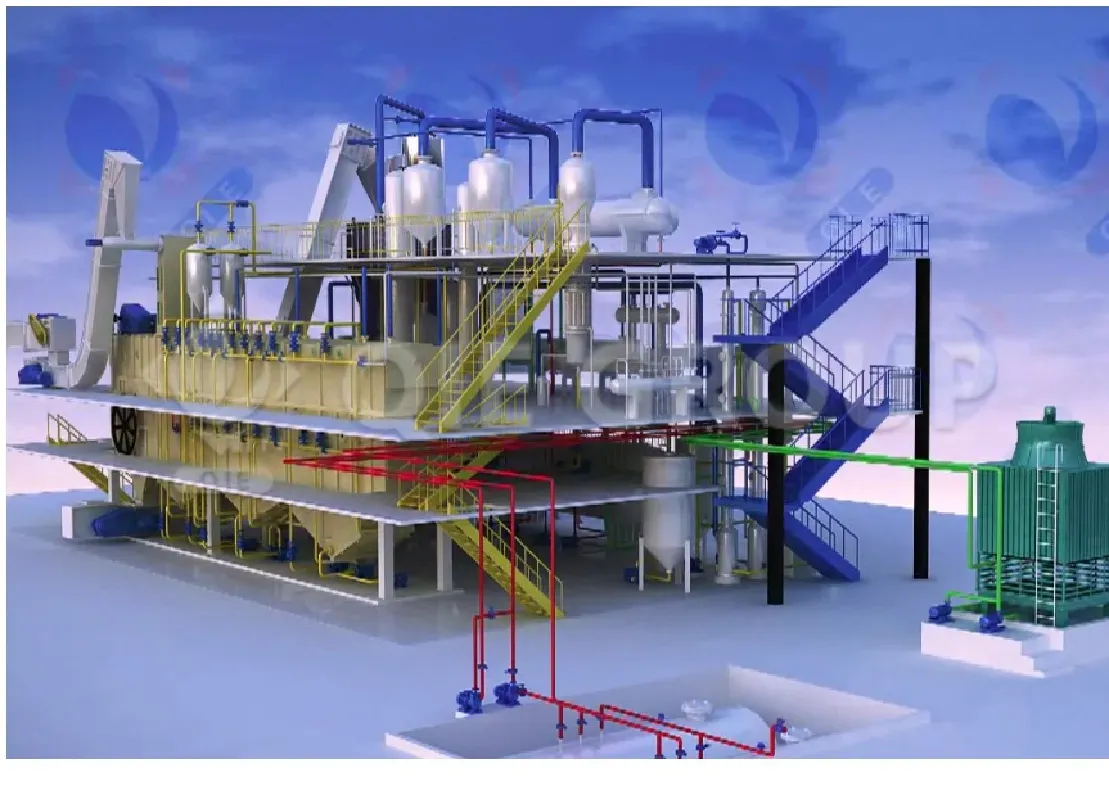
Oilseeds with relatively high oil content generally contain enough free oil to make mechanical extraction economically attractive. In these cases, screw pressing can achieve efficient oil recovery while maintaining a simpler plant structure.
Typical high-oil materials include:
- Sunflower seed
- Peanut
- Sesame
- Rapeseed
- Palm kernel
- Copra
For these raw materials, mechanical pressing is commonly selected because it requires fewer auxiliary systems compared with solvent extraction and is easier to operate for small and medium-scale production.
Mechanical pressing is generally suitable when:
- The oilseed has relatively high oil content
- The plant capacity is small or medium
- Premium edible oil quality is required
- A simpler production system is preferred
- Solvent use is not desired
However, mechanical pressing does not mean that pretreatment can be ignored. Cleaning, crushing, flaking, cooking, and conditioning all influence oil release and final recovery.
Poor raw material preparation may lead to:
- Lower pressing efficiency
- Higher residual oil in cake
- Increased energy consumption
- Greater equipment wear
- Unstable oil quality
Therefore, pretreatment should be considered an important part of the overall vegetable oil processing technology, rather than an independent production step.
Low-Oil Oilseeds Usually Require Solvent Extraction
Some oilseeds contain lower amounts of easily recoverable oil. When mechanical pressing is used alone, a significant amount of oil may remain in the meal, reducing overall economic performance.
Typical examples include:
- Soybean
- Rice bran
- Cottonseed
- Corn germ
For these materials, solvent extraction is often selected because it can recover oil remaining after proper preparation of the oilseed material.
Compared with mechanical pressing alone, solvent extraction provides:
- Higher total oil recovery
- Lower residual oil content in meal
- Better economic performance for large-scale plants
- Stable continuous production
Modern extraction systems can achieve very low residual oil levels in meal when raw material quality and process control are properly managed.
However, solvent extraction requires more complex systems, including:
- Flaking and conditioning equipment
- Extraction equipment
- Desolventizing systems
- Solvent recovery units
- Safety and environmental control systems
Because of the higher investment and technical requirements, solvent extraction is usually more suitable for medium and large commercial oil processing plants.
Oilseed Structure Also Determines the Required Pretreatment
Oil content alone cannot determine the correct oil extraction technology. The physical structure of the oilseed also affects how efficiently oil can be released.
Different oilseeds require different preparation methods:
| Oilseed | Typical Pretreatment |
|---|---|
| Soybean | Cleaning → Cracking → Dehulling → Flaking → Conditioning |
| Sunflower seed | Cleaning → Optional dehulling → Flaking |
| Peanut | Shelling → Cleaning → Cooking |
| Sesame | Cleaning → Roasting (for specific flavor requirements) |
| Cottonseed | Delinting → Dehulling → Flaking |
| Palm kernel | Cracking → Kernel separation → Drying |
Proper pretreatment increases the contact area between oil-bearing cells and the extraction process, improving oil recovery and reducing energy consumption.
For example, flaking improves solvent penetration in extraction plants, while conditioning improves oil release during mechanical pressing.
Therefore, when selecting an edible oil processing technology, pretreatment design should be evaluated together with the main extraction method.
Engineering Recommendation Before Selecting Technology
Before finalizing an oil processing plant design, investors should collect the following raw material information:
- Oil content
- Moisture content
- Impurity level
- Fiber or shell percentage
- Daily processing capacity
- Required oil quality
- Intended use of meal
These parameters provide the engineering foundation for selecting between:
- Mechanical pressing
- Solvent extraction
- Pre-press solvent extraction
- Cold pressing
A correct evaluation at the beginning of the project can prevent technology mismatches and reduce future operating problems.
Step 2. Match Oil Processing Technology to Different Oilseeds
After evaluating the raw material characteristics, the next step is matching the oilseed with the most suitable oil processing technology. There is no single processing route that can achieve the best results for every oilseed.
The optimal solution depends on balancing:
- Oil recovery
- Product quality requirements
- Production capacity
- Investment level
- Operating cost
- Future expansion plans
A process that performs well for soybean may not provide the same economic advantages for sesame or sunflower seed. Therefore, technology selection should always start from the raw material and project objectives.
| Oilseed | Recommended Technology | Main Reason | Typical Application |
|---|---|---|---|
| Soybean | Solvent Extraction / Mechanical Pressing (depending on target) | Low oil content but high meal value | Medium to large plants |
| Sunflower Seed | Mechanical Pressing or Pre-press Extraction | High oil content and flexible processing options | Small to large plants |
| Peanut | Mechanical Pressing | Maintains oil quality and natural flavor | Small to medium plants |
| Rapeseed | Pre-press + Solvent Extraction or Pressing | Balances recovery and efficiency | Medium to large plants |
| Sesame | Cold Pressing or Hot Pressing | Depends on flavor and product positioning | Premium oil production |
| Cottonseed | Pre-press + Solvent Extraction | Improves oil recovery from complex raw material | Large plants |
| Rice Bran | Solvent Extraction | Requires rapid recovery due to oil deterioration | Commercial plants |
| Palm Kernel | Mechanical Pressing | Suitable for high oil content and kernel structure | Medium plants |
This comparison shows that choosing the right vegetable oil processing technology is not only a technical decision but also a business decision. The selected process should match the available raw material, expected production scale, and target market.
Mechanical Pressing Is Suitable for High-Oil Oilseeds
Mechanical pressing is one of the most widely used oil extraction technologies for high-oil materials.
A screw oil press extracts oil through continuous mechanical pressure without chemical solvents. Compared with solvent extraction, this process requires fewer supporting systems and usually has a simpler plant layout.
Mechanical pressing is commonly selected when:
- The oilseed contains sufficient oil content
- Production capacity is small or medium
- Lower initial investment is preferred
- Simple operation and maintenance are important
- Premium edible oil quality is targeted
Typical applications include:
- Sunflower oil plants
- Peanut oil plants
- Sesame oil plants
- Palm kernel oil plants
- Small and medium rapeseed oil plants
For example, sunflower seed and rapeseed contain relatively high oil content, making mechanical pressing or pre-press processing suitable choices when investors prioritize stable operation and reasonable investment.
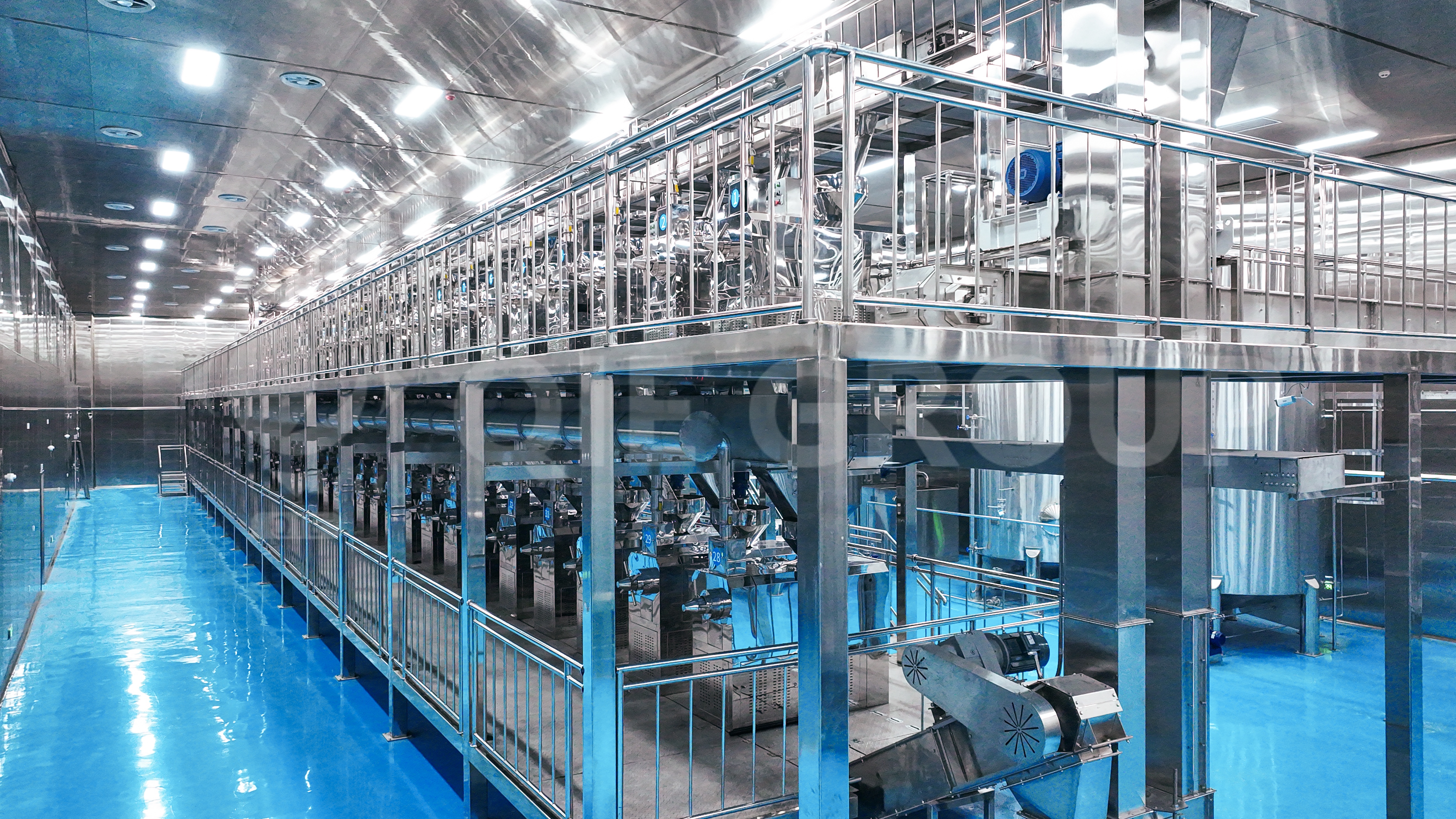
Project Example: 500TPD Rapeseed and Sunflower Seed Pressing Project
A commercial project demonstrates how raw material characteristics influence oil processing technology selection.
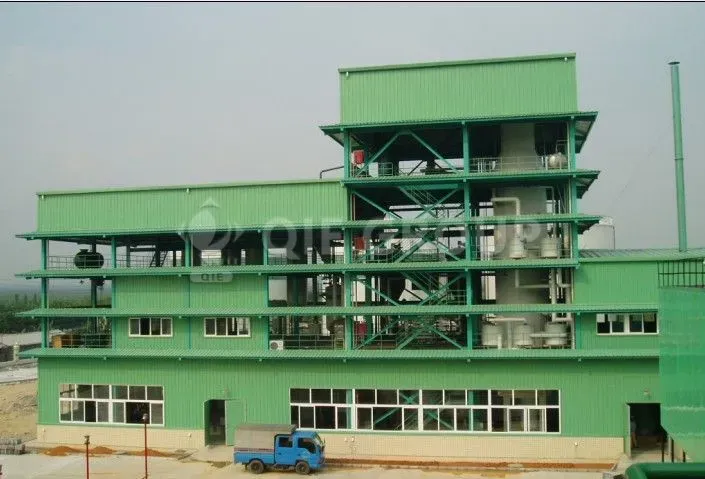
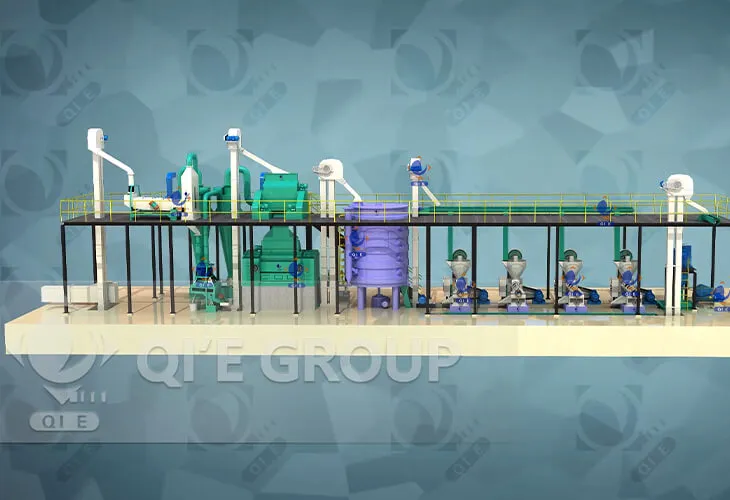
For a 500TPD rapeseed and sunflower seed processing project, the production line was designed around the characteristics of both oilseeds. The project included raw material preparation, pressing, oil separation, and meal processing systems, with a focus on stable production and efficient oil recovery.
The pretreatment system included:
- Screening
- Crushing
- Conditioning
- Drying
These processes helped achieve suitable particle size and moisture conditions before pressing.
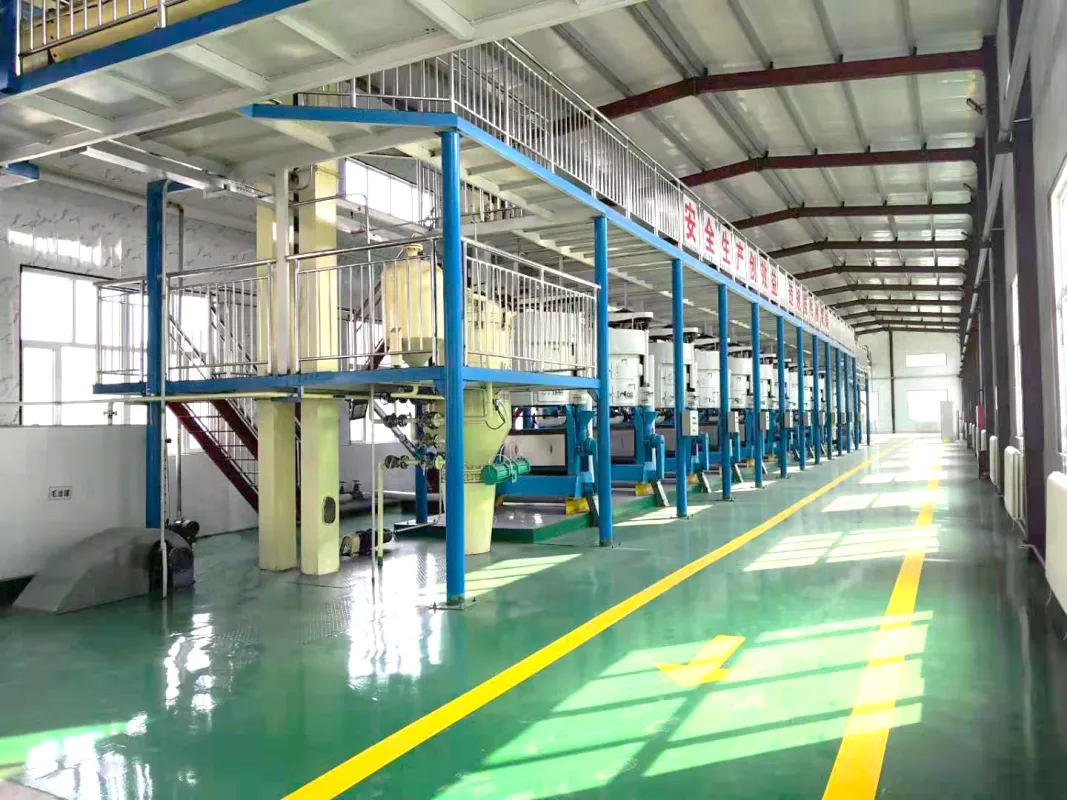
The pressing section used high-performance screw presses designed to handle different oil characteristics of rapeseed and sunflower seed. The system achieved stable operation with high oil recovery and low oil content in press cake.
This project shows that even when different oilseeds use the same general processing route, the pretreatment and equipment configuration must be adjusted according to the raw material properties.

Solvent Extraction Maximizes Recovery from Low-Oil Materials
For low-oil materials such as soybean and rice bran, solvent extraction is often preferred because it can recover more oil from prepared flakes compared with mechanical pressing alone.
The basic principle is:
- Oilseed preparation creates suitable material structure.
- Extraction removes remaining oil from the prepared material.
- Desolventizing and recovery systems separate solvent from meal and oil.
Compared with pressing-only systems, solvent extraction provides:
- Higher overall oil recovery
- Lower residual oil in meal
- Better utilization of raw materials
- More economical operation at large scale
However, solvent extraction requires higher technical requirements, including:
- Flaking systems
- Extraction units
- Solvent recovery equipment
- Desolventizing systems
- Safety control systems
Therefore, solvent extraction is generally more suitable for projects where production volume can justify the additional investment.
Project Example: 400TPD Soybean Mechanical Pressing Project
Although soybean is commonly associated with large-scale solvent extraction, actual project selection depends on the customer's product strategy, investment objectives, and operating requirements.
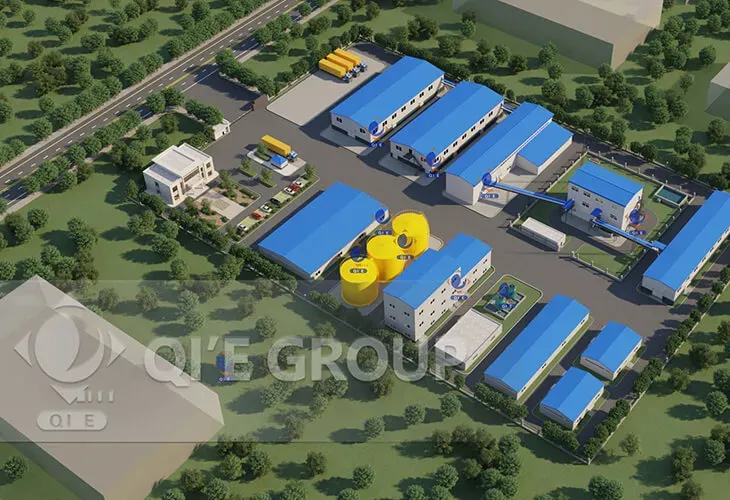
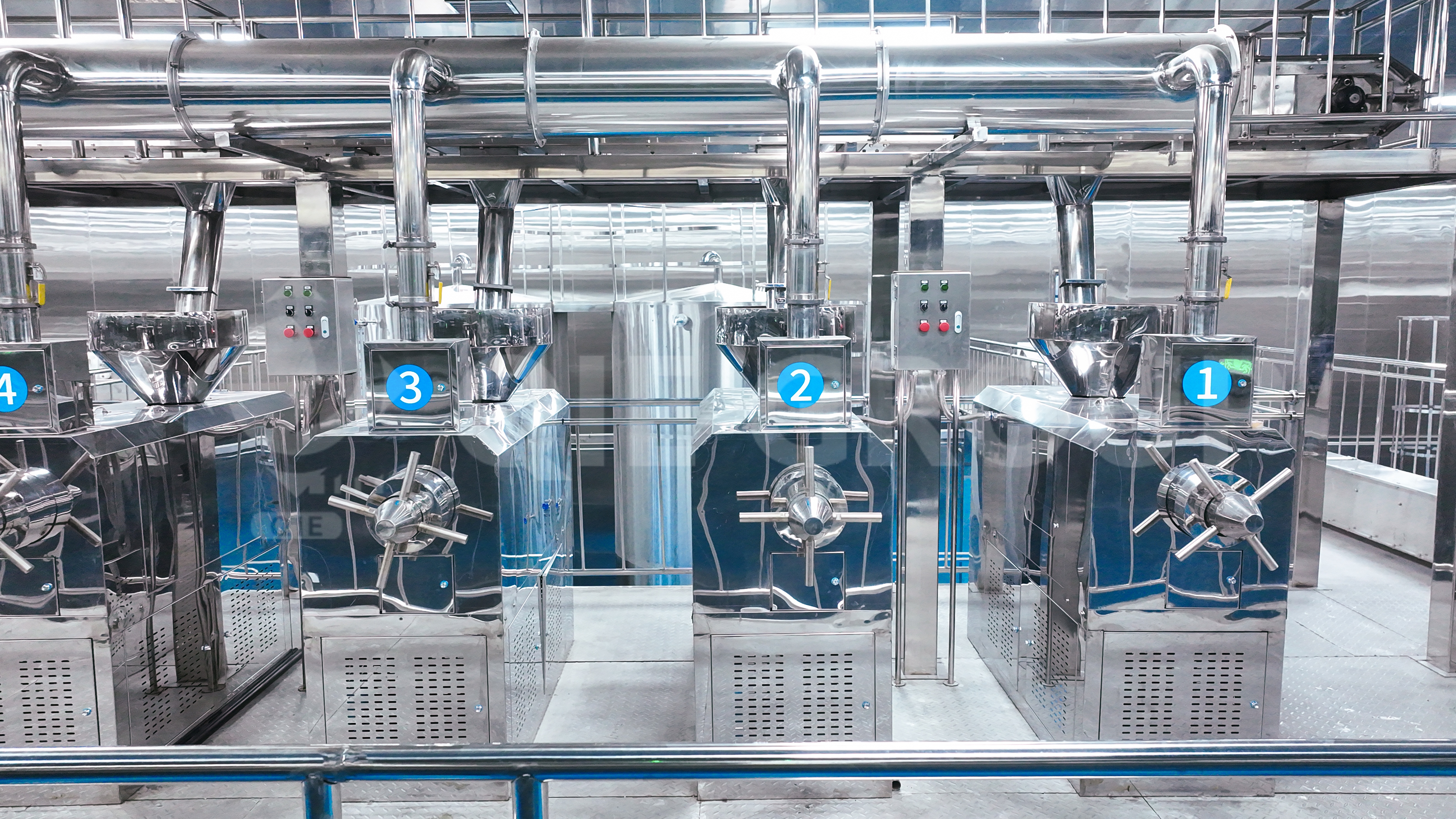
A 400TPD soybean oil processing project demonstrates that mechanical pressing can also be selected when investors prefer a simpler production route and stable operation. The project integrated soybean storage, pressing, crude oil hydration drying, and oil storage systems to create a complete soybean oil production line.
The project included:
- Two 1,000-ton soybean storage silos
- 400TPD soybean pressing production line
- 20TPD crude oil hydration drying system
- Multiple oil storage tanks
The pressing system used 56 screw presses to achieve continuous soybean processing, providing stable oil recovery and production capacity.
The project also included hydration drying treatment to improve crude oil quality before further processing or storage.
This example highlights an important engineering principle:
The best oil processing technology is not determined only by the oilseed itself, but by the relationship between raw material characteristics, product requirements, and project objectives.
Pre-press Solvent Extraction Combines Both Advantages
For many commercial oil plants, pre-press solvent extraction provides a balance between investment and oil recovery.
This technology combines:
- Mechanical pressing to remove most free oil.
- Solvent extraction to recover remaining oil from press cake.
It is commonly applied to:
- Rapeseed
- Sunflower seed
- Cottonseed
- Some large-scale soybean projects
The main advantages include:
- Higher oil recovery than pressing alone
- Lower solvent consumption than full extraction
- Reduced extraction load
- Better economic performance for large plants
For production capacities above approximately 200TPD, this integrated solution often becomes more attractive because the additional investment can be compensated by improved recovery and lower operating costs.
Step 3. Select Oil Processing Technology Based on Capacity, Investment, and Product Requirements
Even when processing the same oilseed, the most suitable oil processing technology may vary depending on production capacity, investment strategy, and final product positioning.
For example, a small sunflower oil plant and a large industrial sunflower processing facility may use different process configurations. The difference is not only related to equipment size but also involves:
- Oil recovery target
- Automation level
- Energy consumption
- Labor requirements
- Product quality requirements
- Long-term operating cost
Therefore, technology selection should consider the entire production system rather than focusing only on individual machines.
Match Processing Technology with Plant Capacity
Production capacity is one of the most important factors affecting the selection of edible oil processing technology.
As capacity increases, technologies that provide higher oil recovery and continuous operation usually become more economical.
| Daily Processing Capacity | Recommended Technology | Typical Application |
|---|---|---|
| Below 30 TPD | Mechanical Pressing | Small commercial oil plants |
| 30–100 TPD | Mechanical Pressing or Cold Pressing | Medium-scale edible oil production |
| 100–200 TPD | Mechanical Pressing or Pre-press Extraction | Growing commercial plants |
| 200–500 TPD | Pre-press + Solvent Extraction | Large industrial oil plants |
| Above 500 TPD | Continuous Extraction + Refining | Integrated large-scale facilities |
For smaller projects, solvent extraction may increase investment requirements without providing sufficient economic advantages.
However, for large-scale plants, relying only on mechanical pressing may result in higher residual oil losses and lower overall profitability.
Therefore, the selected oil extraction technology should match the expected production scale.
Balance Initial Investment and Long-Term Operating Cost
Many investors focus mainly on equipment purchase price when planning an oil processing plant. However, the lowest initial investment does not always mean the lowest production cost.
Different technologies have different economic characteristics.
Mechanical Pressing
Advantages:
- Lower initial investment
- Simpler plant structure
- Easier operation and maintenance
- Lower technical requirements
Limitations:
- Lower oil recovery compared with extraction systems
- Higher residual oil in press cake
Suitable for:
- Small and medium plants
- Premium edible oil production
- Projects prioritizing simple operation
Solvent Extraction
Advantages:
- Higher oil recovery
- Lower residual oil content
- Better economics for large-scale production
- Suitable for continuous operation
Limitations:
- Higher capital investment
- More complex safety and environmental systems
Suitable for:
- Soybean plants
- Rice bran plants
- Large commercial oil mills
Pre-press Solvent Extraction
Advantages:
- Combines mechanical pressing and extraction
- Improves total oil recovery
- Reduces extraction load
- Provides better large-scale economics
Suitable for:
- Rapeseed
- Sunflower seed
- Cottonseed
- Large soybean projects
The final decision should be based on total cost of ownership rather than equipment price alone.
Product Quality Requirements Influence Technology Selection
The required final product quality also affects the choice of vegetable oil processing technology.
Different markets have different expectations for oil characteristics.
Premium Edible Oils
Examples:
- Cold-pressed sesame oil
- Specialty peanut oil
- Flaxseed oil
- Walnut oil
Main priorities:
- Natural flavor retention
- Nutritional value
- Lower thermal impact
Recommended technologies:
- Cold pressing
- Low-temperature processing
- Gentle filtration
Conventional Refined Edible Oils
Examples:
- Soybean oil
- Sunflower oil
- Rapeseed oil
- Cottonseed oil
Main priorities:
- Stable production
- High efficiency
- Consistent quality
- Large-scale output
Recommended technologies:
- Mechanical pressing
- Pre-press solvent extraction
- Continuous refining systems
Therefore, product positioning should be determined before finalizing the processing route.
Project Example: 500TPD Flaxseed Hot and Cold Pressing Project
Premium oil products often require a different technology selection approach because quality characteristics may be as important as production efficiency.
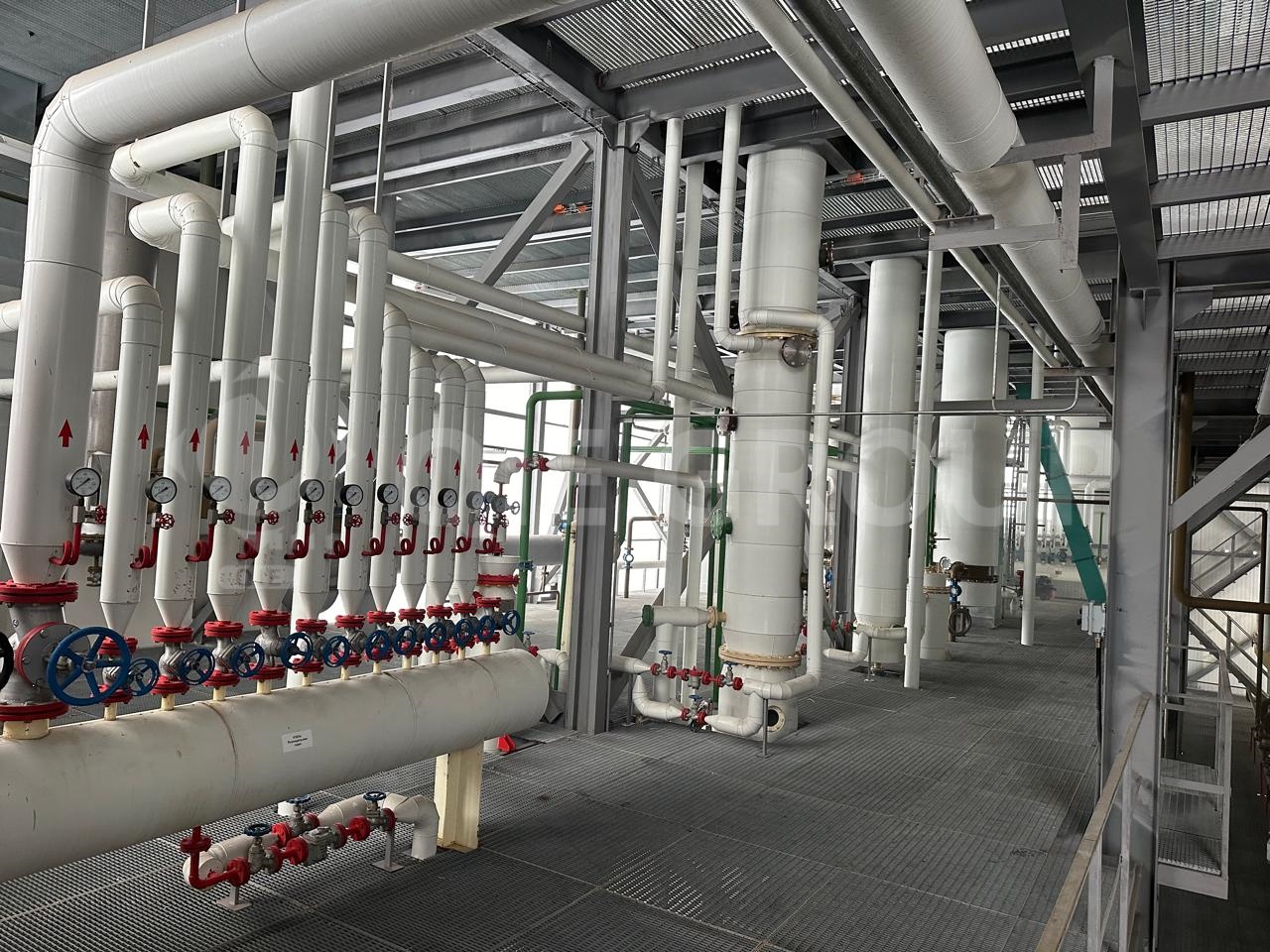
A 500TPD flaxseed oil processing project demonstrates how product positioning influences oil processing technology selection.
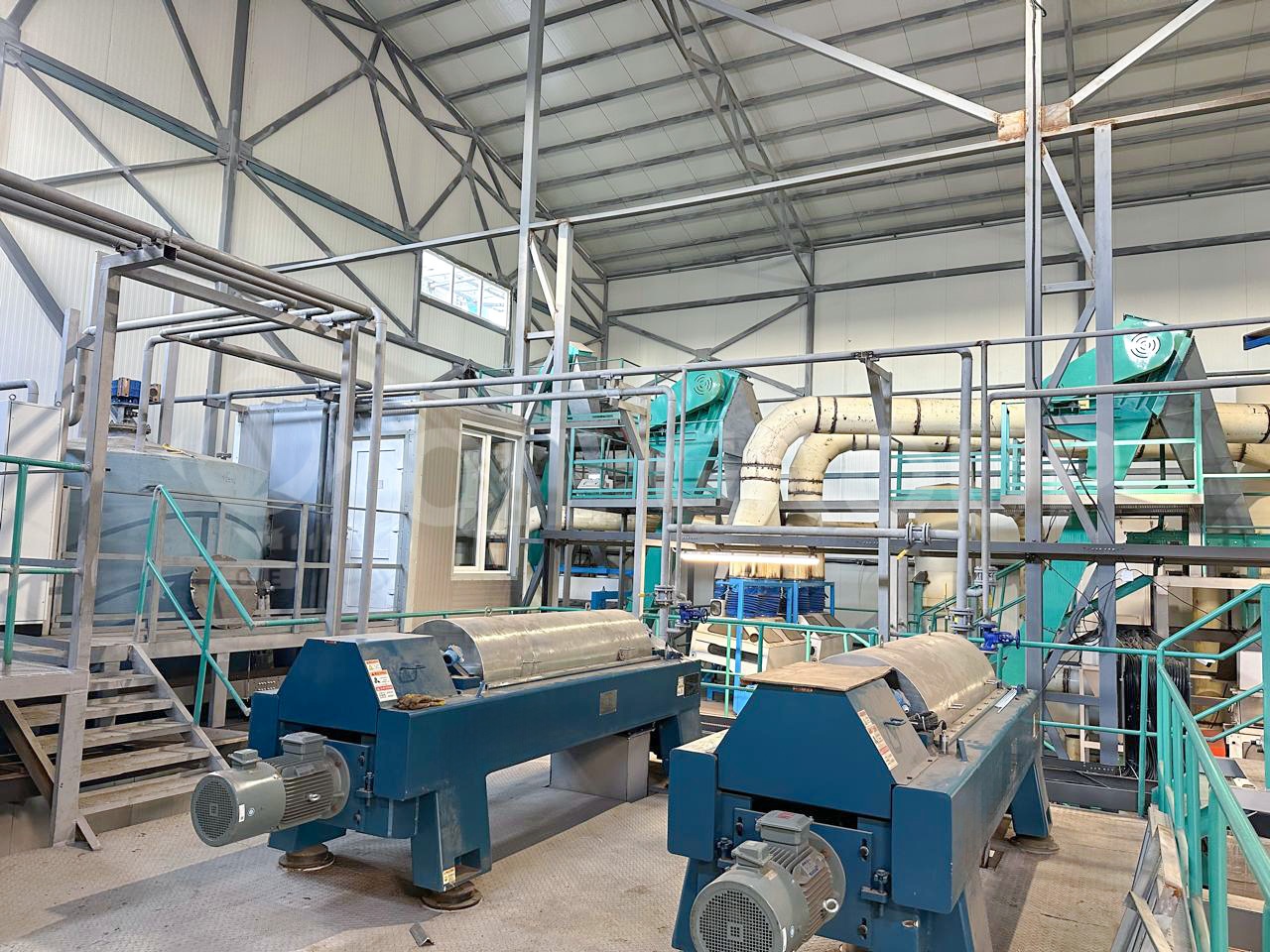
The project was designed with both hot pressing and cold pressing production lines, including a 200TPD hot pressing line and a 300TPD cold pressing line. This configuration allowed the customer to balance production efficiency and premium oil quality requirements.
The project included:
- Flaxseed cleaning and preparation
- Crushing system
- Conditioning equipment
- Hot pressing system
- Low-temperature cold pressing system
- Oil residue handling and storage facilities
The cold pressing section used controlled low-temperature processing to preserve natural flavor and nutritional characteristics, while the hot pressing section focused on improving production efficiency and oil recovery.
This project demonstrates that selecting the right oil extraction technology requires considering both technical performance and final market requirements.
Consider Future Expansion During Technology Selection
Many investors consider only current production requirements and overlook future expansion possibilities.
A well-designed oil processing plant should reserve flexibility for future upgrades, including:
- Additional pressing capacity
- Larger storage systems
- Expanded refining sections
- Increased utility capacity
- Additional processing lines
A modular plant layout can reduce future modification costs and minimize production interruptions.
However, expansion planning should not lead to oversized equipment selection. The initial design should still match realistic raw material availability and market demand.
Common Mistakes When Choosing Oil Processing Technology
Selecting the wrong processing route can reduce production efficiency and increase operating costs.
The following mistakes are commonly observed in commercial projects.
| Common Mistake | Potential Problem | Recommended Approach |
|---|---|---|
| Choosing technology only by equipment price | Higher long-term operating cost | Evaluate total lifecycle cost |
| Ignoring oilseed characteristics | Lower oil recovery | Analyze raw material properties first |
| Selecting oversized equipment | Higher investment and lower utilization | Match capacity with market demand |
| Focusing only on oil yield | Poor product positioning | Balance recovery and quality |
| Ignoring pretreatment design | Unstable operation | Design preparation systems according to material characteristics |
| No future expansion planning | Expensive modifications later | Reserve upgrade flexibility |
The purpose of technology selection is not simply choosing a machine configuration. It is creating a complete production solution that matches raw materials, capacity, quality targets, and business objectives.
How Technology Selection Influences Long-Term Plant Performance
The performance of an oil processing plant depends on how well the selected technology matches actual production conditions.
A suitable process design can improve:
- Oil recovery
- Energy efficiency
- Production stability
- Product consistency
- Equipment service life
In contrast, an unsuitable technology choice may create problems that cannot be fully solved by upgrading individual machines later.
For example:
- Poor pretreatment cannot always be corrected by adding a larger press.
- Incorrect capacity planning cannot be solved only through automation upgrades.
- Unsuitable extraction methods may reduce overall economic performance.
Therefore, engineering evaluation should consider the complete system:
Raw material → Pretreatment → Extraction → Oil treatment → Final product requirements
This integrated approach is the foundation of successful edible oil processing technology selection.
Conclusion: Selecting the Right Oil Processing Technology Requires a Complete Engineering Evaluation
Choosing the right oil processing technology is not simply about selecting the most advanced equipment or the process with the highest theoretical oil recovery. The correct solution depends on the relationship between raw material characteristics, production capacity, investment objectives, and final product requirements.
Different oilseeds require different processing approaches:
- Soybean and other low-oil materials often require solvent extraction or integrated processing solutions to maximize recovery.
- Sunflower seed, rapeseed, peanut, and other high-oil materials are often suitable for mechanical pressing or pre-press extraction.
- Premium oils such as flaxseed and sesame oil may require cold pressing or specialized processing to maintain product quality.
A successful oil processing project begins with understanding the raw material and selecting a suitable edible oil processing technology based on actual production goals.
For investors planning a new oil plant, the key evaluation factors should include:
- Available oilseed resources
- Expected daily capacity
- Target oil quality
- Meal utilization requirements
- Energy consumption
- Investment budget
- Future expansion potential
By matching the correct vegetable oil processing technology with project conditions, investors can achieve more stable production, better resource utilization, and improved long-term operating performance.
QIE GROUP provides engineering solutions based on different oilseed characteristics, including process design, equipment configuration, manufacturing, installation guidance, and commissioning support. Through professional evaluation of raw materials and production requirements, each project can be developed with a processing route suitable for its specific market and operational objectives.
Frequently Asked Questions About Oil Processing Technology
1. What factors determine the selection of oil processing technology?
The selection of oil processing technology mainly depends on oilseed characteristics, oil content, production capacity, product requirements, and investment objectives.
Important factors include:
- Oil content of raw materials
- Seed structure and hardness
- Required oil quality
- Production scale
- Operating cost considerations
A technology suitable for one oilseed may not be suitable for another.
2. Is mechanical pressing better than solvent extraction?
Neither technology is universally better. The suitable choice depends on the project conditions.
Mechanical pressing is usually preferred when:
- The oilseed has high oil content
- The plant capacity is moderate
- Simple operation is important
- Premium oil quality is targeted
Solvent extraction is generally selected when:
- Large-scale production is required
- Maximum oil recovery is important
- Raw materials have lower oil content
The correct oil extraction technology should balance investment, recovery rate, and operating requirements.
3. Which oilseeds are suitable for mechanical pressing?
Common oilseeds suitable for mechanical pressing include:
- Sunflower seed
- Peanut
- Sesame
- Rapeseed
- Palm kernel
- Flaxseed
However, the final process design should still consider pretreatment requirements and production objectives.
4. Why is pretreatment important in vegetable oil processing?
Pretreatment directly affects oil release efficiency and equipment performance.
Typical pretreatment processes include:
- Cleaning
- Crushing
- Flaking
- Conditioning
- Drying
Proper preparation improves:
- Oil recovery
- Pressing efficiency
- Extraction performance
- Production stability
Therefore, pretreatment is an essential part of modern vegetable oil processing technology.
5. How should investors choose the capacity of an oil processing plant?
Plant capacity should be determined based on:
- Local oilseed supply
- Market demand
- Available investment
- Expected production volume
- Future expansion plans
Oversized plants may increase investment pressure, while undersized plants may limit profitability.
A feasibility evaluation should be completed before selecting equipment capacity.
Final Engineering Checklist Before Selecting Oil Processing Technology
Before starting an oil processing project, investors should confirm:
Raw Material Evaluation
✓ What oilseed will be processed?
✓ What is the average oil content?
✓ Are seasonal supply fluctuations expected?
✓ Are shells, fiber, or impurities significant?
Technology Selection
✓ Is mechanical pressing sufficient?
✓ Is solvent extraction required?
✓ Is pre-press extraction more economical?
✓ Is cold pressing needed for premium products?
Plant Design
✓ Does the capacity match market demand?
✓ Are utilities sufficient?
✓ Is future expansion possible?
✓ Are environmental and safety requirements considered?
Production Goals
✓ What oil quality is required?
✓ How will meal be utilized?
✓ What recovery level is economically acceptable?
A properly selected oil processing technology provides the foundation for efficient plant operation. By evaluating oilseed characteristics, production requirements, and business objectives together, investors can develop a processing solution that delivers stable performance and long-term value.