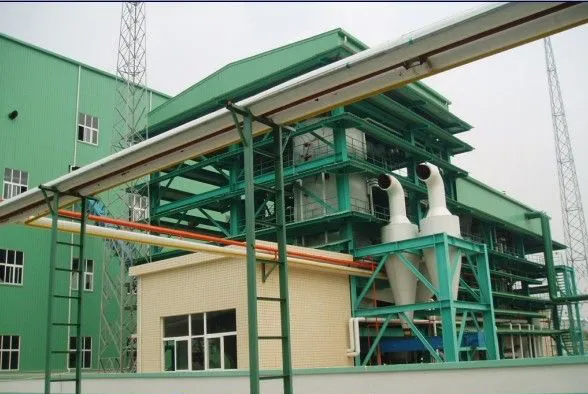
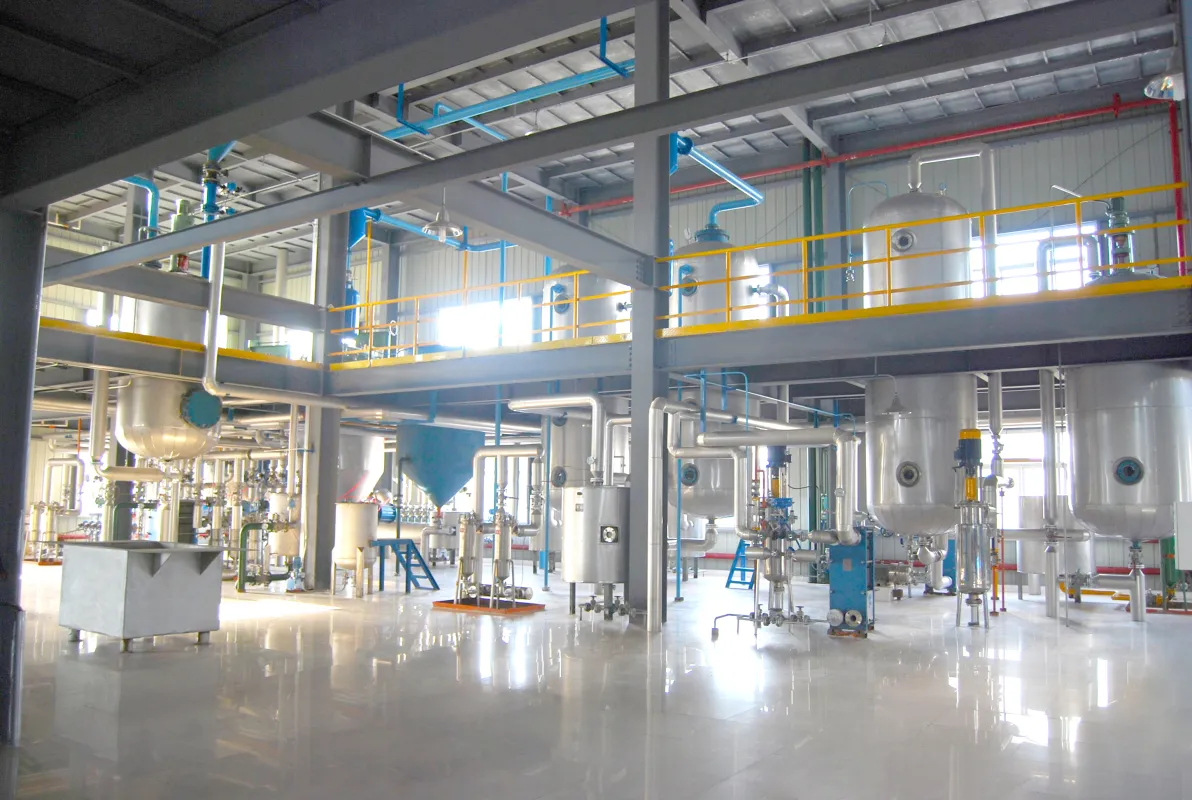
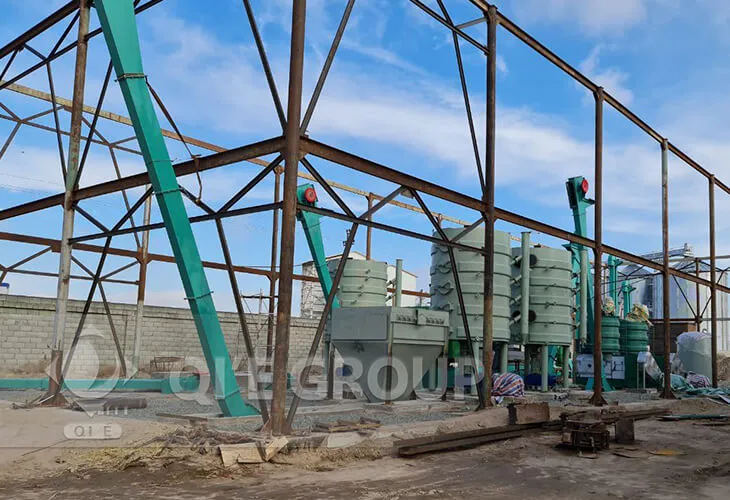
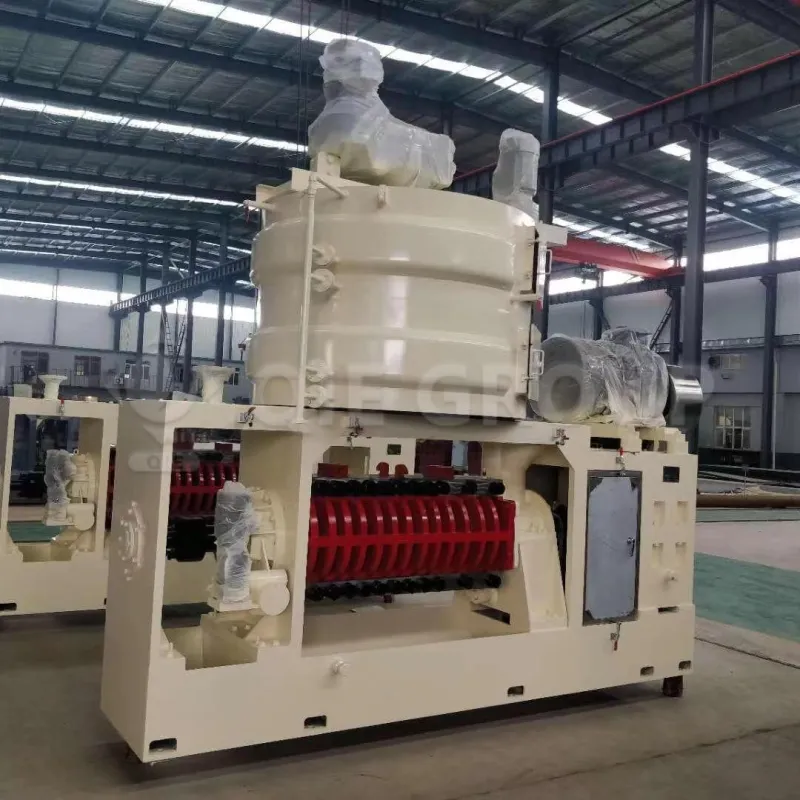
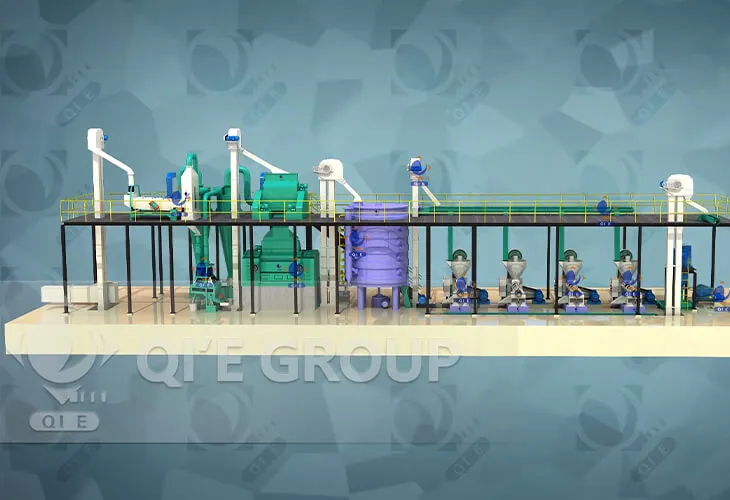
The right rice bran oil plant capacity depends on dependable rice bran supply, target oil output, extraction technology, and available operating hours. To select the appropriate capacity, calculate the quantity of bran that can be processed consistently, estimate recoverable oil, and match the throughput of the entire processing line.
Rice bran oil plant capacity is normally expressed in metric tons of rice bran processed per day (TPD), not tons of oil produced. The design must also account for bran oil content, free fatty acid (FFA) levels, stabilization requirements, and the selected extraction method. These factors determine the equipment configuration and the realistic production rate.
Start with the quantity of rice bran that can be delivered consistently, rather than the total paddy rice output in the region.
Check four factors:
Rice bran requires particular attention because lipase activity can rapidly increase FFA after milling. A 2023 review of rice bran stabilization research explains how milling exposes the oil to enzymes that accelerate deterioration. A 2024 review in Foods also identifies delayed stabilization as a factor affecting rice bran oil quality.
Capacity decision: Base the plant size on dependable daily supply and the practical ability to stabilize and process the bran. A larger design capacity is not useful if sufficient suitable raw material cannot be delivered consistently.
Calculate the required hourly throughput before selecting the equipment.
Hourly throughput = Daily bran requirement ÷ Effective operating hours per day
For example, if the plant must process 60 tons of rice bran per day and has 10 effective processing hours, the required average throughput is 6 tons per hour.
This is a preliminary sizing calculation. The final rated capacity must allow for planned downtime, cleaning, maintenance, and process limitations. If 10 hours represents scheduled time rather than effective processing time, the calculation must be adjusted.
Next, estimate crude oil output:
Crude oil output = Bran throughput × Recoverable oil yield
For illustration, a 50 TPD plant operating at an assumed recoverable oil yield of 12% would produce approximately 6 tons of crude oil per day. The 12% figure is an example assumption, not a guaranteed rice bran oil yield. Actual output depends on the incoming bran, pretreatment, extraction method, and operating performance.
Rice bran oil literature reports a broad range of oil content, commonly around 15–25% by weight, while the proportion actually recovered depends on the process. A 2026 critical review reports typical mechanical pressing yields of approximately 8–10% from bran, with around 7–8% residual oil in the cake under the conditions summarized. These figures are indicative literature values, not equipment guarantees.
Capacity decision: Keep three figures separate: raw bran throughput, theoretical oil content, and recoverable crude oil output. Use representative raw material tests and process-specific performance data for the final design.
The extraction method changes oil recovery, equipment requirements, and operating complexity. Select the process before confirming the final plant capacity and equipment list.
| Factor | Mechanical pressing | Solvent extraction |
|---|---|---|
| Main equipment | Conditioner, screw press, crude oil filter | Bran preparation equipment, extractor, solvent recovery system |
| Oil recovery | Depends on press configuration and operating conditions | Can recover more of the oil remaining in prepared bran |
| Residual oil | Generally higher in press cake | Can be lower in defatted meal |
| Design priorities | Feed conditioning, press throughput, cake residual oil | Extraction performance, solvent recovery, process safety |
| Capacity assessment | Match preparation and pressing capacity | Match preparation, extraction, recovery, and meal handling capacity |
A 2026 critical review reports solvent extraction recovery above 95% under the conditions summarized, with less than 1% residual oil in defatted meal. These values describe reported process performance and should not be treated as guaranteed results for every industrial plant.
For larger integrated operations, pre-pressing followed by solvent extraction may also be evaluated. The decision should account for additional oil recovery, equipment investment, energy requirements, solvent handling, and operating complexity.
Capacity decision: Compare the expected additional oil recovery with the extra equipment and operating requirements. Do not select a process solely because it offers a higher reported extraction yield.
The effective plant capacity is limited by the section that cannot maintain the required throughput. A high-capacity extractor cannot compensate for insufficient bran preparation or downstream handling.
| Process section | Equipment to evaluate | Capacity check |
|---|---|---|
| Bran receiving | Receiving hopper, conveyors, storage bins | Can the system handle incoming deliveries and feed the line consistently? |
| Stabilization and preparation | Stabilizer, dryer, conditioner, preparation equipment | Can it treat the required bran flow while meeting process requirements? |
| Oil Extraction | Screw press or solvent extraction system | Does its rated throughput match the prepared feed and target recovery? |
| Oil clarification | Settling tanks, filters, clarification equipment | Can the system handle the crude oil flow and solids load? |
| Meal handling | Conveyors, coolers, storage equipment | Can it handle the meal output without interrupting extraction? |
| Solvent recovery, if applicable | Evaporation, stripping, and recovery equipment | Can the system handle the required solvent circulation and process load? |
Utilities and supporting systems must also be checked against the selected process, including electricity, heating, cooling, ventilation, and solvent safety systems where applicable.
Before approving the equipment list, compare each section's rated capacity with the required hourly throughput under the expected raw material conditions. Confirm whether the stated capacity is based on raw bran input, prepared feed, or another operating basis.
Capacity decision: Evaluate the entire processing line as one system. The nominal capacity of an individual machine does not establish the actual production capacity of the plant.
Before finalizing rice bran oil plant capacity, confirm these four inputs:
If future supply is expected to increase, assess expansion options before installation. Check available floor space, utility capacity, equipment interfaces, and whether additional equipment can be integrated without creating a new bottleneck.
The appropriate rice bran oil plant capacity is the one that matches reliable raw material supply, realistic oil recovery, and the capacity of the complete processing line—not simply the largest available machine.
Author: QIE GROUP Process Engineer
Engineering Insight — QIE GROUP Engineering Team: When reviewing a capacity proposal, check the stabilization and preparation section alongside the extraction machine. Stable feed quality and sufficient preparation capacity are necessary for the extraction section to operate at its intended throughput.
It is generally measured in metric tons of rice bran processed per day (TPD). Crude oil output is calculated separately based on recoverable oil yield.
Divide the daily bran requirement by the effective processing hours per day to estimate the required hourly throughput. Then account for downtime, cleaning, maintenance, and equipment limitations when specifying rated capacity.
Oil output depends on the bran's oil content, stabilization and preparation, extraction method, residual oil in the meal or cake, and actual operating performance.
Mechanical pressing may suit operations prioritizing simpler solvent-free extraction. Solvent extraction can recover more residual oil but requires additional equipment, solvent recovery, and safety controls. The decision depends on the project scale and operating requirements.
The effective capacity depends on the throughput of bran preparation, extraction, oil clarification, meal handling, and supporting systems. The lowest-capacity or most constrained section can limit the entire line.
Contact QIE GROUP to discuss your rice bran supply, processing capacity, extraction method, and equipment configuration.
Contact QIE GROUP Edible Oil Extraction Lines 2026 Machinery for 10–100 t/h Edible Oil Extraction Lines 2026 Machinery and Pricing for 10–100 t/h Edible Oil Extraction Lines 2026 Pricing for 10–100 t/h Edible Oil Extraction Lines Machinery and Pricing for 10–100 t/h Edible Oil Extraction Lines
300 TPD Soybean Solvent Extraction Plant Turnkey Soybean Oil Extraction and Refinery Project in Egypt 300 TPD Soybean Pretreatment and Leaching Production Line High Yield 60 TPD Soybean Cooking Oil Refining Machinery
Copra Oil Extraction Plant 100 TPD Copra Oil Mill Project in Indonesia Copra Oil Extraction Line Commissioning Case
lifespan of soybean oil production line Average service life of edible oil refineries Factors affecting the mechanical durability of soybean oil extraction Maintenance techniques to extend the operating time of soybean oil plants
Soybean Oil Processing Plant EPC Turnkey Solutions for Soybean Oil Production How to Convert Soybeans into Edible Oil Process Industrial Soybean Oil Extraction Plant Cost and Design