.png?x-oss-process=image/resize,h_100,m_lfit/format,webp)
.png?x-oss-process=image/resize,h_100,m_lfit/format,webp)
.png?x-oss-process=image/resize,h_100,m_lfit/format,webp)
The optimal edible oil processing plant capacity is typically determined by four factors: available raw material supply, projected market demand, investment budget, and expected plant utilization rates. In most cases, investors should first estimate the amount of oilseeds that can be sourced annually, evaluate realistic sales volumes, and then select a production scale capable of operating at approximately 80–90% capacity utilization.
For many new processors, facilities between 10 and 50 TPD can support commercial production while maintaining manageable investment levels. Larger plants are generally more suitable when stable raw material procurement channels and established sales networks are already in place.
Rather than treating capacity selection as an equipment purchasing decision, investors should approach it as a long-term business planning exercise. A properly sized facility can improve operating efficiency, reduce idle assets, and provide greater flexibility for future expansion.
Quick Capacity Estimation Formula
For preliminary project evaluation, investors can use a simple formula to estimate a suitable processing capacity before conducting a detailed feasibility study.
For example:
- Annual soybean availability: 16,500 tons
- Planned operating days: 330 days per year
16,500 ÷ 330 = 50 TPD
This calculation provides a useful starting point for edible oil plant capacity selection. However, the final capacity decision should also consider market demand, investment budget, utilization rates, and future expansion plans.
How Much Raw Material Can You Secure Each Year?
Raw material availability is usually the most important factor in determining how to determine edible oil processing capacity. Even a well-designed processing plant may struggle to achieve targeted utilization rates if oilseed supply is inconsistent or heavily seasonal.
According to the Food and Agriculture Organization (FAO), global soybean production exceeded 420 million metric tons during the 2025/26 marketing year, while worldwide sunflower seed production approached 57 million metric tons. Sesame seed production was estimated at more than 6.7 million metric tons in 2023, with East Africa remaining an important production region. These figures highlight the significant differences in feedstock availability among oil-bearing crops and production regions.
Industry studies suggest that raw materials often account for approximately 70–85% of total edible oil production costs, making procurement strategy one of the key drivers of project viability.
Before selecting plant capacity, investors should answer several practical questions:
- How many tons of oilseeds can be purchased annually under normal market conditions?
- Is production concentrated within a short harvest season?
- Are storage facilities sufficient to maintain year-round processing?
- How strong is competition from exporters, traders, or neighboring processors?
- How volatile have raw material prices been over the last three to five years?
A useful planning approach is to estimate annual raw material availability first and then convert that figure into a suitable daily processing capacity.
| Annual Seed Availability | Suggested Plant Capacity |
|---|---|
| Less than 10,000 tons | 10–20 TPD |
| 10,000–30,000 tons | 30–50 TPD |
| 30,000–70,000 tons | 50–100 TPD |
| More than 100,000 tons | 100–300 TPD or above |
Most engineering companies calculate production capacity based on approximately 330 operating days per year, allowing sufficient downtime for scheduled maintenance, equipment inspection, and seasonal supply fluctuations.
For example, an investor with access to 16,500 tons of soybean annually could reasonably consider a processing facility close to 50 TPD. Installing a 100 TPD production line under the same supply conditions would likely reduce utilization rates and increase unit production costs.
The key takeaway is that capacity should follow reliable raw material availability rather than optimistic expectations. Facilities designed around actual procurement volumes generally achieve higher utilization rates and better long-term profitability.

How Much Oil Can Your Target Market Absorb?
Raw material supply alone should not determine edible oil plant capacity selection. Production volume must also align with realistic sales opportunities.
According to the OECD-FAO Agricultural Outlook 2025–2034, global vegetable oil consumption is expected to continue expanding over the next decade, supported by population growth, urbanization, and changing dietary patterns. At the same time, market opportunities differ considerably between countries and customer segments.
The International Trade Centre (ITC) indicates that many developing economies continue to import substantial quantities of edible oils, creating opportunities for local processors that can offer consistent quality and competitive pricing.
Investors should therefore assess market demand from several perspectives.
Domestic Retail Demand
Small and medium-sized processors often focus on bottled edible oils sold through supermarkets, wholesalers, and local distributors. In this segment, production volumes can grow gradually alongside brand development and distribution expansion.
Industrial Customers
Food manufacturers, bakeries, snack producers, and catering companies may require stable supplies of bulk edible oil. Securing long-term contracts with industrial users can support larger plant capacities.
Export Potential
Export-oriented projects typically require higher production volumes to remain competitive, particularly when serving regional markets. However, investors should carefully evaluate logistics costs, import regulations, and quality certification requirements before relying heavily on export demand.
One practical mistake observed in some emerging markets is building facilities based on optimistic demand forecasts rather than confirmed sales channels. In many cases, a 30–50 TPD plant operating at high utilization rates may generate more sustainable returns than a larger plant running significantly below its designed capacity.
Before finalizing plant size, investors should estimate:
- Existing local edible oil consumption;
- Expected annual sales volume;
- Potential industrial customers;
- Export opportunities;
- Competitor production capacity.
Matching production capacity with realistic sales potential remains one of the most effective ways to improve project profitability and reduce market risk.
How Much Capital Can Be Allocated Without Constraining Cash Flow?
Investment budget is another major factor influencing edible oil processing plant capacity decisions.
Increasing capacity does not simply mean purchasing larger equipment. It also affects the scale of supporting infrastructure and working capital requirements.
Besides processing machinery, investors should typically budget for:
- Land acquisition;
- Civil construction;
- Storage silos or warehouses;
- Steam generation systems;
- Electrical distribution facilities;
- Water treatment systems;
- Laboratory equipment;
- Installation and commissioning;
- Operator training;
- Initial inventories and operating expenses.
According to the World Bank Enterprise Surveys, limited access to working capital remains one of the most frequently cited constraints for food processing enterprises in developing economies.
Capacity decisions should therefore consider not only initial capital expenditure but also the ability to maintain smooth operations after commissioning.
For many projects, maintaining adequate cash reserves for raw material purchases during harvest seasons can be equally important as investing in production equipment.
A common mistake among first-time investors is allocating most available funds to equipment purchases while underestimating the working capital needed for procurement, inventory management, logistics, and daily operations.
A slightly smaller plant with sufficient working capital often achieves better long-term performance than a larger facility struggling with cash flow constraints.
What Capacity Delivers the Best Utilization Rate?
One of the most overlooked indicators during project planning is utilization rate.
Higher installed capacity does not necessarily translate into better financial performance.
For example, assuming 330 operating days annually:
- A 50 TPD plant operating at 90% utilization processes approximately 14,850 tons per year.
- A 100 TPD plant operating at only 50% utilization processes approximately 16,500 tons per year.
Although total output differs by less than 12%, the larger facility generally requires higher investments in buildings, utilities, labor, maintenance, and financing.
From an operational perspective, facilities maintaining utilization rates between 80% and 90% often achieve better cost distribution across labor, depreciation, and energy consumption.
This approach also reduces the risk of investing in idle production assets during the early years of a project.
Many experienced processors prefer to begin with a capacity aligned with existing market conditions and expand production only after raw material supply and sales volumes demonstrate stable growth.
Why Utilization Rate Matters More Than Nameplate Capacity
When evaluating an edible oil project, investors should focus on annual output generated at sustainable operating conditions rather than simply comparing equipment capacities.
A smaller facility running consistently at high utilization often delivers:
- Lower production costs per ton;
- Faster return on investment;
- Better equipment efficiency;
- Reduced maintenance expenses;
- Improved cash flow management.
In many successful projects, profitability is driven more by utilization rate than by installed processing capacity alone.
Small, Medium, and Large Plants: Which Scale Fits Your Business?
The following comparison can serve as an edible oil factory sizing guide for investors evaluating different production scenarios.
| Capacity Range | Typical Investor Profile | Main Advantages | Considerations |
|---|---|---|---|
| 10–30 TPD | New market entrants | Lower investment requirement, simpler management | Limited economies of scale |
| 30–80 TPD | Regional processors | Balanced investment and production efficiency | Requires stable procurement channels |
| 80–200 TPD | Established agribusiness companies | Better unit production costs | Higher working capital requirements |
| Above 200 TPD | Integrated processors and exporters | Suitable for large-scale markets | Greater exposure to raw material and market fluctuations |
In practice, the objective is rarely to build the largest possible plant. Instead, the goal is to identify a capacity level that can be supplied consistently, operated efficiently, and expanded economically when market conditions justify additional investment.
For many investors, the most financially sustainable choice is not the largest facility they can afford, but the largest facility they can reliably supply and operate at a high utilization rate.
Should You Plan for Future Expansion When Designing an Oil Processing Plant?
Future expansion planning should be considered during the initial design stage, but it should not be used to justify building excessive capacity from the outset.
In practice, many edible oil projects experience gradual growth rather than immediate full-scale operation. Sales channels may take time to develop, procurement networks often improve after several harvest seasons, and production schedules may fluctuate as market demand evolves. Designing a plant that can be expanded later is therefore often a more balanced strategy than investing heavily in unused capacity.
A practical approach is to reserve space, utilities, and infrastructure for future upgrades while installing equipment that matches current business needs.
Examples include:
- Reserving floor space for an additional pressing line;
- Oversizing electrical transformer capacity within reasonable limits;
- Designing storage tanks and pipelines with expansion interfaces;
- Allowing sufficient land for future warehouse or refining workshop construction;
- Selecting control systems that can accommodate additional equipment.
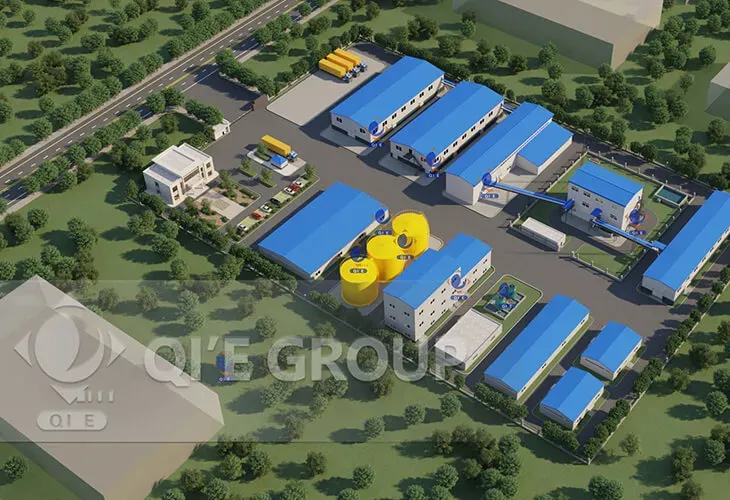
For example, a processor planning to start with a 50 TPD pressing facility may reserve sufficient space and utility connections to increase production to 80–100 TPD in the future without significant modifications to the civil structure. This staged development approach can help investors reduce initial financial pressure while maintaining long-term growth opportunities.
Industry experience suggests that phased investments are particularly suitable for projects located in regions where raw material supply volumes, customer demand, or export opportunities are still developing.
Example: Expanding Capacity Through Phased Development in Uzbekistan
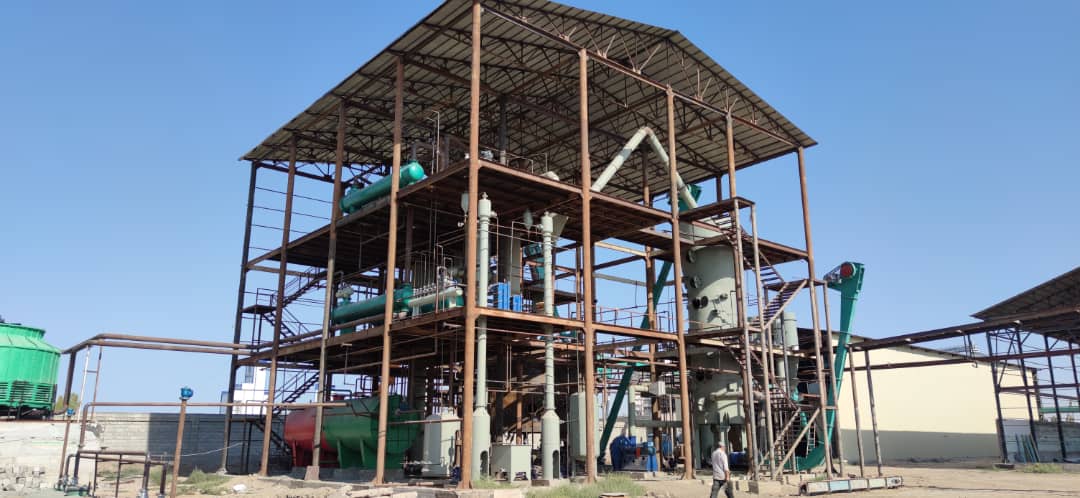
A practical example of phased expansion can be seen in an edible oil processing project in Uzbekistan. The investor initially entered the market with a moderate production scale aligned with available raw materials, local market demand, and investment capacity. As procurement networks matured and sales channels expanded, the facility gradually increased its processing capabilities.
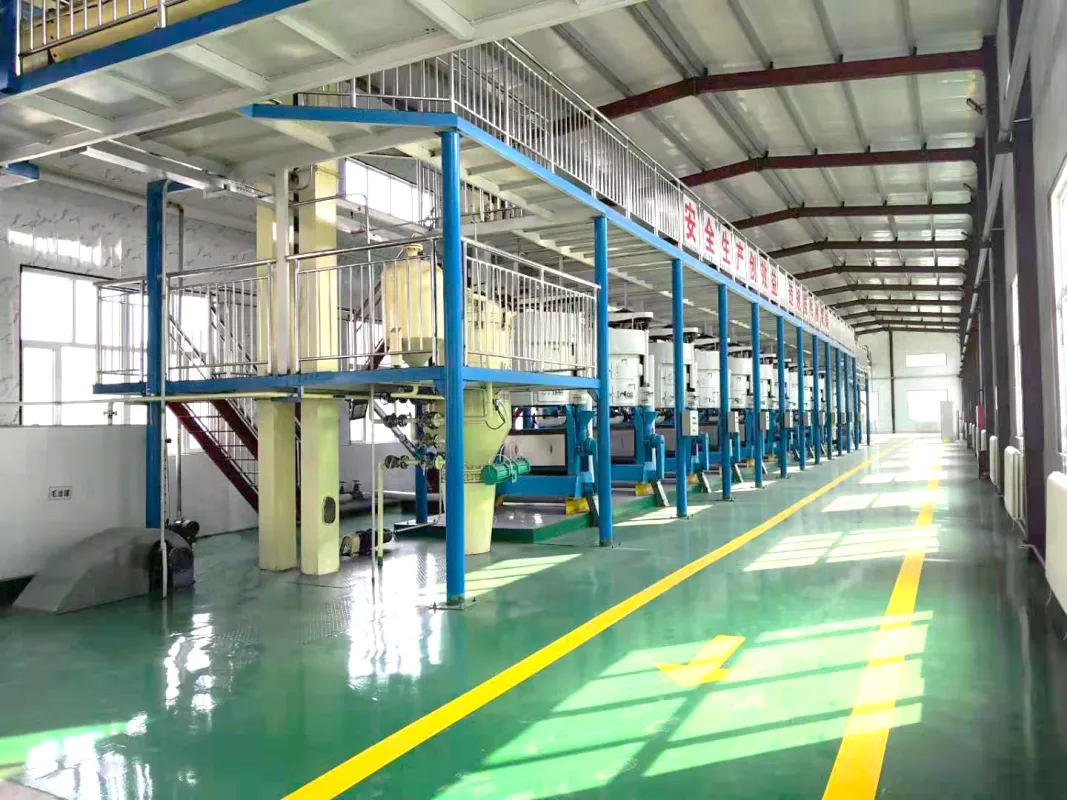
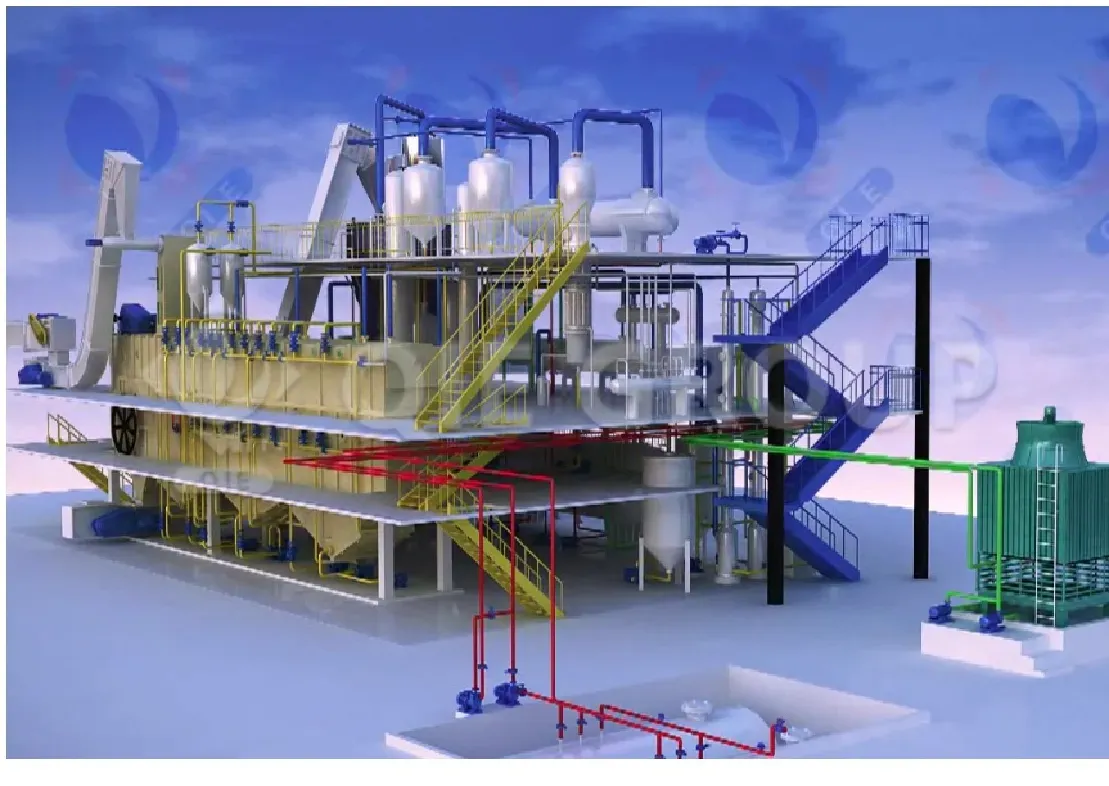
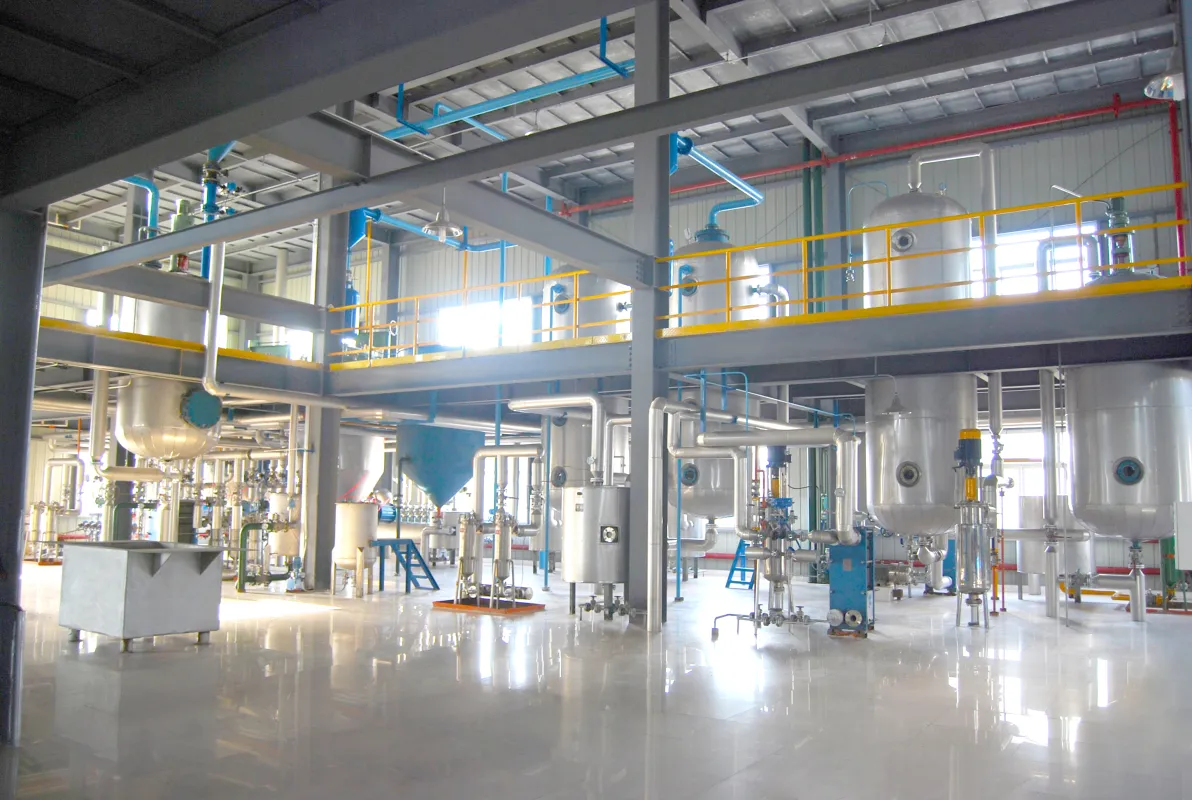
Today, the project operates a 200 TPD oilseed crushing line capable of processing soybean, sunflower seed, and cottonseed, supported by a 50 TPD edible oil refining plant. The integrated facility enables efficient conversion of multiple oilseeds into refined edible oils while maximizing by-product utilization.
Rather than investing immediately in maximum capacity, the investor adopted a staged growth strategy that reduced financial risk during the early years of operation. Capacity expansion was implemented only after raw material supply and market demand demonstrated sustainable growth.
This approach illustrates why future expansion planning is often more effective than oversizing a facility at the initial investment stage. By reserving sufficient space, utilities, and infrastructure for future upgrades, investors can maintain flexibility while controlling capital expenditures.
Conclusion
Determining the optimal edible oil processing plant capacity is not primarily an equipment selection exercise. It is a strategic business decision that directly affects capital efficiency, operating costs, supply chain stability, and long-term profitability.
For most investors, four questions should guide the decision-making process:
- How much raw material can be sourced reliably each year?
- How much edible oil can realistically be sold?
- How much capital can be invested without affecting cash flow?
- What production scale can maintain a sustainable utilization rate?
Projects that balance these four factors generally have a stronger foundation for long-term operation than facilities designed solely to maximize nameplate capacity.
In many cases, selecting a moderately sized plant with room for future expansion may offer a more practical pathway toward sustainable growth than investing immediately in a large-scale facility with uncertain utilization prospects.
Ultimately, the most appropriate production capacity is the one that aligns with existing market conditions while preserving sufficient flexibility to adapt to future opportunities.
Investors who focus on utilization, supply chain stability, and phased expansion often achieve better long-term returns than those who prioritize maximum installed capacity from the beginning.
About the Author
David Wang | Senior Process Engineer, QIE GROUP
David Wang is a senior edible oil process engineer at QIE GROUP with more than 15 years of experience in oilseed processing plant design, equipment integration, and project commissioning. He has participated in the engineering design and technical implementation of edible oil projects in Africa, Southeast Asia, Central Asia, and South America, covering capacities ranging from 10 TPD pilot plants to integrated facilities exceeding 500 TPD.
His technical focus includes production capacity planning, process optimization, energy utilization improvement, modular plant design, and phased expansion strategies for emerging market investors. He has been involved in feasibility studies, equipment selection, commissioning support, and operator training for multiple soybean, sunflower, sesame, cottonseed, and palm oil processing projects.
Engineering Insight: "One of the most common mistakes we observe during feasibility studies is selecting plant capacity based solely on future expectations. In many cases, projects achieve better financial performance when capacity growth follows verified improvements in raw material supply and market demand."
Frequently Asked Questions
1. How many operating days should be used when sizing an edible oil processing plant?
Most engineering companies and feasibility studies use approximately 330 operating days per year. This allows sufficient time for routine maintenance, equipment inspections, seasonal supply interruptions, and unexpected downtime. Plants relying on highly seasonal oilseeds may adopt lower utilization assumptions.
2. Is a larger edible oil processing plant always more profitable?
Not necessarily. Larger plants may benefit from economies of scale, but they also require greater investments, larger inventories, and stronger sales networks. A facility operating at 85–90% utilization often performs better economically than a larger plant running significantly below its designed capacity.
3. What is considered a suitable capacity for first-time edible oil investors?
For many first-time investors, capacities between 10 and 50 TPD are often manageable because they require relatively lower capital investment and simpler operational management. However, the final decision should depend on local raw material availability and expected market demand.
4. How can investors estimate annual raw material requirements?
A common approach is to multiply daily processing capacity by planned operating days. For example, a 50 TPD plant operating for 330 days annually requires approximately 16,500 tons of oilseeds per year. Investors should also consider storage losses, procurement competition, and seasonal availability.
5. Should expansion potential be included in the initial plant design?
Yes. Reserving land, utilities, and equipment interfaces for future expansion can significantly reduce reconstruction costs and minimize production interruptions. Many successful edible oil processors begin with a capacity that matches current market conditions and expand production as raw material supply and sales volumes increase. A phased investment strategy often provides greater financial flexibility and reduces the risks associated with underutilized assets.
6. What utilization rate is generally considered healthy for an edible oil processing plant?
Most industry professionals consider utilization rates between 80% and 90% to be a healthy operating range. At this level, fixed costs such as labor, depreciation, and utilities can be distributed efficiently while maintaining operational flexibility and profitability.
7. Should capacity planning focus more on raw material supply or market demand?
Both factors are equally important. Raw material availability determines how much the plant can produce, while market demand determines how much oil can be sold profitably. Successful projects typically balance procurement capacity with realistic sales opportunities rather than focusing exclusively on either factor.