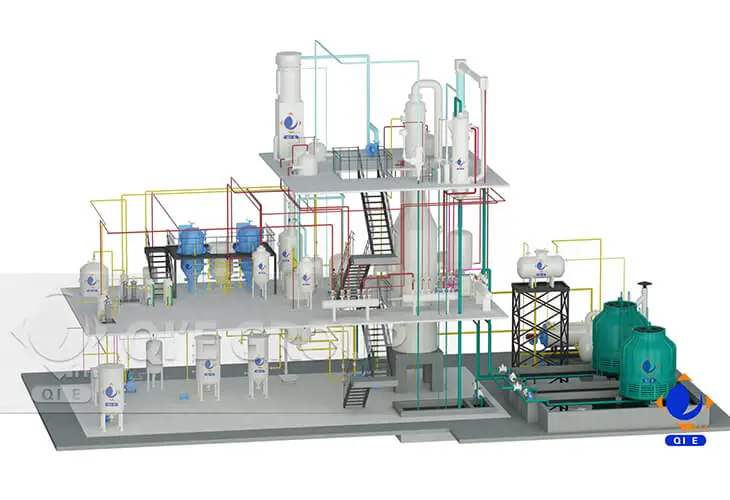
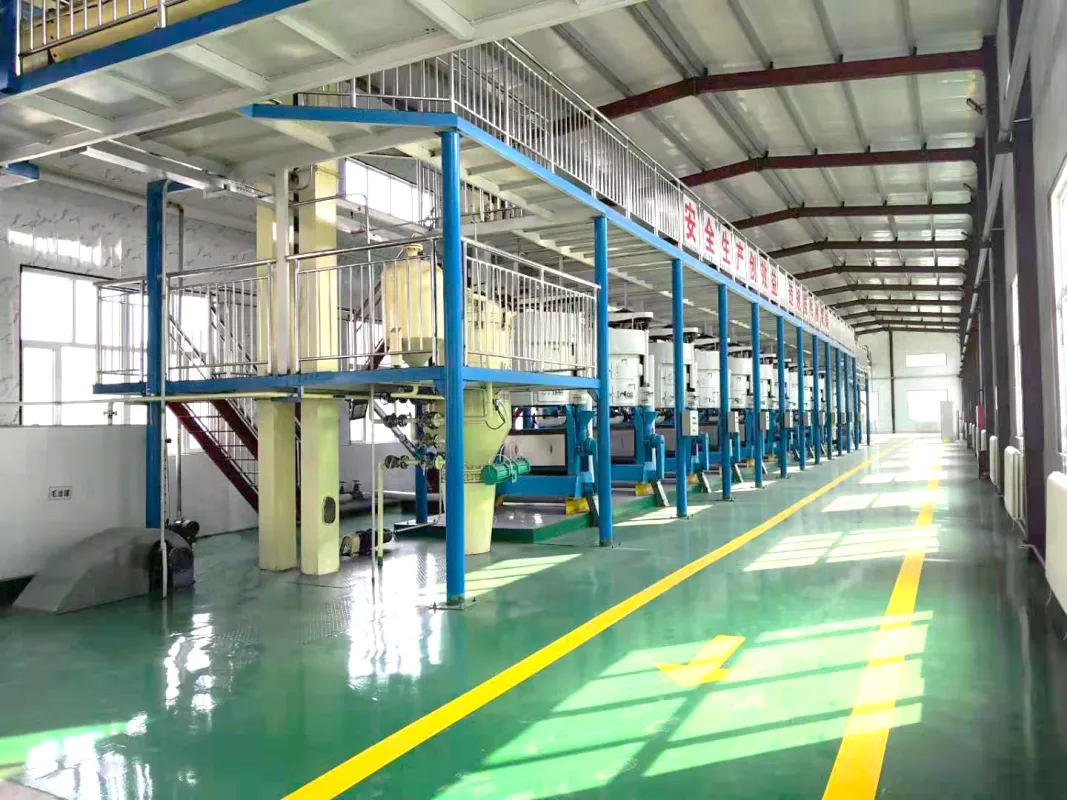
Corn germ is processed into corn oil through cleaning, moisture adjustment, preparation, mechanical pressing, solvent extraction when required, crude oil clarification, and refining. The suitable process depends mainly on the corn germ's oil content, moisture, physical characteristics, required oil recovery, and processing capacity.
For commercial production, mechanical pressing can recover part of the oil directly from prepared corn germ. When higher overall oil recovery is required, the press cake can be further processed by solvent extraction. The resulting crude corn germ oil is then clarified and refined according to the final product specification.
Corn germ from wet milling and dry milling can have different oil contents and physical properties. Therefore, the processing line should be designed around actual feedstock analysis rather than applying one fixed process to every project.
Corn germ analysis should be completed before selecting extraction equipment. The raw material determines the preparation requirements, potential oil output, and suitable extraction route.
Corn germ oil content varies according to the milling process and feedstock. Wet-milled germ generally contains more oil than dry-milled germ, but actual values should be confirmed through laboratory testing before equipment sizing.
For preliminary engineering, representative samples should be tested for:
These results provide the basis for estimating oil output, selecting preparation equipment, and designing the extraction process.
Corn germ preparation creates consistent feed conditions for oil extraction. The exact preparation sequence depends on the germ's physical characteristics and selected extraction route.
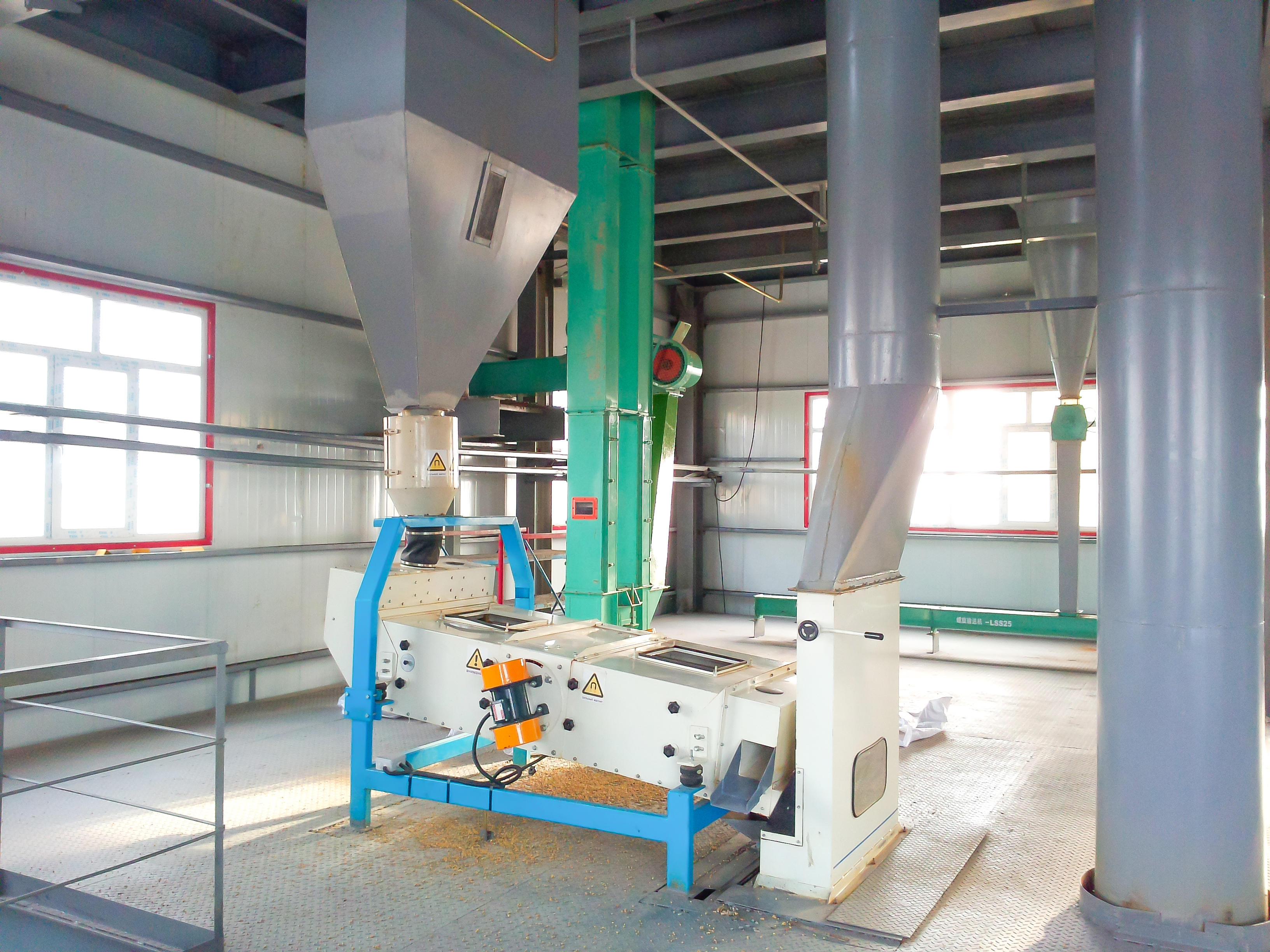
Cleaning removes foreign materials such as dust, stones, metal particles, and other impurities.
Typical equipment includes:
The cleaning system should be sized according to the impurity level and plant throughput.
Moisture affects the physical behavior of corn germ during conditioning and pressing.
The operating target depends on:
A fixed moisture value should not be applied to every corn germ processing line. The target should be established through feedstock testing and process trials.
Depending on the feedstock and extraction route, corn germ may require flaking, grinding, heating, or conditioning before pressing.
The objective is to create suitable physical conditions for oil release while avoiding unnecessary energy consumption and equipment complexity.
Typical preparation equipment includes:
Not every plant requires all of these machines. Equipment should be included according to the actual process requirement.
A commercial corn germ oil processing line normally follows:
When additional oil recovery is required, the process can be extended to:
The main difference between these routes is how much oil is recovered during extraction and how much additional equipment is required.
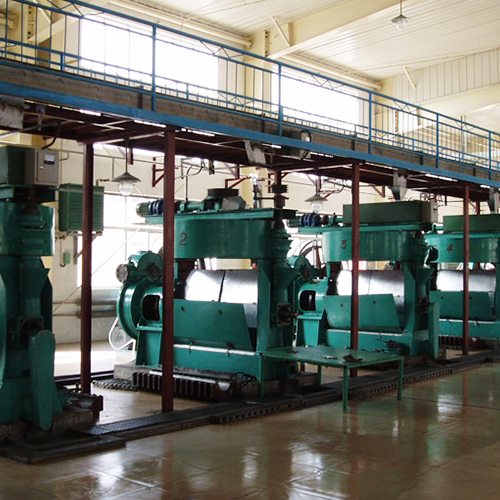
Mechanical pressing uses a screw press to separate oil from prepared corn germ.
The basic process is:
The crude oil is collected and clarified. The press cake can be used as a downstream by-product or evaluated for further oil recovery.
Important operating factors include:
Mechanical pressing can be considered when the required oil recovery can be achieved without adding a solvent extraction section.
Solvent extraction can be integrated after mechanical pressing when additional oil recovery from press cake is required.
The process is generally:
The solvent extraction section typically includes:
Solvent extraction requires more complex process engineering because solvent circulation, recovery, ventilation, temperature control, and fire and explosion protection must be considered during plant design.
Mechanical pressing can be considered when:
Pre-pressing followed by solvent extraction can be considered when:
The final selection should be based on feedstock analysis, mass balance, equipment performance, and project economics.
The following table provides a preliminary comparison of the main extraction routes. Final selection requires feedstock testing and process engineering.
Choose mechanical pressing when the required oil recovery can be achieved with pressing and the project favors a simpler extraction system.
Consider pre-pressing + solvent extraction when additional oil recovery from press cake is required and the project can support the additional investment, utilities, process controls, and solvent safety systems.
Processing capacity alone should not determine the extraction route. Two plants with similar throughput can require different configurations because of differences in oil content, moisture, germ structure, residual oil, and final product requirements.
Corn germ oil content indicates how much oil is present in the raw material, but it does not equal actual plant output.
A preliminary calculation is:
For example, if a plant processes 100 tonnes of corn germ per day and the germ contains 40% oil:
100 × 40% = 40 tonnes of oil potentially present in the feed
Actual recovered oil will be lower because some oil remains in the press cake and additional losses can occur during extraction and downstream treatment.
A simplified production estimate is:
For example, using an assumed overall extraction recovery of 90%:
100 × 40% × 90% = 36 tonnes/day
This is a preliminary engineering calculation, not a guaranteed production figure. Actual recovery depends on the specific corn germ, preparation conditions, extraction equipment, and operating parameters.
Oil content alone should therefore not be used to guarantee production output.
Equipment should be selected according to the extraction route, raw material characteristics, plant capacity, and final product requirements.
A pressing-only plant does not require a solvent extraction section. A crude oil project may also not require a complete edible oil refining line.
The complete line should be evaluated as one process. A screw press with a high nominal capacity does not guarantee the same throughput for the complete plant if upstream preparation or downstream oil treatment becomes a bottleneck.
Crude corn germ oil may contain suspended solids, moisture, phospholipids, free fatty acids, pigments, and other components that need to be managed before the oil reaches the required product specification.
Oil from mechanical pressing normally passes through a clarification stage.
Typical methods include:
The objective is to remove suspended solids and reduce the load on downstream equipment.
The exact system depends on crude oil temperature, impurity level, and required quality.
If the final product is edible corn oil, additional refining may be required.
Typical operations include:
The actual configuration depends on:
Extraction and refining should be considered together because crude oil quality affects the downstream treatment route and potential processing losses.

The following cases are engineering examples for process selection, not claims of specific customer projects. They illustrate why different corn germ feedstocks and recovery targets can lead to different plant configurations.
This example considers a 100 TPD corn germ processing line associated with a corn milling operation in the United States.
The objective is to produce crude corn germ oil using a relatively straightforward mechanical extraction process.
Feedstock and target:
Process flow:
The screw press provides the primary oil extraction step. The resulting crude oil is clarified before storage, while the press cake is discharged separately.
For preliminary mass balance purposes:
100 TPD × 40% oil content = 40 tonnes/day potential oil
The actual crude oil output depends on the achieved extraction recovery and process losses.
This configuration is suitable for evaluation when the required recovery can be achieved through mechanical pressing and the project does not require maximum oil recovery from the press cake.
The main engineering checks are:
This example considers a 250 TPD corn germ processing plant where higher overall oil recovery is an important design objective.
The process uses mechanical pre-pressing followed by solvent extraction of the press cake.
Process flow:
The screw press first removes part of the oil. The resulting press cake is then sent to the solvent extraction section for additional oil recovery.
Additional equipment includes:
The decision to use this configuration should not be based on capacity alone. The main considerations are:
This example demonstrates why two corn germ plants can use different extraction routes even when both are commercially sized.
Possible causes include:
Feedstock quality and press cake residual oil should be checked before changing the screw press configuration.
High residual oil can indicate that mechanical pressing is not achieving the required recovery.
The evaluation should cover:
Variation in feed rate can result from inconsistent raw material properties, poor storage discharge, or inadequate conveying capacity.
Preparation and material handling should be checked together.
Changes in moisture, impurities, FFA, and operating conditions can affect crude oil quality.
Monitoring feedstock and crude oil parameters helps identify whether the problem originates in raw material handling, extraction, or oil separation.
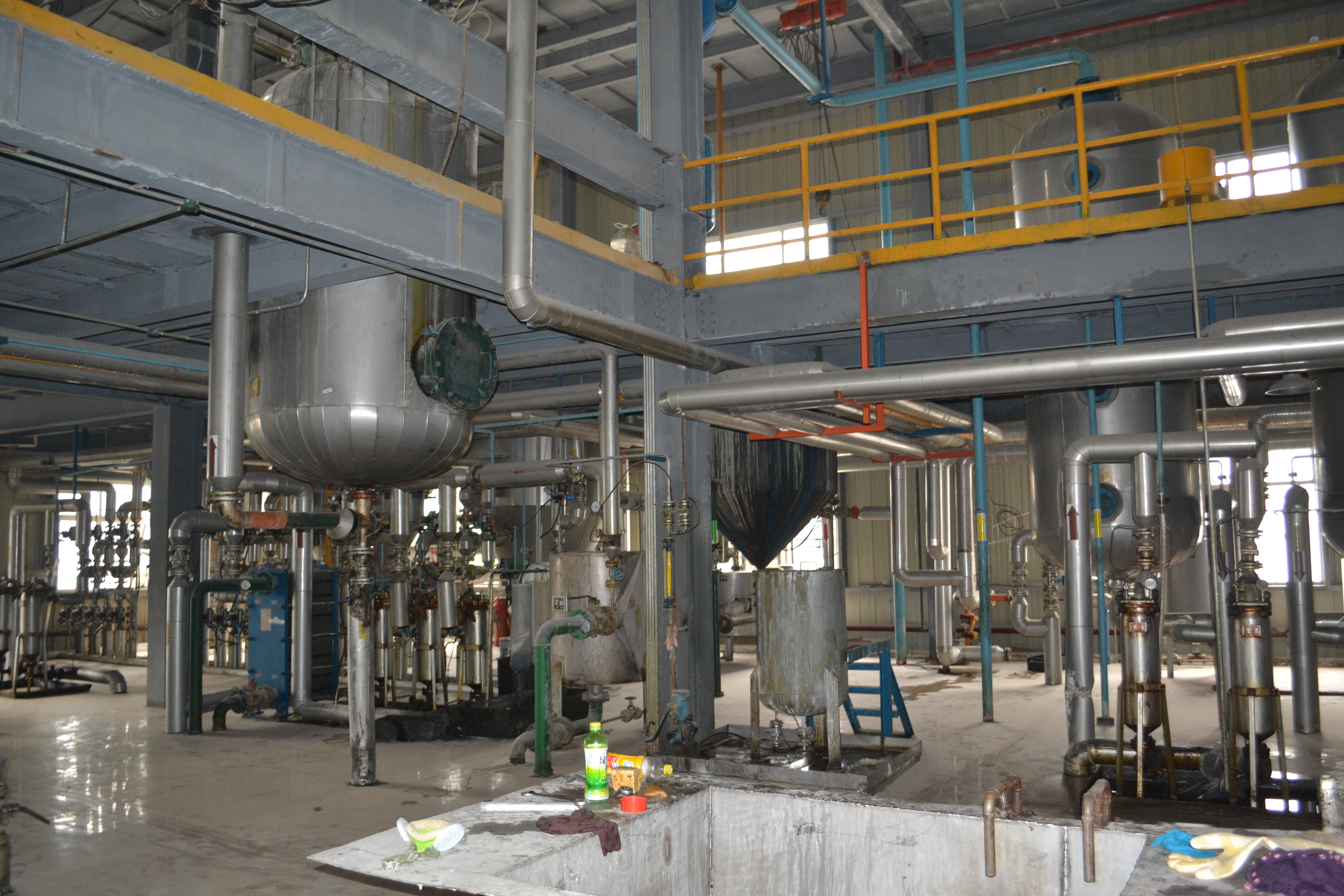
The processing line should be selected from the raw material and production requirements rather than from an individual machine's nominal capacity.
Plant capacity should reflect the amount of corn germ that can actually be supplied.
Before selecting a 100 TPD, 200 TPD, or larger line, confirm:
A larger machine does not necessarily improve project performance if the available corn germ supply cannot support its throughput.
Investment requirements are influenced by more than the screw press.
Major factors include:
The complete process configuration should therefore be compared rather than individual machine prices alone.
Before final equipment selection, the buyer should provide:
These parameters allow the supplier to prepare a process flow, equipment list, capacity calculation, and mass balance based on the actual project conditions.
Corn germ can be processed into corn oil through mechanical pressing or a combined pre-pressing and solvent extraction process. The appropriate configuration depends on feedstock characteristics, processing capacity, required oil recovery, and final product specifications.
For practical plant design:
The key design basis is:
Feedstock Analysis + Daily Throughput + Extraction Target + Final Product Specification
These parameters provide the foundation for selecting corn germ oil processing equipment and determining the appropriate process configuration.
Author: QIE GROUP Process Engineer
Corn germ oil can be extracted through mechanical pressing, solvent extraction, or a combination of both. Mechanical pressing uses a screw press, while solvent extraction can recover additional oil from prepared material or press cake.
Typical equipment includes cleaning machines, preparation and conditioning equipment, screw presses, crude oil clarification equipment, and storage tanks. A solvent extractor and solvent recovery system are added when a combined extraction process is required.
No. Mechanical pressing may be sufficient when the required oil recovery can be achieved through pressing. Solvent extraction can be considered when additional oil recovery is required.
Oil output depends on the germ's oil content and actual extraction recovery. A preliminary calculation is:
Actual production should be confirmed through feedstock testing and process design.
Start with the corn germ source, oil content, moisture, available daily supply, required processing capacity, target oil recovery, and final product specification. These factors determine the preparation, extraction, and downstream equipment configuration.
 cottonseed oil production line mechanical pressing vs solvent extraction cottonseed oil how to choose a cottonseed oil production line best cottonseed oil processing method
Coconut Oil Production Line Coconut Oil Production Line Cost Coconut Oil Factory Investment Cost Copra Oil Processing Equipment Coconut Oil Extraction Plant
Residual oil content in rapeseed oil solvent extraction plants Choosing between cold-pressed rapeseed oil and hot-pressed rapeseed oil Integrated rapeseed oil processing production line with solvent recovery function
edible oil production line cost edible oil production line price cost of an edible oil processing plant
oil processing technology edible oil processing technology vegetable oil processing technology oil extraction technology
cottonseed oil production line mechanical pressing vs solvent extraction cottonseed oil how to choose a cottonseed oil production line best cottonseed oil processing method
Coconut Oil Production Line Coconut Oil Production Line Cost Coconut Oil Factory Investment Cost Copra Oil Processing Equipment Coconut Oil Extraction Plant
Residual oil content in rapeseed oil solvent extraction plants Choosing between cold-pressed rapeseed oil and hot-pressed rapeseed oil Integrated rapeseed oil processing production line with solvent recovery function
edible oil production line cost edible oil production line price cost of an edible oil processing plant
oil processing technology edible oil processing technology vegetable oil processing technology oil extraction technology


.png?x-oss-process=image/resize,h_100,m_lfit/format,webp)
.png?x-oss-process=image/resize,h_100,m_lfit/format,webp)
.png?x-oss-process=image/resize,h_100,m_lfit/format,webp)