


.png?x-oss-process=image/resize,h_100,m_lfit/format,webp)
.png?x-oss-process=image/resize,h_100,m_lfit/format,webp)
.png?x-oss-process=image/resize,h_100,m_lfit/format,webp)
The quality of seed preparation has a direct effect on downstream oil recovery. Moisture, flake thickness, cooking conditions, pressing performance, and the condition of the press cake should therefore be considered as part of one processing system rather than as isolated operations.
Rapeseed Oil Processing Flow
A typical industrial rapeseed oil production process includes the following stages:
| Processing Step | Main Equipment | Main Purpose |
|---|---|---|
| Cleaning & conditioning | Cleaner, aspirator, magnetic separator, dryer, tempering system | Prepare the seed |
| Flaking & cooking | Flaking mill, cooker | Prepare the seed for oil release |
| Mechanical pressing | Screw press / expeller | Recover a major portion of the oil |
| Further extraction | Solvent extractor or second press | Recover remaining oil |
| Crude oil treatment & refining | Filter, degumming, bleaching, deodorization system | Produce finished rapeseed oil |
The exact equipment configuration depends on seed characteristics, processing capacity, required oil recovery, and finished-oil specification.
Step 1: Clean and Condition the Rapeseed
The first stage in how to process rapeseed is to prepare clean and properly conditioned seed.
Cleaning
Harvested rapeseed may contain dust, stems, pods, stones, metal particles, weed seeds, and other foreign materials. A typical cleaning section may include a screen cleaner, aspiration system, magnetic separator, and destoner where required.
Cleaning has two main purposes:
- Improve the quality of the raw material entering the process.
- Protect downstream equipment from foreign and abrasive materials.
A stable feed is important because changes in seed composition or condition can affect flaking, cooking, and pressing performance.
Conditioning
After cleaning, the seed is conditioned to establish suitable moisture and temperature conditions for the following processing stages.
The target conditions depend on:
- Seed characteristics
- Storage condition
- Flaking requirements
- Pressing system
- Overall process design
There is not necessarily one fixed moisture target for every stage. The operating conditions should be established according to the specific seed and process configuration.
Step 2: Flake and Cook the Rapeseed
After conditioning, the prepared seed passes through flaking and cooking.
Flaking
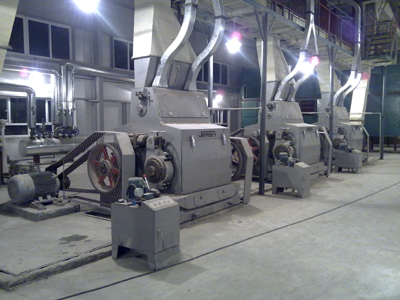
A flaking mill compresses the rapeseed between rolls to create thin flakes. Flaking helps break the seed structure, increase surface area, improve heat transfer, and make the oil more accessible during extraction.
Important factors include:
- Roll gap
- Feed rate
- Roll condition
- Flake thickness
- Flake uniformity
Flakes that are too thick may reduce oil release, while unstable flaking can make downstream pressing and extraction less consistent.
Cooking
Cooking prepares the flakes for mechanical oil extraction by providing controlled heating and moisture adjustment.
The main operating variables are:
- Temperature
- Residence time
- Moisture
- Heating uniformity
The objective is not simply to use a higher temperature. The cooking section should provide consistent conditions before the material enters the mechanical extraction stage.
Step 3: Press the Prepared Rapeseed
After cooking, the prepared rapeseed normally enters a screw press or expeller.
Mechanical pressing removes a major portion of the oil before the press cake moves to further extraction.
Important operating factors include:
- Feed rate
- Screw speed
- Material temperature
- Press configuration
- Press load
- Cake discharge condition
A screw press should not be evaluated only by its nominal throughput. A more useful assessment considers:
Throughput + oil recovery + residual oil in cake + operating stability
The plant should monitor oil flow, press load, cake condition, and residual oil in the press cake.
If oil recovery is lower than expected, increasing press pressure should not automatically be the first adjustment. Seed moisture, flake quality, cooking uniformity, and feed stability should also be checked.

Step 4: Recover the Remaining Oil
After mechanical pressing, the remaining oil can be recovered through either solvent extraction or second mechanical pressing.
The appropriate route depends mainly on required oil recovery, processing capacity, operating complexity, and meal specifications.
Option 1: Pre-Pressing + Solvent Extraction
In this configuration, the screw press first removes a major portion of the oil. The resulting press cake is then sent to a solvent extraction system to recover additional oil.
The simplified route is:
Prepared rapeseed → Screw press → Rapeseed cake → Solvent extraction → Rapeseed meal
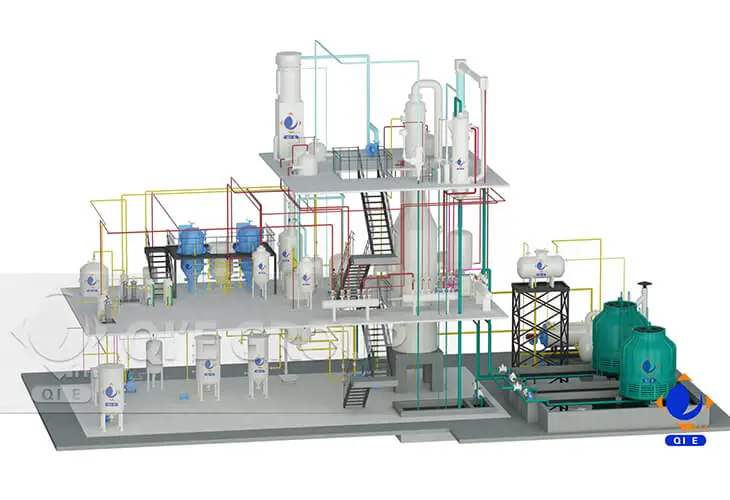
A solvent-extraction section normally includes equipment for extraction, desolventizing and drying, solvent evaporation, and solvent condensation and recovery.
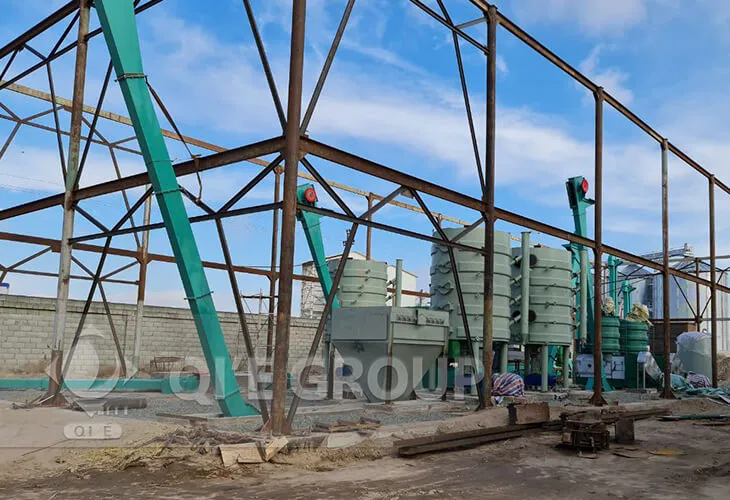
Case Example: 200 TPD Rapeseed Cake Extraction Project
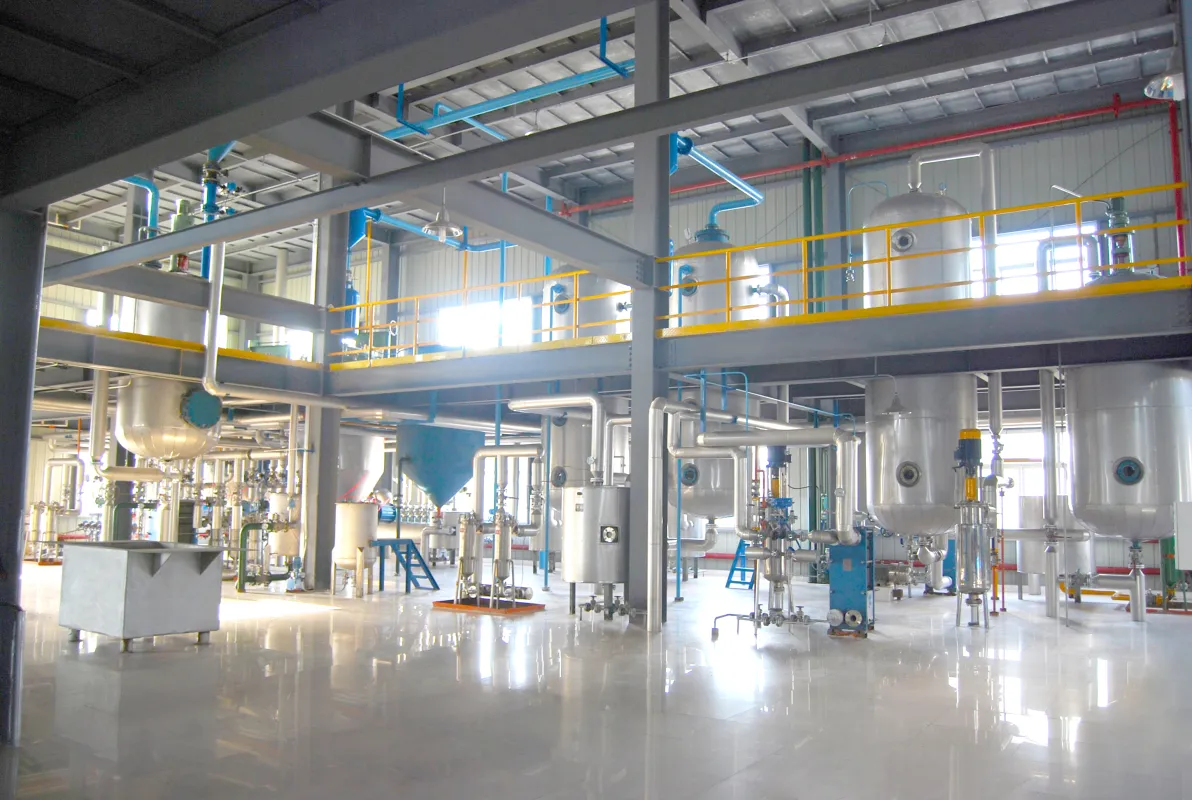
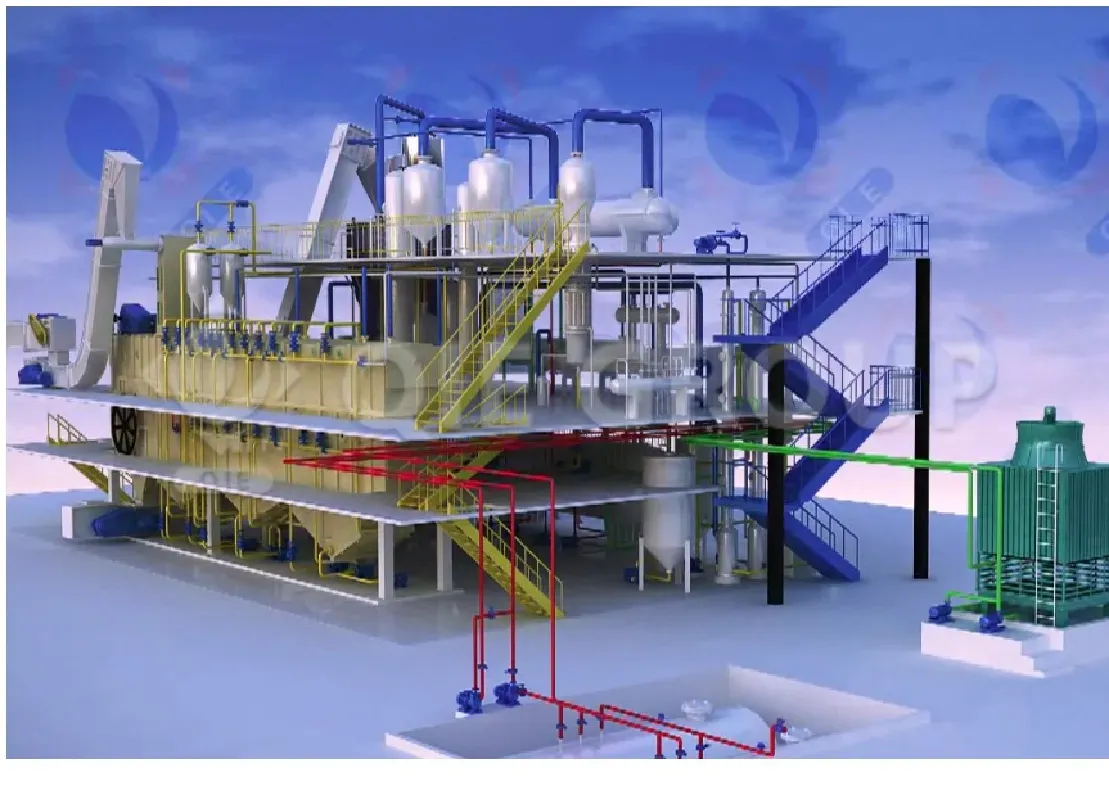
A 200 TPD rapeseed cake extraction project illustrates how a solvent-extraction section can be integrated into an industrial rapeseed-processing system.
The project upgraded an existing extraction operation with a processing capacity of only several tens of tonnes per day. The new configuration increased the processing capacity to 200 TPD and included a dedicated rapeseed meal storage system.
The core equipment included:
- Rotary / loop-type extractor
- Stainless-steel desolventizer
- Stainless-steel evaporation system
- Stainless-steel solvent condensation and recovery system
- 200 TPD rapeseed meal storage system
The extractor provided continuous contact between the press cake and solvent, while the desolventizer removed solvent from the extracted meal. The evaporation and condensation systems supported solvent recovery, and the meal storage system allowed continuous handling after extraction.
The project demonstrates that solvent extraction should be designed as an integrated system. The extractor, desolventizer, solvent recovery equipment, and meal handling section need to be matched to the condition and capacity of the press cake.

Option 2: Double Pressing
Instead of solvent extraction, some plants can use a second mechanical pressing stage.
The simplified route is:
First pressing → Cake conditioning → Second pressing
Double pressing can reduce system complexity because it does not require a dedicated solvent-extraction section. However, more oil normally remains in the final meal than in a properly designed pre-press and solvent-extraction system.
Pre-Press + Solvent Extraction vs. Double Pressing
| Factor | Pre-Press + Solvent Extraction | Double Pressing |
|---|---|---|
| Oil recovery | Higher | Lower |
| Plant complexity | Higher | Lower |
| Solvent system | Required | Not required |
| Residual oil in meal | Lower | Higher |
| Large industrial production | Strong fit | Depends on target |
| Mechanical simplicity | Lower | Higher |
The selection should therefore be based on the required oil recovery, processing capacity, meal specification, investment scope, and operating requirements.
Step 5: Treat and Refine the Crude Rapeseed Oil
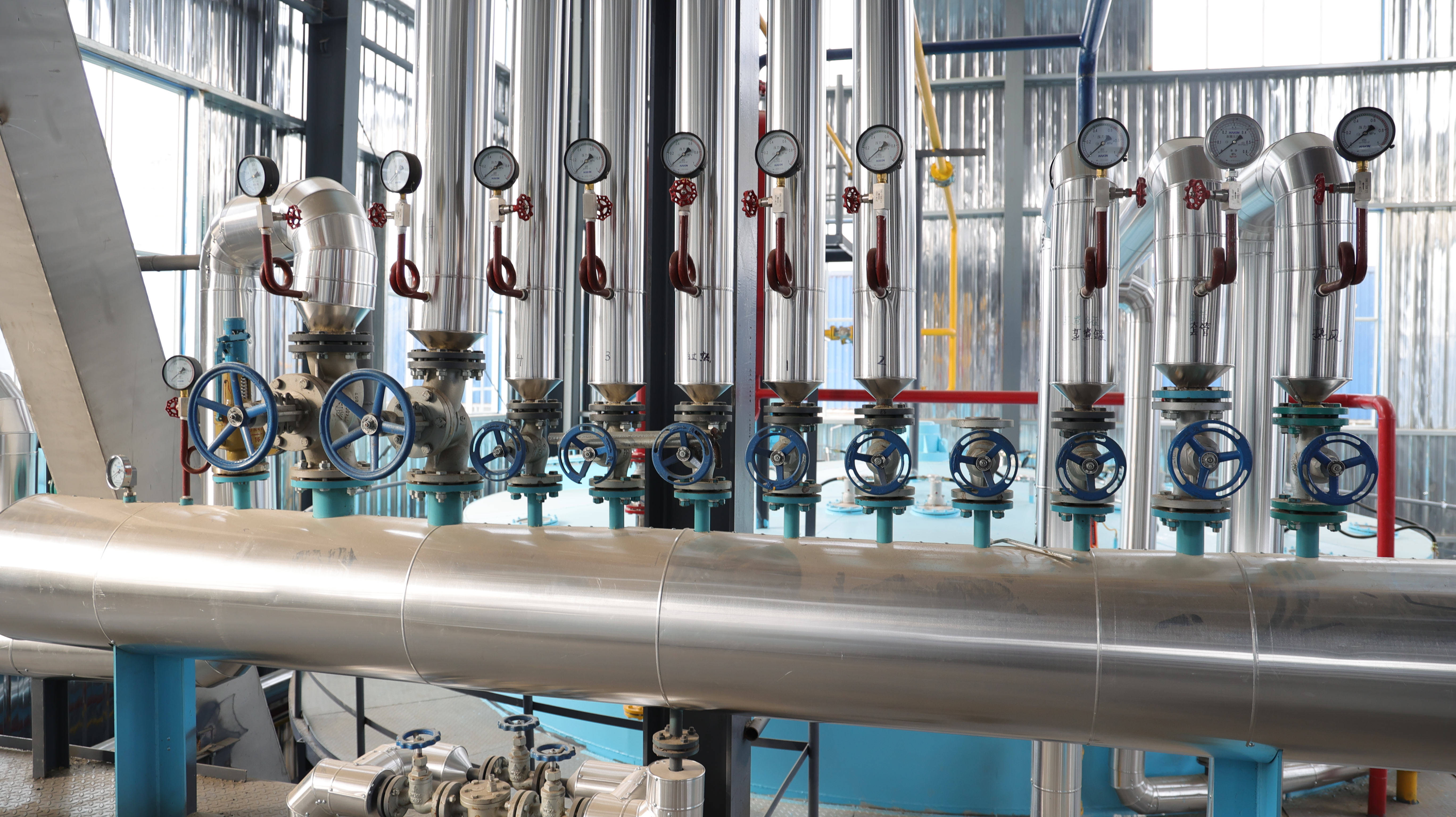
Oil leaving the pressing or solvent-extraction section is crude rapeseed oil. It normally requires further treatment before becoming finished edible oil.
A simplified refining route is:
Crude oil → Filtration → Degumming → Bleaching → Deodorization → Finished rapeseed oil
The exact refining configuration depends on crude oil quality and the finished-oil specification.
Filtration
Filtration removes suspended solids and fine particles carried over from the extraction stage. Effective filtration helps reduce the load on downstream refining equipment.
Degumming
Degumming removes phospholipids and other components that can affect refining performance and oil stability. The treatment should be selected according to the composition of the crude oil.
Bleaching
Bleaching reduces pigments and helps improve oil appearance and quality through adsorption followed by filtration.
Important operating factors include:
- Adsorbent dosage
- Temperature
- Contact conditions
- Filtration performance
Deodorization
Deodorization removes undesirable volatile compounds through controlled heating and vacuum treatment.
The operating conditions should be selected according to the required finished-oil specification rather than simply maximizing temperature.

What Determines Rapeseed Oil Recovery?
Oil recovery depends on the performance of several connected processing stages.
| Process Point | Main Variable | Possible Effect |
|---|---|---|
| Conditioning | Moisture | Unsuitable conditions can affect pressing |
| Flaking | Flake thickness | Poor flaking can limit oil release |
| Cooking | Temperature and residence time | Poor oil release or unnecessary thermal exposure |
| Pressing | Feed rate and press settings | Higher residual oil |
| Press cake | Structure and moisture | Poor downstream extraction |
| Solvent extraction | Contact and operating conditions | Lower overall oil recovery |
The important point is that oil recovery should be evaluated across the complete process.
For example, if the press produces more residual oil than expected, the cause may be related to seed preparation or cooking rather than the press itself. Similarly, poor solvent-extraction performance can be affected by the condition and structure of the press cake entering the extractor.
Equipment Required for Rapeseed Oil Processing
A typical industrial rapeseed oil processing plant may include:
| Process Stage | Main Equipment |
|---|---|
| Seed receiving | Receiving hopper, conveyors, bucket elevators |
| Cleaning | Screen cleaner, aspirator, magnetic separator, destoner |
| Conditioning | Dryer, heater, tempering system |
| Flaking | Rapeseed flaking mill |
| Cooking | Rapeseed cooker |
| Mechanical extraction | Screw oil press / expeller |
| Further extraction | Solvent extractor or second press |
| Desolventizing | Desolventizer / toaster |
| Solvent recovery | Evaporator and condenser system |
| Crude oil treatment | Oil tank, filter, centrifuge where required |
| Refining | Degumming, bleaching and deodorization systems |
| Meal handling | Meal conveyors, storage bins or warehouse |
| Utilities | Steam, thermal, vacuum and cooling systems |
For a solvent-extraction plant, the extractor, desolventizer, solvent evaporation, solvent recovery, and meal handling sections should be designed as one connected production system.
Engineering Recommendations
Processing rapeseed into rapeseed oil is best approached as a continuous chain:
Prepare the seed → create suitable flakes → cook uniformly → press efficiently → recover remaining oil → remove solvent where required → treat crude oil → refine the oil
The processing route should be selected according to:
Seed characteristics + processing capacity + extraction route + target oil recovery + finished-oil specification
For plants requiring higher oil recovery and continuous industrial production, pre-pressing followed by solvent extraction can be considered. Where process simplicity is more important and a higher residual oil level in the meal is acceptable, mechanical pressing or double pressing may be more appropriate.
Key Takeaways
- Proper seed preparation is the foundation of stable rapeseed oil processing.
- Flaking and cooking directly affect downstream oil recovery.
- Mechanical pressing removes a major portion of the oil before further extraction.
- The choice between solvent extraction and double pressing depends on recovery requirements, capacity, and process complexity.
- Crude rapeseed oil requires appropriate treatment and refining before becoming finished edible oil.
Engineering Insight — QIE GROUP Process Engineer
When oil recovery is below target, increasing press pressure should not automatically be the first adjustment. Seed moisture, flake condition, cooking uniformity, and feed stability should be checked first.
In a solvent-extraction system, extractor performance also depends partly on the quality and structure of the press cake entering the extraction section.
Author: QIE GROUP Process Engineer







.JPG?x-oss-process=image/resize,h_800,m_lfit/format,webp)


