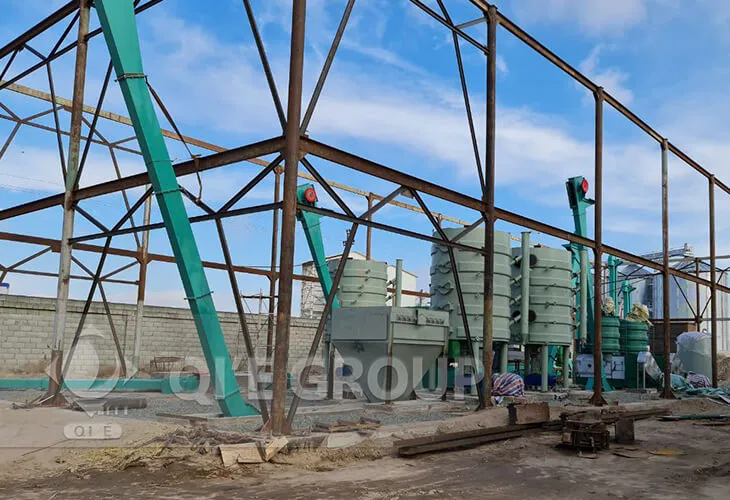
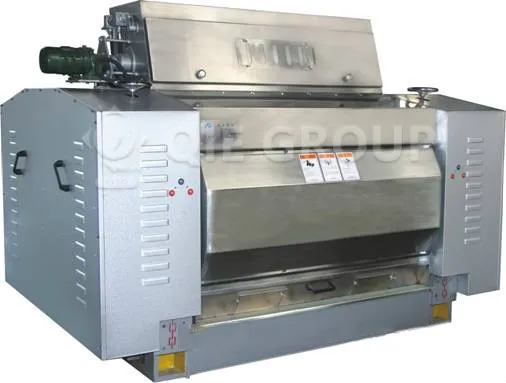
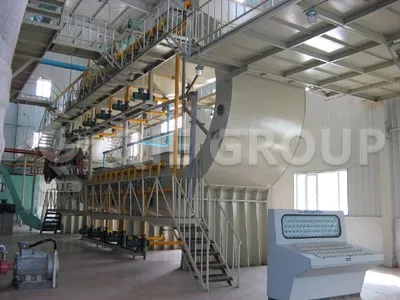
Many investors focus primarily on equipment prices, production capacity, or electricity consumption when evaluating an edible oil processing project. While these factors are important, the amount of oil recovered from every ton of raw material usually has a greater impact on long-term profitability.
Every percentage point of unrecovered oil has already been purchased, transported, stored, and processed. If that oil remains in meal, filter cake, pipelines, or storage tanks, it directly reduces the plant's return on investment.
For example, soybeans typically contain approximately 18–20% oil, while sunflower seeds may contain 38–50%, depending on the variety. A medium-sized processing plant handling 200 tons of soybeans per day can recover hundreds of additional tons of crude oil annually if overall oil recovery improves by only 0.3–0.5%.
For this reason, experienced processors treat oil extraction efficiency as a core financial indicator rather than simply a production parameter. Improving oil recovery increases product output without increasing raw material consumption, making it one of the most cost-effective ways to improve profitability.
One common misconception is that oil loss occurs only during mechanical pressing or solvent extraction. In reality, losses can occur throughout the production line, and several small inefficiencies often have a greater cumulative impact than a single equipment problem.
The table below summarizes the most common sources of oil loss and practical solutions.
| Oil Loss Source | Operational Impact | Recommended Solution |
|---|---|---|
| Raw material impurities | Reduce oil recovery and increase equipment wear | Improve cleaning and screening |
| Improper moisture content | Lower extraction efficiency | Maintain optimal conditioning moisture |
| Poor seed preparation | Uneven pressing or solvent penetration | Optimize flaking, crushing, and conditioning |
| Excess residual oil in meal | Direct product loss | Improve extraction process stability |
| Oil retained in filter cake | Lower overall oil yield | Enhance filtration and oil recovery |
| Pipeline and pump leakage | Continuous production loss | Regular inspection and preventive maintenance |
| Tank bottom residue | Oil remains unrecovered | Improve tank drainage and recovery systems |
In commercial edible oil plants, oil loss is rarely caused by one major failure. Instead, it is usually the combined result of multiple small deviations in raw material quality, equipment performance, and operational consistency.
The first step in reducing oil loss begins long before oil reaches the press or extractor.
Raw material quality directly influences oil extraction efficiency, production stability, and finished oil quality. Poor-quality oilseeds often contain excessive impurities, inconsistent moisture, mechanical damage, or mold, all of which reduce recoverable oil.
Effective raw material preparation includes:
Uniform raw materials allow presses and extraction equipment to operate under stable conditions while reducing unnecessary wear and minimizing oil losses.
Storage conditions are equally important. High humidity and elevated temperatures accelerate enzymatic activity inside oilseeds, increasing free fatty acid (FFA) levels before processing even begins. Higher FFA not only affects crude oil quality but can also increase refining losses later in production.
For processors seeking to improve oil yield in edible oil processing, investing in proper raw material handling often produces a faster return than upgrading major production equipment.
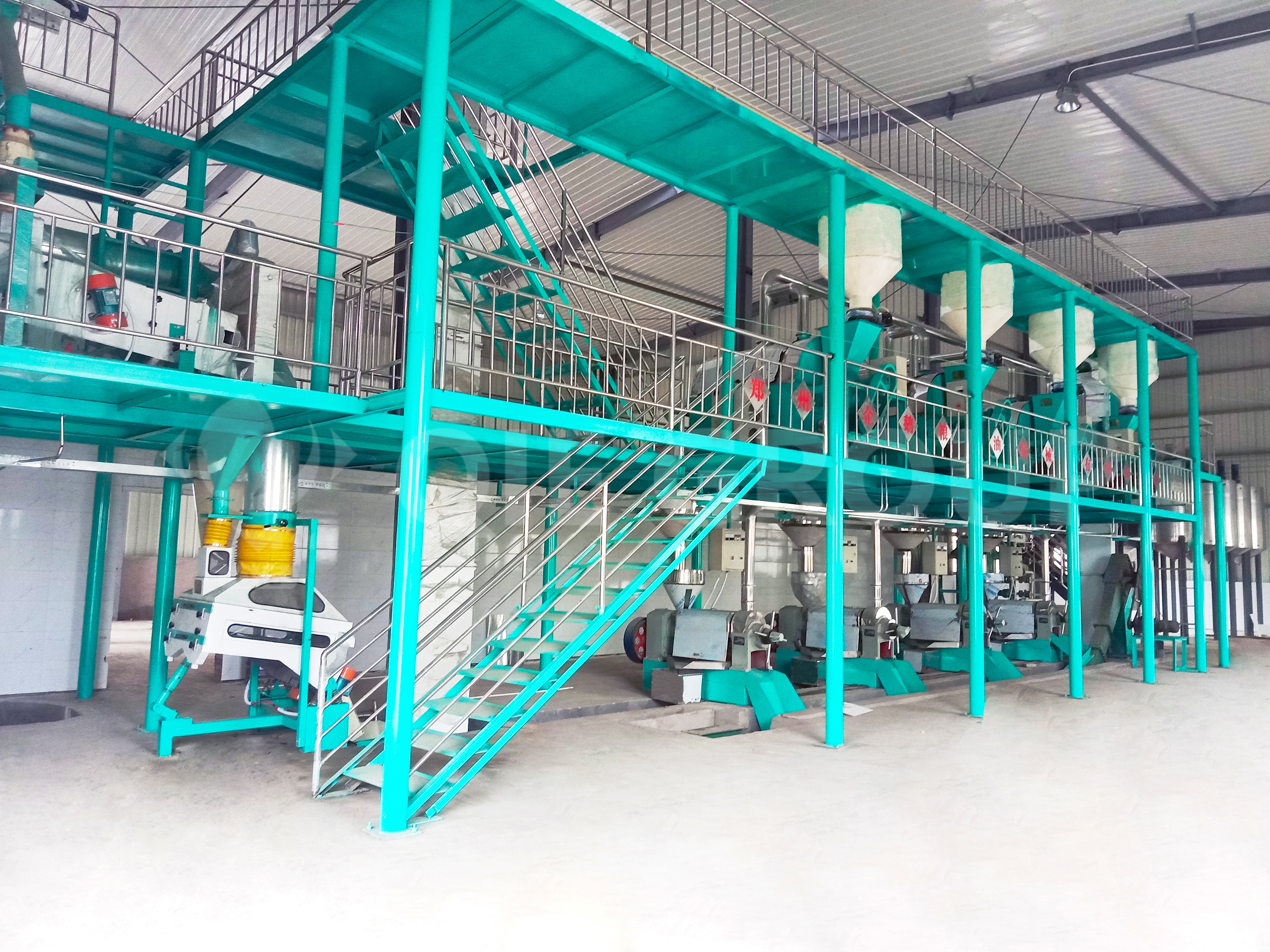
A common misconception in edible oil processing is that higher pressing pressure automatically produces higher oil yield.
In reality, excessive mechanical pressure often creates new problems:
Modern edible oil plants achieve better performance by selecting equipment that matches the characteristics of each oilseed instead of simply maximizing pressing force.
When selecting equipment, engineers should consider:
For example, sunflower seeds require efficient dehulling before pressing, while soybean processing depends heavily on proper flaking and conditioning. Different oilseeds require different process parameters to achieve the highest oil extraction efficiency.
Well-matched equipment not only improves production stability but also reduces long-term operating costs while helping processors recover more oil from the same quantity of raw material.
One example comes from a 200 TPD soybean, sunflower seed, and cottonseed pressing project completed in Uzbekistan. The production line integrates raw material pretreatment, continuous screw pressing, and a 50 TPD edible oil refining system, creating a complete processing chain from oilseed preparation to refined edible oil.
Instead of relying solely on higher pressing pressure, the project focused on improving overall process stability. Uniform seed cleaning, crushing, conditioning, and automated process control helped ensure consistent feed conditions throughout the production line. The combination of pressing, refining, solvent recovery, and intelligent automation enabled continuous production while improving oil recovery from multiple oilseed varieties.
The project demonstrates an important engineering principle: improving oil yield in edible oil processing is usually the result of systematic optimization rather than a single equipment upgrade. Stable pretreatment, properly matched machinery, and continuous process control together contribute to higher oil extraction efficiency and lower production losses.

For both mechanical pressing and solvent extraction plants, residual oil remaining in meal is one of the clearest indicators of extraction performance.
Every fraction of oil left in meal represents recoverable product that cannot be sold. Consequently, commercial processors routinely monitor residual oil levels as part of daily production management.
Residual oil is influenced by several interconnected factors:
Well-operated commercial solvent extraction plants typically maintain residual oil at very low levels through stable operation rather than maximum production speed. Consistent process control is generally more effective than aggressive operating parameters.
From an engineering perspective, improving residual oil performance is one of the fastest ways to increase oil extraction efficiency because it directly converts previously unrecovered oil into additional product output.
Many processors concentrate on the extraction stage while overlooking oil that remains trapped in downstream equipment. In practice, these small losses accumulate over months of continuous production and can noticeably reduce annual profitability.
Common areas where recoverable oil is lost include:
Several low-cost improvements can help recover more oil without expanding production capacity:
For many edible oil processors, recovering oil that would otherwise be discarded provides one of the quickest returns on investment because it requires little additional raw material or energy.
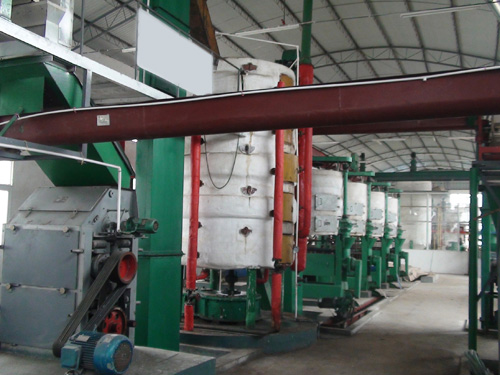
Modern edible oil plants no longer rely solely on operator experience to identify production losses. Instead, successful processors monitor key production indicators continuously and use data to improve operational stability.
A practical monitoring system should include the following KPIs:
| Performance Indicator | Why It Matters |
|---|---|
| Oil yield per ton of raw material | Measures overall production efficiency |
| Residual oil in meal | Indicates extraction performance |
| Press cake oil content | Evaluates pressing efficiency |
| Moisture variation | Maintains stable operating conditions |
| Solvent recovery efficiency | Reduces oil and solvent losses |
| Energy consumption per ton | Identifies process inefficiencies |
| Equipment downtime | Reflects maintenance effectiveness |
Tracking these indicators helps engineers identify small process deviations before they become major production losses.
Rather than reacting after oil losses occur, modern plants use continuous monitoring to maintain stable production parameters, improve oil extraction plant optimization, and maximize long-term profitability.
Although every edible oil processor aims to reduce oil loss, the causes of production losses differ according to the characteristics of each oilseed.
| Oilseed | Common Cause of Oil Loss | Recommended Improvement |
|---|---|---|
| Soybean | Uneven flaking and conditioning | Optimize flake thickness and moisture |
| Sunflower Seed | Poor dehulling efficiency | Improve hull separation before pressing |
| Rapeseed | Unstable conditioning temperature | Maintain consistent moisture and heat |
| Sesame | Excessive roasting or over-pressing | Optimize roasting and pressing parameters |
| Cottonseed | Insufficient pretreatment | Improve cleaning and conditioning |
| Palm Fruit | Delayed processing after harvesting | Minimize harvesting-to-processing time |
This comparison illustrates an important engineering principle: there is no universal solution for reducing oil loss. The most effective strategy is to match process parameters and equipment to the characteristics of each raw material.
A good example of oil extraction plant optimization is a 500 TPD rapeseed and sunflower seed pretreatment and pressing project completed by QIE GROUP. The turnkey production line includes raw material pretreatment, continuous pressing, oil separation, meal handling, and automated process control, enabling stable large-scale production.
Instead of increasing mechanical pressure, the engineering team optimized seed preparation through screening, crushing, conditioning, and drying before pressing. The project also incorporated an efficient steam recovery system, automated process control, and continuous filtration to improve oil recovery while reducing energy consumption. As a result, the plant achieved stable production at its designed capacity, maintained low residual oil in meal, and delivered high oil recovery with improved operating efficiency.
This project demonstrates that long-term improvements in oil extraction efficiency come from balancing raw material preparation, equipment selection, process control, and maintenance rather than relying on a single machine or operating parameter.

Many operators attempt to solve oil loss by upgrading a single piece of equipment. In reality, sustainable improvements usually come from optimizing the entire production system.
An effective optimization strategy should include:
When these factors work together, plants not only recover more oil but also reduce maintenance costs, stabilize product quality, and improve overall operating efficiency.
For most commercial edible oil plants, oil extraction plant optimization is an ongoing process rather than a one-time equipment investment.
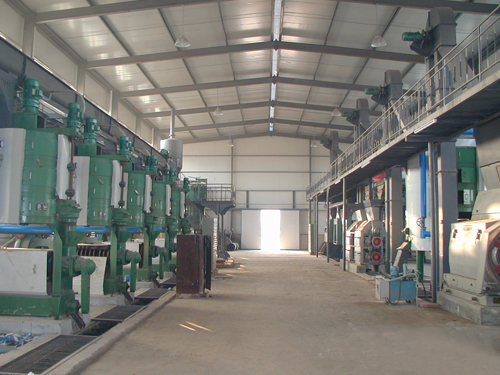
Reducing oil loss requires more than improving one stage of production. Successful edible oil processors focus on the entire production chain—from raw material preparation and equipment selection to extraction stability, downstream oil recovery, and continuous performance monitoring.
Field experience consistently shows that small improvements across multiple production stages often generate greater economic benefits than a single major equipment upgrade. Better pretreatment, stable operating conditions, lower residual oil in meal, and effective maintenance all contribute to higher oil extraction efficiency and help improve oil yield in edible oil processing.
Whether building a new edible oil plant or upgrading an existing production line, treating oil recovery as a key engineering objective allows processors to maximize raw material utilization, reduce operating costs, and achieve stronger long-term profitability.
Jack Li
Senior Process Engineer | QIE GROUP
Jack Li has more than 15 years of experience in edible oil plant engineering and EPC project delivery. His expertise covers soybean, sunflower seed, rapeseed, cottonseed, sesame, peanut, and palm oil processing systems, including pretreatment, mechanical pressing, solvent extraction, refining, and turnkey plant commissioning.
Engineering Insight
"In our EPC projects, the biggest improvements in oil recovery rarely come from increasing pressing pressure. They come from optimizing every stage of the process—from seed preparation and equipment matching to continuous monitoring and preventive maintenance. When the entire production line operates as a balanced system, higher oil yield becomes a natural result rather than an isolated target."
1. What is the most effective way to reduce oil loss in an oil extraction plant?
The most effective approach is to optimize the entire production process. Stable raw material preparation, properly matched equipment, low residual oil in meal, efficient downstream recovery, and continuous monitoring together improve oil extraction efficiency more effectively than upgrading a single machine.
2. How can raw material quality improve oil yield?
Cleaner oilseeds with uniform moisture and proper conditioning allow presses and extraction systems to operate more consistently. Better raw material preparation helps improve oil yield in edible oil processing while reducing unnecessary equipment wear.
3. What is residual oil in meal?
Residual oil in meal is the amount of oil remaining after pressing or solvent extraction. Lower residual oil generally indicates better extraction performance and higher overall oil recovery.
4. Does automation reduce oil loss?
Yes. Automation improves process stability by maintaining consistent feed rates, temperatures, pressures, and operating parameters. This reduces production fluctuations and minimizes avoidable oil losses.
5. Is equipment replacement always necessary to improve oil recovery?
Not always. Many commercial plants achieve significant improvements through oil extraction plant optimization, including better maintenance, process adjustment, raw material preparation, and operator training before investing in new equipment.
Get in touch with QIE GROUP's expert engineering team today to reduce production oil loss and maximize your project's long-term profitability.
Contact Our Engineers coconut oil processing in Indonesia
coconut oil processing business in Indonesia
coconut oil processing plant investment in Indonesia
how much does a coconut oil processing plant cost in Indonesia
sunflower oil processing Kazakhstan
sunflower oil processing plant cost Kazakhstan
sunflower oil plant Kazakhstan
sunflower oil processing plant cost
Turnkey Sunflower Oil Plant Turkey
2026 Sunflower Oil Production Line Price
Automatic Sunflower Oil Extraction Machine 50TPD
Refined Sunflower Oil Refinery Manufacturers in Turkey
Sunflower oil production line in Russia — 2026
Cost of equipment for sunflower oil extraction in Russia — 2026
Technology trends at automated sunflower oil processing plants — 2026
Prices for sunflower oil refining equipment (from small to large scale) — 2026
Edible oil processing turnkey project
Construction cost of edible oil refinery
Oil extraction turnkey solution
Professional edible oil production technology
coconut oil processing in Indonesia
coconut oil processing business in Indonesia
coconut oil processing plant investment in Indonesia
how much does a coconut oil processing plant cost in Indonesia
sunflower oil processing Kazakhstan
sunflower oil processing plant cost Kazakhstan
sunflower oil plant Kazakhstan
sunflower oil processing plant cost
Turnkey Sunflower Oil Plant Turkey
2026 Sunflower Oil Production Line Price
Automatic Sunflower Oil Extraction Machine 50TPD
Refined Sunflower Oil Refinery Manufacturers in Turkey
Sunflower oil production line in Russia — 2026
Cost of equipment for sunflower oil extraction in Russia — 2026
Technology trends at automated sunflower oil processing plants — 2026
Prices for sunflower oil refining equipment (from small to large scale) — 2026
Edible oil processing turnkey project
Construction cost of edible oil refinery
Oil extraction turnkey solution
Professional edible oil production technology






.png?x-oss-process=image/resize,h_100,m_lfit/format,webp)
.png?x-oss-process=image/resize,h_100,m_lfit/format,webp)
.png?x-oss-process=image/resize,h_100,m_lfit/format,webp)