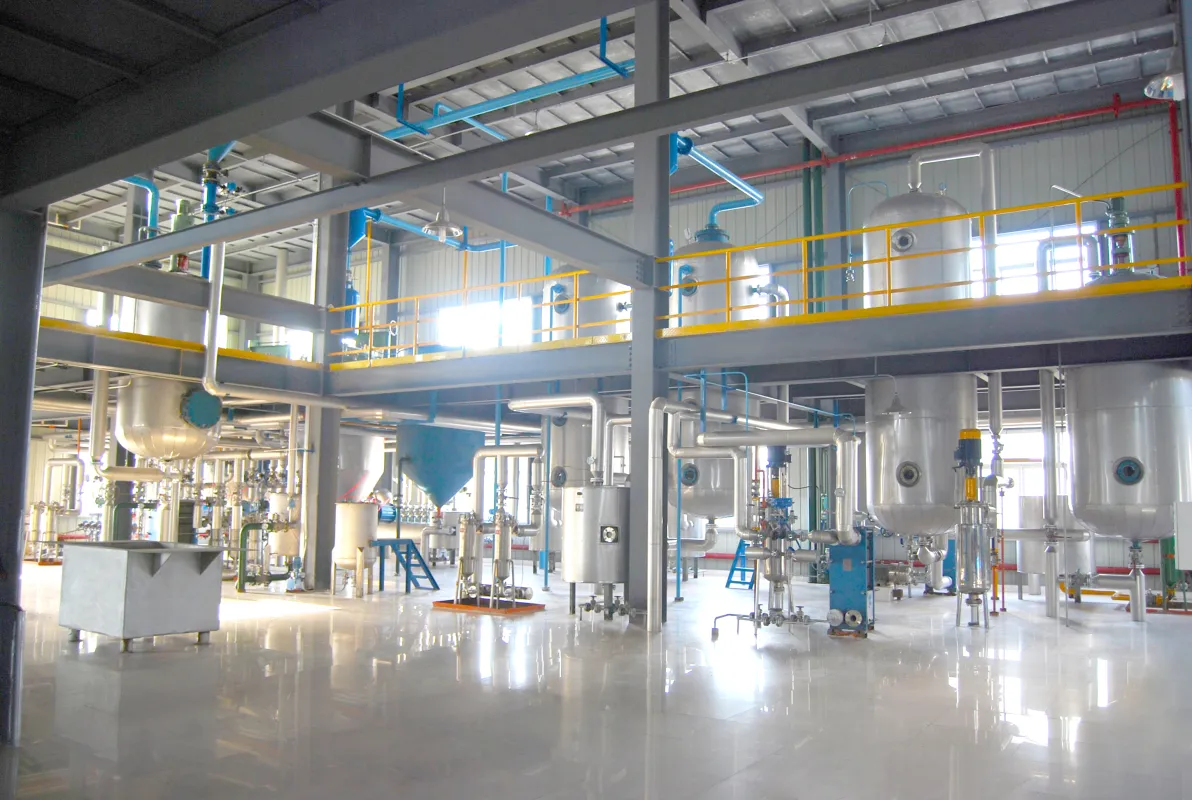
Reducing refining losses is one of the fastest and most cost-effective ways to improve oil yield in edible oil production. While edible oil refining is essential for removing phospholipids, free fatty acids (FFA), pigments, waxes, odors, and other impurities, every refining stage also carries the risk of losing valuable neutral oil. In commercial refineries, total refining losses generally range from 0.8% to 3.5%, depending on crude oil quality, refining technology, and process management.
Many processors focus only on increasing production capacity, but a small reduction in refining losses often delivers a higher return on investment than expanding throughput. The key is not to remove fewer impurities, but to reduce refining losses through accurate process control, efficient separation, and continuous monitoring of every refining stage.
This guide explains where refining losses occur, how to reduce oil loss during refining, and the practical measures that help processors achieve effective edible oil refining loss reduction while maintaining product quality and food safety.
The first step to reducing refining losses is understanding exactly where neutral oil is lost. Looking only at the final refining yield provides little information about the root causes. Instead, each refining stage should be evaluated individually so operators can identify avoidable losses and prioritize improvements.
Generally, refining losses fall into two categories:
Only avoidable losses represent an opportunity to improve oil recovery.
Degumming removes phospholipids, trace metals, and hydratable gums before downstream refining. Effective degumming protects equipment, reduces bleaching earth consumption, and improves refining stability.
However, neutral oil can easily become trapped in hydrated gums. The amount of oil carried away depends on several operating factors:
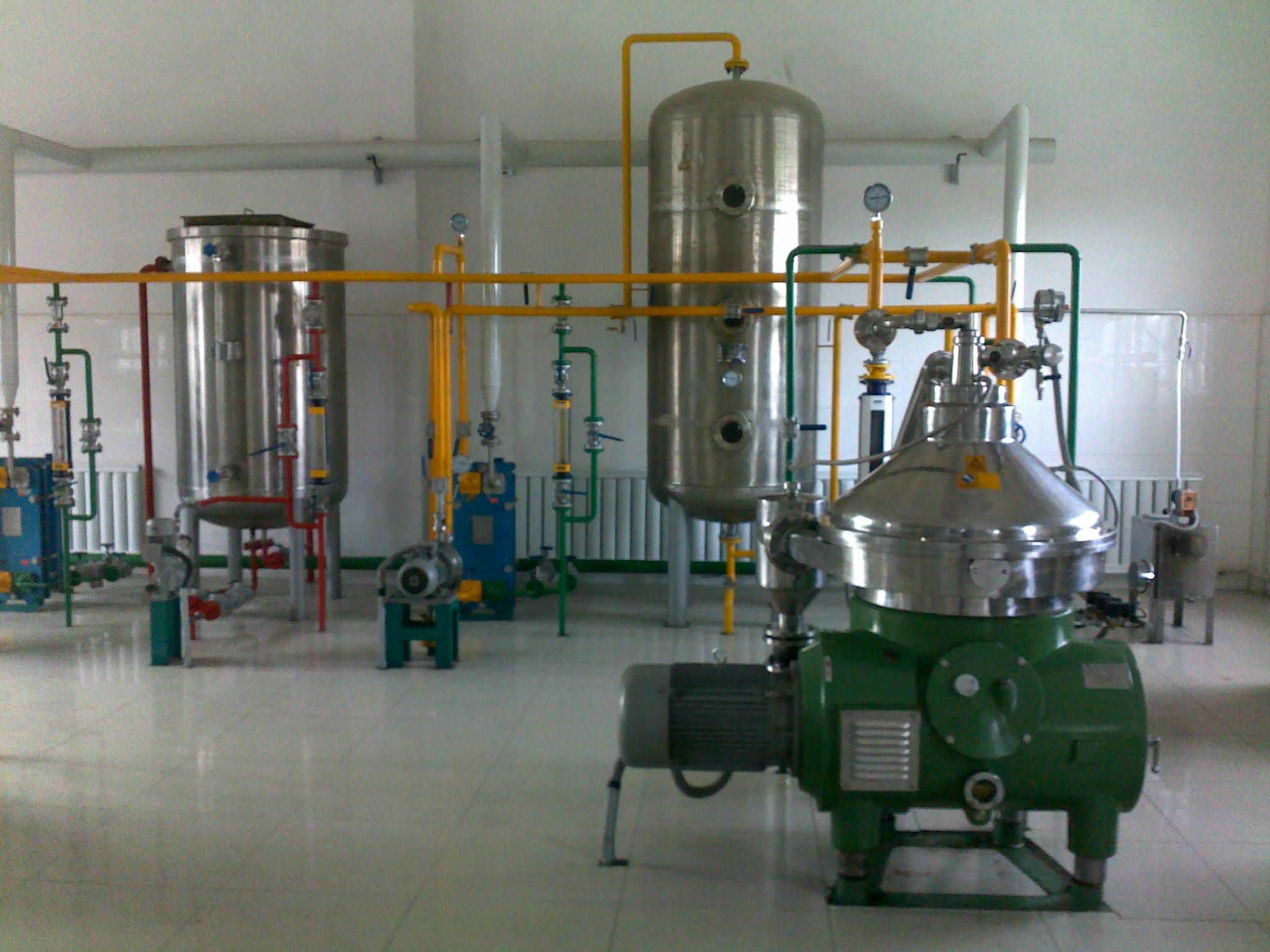
Among these factors, separator performance is often the most overlooked. Even with correct chemical dosing, poor centrifugal separation can leave excessive neutral oil in the gum phase. Optimizing separator performance often provides greater yield improvement than simply increasing chemical consumption.
For chemical refining, neutralization usually contributes the largest avoidable refining loss. During this stage, free fatty acids react with caustic soda to produce soapstock. Although this reaction removes acidity, excessive soap formation also traps valuable neutral triglycerides.
The most common causes include:
| Operating Factor | Effect on Oil Yield |
|---|---|
| Excess caustic dosage | Increases soapstock volume and neutral oil entrainment |
| High FFA crude oil | Requires more alkali and increases refining loss |
| Poor mixing | Causes over-neutralization |
| Inefficient centrifuge | Leaves oil in soapstock |
| High reaction temperature | Promotes emulsification |
Instead of applying fixed alkali dosages, modern refineries increasingly use laboratory FFA analysis and automated dosing systems to maintain stable refining quality while minimizing neutral oil loss.
Bleaching removes pigments, residual soaps, oxidation products, and trace contaminants. However, spent bleaching earth retains a significant amount of edible oil. Excessive clay consumption therefore increases both operating costs and refining losses.
Rather than simply reducing bleaching earth dosage, processors should first determine why more clay is required. Poor degumming, unstable neutralization, or oxidized crude oil often increase bleaching demand. Optimizing upstream operations usually reduces bleaching earth consumption while maintaining the same refined oil quality.
Many edible oil plants evaluate performance only after calculating the final refining yield. By then, however, the losses have already occurred. A better strategy is to control the operating parameters that directly influence oil recovery throughout the refining process.
The refining process cannot compensate for poor-quality crude oil. High moisture, excessive impurities, oxidation products, and elevated FFA levels all increase chemical consumption and refining losses. Maintaining proper storage conditions, reducing storage time, and preventing contamination before refining are among the most effective methods to reduce refining losses.
Temperature affects reaction efficiency, oil viscosity, separation performance, and energy consumption throughout every refining stage. Operating outside the recommended range can increase emulsification, reduce separation efficiency, and ultimately decrease oil recovery. Successful refineries maintain stable operating temperatures based on crude oil characteristics rather than applying identical conditions to every production batch.
Instead of relying only on final yield, processors should routinely monitor:
Continuous monitoring helps identify small deviations before they become significant refining losses.
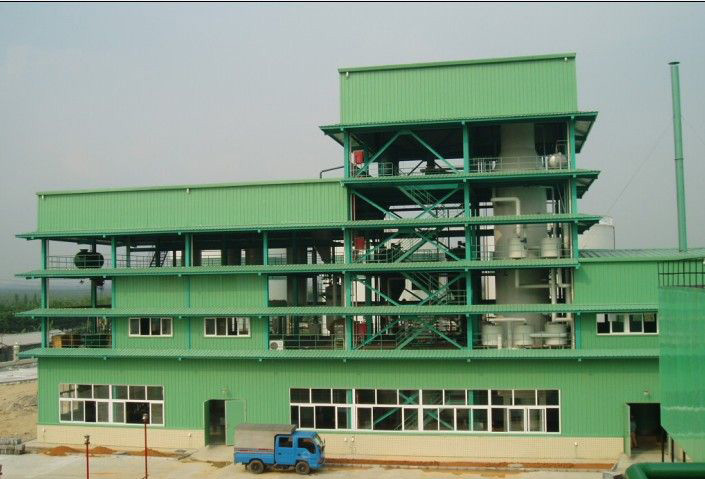
Project Example: Egypt 120TPD Soybean Crude Oil Refinery A practical example comes from a 120TPD soybean crude oil refinery project in Egypt, where a continuous refining process was implemented to improve both product quality and operating stability. The production line includes degumming, neutralization, bleaching, deodorization, and automated process control, enabling stable operation while producing high-quality refined soybean oil. By combining mature refining technology with automatic monitoring of key operating parameters, the refinery achieved consistent product quality, optimized energy consumption, and improved overall production efficiency. This project demonstrates that effective edible oil refining loss reduction depends not only on equipment selection but also on stable process control throughout every refining stage.

Once the main refining stages are operating efficiently, the next opportunity to improve oil yield in edible oil production is recovering oil from refining by-products. Many refineries focus only on refined oil output while overlooking the neutral oil remaining in soapstock, spent bleaching earth, filter cake, and deodorizer distillate. Monitoring these streams helps identify hidden losses and supports long-term edible oil refining loss reduction.
Soapstock generated during neutralization contains soaps, water, free fatty acids, phospholipids, and entrained neutral oil. Although some oil loss is unavoidable, excessive oil remaining in soapstock usually indicates process problems rather than limitations of the refining method. The most common causes include:
Routine laboratory analysis of soapstock oil content provides an early indication of process changes. Combined with accurate FFA measurement and automatic alkali dosing, refiners can significantly reduce refining losses without compromising refined oil quality.
Spent bleaching earth can retain a considerable amount of edible oil. Instead of simply reducing bleaching earth dosage, processors should investigate the reasons behind excessive clay consumption. Common causes include:
Improving upstream refining performance generally reduces bleaching earth consumption while maintaining product quality.
Although deodorization usually contributes less to refining loss than neutralization or bleaching, unnecessarily severe operating conditions can still reduce oil recovery. Recommended practices include:
Proper deodorization preserves oil quality while minimizing unnecessary thermal losses.
Many processors ask how to reduce oil loss during refining without investing in major equipment upgrades. In most cases, measurable improvements come from optimizing existing operations rather than replacing production lines. A practical strategy includes:
Rather than pursuing the lowest possible refining loss, successful processors seek the optimal balance between oil recovery, operating cost, refining efficiency, and finished oil quality. Continuous monitoring and process optimization remain the most effective approach to improve oil yield in edible oil production.
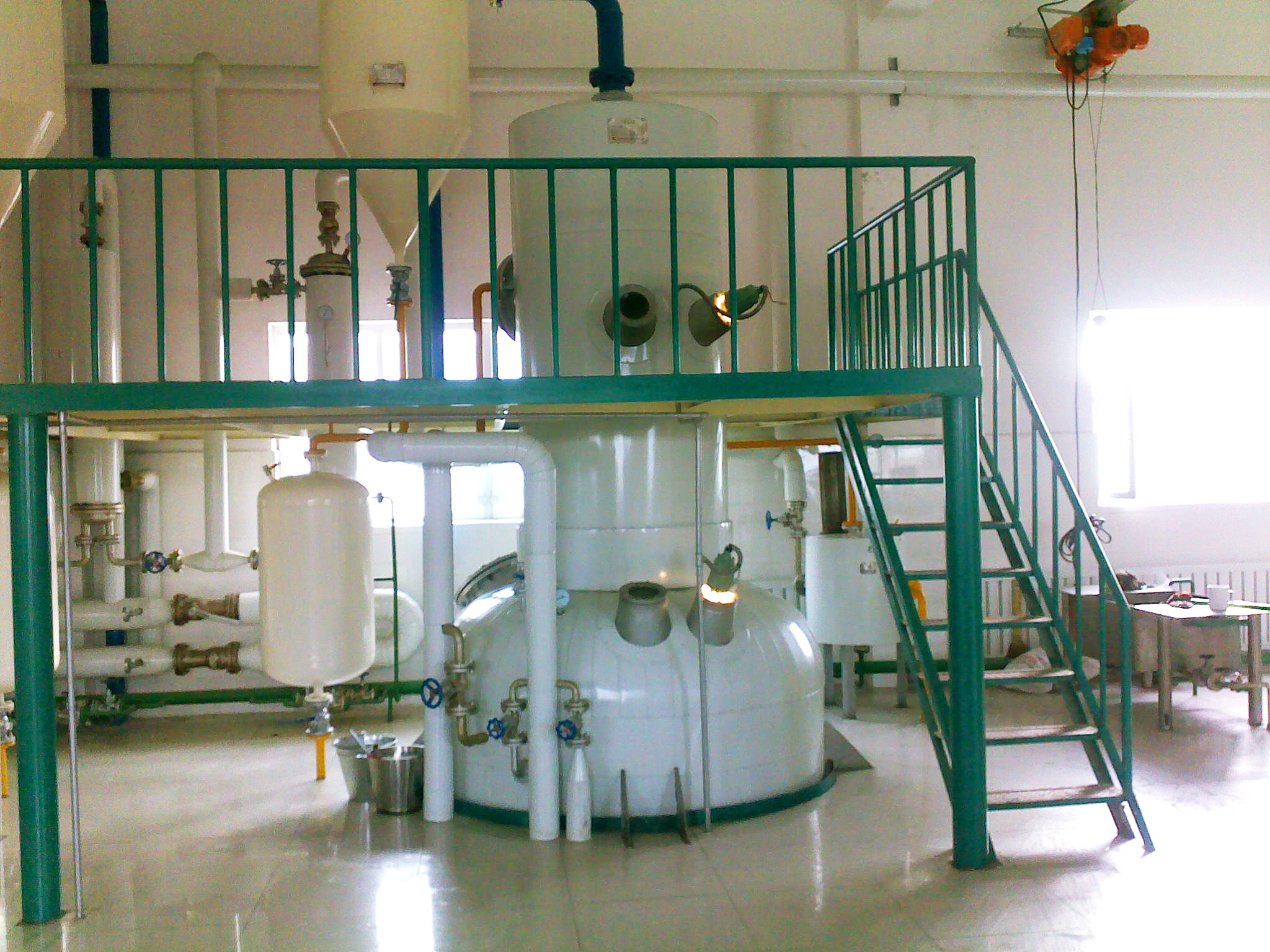
Project Example: Azerbaijan 150TPD Cottonseed Extraction & Refining Project A 150TPD cottonseed extraction and refining project in Azerbaijan demonstrates the importance of integrating extraction efficiency with refining optimization. The production line includes cottonseed pre-pressing, solvent extraction, DTDC meal desolventizing, mixed oil evaporation, solvent recovery, and a complete refining system. Automated process control and efficient solvent recovery help maximize oil extraction while maintaining stable refining performance. By combining high extraction efficiency with optimized refining operations, the project improves overall oil recovery, reduces operating costs, and enhances the utilization of cottonseed resources. This case illustrates that improving oil yield should be viewed as a complete process covering both extraction and refining rather than refining alone.

Many edible oil refineries experience excessive refining losses because of routine operating practices rather than equipment limitations. The most common mistakes include:
Correcting these issues often delivers measurable improvements without major capital investment.
To achieve sustainable edible oil refining loss reduction, processors should:
QIE GROUP Process Engineer
The author specializes in edible oil refining process design, production optimization, and equipment selection for soybean, sunflower, rapeseed, palm, cottonseed, and other vegetable oil processing plants, with extensive experience in improving oil recovery, refining efficiency, and production stability.
Experience from multiple refinery projects shows that the greatest improvements in oil yield usually come from stable crude oil quality, accurate chemical dosing, and efficient separation rather than excessive chemical consumption. Continuous monitoring of each refining stage allows processors to identify avoidable losses early and achieve long-term improvements in both oil recovery and operating efficiency.
Want to reduce edible oil refining losses and increase your factory yield? Contact our engineering specialists for customized plant evaluation and process design optimization.
Contact Our Engineers 300 TPD Soybean Solvent Extraction Plant
Turnkey Soybean Oil Extraction and Refinery Project in Egypt
300 TPD Soybean Pretreatment and Leaching Production Line
High Yield 60 TPD Soybean Cooking Oil Refining Machinery
Detailed Explanation of the Entire EPC Process in an Oil and Fat Factory
Oil and fat plant construction cost control plan
Oil Refining Workshop EPC Management Plan
250 TPD Shea Butter Processing Plant
Turnkey Shea Butter Pre-treatment and Pressing Line in Nigeria
Industrial Shea Butter Refining Machine for Cosmetics and Food Grade Oil
Automatic Shea Butter Extraction Project with High Oil Yield Technology
Residual oil content in rapeseed oil solvent extraction plants
Choosing between cold-pressed rapeseed oil and hot-pressed rapeseed oil
Integrated rapeseed oil processing production line with solvent recovery function
Sunflower oil production line cost Uzbekistan 2026
Turnkey sunflower oil processing plant price in Uzbekistan 2026
Small scale sunflower seed oil extraction machine cost Uzbekistan
2026 investment cost for edible oil refinery project in Uzbekistan
300 TPD Soybean Solvent Extraction Plant
Turnkey Soybean Oil Extraction and Refinery Project in Egypt
300 TPD Soybean Pretreatment and Leaching Production Line
High Yield 60 TPD Soybean Cooking Oil Refining Machinery
Detailed Explanation of the Entire EPC Process in an Oil and Fat Factory
Oil and fat plant construction cost control plan
Oil Refining Workshop EPC Management Plan
250 TPD Shea Butter Processing Plant
Turnkey Shea Butter Pre-treatment and Pressing Line in Nigeria
Industrial Shea Butter Refining Machine for Cosmetics and Food Grade Oil
Automatic Shea Butter Extraction Project with High Oil Yield Technology
Residual oil content in rapeseed oil solvent extraction plants
Choosing between cold-pressed rapeseed oil and hot-pressed rapeseed oil
Integrated rapeseed oil processing production line with solvent recovery function
Sunflower oil production line cost Uzbekistan 2026
Turnkey sunflower oil processing plant price in Uzbekistan 2026
Small scale sunflower seed oil extraction machine cost Uzbekistan
2026 investment cost for edible oil refinery project in Uzbekistan







.png?x-oss-process=image/resize,h_100,m_lfit/format,webp)
.png?x-oss-process=image/resize,h_100,m_lfit/format,webp)
.png?x-oss-process=image/resize,h_100,m_lfit/format,webp)