


.png?x-oss-process=image/resize,h_100,m_lfit/format,webp)
.png?x-oss-process=image/resize,h_100,m_lfit/format,webp)
.png?x-oss-process=image/resize,h_100,m_lfit/format,webp)
The decision should not be based only on the initial equipment price. Investors need to evaluate production capacity, raw material characteristics, automation requirements, labor availability, future expansion plans, and the total lifecycle cost of the plant. In many cases, the long-term performance of the entire production system has a greater influence on profitability than the initial investment.
This article compares individual machines vs complete oil processing line from an engineering perspective and explains how investors can select the most suitable solution based on production goals, capacity requirements, and oil processing plant investment cost considerations.

Selection Criteria: Which Option Fits Your Oil Plant?
When choosing between individual equipment and a complete production system, investors should first define their actual production requirements. There is no universal answer because different projects have different capacity targets, raw materials, and investment strategies.
The key question is not simply:
“Which equipment option is cheaper?”
Instead, investors should consider:
- Required production capacity
- Expected operating hours
- Type of oil-bearing raw materials
- Product quality requirements
- Automation level
- Available labor resources
- Future expansion plans
- Total operating costs
A complete oil processing line is usually designed as one integrated system, where every section works according to a coordinated production capacity. Individual machines, in contrast, are purchased separately and require additional engineering work to ensure compatibility.
| Evaluation Factor | Individual Machines | Complete Oil Processing Line |
|---|---|---|
| Initial Investment | Lower | Higher |
| Production Capacity | Small to medium scale | Medium to large scale |
| Automation Level | Low to medium | Medium to high |
| Process Integration | Separate equipment | Fully integrated system |
| Labor Requirement | Higher | Lower |
| Product Quality Stability | Depends on operation management | More consistent |
| Production Efficiency | Moderate | Higher |
| Expansion Planning | Flexible for phased investment | Better for long-term development |
| Maintenance Management | Separate management | Centralized system management |
| Overall Operating Cost | Often higher | Usually lower over plant lifetime |
For commercial oil production, a complete oil processing line becomes more advantageous when continuous operation, stable product quality, and production efficiency are important factors.
Because the entire system is engineered together, equipment capacity, material transfer, utilities, and automation systems can be matched during the design stage. This reduces production bottlenecks and improves overall plant reliability.
Individual machines may still be a practical option for smaller projects. They allow investors to start with lower initial investment and expand production gradually. However, this approach often requires additional planning because equipment from different suppliers may have different capacities, electrical requirements, conveying speeds, and control systems.
Compare Individual Machines and a Complete Oil Processing Line
The difference between individual equipment purchasing and a complete oil processing line is not only the number of machines installed. The main difference is how efficiently the entire production process operates as a coordinated system.
| Comparison Item | Individual Machines | Complete Oil Processing Line |
|---|---|---|
| Material Transfer | Manual or semi-automatic | Continuous automatic conveying |
| Equipment Compatibility | Depends on selection | Designed as one production system |
| Process Control | Independent operation | Centralized PLC control |
| Installation | Requires separate coordination | Unified engineering installation |
| Production Bottlenecks | More likely | Easier to control |
| Downtime Risk | Higher | Lower |
| Maintenance Planning | Separate schedules | Integrated maintenance strategy |
| Production Monitoring | Limited | Centralized production data |
One of the most common challenges with individually purchased machines is equipment compatibility. Even when each machine performs well independently, differences in processing capacity, feeding speed, conveying systems, or automation standards may create problems between production sections.
For example, a pressing machine may have a higher capacity than the upstream preparation equipment can supply, or a refining system may not match the crude oil output from the extraction section. These mismatches can reduce actual production efficiency and increase operating difficulties.
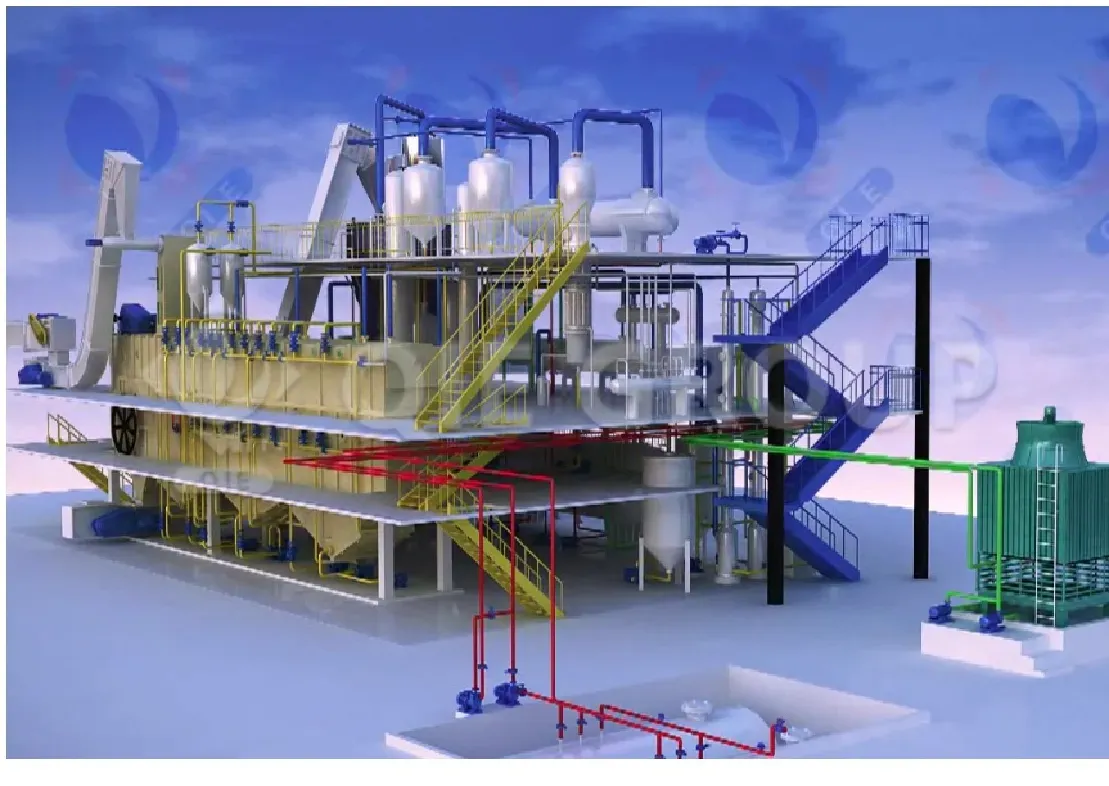
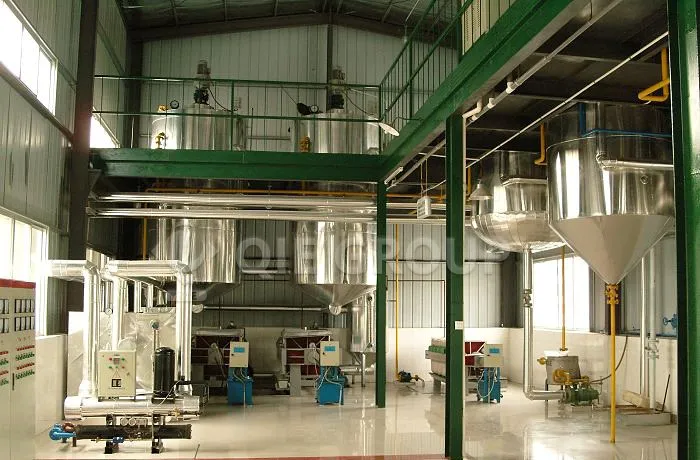
A complete oil processing line avoids many of these problems because each production section is selected according to the overall process design. Pretreatment, pressing or extraction, refining, conveying systems, and auxiliary equipment are matched to maintain balanced material flow.
In engineering practice, production losses are often caused not by the performance of a single machine, but by poor coordination between different processing stages. This is one of the main reasons why investors increasingly consider the benefits of a complete oil processing plant when planning medium and large-scale projects.
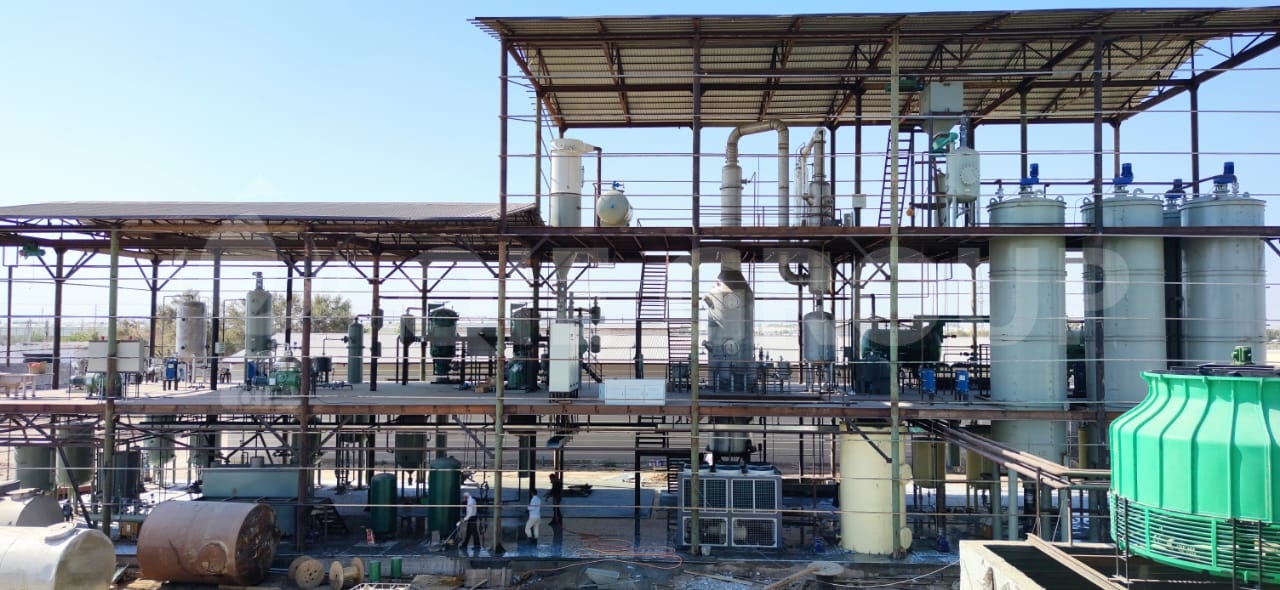
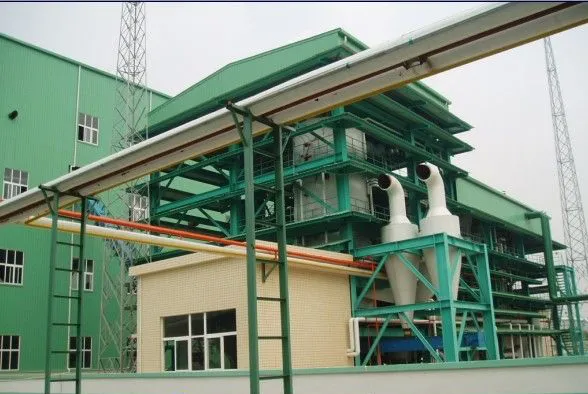
Case Study: 150TPD Cottonseed Oil Extraction and Refining Line in Azerbaijan
A practical example of the advantages of an integrated production system is a 150TPD cottonseed oil extraction and refining project in Azerbaijan.
The project was designed as a complete cottonseed oil processing line, including cottonseed cake solvent extraction, crude oil refining, solvent recovery, steam supply, and automatic control systems. The production line was designed for continuous operation with coordinated processing sections.
The project used cottonseed cake as raw material after pressing. Through solvent extraction technology, the remaining oil was recovered efficiently, and the crude oil was further processed through refining systems to produce refined cottonseed oil.
Compared with purchasing individual machines separately, this type of integrated design provides better coordination between extraction, solvent recovery, refining, and auxiliary systems. The complete production arrangement helps improve operational stability, reduce process conflicts, and support continuous commercial production.
This case demonstrates why investors should evaluate a complete oil processing line based on overall system performance rather than focusing only on individual equipment prices. The final oil processing plant investment cost should include not only machinery but also installation, utilities, automation, and long-term operating requirements.

Capacity Matching: Which Production Scale Benefits Most from a Complete Oil Processing Line?
Production capacity is one of the most important factors when deciding between individual machines and a complete oil processing line. As production volume increases, the advantages of an integrated system become more significant because equipment coordination, material handling efficiency, automation level, and process stability directly influence the overall plant performance.
For small-scale production, individual machines may provide greater flexibility because the initial investment requirement is lower. However, for medium and large commercial oil plants, a complete production system is usually more suitable because the entire process can be designed according to the required capacity.
| Daily Production Capacity | Recommended Solution | Engineering Consideration |
|---|---|---|
| Below 10 TPD | Individual Machines | Suitable for small production with limited investment requirements |
| 10–50 TPD | Depends on business plan | Individual machines provide flexibility, while integrated systems offer better long-term efficiency |
| 50–100 TPD | Complete Oil Processing Line | Better equipment coordination and improved labor efficiency |
| Above 100 TPD | Complete Oil Processing Line | Integrated design reduces production interruptions and improves operating stability |
For investors planning commercial production, capacity planning should consider not only current output requirements but also future expansion possibilities.
Many projects initially choose individual machines because they want to reduce the first-stage investment. However, after production expansion, they may discover that the original equipment configuration cannot support higher throughput. Upgrading may require replacing conveyors, modifying utilities, expanding electrical systems, or changing factory layouts.
These additional modifications can increase the actual oil processing plant investment cost over the project lifecycle.
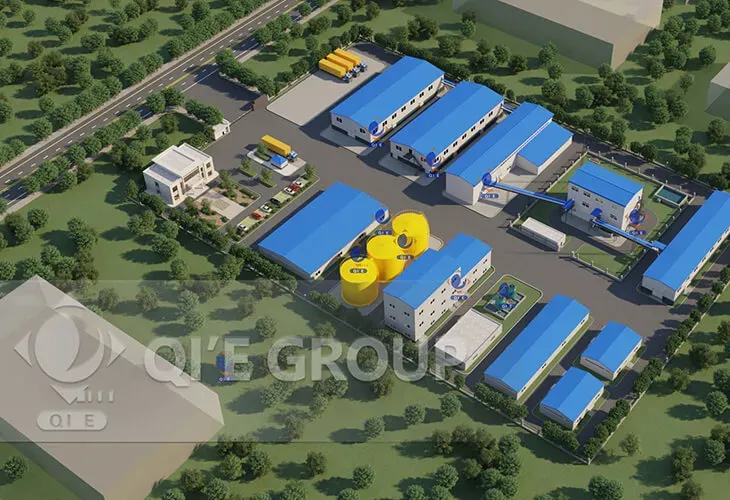
A complete oil processing line allows these factors to be considered during the engineering design stage. Processing sections such as raw material preparation, pressing or extraction, refining, conveying systems, storage, and utilities can be matched according to future production targets.
This approach reduces the risk of production bottlenecks and makes future capacity expansion easier.
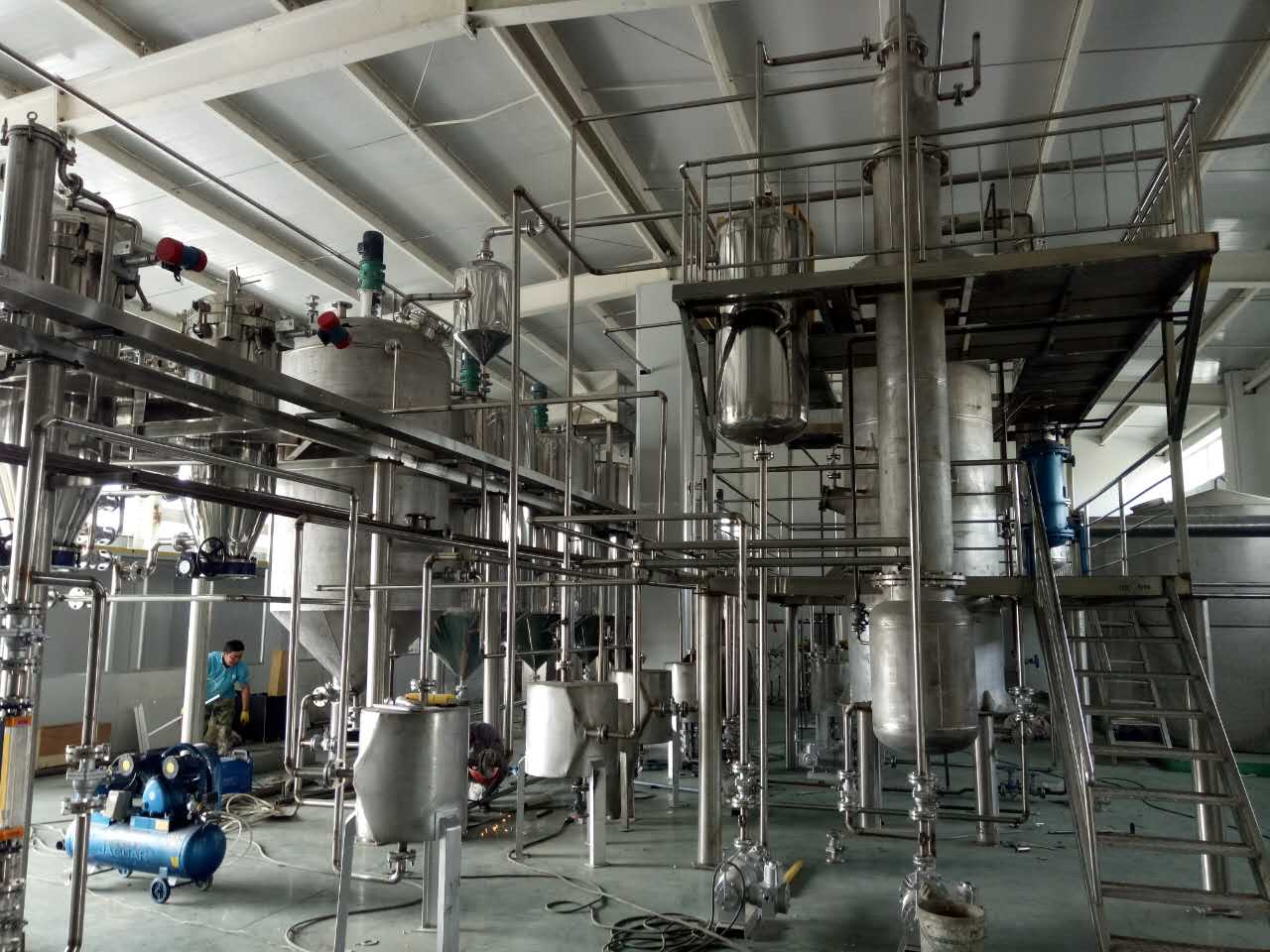
Case Study: 200TPD Multi-Oilseed Processing Plant in Uzbekistan
A practical example of capacity-based planning is a 200TPD oilseed processing project in Uzbekistan.
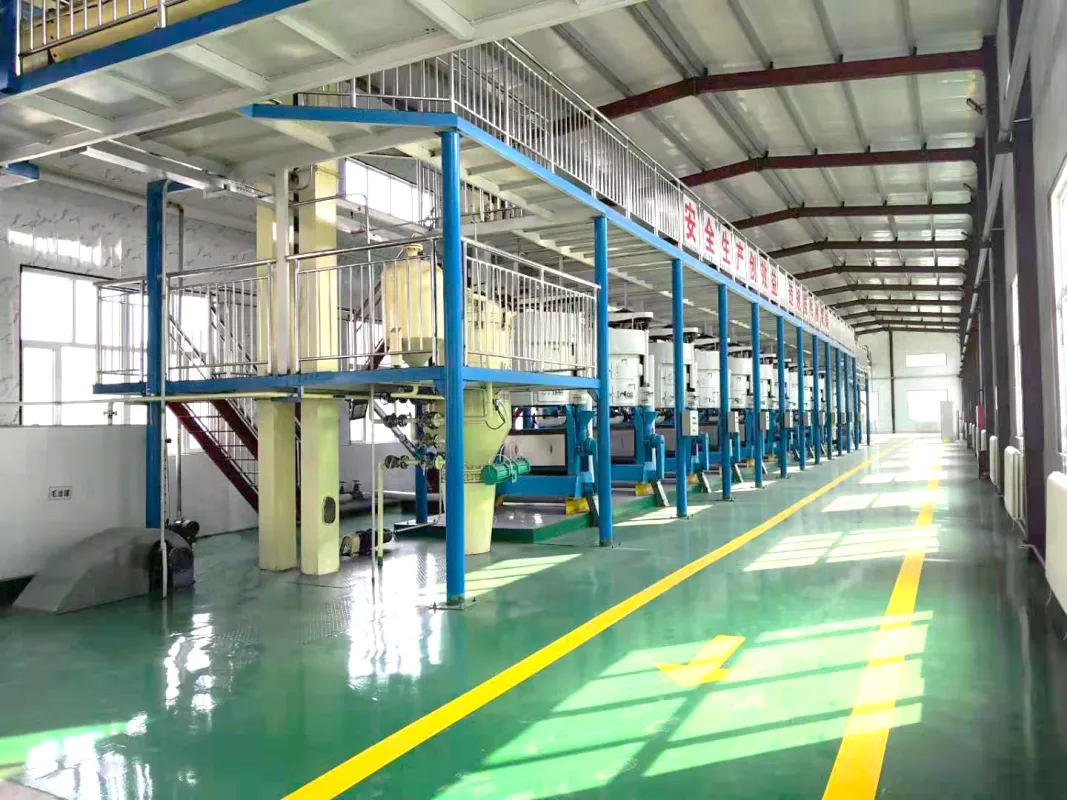
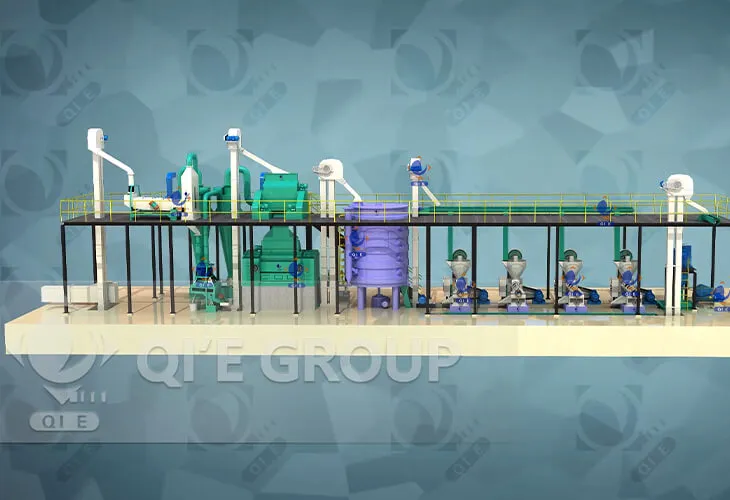
The project was designed as a modern oil processing plant capable of handling sunflower seeds, cottonseed, and soybean processing, with a supporting 50TPD edible oil refining line. The complete system covered the full production chain from raw material processing to refined oil production.
The project configuration included:
- 200TPD sunflower seed, cottonseed, and soybean pressing line
- 50TPD edible oil refining system
- Raw material preparation system
- Continuous screw pressing equipment
- Refining equipment
- Auxiliary systems and automatic control systems
For a project processing multiple oilseeds, purchasing individual machines separately would require additional engineering work to ensure compatibility between different production sections. Different raw materials have different physical characteristics, oil contents, and processing requirements.
The integrated production design helped the plant achieve better flexibility when handling different oil-bearing materials. The project also demonstrates the importance of selecting equipment according to long-term production goals rather than only comparing individual equipment prices.
For investors evaluating the benefits of a complete oil processing plant, this type of project shows several advantages:
- Better compatibility between processing sections
- More stable continuous production
- Easier automation management
- Improved utilization of raw materials
- Better preparation for future expansion
Common Selection Mistakes When Comparing Individual Machines and Complete Oil Processing Line
Many investors focus mainly on equipment purchase prices when planning an oil plant. However, the initial machine price represents only one part of the total investment.
A proper evaluation should consider the complete production system, including installation, utilities, automation, labor requirements, maintenance, and future upgrading costs.
Choosing Equipment Based Only on Purchase Price
A lower equipment price does not always mean a lower project cost.
When individual machines are purchased separately, additional expenses may appear, including:
- Equipment foundations
- Conveying systems
- Electrical connections
- Piping installation
- Control system integration
- Commissioning costs
After considering these additional requirements, the difference between individual machines and a complete oil processing line may become much smaller than expected.
Ignoring Equipment Compatibility
Equipment compatibility is one of the most important factors in oil plant operation.
Different manufacturers may provide machines with different:
- Processing capacities
- Feeding systems
- Motor specifications
- Control methods
- Material transfer requirements
Even small differences between connected production sections can create bottlenecks.
For example, if the pretreatment section cannot provide enough prepared material for the pressing section, the entire plant output will be limited regardless of the capacity of the main equipment.
A complete oil processing line solves this problem by designing every section as part of one coordinated production system.
Underestimating Future Expansion Requirements
Many investors plan only for current production demand but overlook future business growth.
When production increases, a plant may require:
- Higher material handling capacity
- Larger storage systems
- Increased steam and power supply
- Additional refining capacity
- Expanded automation systems
Planning these requirements during the initial design stage can reduce future modification costs and production downtime.
Overlooking Lifecycle Operating Costs
The total value of an oil plant should be evaluated through its entire operating period.
Important factors include:
- Labor requirements
- Energy consumption
- Maintenance frequency
- Spare parts management
- Production losses
- Expansion costs
Although a complete oil processing line usually requires a higher initial investment, its integrated design can reduce operating difficulties and improve long-term production efficiency.
Practical Engineering Recommendations
The choice between individual machines and a complete oil processing line should be based on production objectives, investment planning, and long-term operation requirements.
Choose Individual Machines When:
- Production capacity is relatively small.
- Initial investment budget is limited.
- The project is planned for gradual expansion.
- Existing equipment needs to be integrated into a new process.
- Production requirements may change frequently.
Under these conditions, individual machines provide flexibility and allow investors to start production with lower initial capital requirements.
However, equipment selection should still consider future expansion. Choosing unsuitable capacities at the beginning may increase replacement costs later.
Choose a Complete Oil Processing Line When:
- Continuous commercial production is required.
- Stable product quality is important.
- Production capacity is medium or large.
- Labor efficiency is a major consideration.
- Future expansion is expected.
- The investor wants better process integration.
A complete production system allows pretreatment, pressing, extraction, refining, conveying, utilities, and automation systems to operate together.
This integrated approach improves production stability and helps investors achieve better long-term performance from their oil processing plant.
Engineering Factors That Should Be Evaluated Before Making a Decision
Before selecting individual machines or a complete oil processing line, investors should complete a technical evaluation of the entire production system.
The correct choice depends not only on equipment selection but also on raw materials, production targets, factory conditions, utility availability, and future development plans.
The following factors should be considered before making an investment decision:
| Engineering Factor | Why It Matters |
|---|---|
| Raw Material Type | Different oilseeds require different preparation and processing conditions |
| Planned Production Capacity | Determines equipment size, process configuration, and automation requirements |
| Product Requirements | Crude oil, refined oil, and specialty oils require different processing sections |
| Factory Layout | Affects material flow, installation efficiency, and future expansion possibilities |
| Utility Availability | Steam, electricity, water, and compressed air capacity influence equipment selection |
| Automation Requirements | Determines labor demand, production stability, and process control level |
| Future Expansion Plan | Helps avoid replacing equipment during later capacity upgrades |
Raw Material Characteristics
The type of raw material directly affects the production process design.
Different oil-bearing materials have different:
- Oil content
- Moisture requirements
- Physical properties
- Pretreatment requirements
- Processing difficulties
For example, sunflower seeds, soybeans, and cottonseed may require different preparation methods before pressing or extraction.
A production system designed for multiple raw materials needs greater flexibility in equipment selection and process configuration. This is one reason why a complete oil processing line is often preferred for commercial projects that process different oilseeds.
Production Capacity and Process Balance
Capacity selection should consider the relationship between all production sections.
A common mistake is selecting a main processing machine based only on its rated capacity while ignoring upstream and downstream equipment.
For example:
- Pretreatment capacity must match pressing capacity.
- Pressing output must match extraction or refining requirements.
- Refining capacity must match crude oil production volume.
- Storage and utility systems must support continuous operation.
A complete production line allows these sections to be designed as a balanced system.
This reduces bottlenecks and improves equipment utilization.
Automation Level and Labor Requirements
Automation is another important factor when comparing individual machines vs complete oil processing line solutions.
Individually purchased equipment often requires separate control systems, which can increase operation complexity.
A complete oil processing line usually integrates:
- Centralized PLC control
- Automatic material transfer
- Production monitoring
- Process parameter adjustment
For commercial plants, higher automation can reduce dependence on manual operation and improve production consistency.
Factory Layout and Utility Planning
Many investors focus on processing equipment but underestimate supporting systems.
A complete evaluation should include:
- Equipment arrangement
- Material transportation routes
- Electrical distribution
- Steam system
- Water supply
- Waste treatment
- Storage facilities
These supporting systems directly influence installation cost and future expansion possibilities.
When evaluating oil processing plant investment cost, investors should consider the complete project requirements rather than only the equipment quotation.
Equipment Selection Tips
Selecting between individual machines and a complete oil processing line is ultimately a decision about the entire production strategy.
The following principles can help investors make a more practical choice:
1. Evaluate Total Lifecycle Cost
The lowest initial equipment price does not always create the lowest long-term cost.
Investors should compare:
- Equipment investment
- Installation expenses
- Energy consumption
- Labor requirements
- Maintenance costs
- Spare parts
- Future expansion expenses
A complete oil processing line may require higher initial investment, but better integration can reduce operational challenges over the plant lifetime.
2. Consider Future Production Growth
Many oil processing projects expand after several years of operation.
If future growth is expected, investors should consider:
- Reserved utility capacity
- Expandable factory layout
- Additional processing sections
- Automation upgrade possibilities
Early planning can prevent expensive modifications later.
3. Select Equipment Based on the Complete Process
A single machine with high efficiency does not guarantee high plant performance.
The final production result depends on how all equipment works together.
The complete process should be evaluated, including:
- Raw material preparation
- Oil extraction method
- Refining requirements
- Material handling
- Energy systems
- Automation control
This system-level approach is the main advantage of a complete oil processing line.
FAQ
1. Is it cheaper to buy individual machines instead of a complete oil processing line?
Individual machines usually require lower initial investment because investors can purchase equipment step by step.
However, the total project cost may increase after adding installation, conveying systems, electrical integration, commissioning, and future modifications.
For medium and large-scale commercial plants, a complete oil processing line often provides better long-term economic performance because all production sections are designed as one coordinated system.
2. What are the main benefits of a complete oil processing plant?
The main benefits of a complete oil processing plant include:
- Better equipment compatibility
- Stable production performance
- Higher automation level
- Reduced production bottlenecks
- Easier maintenance management
- Better preparation for future expansion
These advantages become more important as production capacity increases.
3. When should investors choose a complete oil processing line?
A complete production line is usually more suitable when:
- Continuous production is required.
- The plant capacity is medium or large.
- Product quality consistency is important.
- Labor resources are limited.
- Future expansion is expected.
For small-scale projects with limited budgets, individual machines may still be a reasonable option.
4. Can individual machines be expanded into a complete production system later?
Yes, but expansion requires careful planning.
If the original equipment configuration does not match future production requirements, investors may need to modify:
- Conveying systems
- Utilities
- Electrical systems
- Factory layout
- Control systems
Proper planning during the initial investment stage can reduce these additional costs.
5. What factors affect oil processing plant investment cost?
Oil processing plant investment cost depends on many factors, including:
- Production capacity
- Raw material type
- Processing technology
- Equipment configuration
- Automation level
- Utility systems
- Installation requirements
- Future expansion plans
Therefore, investors should evaluate the complete project scope instead of comparing equipment prices alone.
Conclusion
Choosing between individual machines and a complete oil processing line depends on the production objectives, investment strategy, and long-term operating requirements of the project.
Individual machines can provide flexibility for small-scale production, phased investment, or projects with changing production conditions.
However, for medium and large commercial oil plants, an integrated production system usually provides greater advantages through better process coordination, stable product quality, higher automation, and improved operating efficiency.
The most important consideration is not only the initial equipment investment but the overall performance of the production system throughout its operating life.
By evaluating raw materials, capacity requirements, automation level, utility systems, and future expansion plans before purchasing equipment, investors can reduce engineering risks and build a more reliable oil processing plant.
Author
QIE GROUP Process Engineer
Specializing in edible oil processing technology, plant engineering, equipment selection, and turnkey oil processing projects. The engineering team provides practical engineering solutions for oilseed processing plants, helping investors optimize production efficiency, equipment configuration, and long-term plant performance.





.JPG?x-oss-process=image/resize,h_800,m_lfit/format,webp)


