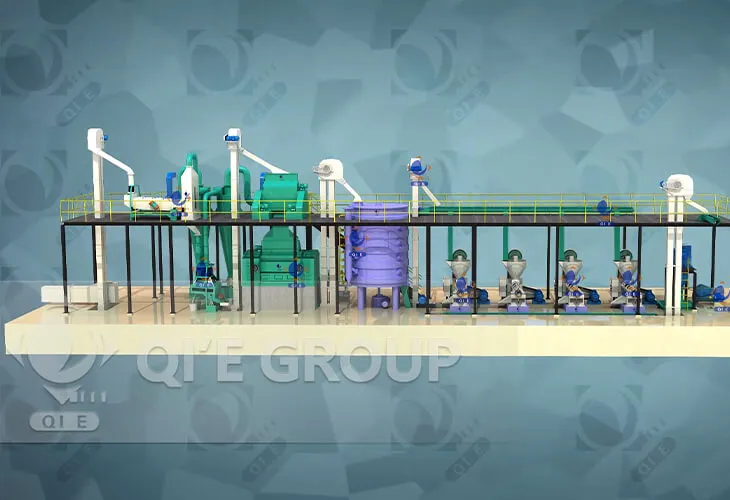
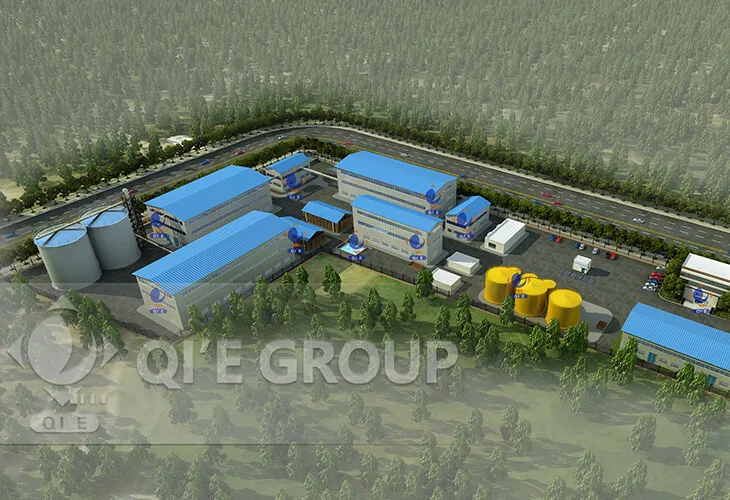
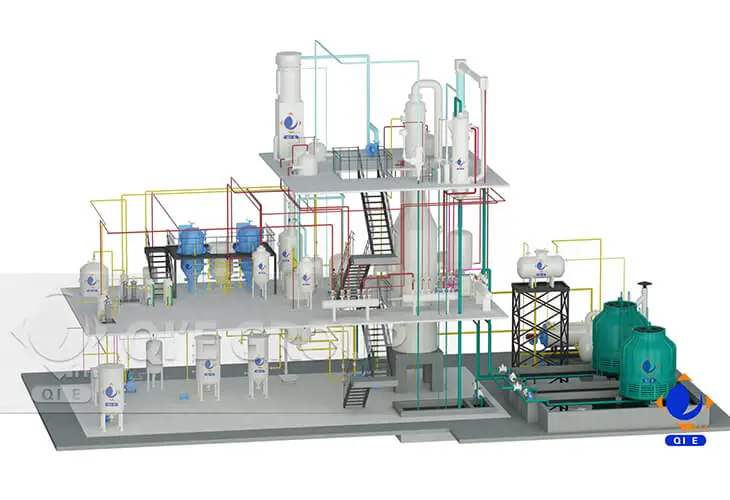
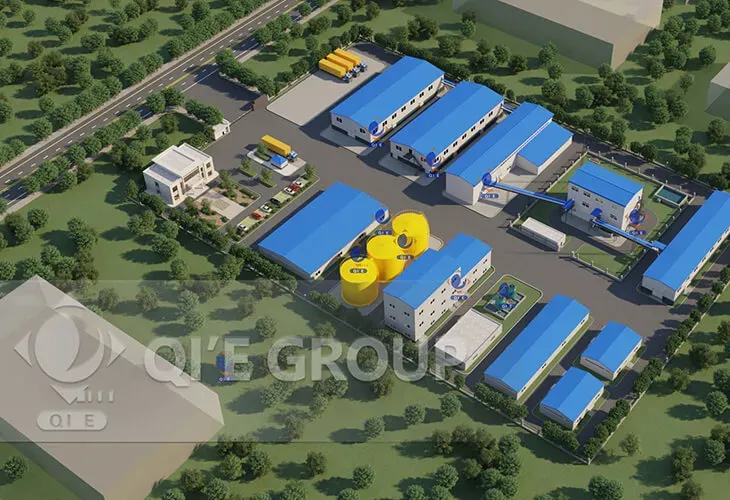
Yes, cottonseed oil processing is a profitable business in Uzbekistan for investors who can secure stable cottonseed supplies and operate efficient processing facilities. Uzbekistan produces more than 3.5 million tons of cottonseed annually, providing a reliable raw material base for oil extraction. Industry benchmarks indicate that well-managed cottonseed oil plants can achieve profit margins of 8–18%, while revenue from cottonseed meal and hulls can contribute up to 40% of total income. Although profitability depends on factors such as raw material costs, oil yield, energy consumption, and plant utilization rates, Uzbekistan’s strong cotton industry, growing edible oil demand, and import substitution initiatives create favorable conditions for investment. For medium-scale projects with integrated by-product utilization, cottonseed oil processing remains one of the more attractive agro-processing opportunities in Central Asia.
Uzbekistan remains one of the most cotton-intensive agricultural economies globally. According to the International Cotton Advisory Committee (ICAC), the country consistently ranks among the world's leading cotton producers.
Several structural advantages support cottonseed oil processing investment:
According to international edible oil market assessments, Central Asia continues to rely heavily on imported refined vegetable oils. This creates opportunities for local processors to replace imports and strengthen domestic supply chains.
From an industrial perspective, cottonseed remains an underutilized resource in many producing regions. While cotton fiber receives most of the attention, significant value can still be captured through efficient seed processing and by-product recovery.
The investment required for a cottonseed oil processing plant depends largely on production capacity, automation level, and technology selection.
| Plant Capacity | Estimated Investment |
|---|---|
| 20 TPD | USD 250,000 – 500,000 |
| 50 TPD | USD 600,000 – 1.2 million |
| 100 TPD | USD 1.2 – 2.5 million |
| 200 TPD Integrated Plant | USD 3 – 5 million |
1. Seed Pre-Treatment System
Includes:
This section typically represents approximately 20–25% of total equipment investment.
2. Oil Extraction System
Depending on the selected process:
The extraction section generally accounts for 35–45% of total project cost.
3. Oil Refining System
The refining section includes:
Investment in refining equipment usually represents 20–30% of total plant cost.
4. Auxiliary Facilities
Supporting infrastructure includes:
These systems typically account for 10–15% of total investment.
Energy efficiency should be considered during project planning because energy expenses can represent a significant share of operating costs throughout the plant lifecycle.
Profitability is determined by several interconnected factors rather than crude oil prices alone.
1. Raw Material Cost Stability
Cottonseed procurement is the largest operating expense for most processors.
Cottonseed prices are influenced by:
Plants located near cotton-growing regions generally achieve stronger profit margins due to lower transportation costs and more reliable feedstock access.
2. Oil Yield Efficiency
Oil recovery efficiency directly affects profitability.
Typical cottonseed oil yields include:
| Processing Method | Typical Oil Yield |
|---|---|
| Mechanical Pressing | 14–18% |
| Solvent Extraction | 18–22% |
Even small improvements in extraction efficiency can significantly increase annual revenue and improve return on investment.
3. By-Product Utilization
One of the most important profitability drivers is the effective utilization of processing by-products.
Major by-products include:
Cottonseed Meal
Used as a protein-rich livestock feed ingredient.
Cottonseed Hulls
Used for:
In many commercial operations, by-products contribute between 25–40% of total plant revenue, making them essential to overall project profitability.
4. Energy and Labor Efficiency
Although labor costs in Uzbekistan remain relatively competitive, energy consumption has a major impact on operating margins.
Key factors include:
Plants designed with modern energy-saving technologies typically achieve better long-term financial performance.

Demand for edible oils in Uzbekistan continues to rise due to population growth, urbanization, and changing dietary patterns.
Current market trends include:
Because domestic production does not fully satisfy national demand, opportunities exist for new processing facilities to enter the market.
Investors generally have two primary sales channels:
Domestic Market
Refined cottonseed oil can be supplied to:
Regional Export Markets
Potential export products include:
Neighboring Central Asian countries may provide additional market opportunities depending on trade conditions and logistics infrastructure.
Although the industry offers attractive opportunities, investors should evaluate several important risks.
Raw Material Supply Risk
Poor harvests or supply chain disruptions can reduce plant utilization rates and increase procurement costs.
Margin Compression Risk
Changes in vegetable oil market prices may reduce the spread between raw material costs and finished product values.
Infrastructure Challenges
Power interruptions and energy supply instability can affect production efficiency and increase operating costs.
Regulatory and Trade Risks
Agricultural policies, food security measures, and export regulations may influence market conditions over time.
A comprehensive feasibility study should evaluate these risks before project implementation.
For a properly managed cottonseed oil processing plant, profitability is often driven by a combination of oil sales and by-product revenue.
A medium-scale 50–100 TPD facility may achieve:
Projects with integrated refining, efficient extraction systems, and strong by-product marketing strategies generally achieve the most attractive returns.

Based on current market conditions, cottonseed oil processing remains a viable and potentially profitable investment in Uzbekistan.
The strongest opportunities exist for investors who can:
While cottonseed oil processing is not a high-margin commodity business, it can deliver sustainable returns when supported by efficient engineering design, disciplined cost management, and a well-structured by-product strategy.
For investors seeking long-term participation in Uzbekistan’s agricultural processing sector, cottonseed oil production continues to offer attractive industrial development potential.
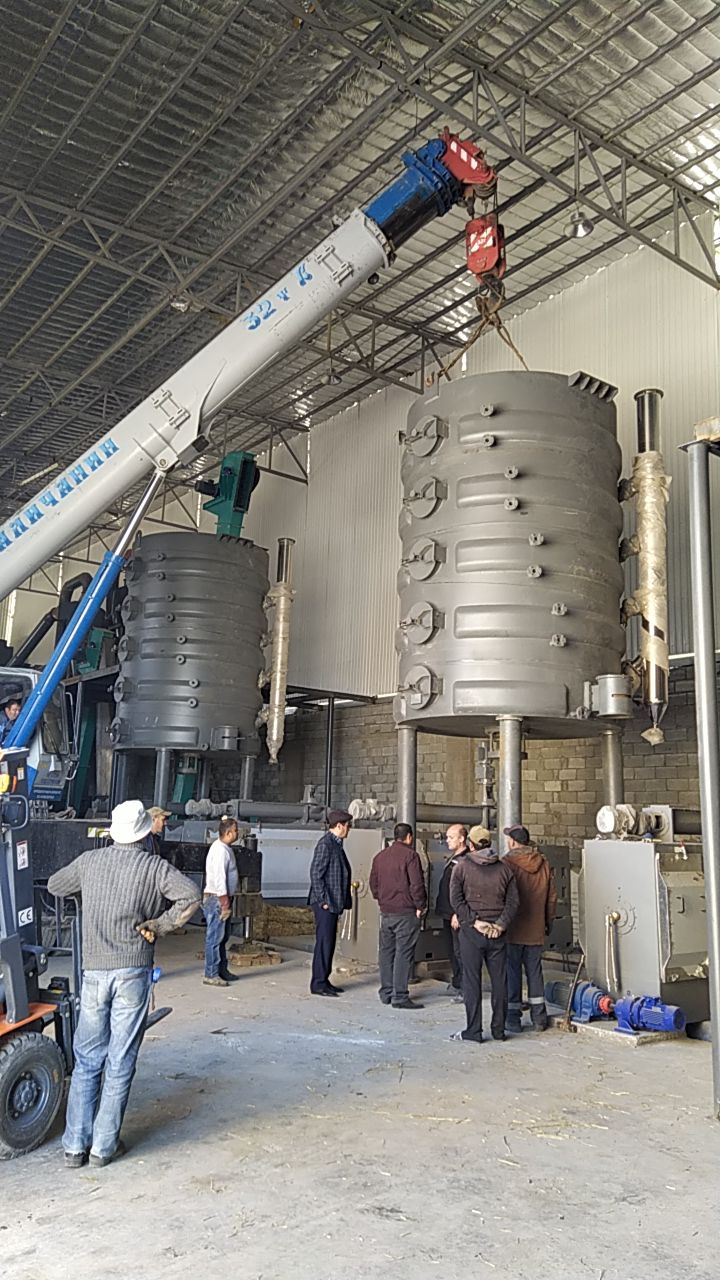
Yes. Well-managed cottonseed oil processing plants in Uzbekistan can achieve profit margins of approximately 8–18%, particularly when by-products such as cottonseed meal and hulls are fully utilized.
Investment costs typically range from USD 250,000 for a small 20 TPD facility to USD 5 million for a large integrated 200 TPD processing plant.
Profit comes from both cottonseed oil sales and by-product revenue. Cottonseed meal and hulls can contribute up to 40% of total plant income in efficient operations.
A 50–100 TPD cottonseed oil processing plant is often considered the optimal balance between investment cost, operational efficiency, and market competitiveness.
Major risks include cottonseed price fluctuations, energy costs, supply chain disruptions, and changing edible oil market conditions.
Planning to invest in a cottonseed oil processing plant in Uzbekistan? Get expert technical solutions, customized equipment configurations, and complete factory setup designs tailored to your capacity requirements.
Get a Free Feasibility Proposal 2026 Edible Oil Production Line
 machine list
2026 Edible Oil Production Line latest price
2026 Edible Oil Production Line machine latest price
2026 Shea Butter Turnkey Production Line
2026 Machinery Required for a Shea Butter Turnkey Production Line
Projected Cost for a Shea Butter Turnkey Production Line in 2026
Shea butter extraction process steps
Manufacturer of fully automatic shea butter production equipment
Industrialized shea butter processing plant
cottonseed oil production line
mechanical pressing vs solvent extraction cottonseed oil
how to choose a cottonseed oil production line
best cottonseed oil processing method
Soybean Solvent Extraction Plant
Soybean oil solvent extraction plant cost and ROI
Small scale soybean oil extraction machine for beginners
Top-rated soybean solvent extraction equipment manufacturers
2026 Edible Oil Production Line
2026 Edible Oil Production Line machine list
2026 Edible Oil Production Line latest price
2026 Edible Oil Production Line machine latest price
2026 Shea Butter Turnkey Production Line
2026 Machinery Required for a Shea Butter Turnkey Production Line
Projected Cost for a Shea Butter Turnkey Production Line in 2026
Shea butter extraction process steps
Manufacturer of fully automatic shea butter production equipment
Industrialized shea butter processing plant
cottonseed oil production line
mechanical pressing vs solvent extraction cottonseed oil
how to choose a cottonseed oil production line
best cottonseed oil processing method
Soybean Solvent Extraction Plant
Soybean oil solvent extraction plant cost and ROI
Small scale soybean oil extraction machine for beginners
Top-rated soybean solvent extraction equipment manufacturers







.png?x-oss-process=image/resize,h_100,m_lfit/format,webp)
.png?x-oss-process=image/resize,h_100,m_lfit/format,webp)
.png?x-oss-process=image/resize,h_100,m_lfit/format,webp)