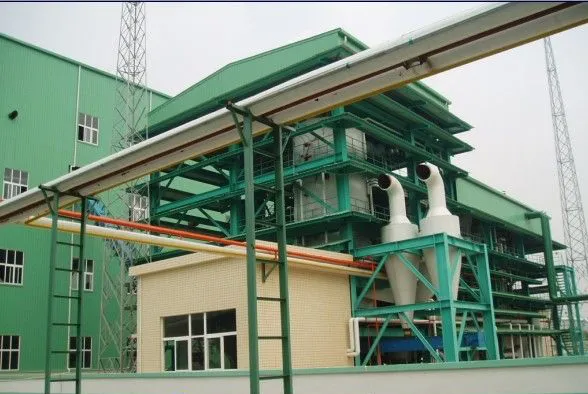
In the competitive edible oil market, the quality of sunflower seed oil is a critical factor influencing consumer preference and product positioning. Traditional high-temperature pressing methods have powered large-scale production for decades but often at the cost of flavor and nutritional vitality. Conversely, the emergence of low-temperature oil extraction technology, especially sub-60°C screw pressing, offers a promising avenue to preserve essential nutrients such as Vitamin E and phytosterols, enhancing not just oil quality but also shelf life. This article provides an in-depth comparison of these two pressing techniques, focusing on how innovative low-temperature screw oil presses developed by Penguin Group optimize extraction without compromising oil integrity.
High-temperature pressing, typically conducted above 100°C, expedites oil extraction speed but inadvertently causes significant nutritional degradation. Excessive heat can break down thermally sensitive compounds leading to:
The accelerated chemical changes also affect oil color and stability, posing a challenge to producers targeting premium market segments.
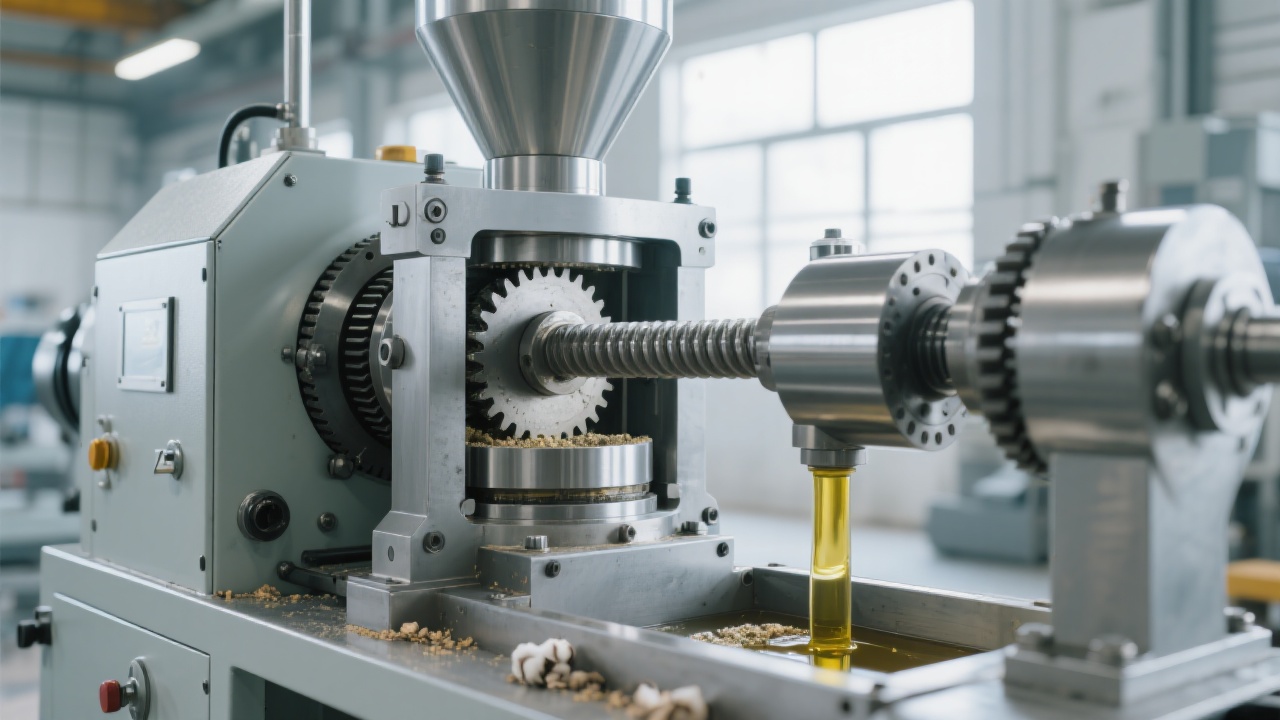
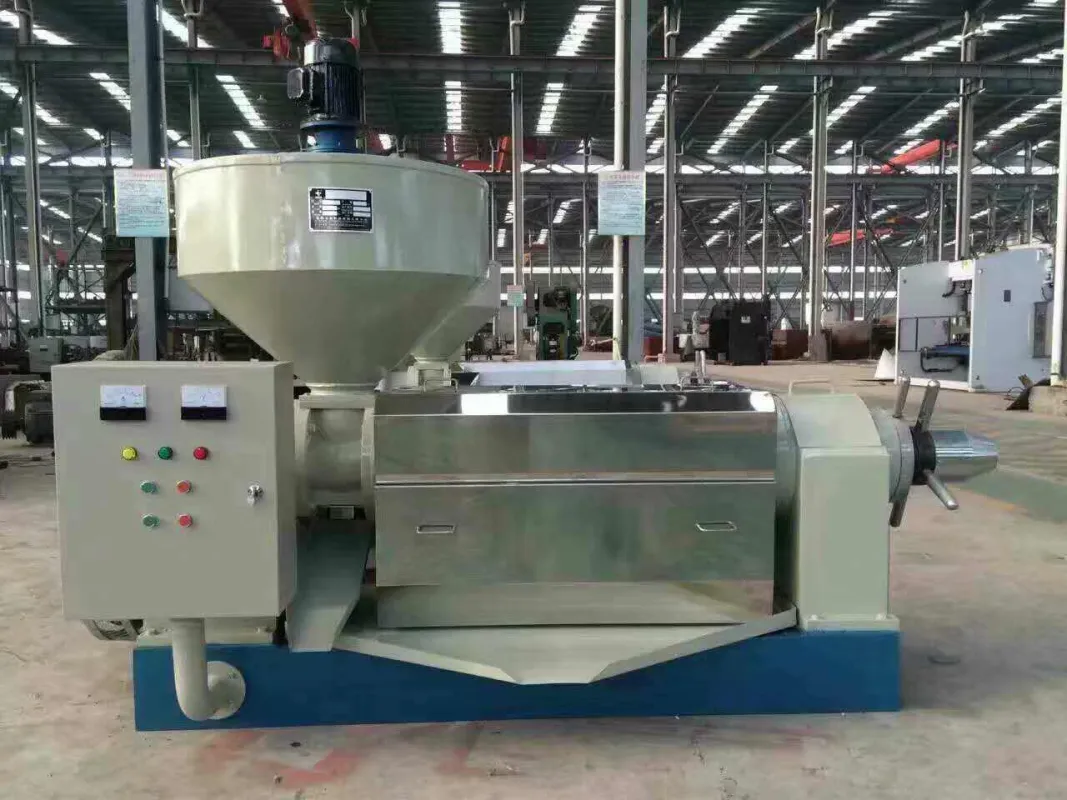
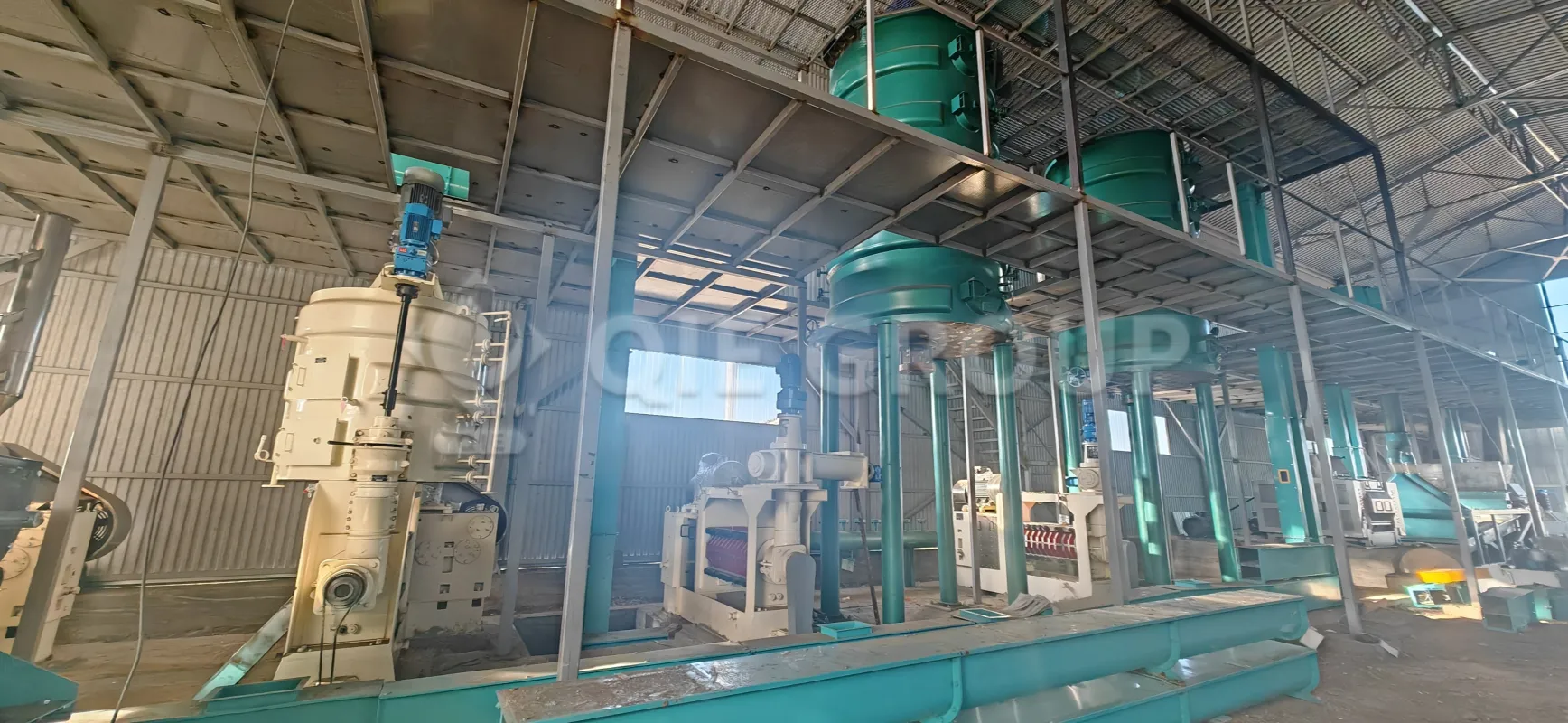
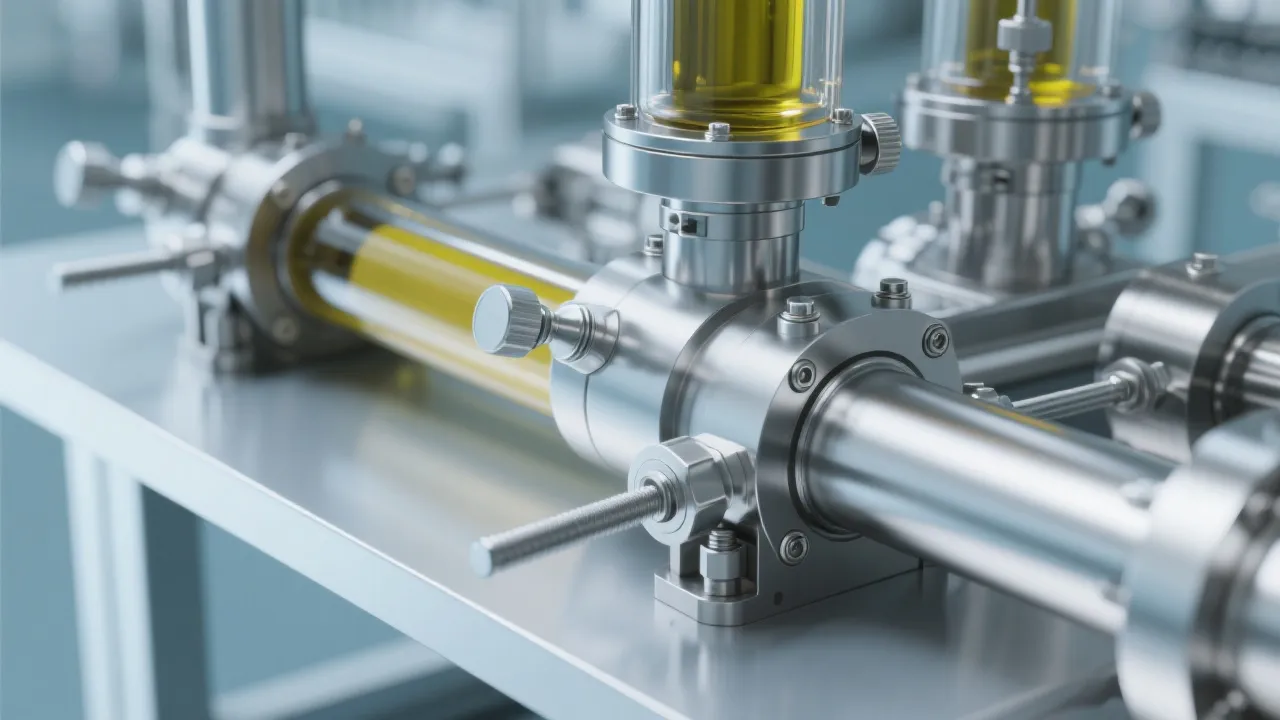
Penguin Group’s low-temperature screw oil presses operate at carefully controlled temperatures below 60°C, employing a combination of advanced temperature control systems, consistent feedstock input, and gradual pressure gradients to preserve the oil's structural and biochemical properties. Key technical features include:
| Technical Aspect | Operational Benefit |
|---|---|
| Precise Temperature Control | Prevents thermal degradation of vitamins and phytosterols |
| Stable Feed Rate Mechanism | Ensures uniform pressing and reduces oxidative stress |
| Gradual Pressure Gradient Adjustment | Maximizes oil yield without damaging oil molecules |
Quantitative comparisons indicate profound improvements when using low-temperature presses. For example, in trials conducted across several sunflower seed batches:
These improvements translate directly into longer shelf life, richer taste, and superior stability, vital for high-end edible oil brands seeking to differentiate themselves in premium markets.
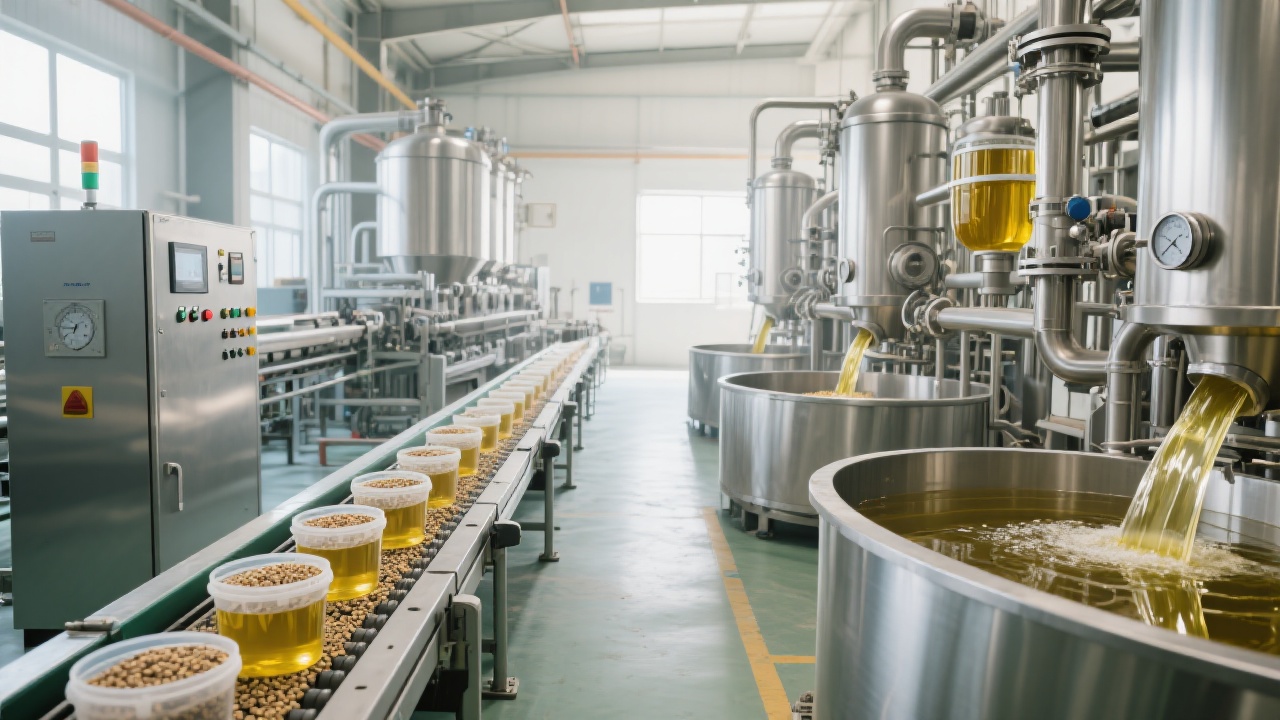
A case study from one of Penguin Group’s key global clients shows the tangible advantages of adopting low-temperature screw presses. Over a 12-month period:
Broader environmental and consumer health trends are driving demand for cleaner, more natural edible oils. Governments increasingly promote green manufacturing policies that encourage energy efficiency and nutrient preservation. Meanwhile, consumer purchasing behavior is shifting towards mid-to-high-end oils noted for nutritional quality and authenticity.
The analogy of cooking methods helps underscore the benefits: just as slow simmering preserves the depth and freshness of a broth better than high-heat stir-frying, low-temperature pressing safeguards the integrity and subtle flavors of sunflower seed oil—qualities that elevate products in discerning markets.
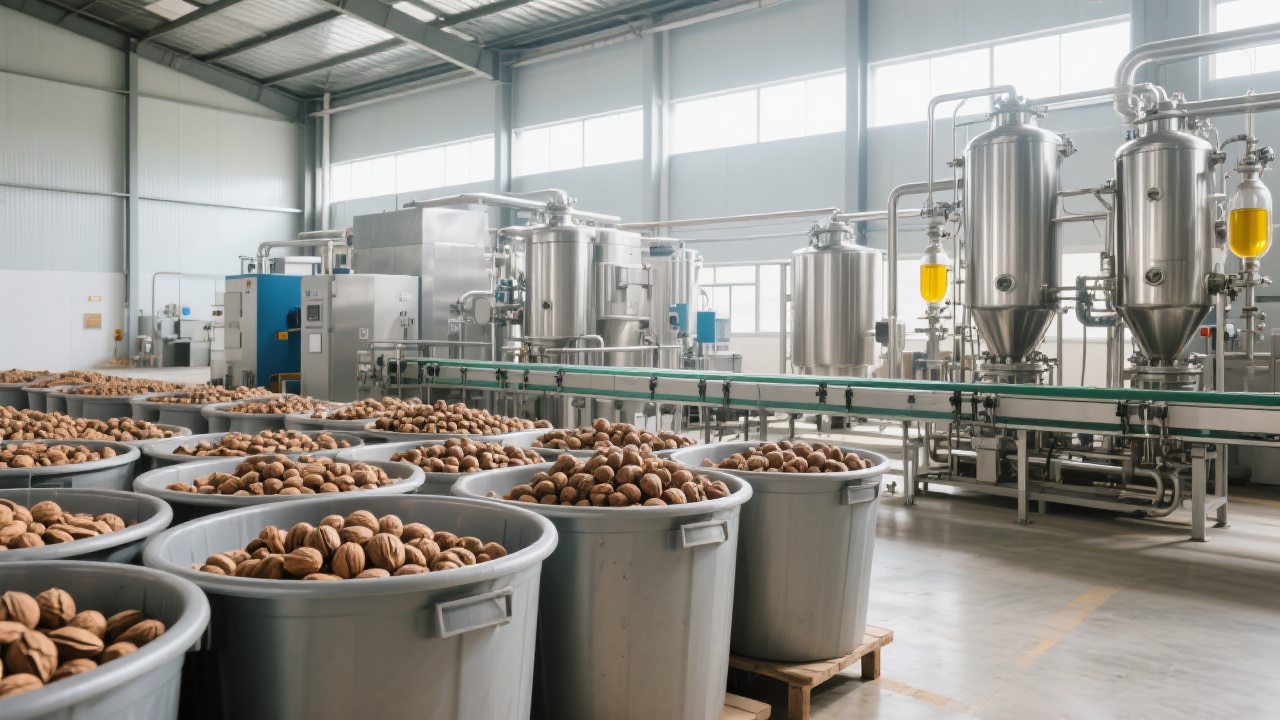
Expert Insight:
“Low-temperature screw pressing represents a pivotal advancement, enabling producers to combine efficiency with quality preservation. Penguin Group’s solutions are instrumental in reshaping industry standards for edible oils.” — Industry Analyst, FoodTech Insights
 sunflower seed oil extraction equipment troubleshooting
oil separation optimization
sunflower seed oil production capacity improvement
equipment maintenance tips
production safety management
Rice bran oil processing
Oil processing efficiency improvement
Rice bran oil processing technology
Rice bran oil production equipment
Rice bran oil production line
Rice bran oil production line equipment manufacturer
Peanut oil production line
Peanut oil production equipment
Peanut oil production line equipment manufacturers
Edible oil production line
Establishing edible oil production line
How to build an edible oil production line
sunflower seed oil extraction equipment troubleshooting
oil separation optimization
sunflower seed oil production capacity improvement
equipment maintenance tips
production safety management
Rice bran oil processing
Oil processing efficiency improvement
Rice bran oil processing technology
Rice bran oil production equipment
Rice bran oil production line
Rice bran oil production line equipment manufacturer
Peanut oil production line
Peanut oil production equipment
Peanut oil production line equipment manufacturers
Edible oil production line
Establishing edible oil production line
How to build an edible oil production line





.png?x-oss-process=image/resize,h_100,m_lfit/format,webp)
.png?x-oss-process=image/resize,h_100,m_lfit/format,webp)
.png?x-oss-process=image/resize,h_100,m_lfit/format,webp)