.png?x-oss-process=image/resize,h_100,m_lfit/format,webp)
.png?x-oss-process=image/resize,h_100,m_lfit/format,webp)
.png?x-oss-process=image/resize,h_100,m_lfit/format,webp)
Introduction
Improving mechanical pressing oil recovery depends less on simply increasing pressing force and more on controlling the entire process from raw material preparation to screw press operation. Poor conditioning, incorrect moisture content, unstable feeding, unsuitable pressing temperature, excessive throughput, and worn press components can all increase residual oil in press cake and reduce overall oil yield.
For most oilseeds, the most practical way to improve oil recovery in mechanical pressing is to prepare the raw material correctly, operate the screw press within its optimal range, and maintain stable equipment performance. The goal is not to maximize pressure or capacity at any cost, but to achieve a balanced combination of oil recovery, product quality, energy consumption, and equipment reliability.
This article explains the main factors affecting oil recovery in mechanical pressing and provides practical methods to increase oil yield in mechanical pressing without relying on a single equipment adjustment.
1. Optimize Oilseed Preparation Before Mechanical Pressing
Raw material preparation is one of the most important factors affecting oil recovery. A screw press can only efficiently extract oil when the oil-bearing cells have been properly prepared for compression and oil release.
Even a high-performance mechanical press may deliver poor results when the incoming material has unsuitable moisture, uneven particle size, insufficient conditioning, or excessive impurities. For this reason, improving extraction efficiency should begin before the material enters the press.
Control Moisture Content
Moisture directly affects oil release, material flow, and press cake structure.
When moisture is too high:
- Oil may remain trapped in the press cake.
- The material becomes soft and difficult to compress.
- Internal pressure may become unstable.
- Oil drainage can become less efficient.
When moisture is too low:
- The material becomes excessively brittle.
- Fine particles increase.
- Pressing resistance may rise.
- Equipment wear can accelerate.
The optimal moisture range depends on the oilseed and the design of the pressing system. Therefore, plants should establish a specific operating range for each raw material rather than applying one moisture target to every oilseed.
For practical operation, moisture should be monitored before conditioning and again before pressing. If residual oil in the cake begins to increase while the raw material changes little, moisture should be one of the first parameters to check.

Apply Proper Heat Conditioning
Heat conditioning can improve oil mobility by reducing viscosity and modifying the physical structure of oil-bearing materials.
Effective conditioning should:
- Heat the material uniformly.
- Maintain stable residence time.
- Avoid localized overheating.
- Match the characteristics of the specific oilseed.
The objective is not to use the highest possible temperature. Excessive heating can negatively affect crude oil quality and increase energy consumption, while insufficient conditioning may leave more oil in the press cake.
For this reason, conditioning temperature should be optimized together with moisture, feed rate, and pressing conditions. These parameters interact with one another, so changing one variable without considering the others may not produce the expected improvement in mechanical pressing oil recovery.
Maintain Uniform Particle Size
Particle size affects how pressure is transferred through the material inside the press.
Oversized particles may:
- Reduce cell rupture.
- Leave oil trapped inside kernels.
- Create uneven material flow.
Excessively fine particles may:
- Restrict oil drainage channels.
- Increase pressure fluctuations.
- Increase solids in crude oil.
Cracking, flaking, or other size-reduction operations should therefore produce a relatively uniform feed structure before conditioning and pressing.
The objective is to create material that can be compressed efficiently while still allowing released oil to move through the drainage openings of the press cage.
Remove Foreign Materials
Cleaning is another important part of preparation. Stones, metal fragments, dust, and other foreign materials can interrupt material flow, increase wear, and occupy pressing capacity without contributing any recoverable oil.
Depending on the raw material, the cleaning section may include:
- Vibrating screens
- Magnetic separators
- Destoners
- Aspiration systems
Effective cleaning supports stable feeding and protects the mechanical press, indirectly helping maintain consistent oil recovery over long production periods.

Match Preparation Parameters to Different Oilseeds
Different oil-bearing materials respond differently to moisture, heat, particle size, and mechanical pressure. Therefore, a plant processing several oilseeds should not necessarily use identical preparation parameters for every material.
For example, soybean, sunflower seed, and rapeseed may require different preparation conditions before pressing. The appropriate settings should be determined according to raw material characteristics, oil content, moisture, physical structure, and the specific press design.
This becomes especially important in multi-oilseed plants.
Project Example: 150TPD Multi-Oilseed Pre-Pressing and Extraction Line in Pakistan
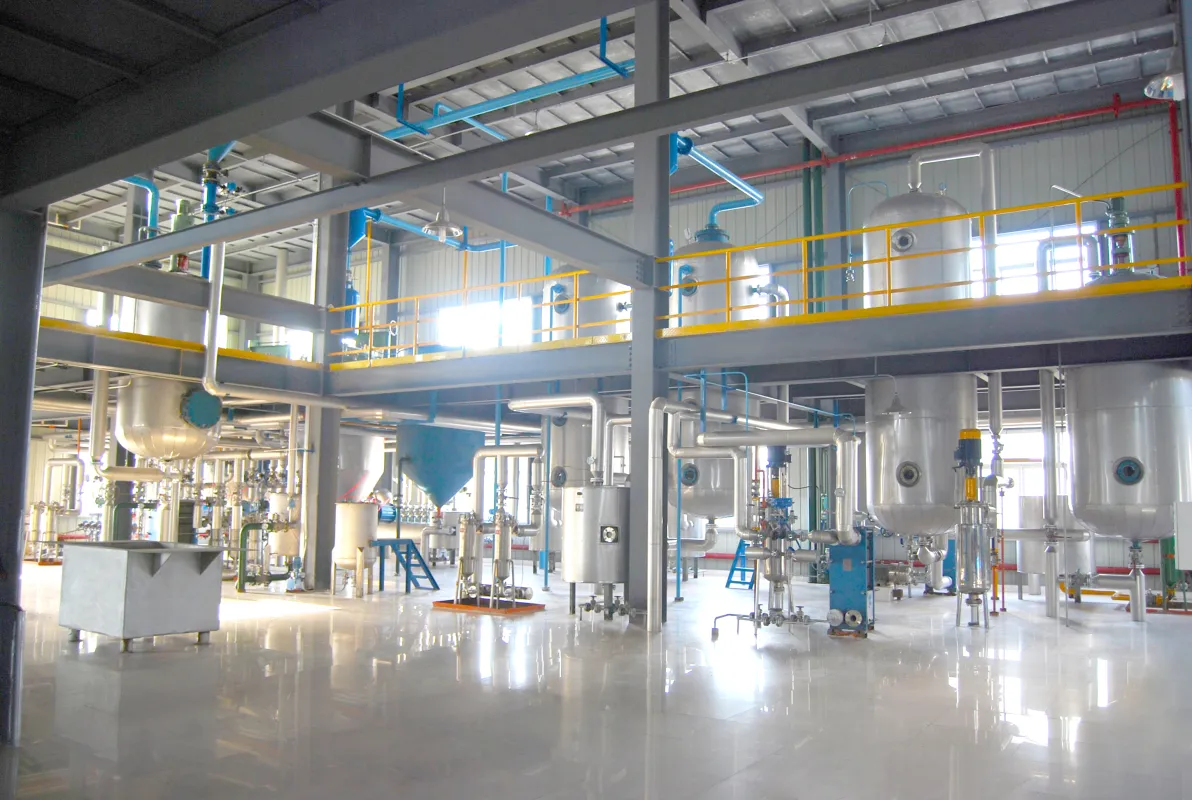
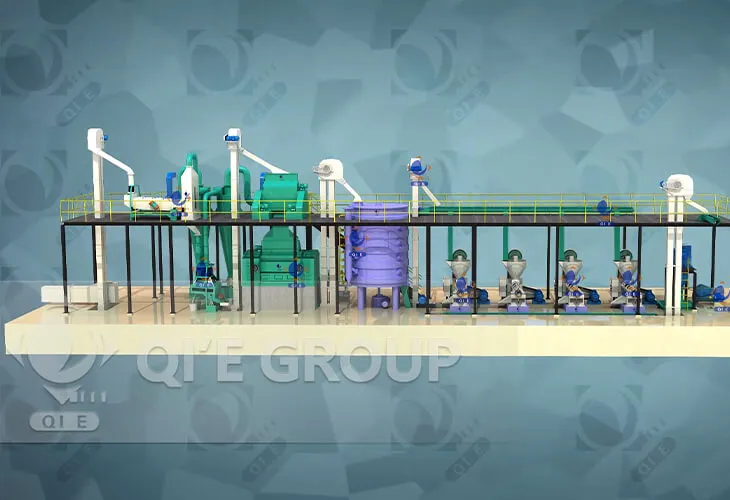
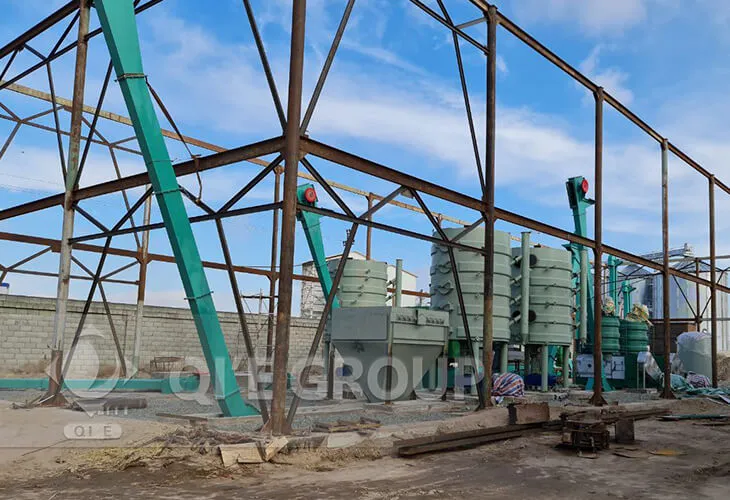
A 150TPD project in Pakistan provides a practical example of why raw material preparation must be considered as part of the overall oil recovery strategy. The production line was designed to process soybean, sunflower seed, and rapeseed, with a 150TPD pretreatment section followed by solvent extraction. The system was configured to adjust processing conditions according to the characteristics of different oilseeds.
The pretreatment process includes cleaning, crushing, conditioning, flaking, cooking, and pressing before the material enters the extraction stage. According to the project configuration, pretreatment is used to improve the physical structure of the oilseed and create a suitable material structure for subsequent oil extraction.
Although this project combines pre-pressing with solvent extraction rather than relying entirely on mechanical pressing, it demonstrates an important principle for improving oil extraction efficiency: the quality of material preparation determines how effectively oil can be released in the following extraction stage.

For mechanical pressing plants, the same principle applies. Correct preparation does not replace the screw press; it creates the conditions under which the press can operate closer to its intended extraction performance.
2. Optimize Screw Press Operating Parameters
Once the raw material has been properly prepared, the next step is to optimize the operating conditions of the mechanical press.
A common mistake is to assume that higher pressure or higher throughput automatically means higher oil yield. In practice, mechanical pressing oil recovery depends on maintaining a balance between compression, residence time, oil drainage, feed stability, and equipment capacity.
Maintain a Stable Feeding Rate
A consistent feed rate helps maintain stable pressure inside the pressing chamber.
When feeding fluctuates significantly:
- Pressing pressure changes continuously.
- Oil drainage becomes inconsistent.
- Residual oil in press cake may increase.
- Motor load becomes unstable.
Overfeeding can be particularly problematic because excessive material flow may shorten residence time and prevent complete oil release. Underfeeding, on the other hand, may reduce compression and leave part of the press capacity unused.
Variable-frequency feeding systems can help maintain a more consistent material supply, but the target feed rate should still be determined according to the characteristics of the raw material and the rated capacity of the press.
Adjust Pressure Instead of Maximizing It
Increasing pressure is one of the first adjustments many operators make when oil recovery declines. However, maximum pressure does not necessarily produce maximum oil yield.
Excessive compression may:
- Restrict oil drainage channels.
- Increase fine solids in crude oil.
- Generate excessive frictional heat.
- Increase energy consumption.
- Accelerate screw and cage wear.
The objective should therefore be optimal compression, not maximum compression.
A well-conditioned material operating under stable pressure can often achieve better results than poorly prepared material subjected to excessive mechanical force.
This is one of the key principles behind how to improve oil recovery in mechanical pressing: correct the underlying process conditions before increasing pressure.
Control Pressing Temperature
Temperature continues to affect oil viscosity during mechanical pressing.
If the pressing temperature is too low, oil becomes more viscous and may drain more slowly through the press cage, increasing residual oil in the cake.
If the temperature is too high, the process may negatively affect crude oil quality and increase energy consumption.
The correct operating temperature depends on the raw material and press design. Instead of pursuing a single universal temperature, plants should maintain a stable range appropriate for each oilseed and monitor changes in both oil recovery and product quality.

Optimize Screw Speed
Screw speed affects residence time and compression inside the press.
A screw speed that is too high may:
- Reduce residence time.
- Limit oil separation.
- Increase residual oil in press cake.
A speed that is too low may:
- Reduce production capacity.
- Increase friction.
- Increase energy consumption.
- Accelerate equipment wear.
The ideal screw speed is therefore the point where oil recovery, throughput, energy use, and equipment stability remain balanced.
For this reason, a plant should not select screw speed solely according to maximum hourly output. A slightly lower throughput may sometimes produce better overall results if it significantly reduces oil losses and prevents frequent production interruptions.
3. Monitor Residual Oil in Press Cake
Residual oil in press cake is one of the most useful indicators for evaluating mechanical pressing performance.
Production volume alone cannot show whether a press is operating efficiently. A machine may process more raw material per hour while simultaneously leaving more oil in the cake.
Routine monitoring should therefore track:
- Residual oil in press cake
- Feed moisture
- Conditioning temperature
- Feed rate
- Pressing temperature
- Screw speed
- Motor current
- Pressing pressure
When residual oil increases while raw material quality remains relatively stable, operators should investigate the process rather than immediately increasing pressure.
Possible causes include:
- Unstable feeding
- Incorrect moisture
- Inadequate conditioning
- Excessive screw speed
- Worn screw flights
- Incorrect cage clearance
- Restricted oil drainage
This approach provides a more reliable way to increase oil yield in mechanical pressing because it focuses on identifying the actual source of oil loss instead of making isolated adjustments.

4. Balance Press Capacity and Oil Recovery
Maximum throughput is not always the same as maximum oil production.
Operating a screw press continuously at its upper capacity limit may increase hourly output but reduce extraction efficiency if material residence time becomes too short or pressure becomes unstable.
The optimal operating point should balance:
- Oil recovery
- Throughput
- Energy consumption
- Equipment wear
- Production stability
The most useful performance indicator is therefore not simply tons processed per hour. Operators should consider the amount of recoverable oil obtained from the raw material and the amount of oil remaining in the press cake.
When evaluating how to improve oil extraction efficiency, the entire production system should be considered rather than focusing only on the rated capacity of the screw press.
5. Reduce Oil Loss Through Equipment Maintenance
Even when raw material preparation and pressing parameters are properly controlled, mechanical wear can gradually reduce oil recovery. Screw presses operate under continuous pressure, friction, and heat, so wear on critical components can change the internal pressing conditions over time.
For plants aiming to improve oil recovery in mechanical pressing, equipment maintenance should therefore be treated as part of process optimization rather than as a separate maintenance activity.
Inspect Screw Flights and Pressing Components
The screw shaft and screw flights control material movement and compression inside the pressing chamber. As these components wear, the press may no longer generate the same compression profile as when it was new.
Typical signs of wear include:
- Increasing residual oil in press cake
- Reduced oil output at the same feed rate
- Unstable motor load
- Changes in press cake structure
- Increased vibration or abnormal noise
If these symptoms appear gradually, operators should inspect the screw flights and other wear components before making major changes to operating parameters.
Replacing worn components at the appropriate time can help restore pressing performance without unnecessarily increasing pressure or reducing throughput.
Check Cage Bars and Oil Drainage
Cage bars create the drainage openings through which released oil leaves the pressing chamber. Their condition has a direct influence on oil separation.
Damaged, worn, or incorrectly adjusted cage bars can affect:
- Oil drainage
- Internal pressure
- Cake formation
- Solids carryover
- Overall extraction efficiency
A press may still appear to be operating normally while its oil recovery gradually declines because of changes in the cage configuration.
For this reason, routine inspection of cage bars and drainage openings should be included in preventive maintenance programs.
Maintain Proper Clearances
Clearance between pressing components influences compression and material flow.
If clearances become excessive due to wear, the press may lose part of its effective compression capacity. If clearances are too tight, friction and energy consumption may increase.
The correct clearance depends on the press design and the raw material being processed. Maintenance teams should follow the equipment manufacturer's specifications rather than adjusting clearances solely based on production targets.
Monitor Equipment Performance
Equipment condition should be evaluated together with process data.
A useful maintenance program can compare:
- Press motor current
- Oil production
- Residual oil in press cake
- Feed rate
- Vibration
- Operating temperature
- Maintenance intervals
This allows operators to identify gradual performance deterioration before it causes significant oil losses or unplanned downtime.
In other words, maintenance should not only answer the question of whether a machine is still running. It should also determine whether the machine is still delivering the expected mechanical pressing oil recovery.
6. Common Mistakes That Reduce Mechanical Pressing Oil Recovery
Some oil recovery problems are caused not by equipment limitations but by incorrect operating practices.
Increasing Pressure Without Correcting Conditioning
When residual oil increases, increasing pressure may appear to be the simplest solution. However, if the actual problem is excessive moisture, poor conditioning, or unsuitable particle size, additional pressure may not solve the problem.
The better approach is to identify the root cause first.
For example:
- High moisture → adjust conditioning or drying.
- Poor oil release → review heat conditioning.
- Uneven feed → improve size reduction and preparation.
- High residual oil with stable feed → inspect press components.
This approach is more reliable than continuously increasing mechanical pressure.
Operating Above the Optimal Capacity
Running a press beyond its practical operating range can reduce residence time and destabilize the pressing chamber.
Although the plant may achieve higher short-term throughput, the additional production may be offset by:
- Higher residual oil losses
- Increased energy consumption
- Greater equipment wear
- More frequent maintenance
- Lower overall extraction efficiency
The optimal capacity should therefore be determined by actual oil recovery and operating stability, not only by the maximum rated feed capacity.
Using the Same Parameters for Different Raw Materials
Oilseeds differ in oil content, moisture, hardness, fiber content, and physical structure.
Using identical settings for soybean, sunflower seed, rapeseed, or other oil-bearing materials may lead to inconsistent results.
A better approach is to establish operating parameters for each major raw material and adjust them according to:
- Moisture
- Oil content
- Particle size
- Conditioning temperature
- Feed rate
This is particularly important for multi-oilseed facilities.
Delaying Equipment Maintenance
A gradual increase in residual oil is sometimes treated as a raw material problem when the actual cause is equipment wear.
If operators continue running worn components for too long, the press may require higher pressure to achieve the same result, increasing energy use and accelerating further wear.
Regular inspection and timely replacement of wear parts can help maintain stable pressing conditions and reduce avoidable oil losses.
7. How to Improve Oil Extraction Efficiency Through Process Monitoring
Improving oil recovery should be treated as a continuous optimization process rather than a one-time adjustment.
The most effective plants use production data to identify where oil losses occur and then adjust the relevant operating conditions.
Monitor Residual Oil as a Core Performance Indicator
Residual oil in press cake provides a direct indication of how much recoverable oil remains after mechanical pressing.
When residual oil rises, operators should compare the change with:
- Raw material moisture
- Feed rate
- Conditioning temperature
- Screw speed
- Pressing pressure
- Equipment condition
This helps distinguish between raw material-related problems and equipment-related problems.
For example, if residual oil increases immediately after a change in moisture, the preparation process should be reviewed first. If residual oil gradually increases over several months despite stable raw material conditions, equipment wear may be a more likely cause.
Standardize Operating Parameters
A stable production line should have defined operating ranges rather than relying entirely on operator experience.
For each major raw material, the plant should establish practical ranges for:
- Moisture
- Conditioning temperature
- Feed rate
- Screw speed
- Pressing pressure
- Press cake characteristics
These parameters can then be monitored during production and adjusted when actual conditions move outside the target range.
Standardization helps reduce operator-to-operator variation and makes it easier to identify the cause of changes in oil recovery.
Evaluate the Complete Pressing System
Oil recovery should not be evaluated by looking at the screw press alone.
The complete system includes:
Raw material → Cleaning → Size reduction → Conditioning → Feeding → Mechanical pressing → Oil drainage → Press cake discharge
A problem at any stage can influence the final result.
For example, improving the screw press itself may have limited impact if the incoming material has poor moisture control or inconsistent particle size. Similarly, excellent raw material preparation cannot fully compensate for worn pressing components.
Therefore, the most effective way to increase oil yield in mechanical pressing is to optimize the complete process rather than focus on one machine or one operating parameter.
8. Mechanical Pressing Followed by Secondary Oil Recovery
Mechanical pressing is often used as the first stage of oil extraction, but it does not always remove all recoverable oil from the raw material.
Depending on the oilseed and the production target, press cake may still contain a meaningful amount of residual oil after mechanical pressing. In larger plants, this residual oil can sometimes be recovered through a secondary extraction process.
Project Example: 150TPD Cottonseed Cake Extraction and Refining Project
A 150TPD cottonseed cake extraction and refining project provides an example of how mechanical pressing and secondary extraction can be combined.
The project uses cottonseed cake generated after mechanical pressing as the raw material for solvent extraction. The project documentation indicates that the pressed cottonseed cake typically contains approximately 8%–10% oil, making it suitable for further oil recovery through solvent extraction.
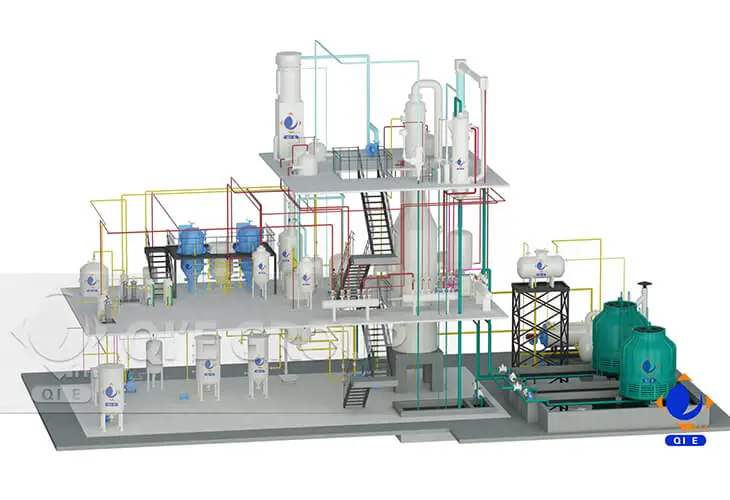
The process includes solvent extraction, mixed-oil evaporation, wet meal desolventizing, solvent recovery, and subsequent crude oil refining. The extraction stage is designed to further remove oil from the press cake and reduce residual oil in the meal.
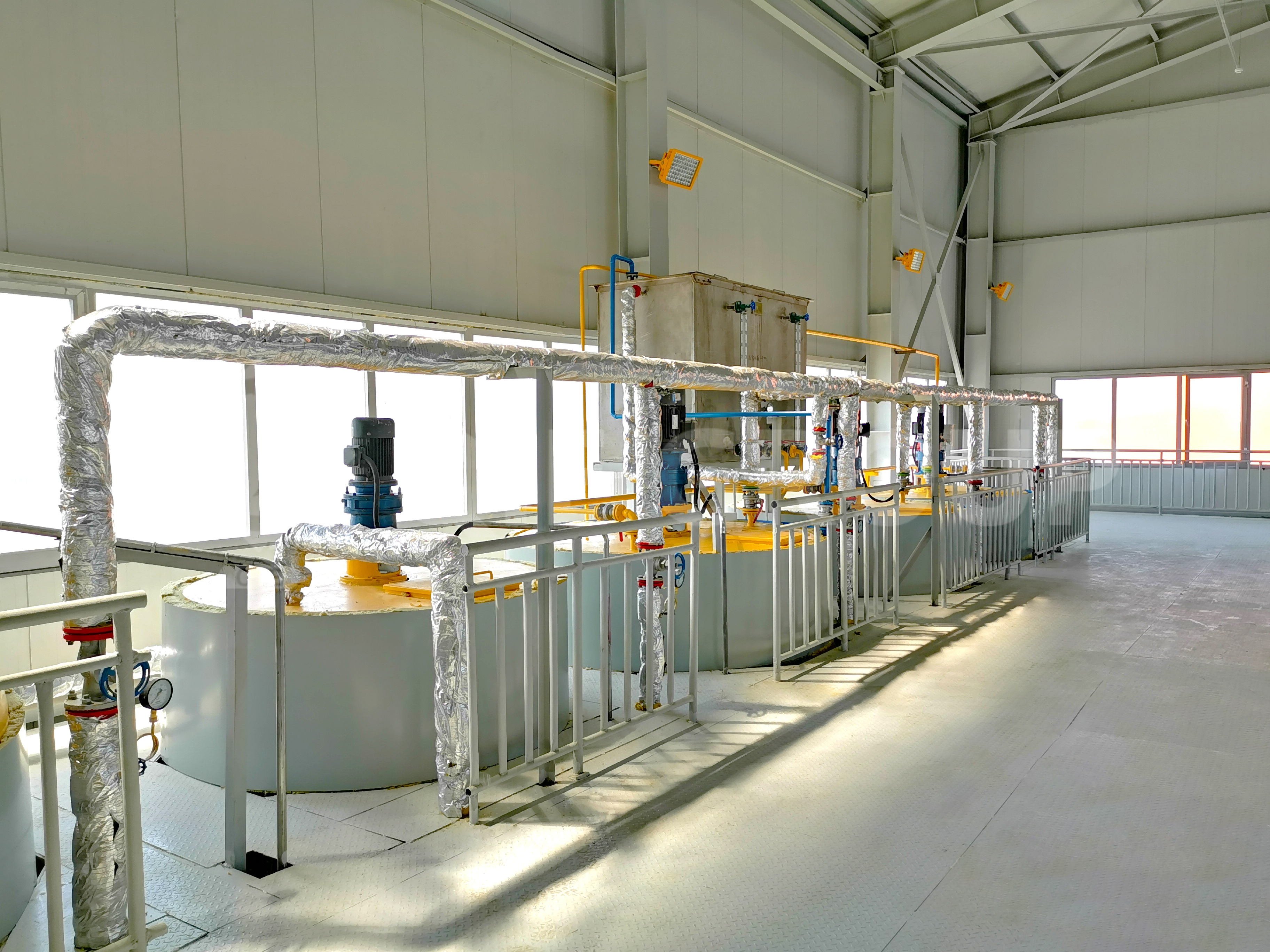
This case demonstrates an important point when evaluating mechanical pressing oil recovery: the performance of a mechanical press should be assessed according to the overall economics and intended process configuration.
For a small plant focused on producing crude oil through mechanical pressing, reducing residual oil in the press cake may be the primary objective.
For a larger integrated facility, however, the process may be designed around a combination of mechanical pressing and secondary extraction. In this situation, the press is not necessarily expected to recover every available fraction of oil. Instead, it may be optimized to achieve an appropriate balance between:
- Mechanical oil recovery
- Press cake residual oil
- Throughput
- Energy consumption
- Secondary extraction efficiency
- Overall operating cost
Therefore, the best strategy to improve oil extraction efficiency depends on the complete plant design and the final use of the press cake.
9. Practical Checklist for Improving Oil Recovery
Before changing screw press pressure or speed, operators can review the following checklist:
Raw Material
- Is moisture within the target operating range?
- Is the raw material quality consistent?
- Is particle size sufficiently uniform?
- Are foreign materials effectively removed?
Conditioning
- Is the material heated uniformly?
- Is conditioning temperature stable?
- Is residence time sufficient?
- Are moisture and temperature controlled together?
Press Operation
- Is the feed rate stable?
- Is screw speed appropriate?
- Is pressing pressure within the optimal range?
- Is the press operating below its practical capacity limit?
Equipment
- Are screw flights worn?
- Are cage bars in good condition?
- Are drainage openings functioning properly?
- Are clearances within the specified range?
- Are abnormal vibration and motor load being monitored?
Performance
- Is residual oil in press cake increasing?
- Has oil output declined at the same feed rate?
- Has energy consumption increased?
- Are operating parameters being recorded consistently?
This checklist helps identify the most likely source of oil loss before making unnecessary process changes.
Conclusion
Improving mechanical pressing oil recovery requires a system-based approach rather than a single adjustment to pressing pressure or screw speed.
The most important factors are:
- Proper raw material preparation
- Controlled moisture and heat conditioning
- Uniform particle size
- Stable feeding
- Optimized screw speed and pressing pressure
- Balanced throughput and oil recovery
- Regular inspection of wear components
- Continuous monitoring of residual oil in press cake
The practical goal is not simply to increase mechanical force, but to create stable conditions in which oil can be released efficiently and drained from the pressing chamber.
For some plants, optimizing mechanical pressing alone may provide the required oil recovery. For larger integrated facilities, combining pre-pressing with secondary extraction may be a more suitable strategy for recovering additional oil from press cake.
Ultimately, the best way to increase oil yield in mechanical pressing is to evaluate raw material preparation, equipment condition, operating parameters, and downstream oil recovery as one connected system.
Frequently Asked Questions
How can I improve oil recovery in mechanical pressing?
Start by checking raw material moisture, conditioning temperature, particle size, feed stability, and press operating parameters. If these factors are properly controlled but residual oil remains high, inspect screw flights, cage bars, and other wear components.
Does increasing pressing pressure always increase oil yield?
No. Excessive pressure may restrict oil drainage, increase energy consumption, and accelerate equipment wear. Optimal pressure depends on the raw material, conditioning conditions, screw speed, and press design.
How does moisture affect mechanical pressing oil recovery?
Moisture affects material plasticity, oil viscosity, compression, and drainage. Excessive or insufficient moisture can both reduce oil recovery, so each raw material should be processed within an appropriate moisture range.
What is the most important factor for improving oil extraction efficiency?
There is no single universal factor. Effective oil extraction depends on the interaction between raw material preparation, conditioning, pressing parameters, equipment condition, and process monitoring.
Can press cake be processed again to recover more oil?
Yes. Depending on the raw material and plant configuration, press cake may be further processed through solvent extraction or another secondary recovery method. The appropriate approach depends on residual oil content, plant capacity, investment cost, and the intended use of the final meal.
How do I know whether a screw press is operating efficiently?
Monitor residual oil in press cake together with feed rate, moisture, conditioning temperature, screw speed, pressure, motor load, and oil output. A gradual increase in residual oil under otherwise stable conditions may indicate equipment wear or a change in process conditions.