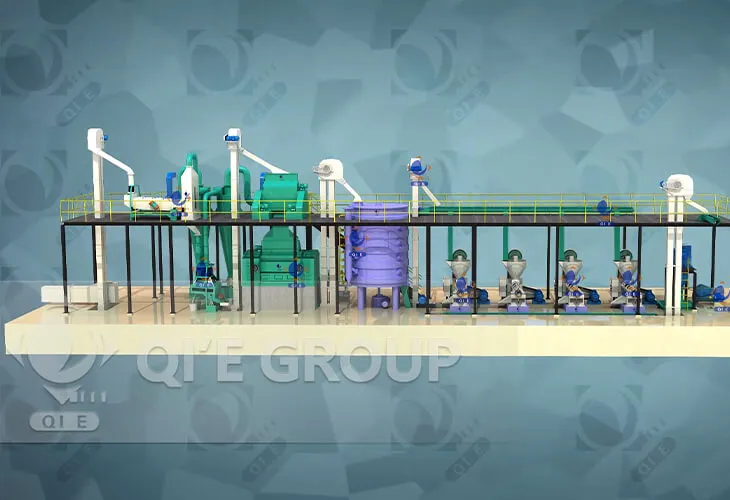
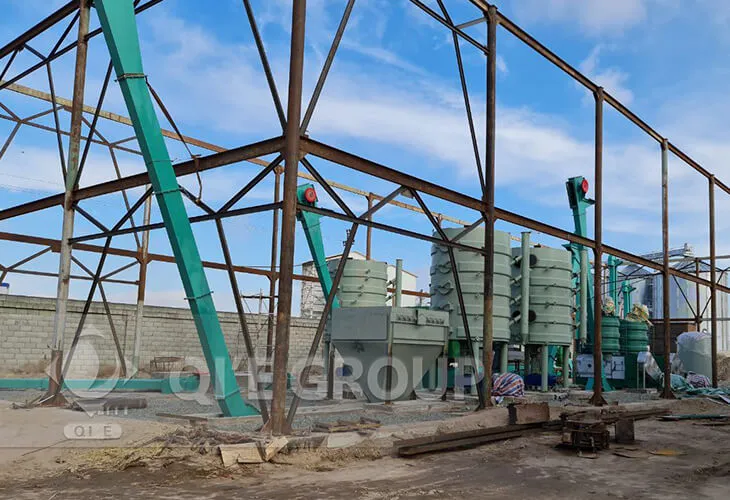
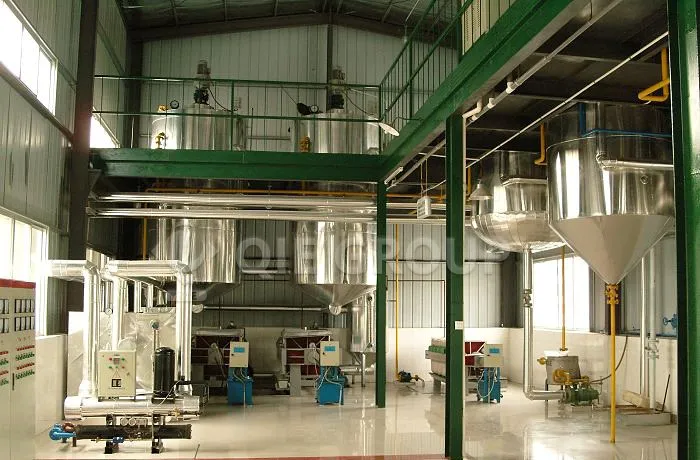
Selecting the best cottonseed oil production line depends primarily on four factors: processing capacity, investment budget, target oil recovery rate, and future expansion plans.
For small and medium-sized cottonseed oil projects, mechanical pressing is often the preferred choice due to its lower capital investment, simpler operation, and faster project implementation. For large-scale industrial facilities seeking maximum oil recovery and higher long-term profitability, solvent extraction becomes increasingly attractive. Many commercial cottonseed oil mills ultimately adopt a pre-pressing plus solvent extraction process to achieve both efficient production and optimal raw material utilization.
This article compares mechanical pressing and solvent extraction technologies from technical, operational, and investment perspectives to help investors choose the most suitable cottonseed oil production line for their business goals.
Cottonseed is one of the world's major oil-bearing raw materials and an important by-product of the cotton industry. Depending on variety and growing conditions, cottonseed typically contains 16%–27% oil, making it a valuable feedstock for edible oil production and protein meal processing.
When investing in a cottonseed oil production line, equipment cost is only one part of the equation. Oil recovery efficiency, operating expenses, maintenance requirements, energy consumption, labor costs, and future scalability all influence long-term profitability.
Choosing the wrong processing technology may result in higher operating costs, lower oil yield, or limited expansion opportunities in the future.
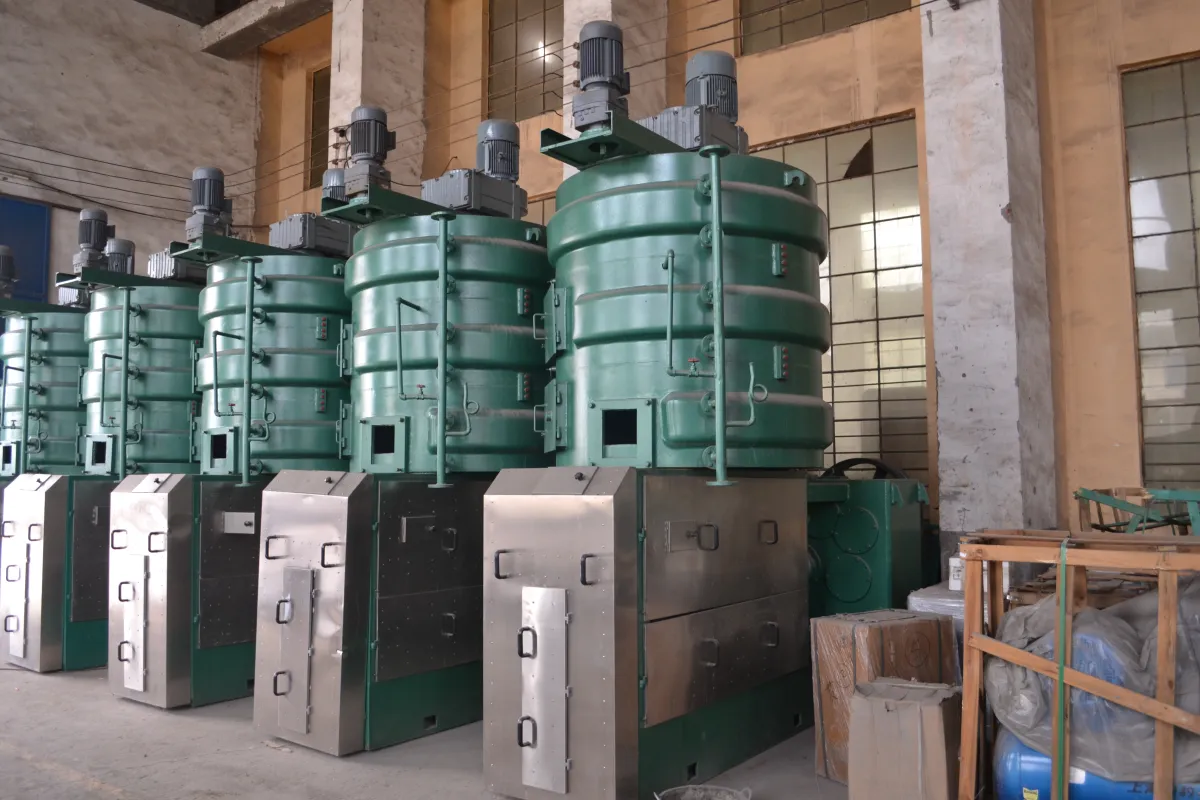
A mechanical pressing cottonseed oil production line extracts oil through physical pressure after a series of pretreatment processes, including cleaning, delinting, cracking, flaking, conditioning, and cooking.
Because oil is extracted through mechanical force, some oil remains in the cottonseed cake after pressing. Residual oil content in pressed cake typically ranges from 6% to 8%, depending on raw material quality and press performance.
Although oil recovery is lower than solvent extraction, mechanical pressing remains an economical solution for many small and medium-sized projects.
Mechanical pressing is commonly selected for:

A solvent extraction cottonseed oil production line uses food-grade solvent, typically hexane, to dissolve oil from prepared cottonseed flakes or pre-pressed cake.
After extraction, the solvent is recovered and reused through evaporation and condensation systems, leaving crude cottonseed oil ready for refining.
Under optimized operating conditions, residual oil content in extracted meal can often be reduced to around 1% or less.
For large-scale cottonseed processing plants, the additional recovered oil can significantly improve project profitability over the life of the facility.

Solvent extraction is widely used in:
The table below highlights the key differences between the two technologies.
| Comparison Factor | Mechanical Pressing | Solvent Extraction |
|---|---|---|
| Initial Investment | Lower | Higher |
| Oil Recovery Rate | Moderate | Higher |
| Residual Oil in Meal | 6–8% Typical | Around 1% or Less |
| Automation Level | Medium | High |
| Technical Complexity | Low | Higher |
| Labor Requirement | Moderate | Lower per Ton |
| Suitable Capacity | Small to Medium | Medium to Large |
| Expansion Potential | Limited | Strong |
While solvent extraction generally delivers higher oil recovery, the best technology depends on project scale and economic objectives rather than oil yield alone.
Mechanical pressing often provides a shorter payback period for smaller projects because of its lower capital investment.
As processing volume increases, the value of additional recovered oil becomes increasingly significant.
This combined process is widely used in modern large-scale edible oil plants.
Many investors focus only on equipment purchase price when comparing cottonseed oil production lines.
However, a complete investment analysis should include:
A lower-cost system does not always provide the lowest lifetime operating cost.
Evaluating total cost of ownership helps investors make more informed decisions.

For large commercial cottonseed oil projects, combining pre-pressing and solvent extraction often provides the best balance between investment and oil recovery.
Cottonseed Pretreatment → Pre-Pressing → Solvent Extraction → Crude Oil Refining
Benefits include:
Many industrial cottonseed processing plants adopt this configuration to maximize production efficiency and profitability.

Lower equipment cost may appear attractive initially but does not necessarily produce the best long-term return.
Higher oil recovery is beneficial, but the additional investment must be justified by processing volume and market conditions.
Many successful projects increase capacity over time. Planning for future expansion during the initial design stage can reduce future modification costs.
Even the most advanced processing technology cannot perform efficiently without a reliable supply of cottonseed.

There is no single best cottonseed oil production line for every investor.
Mechanical pressing is generally suitable for small and medium-scale projects seeking lower investment, simpler operation, and faster implementation.
Solvent extraction becomes increasingly attractive for larger facilities where maximizing oil recovery and long-term profitability are primary objectives.
For large industrial cottonseed oil plants, pre-pressing combined with solvent extraction is often considered the most effective solution for balancing oil yield, operating efficiency, and investment returns.
Before making a final decision, investors should carefully evaluate processing capacity, raw material supply, budget, target oil recovery, and long-term development plans to ensure the selected cottonseed oil production line aligns with their business strategy.
Jack Li
Senior Edible Oil Processing Engineer, QIE GROUP
Jack li has more than 15 years of experience in edible oil processing plant design, oilseed pretreatment, mechanical pressing, solvent extraction, and refining technology integration. He has participated in numerous edible oil projects across Africa, Asia, and South America, helping investors optimize plant design, improve oil recovery, and enhance long-term project profitability.
Which more profitable: mechanical pressing or solvent extraction?
Profitability depends on plant capacity and operating conditions. Mechanical pressing often provides better economics for small-scale projects, while solvent extraction generally delivers greater returns in large-scale operations due to higher oil recovery.
What capacity is suitable for a solvent extraction cottonseed oil production line?
Many investors begin evaluating solvent extraction when plant capacity reaches 100–200 TPD. Larger facilities often benefit more from the technology's improved oil recovery.
Can a cottonseed oil production line combine pressing and extraction?
Yes. Many industrial plants use pre-pressing followed by solvent extraction to maximize oil recovery and improve raw material utilization.
How much oil remains in cottonseed meal after processing?
Mechanically pressed meal typically contains more residual oil, often around 6–8%, while solvent-extracted meal can often be reduced to approximately 1% or less under optimized conditions.
What is the most important factor when choosing a cottonseed oil production line?
Production capacity is usually the first consideration. Other important factors include feedstock availability, investment budget, desired oil recovery, operating costs, and future expansion requirements.
Get a customized technical proposal and complete investment ROI analysis tailored to your specific processing capacity and budget constraints.
Contact Our Engineers Now Soybean oil extraction solvent loss
How to reduce solvent loss in oil extraction workshops
Selection Standards for Complete Soybean Leaching Equipment
The impact of DTDC desolventizer on solvent recovery efficiency
Corn oil press plant solutions
Small corn oil processing equipment
Mechanical extraction of corn germ oil
Shea butter extraction process steps
Manufacturer of fully automatic shea butter production equipment
Industrialized shea butter processing plant
Complete coconut oil production line equipment
Price of coconut oil production line machine
Turnkey coconut oil production line solutions
Coconut oil production line
2026 10t/h rice bran oil production line machine
2026 10-50 t/hour rice bran oil production line
2026 rice bran oil production line
2026 50t/h rice bran oil production line
Soybean oil extraction solvent loss
How to reduce solvent loss in oil extraction workshops
Selection Standards for Complete Soybean Leaching Equipment
The impact of DTDC desolventizer on solvent recovery efficiency
Corn oil press plant solutions
Small corn oil processing equipment
Mechanical extraction of corn germ oil
Shea butter extraction process steps
Manufacturer of fully automatic shea butter production equipment
Industrialized shea butter processing plant
Complete coconut oil production line equipment
Price of coconut oil production line machine
Turnkey coconut oil production line solutions
Coconut oil production line
2026 10t/h rice bran oil production line machine
2026 10-50 t/hour rice bran oil production line
2026 rice bran oil production line
2026 50t/h rice bran oil production line






.png?x-oss-process=image/resize,h_100,m_lfit/format,webp)
.png?x-oss-process=image/resize,h_100,m_lfit/format,webp)
.png?x-oss-process=image/resize,h_100,m_lfit/format,webp)