.png?x-oss-process=image/resize,h_100,m_lfit/format,webp)
.png?x-oss-process=image/resize,h_100,m_lfit/format,webp)
.png?x-oss-process=image/resize,h_100,m_lfit/format,webp)
An oil processing plant may fail to reach its designed capacity because one section of the production system is limiting the entire line. The problem is often not the rated capacity of the main machine, but a mismatch between raw material conditions, preparation, extraction or pressing, material handling, utilities, and operating stability. For example, a plant designed for 200 TPD cannot sustainably process 200 TPD if its flaking section, extractor, conveyor system, boiler, or feeding system can only support 150 TPD. The first step is therefore to identify the actual bottleneck using throughput, operating parameters, product quality, and downtime data. Only after the limiting section is confirmed should the plant be optimized or upgraded.
What Actually Determines Oil Processing Plant Capacity?
The oil processing plant capacity is determined by the throughput of the complete production system, not by the nameplate capacity of one machine.
A plant may contain equipment individually rated for 200 TPD, but its sustainable production can still be lower if one critical section cannot maintain the required flow.
Three capacity figures should be distinguished:
| Capacity | Meaning |
|---|---|
| Designed capacity | Throughput specified under defined raw material and operating conditions |
| Peak capacity | Short-term throughput that equipment may reach |
| Sustained capacity | Throughput the complete plant can maintain continuously |
For plant management, sustained capacity is the most useful figure.
If a plant can briefly process 200 TPD but averages only 155 TPD because of feed interruptions, equipment overload, or process instability, its practical capacity is closer to the sustained operating rate than the nameplate figure.
This distinction is important when deciding whether the plant requires process optimization, debottlenecking, or additional equipment.
What Are the Main Causes of Low Plant Capacity?
The most common causes can be grouped into five areas:
- Raw material and preparation limitations
- Extraction or pressing bottlenecks
- Material-handling restrictions
- Utility limitations
- Downtime and unstable operation
The fastest way to locate the problem is to compare the actual throughput and operating conditions of each section.
| Symptom | Likely bottleneck | Evidence to check |
|---|---|---|
| Feed cannot increase | Preparation section | Cleaner, cracker, conditioner, flaker loading |
| Flake quality deteriorates at higher throughput | Conditioning or flaking | Moisture, temperature, flake thickness |
| Residual oil increases with feed rate | Extraction section | Extractor loading, temperature, solvent distribution |
| Press frequently overloads | Pressing or conditioning | Feed stability, moisture, temperature, motor load |
| Material backs up between machines | Conveing | Conveyor/elevator loading and transfer points |
| Steam pressure drops at high throughput | Utility system | Steam pressure and flow |
| Plant reaches target only briefly | Reliability | Trips, blockages, maintenance downtime |
| Average production remains below design | Multiple bottlenecks | Section-by-section production data |
The first abnormal section is usually more important than the machine with the largest nominal capacity.
1. Raw Material and Preparation Can Limit Throughput
Raw material conditions directly affect how much material the processing line can handle.
Important variables include:
- moisture;
- oil content;
- impurities;
- hull content;
- seed size;
- bulk density;
- incoming temperature.
ISO 665:2020 provides a standardized method for determining moisture and volatile matter in oilseeds, while standardized oil-content measurements are used to characterize the feedstock before processing. These measurements are important because processing performance depends on the actual raw material entering the plant, not only the original design assumptions.
For example, if incoming seed has substantially different moisture or physical characteristics from the design basis, operators may need to reduce feed rate to maintain stable preparation and extraction.

Preparation is often an overlooked bottleneck
The preparation section may include:
Cleaning → Cracking → Dehulling → Conditioning → Flaking → Cooking or Expansion
If this section cannot continuously supply properly prepared material, downstream equipment cannot operate at its designed throughput.
For soybean processing, AOCS technical references describe conditioning and flaking as critical steps before solvent extraction. Typical references include approximately 70°C for conditioned material entering flaking, 64–68°C for flakes entering extraction, and approximately 9–10% moisture in the flakes. AOCS also identifies flake thickness and the proportion of unflaked material as important extraction variables.
These values are process references rather than universal specifications. Actual targets must be established according to the oilseed, equipment configuration, and process design.
The engineering point is simple:
A downstream machine cannot maintain its designed capacity if upstream preparation cannot supply consistent feed.
2. Extraction or Pressing Can Become the Main Bottleneck
Once raw material preparation is confirmed, the next step is to evaluate the extraction section.
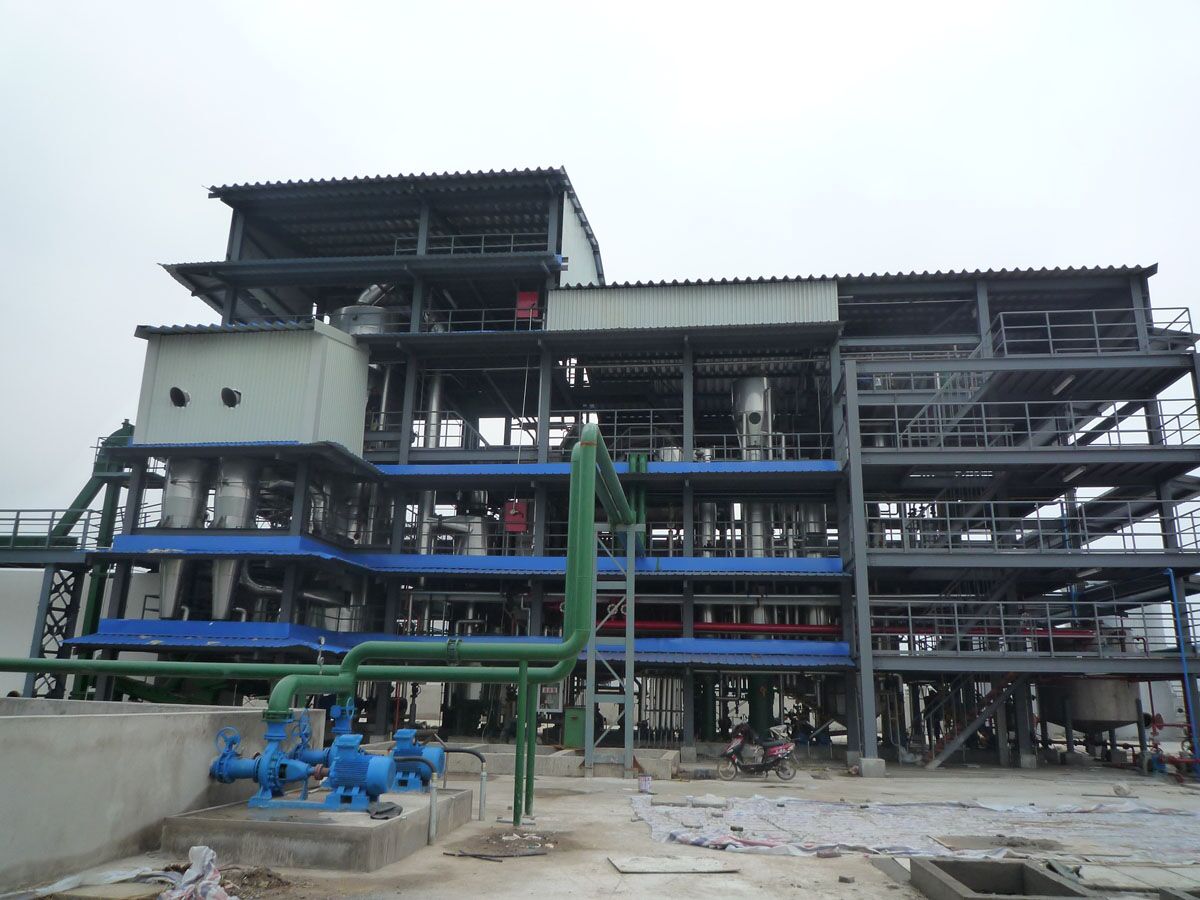
Solvent extraction
In a solvent extraction plant, throughput depends on more than extractor size.
Important variables include:
- flake quality;
- extractor loading;
- material residence time;
- temperature;
- solvent distribution;
- miscella flow;
- drainage;
- fines content.
AOCS references indicate that properly prepared soybean material can achieve approximately 0.35–0.60% residual oil under suitable extraction conditions, while other technical references commonly describe well-extracted oilseed material as containing less than about 1% residual oil.
These figures should be used as engineering reference points rather than universal specifications.
A useful diagnostic method is to compare residual oil with throughput.
If the plant operates normally at 120 TPD but residual oil begins increasing sharply when feed reaches 150 TPD, the problem may be that the extraction system or upstream preparation has reached its practical operating limit.
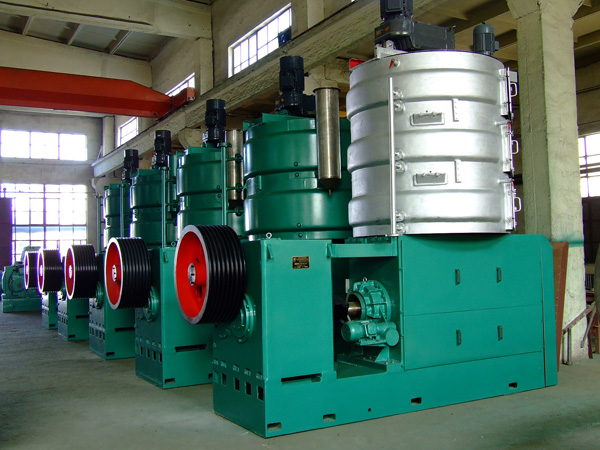
Mechanical pressing
Mechanical pressing has different capacity constraints.
Typical problems include:
- unstable seed conditioning;
- unsuitable moisture;
- excessive feed rate;
- press motor overload;
- poor cake discharge;
- excessive fines;
- downstream filtration limitations.
FAO technical material indicates that screw pressing normally leaves substantially more residual oil in cake than solvent extraction, with approximately 3–5% residual oil being a typical reference range for press cake.
Therefore, press capacity should not be judged only by the tons of seed entering the machine. The condition of the cake, oil recovery, motor loading, and downstream stability also need to be considered.
3. Material Handling Can Restrict the Whole Plant
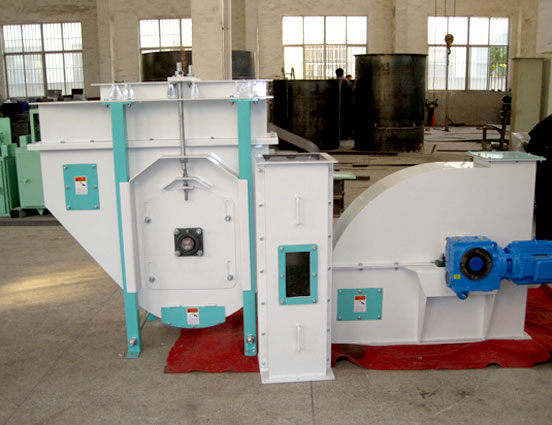
A production line can contain sufficiently large processing machines and still fail to reach its designed capacity because material cannot move continuously between them.
Potential restrictions include:
- bucket elevators;
- screw conveyors;
- belt conveyors;
- drag conveyors;
- feed hoppers;
- surge bins;
- pumps;
- oil transfer lines;
- meal conveyors.
For example:
Flaker capacity: 200 TPD
Extractor capacity: 200 TPD
Main conveyor capacity: 150 TPD
The complete line cannot sustainably operate at 200 TPD.
AOCS also describes surge or overflow bins as a means of absorbing fluctuations and maintaining more consistent feed to processing equipment.
This is particularly important when several machines have different instantaneous operating rates.
What to check
When material backs up or machines become starved, measure:
- conveyor loading;
- motor current;
- material level;
- transfer-point blockage;
- feeding consistency;
- hopper volume;
- elevator capacity.
If the restriction occurs between two machines rather than inside a processing machine, upgrading the main processing equipment will not solve the problem.
4. Utilities Can Prevent the Plant from Reaching Capacity
Utilities are part of the effective production capacity of an oil processing plant.
The main systems to evaluate are:
- steam;
- electricity;
- cooling water;
- process water;
- compressed air;
- vacuum;
- solvent recovery systems where applicable.
Steam limitation
Thermal processing equipment may require stable steam pressure and flow.
If steam pressure falls as feed rate increases, equipment such as conditioners, cookers, or desolventizers may no longer maintain the required process conditions.
The apparent problem may therefore look like a processing-machine limitation when the actual bottleneck is the boiler or steam-distribution system.
Electrical limitation
Check:
- motor current;
- voltage;
- transformer loading;
- power availability;
- simultaneous equipment operation.
A machine may have sufficient mechanical capacity but still be unable to operate continuously because the electrical system cannot support the required load.
Cooling limitation
Cooling-water temperature and flow can also become limiting at higher production rates.
The correct question is:
Can the utility system maintain required process conditions when the complete plant operates at target throughput?

5. Downtime Can Reduce Actual Capacity Even When Equipment Is Large Enough
A plant may reach its designed throughput during a short production test but fail to achieve the same output over a full production day.
Frequent short stoppages can be responsible.
Common causes include:
- feeder blockage;
- conveyor trips;
- elevator overload;
- press adjustment;
- filter cleaning;
- pump failure;
- raw material interruptions;
- operator intervention.
For example, if a plant can process 200 TPD while running but loses several hours every day because of repeated stoppages, its actual daily production can be much lower than 200 tons.
This is why capacity should be evaluated using both:
Instantaneous throughput
and
Sustained average throughput.
A short-term peak does not represent the true production capability of the complete plant.
How to Identify the Real Capacity Bottleneck
Before changing equipment, perform a section-by-section capacity audit.
Step 1: Confirm the actual raw material
Record:
- material type;
- moisture;
- oil content;
- impurities;
- hull content;
- physical condition.
Compare these values with the original design basis.
Step 2: Measure throughput at each section
Record the actual TPH or TPD for:
Cleaning → Preparation → Extraction/Pressing → Oil handling → Meal/cake handling
Do not rely only on equipment nameplates.
Step 3: Record operating parameters
At the same production rate, monitor:
- temperature;
- moisture;
- pressure;
- motor load;
- material level;
- feed rate;
- residual oil;
- downtime.
Step 4: Increase throughput gradually
Increase feed in controlled increments rather than immediately running at maximum speed.
Observe where the first abnormal condition appears.
For example:
Feed increase → flaker overload → unstable flakes → extractor performance decreases
In this case, the extractor may not be the original bottleneck. The preparation section is the first point requiring investigation.
Step 5: Verify the bottleneck
A suspected bottleneck should be supported by production data.
Ask:
- Does the section consistently limit throughput?
- Does its operating parameter reach the design limit?
- Does downstream performance deteriorate when it is overloaded?
- Can another section process more material without it?
Only after these questions are answered should an equipment upgrade be considered.
How to Increase Oil Processing Plant Capacity
Once the bottleneck is confirmed, there are four main approaches.
1. Optimize Existing Operating Conditions
Use this approach when equipment still has physical capacity available.
Review:
- feed rate;
- conditioning temperature;
- moisture;
- flake thickness;
- press loading;
- extractor conditions;
- material distribution.
This is usually the first option to evaluate because it does not necessarily require major equipment replacement.
2. Debottleneck the Preparation Section
If cleaning, cracking, conditioning, or flaking limits the feed rate, upgrade that section rather than increasing downstream extraction capacity.
Possible solutions include:
- additional flaking capacity;
- larger conditioning equipment;
- improved feeding;
- additional surge capacity;
- improved material distribution.
3. Upgrade Extraction or Pressing
If upstream preparation can provide sufficient feed but extraction or pressing cannot maintain stable performance, evaluate the main extraction equipment.
For solvent extraction, investigate:
- extractor loading;
- solvent circulation;
- residence time;
- drainage;
- temperature;
- fines.
For pressing, investigate:
- press loading;
- feed stability;
- conditioning;
- motor load;
- cake discharge.
4. Upgrade Material Handling or Utilities
If processing machines have sufficient capacity but conveyors, elevators, steam, electricity, or cooling systems are limiting throughput, upgrade the relevant supporting system.
The objective is to remove the system bottleneck, not simply install a larger machine.
When Should Equipment Be Upgraded?
Equipment should generally be upgraded only after the bottleneck has been demonstrated through operating data.
Use this decision sequence:
Can the existing equipment reach the target throughput after parameter optimization?
→ Yes: optimize operation rather than replacing equipment.
→ No: determine whether the machine itself is limiting the process.
Is the machine operating continuously at or near its physical limit?
→ Yes: evaluate larger or parallel equipment.
→ No: investigate upstream feeding, raw material, utilities, or downstream restrictions.
Will upgrading this machine create a new bottleneck elsewhere?
→ Yes: evaluate the complete production line before proceeding.
This prevents a common situation in which one machine is upgraded from 150 TPD to 200 TPD while another section remains limited to 150 TPD.
Common Mistakes When Increasing Plant Capacity
Increasing feed rate before finding the bottleneck
More feed can create overload, unstable operation, higher residual oil, and additional downtime.
Looking only at the main processing machine
The capacity of a complete oil processing plant is determined by the limiting section, not necessarily the largest machine.
Ignoring raw material variation
Changes in moisture, oil content, impurities, or physical characteristics can change practical throughput.
Replacing equipment before measuring performance
Without section-level production data, an upgrade may simply move the bottleneck to another part of the plant.
Capacity Bottleneck Audit Checklist
Before deciding how to increase oil processing plant capacity, collect the following information:
| Area | Key data |
|---|---|
| Raw material | Type, moisture, oil content, impurities |
| Preparation | TPH, conditioning conditions, flake quality |
| Extraction | TPH, temperature, residual oil, operating stability |
| Pressing | Feed rate, motor load, cake condition |
| Material handling | Conveyor/elevator loading |
| Utilities | Steam, power, cooling water |
| Reliability | Trips, blockages, maintenance downtime |
| Actual production | Average TPD and peak TPD |
| Target | Required sustained TPD |
The comparison should answer one question:
Which section prevents the plant from maintaining the required throughput?
That is the section that should receive priority in the improvement plan.
Engineering Recommendations
If an oil processing plant is not reaching its designed capacity, do not assume that the main processing machine is undersized. In most cases, the correct approach is to identify the first limiting section, verify it with operating data, and then determine whether optimization or equipment modification is required.
Key Takeaways
- Designed capacity is not the same as sustained production capacity.
- Raw material preparation, extraction or pressing, material handling, utilities, and downtime can all create bottlenecks.
- Residual oil, motor load, temperature, material flow, and downtime provide useful evidence when diagnosing capacity problems.
- Equipment upgrades should follow bottleneck analysis rather than machine nameplate comparisons.
Technical Recommendation
For an existing plant, begin with a section-by-section capacity audit using actual production and operating data. For a new project, capacity should be matched across preparation, extraction or pressing, conveying, utilities, and downstream systems during engineering design.
The practical objective is not simply to make one machine process more material. It is to ensure that the entire oil processing plant can sustain the required throughput without creating new process, quality, or reliability bottlenecks.
Author: QIE GROUP Process Engineer
FAQ
1. Why is my oil processing plant not reaching capacity?
The plant may be limited by raw material conditions, preparation, extraction or pressing, material handling, utilities, or downtime. The actual bottleneck should be identified from section-level throughput and operating data.
2. Why is my oil mill not reaching capacity even though the main machine is correctly sized?
A correctly sized main machine does not guarantee complete-line capacity. Upstream preparation, conveyors, utilities, feeding systems, or downstream equipment may have lower practical throughput.
3. How can I increase oil processing plant capacity?
First identify the bottleneck. Capacity can then be increased through operating-parameter optimization, preparation improvements, extraction or pressing upgrades, material-handling improvements, or utility expansion.
4. How do I know if the extraction section is limiting capacity?
Compare throughput with extraction temperature, loading, residence conditions, solvent distribution, and residual oil. If extraction performance deteriorates as feed rate increases, the extraction section or upstream preparation may be limiting throughput.
5. Should I replace equipment if my plant is below designed capacity?
Not automatically. First determine whether the equipment itself is the bottleneck. If optimization cannot achieve the target and the machine is consistently operating at its practical limit, then a larger or additional machine can be evaluated.