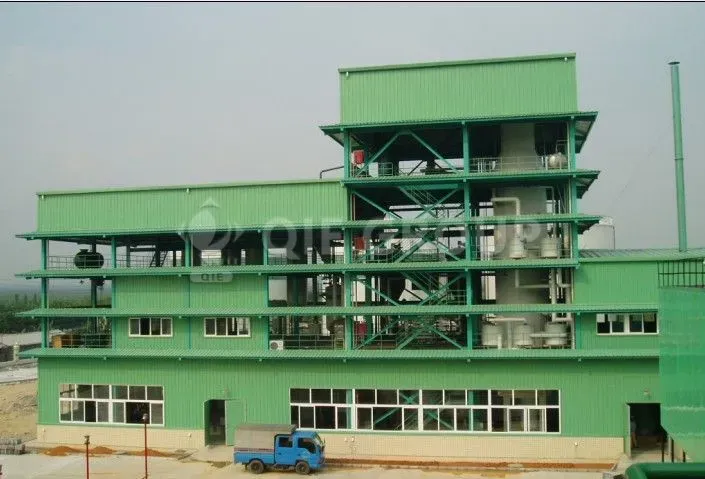
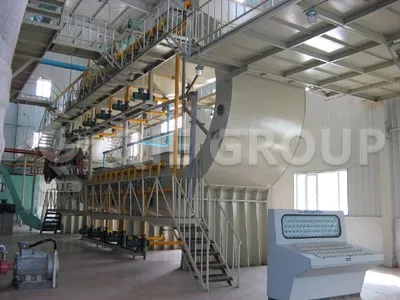
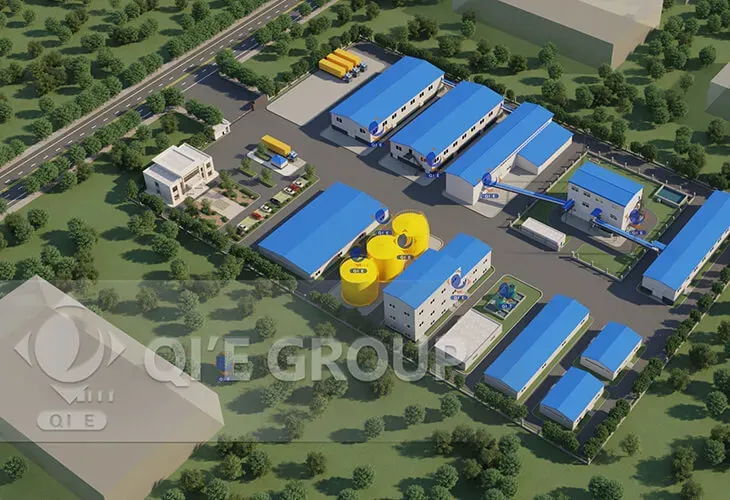
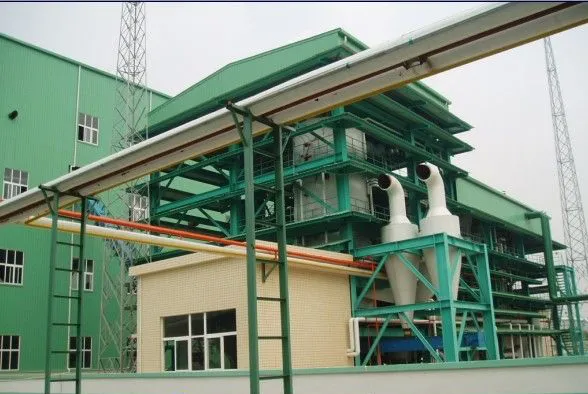
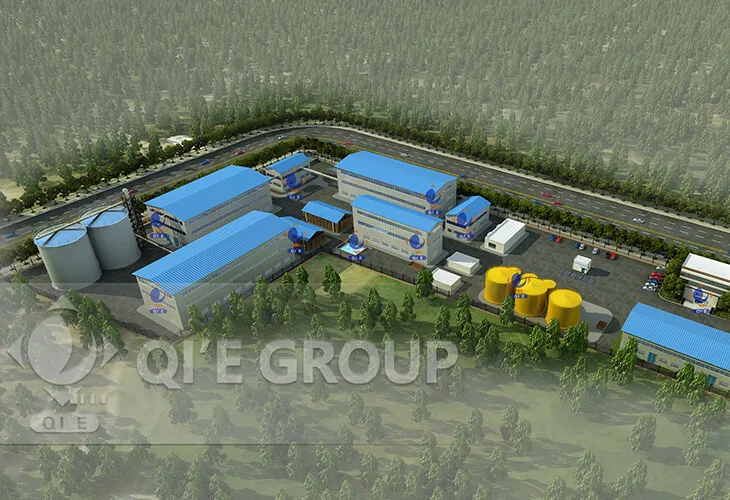
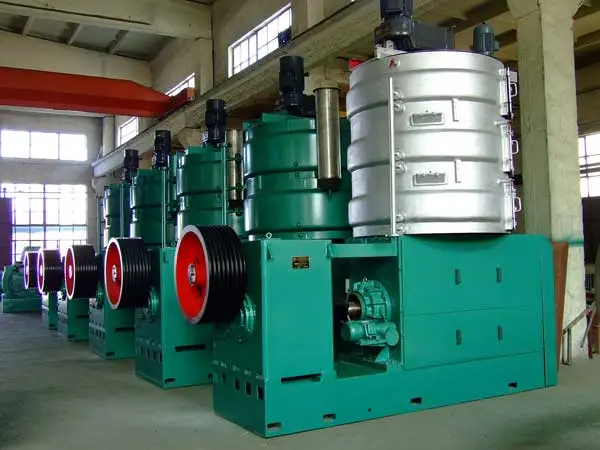
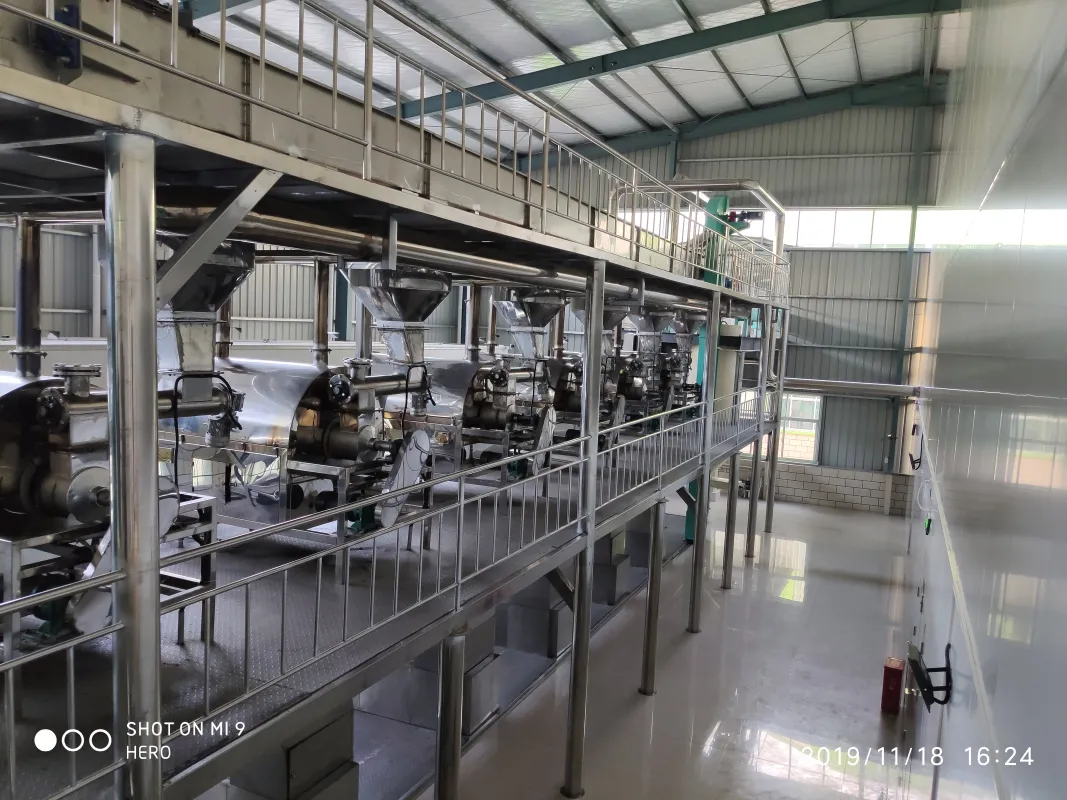
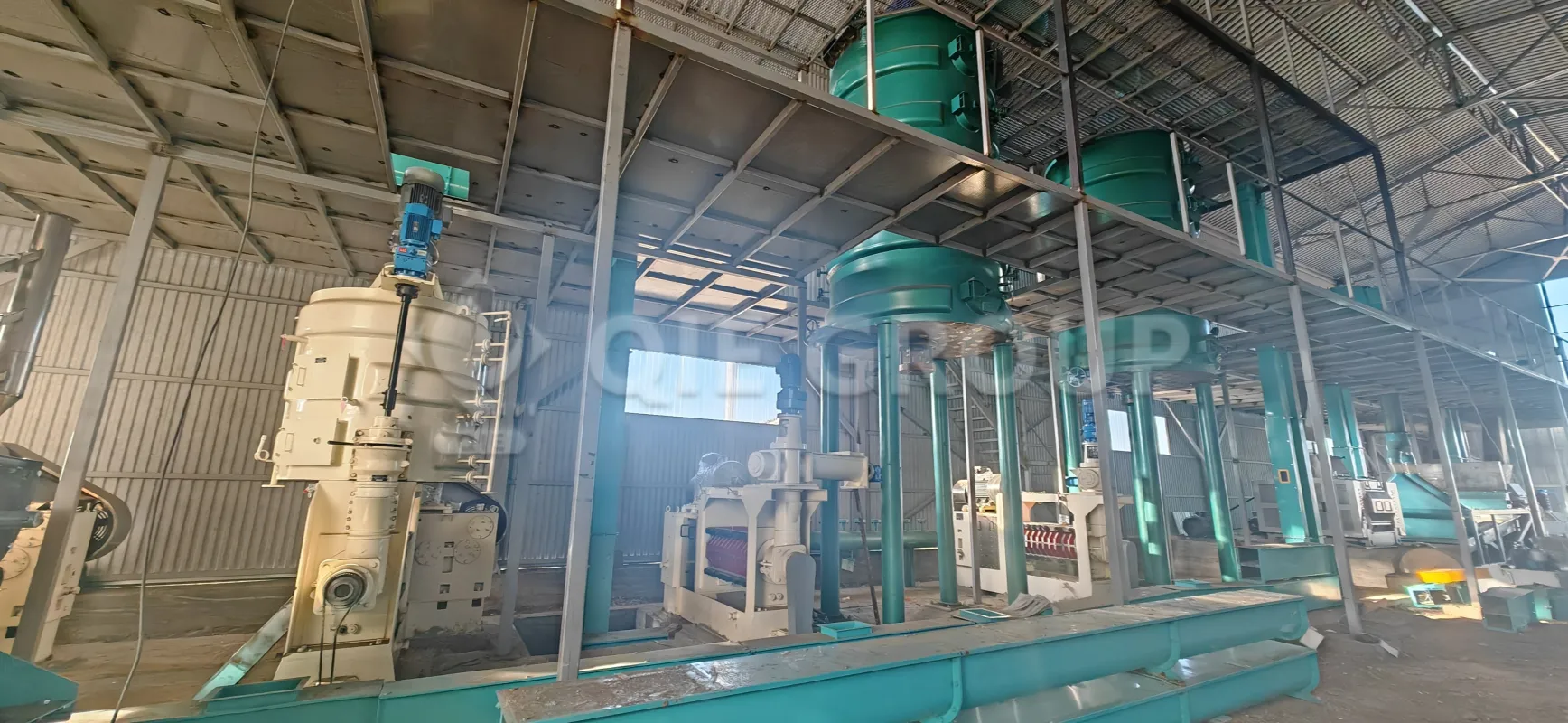
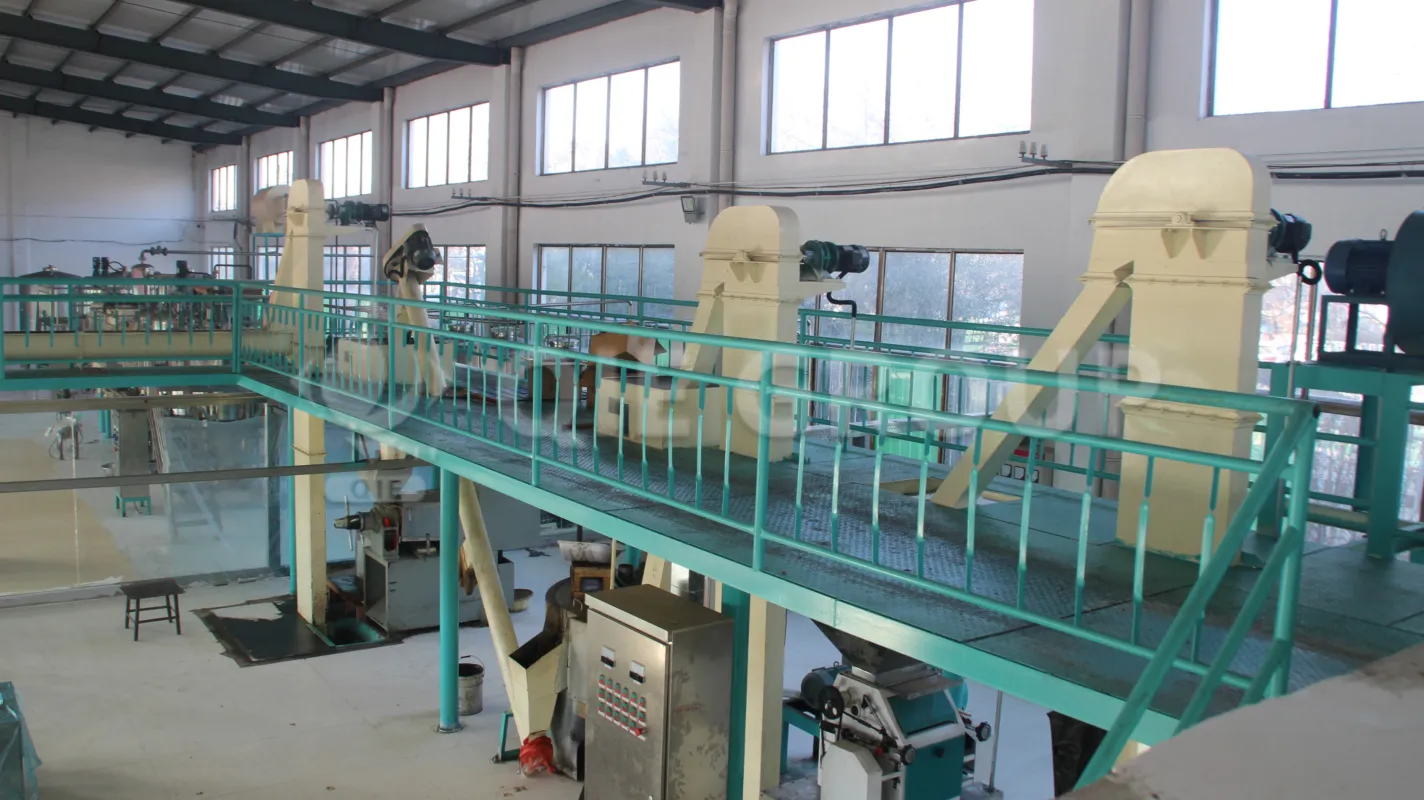
With the steady growth in global demand for healthy edible oils, peanut oil, as a representative of high-quality vegetable oils, directly impacts a company's production capacity, energy consumption, and product quality through the selection of its production equipment. This article will comprehensively analyze the performance of key equipment in a peanut oil production line from a technical parameter perspective, covering pretreatment machines, presses, and auxiliary equipment, to optimize equipment configuration and layout, and achieve energy-efficient and intelligent operation.
The core competitiveness of peanut oil processing equipment lies in its processing capacity, oil recovery rate, energy efficiency, and automation level. Taking the mainstream equipment on the current market as an example, the main parameters of the pre-processing stage include processing capacity (tons/hour), material adaptability, and failure rate; the key indicators of the press cover pressing efficiency (≥75%), oil-water separation quality, and energy consumption (≤75 kWh/ton of oilseeds).
| Equipment type | Core parameters | Performance Standards | Industry benchmarking |
|---|---|---|---|
| Pretreatment machine | Processing capacity (tons/hour) | 3-10 | Stable operation ≥98% |
| Peanut oil press | pressing efficiency | ≥75% | Oil purity > 98% |
| Auxiliary equipment | Energy consumption (kWh/ton) | ≤75 | Energy saving and consumption reduction ≤10% |
Furthermore, the level of automation in machinery plays a crucial role in reducing labor costs and improving operational safety and precision. Modern peanut oil processing equipment is generally equipped with a PLC control system, supporting remote monitoring and fault diagnosis, effectively improving the overall operational stability of the production line.
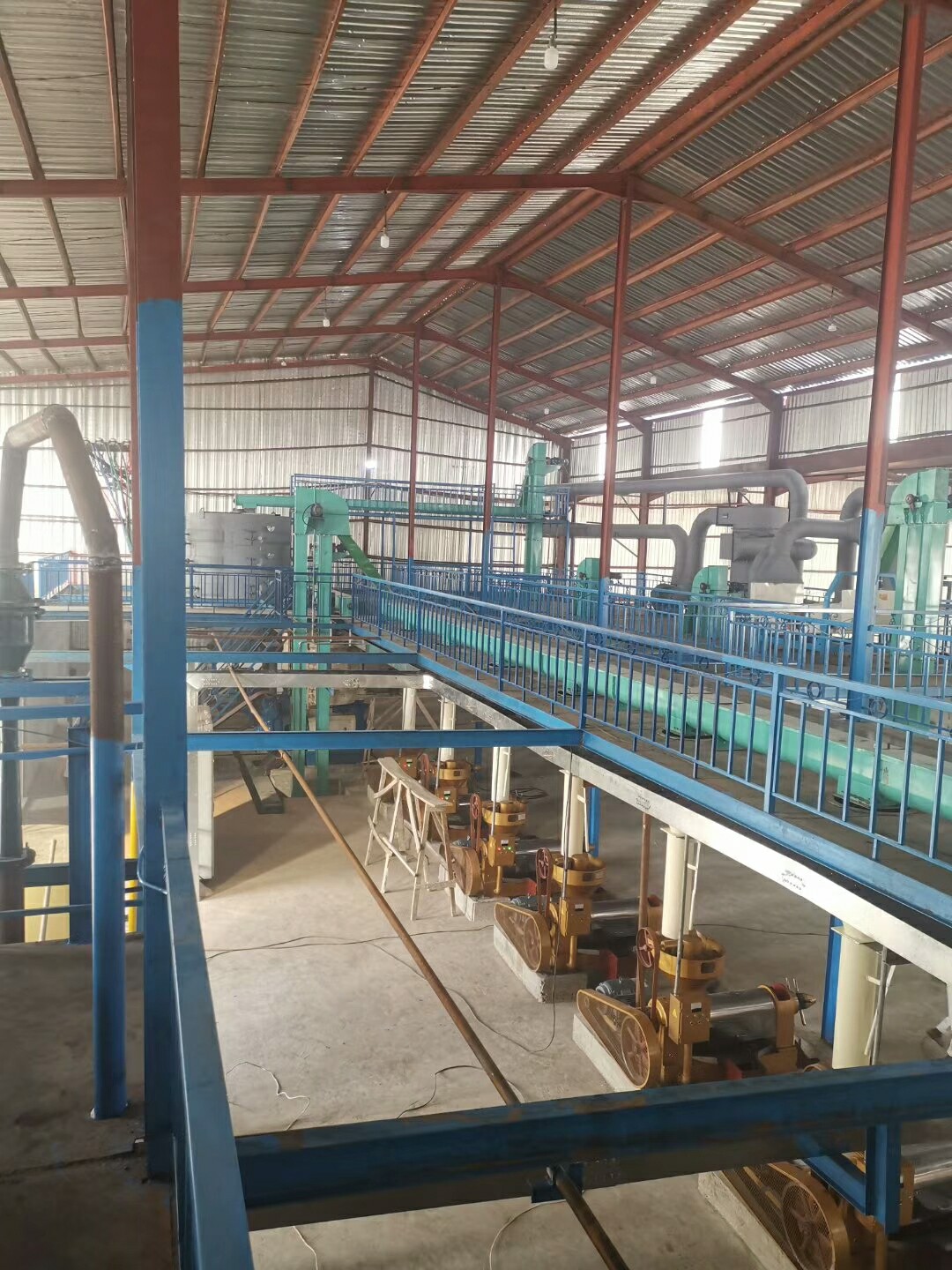
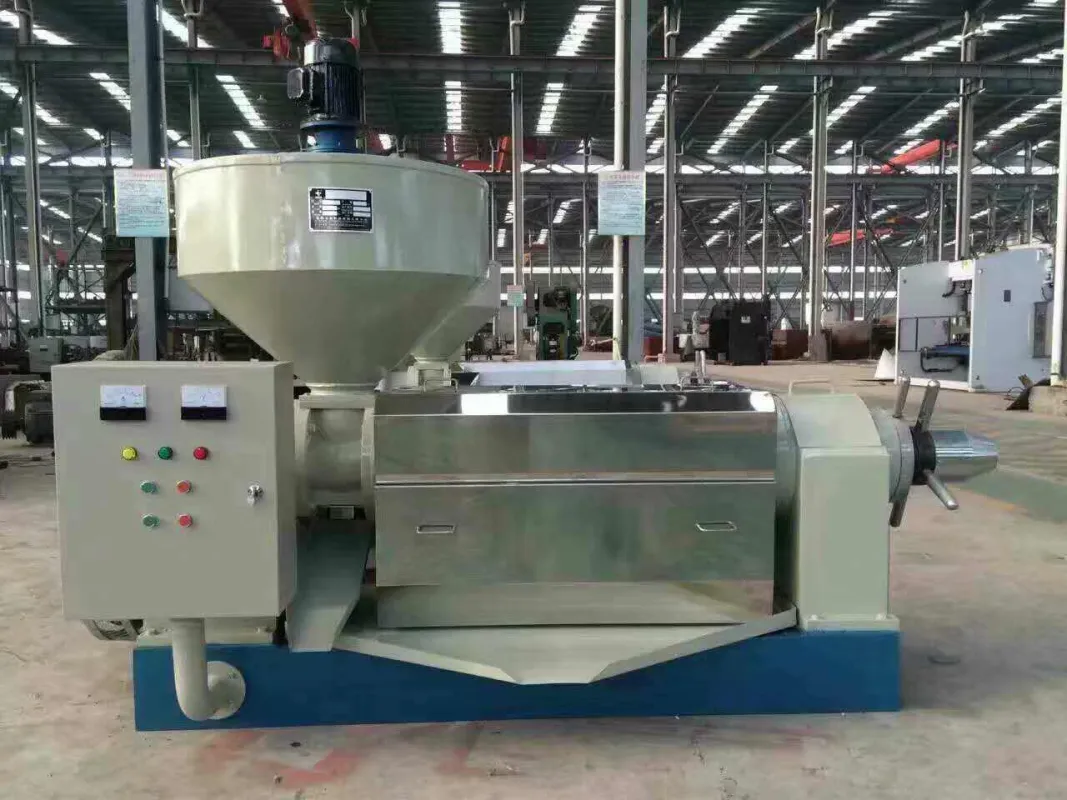
Recent market comparative analysis shows that different brands of peanut oil presses vary in energy efficiency by 5-12%. The structural design, transmission system, and sealing performance of the equipment directly affect mechanical wear and oil compatibility. Choosing equipment with good sealing and adaptability to humidity changes can effectively reduce oil oxidation and ensure the flavor and stability of the oil.
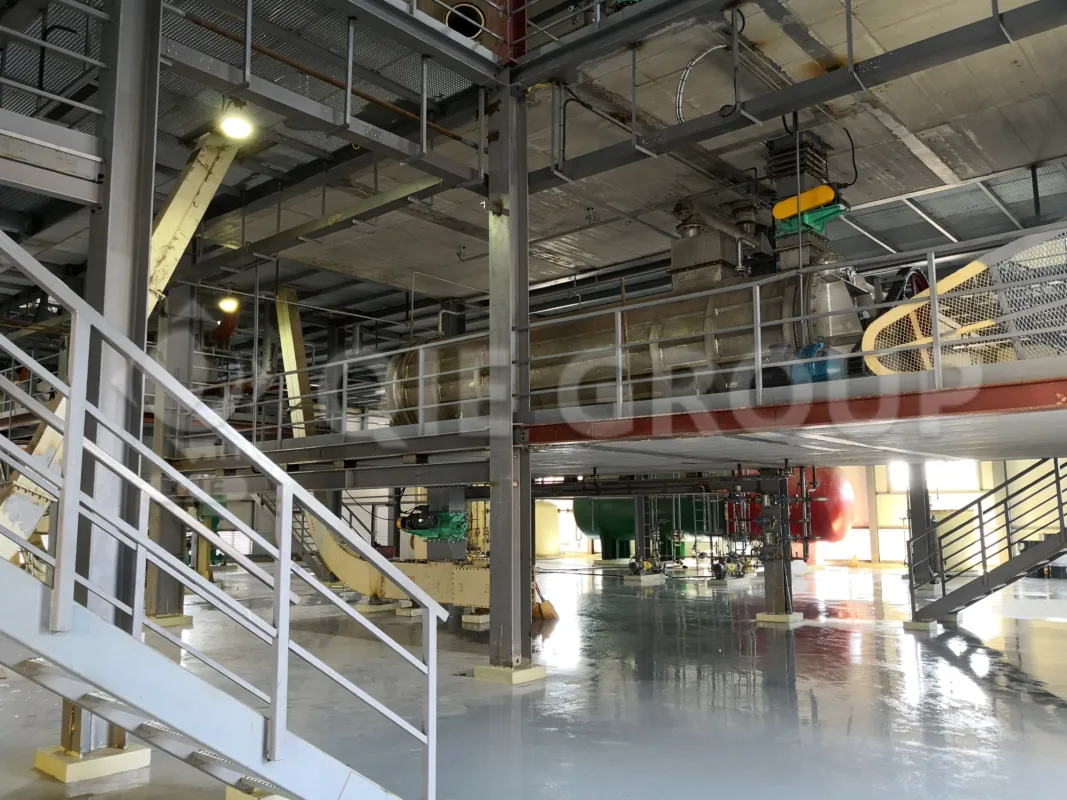
In terms of energy saving, mainstream manufacturers adopt variable frequency drives and intelligent temperature control systems to achieve dynamic adjustment of energy consumption. A properly configured cooling system prevents downtime or product quality fluctuations caused by overheating. Meanwhile, regular maintenance and precise lubrication ensure long-term stable operation of the equipment.
Automation is a core trend in the upgrading of modern peanut oil production lines . Higher levels of equipment integration reduce manual intervention, significantly lowering failure rates and production line downtime. Data shows that a 10% increase in automation can increase production efficiency by 8%-15% and oilseed utilization by approximately 5%.
Typical intelligent equipment is equipped with intelligent sensors and data analysis modules to monitor operating parameters in real time, provide early warnings of anomalies and adjust processes in a timely manner, reduce waste, extend equipment life, and bring significant cost benefits.
.png "<a href=") peanut oil production line">
peanut oil production line">
Taking a large Asian oilseed producer as an example, after adopting the intelligent peanut oil press provided by Tencent, it achieved a 20% increase in daily processing capacity, a 9% decrease in energy consumption, and maintained oil purity consistently above 98%. Through a performance demonstration appointment, the purchasing manager gained a detailed understanding of the user-friendly design of the automatic cleaning and energy-saving modes, greatly enhancing their control over the production line.
According to authoritative industry predictions, future peanut oil production equipment will further integrate Internet of Things (IoT) technology to achieve full-process digital monitoring and intelligent optimization.
 Edible Oil Factory
Frequently Asked Questions about Edible Oil Factories
Multi-oil pressing equipment
peanut oil processing equipment
peanut oil pretreatment machine
peanut oil pressing machine
equipment matching
processing plant configuration
Sesame oil production line
Sesame oil production equipment
Sesame oil production equipment manufacturers
Small edible oil processing plant
Small edible oil processing plant equipment
Small edible oil processing plant manufacturers
Peanut oil production line
Peanut oil production equipment
Peanut oil production line equipment manufacturers
Edible Oil Factory
Frequently Asked Questions about Edible Oil Factories
Multi-oil pressing equipment
peanut oil processing equipment
peanut oil pretreatment machine
peanut oil pressing machine
equipment matching
processing plant configuration
Sesame oil production line
Sesame oil production equipment
Sesame oil production equipment manufacturers
Small edible oil processing plant
Small edible oil processing plant equipment
Small edible oil processing plant manufacturers
Peanut oil production line
Peanut oil production equipment
Peanut oil production line equipment manufacturers





.png?x-oss-process=image/resize,h_100,m_lfit/format,webp)
.png?x-oss-process=image/resize,h_100,m_lfit/format,webp)
.png?x-oss-process=image/resize,h_100,m_lfit/format,webp)