.png?x-oss-process=image/resize,h_100,m_lfit/format,webp)
.png?x-oss-process=image/resize,h_100,m_lfit/format,webp)
.png?x-oss-process=image/resize,h_100,m_lfit/format,webp)

1. Is the Oil Mill Plant Designed for Your Raw Material?
This should be the first question you ask any oil mill plant supplier.
Many investors request an oil processing line based only on desired capacity, but the raw material characteristics determine the required process design, equipment configuration, and expected oil recovery.
Different oilseeds have different physical properties and processing requirements:
- Soybeans usually require cleaning, conditioning, flaking, and large-scale extraction processes because of their relatively low oil content.
- Sunflower seeds may require additional preparation steps to improve pressing performance and oil quality.
- Rapeseed requires suitable pretreatment conditions to achieve stable processing performance.
- Palm fruit processing requires a completely different production system involving sterilization, threshing, digestion, pressing, clarification, and kernel recovery.
Selecting equipment without considering raw material characteristics can result in lower oil recovery, higher energy consumption, and reduced production efficiency.
Before purchasing an oil mill plant, investors should ask the supplier:
- Has this process been successfully applied to my specific raw material?
- Can the same production line process multiple oilseeds?
- What oil recovery rate can be expected under normal operating conditions?
- What pretreatment steps are required before pressing or extraction?
A professional supplier should explain not only the equipment configuration but also why the proposed design matches the customer's raw materials.
Example: Multi-Oilseed Processing Design for Flexible Raw Material Supply
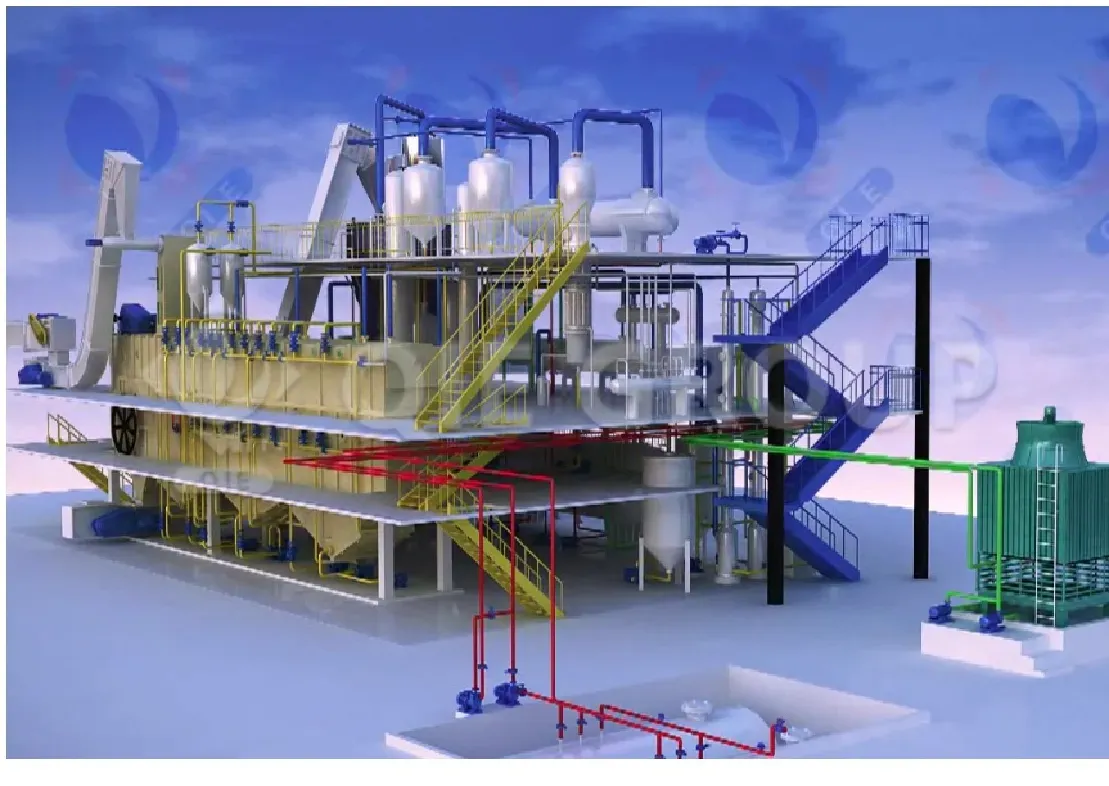
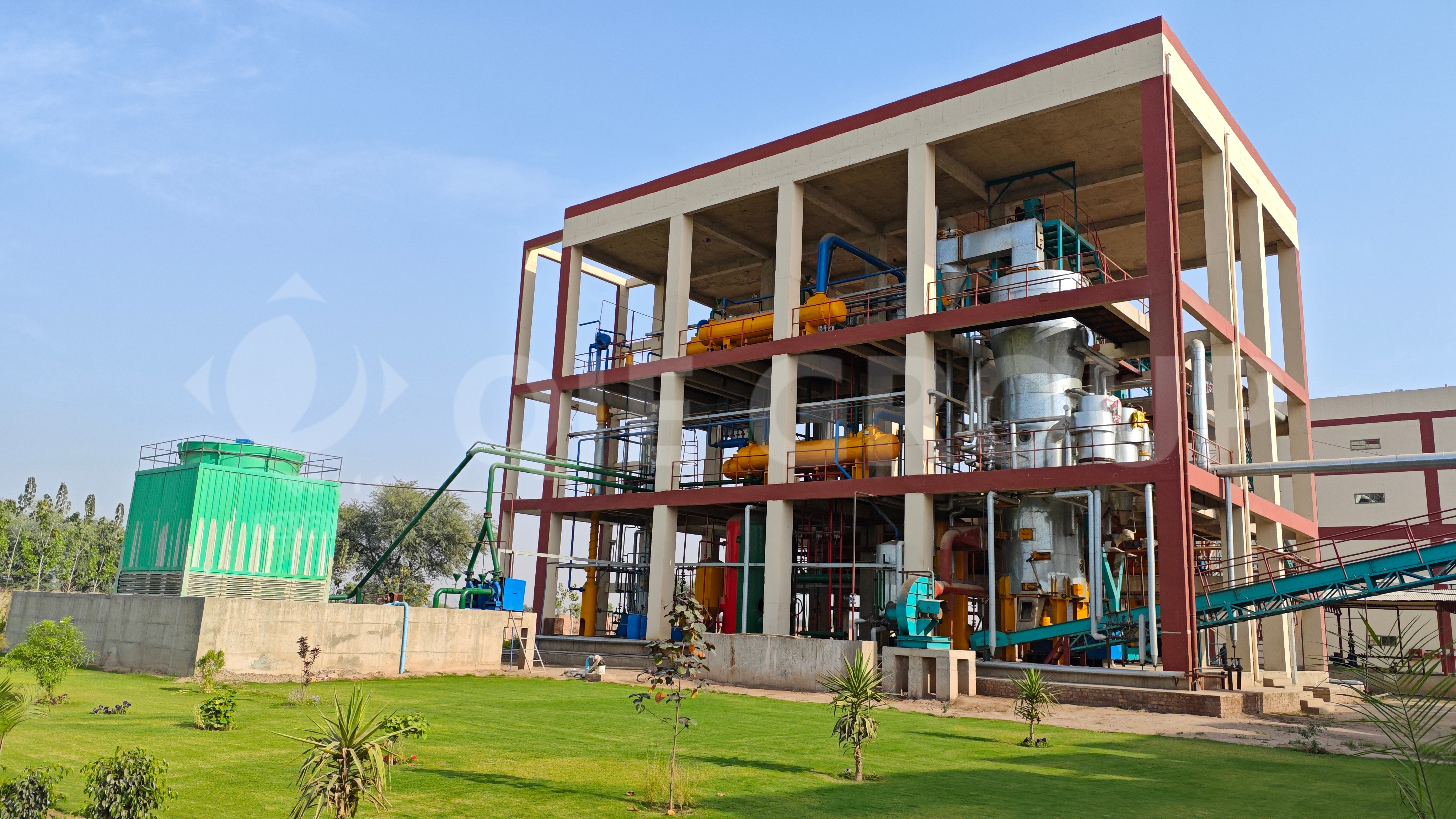
A practical example is a 150TPD oilseed pretreatment and solvent extraction project designed for processing soybean, sunflower seed, and rapeseed.
Instead of designing the plant for only one raw material, the production line was configured to handle multiple oilseeds with different characteristics. The project included a 150TPD oilseed pretreatment system, a 150TPD solvent extraction line, solvent recovery system, wet meal desolventizing and drying system, and automatic control system.
Because soybean, sunflower seed, and rapeseed have different structures, the pretreatment section was designed to adjust cleaning, crushing, conditioning, flaking, and cooking parameters according to different raw materials.
This type of multi-oilseed project shows why buyers should confirm raw material compatibility before selecting an oil mill plant. A suitable design should provide processing flexibility instead of focusing only on equipment capacity.
2. Is the Recommended Capacity Based on Your Business Plan?
Choosing the right capacity is not simply about selecting the largest available production line.
A capacity that is too small may restrict future growth, while an oversized oil mill plant can increase investment requirements, utility consumption, and maintenance costs.
The recommended capacity should be based on:
- Available raw material supply
- Seasonal production conditions
- Target market demand
- Expected operating hours
- Future expansion plans
Before purchasing an oil mill plant, ask:
- Is the capacity calculated according to my annual raw material availability?
- How many operating hours per day are considered?
- Can the production line be expanded later?
- Are utilities and storage systems designed for future growth?
A reliable supplier should first understand the investor's production objectives before recommending equipment capacity. A practical capacity design helps maintain stable operation and avoid unnecessary investment.
3. Which Processing Technology Is Best for Your Project?
Choosing the right processing technology is one of the most important questions before buying an oil mill plant. The recommended process should match the raw material type, production capacity, investment budget, and final product requirements.
Different oilseeds may require different processing routes:
- Mechanical pressing is commonly used for smaller and medium-scale projects where investors prefer simpler operation and lower initial investment.
- Solvent extraction is usually selected for large-scale oilseed processing plants because it can achieve higher oil recovery from oil cakes and meals.
- Pressing combined with extraction is often applied in larger projects where maximizing oil recovery is a priority.
However, there is no single processing technology suitable for every project. A supplier should evaluate:
- Raw material oil content
- Required production capacity
- Expected oil recovery
- Available utilities
- Investment conditions
- Local operating environment
Before selecting an oil mill plant supplier, investors should ask:
- Why is this processing technology recommended?
- What advantages does it provide for my raw material?
- What are the expected operating costs?
- Has the supplier completed similar projects?
A professional proposal should explain the reason behind each process selection instead of simply providing an equipment list.
4. What Equipment Is Included in the Quotation?
Many investors compare oil mill plant cost based only on the final quotation amount. However, different suppliers may provide different equipment scopes, which makes direct price comparison difficult.
A complete quotation should clearly define:
- Main processing equipment
- Pretreatment system
- Pressing or extraction equipment
- Refining section if required
- Storage and conveying system
- Electrical and automation system
- Installation and commissioning scope
- Spare parts and technical support
Before purchasing an oil mill plant, buyers should ask:
- Does the quotation include all necessary production sections?
- Are auxiliary systems included?
- What equipment is supplied by the manufacturer?
- Which parts require local procurement?
- Is installation guidance included?
A lower initial oil mill plant cost does not always mean a lower total investment. Missing equipment, insufficient automation, or incomplete supporting systems may create additional expenses during installation and operation.
Example: Comparing Complete Plant Scope Beyond Equipment Price
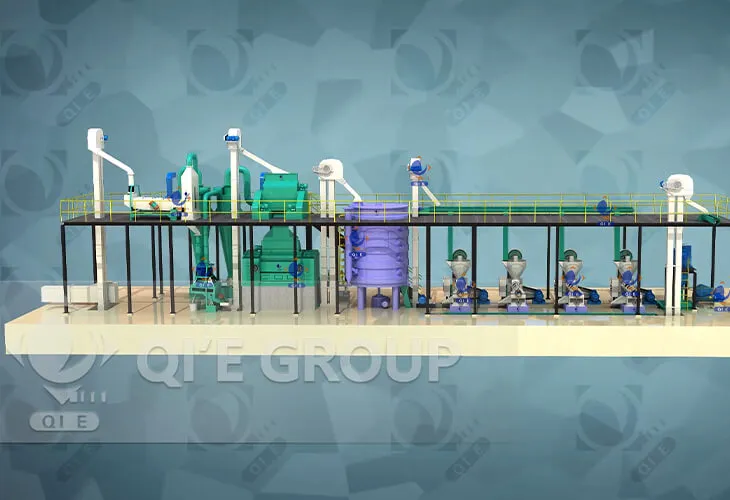
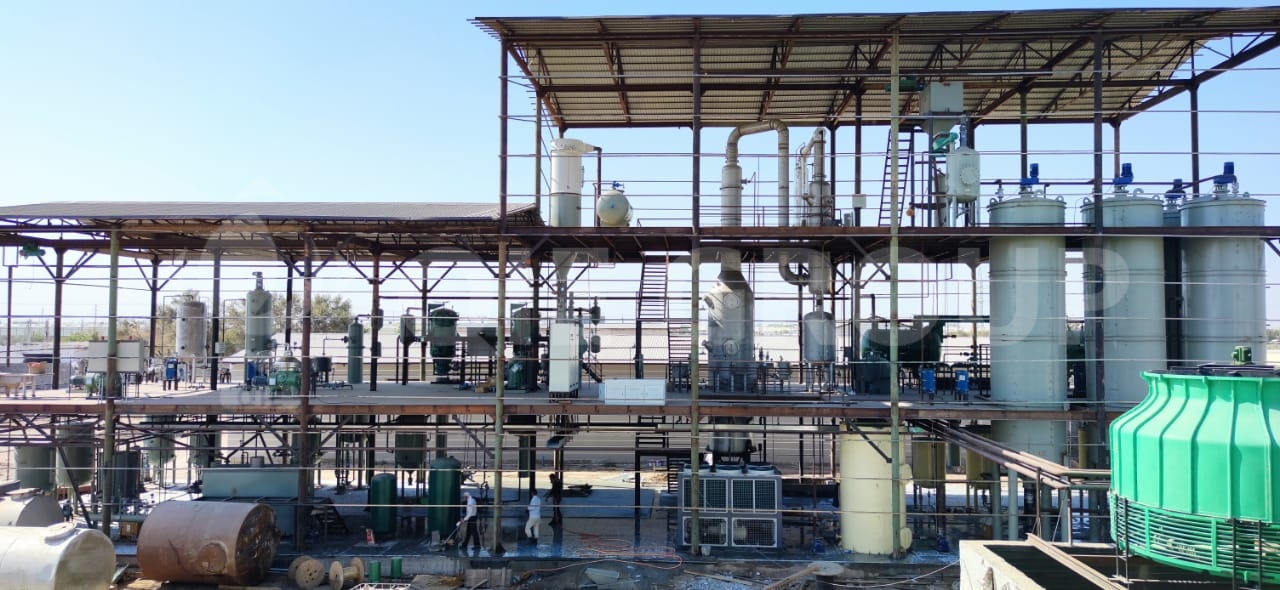
Another example is a 200TPD multi-oilseed pressing and refining project designed for processing sunflower seed, cottonseed, and soybean.
The project was designed as a complete oil processing solution rather than a single pressing unit. The configuration included a 200TPD oilseed pressing system, a 50TPD edible oil refining line, raw material pretreatment system, pressing equipment, refining equipment, solvent recovery system, and automation system.
The project design considered multiple raw materials, allowing the plant to process sunflower seed, cottonseed, and soybean while producing crude oils, high-protein oil meals, and refined edible oil products.
This example shows why buyers should evaluate the complete technical scope when comparing suppliers. The most suitable oil mill plant is not necessarily the cheapest option, but the one that provides the required processing capability, equipment completeness, and long-term operating reliability.
5. What Oil Recovery Can You Realistically Expect?
Oil recovery is one of the most important performance indicators when evaluating an oil mill plant.
However, expected oil recovery should always be based on actual raw material conditions and operating parameters. Suppliers should avoid providing unrealistic yield expectations without explaining the calculation basis.
Oil recovery is affected by:
- Raw material oil content
- Moisture level
- Impurities
- Pretreatment efficiency
- Pressing conditions
- Extraction efficiency
- Equipment operation
Before selecting a supplier, investors should ask:
- Is the expected oil recovery based on laboratory data or industrial experience?
- What oil loss occurs during processing?
- How does the process minimize residual oil in meal?
- What factors can reduce actual production performance?
For example, the same equipment configuration may achieve different results when processing raw materials with different oil content or quality.
A reliable oil mill plant supplier should provide realistic performance expectations and explain how the process design supports stable oil recovery.
6. What Will the Plant Cost to Operate?
The initial investment is only part of the total cost of an oil mill plant. Long-term operating expenses often determine the overall profitability of the project.
Investors should evaluate:
Energy Consumption
Oil processing plants may require electricity, steam, fuel, and water. Equipment efficiency directly affects daily operating expenses.
Questions to ask:
- What is the expected electricity consumption per ton of raw material?
- How much steam is required?
- What boiler capacity is recommended?
- Are energy-saving measures included?
Labor Requirements
Automation level influences the number of operators required and production stability.
A modern oil mill plant may include:
- Automatic feeding control
- Process monitoring
- Temperature and pressure control
- Production data recording
Maintenance Requirements
The supplier should explain:
- Recommended maintenance schedule
- Wear parts replacement cycle
- Spare parts availability
- Technical support after commissioning
When evaluating oil mill plant cost, investors should consider the complete lifecycle cost rather than only the initial purchase price.
7. How Much Automation Does the Plant Provide?
Automation level is another important question before purchasing an oil mill plant.
The required automation level depends on:
- Production capacity
- Labor availability
- Investment budget
- Local operating conditions
A small-scale plant may use basic control systems, while larger projects often require advanced automation for stable production.
Investors should ask:
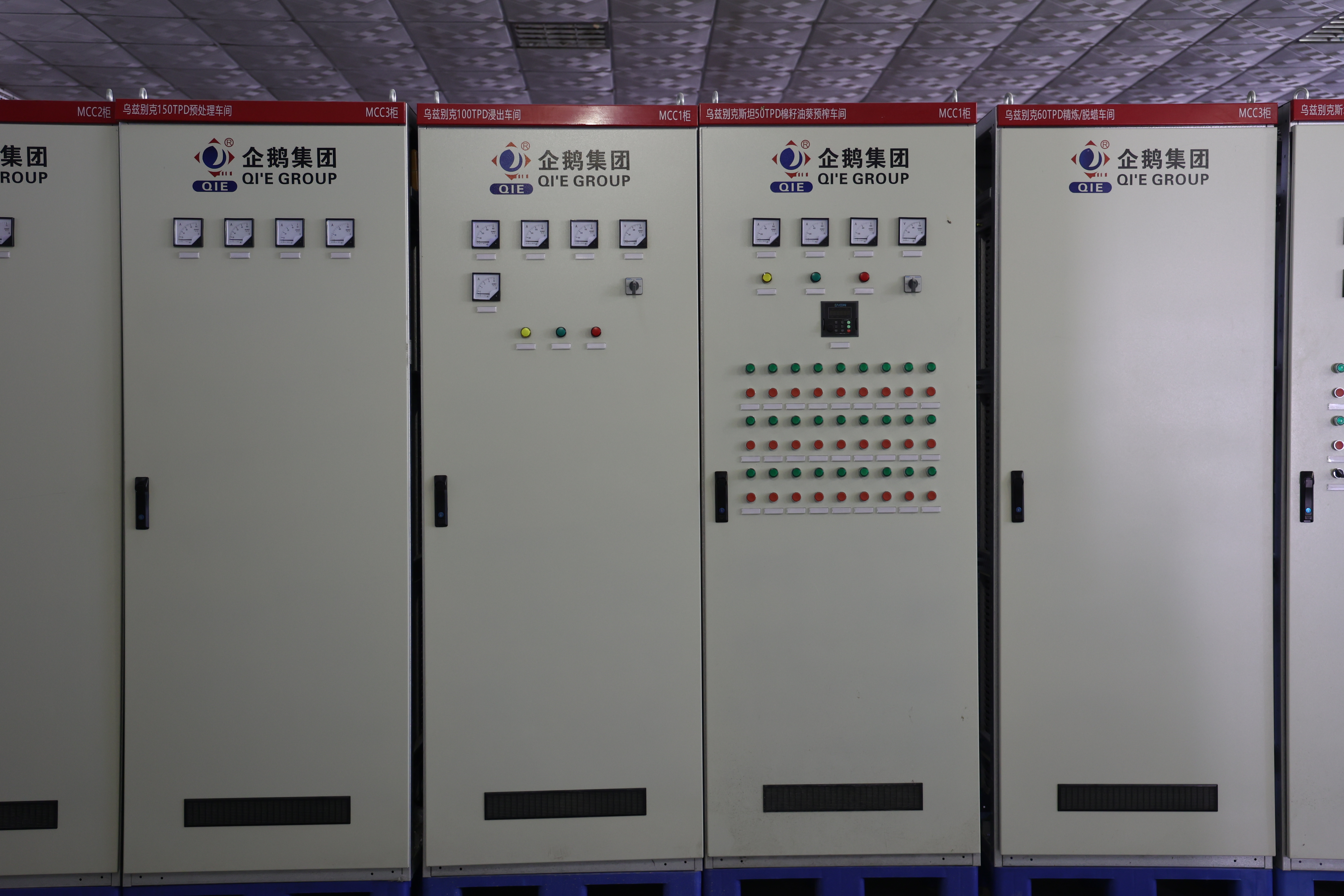
- Is the plant controlled by PLC?
- Can operators monitor production data?
- Are key parameters automatically controlled?
- Can the system be upgraded in the future?
A properly designed automation system can help improve operational stability, reduce human error, and simplify plant management.
8. What Technical Support Will Be Available After Delivery?
Technical support is an important factor that should be evaluated before selecting an oil mill plant supplier. A production line is not completed when the equipment arrives at the factory. Installation, commissioning, operator training, and future maintenance all influence the long-term performance of the plant.
Before signing a contract, investors should ask:
- Does the supplier provide installation guidance?
- Who will be responsible for commissioning the equipment?
- Is operator training included?
- Are operation manuals and technical documents provided?
- How are spare parts and after-sales services handled?
For large-scale oil processing projects, technical support is especially important because the production system usually includes multiple sections working together, such as raw material preparation, pressing or extraction, refining, utilities, and automation.
A qualified supplier should provide support throughout the project lifecycle, including:
- Engineering design assistance
- Equipment installation support
- Commissioning services
- Production optimization
- Troubleshooting guidance
When learning how to choose an oil mill plant, investors should evaluate not only the equipment itself but also the supplier’s ability to support stable operation after project completion.
9. Can the Plant Be Expanded as Your Business Grows?
Future expansion is another question that should be considered before buying an oil mill plant.
Many investors focus only on current production requirements but overlook future market growth. A plant that cannot be expanded easily may require major reconstruction when production demand increases.
A flexible plant design should consider:
- Additional processing capacity
- Space for future equipment installation
- Utility system expansion
- Modular equipment arrangement
- Compatibility with additional raw materials
Before purchasing, investors should ask:
- Can the production capacity be increased later?
- Which sections can be expanded first?
- Are the current utilities sufficient for future growth?
- Does the equipment layout allow additional production lines?
For example, a multi-oilseed processing plant may provide more flexibility than a single-purpose line because it can adapt to changes in raw material supply and market demand.
A well-planned oil mill plant should not only meet current production targets but also provide opportunities for future development.
10. What Certifications, Standards, and Reference Projects Can the Supplier Provide?
Before selecting an oil mill plant supplier, investors should verify the supplier’s technical experience and project background.
A supplier’s previous projects can provide valuable information about:
- Engineering capability
- Equipment reliability
- Experience with similar raw materials
- Ability to handle complete projects
Important questions include:
- Has the supplier completed similar oil processing projects?
- Can they provide reference plants with similar capacity?
- Do they have experience with multiple oilseed processing?
- Are technical documents and quality standards available?
Reference projects are especially useful when the proposed oil mill plant involves complex configurations, such as combined pressing and refining systems or multi-material processing lines.
Instead of evaluating suppliers only by quotation price, investors should compare:
- Engineering experience
- Project scope
- Equipment quality
- Technical service capability
- Long-term cooperation ability
How to Evaluate the Answers You Receive
After collecting proposals from different suppliers, investors should compare the answers carefully rather than selecting the lowest quotation immediately.
A practical evaluation method includes:
1. Check Technical Matching
The proposed oil mill plant should match:
- Raw material characteristics
- Target capacity
- Product requirements
- Local operating conditions
A supplier that provides detailed technical explanations usually has a better understanding of the project requirements.
2. Compare Complete Project Scope
Different quotations may include different levels of equipment and services.
Investors should compare:
- Equipment lists
- Process sections
- Automation systems
- Installation scope
- Technical support
A complete comparison helps avoid unexpected additional costs after ordering.
3. Evaluate Long-Term Operating Value
The best solution is not always the one with the lowest initial oil mill plant cost.
Investors should consider:
- Energy consumption
- Maintenance requirements
- Production stability
- Oil recovery performance
- Future expansion possibilities
A properly designed plant can provide better long-term value even if the initial investment is higher.
Common Mistakes Buyers Make Before Ordering an Oil Mill Plant
Choosing Only Based on Equipment Price
One of the most common mistakes is selecting a supplier only because of a low quotation.
Different suppliers may offer different equipment configurations, automation levels, and technical services. A lower price may result from missing equipment or limited project support.
Ignoring Raw Material Flexibility
Some investors purchase equipment based only on current raw material availability.
However, market conditions may change. A plant capable of processing multiple oilseeds can provide greater flexibility when raw material supply changes.
Not Confirming Supplier Experience
A supplier without experience in similar projects may create risks during installation and commissioning.
Checking previous reference projects helps investors understand whether the supplier can deliver a stable oil mill plant solution.