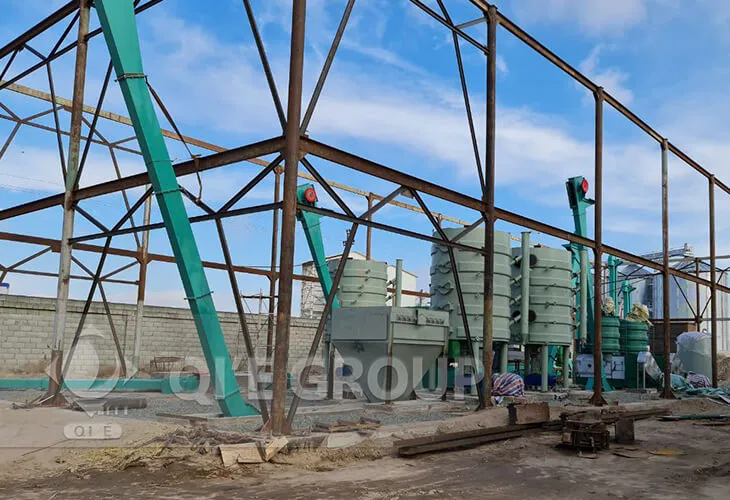
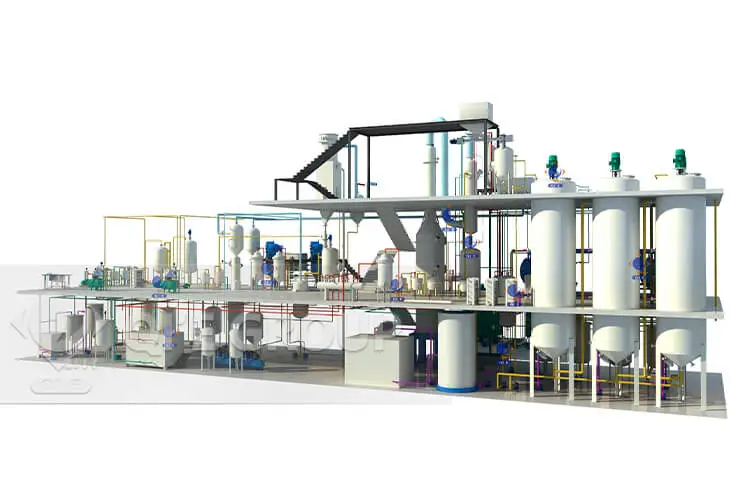
With the growing global demand for natural cosmetics and organic foods, investing in a shea butter production line has become a high-return project. However, for most business owners, the core question remains: "What will the actual price of a shea butter production line be in 2026?"
For entrepreneurs or small businesses looking to enter the edible oil industry, a small shea butter processing plant is a good option. The investment required to build such a plant typically ranges from $13,000 to $40,000 , depending on equipment configuration and daily production capacity.
Shea butter oil presses : Small oil presses generally range in price from $5,000 to $15,000 , depending on capacity. These machines are suitable for low to medium production levels and are ideal for small businesses.
Pre-processing systems : These include washing, crushing, and baking equipment, and typically cost between $2,000 and $8,000 .
Refining System : A basic refining system used to remove impurities from shea butter, typically priced between $3,000 and $10,000 , depending on the complexity of the system.
Energy efficiency : Make sure to choose small, energy-efficient equipment, as energy savings can significantly reduce operating costs.
Durability : Choose equipment made from durable, high-quality materials to ensure long-term operation and reduce maintenance costs.
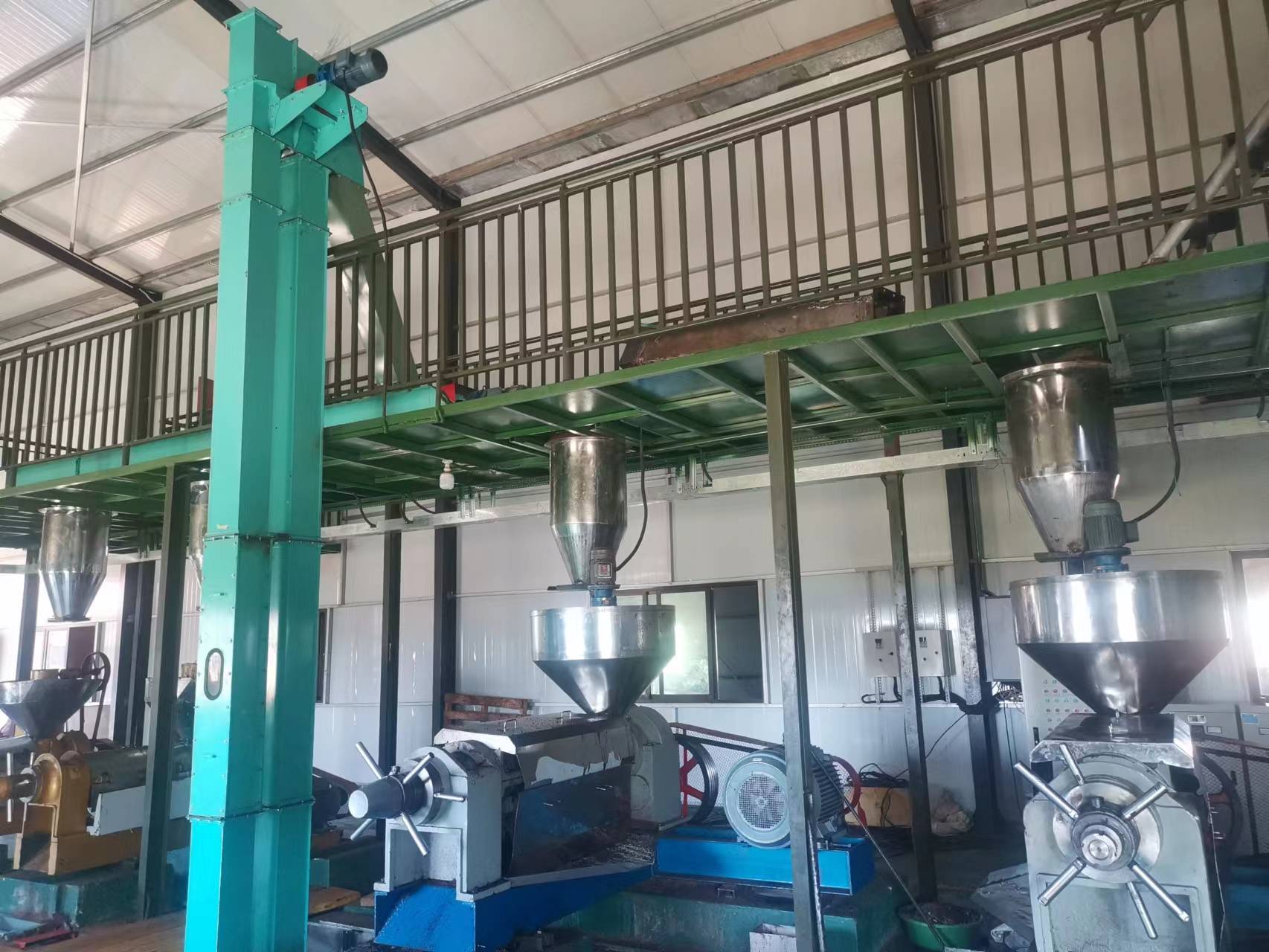
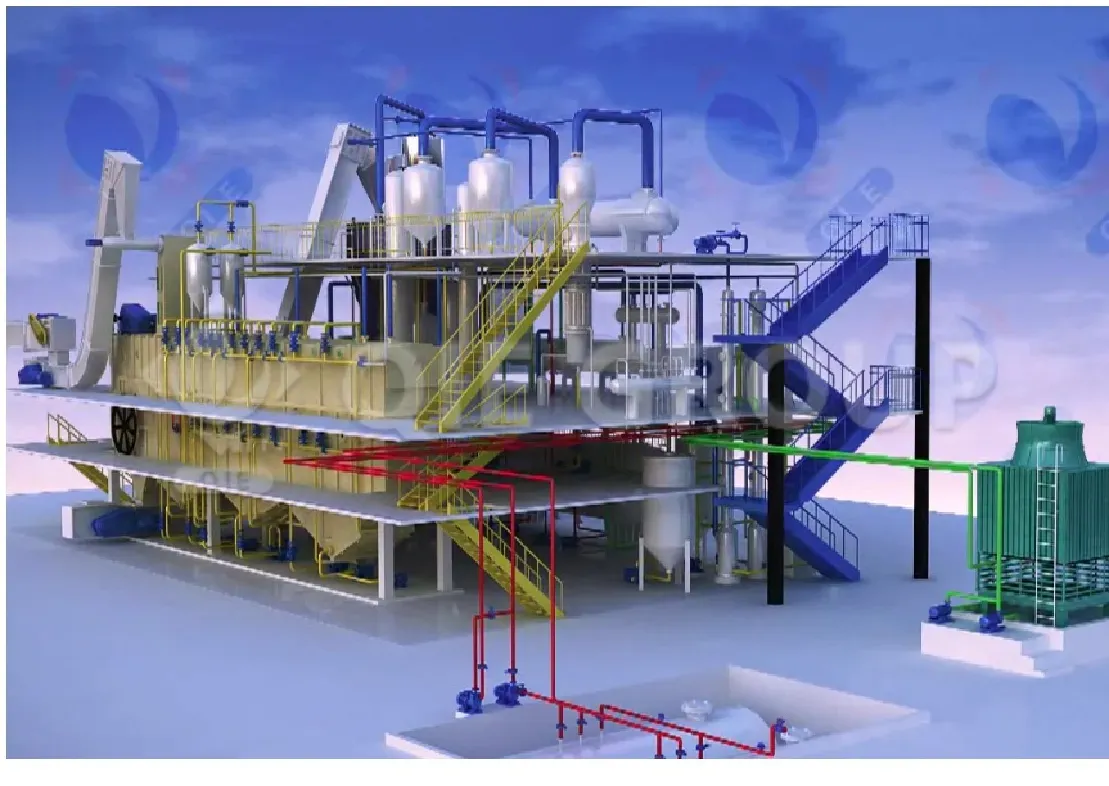
For large-scale industrial production, fully automated shea butter production lines are key to improving efficiency, reducing labor costs, and increasing Oil Extraction rates. Specific prices depend on production capacity.
Automated cleaning and crushing systems : These systems ensure consistent and high-quality raw material processing, reduce waste, and maximize oil extraction.
Roasting and pressing system : The fully automated roasting and pressing system ensures higher oil extraction rates and consistent product quality.
Refining System : Advanced refining units, including degumming, deacidification, decolorization, and deodorization, ensure that the final product meets high-quality standards.
Energy efficiency optimization : Modern fully automated production line designs emphasize energy efficiency , saving 15-20% more energy than traditional systems, making them very suitable for large-scale production.
Pre-treatment section: includes a rolling mill (which rolls the material into 0.3-0.5mm thin sheets) or an extruder, which thoroughly destroys the cell structure and creates conditions for efficient oil extraction.
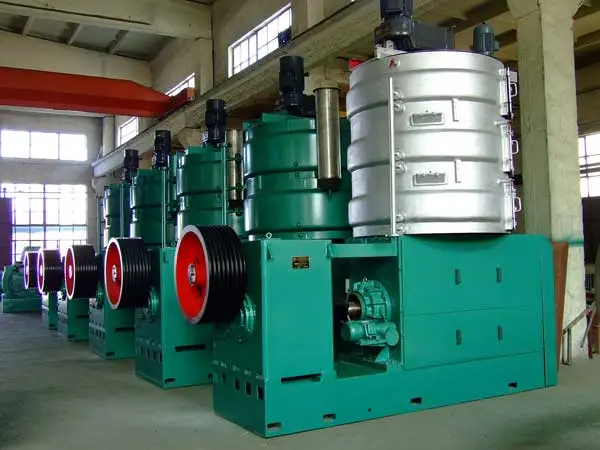
Continuous pressing system: It adopts a screw oil press , which is suitable for large-scale continuous operation and has high oil extraction efficiency.
PLC intelligent control: Fully automatic monitoring of moisture and temperature, greatly reducing labor costs.
High oil extraction rate : The automated system ensures maximum oil extraction, with an extraction rate of up to 95% , and ensures excellent oil quality.
Labor savings : Automation significantly reduces labor costs and is ideal for large-scale operations.
Consistent product quality : The fully automated production process helps ensure consistent oil quality that meets export standards.
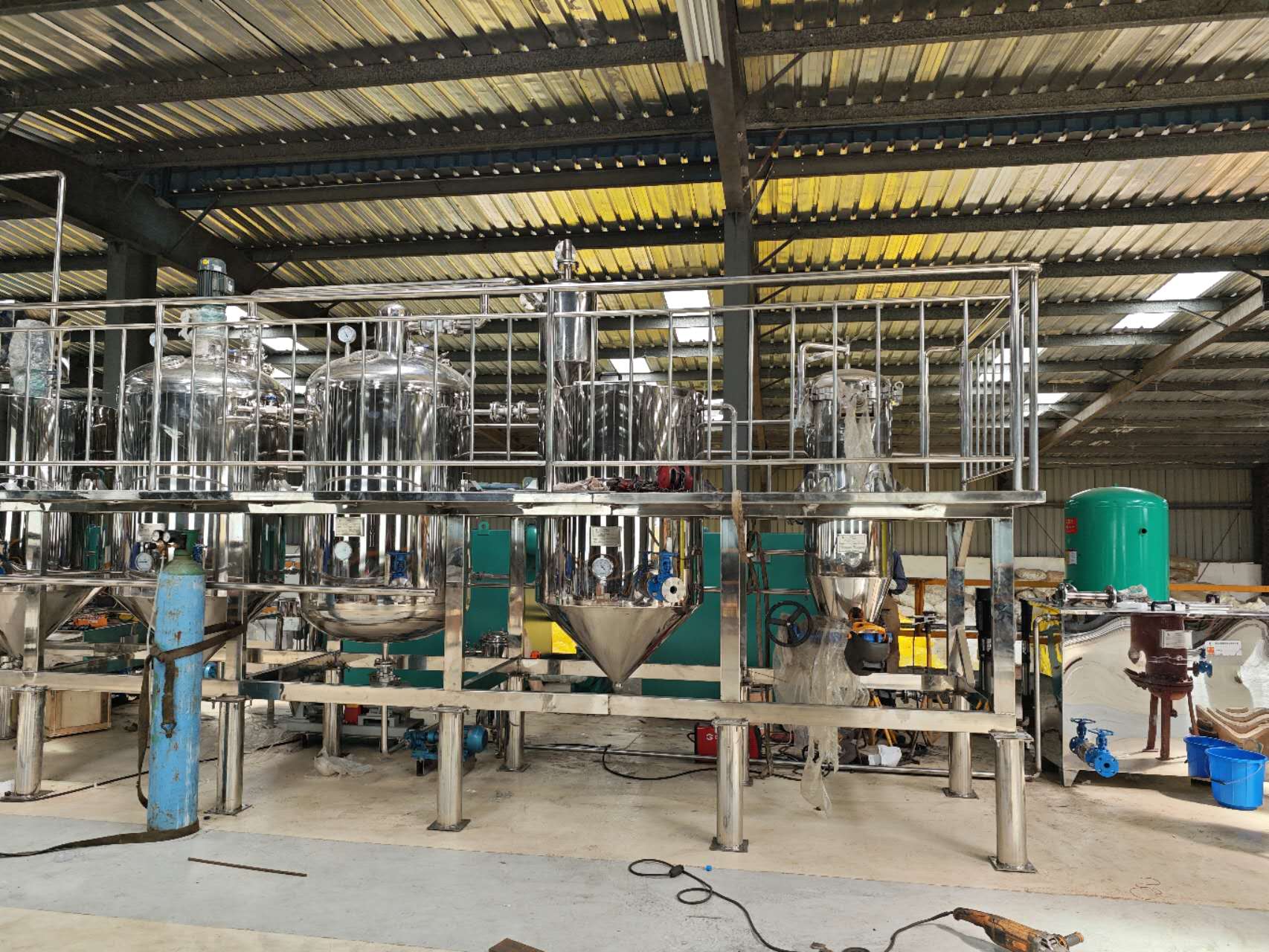
Comparing traditional manual methods with modern mechanical extraction methods is crucial for companies looking to scale up production.
Extraction efficiency : Traditional manual extraction methods typically yield only about 50-60% of the oil from shea butter seeds. These methods are labor-intensive and inefficient.
Labor costs : Traditional methods require a large amount of manual operation, resulting in high operating costs.
Product quality : Due to limited control over the extraction process, the final oil quality may be unstable.
Extraction efficiency : Modern mechanized extraction methods can achieve an oil extraction rate of **95%**, which greatly improves efficiency.
Automation : Reduces reliance on manual labor, lowers labor costs, and enhances the consistency of oil extraction.
Energy efficiency : Mechanized methods are 30% more energy efficient than traditional methods, making them more cost-effective in the long run.
By switching to mechanized extraction methods, companies can increase oil extraction rates, reduce costs, and improve product quality, thereby achieving long-term profitability.
The prices differ because the engineering design schemes vary. Before comparing prices, please compare the underlying technical specifications:
Pre-treatment workshop: paving the way for oil extraction. Includes cleaning, crushing, softening, and billet rolling.
Leaching Unit (Optional): For large plants, the pressed cake can be fed into the leaching system. Hexane solvent extraction is used to reduce the total residual oil content to below 1% , maximizing oil extraction.
Refining Plant: If your target market is the food industry, you will need a refining line. This includes degumming, deacidification (physical or chemical methods), decolorization, and deodorization to remove free fatty acids (FFA) and off-odors.
Production capacity : The greater the production capacity (tonnes processed per day), the higher the price. Industrialized production lines capable of processing more than 20 tons of shea butter are typically more expensive.
Automation level : Fully automated production lines with advanced functions such as automated control systems and automated refining are more expensive.
Energy efficiency : Although production lines that optimize energy use require a higher initial investment, they can bring long-term savings on energy bills.
Customization requirements : Customized production lines that meet specific needs (such as special refining processes) will increase additional costs.
Different manufacturers will offer different quotes based on their technology, after-sales service, and the quality of the materials used. The QIE GROUP will adjust the production line machinery according to the customer's price and provide the most suitable solution.
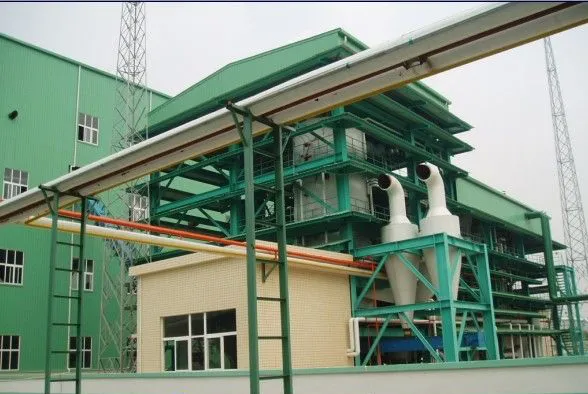
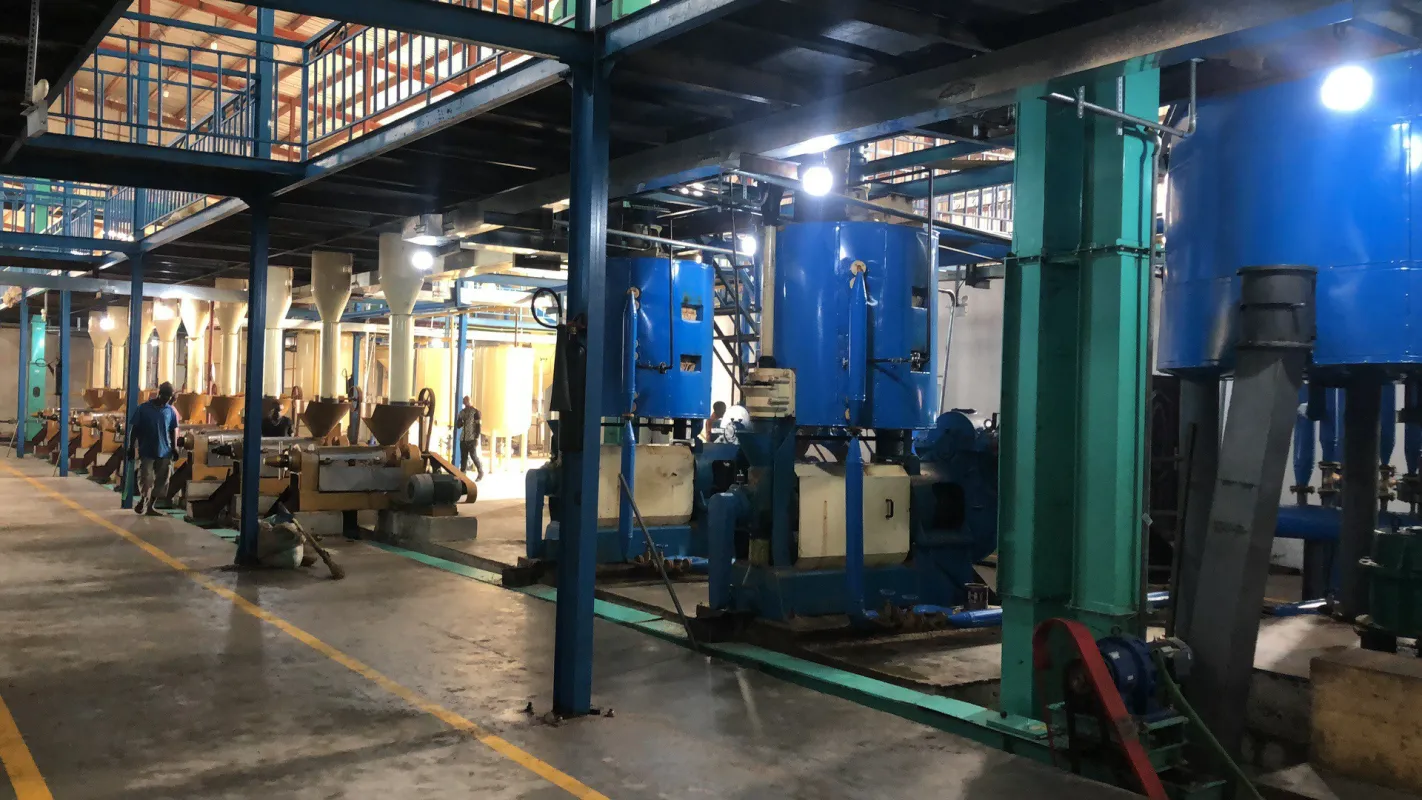
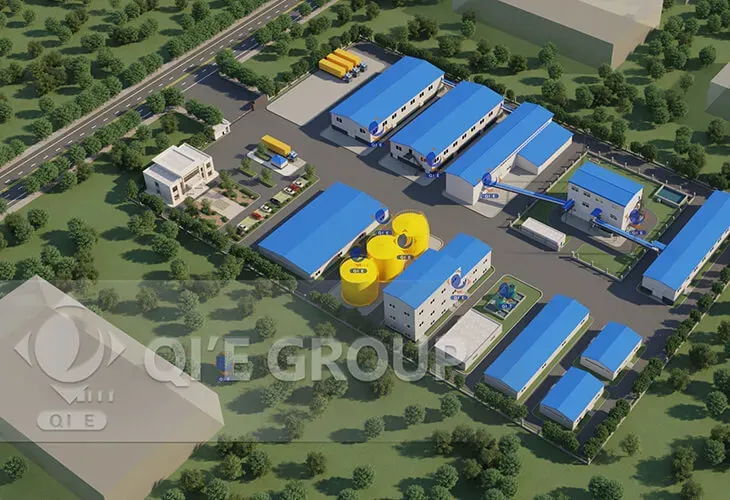
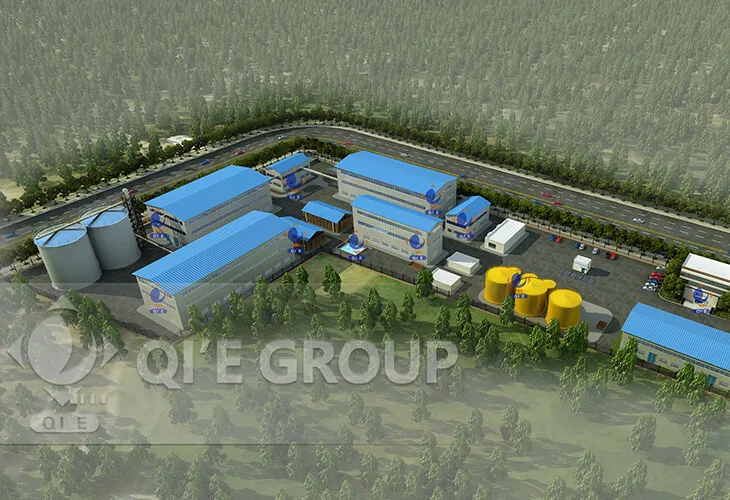
QIE GROUP has successfully installed turnkey shea butter processing plants in several major shea butter producing regions, including Africa , Southeast Asia , and Central Asia . Our clients have achieved significant results, including higher oil extraction rates, reduced energy consumption, and consistent product quality.
Ghana : We have installed a fully automated shea butter oil extraction line in Ghana, which now processes 50 tons of shea butter per day, achieving a high oil extraction rate.
Nigeria : A small to medium-sized production line has been installed in Nigeria, which can now meet the needs of the local market and comply with export standards.
Botswana : The fully automated production line we installed in Uganda has helped local businesses improve production efficiency and profitability.
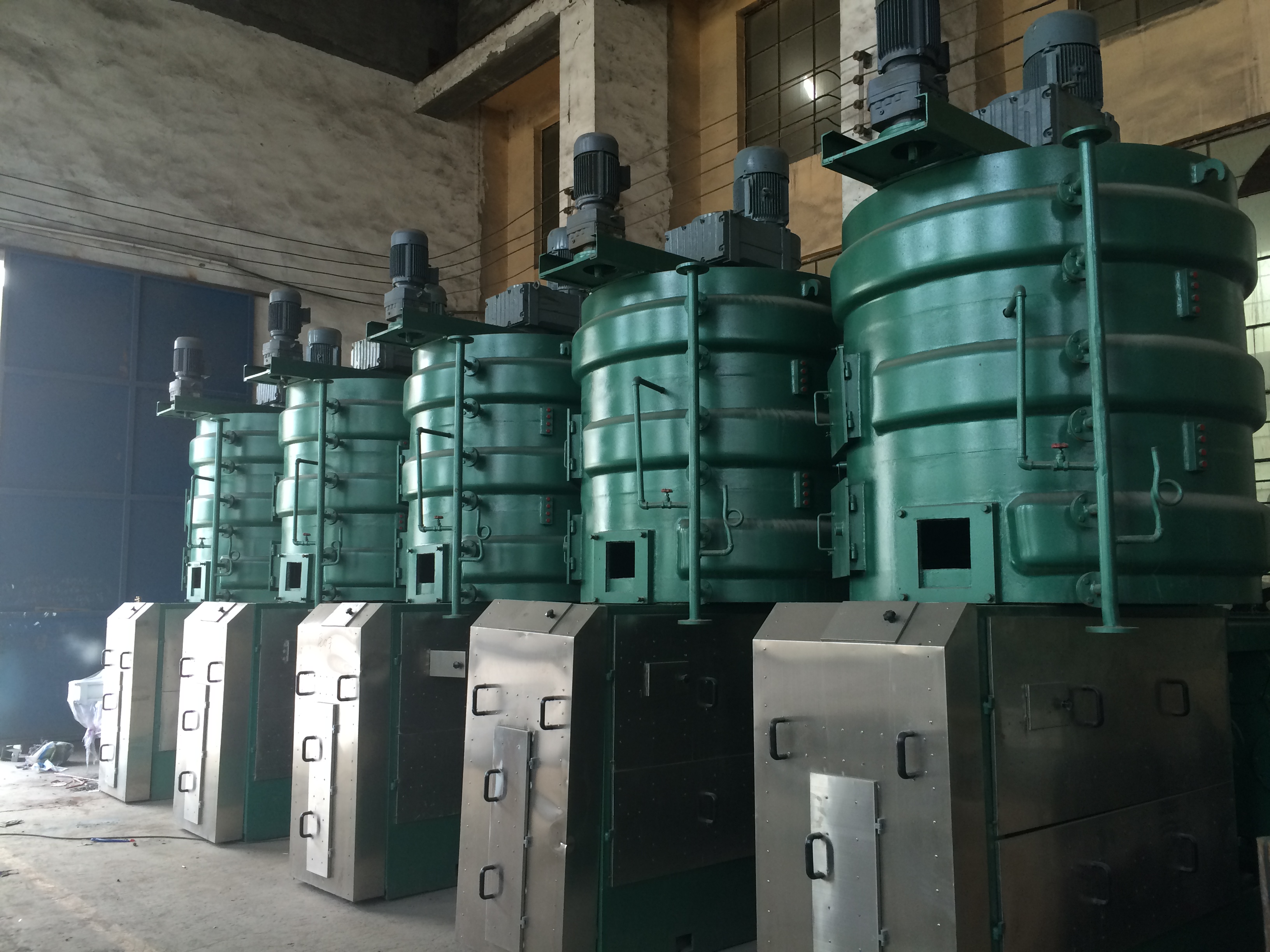
Prices are mainly affected by the following three dimensions:
Automation level : Whether it is equipped with a PLC intelligent control system to achieve unmanned operation.
Material requirements : Should the parts in contact with grease be made of carbon steel or food-grade 304 stainless steel ?
Process completeness : Does it only include the pressing section, or does it cover the entire process from seed cleaning to refining and bottling? We will customize the most cost-effective equipment solution for you based on your budget and local market needs.
Pre-treatment is fundamental to ensuring high oil yield. According to the documentation, a high-quality production line must include crushing, rolling, or puffing processes. In particular, rolling mills can roll kernels into thin flakes of 0.3-0.5 mm, maximizing cell wall disruption; while puffing technology significantly improves extraction efficiency. Although adding pre-treatment equipment increases initial investment, it significantly reduces residual oil in the final cake, resulting in a higher return on investment in the long run.
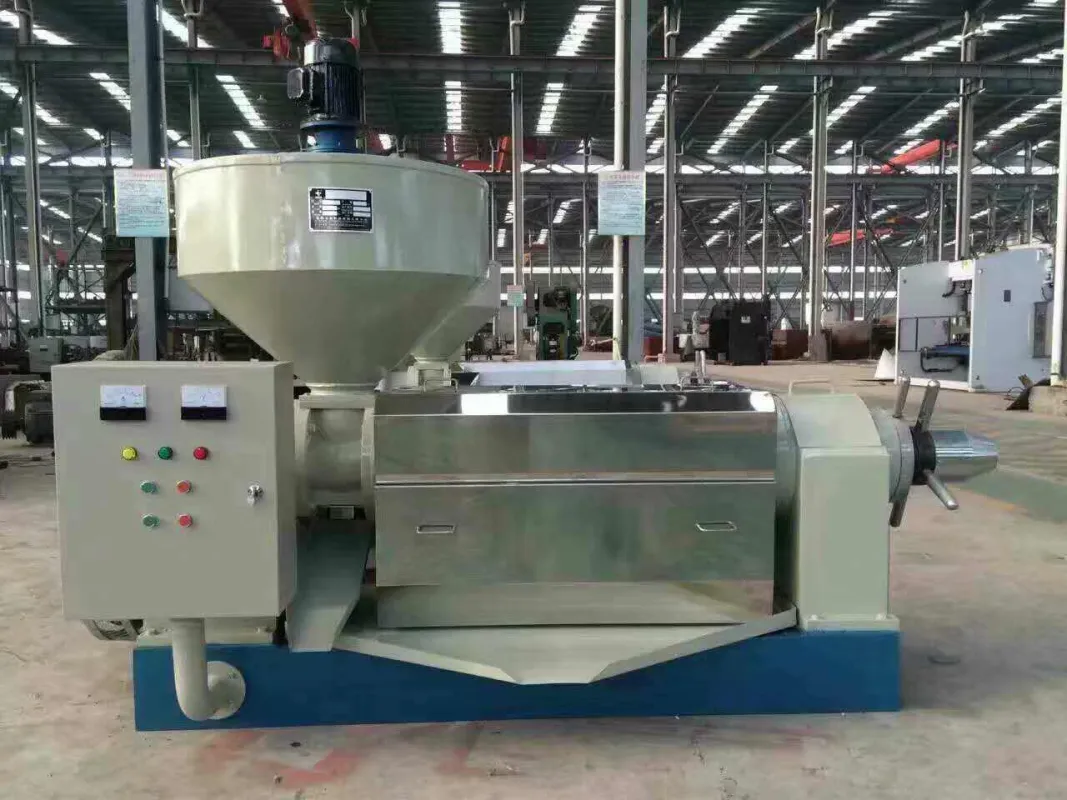
Screw oil press : Suitable for large-scale, continuous production, with high throughput and high efficiency, but frictional heat may affect some heat-sensitive nutrients.
Hydraulic oil presses : Although the single-machine capacity is relatively small, they are a purely physical cold-pressing method with stable pressure and extremely low temperature rise, perfectly preserving the natural active ingredients of shea butter. If you are targeting the high-end cosmetic raw material market, a hydraulic oil press is a more premium investment option.
If your daily output exceeds 20-30 tons, adding a solvent extraction system is essential. Pressing typically leaves 5%-8% residual oil, while solvent extraction (using countercurrent hexane extraction) can reduce this to below 1% . For large plants aiming for economies of scale, solvent extraction systems significantly recover wasted oil, which is key to reducing unit production costs.
Crude oil contains phospholipids, free fatty acids (FFA), and off-odor impurities. Our four-stage refining process —degumming, deacidification, decolorization, and deodorization— addresses these issues.
Physical refining technology can effectively remove acid value with extremely low loss.
Decolorization and deodorization remove impurities and odors, producing clear, transparent refined shea butter that meets international food and pharmaceutical grade standards. Refined oil commands a significantly higher market price than crude oil, directly expanding your customer base.
Contact our engineers now for a free layout design and quote!
Application for engineering consulting Sesame oil production line equipment
Pressing technology
Automation control system
Energy-saving and environmentally friendly equipment
Equipment Selection Guide
Sesame oil production line
Sesame oil production equipment
Sesame oil production equipment manufacturers
Small edible oil processing plant
Small edible oil processing plant equipment
Small edible oil processing plant manufacturers
Sunflower oil production line
Sunflower oil production equipment
Sunflower oil production equipment manufacturers
Edible oil production line
Establishing edible oil production line
How to build an edible oil production line
Sesame oil production line equipment
Pressing technology
Automation control system
Energy-saving and environmentally friendly equipment
Equipment Selection Guide
Sesame oil production line
Sesame oil production equipment
Sesame oil production equipment manufacturers
Small edible oil processing plant
Small edible oil processing plant equipment
Small edible oil processing plant manufacturers
Sunflower oil production line
Sunflower oil production equipment
Sunflower oil production equipment manufacturers
Edible oil production line
Establishing edible oil production line
How to build an edible oil production line
-2.jpg?x-oss-process=image/resize,h_800,m_lfit/format,webp)



.png?x-oss-process=image/resize,h_100,m_lfit/format,webp)
.png?x-oss-process=image/resize,h_100,m_lfit/format,webp)
.png?x-oss-process=image/resize,h_100,m_lfit/format,webp)