.png?x-oss-process=image/resize,h_100,m_lfit/format,webp)
.png?x-oss-process=image/resize,h_100,m_lfit/format,webp)
.png?x-oss-process=image/resize,h_100,m_lfit/format,webp)
With the increasing use of natural plant oils in the food, cosmetics, and personal care industries, the production of shea butter is also on the rise. More and more investors are investing in shea butter production.
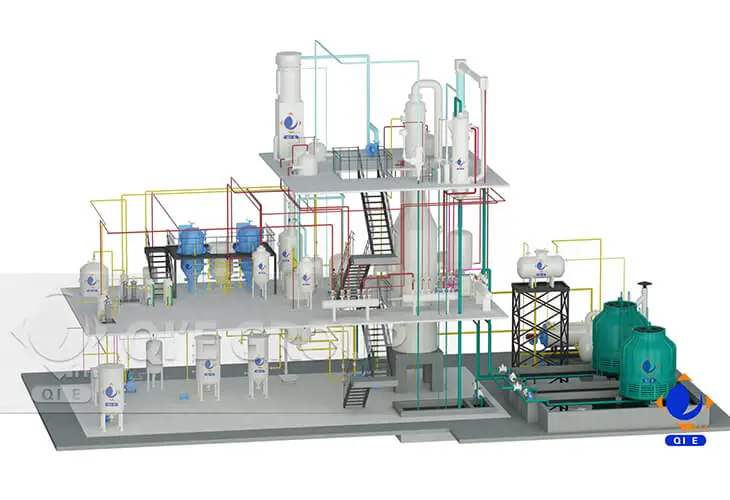
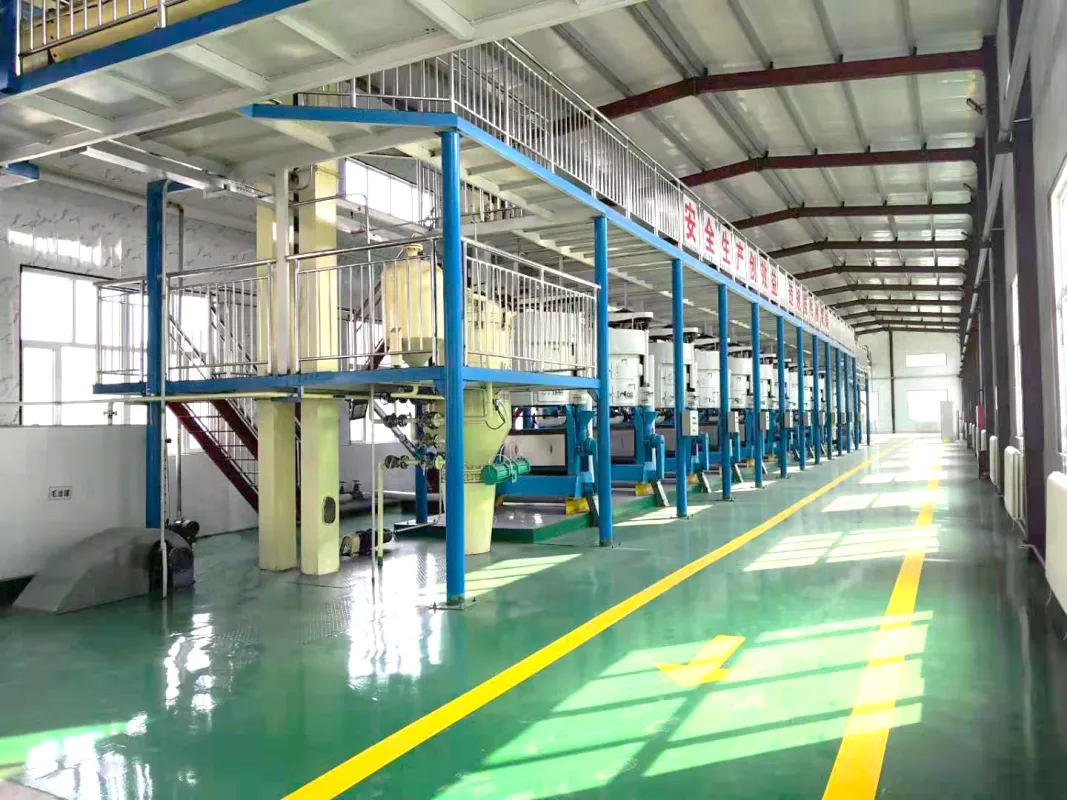
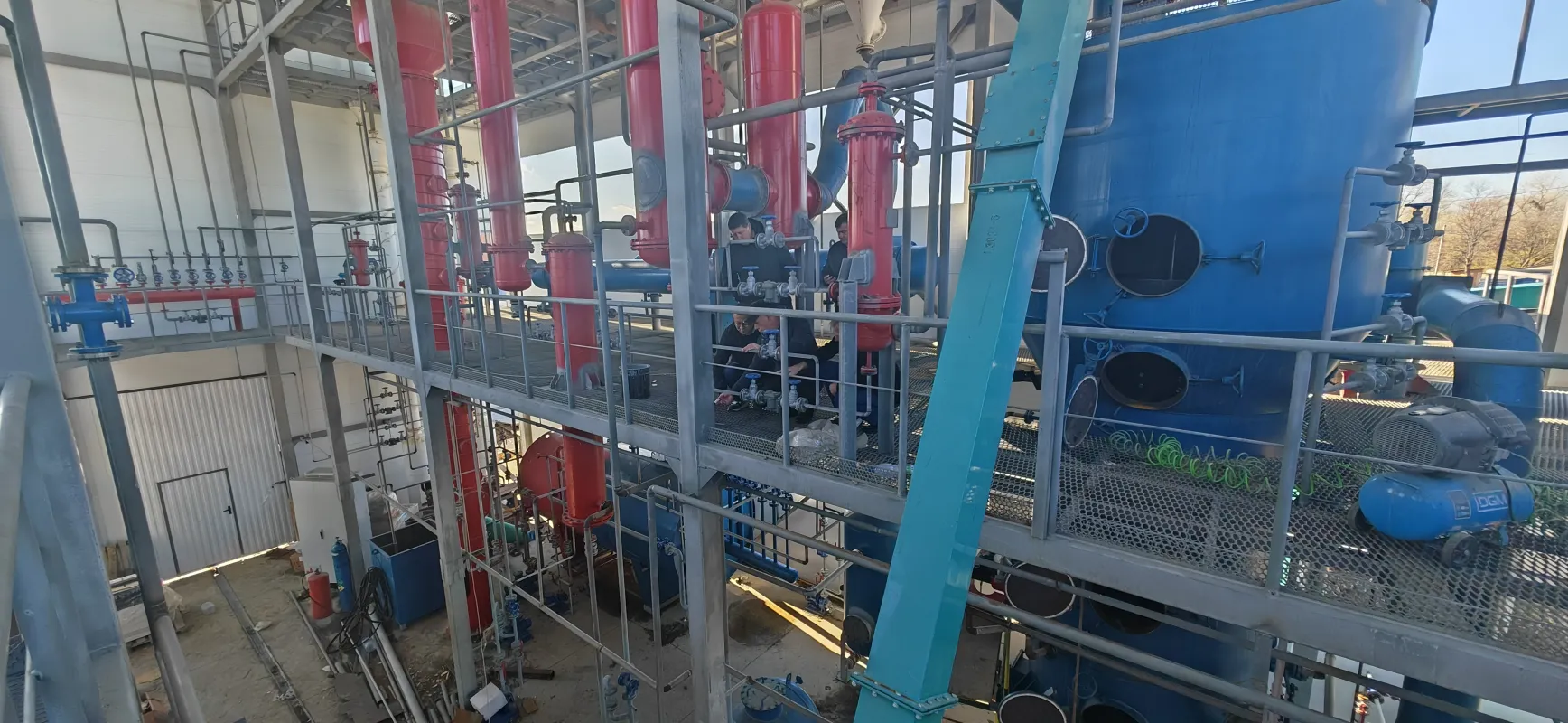
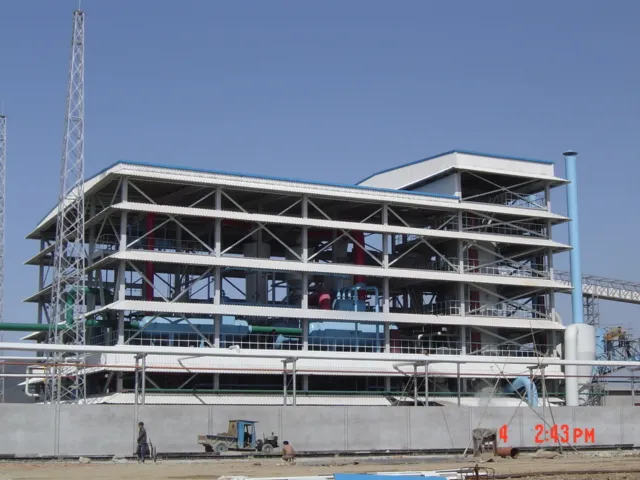
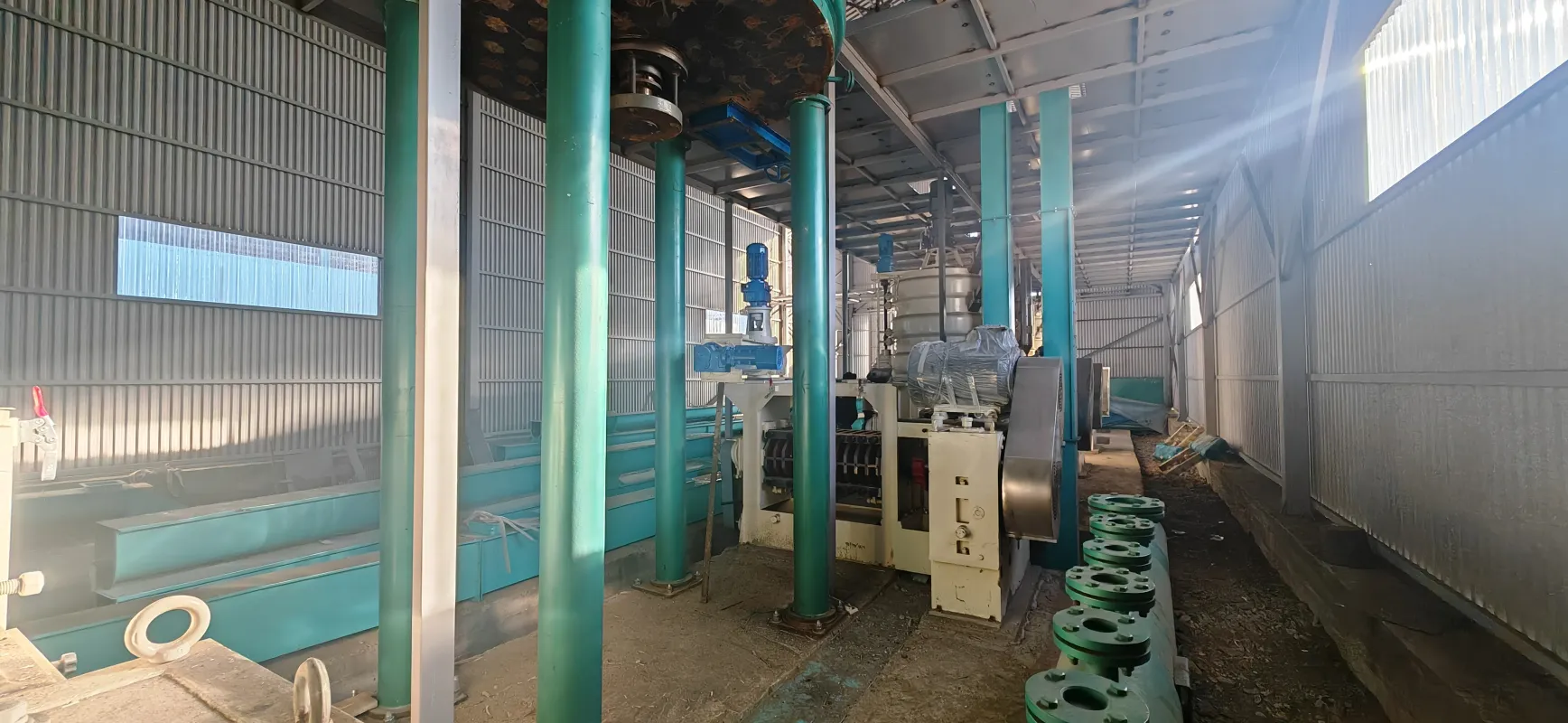
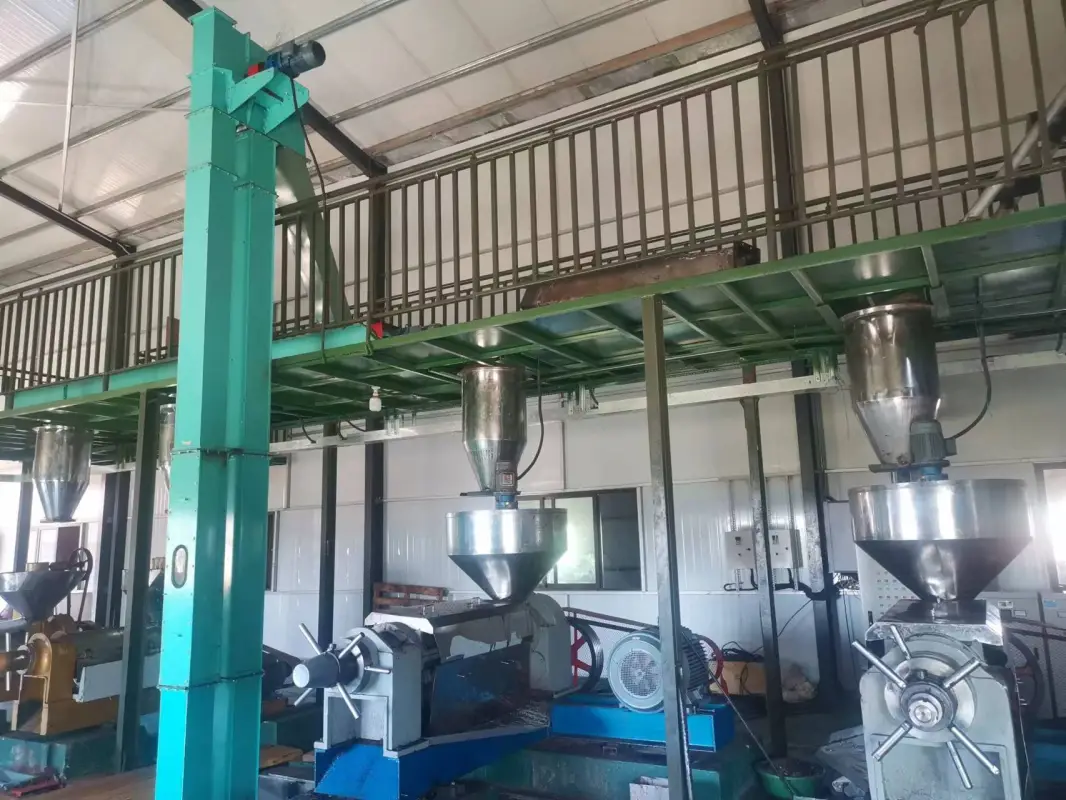
A complete shea butter production line is a systematic processing scheme established by connecting various equipment such as raw material pretreatment, mechanical pressing, and crude oil purification, with continuous conveying. Its core objective is to achieve continuous processing of shea nuts from feed to crude oil output while ensuring stable equipment operation.
1. Product requirements for shea butter production lines
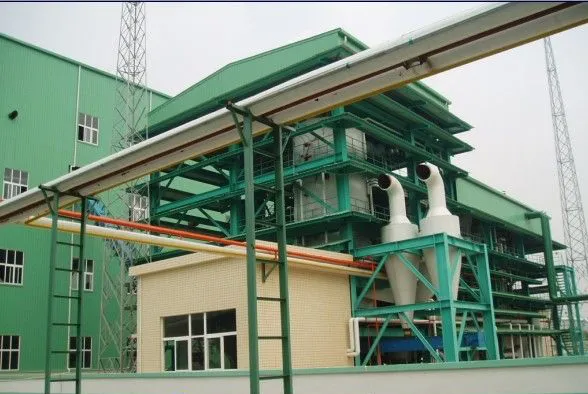
Shea butter production lines are mainly used for the large-scale processing of shea nuts and are suitable for vegetable oil processing plants, cosmetic raw material suppliers, regional oil processing projects, and export-oriented agricultural product processing enterprises.
Depending on the customer's raw material conditions and product positioning, the production line can be configured as follows:
- Mechanical pressing shea butter processing system
- Semi-continuous shea butter processing equipment
- Fully automated industrial shea butter processing plant
- Integrated production solution with refining system
This type of production line is not only suitable for shea nuts, but can also be extended to the processing needs of some high-oil plant raw materials, which facilitates later capacity upgrades and expansion to multiple materials.
2. Shea butter extraction process steps
A standard shea butter production line typically includes the following core sections:
Raw material receiving and pre-cleaning
After entering the workshop, shea nuts are first conveyed to the pre-cleaning system. This stage is mainly used to remove large particles, dust, and light impurities, reducing the load on subsequent equipment.
Commonly used equipment includes:
- Vibrating cleaning screen
- Dust extraction system
- Raw material buffer warehouse
This step directly affects the stability of subsequent pressing and the wear and tear on the equipment.
De-stone and metal separation
Because sand, gravel, or metal impurities may be mixed in during raw material transportation, production lines are typically configured with:
- Gravity destoner
- Permanent magnet drum separator
Its function is to protect the crushing system and screw press equipment, and reduce the mechanical failure rate.
Crushing and conditioning steaming
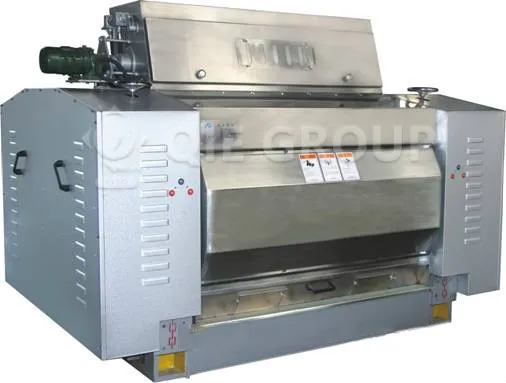
After cleaning, the shea nuts enter the crushing system, where they are processed by a roller crusher or a low-speed pulverizing device to make the material structure more uniform.
The material then enters the steaming and conditioning unit, where moderate heating and moisture adjustment improve the fluidity of the oil, creating stable conditions for subsequent mechanical pressing.
This stage is typically configured as follows:
- Double roll crusher
- Seasoned steamer/fryer
- Automatic temperature control system
Proper steaming and roasting processes can help improve the extraction efficiency of shea butter and enhance the continuity of oil production during the pressing process.
Pressing to extract oil
Pressing is the core step in the shea butter production line.
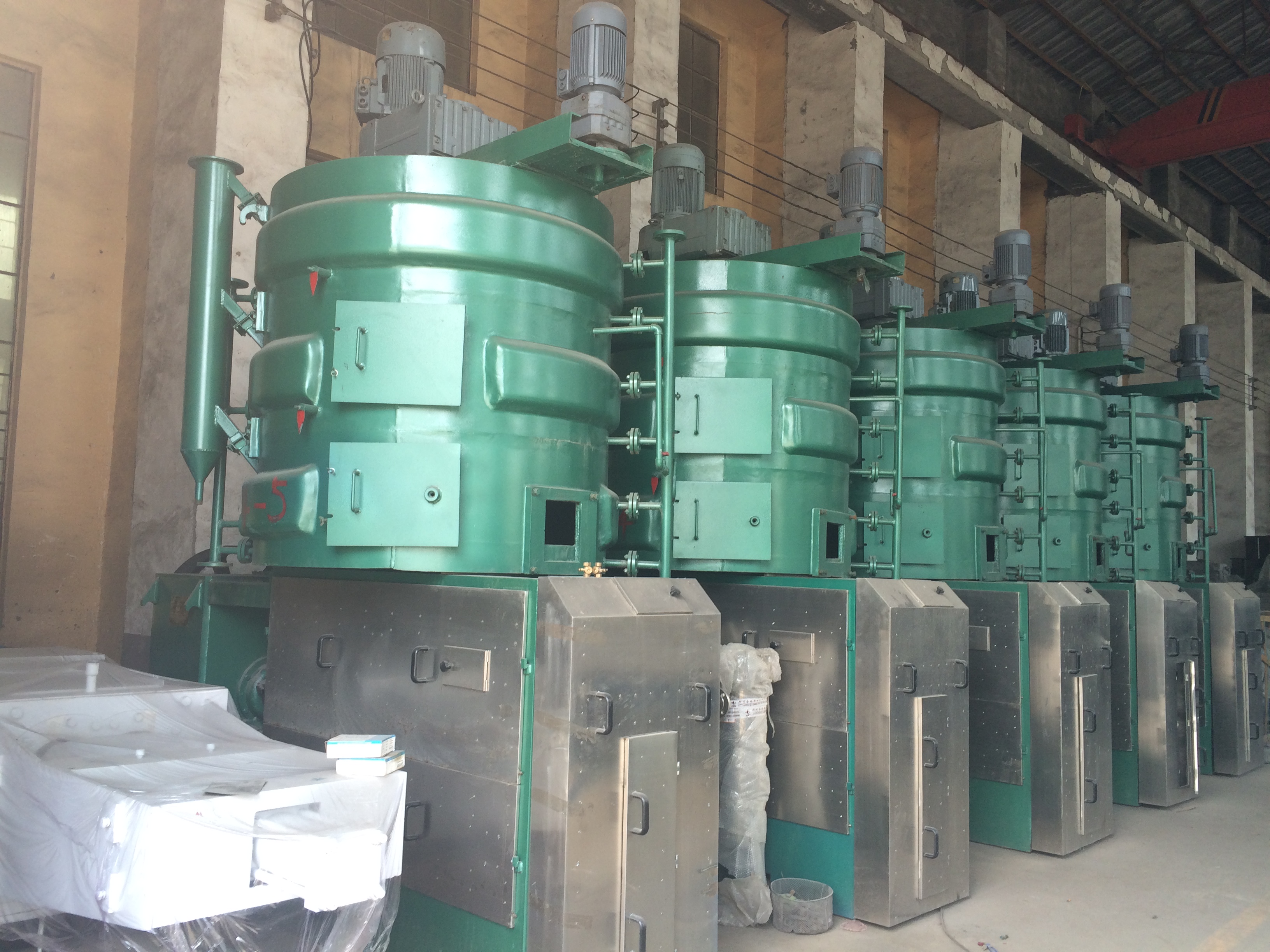
After conditioning, the material enters the screw press system, where oil separation is completed under continuous propulsion and progressively increasing pressure. Industrial shea butter processing plants typically use continuous screw presses to meet stable production capacity requirements.
Compared to traditional intermittent processing, continuous pressing systems have the following advantages:
- More stable processing capabilities
- Lower reliance on human resources
- More continuous material transport
- More suitable for large-scale operation
The pressed oil residue can be further processed or used as a by-product.
Crude oil filtration and purification
Crude oil usually still contains fine solid particles and suspended impurities, so it needs to be filtered and purified.
Common equipment includes:
- Horizontal screw centrifuge
- Vertical blade filter
- Settling buffer tank
This process can effectively improve the cleanliness of crude oil and reduce the load on subsequent storage and refining.
3. Refining System and Finished Product Processing
For food-grade or cosmetic-grade shea butter projects, the production line can also be equipped with a refining unit.
Standard refining processes typically include:
- Degumming
- Deacidification
- Bleaching
- Deodorize
The corresponding equipment mainly includes:
- Refining Reactor
- Vacuum decolorization tank
- Precision filtration system
The role of the refining system is not simply to improve the appearance, but to further improve the stability, odor and storage performance of the oil, so that the product is more in line with the needs of the end application.
4. Technological Value of Industrialized Shea Butter Processing Plants
For industrial shea butter processing plants, the core value of continuous processing is mainly reflected in the following aspects:
Improve raw material utilization efficiency
A stable pretreatment and pressing process helps reduce residual oil content and improve overall oil yield.
Improve crude oil quality
Multi-stage filtration and impurity separation can reduce solid residues and suspended matter, thereby improving the stability of crude oil.
Reduce equipment operation risks
A complete cleaning, destoning, and magnetic separation system can effectively reduce abnormal equipment wear and the risk of downtime.
Improve factory operational continuity
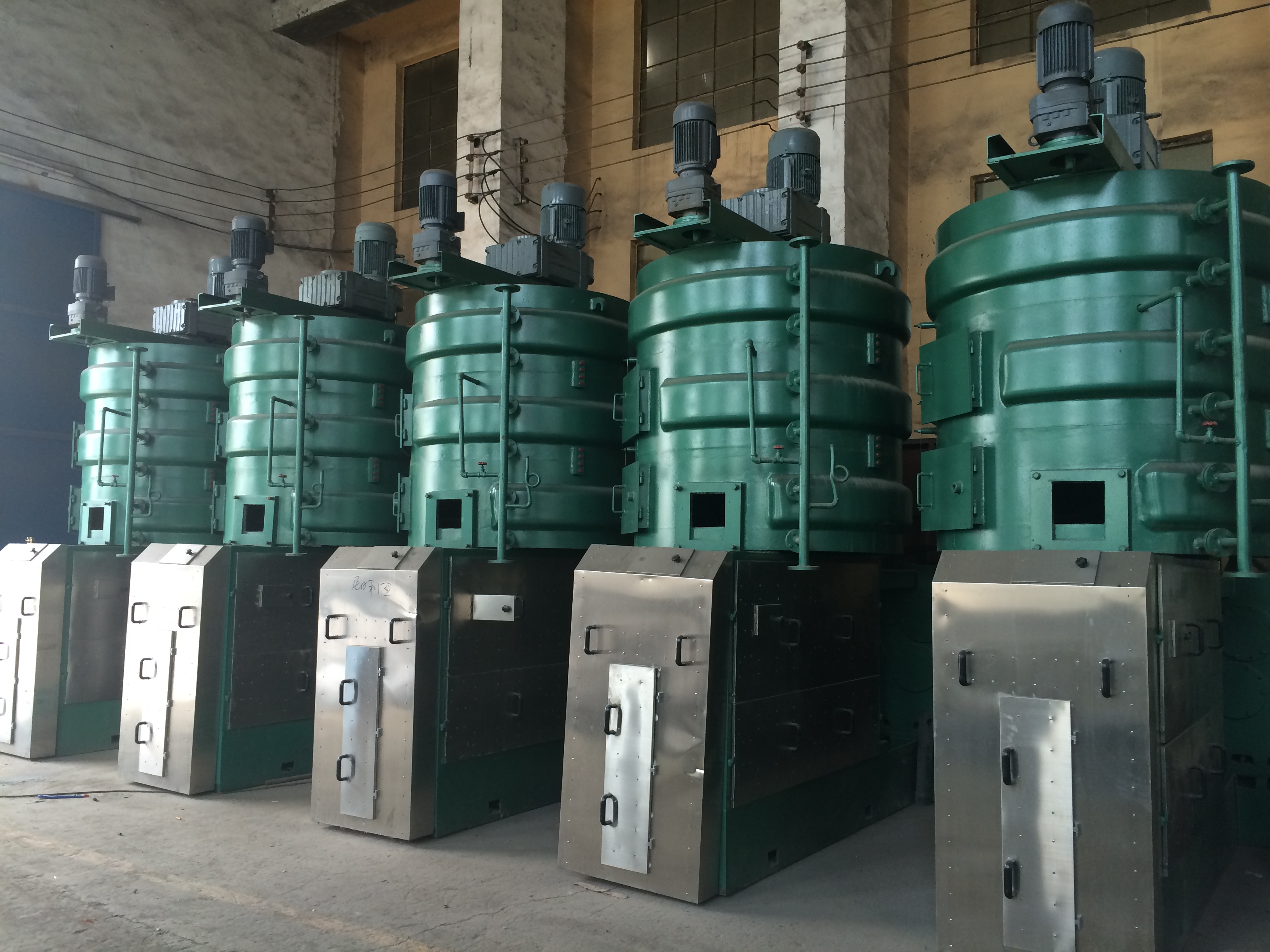
Modular shea butter production lines are easy to maintain, expand production, and upgrade to automation, making them more suitable for long-term stable operation.
5. Complete package delivery and project support
As a manufacturer of fully automated shea butter production equipment, a complete project typically includes not only the supply of individual machines, but also covers:
- Process design
- Workshop site planning
- Equipment manufacturing and installation
- Electrical control system integration
- Debugging and Operation Training
- After-sales maintenance support
For clients, turnkey projects can reduce equipment compatibility issues and speed up project construction.
6. What issues should be considered when purchasing a shea butter production line?
When selecting a shea butter production line solution, the following aspects should be considered:
- Does the actual processing capacity match the raw material supply?
- Does the quality of the crude oil meet sales requirements?
- Equipment Continuous Operation Stability
- Energy consumption and maintenance costs
- Subsequent capacity expansion compatibility
- Degree of automation control
- Installation and after-sales service capabilities
The oil content, moisture content, and processing targets of raw materials vary from region to region, so the configuration of the production line also needs to be adjusted according to the project conditions.
Frequently Asked Questions about Shea Butter Production
1. What are the main steps in extracting shea butter?
The main process steps for extracting shea butter include raw material cleaning, destoning, magnetic separation, crushing, conditioning, mechanical pressing, crude oil filtration, and optional refining.
2. What equipment is used in a shea butter production line?
A standard shea butter production line typically includes a washing screen, destoner, magnetic separator, roller crusher, conditioning cooker, screw press, centrifuge, leaf filter, and refining unit.
3. Is mechanical pressing suitable for industrial shea butter processing?
Yes. Mechanical pressing is widely used in industrial shea butter processing plants because it enables continuous production, stable operation, and high oil yield.
4. Can a shea butter processing plant include a refining system?
Yes. Industrial shea butter processing plants can integrate refining processes such as degumming, deacidification, bleaching, and deodorization, depending on the requirements of the final product.
5. How to choose a reliable manufacturer of automated shea butter processing equipment?
A reliable manufacturer should be able to provide complete process design, equipment manufacturing, installation support, commissioning, operator training, and long-term after-sales service for the entire shea butter production line.