.png?x-oss-process=image/resize,h_100,m_lfit/format,webp)
.png?x-oss-process=image/resize,h_100,m_lfit/format,webp)
.png?x-oss-process=image/resize,h_100,m_lfit/format,webp)
Driven by the surging global demand for plant-based oils across the cosmetics, food processing, personal care, and specialty fats industries, investing in commercial shea butter processing plants has become highly lucrative, particularly throughout West Africa and emerging oil markets.
For project investors and industrial processors, selecting the optimal extraction technology extends far beyond simple engineering. It directly dictates oil yield, operational continuity, utility expenses, downstream refining complexity, and market positioning of the final product.
In large-scale commercial shea butter processing, two mainstream extraction methodologies dominate the industry:
- Mechanical Pressing
- Solvent Extraction
These two approaches differ fundamentally in their engineering logic, equipment configuration, and ideal scale of operation. This guide provides a systematic technical breakdown from an industrial processing perspective to help project developers select the most suitable production route for their specific business objectives.
Shea Butter Production Line Overview
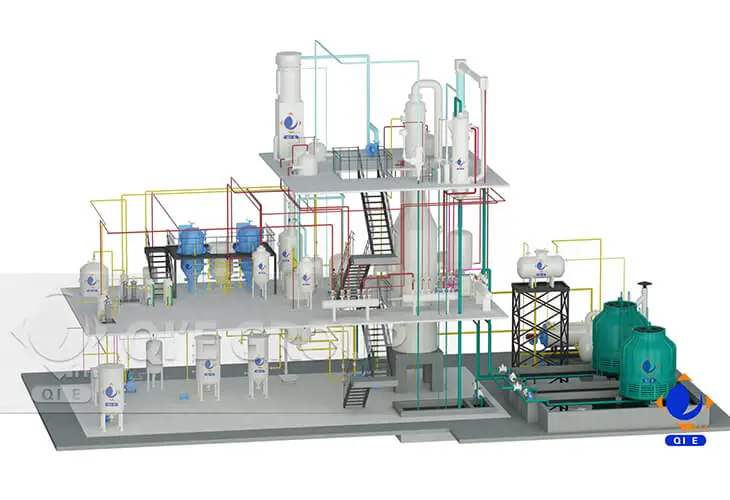
A modern shea butter processing plant is not just a collection of standalone machines; it is an integrated, highly synchronized system designed around seed cleaning, conditioning, oil extraction, crude oil clarification, and continuous product output.
Typical Industrial Process Flow:
↓
Destoning & Magnetic Separation
↓
Crushing / Flaking
↓
Cooking & Conditioning
↓
Mechanical Pressing OR Solvent Extraction
↓
Crude Oil Filtration
↓
Oil-Slag Separation & Clarification
↓
Storage or Refining
The exact equipment footprint and layout depend heavily on several core variables:
- Quality and grade of incoming shea kernels
- Fluctuations in raw seed moisture content
- Target specifications of the finished oil
- Daily processing capacity (TPD)
- Capital investment structure
- Local utility costs (power, steam) and labor availability
Mechanical Shea Butter Pressing
Process Characteristics
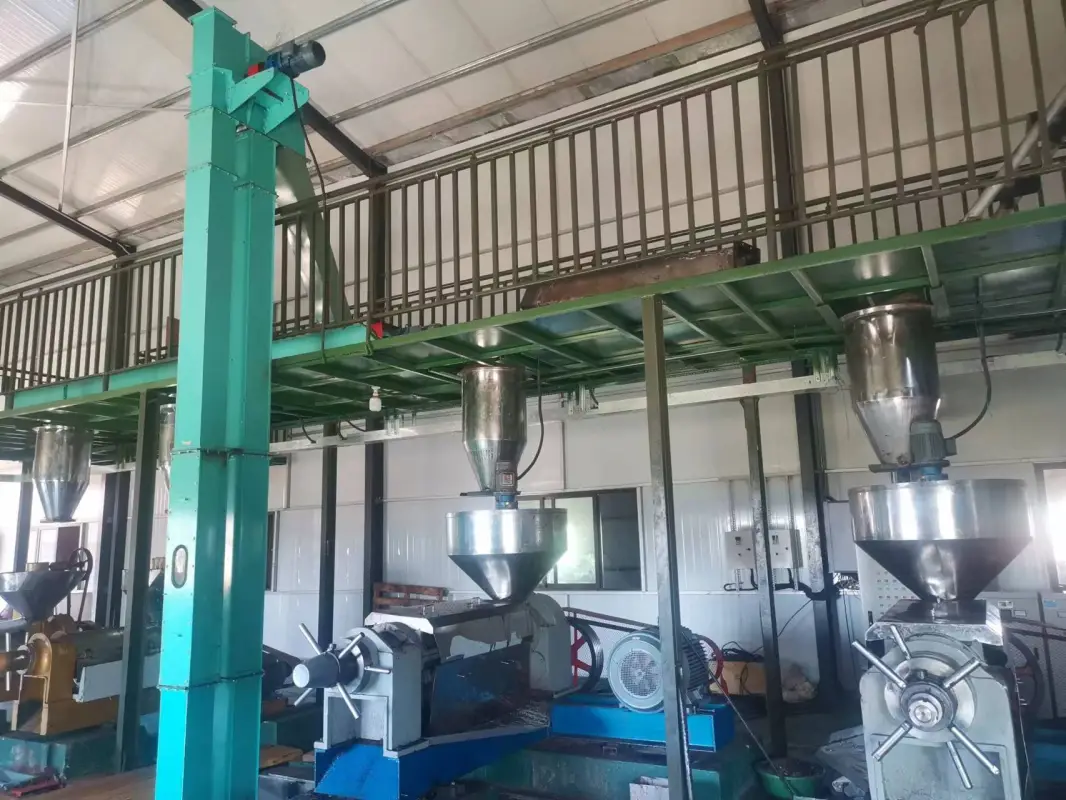
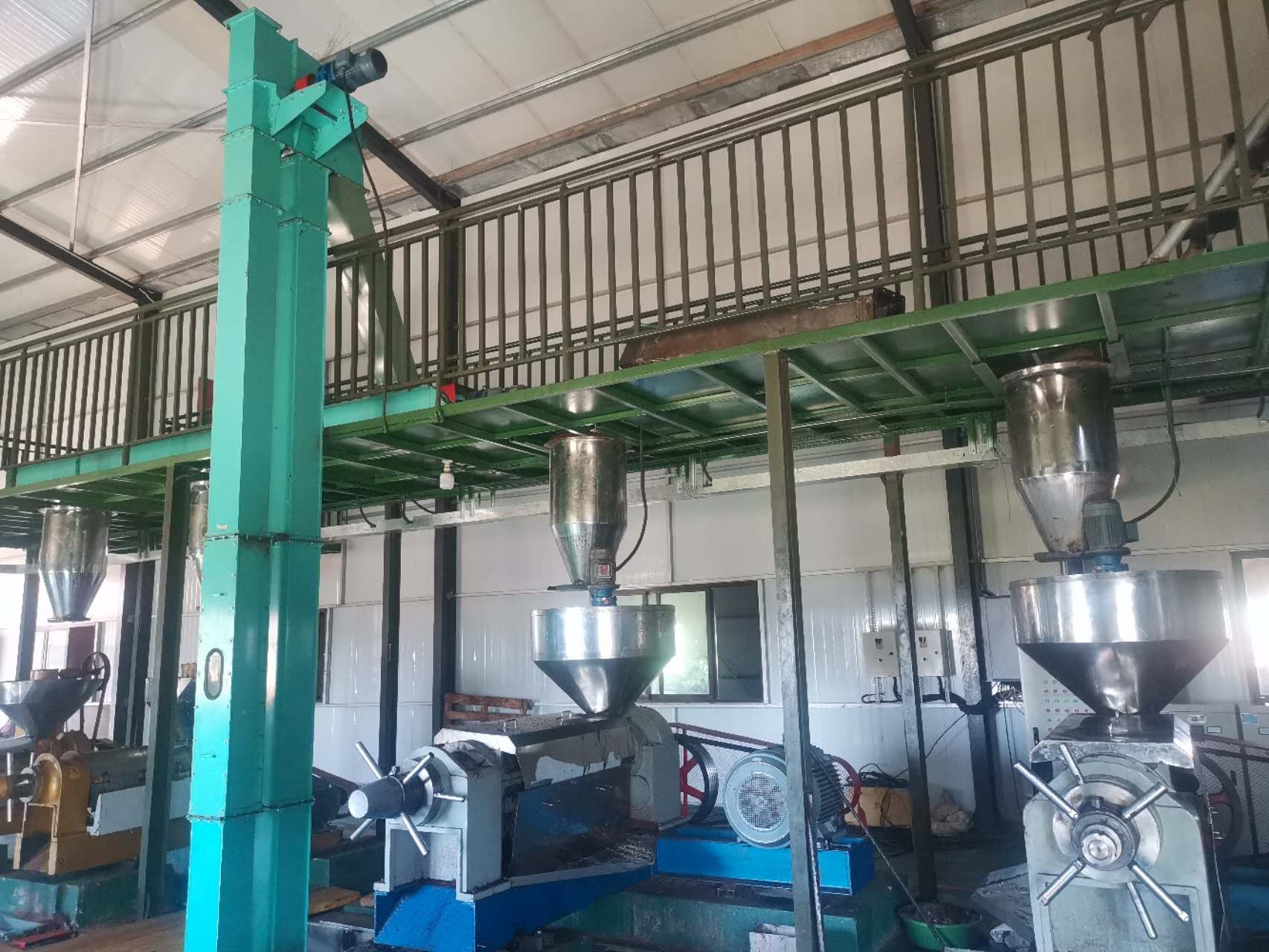
Mechanical pressing is the most widely adopted extraction method for small-to-medium-scale shea butter operations. This process relies strictly on the physical pressure generated within screw oil expellers to force lipids out of the prepared material.
Typical Process Flow:
Cleaning → Crushing → Cooking & Conditioning → Screw Pressing → Filtration
The efficiency of mechanical pressing is highly dependent on the precision of the conditioning stage. Key parameters include:
- Raw material cleanliness
- Strict moisture control
- Uniform cooking temperatures
- Consistent seed particle size
Any instability during pre-treatment will drastically increase residual oil content in the press cake, compromising total plant efficiency.
Core Equipment Configuration
Essential Equipment
- Vibrating Cleaning Screens
- Destoners
- Magnetic Separators
- Crushers / Flaking Mills
- Vertical Stack Cookers / Conditioners
- Heavy-Duty Screw Oil Expellers
- Crude Oil Settling Tanks
- Plate and Frame Oil Filters
Optional Systems
- Automated Conveying Networks
- Cake Discharging & Transport Conveyors
- Vertical Leaf Filters
- Decanter Centrifuges
- Heat Recovery Units
- Centralized PLC Control Cabinets
These auxiliary systems are recommended for commercial operations requiring high automation, continuous throughput, and minimized manual labor.
Advantages of Mechanical Pressing
Straightforward Engineering
Compared to solvent extraction plants, pressing lines feature a more compact mechanical design, making operation and routine maintenance much simpler.
Lower Initial Capital Investment
With fewer auxiliary support systems required, mechanical pressing is highly economical for:
- Small-to-medium processing facilities
- Regional oil seed processing projects
- Phase-1 entry-level commercial vegetable oil projects
Simplified Plant Environment
Because there are no volatile chemicals involved, the facility does not require intricate solvent recovery networks, complex explosion-proof classifications, or stringent hazardous emission management.
Premium Product Appeal
Pressing is the ideal process for targeting high-value premium markets that mandate chemical-free, organic, and all-natural product positioning.
Limitations of Mechanical Pressing
While operationally straightforward, mechanical pressing leaves a notable percentage of residual oil trapped inside the press cake. For high-capacity plants prioritizing maximum oil recovery, this represents a significant baseline yield loss.
Other limitations include:
- Higher wear and tear on expeller consumables (screws, press bars)
- Extreme vulnerability to variations in pre-treatment quality
- Yield fluctuations when processing inconsistent raw material batches
Shea Butter Solvent Extraction
Process Characteristics
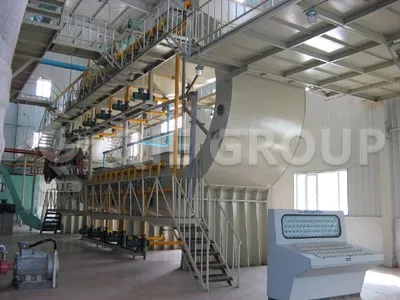
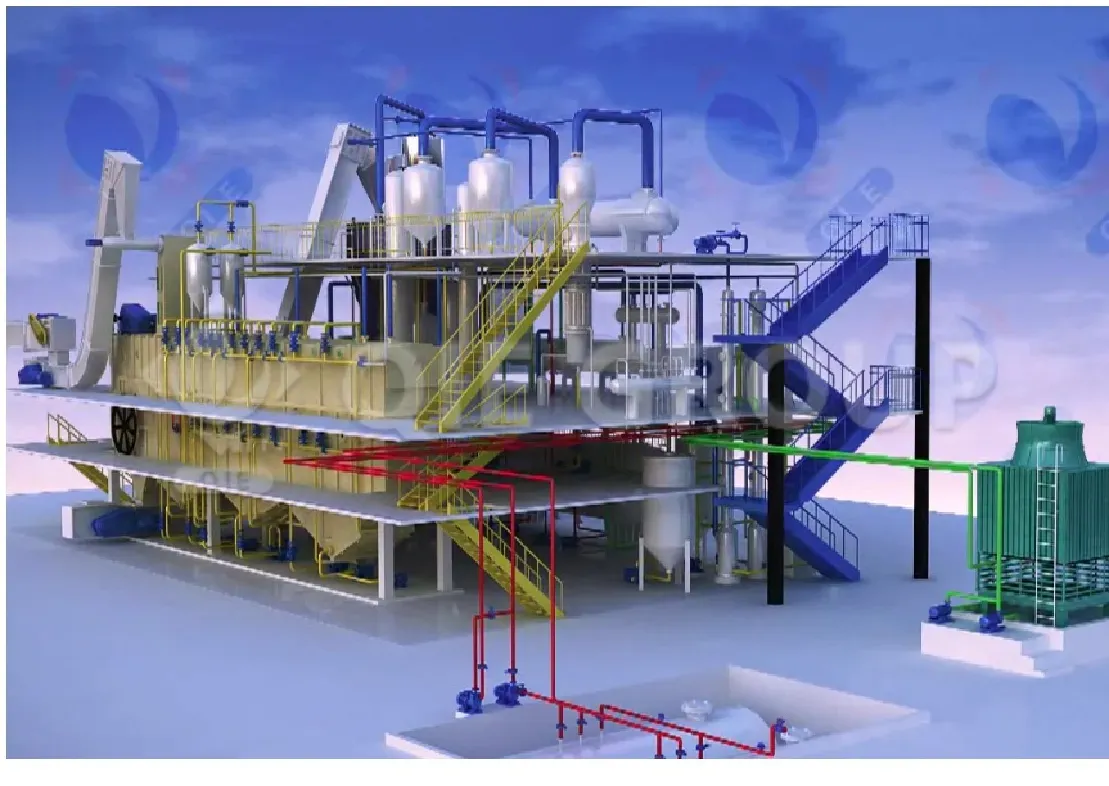
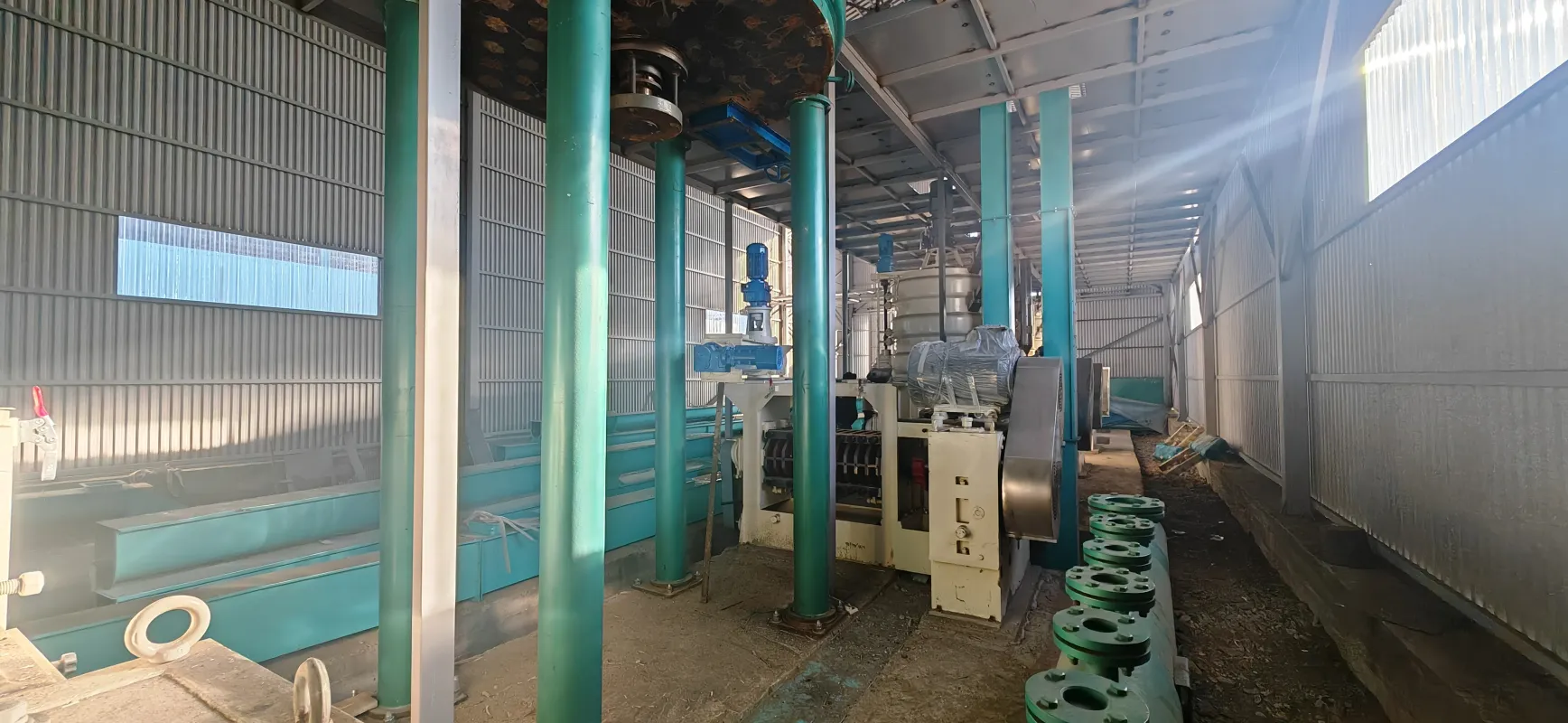
Industrial-grade shea butter solvent extraction equipment is engineered specifically for large-scale operations where maximizing total lipid recovery is the paramount economic goal. Rather than relying on physical force, this technique utilizes chemical principles to dissolve and wash lipids out of the seed matrix via a closed-loop solvent wash.
Typical Process Flow:
Seed Pre-treatment → Flaking / Pre-pressing → Solvent Extraction → Miscella Separation (Distillation) → Meal Desolventization (DTDC) → Crude Oil Recovery
In high-capacity commercial configurations, solvent extraction is almost always paired with an initial pre-pressing stage to balance throughput efficiency with optimal oil yield.
Core Equipment Configuration
Essential Equipment
- Rotary / Loop Extractors
- DTDC Desolventizer-Toaster-Dryer-Cooler
- Multi-Stage Miscella Evaporation Stripping Columns
- Solvent Condensing & Liquefaction Systems
- Water-Solvent Separation Tanks
- Mineral Oil Vent Gas Absorption Absorption Systems
- Negative Pressure Ventilation & Safety Networks
Optional Systems
- Automated Solvent Loop Control Systems
- Energy-Saving Integrated Evaporation Modules
- In-line Process Monitoring Instruments
- Thermal Exchange Optimization Modules
Advantages of Solvent Extraction
Unmatched Extraction Efficiency
The defining advantage of solvent extraction is its ability to minimize residual lipids, driving oil content in the defatted meal down to under 1.0%. This is vital for:
- High-tonnage crush facilities
- Industrial-scale commercial vegetable oil projects
- Continuous, high-throughput centralized refining hubs
Superior Economies of Scale
While initial capital expenditures are higher, large facilities quickly offset this via increased oil recovery margins, lowering the long-term cost per ton processed.
Designed for Continuous, High-Volume Output
Industrial extraction plants run fully continuously under tight process controls, making them highly stable and predictable from a plant management standpoint.
Limitations of Solvent Extraction
This high efficiency requires a sophisticated engineering infrastructure. Key considerations include:
- Stringent safety protocols regarding flammable solvents
- Explosion-proof building classifications and spark-free electrical installations
- Higher installation tolerances and pressure vessel certifications
- Advanced technical training required for operators
- Substantial utility infrastructure (high-pressure steam boilers and cooling towers)
For lower-capacity facilities, these compliance and infrastructure costs often outweigh the financial benefits of the incremental oil yield.

Mechanical Pressing vs. Solvent Extraction: Technical Evaluation
Mechanical Pressing Route
Mechanical extraction depends completely on continuous physical force inside the screw expeller barrel to breach the cellular structure of the conditioned shea kernels and discharge the oil.
· Oil Recovery Efficiency: Leaves roughly 6% to 8% residual oil inside the discharged press cake. While perfectly acceptable for small-to-medium regional operations, this represents a massive financial drain in high-tonnage plants.
· Crude Oil Purity: Expelled crude shea butter retains all of its natural bioactive compounds, vitamins, tocopherols, and authentic aroma. Solid impurities (fine cake foot) are easily clarified via physical means like vertical leaf filters without introducing chemical solvents.
· Process Complexity: Moderate. The system requires careful thermal and moisture management during seed cooking, but the overall production floor does not require hazardous-area ratings.
· Financial Metrics: Low initial capital expenditure (CAPEX) and quick installation timelines. Operational expenditures (OPEX) are driven primarily by electrical power consumption and the periodic replacement of high-wear mechanical consumables (screws, cage bars, rings).
Industrial Solvent Extraction Route
Solvent extraction washes the pre-pressed cake or flaked shea kernels with a counter-current flow of organic solvent (typically commercial-grade n-hexane) to dissolve and extract lipids into a liquid solution (miscella).
· Oil Recovery Efficiency: Exceptionally thorough, driving residual oil in the defatted shea meal to under 1.0%, guaranteeing near-total oil recovery.
· Crude Oil Purity: The crude oil contains trace solvent molecules that must be vaporized under strict negative pressure vacuum distillation. The resulting oil typically requires a full refining sequence to meet food or cosmetic market standards, but yields an exceptionally uniform, standardized product batch.
· Process Complexity: High. The facility includes hazardous zoning, demanding advanced automated process controls to safely monitor the extractors, DTDC systems, and distillation loops in real time.
· Financial Metrics: High initial CAPEX due to explosion-proof infrastructure, certified pressure vessels, and comprehensive solvent recovery plants. However, at high throughput levels (e.g., over 100 TPD), the high automation and near-total oil recovery drastically lower the OPEX per ton processed.
Technical Parameter Matrix
For project developers evaluating industrial configurations, the choice between processing routes depends heavily on intended capacity and commercial targets.
| Technical Benchmark | Industrial Mechanical Pressing Line | Commercial Solvent Extraction Plant |
|---|---|---|
| Economical Throughput Range | 10 TPD to 100 TPD (Tons Per Day) | 30 TPD to 500+ TPD (Tons Per Day) |
| Residual Oil in Meal/Cake | 6.0% – 8.0% | Less than 1.0% |
| Primary Target Product | Natural, organic, unrefined cosmetic-grade shea butter | Refined cosmetic bases, Cocoa Butter Alternatives (CBA), etc. |
| Chemical Additives | 100% Solvent-Free processing | Utilizes n-Hexane (fully recycled closed-loop) |
| Facility Safety Classification | Standard Industrial Rating | Mandatory ATEX / Explosion-Proof Classifications |
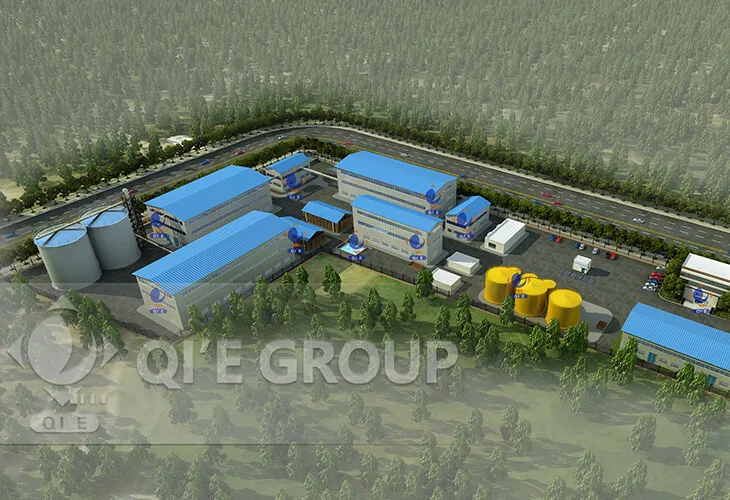
| Civil Engineering Footprint | Compact; supports vertical or horizontal multi-floor layouts | Large layout; requires strict blast-radius isolation zones |
Quality Control Priorities in Shea Butter Processing
Regardless of the chosen extraction technology, achieving superior oil quality requires meticulous management of the upstream pre-treatment phase. Vital control points include:
Rigorous Cleaning & Screening
Stones, metal fragments, sand, and fine fibers must be completely purged to eliminate machinery wear and avoid contamination of the crude oil.
Moisture Balancing
Inconsistent moisture content within the raw seeds hinders optimal cellular disruption during crushing and increases oil retention in downstream phases.
Thermal Conditioning Control
Uniform cooking ensures maximum lipid mobility, allowing the oils to separate efficiently during extraction without scorching the material.
Crude Oil Clarification
Continuous filtration and centrifugal separation are critical to minimizing insoluble solids and moisture in the crude oil, protecting against premature hydrolysis and flavor degradation.
System Integration
Maintaining balanced, continuous material transfer rates between individual machinery blocks prevents throughput bottlenecks and preserves stable chemical parameters in the oil.
Engineering Logic Across Different Facility Profiles
Small-to-Medium Regional Shea Plants
Engineering focus should center on:
- Mechanical pressing configurations
- Simplified, low-maintenance mechanical operations
- Flexible installation foot prints
- Minimal localized civil infrastructure demands
Large Commercial Industrial Plants
Engineering focus should center on:
- Pre-pressing + Solvent Extraction hybrid layouts
- Centralized PLC automation and telemetry
- Uninterrupted continuous-load operations
- Integrated thermal and utility management networks
Export-Oriented Processing Facilities
Engineering focus should center on:
- Highly precise pre-treatment setups to control Free Fatty Acids (FFA)
- Advanced leaf filtration and clarification systems
- Seamless integration with downstream chemical or physical refining lines
- Modular plant layouts allowing for easy future expansion
Turnkey Solutions & Engineering Project Execution
Modern industrial shea butter production line solutions prioritize high automation and thermal efficiency. By pairing heavy-duty oil expellers with variable frequency drives (VFD) and incorporating multi-stage heat recovery exchangers within the solvent distillation loop, total plant utility consumption is significantly reduced.
A truly comprehensive turnkey project deployment follows a structured engineering execution path:
Phase 1: Process Design & Layout Engineering
Custom engineering of mass balance charts, piping and instrumentation diagrams (P&ID), and structural 3D plant floor layouts tailored to regional installation regulations.
Phase 2: Precision Machinery Manufacturing
Fabrication of core processing equipment, including reinforced screw expellers, continuous rotary extractors, and pressure vessels built to strict ASME/CE international standards.
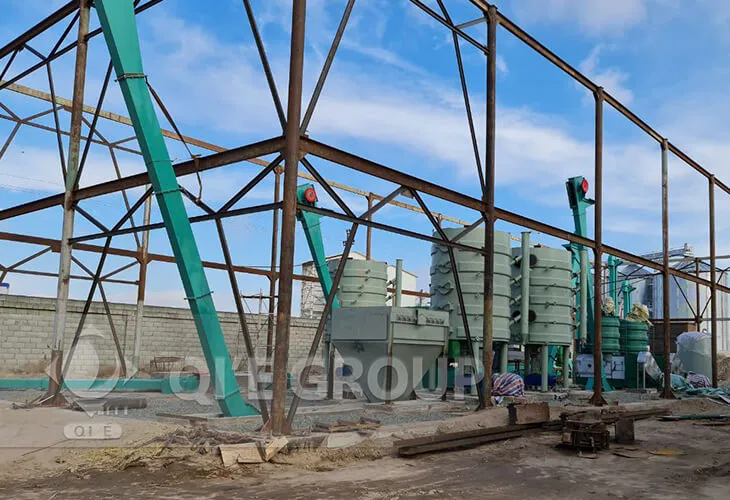
Phase 3: On-Site Installation & Mechanical Piping
Deployment of seasoned site engineers to manage structural positioning, electrical integration, automated control wiring, and code-compliant process piping welding.
Phase 4: Commissioning & Operator Training
Conducting wet trials under full material load, optimizing real-time throughput parameters, and providing rigorous technical training to local plant personnel on safety, operation, and preventative maintenance schedules.
When planning a commercial shea butter processing venture, the choice between mechanical pressing and solvent extraction must be carefully weighed against your processing scale, oil recovery targets, capital budget, and target market demographics.
Mechanical pressing offers straightforward engineering and lower initial barriers to entry. Conversely, industrial-grade solvent extraction lines are the definitive choice for large-scale operations focused on absolute oil recovery and continuous production lines.
Ultimately, a highly profitable shea butter processing plant relies on more than just the extraction unit itself; it requires a thoroughly integrated turnkey solution spanning pre-treatment, material conveying, filtration, and meticulous quality management across the entire production facility.