Soybean Oil Extraction mainly uses two methods: mechanical pressing and solvent extraction. Mechanical pressing is suitable for plants that prioritize simpler processing and avoiding extraction solvents, while solvent extraction is generally preferred for large-scale production that requires higher oil recovery and lower residual oil in soybean meal. The right choice depends on processing capacity, soybean preparation, product specifications, operating costs, and investment budget.
Mechanical pressing uses a screw press to separate oil through physical pressure. Solvent extraction uses a solvent, commonly hexane in commercial soybean processing, to recover oil from prepared soybean flakes. For plants seeking higher oil recovery, pre-pressing followed by solvent extraction may also be considered.
| Comparison factor | Mechanical pressing | Solvent extraction |
|---|---|---|
| Extraction principle | Physical pressure separates oil from prepared soybeans | Solvent dissolves oil from prepared soybean flakes |
| Oil recovery | Generally lower, with more oil remaining in the press cake | Generally higher, with less residual oil in the meal |
| Main equipment | Cleaning, conditioning, screw press, oil collection and filtration | Preparation, flaking, extractor, solvent recovery and meal treatment |
| Process complexity | Relatively simple | More complex, requiring integrated solvent handling and recovery |
| Extraction solvent | Not required | Required, with recovery and reuse systems |
| Main solid by-product | Soybean press cake | Defatted soybean meal |
| Investment considerations | Pressing equipment, maintenance and material handling | Extraction equipment, recovery systems, utilities and safety infrastructure |
| Typical application | Operations prioritizing simpler processing | Plants prioritizing high oil recovery |
The main trade-off is process simplicity versus oil recovery. Mechanical pressing requires fewer process sections, while solvent extraction generally recovers more of the oil remaining in prepared soybean flakes. Actual performance depends on raw material characteristics, equipment design and operating conditions.
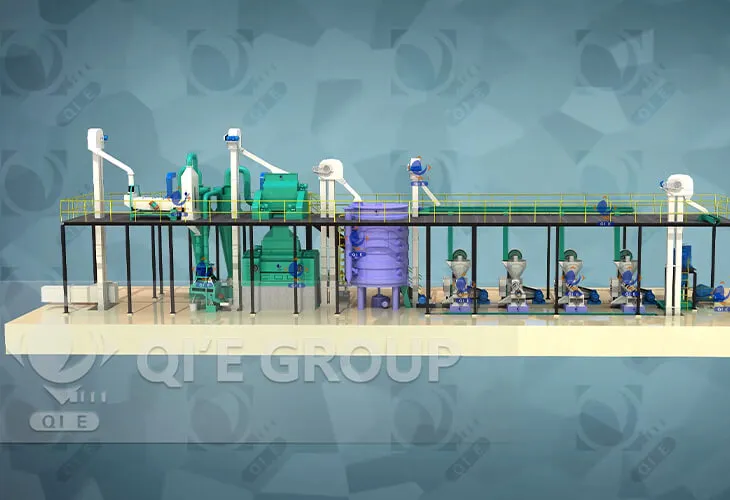
Mechanical soybean oil pressing uses a screw press to compress prepared soybean material. Oil passes through openings in the press cage, while the remaining solids are discharged as press cake.
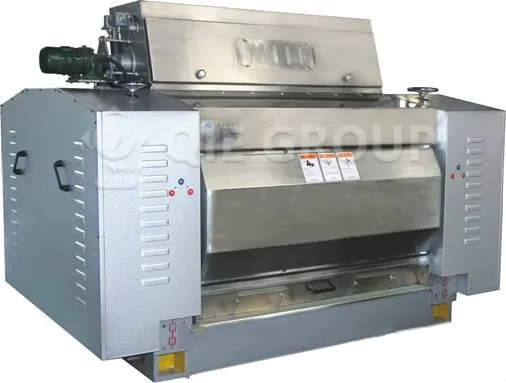
A typical mechanical soybean oil extraction line includes:
The equipment configuration depends on soybean characteristics, required throughput and target residual oil content.
Mechanical pressing does not require an extraction-solvent circulation or recovery system. Its relatively simple configuration can suit smaller operations or projects where straightforward operation is a priority.
However, some oil remains in the press cake. The amount depends on soybean preparation, conditioning, press design, feed rate and operating conditions. This remaining oil may reduce the value recovered from each tonne of soybeans.
Presses also require maintenance of screw shafts, press cages and other wear parts. Poor conditioning or unstable feeding can reduce throughput and increase energy consumption per tonne processed.
Mechanical pressing is worth considering when simpler processing and avoiding extraction solvents are priorities, provided that the expected oil recovery and press-cake value support the project's economics.

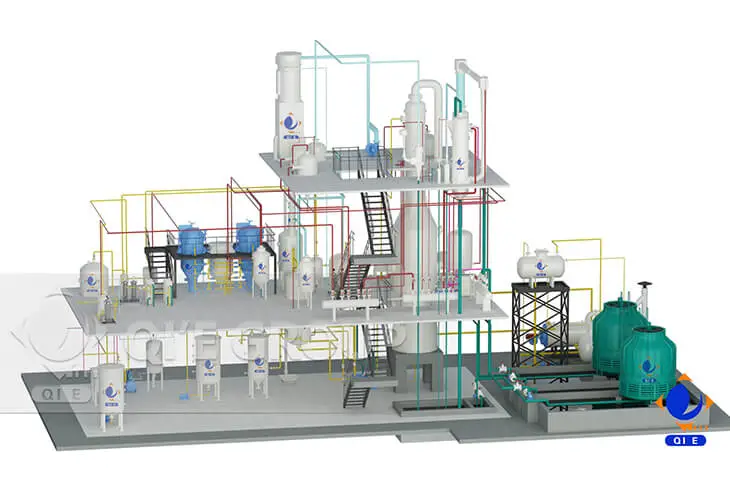
Solvent extraction separates oil by bringing prepared soybean flakes into contact with a solvent. Hexane is commonly used in commercial soybean processing. The solvent dissolves oil from the flakes, forming a mixture of oil and solvent called miscella. The remaining solids become solvent-containing meal.
A typical soybean oil solvent extraction plant includes:
All major sections must be matched to the target production capacity. A high-capacity extractor cannot deliver the expected plant output if flaking, solvent recovery or meal treatment becomes a bottleneck.
Solvent extraction generally recovers more oil than mechanical pressing alone because it removes much of the oil remaining in prepared soybean flakes. It also produces defatted soybean meal with lower residual oil, depending on the design and operating conditions.
The trade-off is greater process complexity. The plant requires integrated extraction, distillation, solvent recovery, meal treatment, instrumentation and utilities.
Hexane is flammable, so the plant design must address vapor containment, ignition-source control, suitable electrical equipment, leak prevention, fire protection and emergency procedures in accordance with applicable regulations.
Solvent extraction is worth considering when high oil recovery and low residual oil in soybean meal are key targets, and the project can support the additional investment, utilities, technical expertise and safety infrastructure.
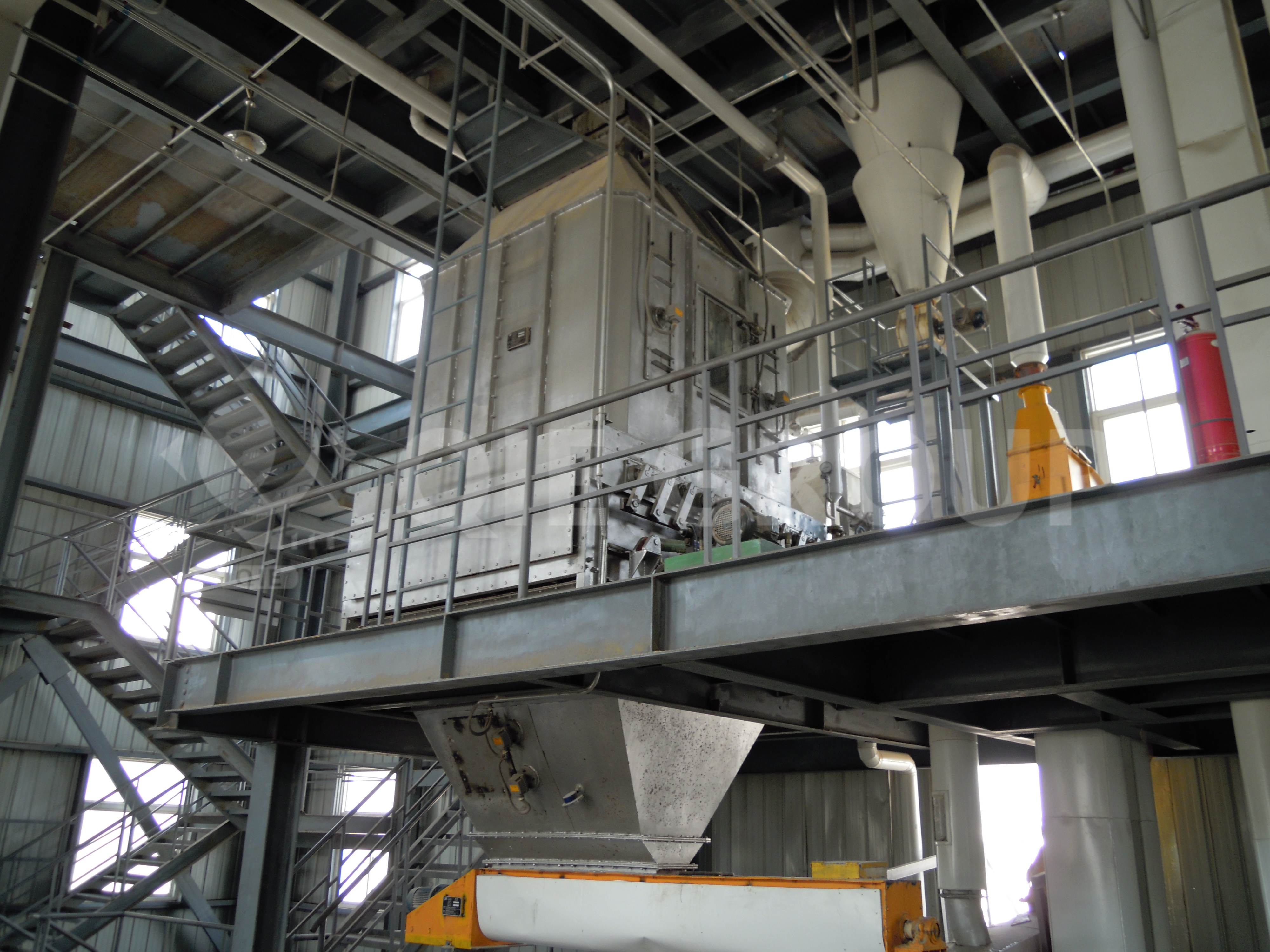
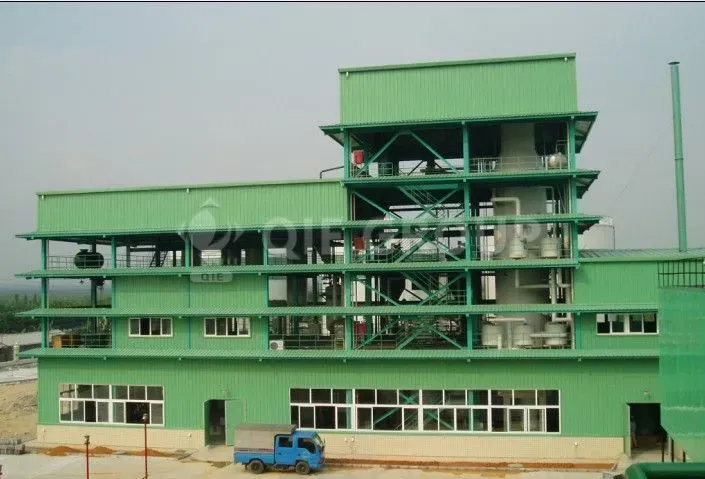
The following QIE GROUP projects illustrate how pressing and solvent extraction can be incorporated into commercial oil processing facilities. They represent different plant configurations, not a controlled comparison of extraction performance.
The Uzbekistan project is designed to process up to 200 tonnes per day of sunflower seeds, cottonseed and soybeans, with a 50 TPD Edible oil refining line. The documented equipment includes raw material cleaning, crushing and conditioning, continuous screw pressing, residue conveying, refining equipment and supporting systems. Residue preparation and solvent extraction-related systems are also included in the project scope.
This configuration illustrates how mechanical pressing can form part of a multi-oilseed processing plant. Where further extraction is included, the pressing and residue-processing sections need to be evaluated together to determine the appropriate equipment scope.
Engineering takeaway: Multi-oilseed plants must account for the preparation requirements of different raw materials. The pressing line, residue handling and any additional extraction section should be designed around the intended feedstocks and production targets.

The Egypt project includes a 300 TPD soybean pretreatment and solvent extraction line, together with a 60 TPD soybean Oil refining line.
The documented extraction equipment includes soybean cleaning, cracking, softening, flaking, a rotary extractor, a desolventizer-toaster (DTDC), miscella evaporation and solvent condensation and recovery systems. The project also includes refining equipment for degumming, deacidification, bleaching and deodorization.
The case illustrates a dedicated soybean processing configuration in which solvent extraction is the principal oil recovery method. The documented project results report operation at the designed processing capacity and low residual oil in soybean meal, but do not specify a numerical residual-oil value.
The 300 TPD pretreatment and extraction capacity and the 60 TPD refining capacity refer to separate processing stages and should not be interpreted as equivalent production capacities.

Engineering takeaway: Solvent extraction performance depends on the complete system, including soybean preparation, extraction, solvent recovery and meal treatment, rather than the extractor alone.
The Uzbekistan project illustrates multi-oilseed pressing with additional residue-processing systems, while the Egypt project illustrates a dedicated soybean pretreatment and solvent extraction line.
Neither case provides a directly comparable set of oil recovery, residual oil and operating cost figures. A new project should therefore be evaluated using its own feedstock specifications, performance targets, equipment scope and operating assumptions.
Oil recovery should be assessed alongside the amount of oil remaining in the press cake or extracted meal. Oil that remains in the solid fraction has not been recovered as crude oil.
AOCS seed-preparation guidance identifies approximately 0.8% residual oil in extraction soybean meal as a reference value associated with AOCS method Ba 3-38. This is a reference figure, not a guaranteed result for every solvent extraction plant. Actual performance depends on soybean preparation, extraction conditions, sampling and the measurement basis.
Reference: AOCS — Seed Preparation
When comparing equipment proposals, ask suppliers to specify:
Do not compare a screw press's nominal capacity with a solvent extraction plant's oil output without confirming that both figures use the same soybean feed basis and operating conditions.
Mechanical pressing generally requires a simpler equipment configuration, but this does not automatically make it the lowest-cost option per tonne of recovered oil. Solvent extraction requires additional equipment and safety infrastructure, but its higher oil recovery may generate additional revenue.
| Cost factor | Mechanical pressing | Solvent extraction |
|---|---|---|
| Equipment investment | Preparation, presses, oil handling and supporting systems | Preparation, extraction, distillation, solvent recovery and meal treatment |
| Electricity | Press drives and material handling | Preparation, extraction, conveying and recovery equipment |
| Heat and steam | Depends on conditioning and process configuration | Also required for solvent separation, recovery and meal treatment |
| Maintenance | Press wear parts and mechanical equipment | Mechanical equipment plus extraction and recovery systems |
| Additional operating requirements | Press adjustment and cake-quality control | Solvent management, recovery efficiency and safety monitoring |
| Oil recovery | Generally lower | Generally higher |
A useful starting point is to calculate the additional value of recovered oil:
Additional oil revenue per tonne of soybeans = additional recovered oil × oil selling price.
The full economic comparison must also account for by-product revenue, soybean cost, electricity, steam, labor, maintenance, consumables and solvent losses where applicable. Capital charges, financing and downtime should also be considered in a complete investment assessment.
Solvent extraction may justify its higher investment when the additional value of recovered oil and the resulting meal product outweighs the added capital and operating costs. This should be demonstrated through a project-specific mass balance and financial calculation.
Before requesting quotations, define the raw material, required throughput, product specifications and expected oil recovery. Compare complete equipment configurations rather than individual machine prices.
For mechanical pressing, confirm:
For solvent extraction, confirm:
For both options, verify that the proposed capacity, oil recovery, product quality and operating costs are based on consistent raw material and operating assumptions. Missing recovery or safety equipment can make a quotation appear less expensive without representing a complete plant.
Mechanical pressing and solvent extraction serve different production priorities.
The right choice depends on soybean feed quality, processing capacity, oil recovery targets, by-product value, utilities and total operating costs. Before finalizing the equipment configuration, compare the alternatives using a consistent mass balance, supplier performance data and project-specific financial calculations.
Mechanical pressing uses physical pressure to separate oil from prepared soybeans. Solvent extraction dissolves oil from prepared flakes and then separates the solvent for recovery and reuse. Solvent extraction generally achieves higher oil recovery.
Solvent extraction generally recovers more oil from prepared soybean material because it removes much of the oil remaining after mechanical pressing. Actual recovery depends on raw material quality, equipment design and operating conditions.
It can be suitable when simpler processing and avoiding extraction solvents are priorities. The decision should account for feed capacity, expected oil recovery, press-cake value and local operating costs.
A typical plant requires soybean preparation and flaking equipment, an extractor, miscella distillation, solvent recovery, meal desolventizing and treatment equipment, plus the associated pumps, condensers, controls and safety systems.
Compare feed capacity, oil recovery, residual oil in cake or meal, utility consumption, solvent consumption where applicable, complete equipment scope, safety provisions and installation requirements. Ensure that suppliers use the same raw material and performance assumptions.
Get in touch for customized soybean oil processing plant solutions, quotations, and expert engineering consultation.
Contact Us Now Corn oil press plant solutions Small corn oil processing equipment Mechanical extraction of corn germ oil
250 TPD Shea Butter Processing Plant Turnkey Shea Butter Pre-treatment and Pressing Line in Nigeria Industrial Shea Butter Refining Machine for Cosmetics and Food Grade Oil Automatic Shea Butter Extraction Project with High Oil Yield Technology
edible oil processing plant cost edible oil plant capacity selection how to determine edible oil processing capacity edible oil factory sizing guide
Detailed Explanation of the Entire EPC Process in an Oil and Fat Factory Oil and fat plant construction cost control plan Oil Refining Workshop EPC Management Plan
Turnkey Sunflower Oil Plant Turkey 2026 Sunflower Oil Production Line Price Automatic Sunflower Oil Extraction Machine 50TPD Refined Sunflower Oil Refinery Manufacturers in Turkey