.png?x-oss-process=image/resize,h_100,m_lfit/format,webp)
.png?x-oss-process=image/resize,h_100,m_lfit/format,webp)
.png?x-oss-process=image/resize,h_100,m_lfit/format,webp)
How to choose a soybean oil press in Egypt?
This guide is designed for businesses and traders planning to invest in soybean crushing and refining in Egypt. It helps you efficiently make equipment selection and procurement decisions, taking into account local conditions. The guide includes a brief discussion of budget frameworks and delivery cycles, and provides practical advice based on the engineering experience of the QIE GROUP.
Whether you're new to oil processing or planning to expand your capacity, choosing a reliable Egyptian soybean oil press is crucial not only for oil yield and product quality but also for energy consumption, maintenance cycles, and return on investment. For "how to buy a soybean oil press," we recommend a systematic evaluation from six dimensions: raw materials, process, capacity, energy consumption, compliance, and after-sales service. For customers supplying finished oil to the local catering and food industries, additional attention should be paid to the deodorization and refining stage and sensory indicators (color, odor, impurities).
Keywords: buying a soybean oil press, Egyptian soybean oil press, how to buy a soybean oil press (this article will elaborate naturally without listing them).
Selection framework: process first, then equipment
Soybean oil content is typically 18%–20% (based on dry basis, referencing international spot data). Common processing methods include three main types: cold pressing, hot pressing/preheating and conditioning, and pre-press + solvent extraction. When choosing a plant in Egypt, factors to consider include climate (high temperature, low water content, dust), electricity (50Hz, commonly 380V three-phase), environmental protection (VOC control, explosion-proof safety), and plant area.
| Process/Equipment | Applicable Scenarios | Processing volume reference | Oil production and residual oil | Energy consumption/land use | Egyptian working conditions adaptation |
|---|---|---|---|---|---|
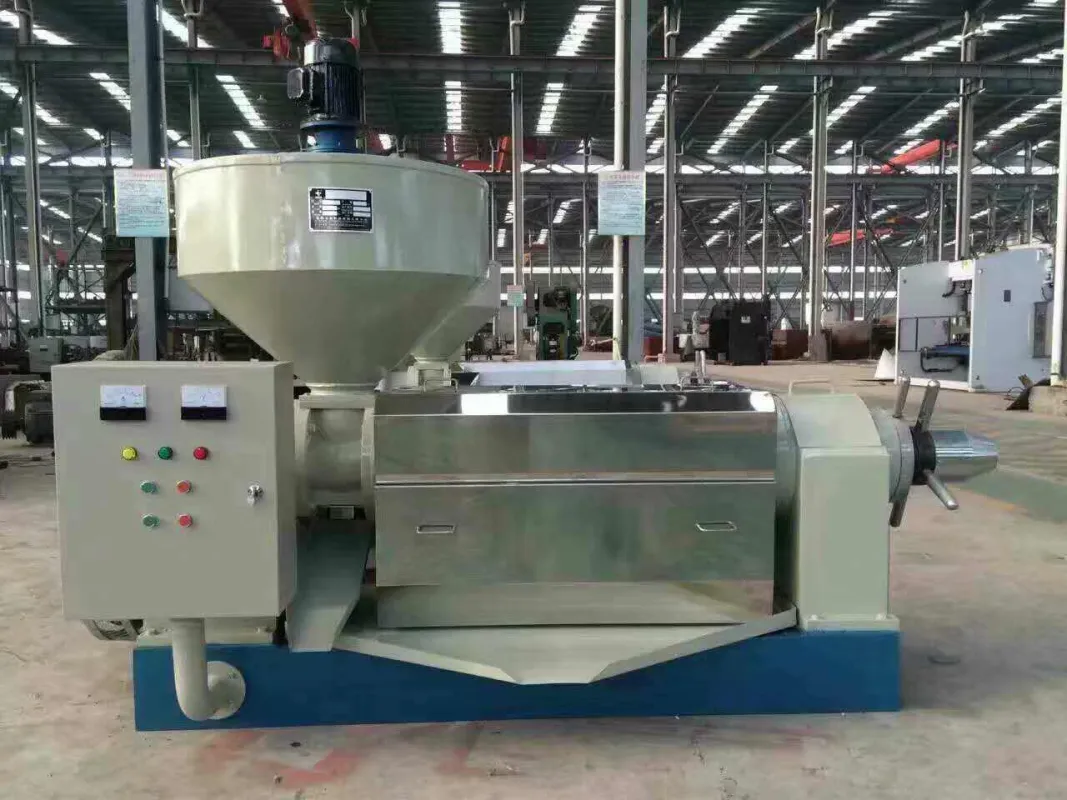
| Cold-pressed screw oil press | Small-batch specialty oils with specific flavor requirements. | 50–500 kg/h single unit | The virgin oil yield is low, and the residual oil in the cake is relatively high. | Low energy consumption and small footprint | During the high temperatures of summer, attention should be paid to cooling and oil storage to preserve quality. |
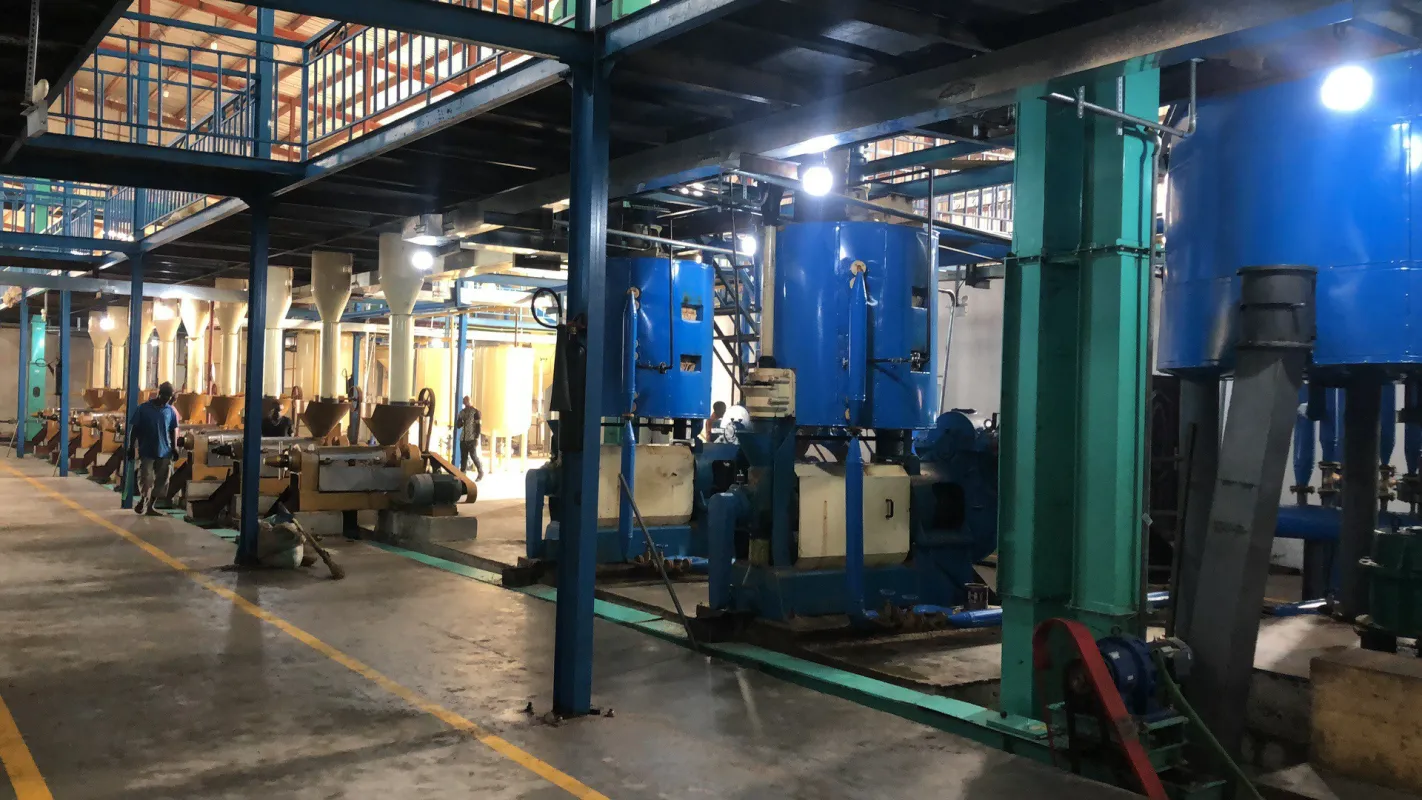
| Hot pressing (with conditioning and steaming/roasting) | Medium production capacity, pursuing higher oil yield and clarity. | 0.5–5 t/h production line | Higher than cold-pressed, with moderate residual oil. | Requires a steam heat source; energy consumption is moderate. | Gas-fired or diesel boilers are optional; pay attention to emissions and water treatment. |
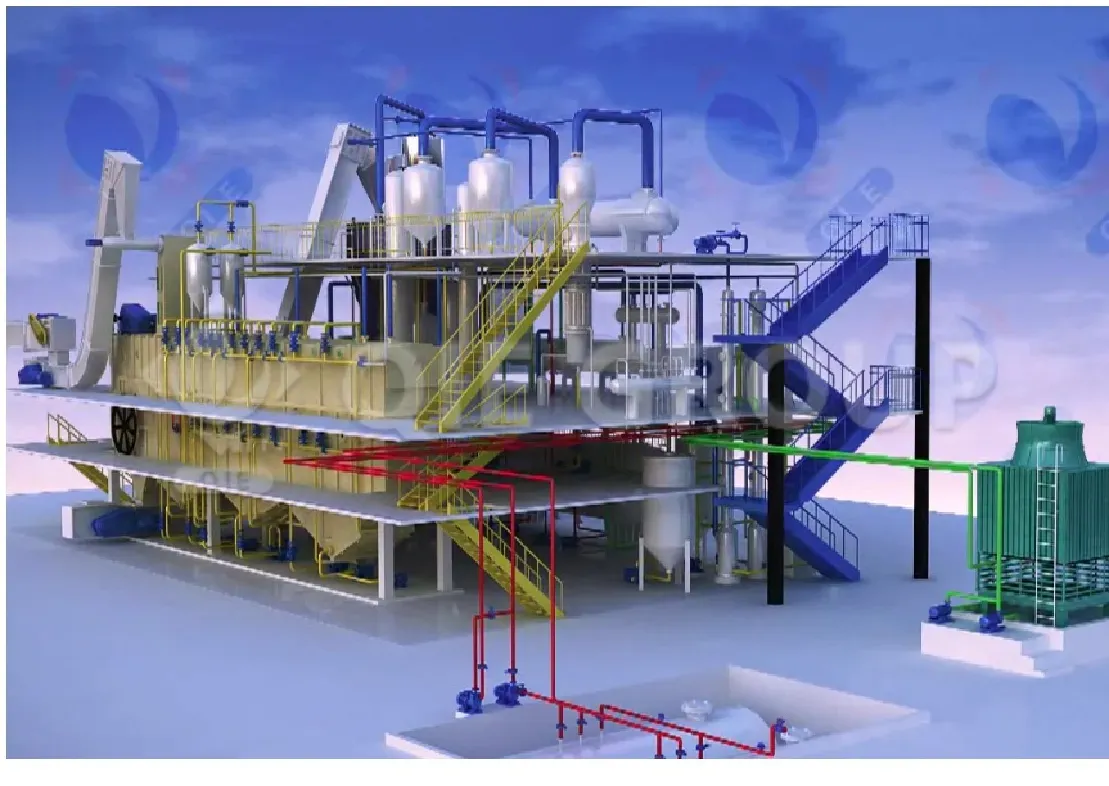
| Pre-pressing + Solvent extraction | Large and medium-sized factories, pursuing extremely low residual oil and economies of scale | 100–3000 t/d (modular expansion) | High crude oil yield results in residual oil content in the meal of less than 1%. | The investment and management requirements are high, necessitating explosion-proof and VOC recovery measures. | Suitable for industrial parks located near ports and raw material warehouses and possessing safety permits. |
If you are targeting the edible oil end market, you will also need to configure refining stages such as degumming, deacidification, decolorization, and deodorization, and consider winterization (dewaxing) to improve low-temperature stability.
Production Capacity and Layout: Aligning Equipment with Egypt's Supply Chain
- Raw material availability: Egypt relies heavily on soybean imports. The transportation time and storage capacity at ports (Alexandria, Damietta, Port Said) determine the safety stock level. It is recommended that equipment capacity be designed according to monthly peak and off-peak periods and port arrival schedules. A common practice is to reserve 10%–20% of peak-shaving capacity.
- Electricity and Steam: The power grid is 50Hz, commonly 380V three-phase; steam can be supplied by gas or diesel boilers. During high-temperature seasons, closed-circuit cooling towers or air-cooled heat exchangers are required to reduce water consumption and scaling risks.
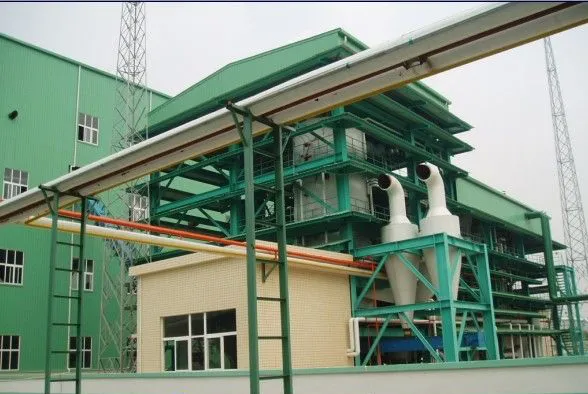
- Dust and high temperature: The pretreatment section is equipped with dust removal and sealed conveying. The electrical control cabinet is recommended to be IP54-IP55. The main motor is equipped with a sand and dust filter and high temperature insulation.
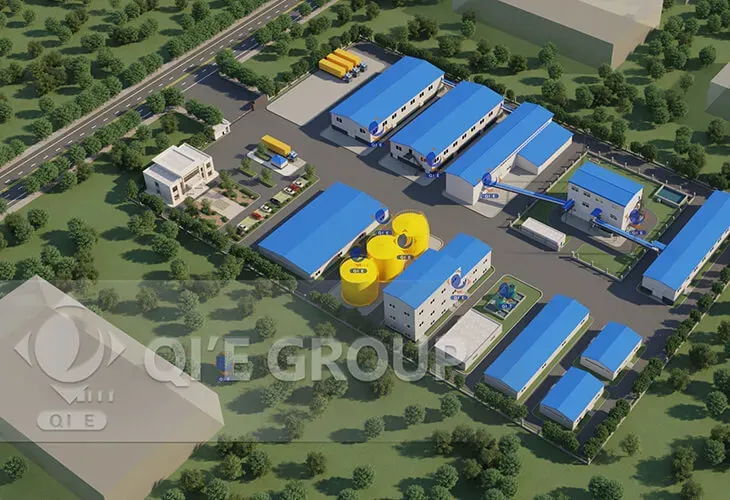
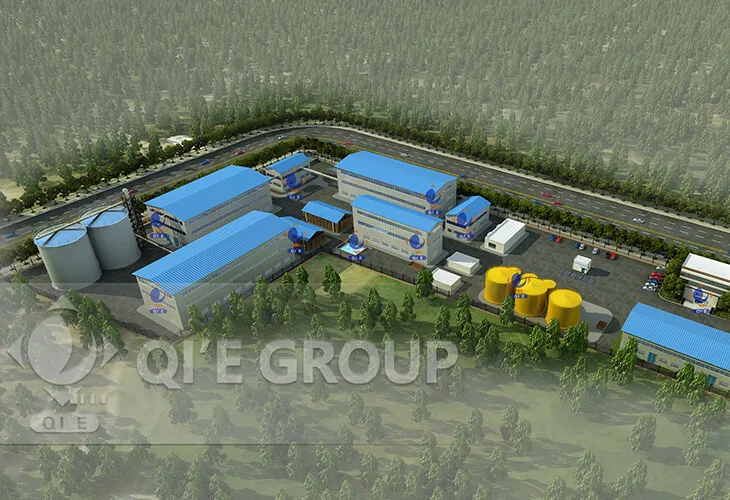
- Site size and expansion: A typical 200 t/d pre-pressing line (including pre-processing) has a building area of approximately 1200–1800 m², and an additional 800–1500 m² if refining and bottling are included. It is recommended to allow 30% for expansion space.
Budget and Price Breakdown (excluding specific prices)
When purchasing a soybean oil press, the budget typically includes the equipment itself, automation, installation and commissioning, sea freight and customs clearance, and civil engineering and utilities. For a clearer understanding of the cost drivers, please refer to the table below:
| project | Influence weight (relative) | illustrate |
|---|---|---|
| Equipment size and materials | high | The larger the production capacity and the higher the proportion of wear-resistant and stainless steel materials, the higher the investment; the grade of high-temperature components, bearings and reducers has a significant impact. |
| Automation and Electronic Control | Medium-high | PLC, frequency converter, host computer and data acquisition; upgrading the explosion-proof zone (such as the extraction section) will significantly increase costs. |
| process complexity | high | From single hot pressing to pre-pressing-extraction-refining-bottling, each additional process increases the investment in equipment and utilities. |
| Logistics and Customs | middle | The shipping method, volume and weight, customs clearance documents (HS 84792000, etc.), and customs duties and value-added tax shall be handled in accordance with local Egyptian regulations. |
| Installation, commissioning, and training | middle | Whether overseas on-site support is required, and whether it includes interfaces for civil engineering and public works, will affect the budget and timeline. |
Industry-standard budgets are typically categorized as follows: entry-level (single unit or small production line), standard (including pretreatment and basic hot pressing/refining stages), and high-end automated (incorporating solvent extraction and DCS/SCADA). We recommend that you determine your daily output and finished product specifications before obtaining a breakdown quote from the QIE GROUP for a more accurate assessment of your return on investment.
Quality and Compliance: Laying the Foundation for the Egyptian Market
- Standards and Certifications: Manufacturers certified to ISO 9001/14001 and CE are preferred; the solvent extraction section should meet explosion-proof zoning and VOC recovery requirements. Adhere to Egyptian EOS regulations to ensure successful acceptance testing.
- Oil quality indicators to watch include: FFA, peroxide value, color, residual solvent (if extraction is used), and impurity content. The refining stage must consistently achieve sensory compliance for the finished oil, meeting edible standards.
- Environmental protection and safety: supporting solutions for waste gas condensation and recovery, dust removal, oily wastewater separation and oil sludge disposal; insulation and leak prevention design for key pipelines and towers.
QIE GROUP: An engineering partner from solutions to delivery
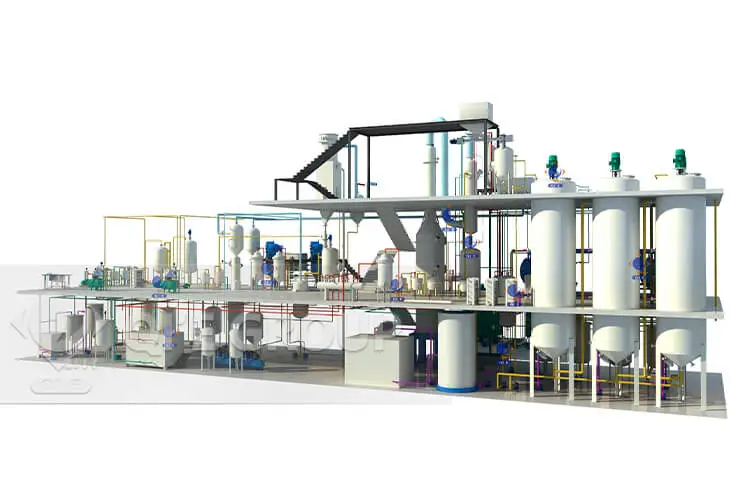
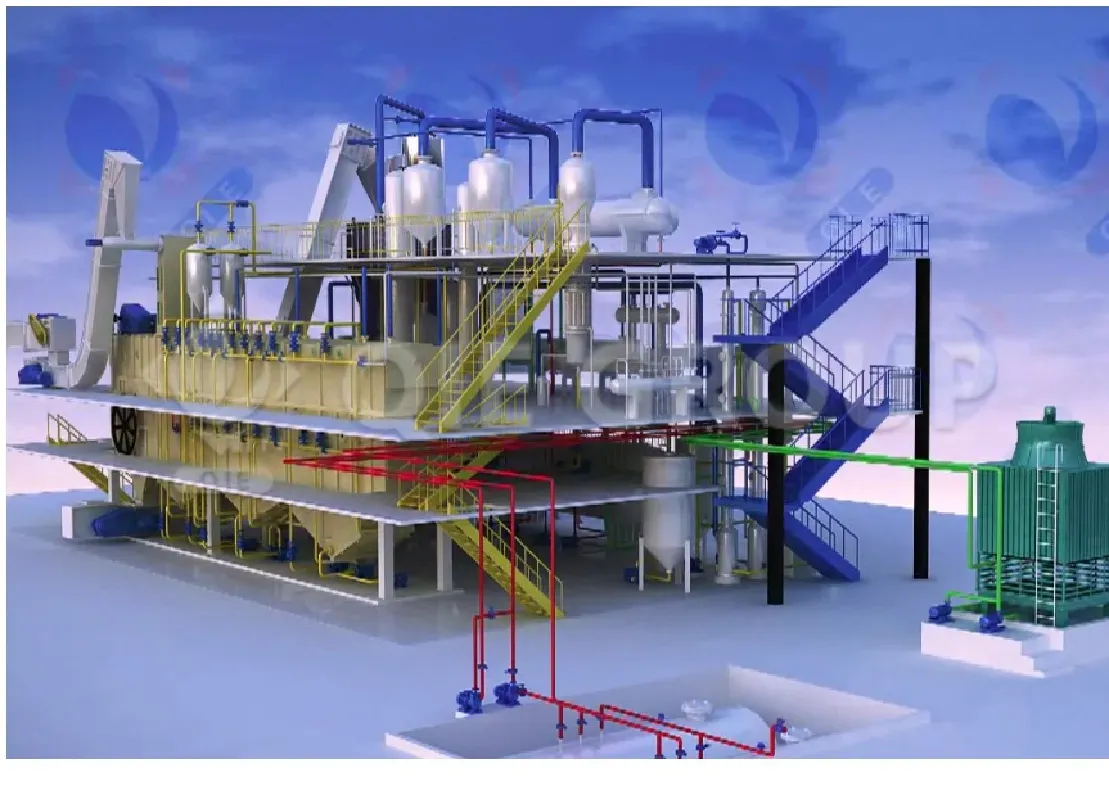
QIE GROUP has long been a leader in oilseed crushing and refining equipment, providing integrated services from process design, equipment manufacturing, installation and commissioning to training and maintenance. We offer the following enhanced configurations for our Egyptian clients:
- Dust and high temperature resistant components: electrical control cabinet IP54–IP55, bearings and seals with high temperature and wear resistant design, and dust filters added to key air ducts.
- Energy-saving solutions: frequency conversion linkage, waste heat recovery, and closed-loop cooling cycle help reduce energy consumption per ton of oil.
- Rapid production: Modular supply and pre-assembly testing shorten on-site installation cycle; provides remote and on-site dual-mode commissioning and training.
- Spare parts and service: Establish a safety stock list for critical components, conduct regular inspections and online diagnostics to reduce unplanned downtime.
Procurement List: Key Points to Avoid Omissions
- Target capacity and operating hours (t/d and annual operating days).
- Raw material characteristics: moisture, impurities, protein, oil content; whether pre-cleaning and drying are required.
- Process route: cold/hot pressing, whether solvent extraction is included, refining depth and whether filling is involved.
- Finished product specifications: FFA, color, odor, residual solute, and low-temperature turbidity stability.
- Energy and Utilities: Electricity, Steam, Compressed Air, Cooling Water/Air Cooling, Boiler Fuel Type.
- Automation level: PLC/SCADA, quality traceability, online monitoring of energy consumption and production capacity.
- Site conditions: land area, floor height, load-bearing capacity, explosion-proof zone, and transportation access.
- Delivery and service: manufacturing cycle, sea freight arrival, installation and commissioning plan, spare parts list and training SOP.
Common Misconceptions and Avoidance Suggestions
- Looking only at the "tonnage" of the equipment without considering the oil yield: for the same production capacity, every 1 percentage point increase in the oil yield results in significant annualized benefits; a comprehensive balance of "raw materials - crude oil - meal" should be used for calculation.
- Neglecting filtration and cleaning: The lack of reliable filtration and in-line cleaning (CIP) will lead to increased downstream refining load and increased oil loss.
- Environmental and explosion protection considerations: The extraction section must take into account explosion-proof electrical systems and VOC recovery, and communicate with the park and regulatory authorities in advance to discuss the permitting plan.
- Inadequate water system design: In high-temperature climates, closed-loop cooling circulation and softening treatment are recommended to reduce scaling and downtime risks.
Technical parameters for reference (for initial communication)
The following parameters will help you find a suitable Egyptian soybean oil press solution more quickly:
- Single screw oil press: 50–500 kg/h; Line: 0.5–5 t/h; Large-scale pre-pressing-extraction: 100–3000 t/d.
- Soybean oil content: 18%–20%; residual oil in pre-pressed cake: 6%–8% (depending on conditioning and processing); residual oil in extracted meal: can be less than 1%.
- Common energy consumption range: Electricity consumption 25–60 kWh/t raw materials (process-related), steam consumption depends on conditioning and refining.
- Power supply: 50Hz, 3×380V (400/415V can be customized upon request); control voltage 24V DC.
Note: To facilitate project approval, please confirm the latest parameters and detailed configurations with us.
Next step: Turn your needs into an actionable production line solution.
Ready to enter the inquiry stage? Send us your target production capacity, raw material data, and plant layout. QIE GROUP will provide a professional solution based on the Egyptian conditions, including process flow diagrams, equipment lists, energy consumption estimates, and delivery cycles, as well as a phased budget structure to help you efficiently make the decision on "how to purchase a soybean oil press".
Obtain a customized soybean oil press solution and budget structure from QIE GROUP.