.png?x-oss-process=image/resize,h_100,m_lfit/format,webp)
.png?x-oss-process=image/resize,h_100,m_lfit/format,webp)
.png?x-oss-process=image/resize,h_100,m_lfit/format,webp)
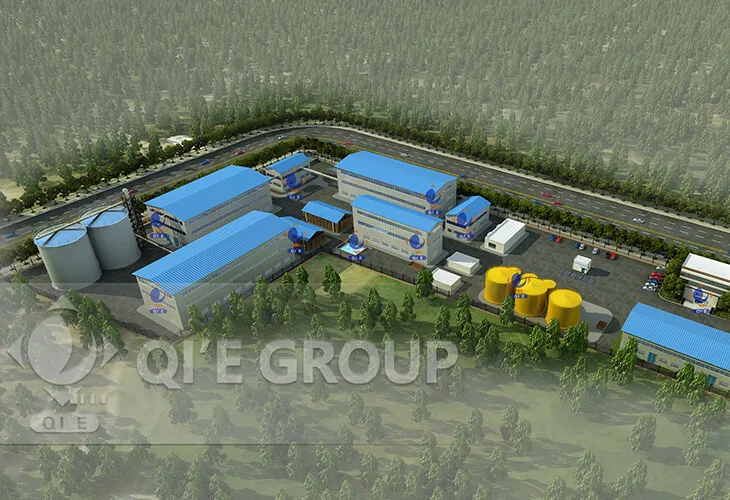
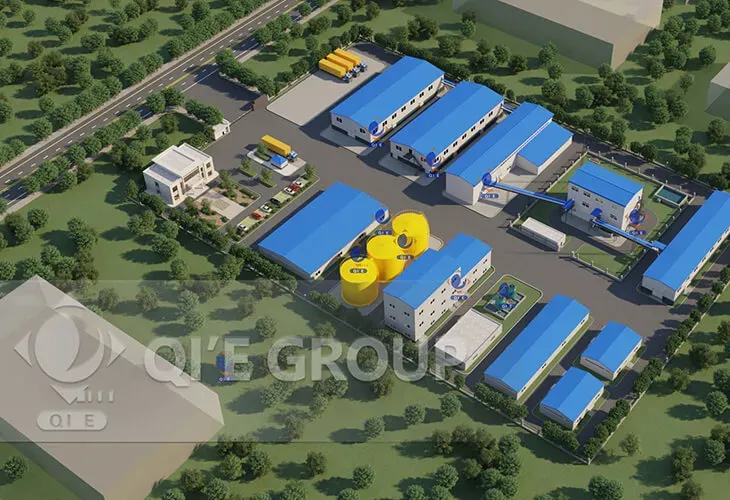
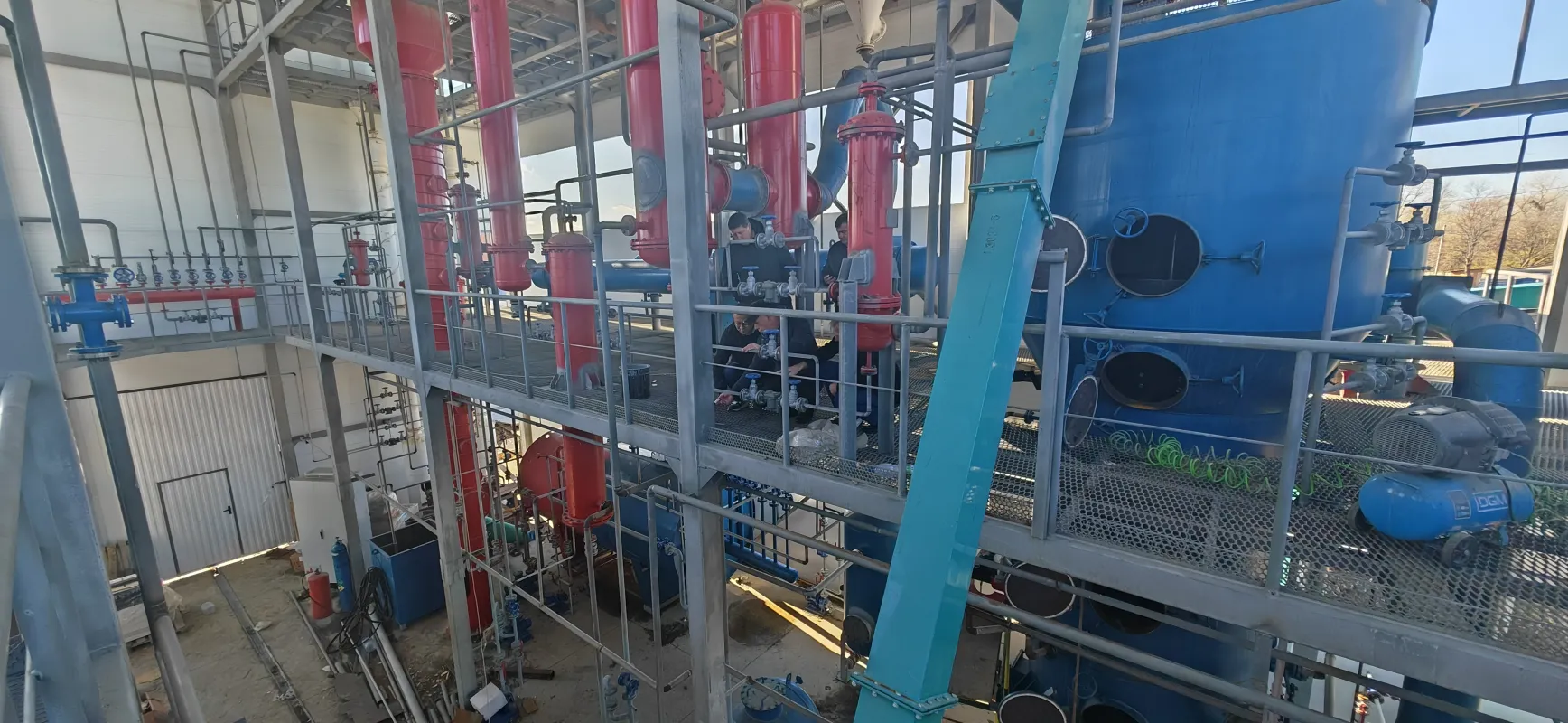
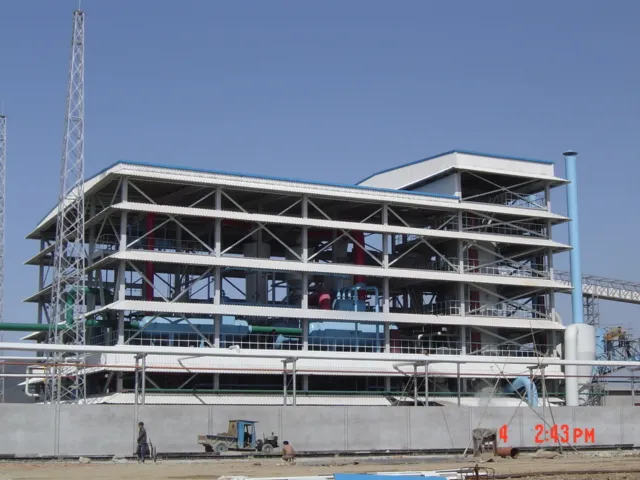
Every drop of premium soybean oil begins with a humble bean. However, bridging the gap between raw harvest and high-purity edible oil requires more than just machinery; it demands a fully integrated EPC (Engineering, Procurement, and Construction) turnkey system. By synchronizing every phase—from initial seed conditioning to final oil refining—modern processing plants maximize solvent efficiency and preserve the high-protein value of the resulting soybean meal.
1. High-Performance Pretreatment & Conditioning
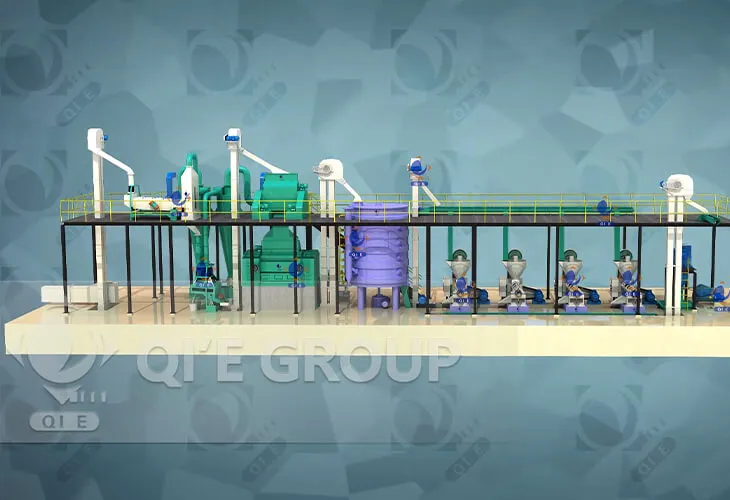
The journey starts in the Pretreatment Section, where soybeans are prepared for maximum extraction efficiency. A professional engineering line utilizes a strategic sequence to protect downstream equipment:
- ✔ Cleaning & Scalping: High-efficiency vibratory screens and de-stoners remove impurities to ensure oil purity and equipment longevity.
- ✔ Conditioning (Softening): Vertical Conditioning Towers adjust moisture and temperature, ensuring beans are pliable without damaging protein structures.
- ✔ Cracking & Dehulling: Advanced Cracking Mills break beans into uniform grits. A dedicated Hull Separation System is critical for producing "High-Pro" soybean meal.
- ✔ Flaking: Precision Flaking Mills roll grits into uniform flakes (≤ 0.3mm), creating the decisive path for solvent penetration.
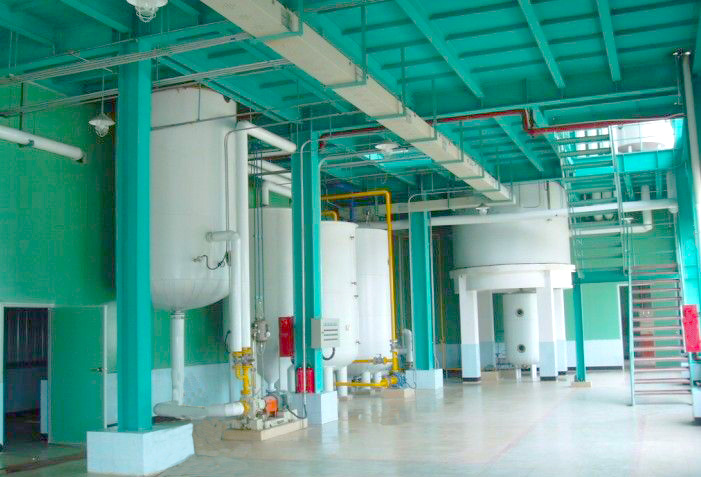
2. Advanced Solvent Extraction & Deep Oil Recovery
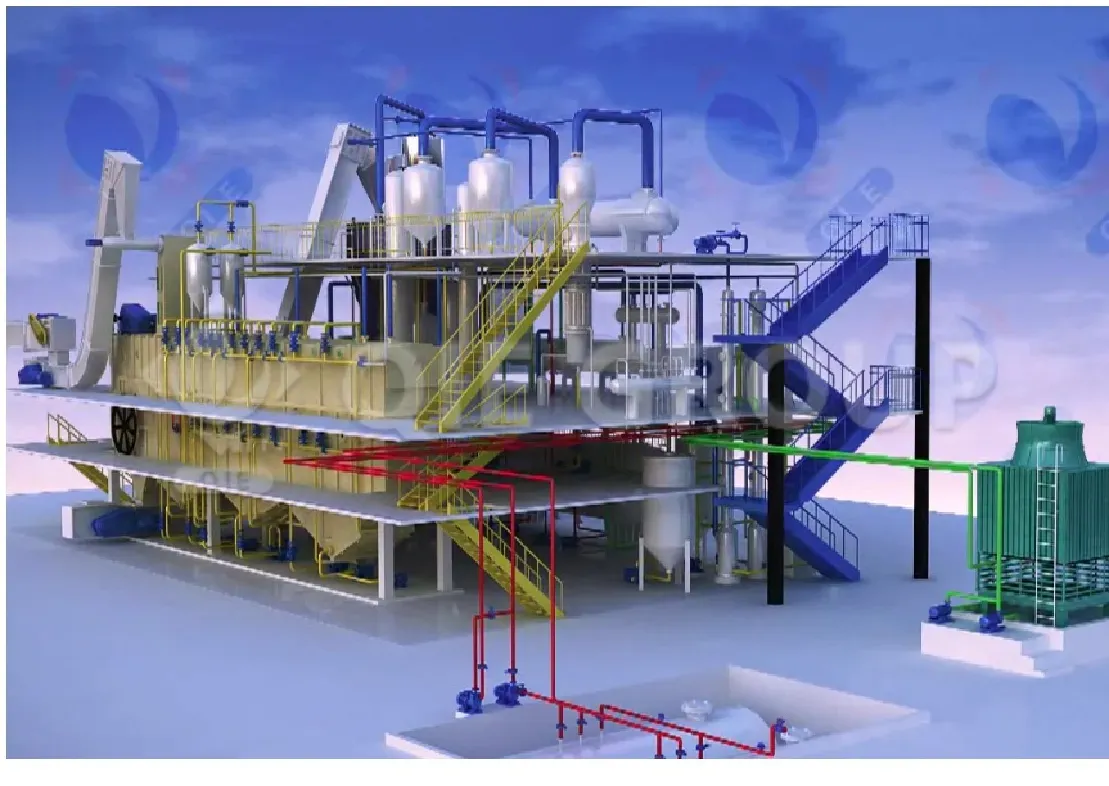
In the Solvent Extraction Section, oil is deep-extracted using high-grade hexane. Utilizing Loop-type or Rotocel Extractors, the flakes undergo multi-stage counter-current washes. This precision ensures that residual oil in the meal stays below 0.5%.
3. The DTDC System: Enhancing By-Product Value
For global producers, soybean meal is a primary revenue driver. The DTDC (Desolventizing, Toasting, Drying, and Cooling) system is the gold standard:
Technical Performance Benchmarks
| Performance Parameter | Industrial Standard (Target) |
|---|---|
| Residual Oil in Meal | ≤ 0.5% |
| Solvent Consumption | ≈ 1.5 kg/ton |
| Solvent Recovery Rate | ≥ 99.5% |

Frequently Asked Questions
Q1: What is the benefit of a "Turnkey EPC" system?
A turnkey system ensures every machine is synchronized by a single engineering team, eliminating bottlenecks and maximizing long-term ROI through a unified automation interface.
Q2: How does dehulling affect the quality of the soybean meal?
Dehulling separates the low-protein shell before extraction, significantly increasing protein concentration for "High-Pro" meal sold at premium prices.
Q3: High-Temperature vs. Low-Temperature soybean meal?
High-temperature meal (via DTDC) is for animal feed. Low-temperature processing preserves protein functionality for human consumption like Soy Protein Isolate (SPI).
Q4: Can this system handle other oilseeds?
Yes, our EPC solutions are often "Multi-Seed" capable, requiring only minor adjustments for sunflower, rapeseed, or peanuts.
Q5: How is solvent residue eliminated from the oil?
Using a multi-stage Vacuum Stripping Tower, solvent is evaporated, leaving residues below 50ppm, meeting international food safety standards.