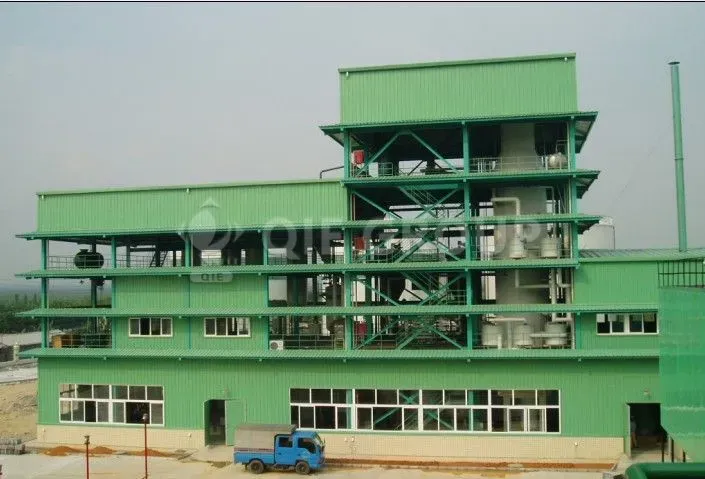
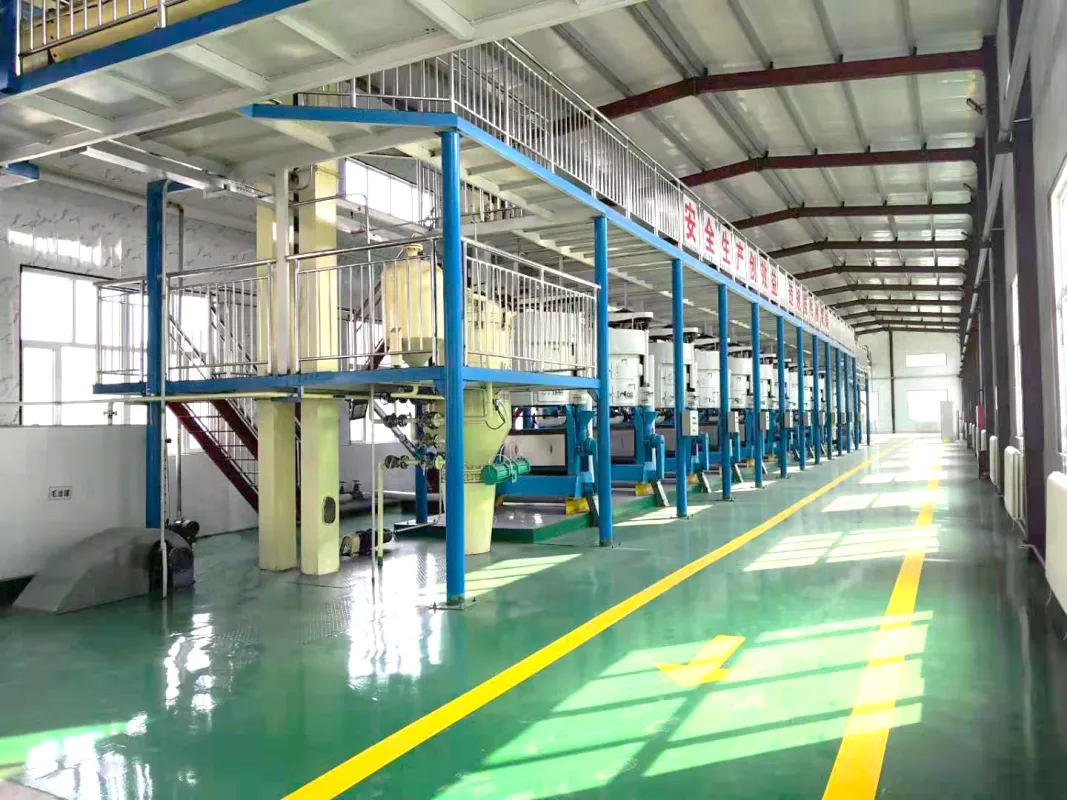
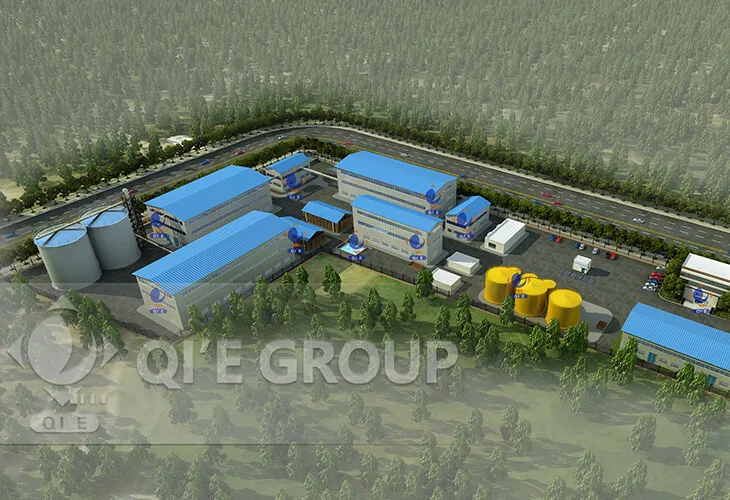
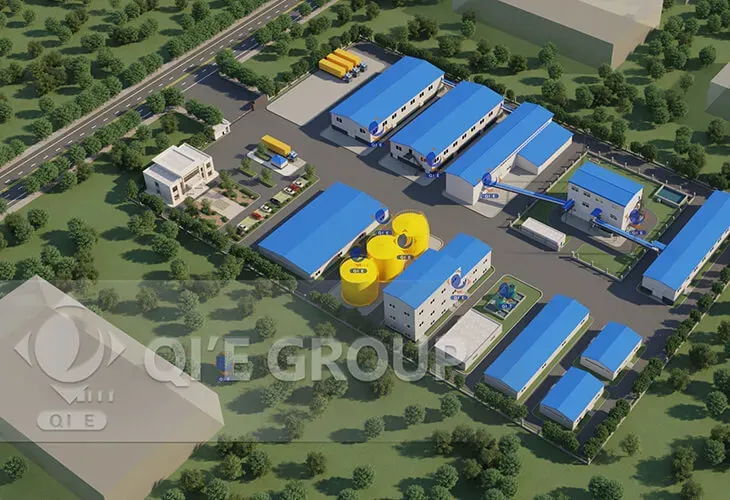
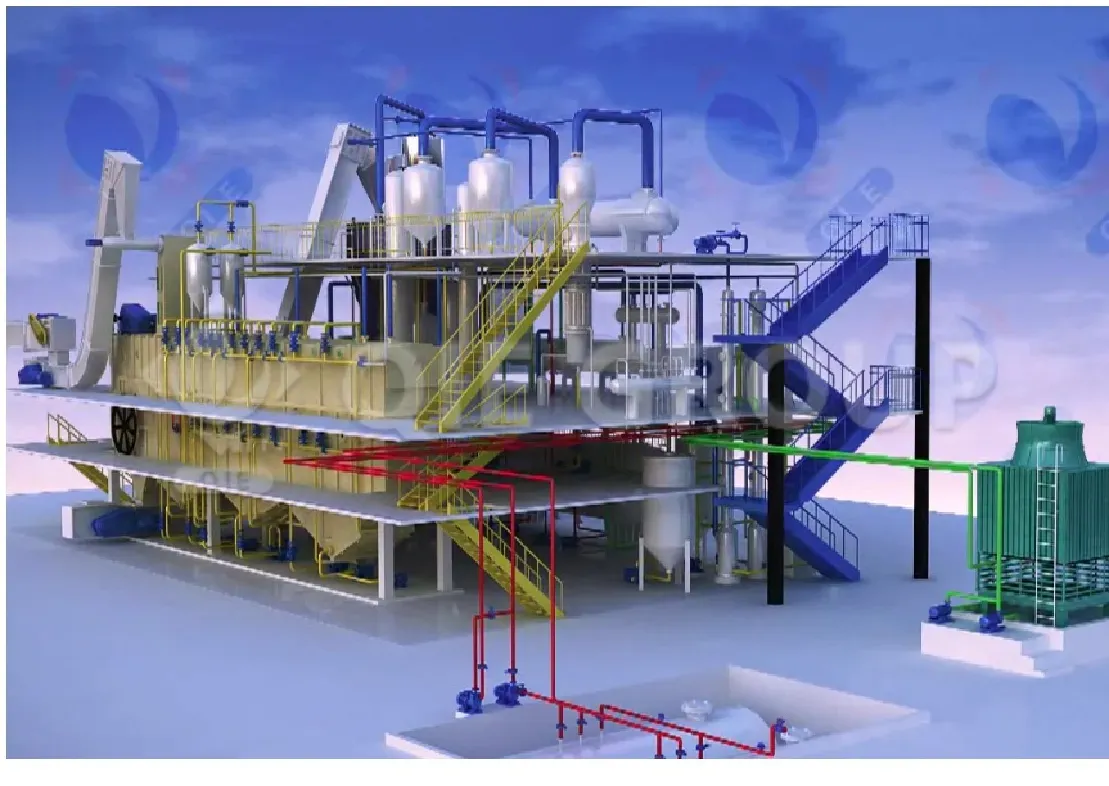
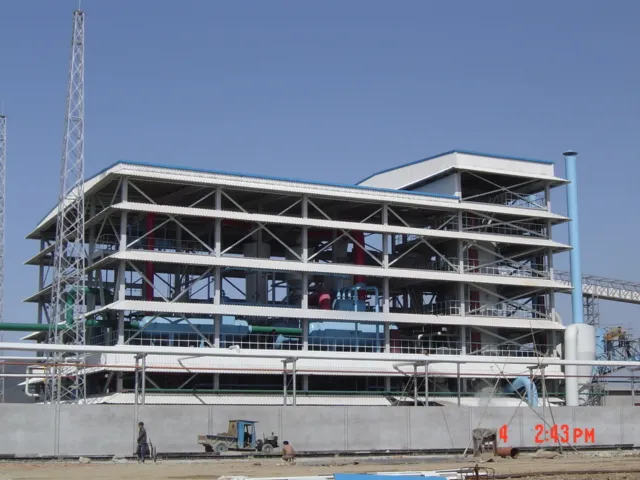
Investing in a complete soybean oil production line is a significant capital expenditure. A well-crafted plant is more than just a collection of machines; it is a long-term industrial asset designed to operate for decades.
In the industrialized edible oil processing sector, equipment lifespan is not a fixed value, but rather determined by the level of process design, operational management capabilities, and maintenance systems. For investors and factory managers, a systematic understanding of the lifespan of soybean oil production lines, the average lifespan of edible oil refineries, and the factors affecting the durability of soybean oil extraction machinery is crucial for achieving stable production and long-term profitability.
Under standardized design and operation conditions, the lifespan of each stage of a good soybean oil production line is:
The average service life of an edible oil refinery depends mainly on its high-temperature deodorization system, vacuum system, and corrosion control capabilities. The specific service life varies greatly depending on the process.
Based on your process data, when the system maintains this state over a long period:
The equipment typically operates more stably, and according to the QIE GOURP patent, it effectively reduces equipment consumption and increases equipment lifespan. The efficient, stable, and closed-loop process system not only saves energy and reduces consumption but also significantly extends equipment lifespan.
This section includes cleaning, conditioning, crushing, peeling, and billet rolling or expansion. Optimized equipment name:
Operating characteristics: Primarily mechanical wear, low risk of corrosion, but sensitive to raw material quality. Raw material pretreatment: Effective cleaning (de-stone, de-iron) can protect downstream equipment, such as the peeling machine and blending tower. Even a stray metal fragment could cause catastrophic failure of the high-speed extruder.
Metallurgical processes and manufacturing quality: The use of thickened, wear-resistant alloy steel in billet mills and crushers is essential. For example, billet rolls must be able to withstand enormous hydraulic pressure to maintain a billet thickness of ≤0.3mm. If inferior cast iron is used for the rolls, they will deform, thus reducing plant efficiency.
This is a crucial part that determines the lifespan of a soybean oil production line. Optimized equipment description:
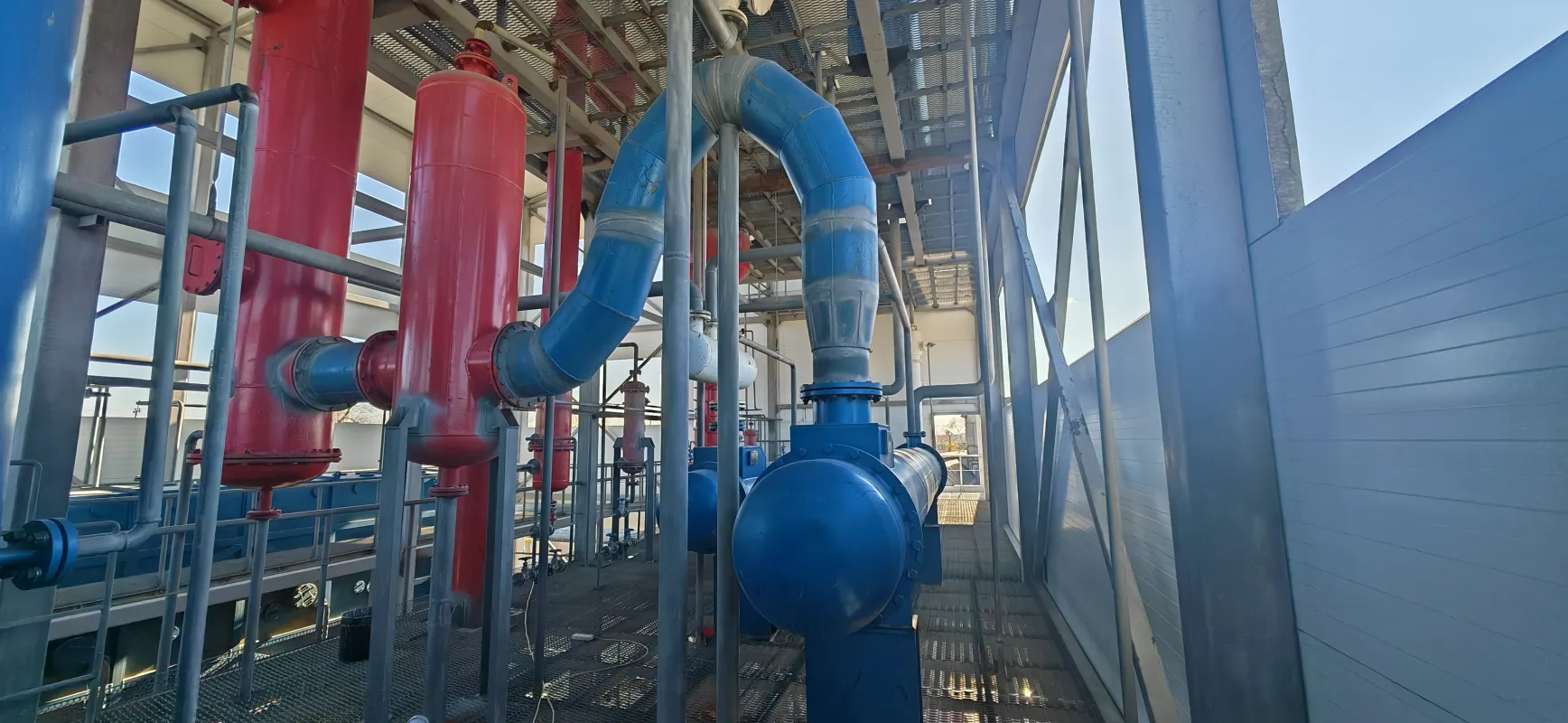
These sections are the most durable. High-end DTDC (Desiccant Dryer) systems or vacuum negative pressure evaporation systems, if made of corrosion-resistant carbon steel or stainless steel, can easily have a service life of over 20 years.
QIE GROUP's patented technology allows for the control of oil extraction machines to achieve: residual oil rate ≤ 0.5%, solvent consumption of approximately 1.5 kg/t, and recovery rate ≥ 99.5%. These specifications ensure lower corrosion, less solvent loss, and more stable equipment operation.
Impact of process differences: Low-temperature processes (<80°C): Less thermal damage, longer equipment lifespan; High-temperature processes (>100°C): Higher efficiency, but more pronounced material fatigue. Process chemical environment: Corrosion is an invisible killer. Maintaining a negative pressure evaporation system and a high solvent recovery rate of ≥99.5% during the solvent leaching stage not only saves money but also prevents solvent leakage from corroding seals and structural components over time.

This includes degumming, deacidification, decolorization, and deodorization. Optimized equipment name: Continuous degumming reaction system + centrifugal separation, alkali refining or physical refining system, vacuum decolorization system, multi-stage deodorization tower.
Precision lubrication: High-capacity equipment such as annular or cable chain leaches have huge drive chains. Automatic lubrication systems ensure that these components are not damaged by frictional heat.
Key factors affecting lifespan include: high-temperature environments (especially the deodorization section), high-vacuum operation, and chemical corrosion (free fatty acids, etc.). Because the refining process involves vacuum steam distillation and centrifugal separation, these systems are known for their stability. With regular descaling of the vacuum system and heat exchangers, a continuous refining line (30 TPD to 1000 TPD) can typically maintain high-precision operation for 25 years.
A scientific maintenance system can extend equipment lifespan by 30%–50%. The difference between a factory with a lifespan of 10 years and one with 25 years lies in technological advancements and regular maintenance. IE GROUP offers maintenance tips to extend the operating time of soybean oil mills:

Managing thermal stress: In the high-temperature leaching (HTE) path using the DTDC system, temperatures must exceed 100°C to destroy anti-nutritional factors. A gradual start-up and shutdown procedure is crucial to prevent metal fatigue in the steam-heated layer.
Scaling and Fouling Control: During the refining stage, the deodorization tower operates under high vacuum and high temperature. Regularly cleaning the heat exchangers and inspecting the vacuum pump seals can prevent "technical aging," which is when the machine is still running but its efficiency drops significantly.
Many clients mistakenly believe that reducing initial investment will increase returns, but the opposite is true:
Lifecycle cost structure:
A small 20-50 TPD turnkey plant starts at around $150,000 to $300,000, while a large 300-500 TPD industrial production line can cost over $1 million to $3 million. Investing an extra 15% in high-quality metallurgical materials during the initial startup phase can typically extend the plant's lifespan by 30%.
1. How long can a soybean oil production line operate continuously before undergoing a major overhaul?
Most industrial plants are designed to operate 24/7 for 300-330 days a year. An annual "overhaul" (deep cleaning and parts replacement) is typically scheduled during the off-season.
2. What is the most expensive part to replace in a leaching plant?
The solvent condensation and recovery system and the DTDC spindle represent significant investments. However, in the pretreatment section, the billet rolls are the most frequent and costly "wear parts."
3. Does production capacity (e.g., 50 TPD vs. 500 TPD) affect lifespan?
Large factories (300 TPD+) typically have longer lifespans because they are built with higher-grade industrial components and are usually equipped with more sophisticated automated monitoring systems to prevent damage caused by “misoperation”.
4. How does residual oil content affect equipment lifespan?
High-performance production lines can maintain a residual oil content of ≤ 0.5%. This rate will increase if the equipment wears down. Overloading machines to "force" reduce wear will increase vibration and thermal stress, shortening their overall lifespan.
5. For long-term operation, is it better to choose a low-temperature or high-temperature cable?
Both are very durable. The choice depends on your end product. High-temperature desolventizing (DTDC) is the industry standard for animal feed meals, while low-temperature desolventizing (flash evaporation) is key to producing food-grade soy protein. Both can have a lifespan exceeding 20 years, provided the vacuum system is properly maintained.
Contact QIE GROUP experts now for customized, high-efficiency oil processing equipment and EPC services.
Contact us now for a quote Corn Germ Oil Milling Plant Price 2026
Cost of 20-100TPD turnkey corn germ oil production line in 2026
Small scale corn germ oil extraction and refining machine cost 2026
Corn germ oil processing plant investment and ROI analysis 2026
2026 Corn Germ Oil Production Line
2026 Complete Set of Corn Germ Production Line Machinery
2026 Corn Germ Production Line Price
2026 Complete Set of Corn Germ Production Line Machinery Configuration List
Sunflower oil production line in Russia — 2026
Cost of equipment for sunflower oil extraction in Russia — 2026
Technology trends at automated sunflower oil processing plants — 2026
Prices for sunflower oil refining equipment (from small to large scale) — 2026
Edible oil processing turnkey project
Construction cost of edible oil refinery
Oil extraction turnkey solution
Professional edible oil production technology
Cost of 50 TPD turnkey edible oil refinery plant 2026
ROI analysis for edible oil production line investment
Small scale vs industrial edible oil processing equipment price
Turnkey Cooking Oil Production Lines Price
Corn Germ Oil Milling Plant Price 2026
Cost of 20-100TPD turnkey corn germ oil production line in 2026
Small scale corn germ oil extraction and refining machine cost 2026
Corn germ oil processing plant investment and ROI analysis 2026
2026 Corn Germ Oil Production Line
2026 Complete Set of Corn Germ Production Line Machinery
2026 Corn Germ Production Line Price
2026 Complete Set of Corn Germ Production Line Machinery Configuration List
Sunflower oil production line in Russia — 2026
Cost of equipment for sunflower oil extraction in Russia — 2026
Technology trends at automated sunflower oil processing plants — 2026
Prices for sunflower oil refining equipment (from small to large scale) — 2026
Edible oil processing turnkey project
Construction cost of edible oil refinery
Oil extraction turnkey solution
Professional edible oil production technology
Cost of 50 TPD turnkey edible oil refinery plant 2026
ROI analysis for edible oil production line investment
Small scale vs industrial edible oil processing equipment price
Turnkey Cooking Oil Production Lines Price






.png?x-oss-process=image/resize,h_100,m_lfit/format,webp)
.png?x-oss-process=image/resize,h_100,m_lfit/format,webp)
.png?x-oss-process=image/resize,h_100,m_lfit/format,webp)