For most soybean oil production projects, the definitive question is: How do you choose a tailored soybean oil production line solution based on raw material conditions, target oil markets, soybean meal applications, investment plans, and long-term operational goals?
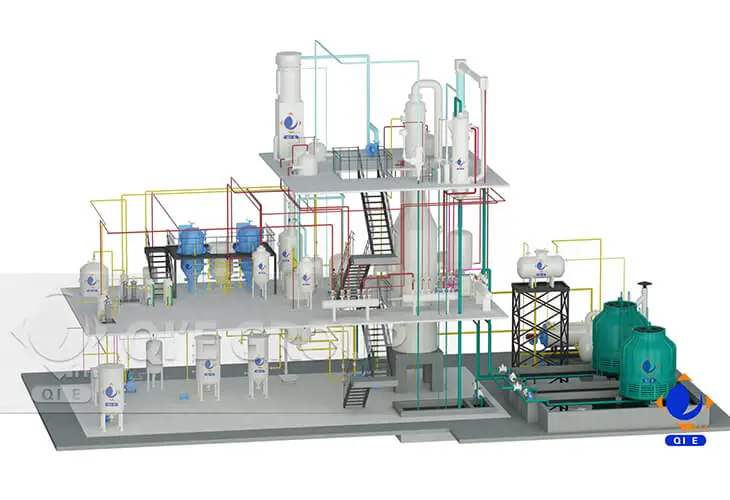
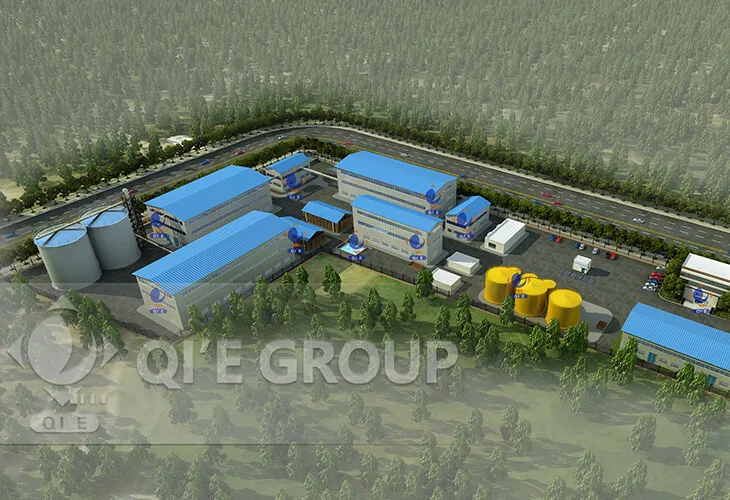
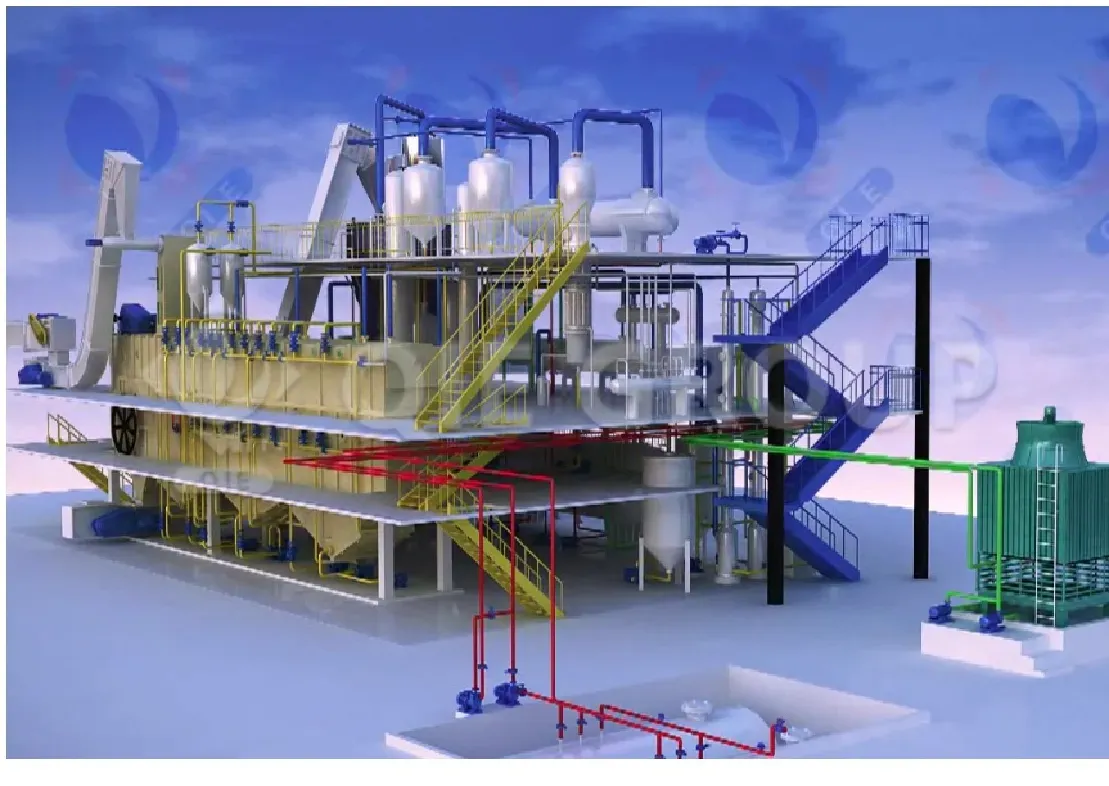
A commercial soybean oil production line solution is not a standalone piece of machinery; it is an integrated engineering system composed of multiple synchronized workshops designed to process raw soybeans into highly stable crude oil or refined end-product oil, while simultaneously yielding high-protein animal feed meal.
Different technological routes directly dictate oil yield, soybean meal quality, operational expenditure (OPEX), solvent consumption, energy efficiency levels, environmental compliance, and final oil purity. Consequently, establishing the correct process configuration during the initial planning phase remains one of the most critical milestones in successful soybean oil project development.
This guide breaks down the core selection logic of soybean oil production lines to help cooking oil investors, grain processors, and agricultural enterprises understand the operational relationship between pressing, extraction, and refining technologies, building a clear technical foundation for future project evaluations.
A soybean oil production line is a complete industrial processing system that transforms raw soybeans into crude oil, refined culinary oil, and high-quality soybean meal through continuous mechanical and thermal conditioning stages.
Depending on project scale and market positioning, a complete line typically integrates:
Based on unique project requirements, a soybean oil production line can be custom-configured as:
Depending on your budget framework, the processes, specific machinery, and electrical control configurations within the soybean oil production line can be precisely adjusted. For detailed inquiries, please contact QIE GROUP for expert consulting.
A typical soybean oil processing plant process flow and equipment configuration follows this routing:
The precise technological path is fine-tuned based on the following metrics:

In most soybean oil processing operations, the pretreatment stage directly affects downstream extraction efficiency, solvent utilization, oil yield stability, and the eventual market value of the meal.
This phase focuses on removing external contaminants, including:
Primary machinery includes high-efficiency vibratory cleaning sieves, destoners, magnetic separators, and aspiration dust-collection systems. These mechanical systems clean and condition raw materials into an optimal physical state for oil separation.
Raw soybeans are cracked into smaller pieces and subjected to hull separation to achieve the following goals:
High-performance roller crackers break the beans into 4–8 distinct fragments. A dedicated aspiration system cleanly separates the low-density hulls from the high-density meats. Dehulling significantly raises the protein concentration of the final meal and prevents the dry hulls from absorbing and trapping valuable oil during processing.
This thermal conditioning phase adjusts the moisture and temperature profile of the material to:
By applying controlled heat, the moisture content and elasticity of the soybean meats are modified, effectively preventing excessive powdering or shattering during subsequent flaking stages.
Flaking dramatically increases the available surface area of the material, elevating subsequent oil extraction rates. Many modern lines add an extrusion system to further enhance performance:
During project planning, evaluating a pressing line versus a solvent extraction line is a foundational technical crossroad.
Mechanical pressing uses continuous screw presses to physically squeeze crude oil out of the prepared soybeans.
Core Features:
Typical Application Scenarios: Small-to-medium cooking oil processing plants, regions with limited chemical solvent supply chains, or projects prioritizing highly simplified, straightforward operations. Note, however, that residual oil levels in the press cake remain substantially higher than in solvent extraction.
The solvent extraction process utilizes food-grade chemical solvents to continuously leach and wash crude oil out of the soybean matrix.
Core Features:
Prepared pellets or press cakes enter the extraction stage via automated conveyors:
Large-scale commercial oil mills universally favor this route to optimize long-term asset utilization and margins.
When conducting a thorough pressing vs. solvent extraction soybean oil production line cost comparison, you must look past initial equipment purchase costs and critically evaluate:
Key Evaluative Metrics: Total net oil yield • Net utility and energy inputs • Precise solvent loss control • Equipment maintenance complexity • Local environmental mandates • Final marketplace value of the meal • Integrated factory automation levels
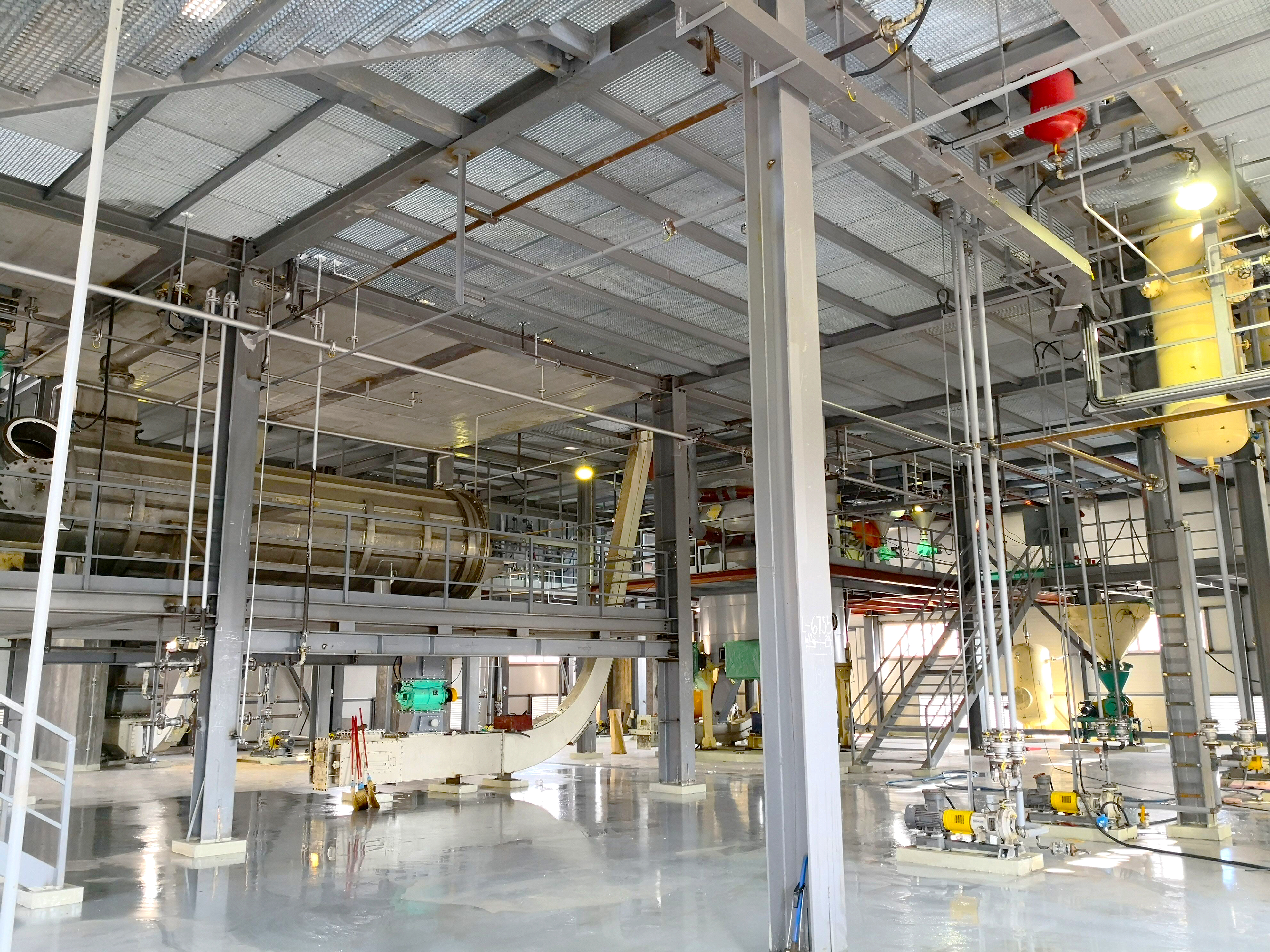
Crude oil contains a variety of impurities that compromise storage stability and sensory flavor profiles, requiring professional oil refining technologies. The refinery workshop focuses on elevating the finished oil to premium commercial grades.
This phase is engineered to eliminate hydratable and non-hydratable phospholipids (gums), free fatty acids (FFA), and suspended trace impurities. Phosphoric acid and water are thoroughly mixed with the crude oil, causing the gums to hydrate, agglomerate, and separate via high-speed centrifugal separators. Next, calculated doses of sodium hydroxide (caustic soda) neutralize free fatty acids, producing soapstock as a process byproduct.
Bleaching primarily targets the removal of plant pigments (such as chlorophyll and carotenoids), oxidation products, and residual trace soapstocks. Under strict vacuum conditions, the oil is mixed with activated bleaching earth. The earth absorbs these impurities and is subsequently separated via a vertical leaf filter, delivering a clear, light-yellow soybean oil.
Deodorization relies on high-temperature, high-vacuum steam stripping to remove volatile odorous components, directly determining the finished oil's oxidation stability, odor profile, and general consumer appeal. Bleached oil enters a deodorizing tower operating at high temperatures (typically 240°C–260°C) under high vacuum. Direct steam strips away volatile free fatty acids, aldehydes, and ketones responsible for off-flavors, producing premium Refined, Bleached, and Deodorized (RBD) soybean oil.
Prior to finalizing an integrated soybean oil turnkey project complete production line customized solution, investors should rigorously assess several foundational criteria:
Investing in a professionally engineered, standardized turnkey solution offers superior performance guarantees over mismatched equipment sourcing. Project success maps back to five core performance metrics:
| Project Architecture Type | Recommended Technical Direction |
|---|---|
| Small-Scale Oil Mills | Mechanical Pressing + Basic Filtration/Refining |
| Large-Scale Industrial Oil Plants | Comprehensive Pretreatment + Solvent Extraction + Full Refining |
| High-Protein Soybean Meal Projects | Enhanced Multi-Stage Dehulling + Continuous Solvent Extraction |
| Export-Oriented Culinary Oil Refineries | Deep Physical/Chemical Refining + Automated Quality Tracking |
| Phased/Phased Capital Investments | Scalable Modular Pre-treatment with Future Sized Layouts |
Selecting a soybean oil production line is inherently an process engineering roadmap choice, not a simple machinery purchasing transaction. A genuinely optimized configuration balances capacity planning, net oil yield targets, meal usage goals, refining depth, energy parameters, emissions controls, and your extended commercial goals.
A high-performance soybean oil processing plant process flow and equipment configuration must focus on extraction efficiency, day-to-day runtime uptime, solvent recycling, premium product grading, and long-term modular scalability. Identifying the correct process boundaries at an early stage limits costly downstream retrofits and builds high plant synergy.
To assist our engineering specialists in designing a precise equipment layout and accurate technical proposal, we advise project planners to establish these foundational parameters prior to initiating technical consultations:
1. What is the difference between the pressing method and the solvent extraction method for soybean oil?
The pressing method utilizes continuous physical mechanical pressure to expel oil, whereas the solvent extraction method uses a chemical solvent wash cycle to leach out the oil. Solvent extraction achieves significantly higher total oil yields, leaving behind a meal with less than 1% residual oil content.
2. Which soybean oil production line configuration is best suited for large-scale industrial projects?
Large-scale industrial oil mills universally utilize the integrated "Pretreatment + Solvent Extraction + Full Refining" scheme. This configuration supports fully continuous, highly automated processing and delivers excellent extraction yields and minimized unit utility expenditures.
3. Why is proper soybean pretreatment so critical to downstream solvent extraction efficiency?
Pretreatment directly defines internal flake porosity, material percolation performance, solvent penetration speed, and overall desolventization performance. It represents the foundational phase determining the daily stability and processing efficiency of the entire line.
4. What machinery is typically included in a complete turnkey soybean oil engineering project?
A comprehensive turnkey package generally encompasses vibratory cleaning screens, destoners, magnetic separators, high-performance cracking mills, aspiration dehulling systems, hydraulic flaking mills, extrusion expanders, continuous extractors, DTDC desolventizer-toasters, vacuum miscella evaporation systems, complete physical/chemical refining columns, and closed-loop solvent condensation loops.
5. How does the refining process improve the commercial quality of soybean oil?
Oil refining selectively eliminates gums/phospholipids, corrosive free fatty acids, volatile odor compounds, and organic pigments. This processing vastly upgrades the oil's oxidative storage stability, neutral flavor profile, visual transparency, and overall food health values.
Get in touch with our team of technical engineers at QIE GROUP. We deliver custom, high-efficiency equipment layouts and turnkey engineering proposals tailored precisely to your TPD scale and investment goals.
Contact Our Company 2026 Shea Butter Turnkey Production Line
2026 Machinery Required for a Shea Butter Turnkey Production Line
Projected Cost for a Shea Butter Turnkey Production Line in 2026
Detailed Explanation of the Entire EPC Process in an Oil and Fat Factory
Oil and fat plant construction cost control plan
Oil Refining Workshop EPC Management Plan
Rice Bran Oil Production Line Turnkey Projects
2026 Investment Budget and Profit Analysis for Complete Rice Bran Oil Processing Equipment
Quotation List for Rice Bran Oil Extraction and Refining Lines (Daily Capacity: 50–200 Tons)
Rice Bran Oil Turnkey Project Manufacturer: From Process Design to Overseas Installation and Commissioning Services
Shea butter production process
Shea butter processing plant construction plan
Shea butter oil extraction and refining equipment selection
Complete processing steps of shea butter from raw materials to finished product
Cost of a small-scale automated shea butter processing plant
Cold-pressed shea butter extraction production line with refining system
Turnkey shea butter production line manufacturer for West Africa
Shea butter production line
2026 Shea Butter Turnkey Production Line
2026 Machinery Required for a Shea Butter Turnkey Production Line
Projected Cost for a Shea Butter Turnkey Production Line in 2026
Detailed Explanation of the Entire EPC Process in an Oil and Fat Factory
Oil and fat plant construction cost control plan
Oil Refining Workshop EPC Management Plan
Rice Bran Oil Production Line Turnkey Projects
2026 Investment Budget and Profit Analysis for Complete Rice Bran Oil Processing Equipment
Quotation List for Rice Bran Oil Extraction and Refining Lines (Daily Capacity: 50–200 Tons)
Rice Bran Oil Turnkey Project Manufacturer: From Process Design to Overseas Installation and Commissioning Services
Shea butter production process
Shea butter processing plant construction plan
Shea butter oil extraction and refining equipment selection
Complete processing steps of shea butter from raw materials to finished product
Cost of a small-scale automated shea butter processing plant
Cold-pressed shea butter extraction production line with refining system
Turnkey shea butter production line manufacturer for West Africa
Shea butter production line


.JPG?x-oss-process=image/resize,h_800,m_lfit/format,webp)




.png?x-oss-process=image/resize,h_100,m_lfit/format,webp)
.png?x-oss-process=image/resize,h_100,m_lfit/format,webp)
.png?x-oss-process=image/resize,h_100,m_lfit/format,webp)