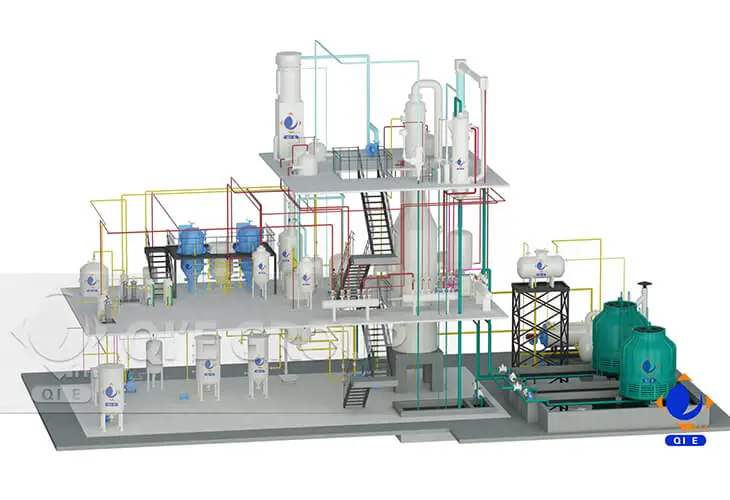
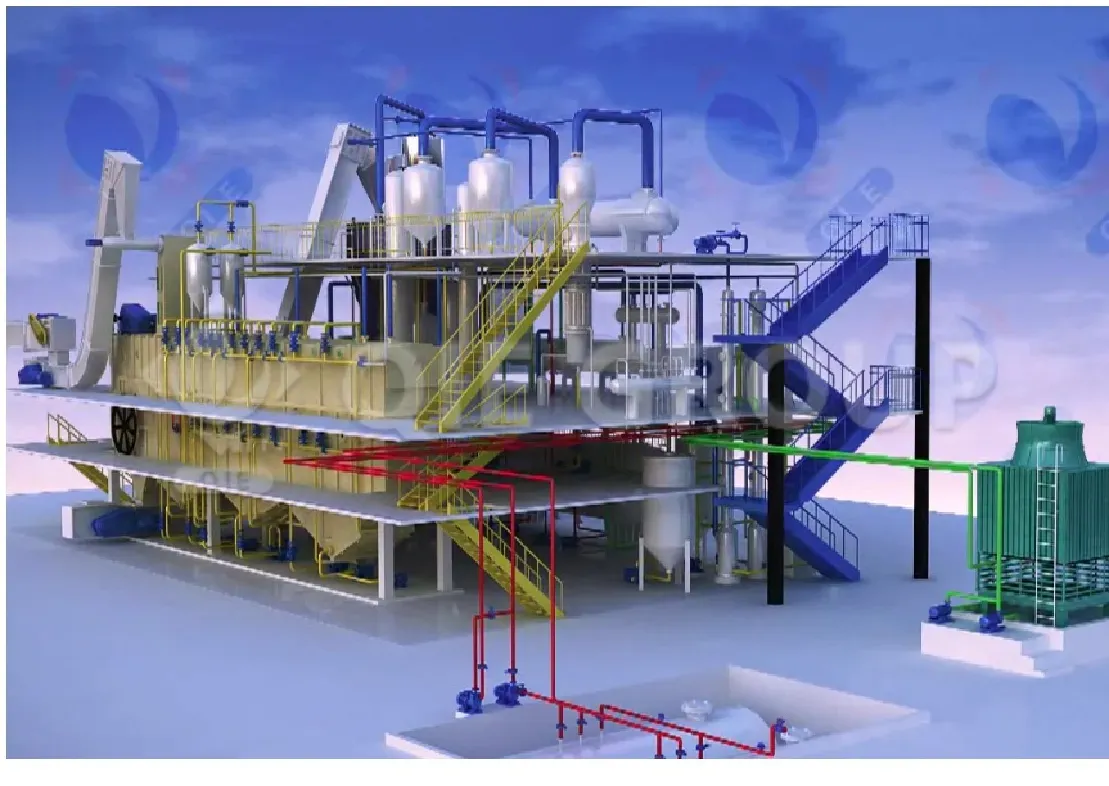
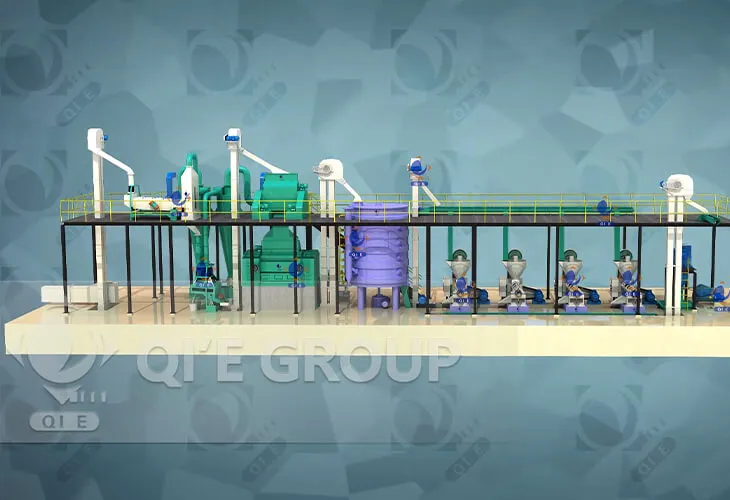
Soybean oil, as a globally important edible vegetable oil, directly impacts the health of end consumers and food processing performance. Through long-term research, the QIE Group's technical team has identified incomplete degumming, insufficient deacidification, and poor decolorization during soybean oil refining as the main bottlenecks leading to darker crude oil color, noticeable off-odors, and insufficient storage stability. Based on the Chinese National Standard GB 1535-2018 "Refining of Edible Vegetable Oils" and multiple practical case studies, this article explains how to precisely improve oil quality through temperature control, additive optimization, and adsorbent selection, helping factories produce purer and more stable soybean oil products.
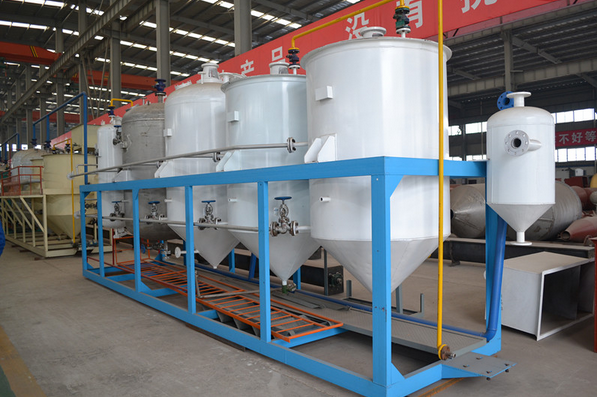
In soybean oil, neutralization and deacidification are crucial steps in removing free fatty acids. QIE Group's core technology demonstrates that maintaining a stable neutralization temperature of around 75℃ maximizes the reaction efficiency between the alkali solution and free fatty acids, preventing incomplete deacidification due to excessively low temperatures and oil deterioration caused by excessively high temperatures. Experiments have shown that at 75℃, the deacidification rate can reach over 90%, effectively reducing the oleic acid value to below 0.3 mg KOH/g, meeting the food safety requirements of GB 1535 standards.
Emulsification can lead to incomplete degumming, thus affecting the effectiveness of subsequent decolorization and deodorization processes. Adding an appropriate amount of phosphoric acid (concentration controlled between 0.1% and 0.2%) can neutralize the acidic groups of phospholipids, disrupt the stable structure of the oil-water interface, and prevent emulsification. Data from the QIE Group plant indicates that before and after adding phosphoric acid, the sludge removal rate increased by 15%, the dewatering effect was more significant, the residual gum content in the oil was reduced, and subsequent processing steps were effectively optimized.
Decolorization is the core process for removing pigments and odor molecules. QIE Group recommends selecting an appropriate ratio of bleaching clay and activated carbon based on the color depth and impurity characteristics of the crude oil. Generally, the amount of bleaching clay should be controlled at 2%~3%, and the amount of activated carbon at 0.1%~0.3%. A reasonable adsorbent ratio can increase the pigment removal rate to over 85% while reducing oil loss. Practice shows that the optimal decolorization temperature is 90℃~100℃, and the vacuum degree should be controlled between 50~70 mbar, which can effectively prevent oil oxidation and maintain stable decolorization results.
Traditional decolorization processes suffer from low adsorption efficiency and excessive pigment residue. The improved solution achieves clearer color, reduced odor, and extends the shelf life of oil products by more than 3 months, meeting the increasingly stringent market demand for high-quality edible oils.
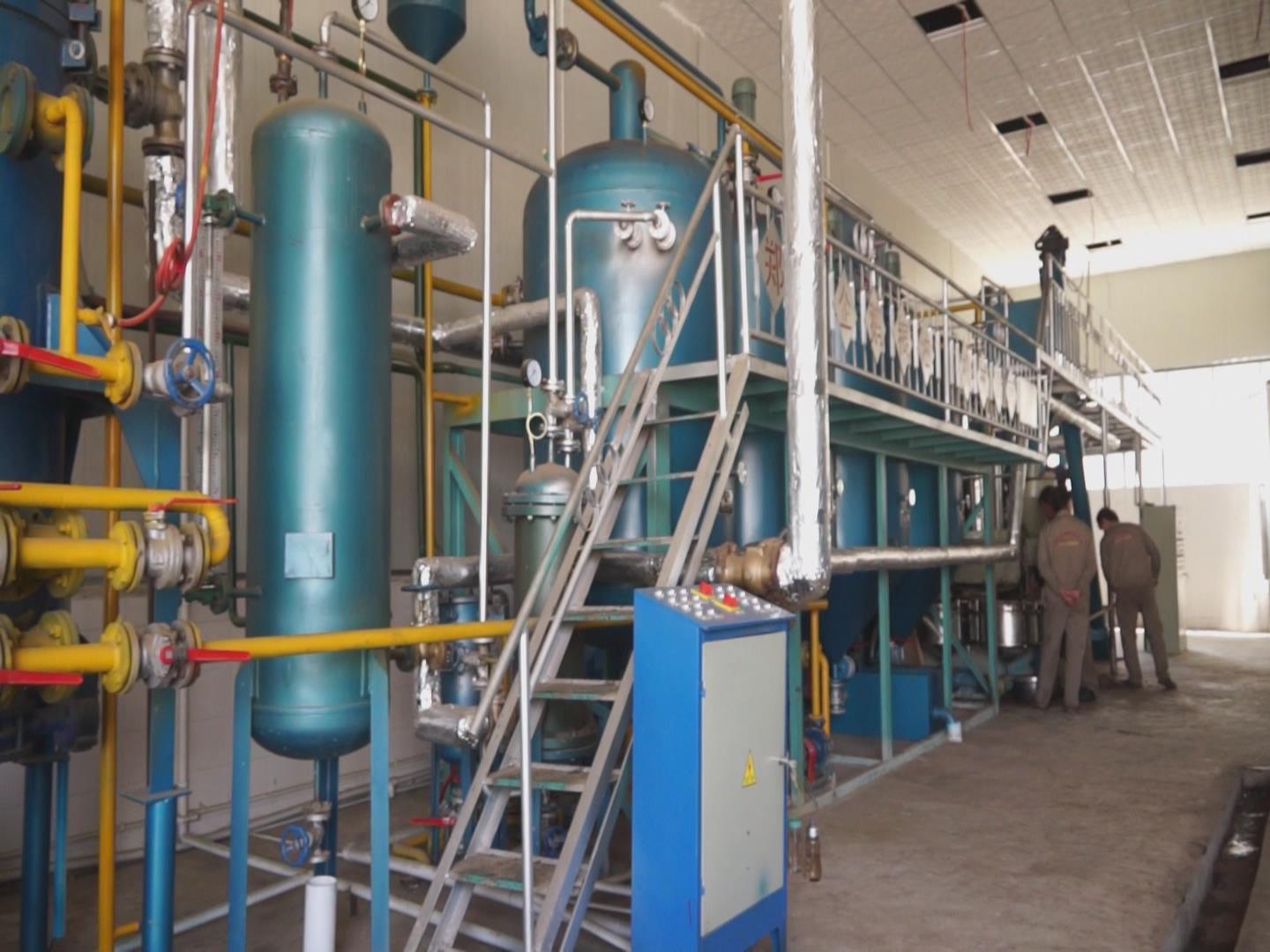
Refined soybean oil is prone to rancidity and discoloration if improperly stored, affecting its final quality. Based on GB 1535 standards, QIE Group recommends maintaining a low-temperature, light-protected storage environment, with the storage temperature kept around 15°C, and avoiding prolonged contact with air. It is particularly emphasized that the lower the residual phospholipids and pigments in the oil, the higher its storage stability. Through optimized refining throughout the entire process, the peroxide value (PV) of the oil can be significantly reduced to below 2 meq/kg, extending shelf life by at least 50%.
If you answer "yes" to multiple questions, it means your process is relatively mature. If you answer "no", it is recommended that you combine it with QIE Group's professional solutions for improvement and upgrading.
 Rice bran oil degreasing and dewaxing
 production line
Rice bran oil degreasing and dewaxing machine
Edible Oil Factory
Frequently Asked Questions about Edible Oil Factories
Multi-oil pressing equipment
Oil pressing equipment
Edible oil production equipment
Oil pressing equipment selection
Leaching equipment
Crude oil refining
Edible oil refining production line
Soybean oil extraction process
Soybean oil extraction machine
Oil extraction process
Rice bran oil degreasing and dewaxing
Rice bran oil degreasing and dewaxing production line
Rice bran oil degreasing and dewaxing machine
Edible Oil Factory
Frequently Asked Questions about Edible Oil Factories
Multi-oil pressing equipment
Oil pressing equipment
Edible oil production equipment
Oil pressing equipment selection
Leaching equipment
Crude oil refining
Edible oil refining production line
Soybean oil extraction process
Soybean oil extraction machine
Oil extraction process





.png?x-oss-process=image/resize,h_100,m_lfit/format,webp)
.png?x-oss-process=image/resize,h_100,m_lfit/format,webp)
.png?x-oss-process=image/resize,h_100,m_lfit/format,webp)