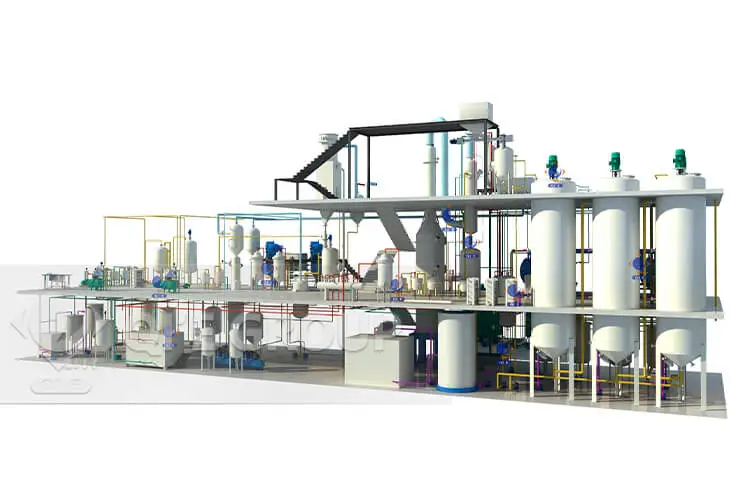
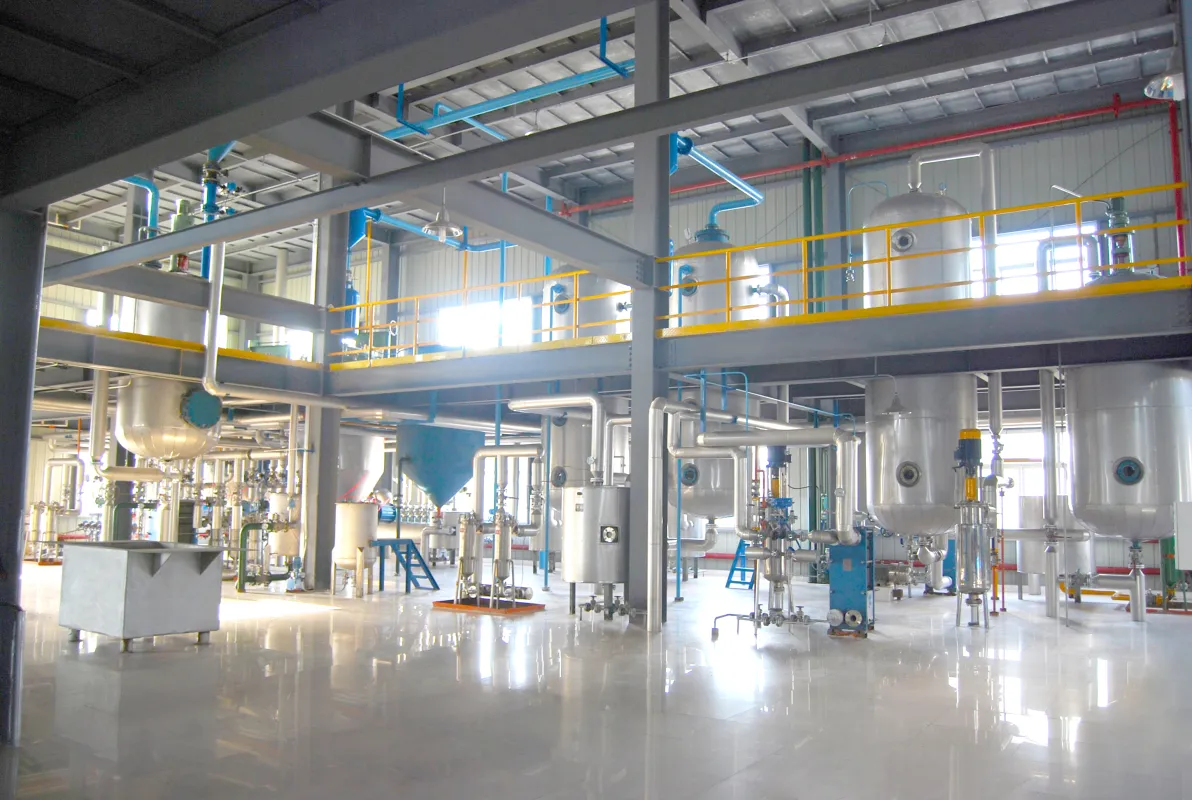
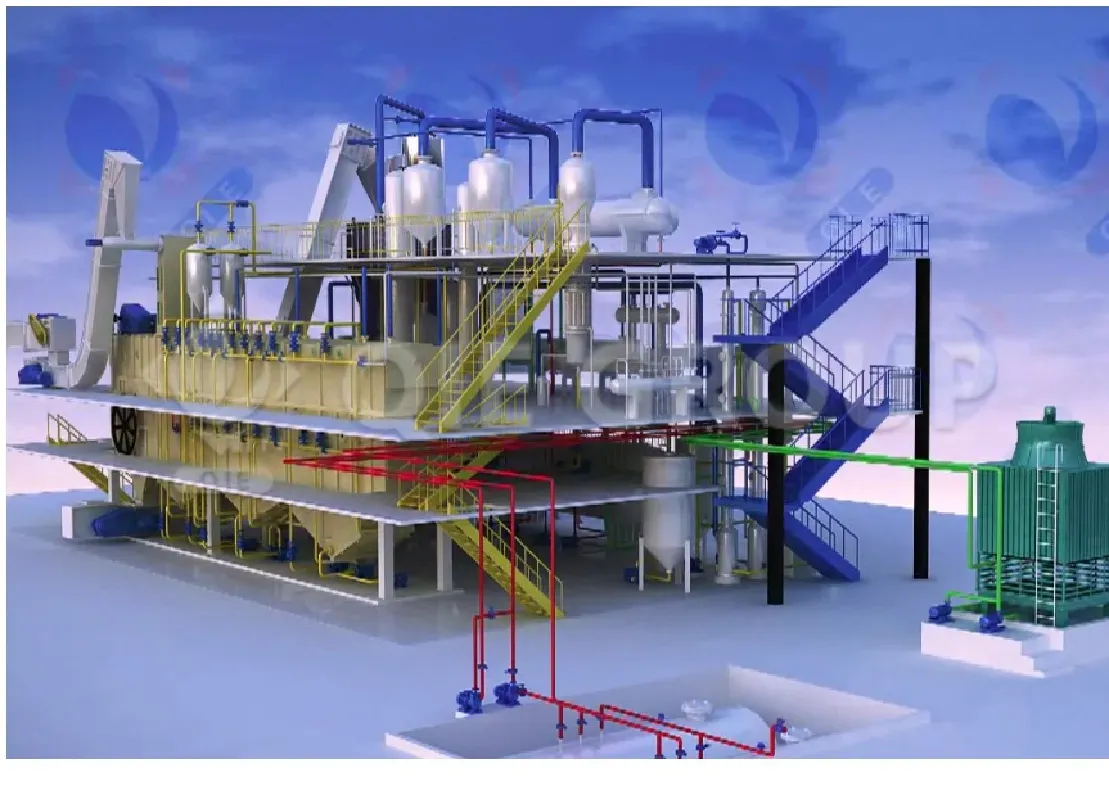
As a mainstay product in the edible oil market, soybean oil's quality control during the refining process is particularly crucial. Excessively dark color and off-odors are major issues affecting finished product quality and consumer acceptance. This article will analyze the causes and optimization measures of these problems from a rational technical perspective, combining real-world factory operation cases, focusing on four key stages: degumming, deacidification, decolorization, and deodorization. This aims to help oil producers improve their refining processes and enhance their product market competitiveness.
The dark color of crude oil is mainly affected by the quality of raw materials and preliminary processing techniques. Common causes include high levels of impurities and natural pigments in the raw materials, insufficient degumming, and improper use of activated carbon for decolorization.
| Process | Problem manifestation | Solution |
|---|---|---|
| Degumming stage | Incomplete emulsification of the gel resulted in a darker color. | Control the temperature at 60-70℃, extend the stirring time, and add an appropriate amount of acid to improve degumming efficiency. |
| Decolorizing activated carbon | Insufficient adsorption or overuse can lead to incomplete decolorization or oil adsorption. | Choose highly efficient adsorption materials, control the dosage to 0.3%-0.5%, and strictly control the adsorption time (generally 15-30 minutes). |
Refining degumming conditions to avoid colloidal residue is the first step in preventing crude oil from turning black. Furthermore, precise selection and control of decolorizing agents have a significant effect on removing pigments and oligomers.
The off-odor of soybean oil mainly originates from the release of free fatty acids, oxidation products, and volatile substances that are not completely removed. The off-odor is particularly noticeable when the free fatty acid (FFA) content exceeds 0.5%, and the oil's storage stability decreases. The deacidification and deodorization steps specifically address this challenge.
Deacidification control: Reasonably control the alkali refining reaction conditions, separate soap stalks in a timely manner, and keep the free fatty acid content below 0.3%. It is recommended to control the temperature at 70-80℃ and adjust the pH range to 7-8 to ensure that the reaction is sufficient but not over-saponified, and reduce the quality fluctuations caused by the return of soap stalks to oil.
Deodorization process: High vacuum conditions (2-5 mbar) and high-temperature steam injection are used, with the temperature generally controlled within the range of 200-230℃, to remove volatile odor substances such as free fatty acids and aldehydes. A sufficient steam soaping process is included to ensure that odor substances are efficiently removed, improving the sensory quality of the oil.
The oxidative stability of oils is directly related to their color, aroma, and flavor. In industry standards (such as GB/T International Standard for Oils and Fats), peroxide value (POV) and acid value (AV) are key indicators. It is recommended to strictly control storage temperature and humidity, avoid high temperatures and strong light exposure, and choose food-grade packaging that is opaque and does not easily allow oxygen to permeate.
Actual factory trials show that adding appropriate amounts of natural antioxidants such as tocopherol (vitamin E, 50-100 ppm) can effectively improve end-storage stability, reduce peroxide value, and extend shelf life.

In accordance with the Chinese national standard GB 15680-2009 "Technical Specifications for Refining Edible Vegetable Oils" and the international Codex Alimentarius standard, the production operation should strictly monitor the key points of refining and implement process quality tracking.
It is recommended that production line managers conduct regular self-inspections, including but not limited to:
These measures can effectively reduce the quality decline caused by over-processing, making the finished oil products more stable and in line with market demand.
 螺旋榨油机维护
螺旋榨油机故障排除
植物油加工设备保养
榨油机维修技巧
设备使用寿命延长
sunflower seed oil extraction equipment troubleshooting
oil separation optimization
sunflower seed oil production capacity improvement
equipment maintenance tips
production safety management
Rice bran oil processing
Oil processing efficiency improvement
Rice bran oil processing technology
Horizontal rotary extractor
Rice bran oil solution
Rice bran oil
螺旋榨油机选型
植物油加工设备
榨油机出油率
连续式压榨设备
油脂加工技术
螺旋榨油机维护
螺旋榨油机故障排除
植物油加工设备保养
榨油机维修技巧
设备使用寿命延长
sunflower seed oil extraction equipment troubleshooting
oil separation optimization
sunflower seed oil production capacity improvement
equipment maintenance tips
production safety management
Rice bran oil processing
Oil processing efficiency improvement
Rice bran oil processing technology
Horizontal rotary extractor
Rice bran oil solution
Rice bran oil
螺旋榨油机选型
植物油加工设备
榨油机出油率
连续式压榨设备
油脂加工技术





.png?x-oss-process=image/resize,h_100,m_lfit/format,webp)
.png?x-oss-process=image/resize,h_100,m_lfit/format,webp)
.png?x-oss-process=image/resize,h_100,m_lfit/format,webp)