.png?x-oss-process=image/resize,h_100,m_lfit/format,webp)
.png?x-oss-process=image/resize,h_100,m_lfit/format,webp)
.png?x-oss-process=image/resize,h_100,m_lfit/format,webp)
For global soybean processors—from the vast fields of Brazil to the industrial hubs in Uzbekistan—the choice of a production line is no longer just about crushing seeds. In today's market, the competitive edge lies in Total Oil Recovery and the Versatility of the Soybean Meal (SBM).
1. Precision Pre-treatment: Engineering the Grain Structure
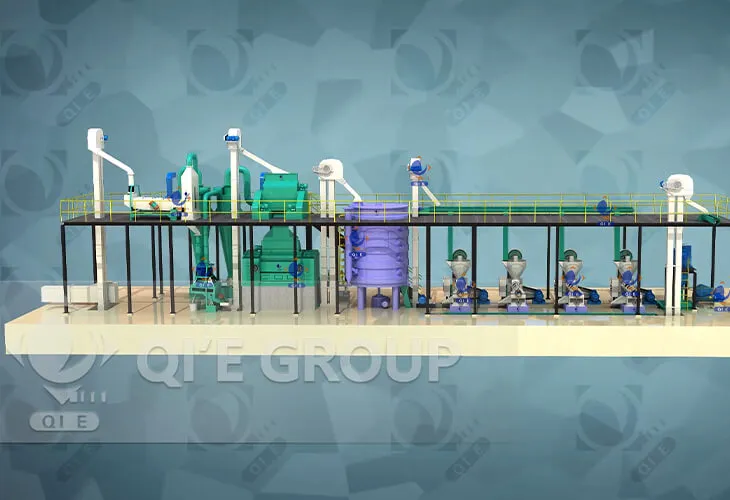
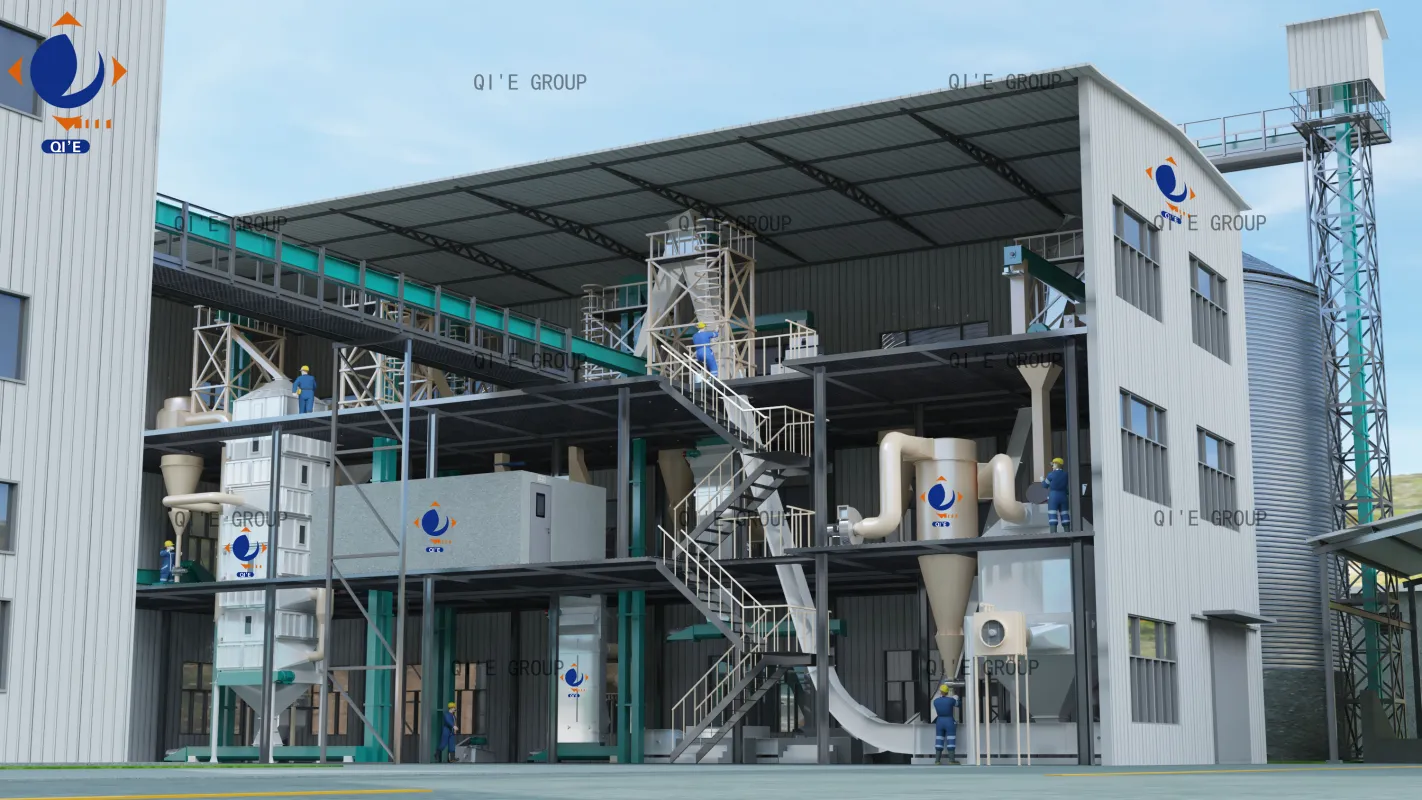
Pre-treatment is not merely a preparatory step; it is where the physical properties of the soybean are engineered for maximum solvent accessibility. Efficient Dehulling is critical—it increases protein concentration in the meal from 44% to 48%, significantly boosting market value.
Flaking vs. Expansion (Extrusion)
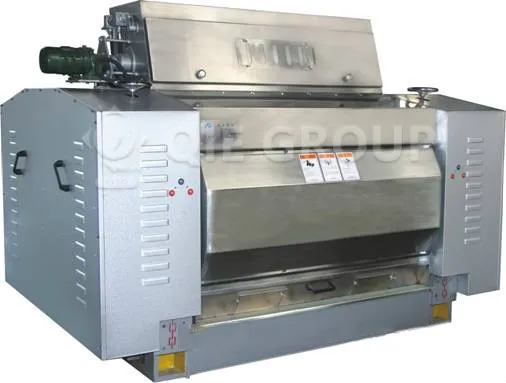
- The Flaking Path (Low-Temperature): Using precision Flaking Mills to create uniform flakes (≤0.3mm). This preserves the Protein Dispersibility Index (PDI), essential for food-grade soy protein production.
- The Expansion Path (High-Efficiency): Utilizing an Expander to create porous collets. This increases surface area and oil mill throughput, making it ideal for large-scale industrial Oil Extraction.
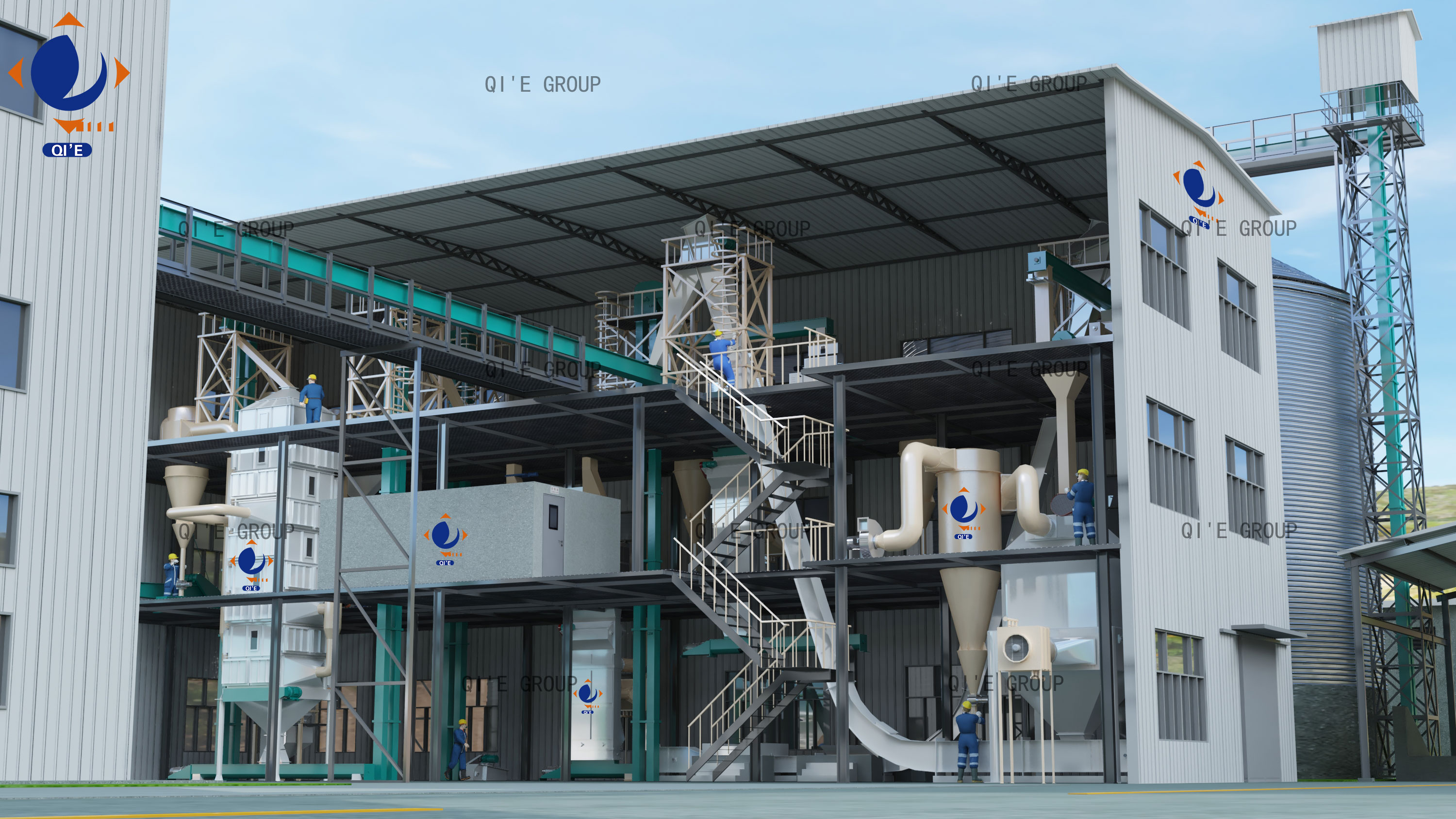
2. Advanced Solvent Extraction: Achieving the Zero-Residual Goal
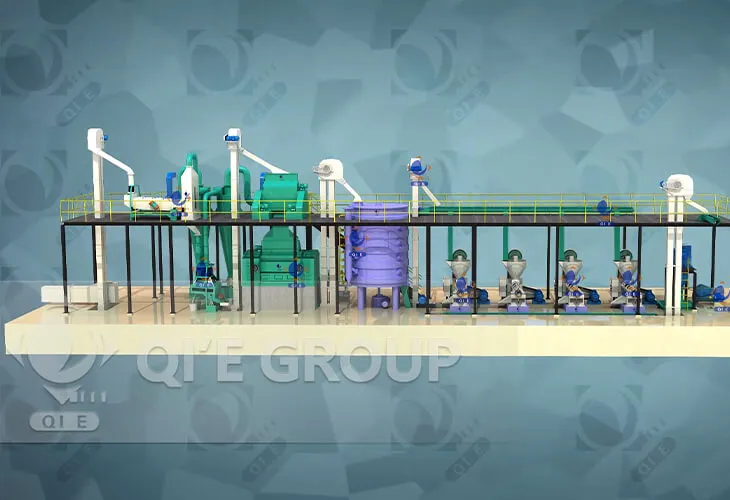
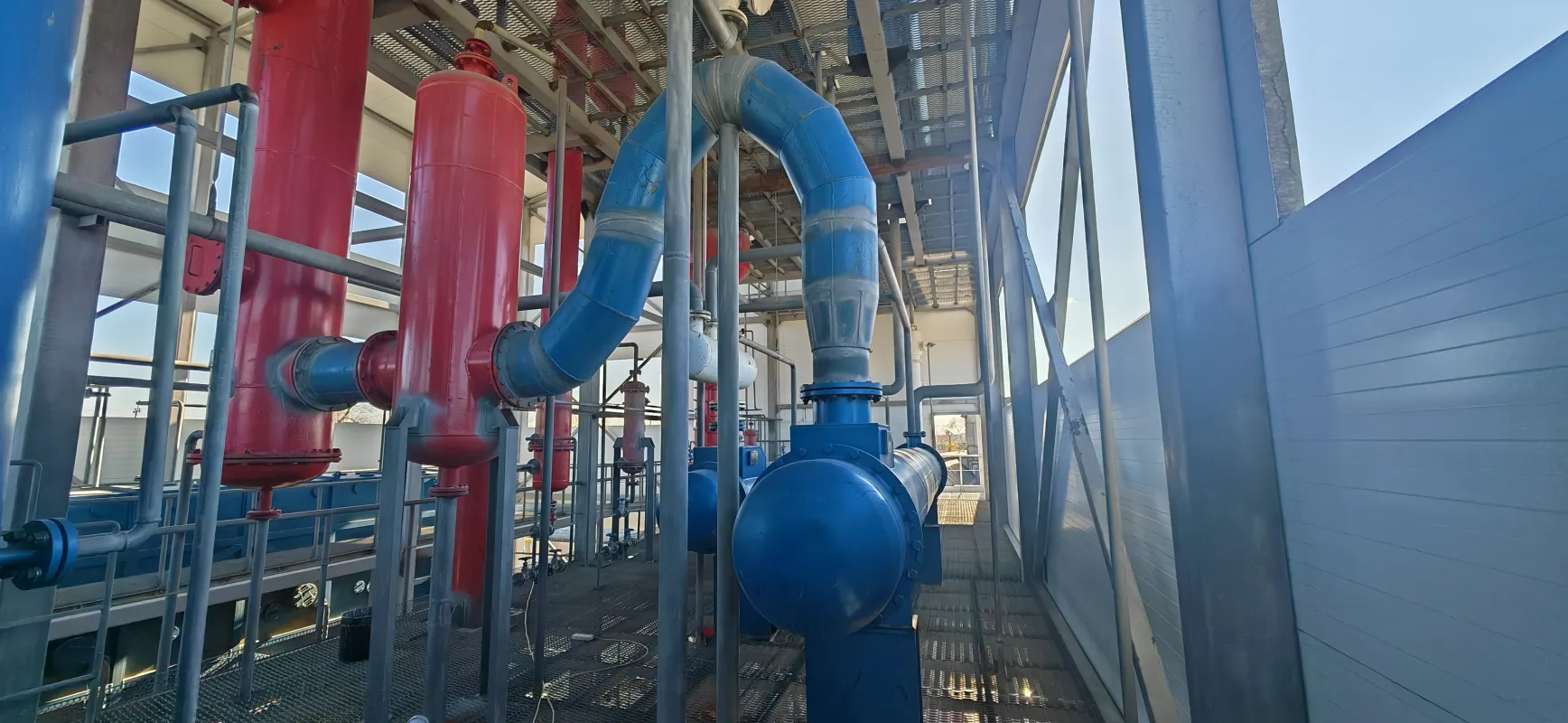
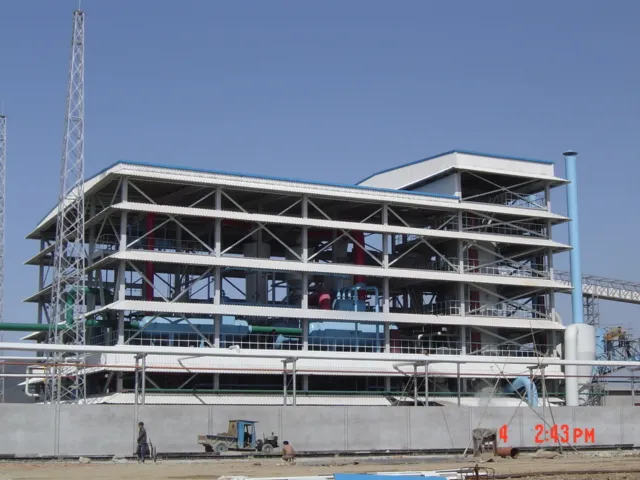
The heart of the plant is the Extraction System. Our designs prioritize a closed-loop environment to ensure safety and minimize hexane loss.
Technical Performance Benchmarks:
| Residual Oil Rate | ≤ 0.5% (Professional Industry Standard) |
| Solvent Consumption | ≈ 1.5 kg per ton of raw material |
| Solvent Recovery Rate | ≥ 99.9% (Cryogenic Tail-gas Recovery) |
The choice between Flash Desolventizing (preserving protein activity) and DTDC Desolventizing (neutralizing anti-nutritional factors for animal feed) allows processors to target different premium markets.
3. Continuous Oil Refining: From Crude to Premium Edible Oil
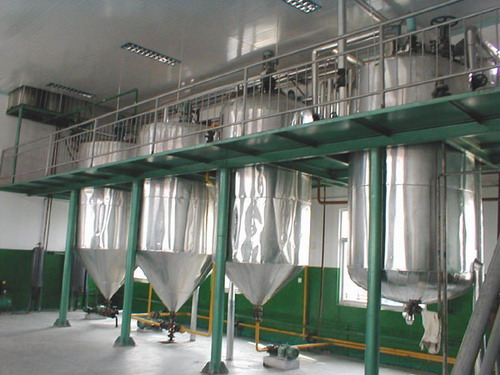
Our Continuous Refining Line transforms crude soy oil into a stable, crystal-clear product through a fully automated four-stage process:
- Centrifugal Degumming: Removal of phospholipids using high-speed separators to prevent oil darkening.
- Physical Deacidification: Modern stripping towers remove Free Fatty Acids (FFA) under high vacuum, reducing oil loss compared to chemical methods.
- Vacuum Bleaching: Active clay adsorption removes pigments and trace metal ions for superior stability.
- Multi-Stage Deodorization: Removing volatile odors at 1-2mmHg vacuum, ensuring a high smoke point and neutral flavor profile.
Professional FAQ for Soybean Processors
Q1: How to choose between Low-Temperature and High-Temperature extraction?
A: It depends on your meal market. Low-Temperature Flash Desolventizing is essential if you plan to produce soy protein isolates or food-grade flour. High-Temperature DTDC is the standard for high-quality animal feed (Soybean Meal), as it effectively destroys trypsin inhibitors.
Q2: What causes high solvent consumption in extraction plants?
A: Common culprits include inefficient tail-gas condensation and poor negative pressure control. Our systems utilize Mineral Oil Absorption and Cryogenic Condensing to keep solvent loss below 1.5kg/ton.
Q3: Why is physical refining preferred for large-scale Soybean oil plants?
A: Physical refining (steam stripping) avoids the production of soap-stock and significantly reduces neutral oil loss. It is more environmentally friendly and cost-effective for oils with consistent quality.
Q4: Can one plant process multiple types of oilseeds?
A: Yes. Our turnkey solutions are designed for versatility. By adjusting the pre-treatment parameters (cracking and conditioning), the same extraction line can efficiently process soybeans, sunflower seeds, and rapeseed.
Q5: What is the ROI timeframe for a 100 TPD Soybean oil plant?
A: While it varies by region, most of our clients in high-demand markets like Egypt and Nigeria achieve break-even within 12-18 months, thanks to the low residual oil rate (≤0.5%) and premium meal pricing.