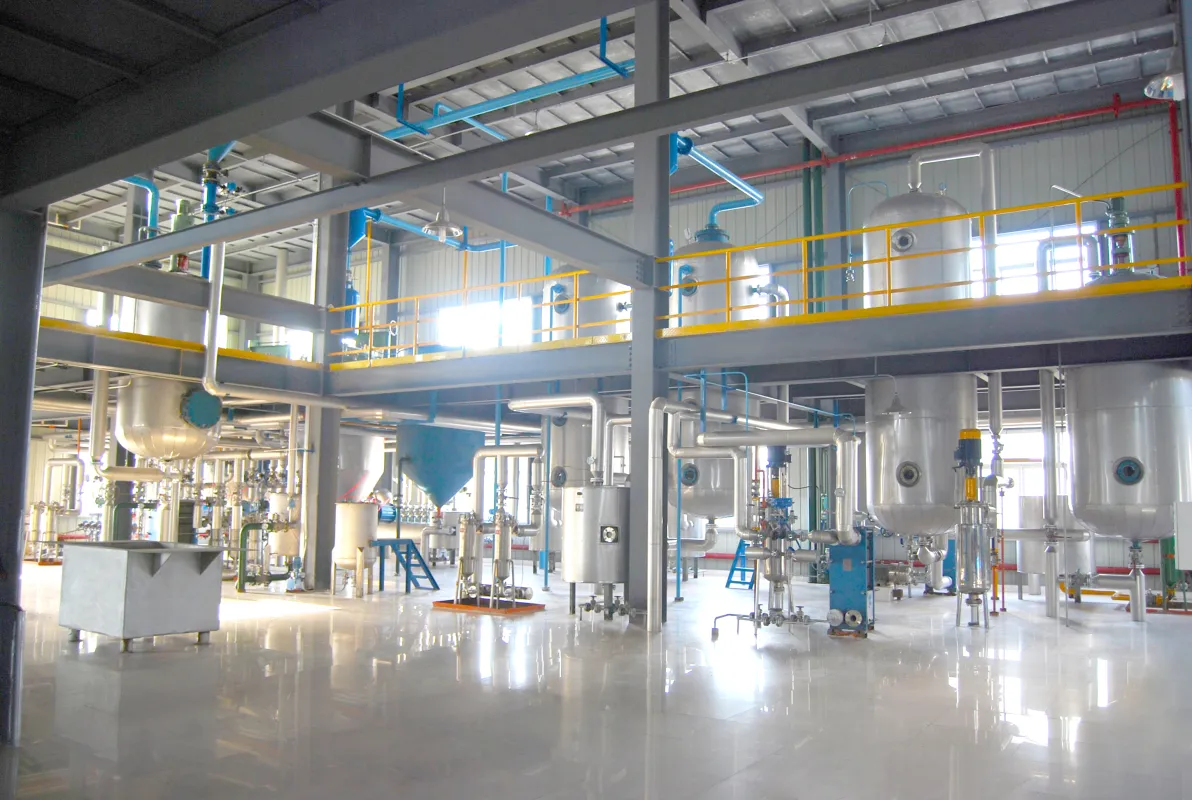
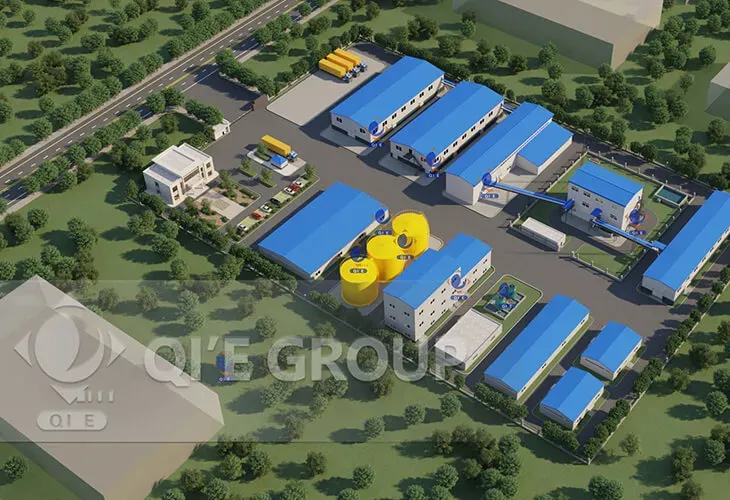
In the global edible oil market, sunflower oil stands out due to its high nutritional value and growing demand. However, for investors, the most critical question remains: What is the actual cost of setting up a production line? Based on our 40 years of engineering experience at QIE Group, the price of a turnkey sunflower oil plant is not a fixed number; it is a variable influenced by capacity, processing technology, and the final oil grade you aim to achieve.
Before discussing equipment costs, you must decide on the Dehulling (Shelling) process. Sunflower seeds consist of 30-40% hulls. If you choose a Non-shelling process, your initial investment will be lower, but the hulls will absorb some oil, reducing the overall yield. More importantly, the wax from the hulls will enter the crude oil, significantly increasing the burden and cost of the refining and dewaxing stages.
In contrast, the Shelling process (using professional dehullers and kernel-shell separators) ensures high-quality kernels. While it adds to the upfront cost, it produces high-protein sunflower meal (a valuable byproduct) and results in a lighter-colored crude oil. This "Shelling vs. Non-Shelling" decision is the first major factor that shifts your budget by 15-25%.
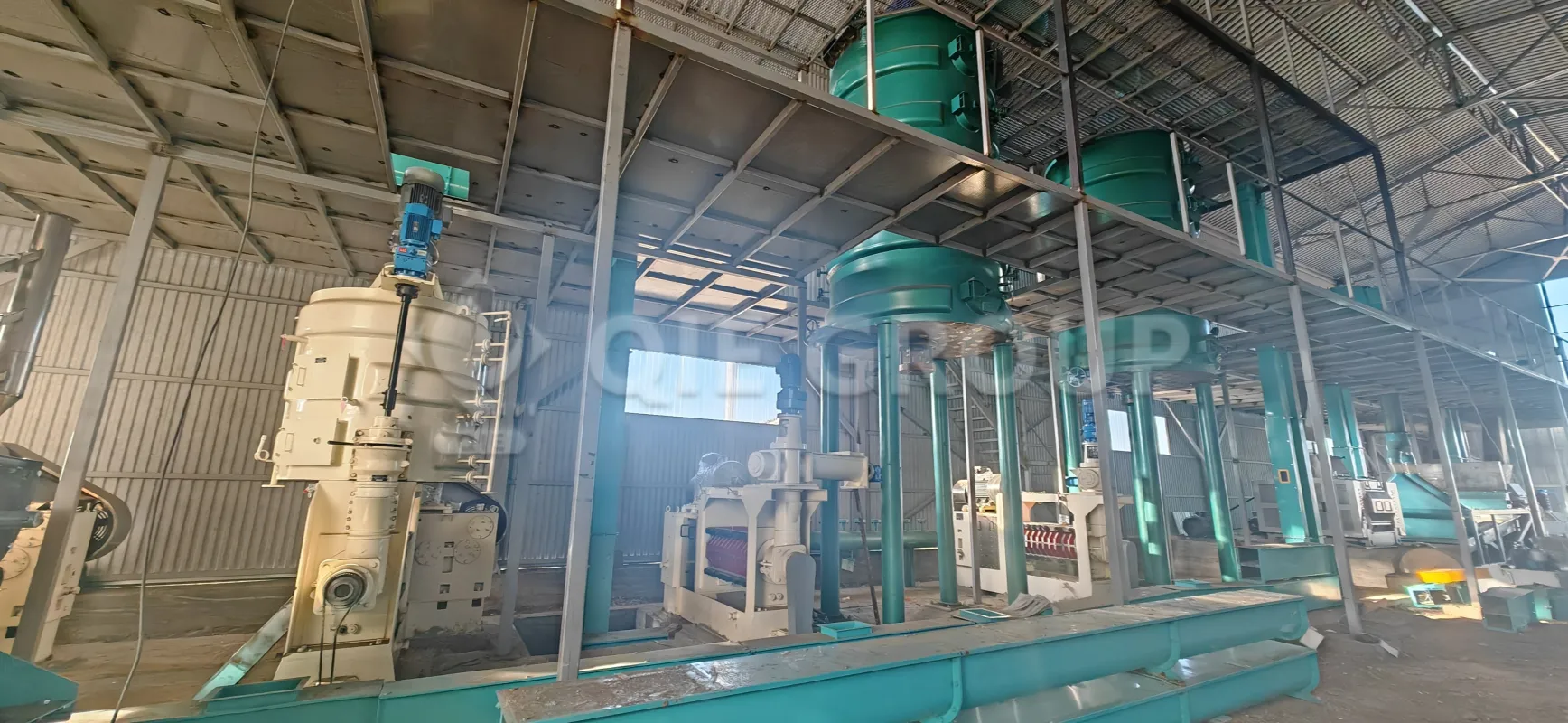
A 10-50 TPD turnkey sunflower oil plant is the ideal entry point for private investors or regional suppliers. At this scale, we typically recommend the Mechanical Pressing Route. The process involves cleaning, dehulling, crushing, and most importantly, Conditioning/Cooking.
Cooking is a vital "hidden" cost factor. By adjusting the moisture and temperature of the sunflower kernels, we ensure the proteins are properly denatured to prevent "slipping" in the press cage—a common technical failure in small-scale plants. For a 30 TPD line, using high-efficiency screw presses can maintain the residual oil in the cake at 5%-8%. This setup is compact and requires minimal civil engineering.
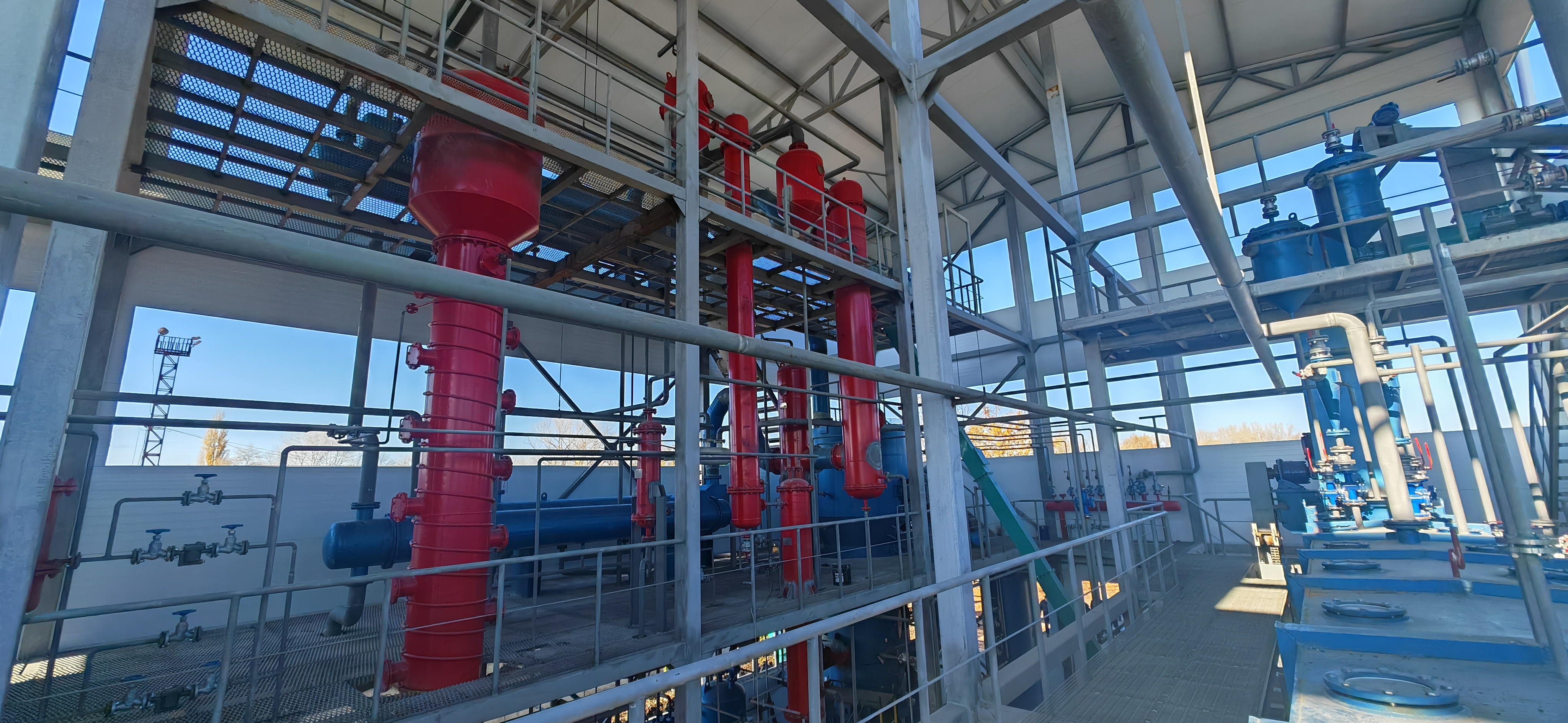
When your capacity reaches the 50-100 TPD range, relying solely on mechanical pressing becomes less economical. At this stage, we introduce the Solvent Extraction process.
This transition involves adding a "Pre-pressing + Extraction" system. The pre-press reduces the oil content to about 18%, and then the Rotocel or Loop-type Extractor uses n-hexane to extract the remaining oil. According to our technical standards, our extraction system achieves a residual oil rate of ≤ 0.5%. The investment at this level includes the DTDC desolventizer-toaster and a multi-stage evaporation system, ensuring a solvent recovery rate of ≥ 99.5%.
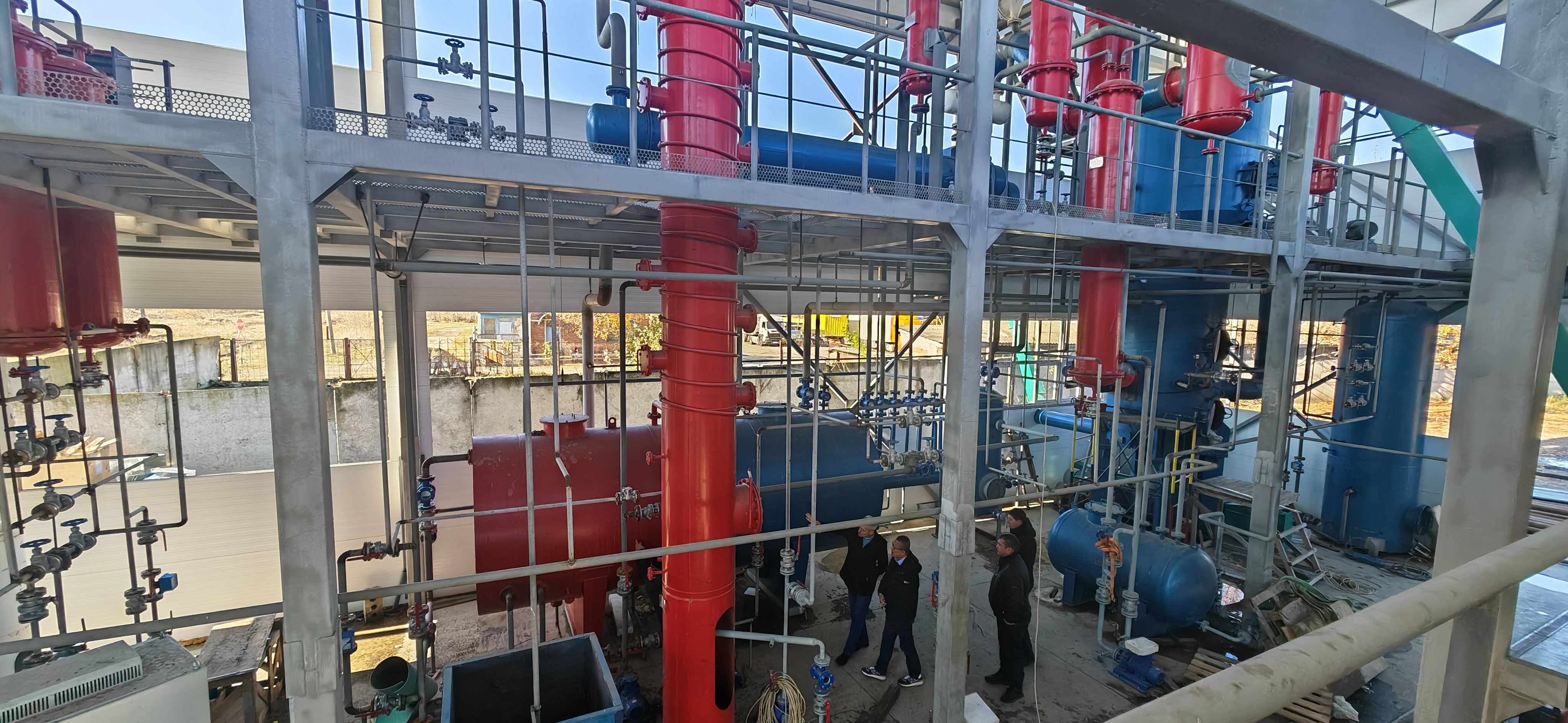
A 100-200 TPD turnkey sunflower oil plant represents a full-scale industrial operation requiring Continuous Refining. For sunflower oil, the Dewaxing (Winterization) section is non-negotiable at this scale. Since sunflower oil contains natural waxes, the oil will become cloudy at low temperatures without dewaxing. Our 200 TPD solutions utilize precise cooling crystals and plate-and-frame filters to remove these waxes, ensuring the oil remains crystal clear on supermarket shelves.
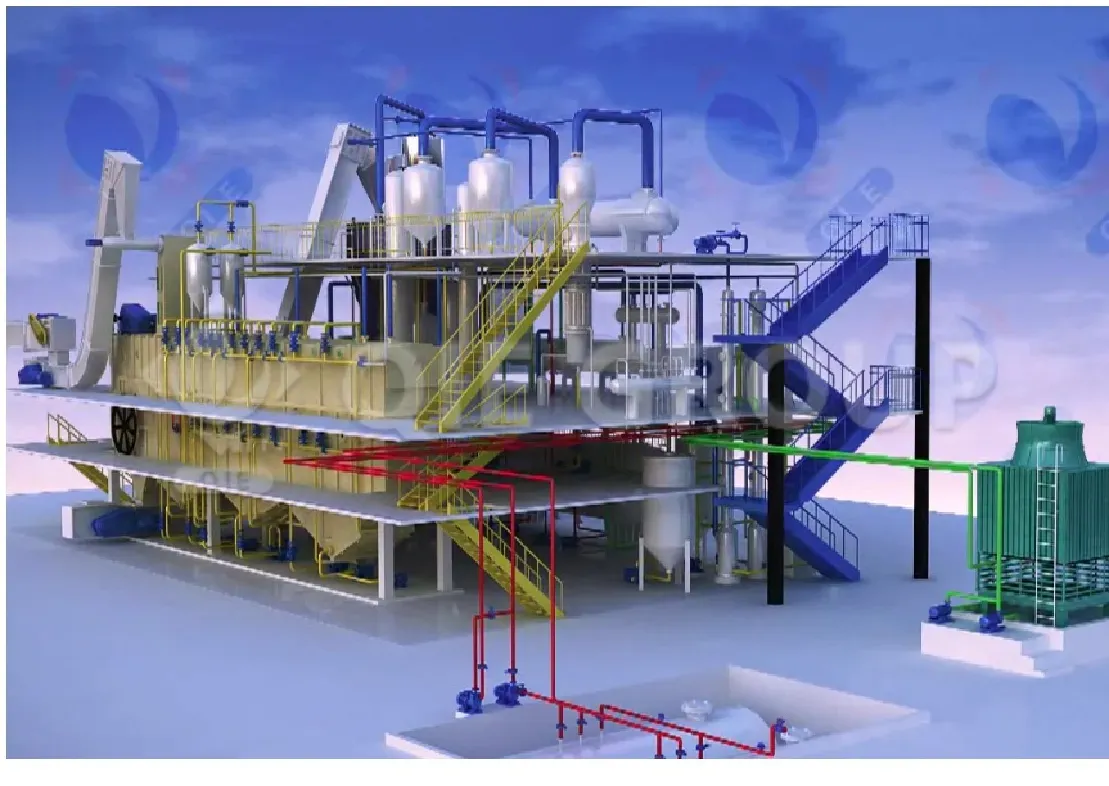
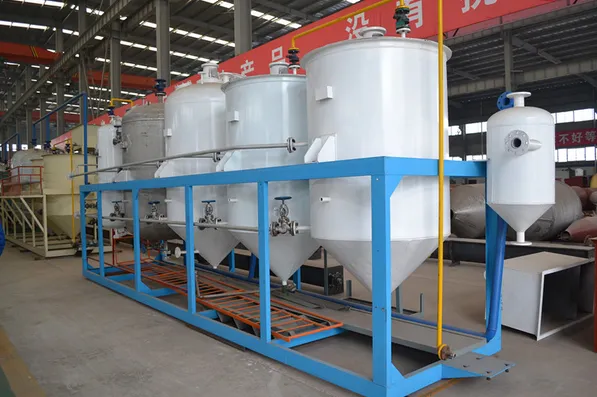
Choosing a turnkey provider like QIE Group means you are buying a guaranteed result. Our service covers everything from initial workshop floor plans and 3D design to manufacturing and on-site installation. We focus on Energy Optimization, often reducing steam and electricity consumption by 10-15% compared to standard lines, providing you with a truly sustainable sunflower oil business.
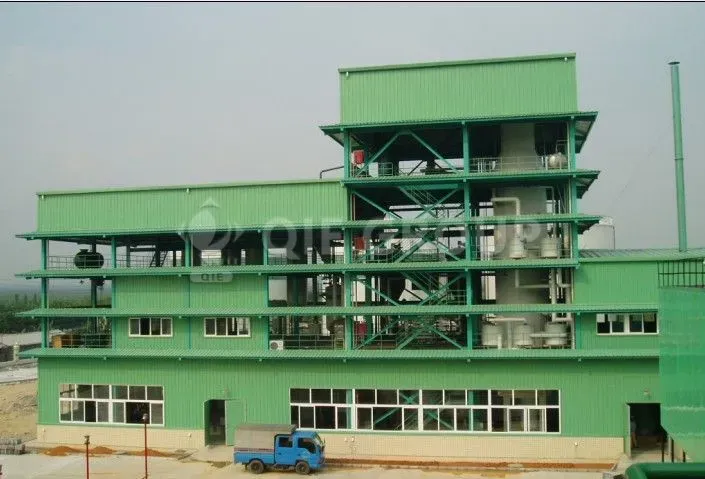
A: A standard 100 TPD turnkey line (Pre-treatment + Extraction + Refining) typically requires a workshop area of approximately 1,500 to 2,500 square meters.
A: Yes. QIE Group’s turnkey design is flexible. By adjusting the pre-treatment settings, the line can be adapted for multi-seed processing.
A: It involves complex safety systems and solvent recovery technology. However, the high yield (99.5% extraction) usually pays for the investment within 1-2 years.
Consult with QIE Group engineers for a customized project proposal and quotation.
GET A CUSTOMIZED QUOTE معدات معالجة زيت الفول السوداني، آلات التحضير المسبق لزيت الفول السوداني، آلات عصر زيت الفول السوداني، معايير تركيب المعدات، اختيار خطوط إنتاج زيت الفول السوداني
مستخرج دوار
محلول زيت نخالة الأرز
زيت نخالة الأرز
دليل اختيار مكبس الزيت اللولبي
مكبس زيت ذو لولب واحد
مكبس زيت مزدوج اللولب
معدات عصر الزيوت الموصى بها للكميات الصغيرة
تكاليف صيانة مكبس الزيت
مستخرج الحلقات
خطة تحسين كفاءة استخراج النفط
تقنية الترشيح الحلقي
تكلفة مصنع صغير لمعالجة زبدة الشيا
طرق الاستخلاص الميكانيكية والتقليدية لزبدة الشيا
سعر خط إنتاج زبدة الشيا الأوتوماتيكي بالكامل
سعر خط إنتاج معالجة زبدة الشيا
معدات معالجة زيت الفول السوداني، آلات التحضير المسبق لزيت الفول السوداني، آلات عصر زيت الفول السوداني، معايير تركيب المعدات، اختيار خطوط إنتاج زيت الفول السوداني
مستخرج دوار
محلول زيت نخالة الأرز
زيت نخالة الأرز
دليل اختيار مكبس الزيت اللولبي
مكبس زيت ذو لولب واحد
مكبس زيت مزدوج اللولب
معدات عصر الزيوت الموصى بها للكميات الصغيرة
تكاليف صيانة مكبس الزيت
مستخرج الحلقات
خطة تحسين كفاءة استخراج النفط
تقنية الترشيح الحلقي
تكلفة مصنع صغير لمعالجة زبدة الشيا
طرق الاستخلاص الميكانيكية والتقليدية لزبدة الشيا
سعر خط إنتاج زبدة الشيا الأوتوماتيكي بالكامل
سعر خط إنتاج معالجة زبدة الشيا

.jpg?x-oss-process=image/resize,h_800,m_lfit/format,webp)





.png?x-oss-process=image/resize,h_100,m_lfit/format,webp)
.png?x-oss-process=image/resize,h_100,m_lfit/format,webp)
.png?x-oss-process=image/resize,h_100,m_lfit/format,webp)