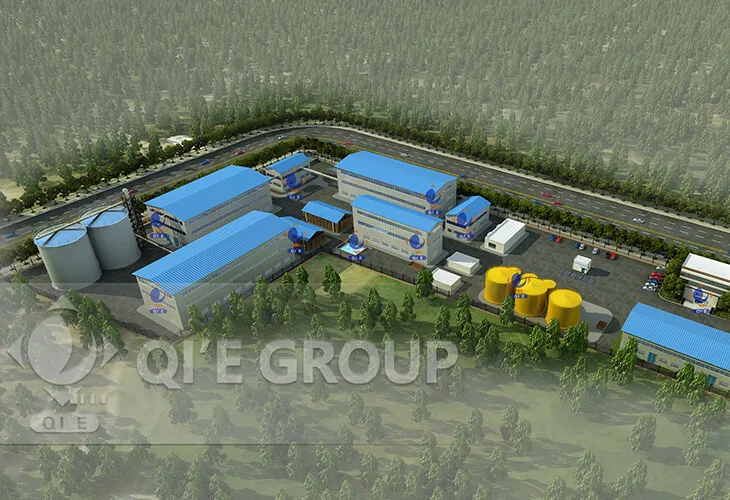
Kazakhstan has become one of the most attractive locations in Central Asia for sunflower oil processing investments. The country benefits from a growing sunflower seed production base, expanding domestic crushing capacity, and strategic access to export markets including China, Uzbekistan, Kyrgyzstan, Tajikistan, and Afghanistan.
For investors evaluating a sunflower oil plant Kazakhstan project, profitability is primarily influenced by feedstock availability, plant utilization, oil yield efficiency, and market access rather than equipment cost alone. While sunflower oil processing plant cost remains an important consideration, long-term performance depends more on securing a stable raw material supply and maintaining efficient operations.
Based on industry feasibility benchmarks from international agribusiness development institutions, well-managed oilseed processing projects often target a payback period of approximately 4–8 years, although actual returns vary according to market conditions, financing structure, and operational efficiency.
Kazakhstan is increasingly recognized as a regional hub for oilseed processing. Over the past decade, sunflower cultivation has expanded steadily due to growing farmer participation, crop diversification strategies, and government support for value-added agricultural industries.
Several factors make Kazakhstan attractive for investment:
Sunflower is one of the country's most important oilseed crops. Major production regions include:
These regions provide the primary raw material supply for domestic crushing facilities.
Kazakhstan is positioned between several growing edible oil markets. Processors can access:
This geographic advantage supports both domestic sales and export-oriented business models.
Government policies increasingly encourage domestic processing rather than exporting raw agricultural commodities. This trend continues to support investments in sunflower oil manufacturing and oilseed processing infrastructure.

The country's sunflower sector is entering a new development phase.
While sunflower seed production continues to grow, crushing capacity has expanded rapidly in recent years. As a result, competition among processors for raw materials is becoming more important than plant size alone.
For investors, this means that feedstock security is increasingly becoming a critical success factor.
Successful projects typically prioritize:
Plants that secure reliable seed supplies generally achieve stronger operating performance than facilities that focus solely on production capacity expansion.
Sunflower seeds typically represent the largest operating expense in an oil processing facility.
In many projects, raw materials account for approximately 70–85% of total operating costs.
Effective procurement strategies may include:
Sunflower seeds generally contain between 38% and 50% oil depending on variety and quality.
Higher oil recovery rates can significantly improve plant economics by increasing output from the same quantity of raw material.
Fixed costs are spread across production volume.
Facilities operating near designed capacity typically achieve:
Sunflower meal is an important secondary product used in livestock feed.
Revenue generated from meal sales can improve overall project economics and partially offset fluctuations in edible oil prices.
Kazakhstan's large geographic area means transportation costs can have a significant impact on profitability.
Plants located near major sunflower-producing regions generally benefit from:
The total sunflower oil processing plant cost depends on several project-specific factors, including capacity, automation level, storage requirements, and infrastructure scope.
Typical investment categories include:
Many investors underestimate the importance of working capital. Raw material procurement often requires substantial seasonal funding, particularly during harvest periods.
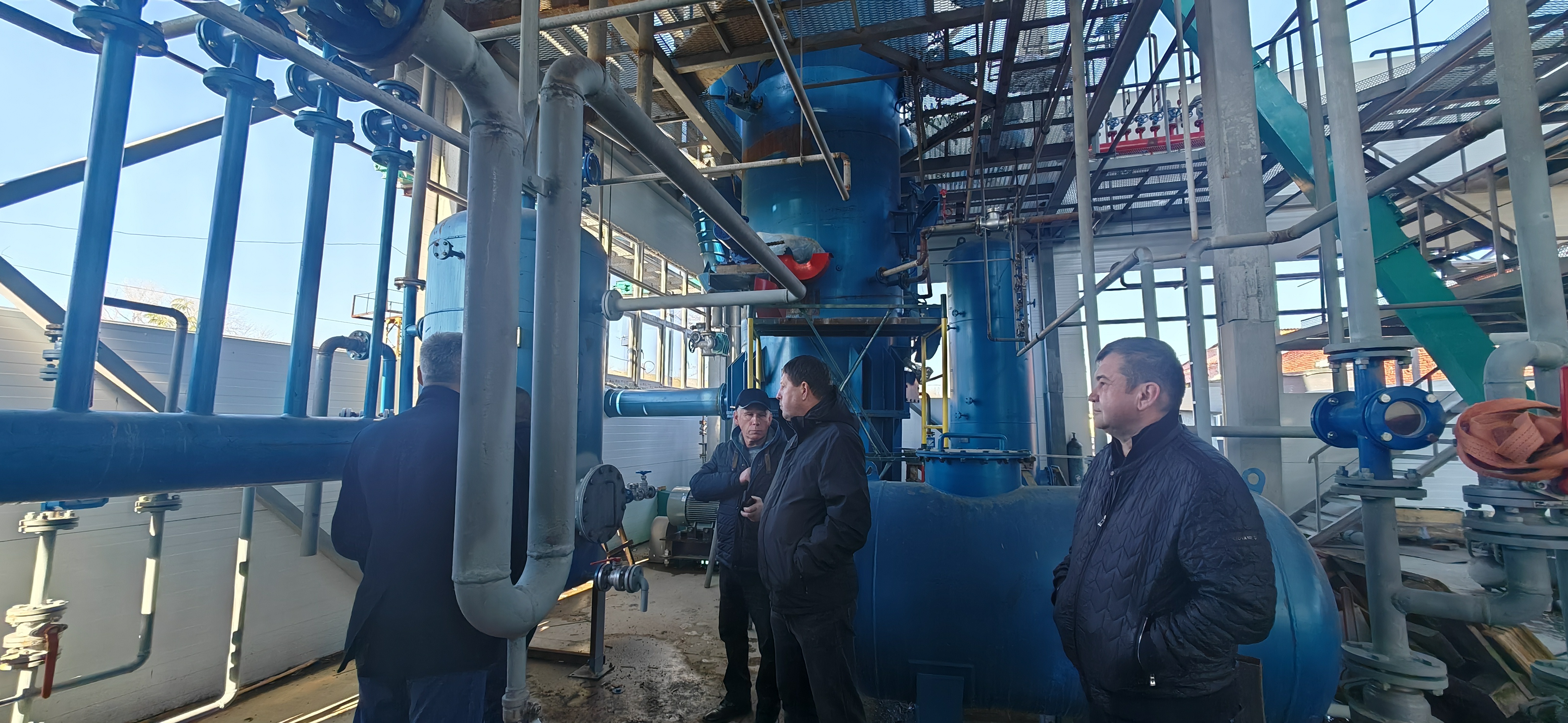
The following example provides a simplified illustration of a medium-scale sunflower oil processing project.
| Item | Value |
|---|---|
| Plant Capacity | 100 Tons/Day |
| Operating Days | 330 Days |
| Annual Seed Input | 33,000 Tons |
| Average Oil Yield | 42% |
| Annual Oil Output | 13,860 Tons |
| Annual Meal Output | 17,820 Tons |
| Estimated Capital Investment | USD 4–8 Million* |
| Typical Gross Margin Range | 8%–18% |
| Target Payback Period | 4–8 Years |
*Actual investment varies significantly depending on technology selection, local construction costs, automation level, storage requirements, and project scope.
Investment returns may improve when:
Conversely, weak raw material supply chains or prolonged underutilization can significantly extend payback periods.
Advantages:
Advantages:
Advantages:
Advantages:
Location selection often has a greater impact on project economics than minor differences in processing technology.
Increasing Competition for Sunflower Seeds
As processing capacity expands, competition for feedstock may intensify in certain regions.
Weather-Related Production Volatility
Agricultural yields remain sensitive to climate conditions, which can affect raw material availability and procurement costs.
Vegetable Oil Price Fluctuations
Global edible oil markets can experience significant price volatility, affecting processor margins.
Logistics Challenges
Long transportation distances may increase costs if plant location and procurement strategies are not carefully planned.

Experience from oilseed processing projects across Central Asia indicates that successful investments are typically built on strong feedstock strategies rather than equipment capacity alone.
Projects that establish procurement agreements, storage infrastructure, and reliable supply networks during the planning stage often achieve more stable operating performance than projects focused primarily on maximizing production capacity.
For most investors, securing raw material supply should be one of the first priorities during project development.
Kazakhstan offers favorable conditions for sunflower oil processing investment due to its expanding sunflower production, strategic export position, and growing domestic processing industry.
However, the success of a sunflower oil plant Kazakhstan project depends less on plant size and more on operational fundamentals, including feedstock security, capacity utilization, oil yield efficiency, and market access.
Investors considering a new facility should evaluate not only the sunflower oil processing plant cost, but also long-term raw material sourcing, logistics infrastructure, and sales channels before finalizing project design.
Is Kazakhstan a good location for a sunflower oil plant?
Yes. Kazakhstan has a growing sunflower seed production base, expanding processing infrastructure, and access to major export markets in Central Asia and China.
How much does a sunflower oil processing plant cost?
The investment depends on capacity, automation level, storage systems, utilities, and project scope. Costs can vary significantly between small, medium, and large-scale facilities.
What is the typical payback period for a sunflower oil plant?
Many well-managed oilseed processing projects target a payback period of approximately 4–8 years, depending on market conditions, utilization rates, and operational efficiency.
Which region is best for sunflower oil processing in Kazakhstan?
East Kazakhstan and Abai Region are generally considered among the strongest locations due to their established sunflower production base and feedstock availability.
What factors have the greatest impact on project profitability?
The most important factors include:
Is sunflower meal an important source of revenue?
Yes. Sunflower meal is widely used in livestock feed and can provide a significant secondary revenue stream that improves overall project economics.
Should investors focus more on equipment or feedstock supply?
In most cases, feedstock security has a greater impact on long-term profitability than equipment configuration. Reliable raw material sourcing is often the foundation of a successful oilseed processing project.
Planning a sunflower oil mill project in Kazakhstan? Get professional configuration engineering support, custom ROI analysis, and high-efficiency crushing line designs tailored to your capacity goals.
Get Free Project Consultation 10-50 TPD Turnkey Sunflower Oil Plant
50-100td Turnkey Sunflower Oil Plant
100-200td Turnkey Sunflower Oil Plant
2026 Corn Germ Oil Production Line
2026 Complete Set of Corn Germ Production Line Machinery
2026 Corn Germ Production Line Price
2026 Complete Set of Corn Germ Production Line Machinery Configuration List
Shea butter extraction process steps
Manufacturer of fully automatic shea butter production equipment
Industrialized shea butter processing plant
Soybean Solvent Extraction Plant
Soybean oil solvent extraction plant cost and ROI
Small scale soybean oil extraction machine for beginners
Top-rated soybean solvent extraction equipment manufacturers
Edible Oil Extraction Lines
2026 Machinery for 10–100 t/h Edible Oil Extraction Lines
2026 Machinery and Pricing for 10–100 t/h Edible Oil Extraction Lines
2026 Pricing for 10–100 t/h Edible Oil Extraction Lines
Machinery and Pricing for 10–100 t/h Edible Oil Extraction Lines
10-50 TPD Turnkey Sunflower Oil Plant
50-100td Turnkey Sunflower Oil Plant
100-200td Turnkey Sunflower Oil Plant
2026 Corn Germ Oil Production Line
2026 Complete Set of Corn Germ Production Line Machinery
2026 Corn Germ Production Line Price
2026 Complete Set of Corn Germ Production Line Machinery Configuration List
Shea butter extraction process steps
Manufacturer of fully automatic shea butter production equipment
Industrialized shea butter processing plant
Soybean Solvent Extraction Plant
Soybean oil solvent extraction plant cost and ROI
Small scale soybean oil extraction machine for beginners
Top-rated soybean solvent extraction equipment manufacturers
Edible Oil Extraction Lines
2026 Machinery for 10–100 t/h Edible Oil Extraction Lines
2026 Machinery and Pricing for 10–100 t/h Edible Oil Extraction Lines
2026 Pricing for 10–100 t/h Edible Oil Extraction Lines
Machinery and Pricing for 10–100 t/h Edible Oil Extraction Lines





.png?x-oss-process=image/resize,h_100,m_lfit/format,webp)
.png?x-oss-process=image/resize,h_100,m_lfit/format,webp)
.png?x-oss-process=image/resize,h_100,m_lfit/format,webp)