Mechanical pressing is generally better for sunflower oil plants that prioritize process simplicity, lower system complexity, and no solvent handling. Solvent extraction is more suitable when higher oil recovery and lower residual oil in meal are the main priorities. For large sunflower oil plants, pre-pressing followed by solvent extraction is often worth evaluating because mechanical pressing removes a large portion of the oil first, while solvent extraction recovers additional oil remaining in the press cake.
The better option depends on plant capacity, sunflower seed characteristics, target oil recovery, residual oil requirements, meal requirements, utilities, safety, and total processing economics. The key question is not simply which process produces more oil, but whether the additional oil recovered justifies the added investment and operating complexity.
| Factor | Mechanical Pressing | Solvent Extraction |
|---|---|---|
| Oil separation | Mechanical pressure | Oil is dissolved and recovered with solvent |
| Oil recovery | Lower than solvent extraction | Higher |
| Residual oil in meal | Relatively higher | Much lower |
| Process complexity | Lower | Higher |
| Solvent system | Not required | Required |
| Safety requirements | Simpler | More stringent |
| Main equipment | Seed preparation and screw presses | Extraction, solvent recovery and desolventizing systems |
| Typical application | Simple and small-to-medium-scale plants | Large-scale plants requiring high oil recovery |
The main difference is what happens to the oil that remains in the solid material after mechanical separation. Mechanical pressing leaves more residual oil in press cake, while solvent extraction can recover a larger proportion of this remaining oil.
AOCS technical references report that full mechanical pressing can achieve approximately 90% or more oil recovery, with typical residual oil in press cake around 5–8%. Under suitable operating conditions, solvent extraction can reduce residual oil in extracted solids to approximately 0.5%. Actual results depend on seed characteristics, preparation conditions, equipment design, and operating parameters.
These three terms describe different aspects of sunflower Oil Extraction.
Oil content refers to the amount of oil naturally present in the sunflower seed. It is a characteristic of the raw material.
Oil recovery describes how much of the available oil is recovered as crude oil during processing.
Residual oil refers to the oil remaining in the press cake or final meal after oil separation.
For example, a sunflower seed with a relatively high oil content provides more oil that can potentially be recovered. However, the actual recovered amount depends on the effectiveness of seed preparation, pressing, extraction, and downstream separation.
This distinction is important when comparing mechanical pressing with solvent extraction. A process may produce acceptable crude oil output while still leaving a significant amount of oil in the solid fraction.
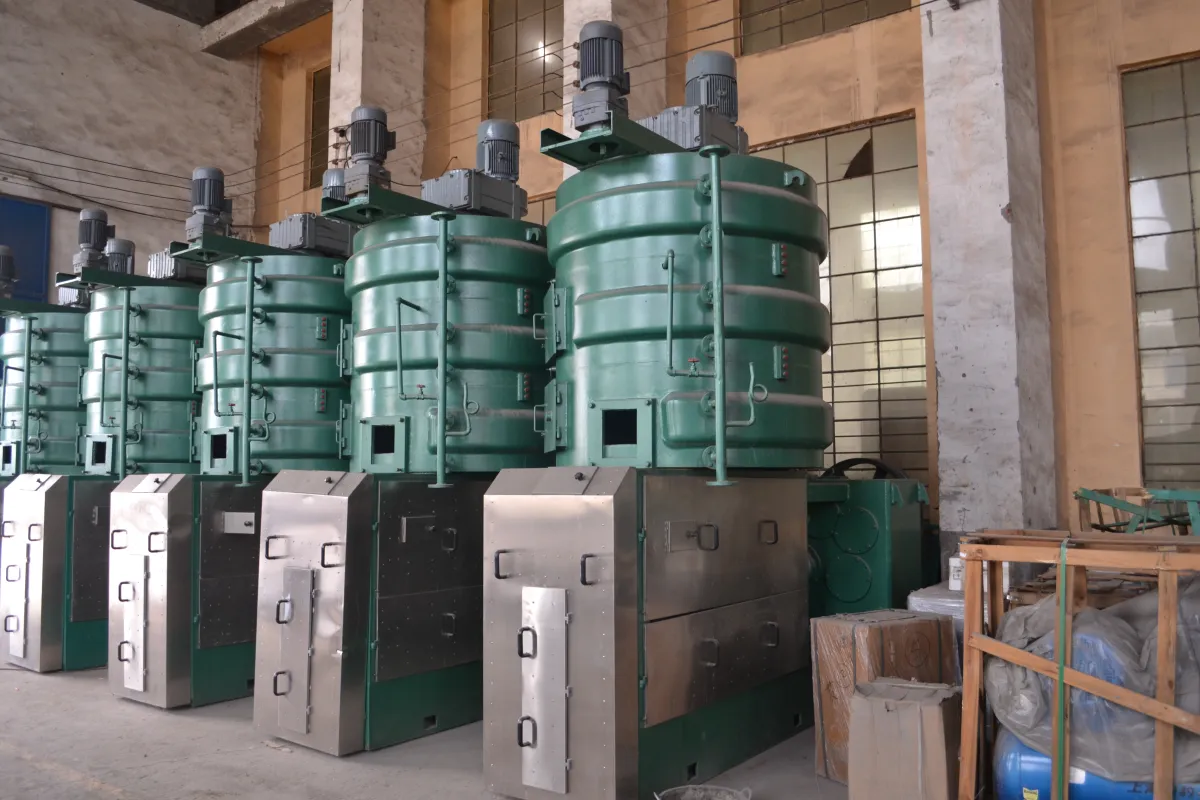
Mechanical pressing separates oil by applying pressure to prepared and conditioned sunflower seeds through a screw press.
The process normally relies on upstream seed preparation, conditioning, and mechanical oil separation. The resulting press cake contains a portion of the original oil.
Simpler process
A mechanical pressing line does not require an industrial solvent extraction section. The main process equipment focuses on seed preparation, conditioning, and mechanical oil separation.
No solvent handling
The plant does not require solvent storage, circulation, recovery, or solvent vapor control systems.
Lower process complexity
Compared with a complete solvent extraction plant, mechanical pressing requires fewer process sections and supporting systems.
Practical for simpler production systems
When the project can accept relatively higher residual oil in the press cake, mechanical pressing can provide a straightforward route to crude sunflower oil production.

Higher residual oil
Some oil remains in the press cake after mechanical separation. AOCS references indicate approximately 5–8% residual oil as a typical range for full pressing, although actual results vary with seed preparation, moisture, equipment, and operating conditions.
Lower overall oil recovery
Compared with solvent extraction, pressing alone leaves more oil in the solid material.
Mechanical load and wear
Increasing compression does not continuously improve oil recovery. Excessive mechanical pressure can increase equipment load and wear and may affect the structure of the press cake.
For this reason, the objective of a screw press should not simply be to remove as much oil as possible. The required press cake condition and the downstream process also need to be considered.
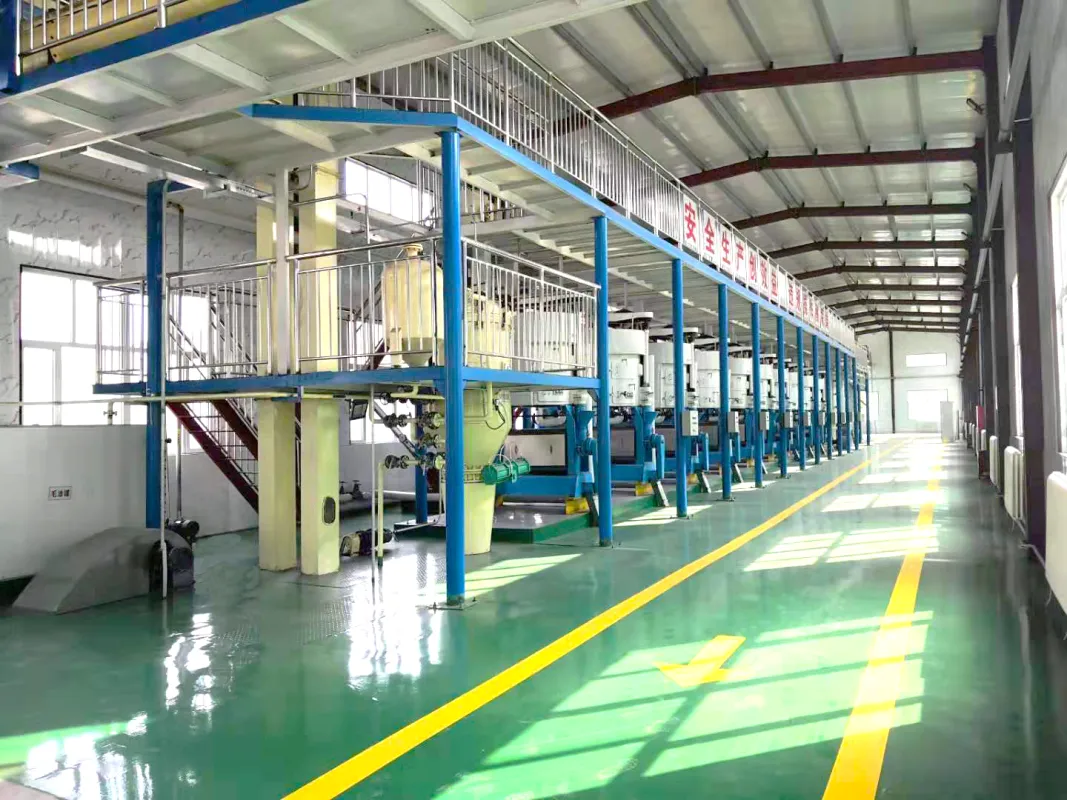
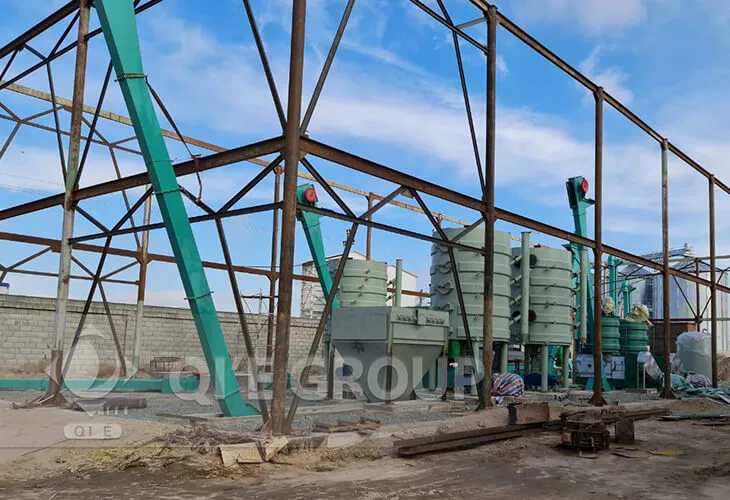
A 200 TPD oilseed processing project in Uzbekistan was designed for sunflower seed, cottonseed, and soybean pressing, with a 50 TPD edible oil refining section.
The production line includes seed cleaning, crushing, conditioning, and continuous screw pressing. The project also allows the pressed residue to enter further extraction when additional oil recovery is required.
This example demonstrates that mechanical pressing does not necessarily determine the entire downstream process. It can serve as the primary oil separation stage while leaving the option of further recovery from the press cake when project economics and oil recovery requirements justify it.

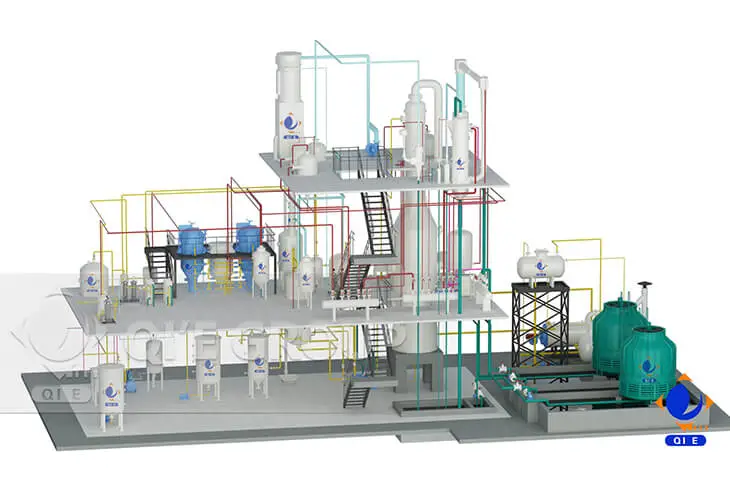
Solvent extraction recovers oil by bringing prepared solid material into contact with a solvent. The oil dissolves into the solvent, forming an oil-containing solution. The solvent is then separated and recovered, while the extracted meal passes through a desolventizing stage.
Higher overall oil recovery
Solvent extraction can recover oil remaining in prepared solid material after mechanical separation. Under suitable operating conditions, residual oil in extracted solids can be reduced to approximately 0.5%.
Lower residual oil in meal
Less oil leaves the plant with the final meal, which can increase the overall amount of oil recovered from the seed.
Suitable for high-throughput plants
For large sunflower oil plants, the value of additional oil recovery can become significant because even a relatively small reduction in residual oil represents a considerable quantity of recoverable oil when processing large volumes of seed.
More complex equipment
A solvent extraction plant requires extraction, miscella handling, solvent recovery, and meal desolventizing systems in addition to upstream seed preparation.
Higher safety requirements
Industrial solvent extraction requires controlled solvent circulation, vapor containment, equipment sealing, ventilation, and appropriate safety systems.
Additional utilities
Solvent recovery, distillation, and meal desolventizing require additional utilities. The project should therefore be evaluated based on the total utility requirement rather than the power consumption of an individual piece of equipment.
Full pressing and pre-pressing have different objectives.
| Process | Main objective | Typical role |
|---|---|---|
| Full pressing | Recover oil mechanically | Complete mechanical oil separation |
| Pre-pressing | Remove a large portion of oil mechanically | Prepare press cake for further extraction |
| Pre-pressing + solvent extraction | Combine mechanical and solvent separation | Increase overall oil recovery |
In full pressing, the process attempts to recover most of the practically separable oil through mechanical pressure. More oil remains in the press cake than in a solvent-extracted meal.
In pre-pressing, the screw press removes a substantial portion of the oil, while the press cake is intentionally maintained in a condition suitable for downstream solvent extraction.
Therefore, pre-pressing is not simply stronger pressing.
The structure and physical condition of the press cake are important. Excessive pressing can affect subsequent solvent penetration, while insufficient pressing may leave more oil in the cake than necessary.
When the two technologies are combined, the screw press and extraction system should therefore be designed as an integrated process.
For sunflower seeds, the process does not always have to be a choice between full mechanical pressing and solvent extraction.
A large commercial plant can use:
Seed preparation → Pre-pressing → Press cake preparation → Solvent extraction → Solvent recovery → Meal desolventizing
The two separation stages perform different functions:
This configuration can increase overall oil recovery without requiring the screw press to remove nearly all of the oil mechanically.
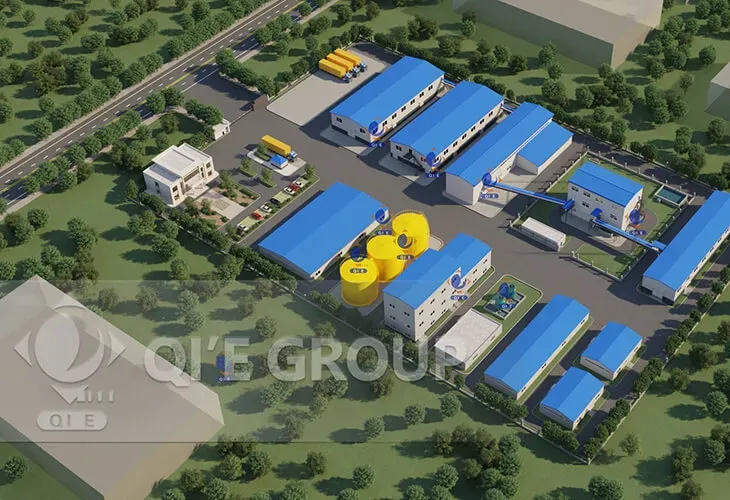
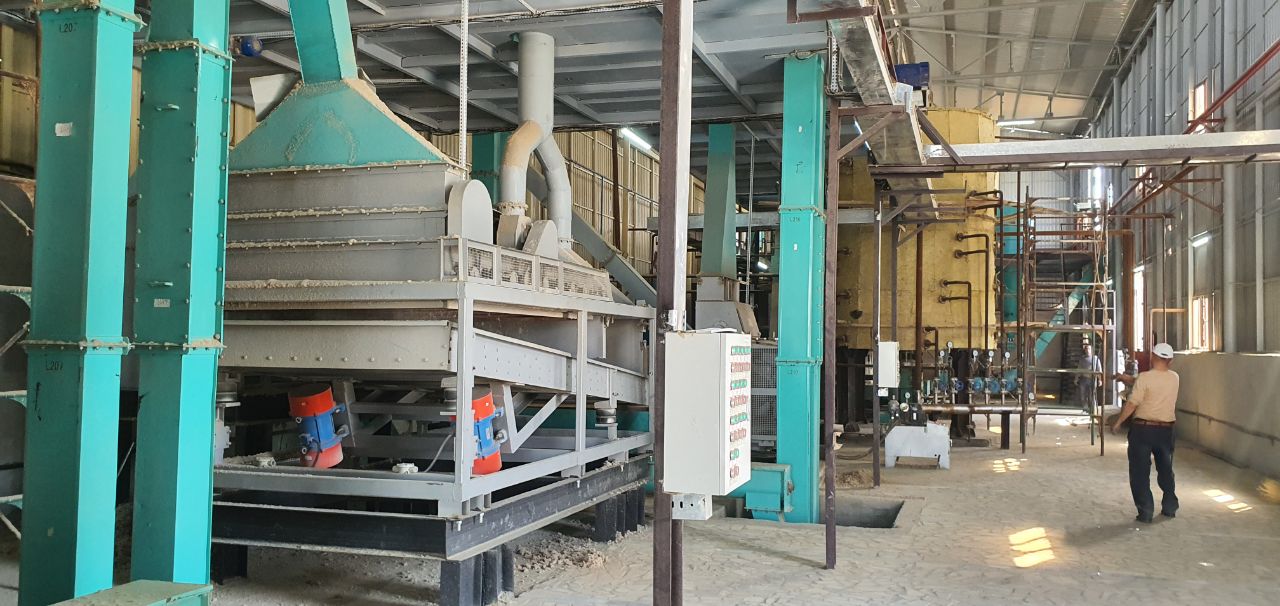
A 350 TPD sunflower and rapeseed extraction workshop in Ukraine uses a combined process involving seed screening, crushing, drying, pressing, and continuous solvent extraction.
The extraction system is supported by tail-gas recovery, a liquid-ring vacuum system, and multi-stage heat exchange.
The project illustrates the role of combining mechanical and solvent separation at larger processing capacities. Mechanical pressing removes a substantial portion of the oil first, while continuous solvent extraction recovers additional oil from the press cake.
The key point is not simply that the plant uses two technologies. The combined configuration allows each stage to perform a different separation function.

Sunflower seed characteristics should be evaluated before selecting the extraction route.
Important parameters include:
Sunflower seed oil content directly affects the quantity of oil that can potentially be recovered. However, oil content alone does not determine the best extraction technology.
The Uzbekistan project, for example, lists sunflower seed at approximately 40% oil content, compared with approximately 18–20% for soybean in the same project.
For higher-oil raw materials, the economic value of recovering residual oil from the press cake can become more important as processing capacity increases.
The equipment configuration should therefore be selected according to the actual raw-material specification rather than relying only on nominal equipment capacity.
Capacity is one of the first factors to evaluate.
A smaller plant may prioritize a simpler mechanical pressing system because the additional recovered oil from solvent extraction may not justify the extra investment and operating requirements.
At larger capacities, the value of recovering additional oil from the press cake becomes more significant.
Capacity should therefore be evaluated together with oil recovery and project economics.
The relevant question is not only:
How much oil does the press produce?
It is also:
How much oil remains in the final meal?
If minimizing oil losses is a major project objective, residual oil content becomes a critical design parameter.
Oil content, moisture, preparation quality, and physical properties influence both pressing and solvent extraction performance.
A process that performs well with one sunflower seed specification may require adjustment when moisture, oil content, or other raw-material conditions change.
The required residual oil and quality of the final meal should also be considered.
If the project places a high value on oil recovery from the meal, solvent extraction may provide an advantage over pressing alone.
Mechanical pressing requires fewer process systems.
Solvent extraction requires additional systems for solvent circulation, recovery, vapor control, and meal desolventizing.
The comparison should therefore include:
Higher oil recovery does not automatically mean solvent extraction is the better economic choice.
The project should compare the value of additional recovered oil with:
The economic balance can change significantly with plant capacity.

| Economic factor | Mechanical Pressing | Solvent Extraction |
|---|---|---|
| Initial investment | Generally lower | Generally higher |
| Process complexity | Lower | Higher |
| Utility requirements | Lower | Higher |
| Solvent system | Not required | Required |
| Oil recovery | Lower | Higher |
| Residual oil in meal | Higher | Lower |
| Safety system requirements | Simpler | More demanding |
| Suitable economic case | Simpler and smaller-scale projects | Large-scale projects with high recovery requirements |
The comparison should not be based only on equipment purchase price.
For a smaller plant, mechanical pressing may provide a better balance between investment, operating requirements, and oil recovery.
For a large plant, the additional oil recovered from the press cake can represent a significant quantity of saleable oil. In that situation, the additional investment and operating cost of solvent extraction may become economically justified.
| Project priority | Better choice | Main reason |
|---|---|---|
| Simpler process | Mechanical pressing | Lower process complexity |
| No solvent handling | Mechanical pressing | No solvent system required |
| Lower process complexity | Mechanical pressing | Fewer process sections |
| Moderate-scale production | Mechanical pressing can be practical | Simpler equipment configuration |
| Higher oil recovery | Solvent extraction | Lower residual oil in meal |
| Lower residual oil in meal | Solvent extraction | More oil can be recovered from solids |
| Large sunflower oil plant | Pre-pressing + solvent extraction | Combines mechanical and solvent separation |
| High throughput + high recovery | Pre-pressing + solvent extraction | Better suited to maximizing overall oil recovery |
| Maximum simplicity | Mechanical pressing | Fewer auxiliary systems |
| Maximum oil recovery | Solvent extraction or pre-pressing + extraction | Lower residual oil potential |
Choose mechanical pressing when simplicity, no-solvent operation, and a relatively straightforward production system are the main priorities.
Choose solvent extraction when maximum oil recovery and low residual oil in meal are more important than process simplicity.
Choose pre-pressing + solvent extraction when the plant requires high throughput and high overall oil recovery. This configuration allows mechanical pressing and solvent extraction to perform different separation functions rather than requiring one technology to recover all of the oil.
The final choice should be based on the combination of capacity, seed oil content, target oil recovery, residual oil requirements, meal requirements, utilities, safety, and total processing economics.
For a large plant where maximum oil recovery is important, solvent extraction or pre-pressing followed by solvent extraction is generally more suitable than full mechanical pressing alone. The final choice depends on capacity, seed characteristics, residual oil requirements, utilities, and project economics.
Neither process is universally better. Mechanical pressing is simpler and avoids solvent handling, while solvent extraction can achieve higher oil recovery and lower residual oil in meal.
Pressing separates oil through mechanical pressure. Solvent extraction dissolves oil remaining in prepared solids and then separates the oil from the solvent. The main practical difference is the amount of oil that can be recovered from the solid material.
AOCS references indicate that full pressing typically leaves approximately 5–8% residual oil in press cake, although actual results vary according to seed preparation, moisture, equipment, and operating conditions.
Not in every process configuration. However, pre-pressing is commonly evaluated for high-oil seeds because it removes a substantial portion of the oil mechanically before the remaining oil is recovered by solvent extraction.
The main factors are plant capacity, seed oil content, required oil recovery, acceptable residual oil in meal, meal requirements, utilities, safety requirements, and the desired level of process complexity.
Mechanical pressing is often more practical when the plant prioritizes simpler equipment, lower process complexity, and no solvent handling. The appropriate configuration should still be determined from the required capacity, seed characteristics, and target oil recovery.
The choice between sunflower oil pressing and solvent extraction should not be treated as a simple technology comparison.
Mechanical pressing is generally preferred when simplicity and no-solvent operation are the main priorities. Solvent extraction is preferred when maximum oil recovery and low residual oil in meal are more important. For large sunflower oil plants, pre-pressing followed by solvent extraction is often worth evaluating because it combines mechanical oil removal with further recovery from the press cake.
For each project, the final equipment configuration should be determined from the raw material, processing capacity, target oil recovery, residual oil requirements, utilities, safety requirements, and total processing economics rather than applying the same extraction route to every sunflower oil plant.
Author: QIE GROUP Process Engineer
Contact QIE GROUP engineers today for tailored solutions, customized plant layout design, and detailed project cost estimation.
Contact Us Now cottonseed oil processing Uzbekistan cottonseed oil business Uzbekistan cottonseed oil investment Uzbekistan cottonseed oil processing plant Uzbekistan
corn germ oil processing corn germ oil extraction process corn germ oil processing equipment how to extract oil from corn germ
shea butter mechanical pressing vs solvent extraction commercial shea butter processing guide industrial solvent extraction plant for shea butter Shea Butter Production Plant
lifespan of soybean oil production line Average service life of edible oil refineries Factors affecting the mechanical durability of soybean oil extraction Maintenance techniques to extend the operating time of soybean oil plants
Professional shea butter extraction process How to improve the production quality of shea butter Automated shea butter processing plant